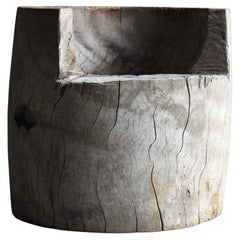
Wabi Sabi Chair

to
8
151
25
252
7
2
20
18
10
6
2
1
1
1
1
3
27
222
9
99
98
13
4
5
1
8
13
12
12
9
1
247
46
45
39
32
140
83
75
72
56
261
260
261
8
1
1
1
1
Sort By
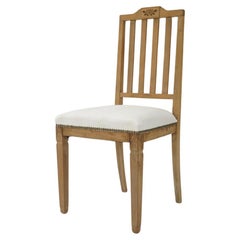
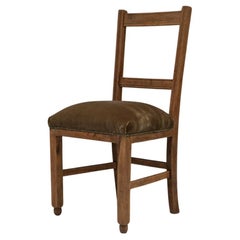
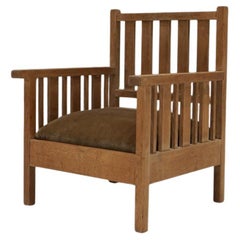
Japanese Antique Cherry Chair, 1950s–1960s - Japandi Wabi-Sabi
Located in Chiba, Chiba
A Japanese antique chair crafted from cherry wood and dating from the 1950s–1960s. Its presence
Category

Mid-20th Century Japanese Furniture

Materials

Wood

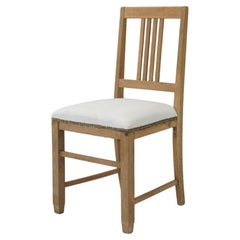
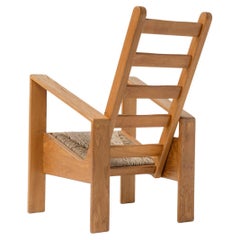
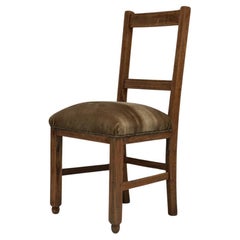
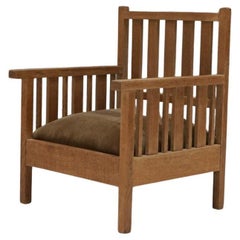
Japanese Antique Oak Chair, 1950s–1960s - Japandi Wabi-Sabi
Located in Chiba, Chiba
A Japanese antique chair crafted from oak and dating from the 1950s–1960s. Its form carries a
Category

Mid-20th Century Japanese Furniture

Materials

Wood

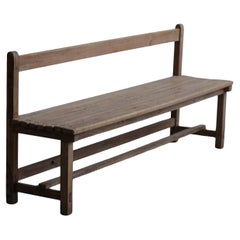
Japanese Antique Wood Bench, Rustic Wooden Chair, Wabi-Sabi
Located in Katori-Shi, 12
This is a tasteful antique cedar bench made around the Showa period. The warmth of the wood and the texture that evokes the era are attractive, and the design is simple yet strikin...
Category

Early 20th Century Japanese Showa Benches

Materials

Wood

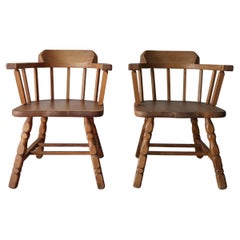
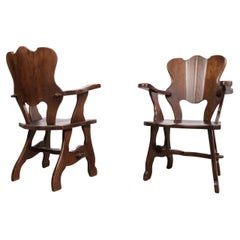
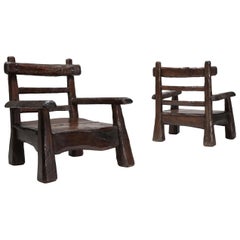
Pair of Antique Wooden Barrel Arm Chairs Chairs
Located in Las Vegas, NV
Beautiful pair of antique chairs full of Wabi-Sabi style. These chairs have perfectly imperfect raw
Category

Early 20th Century Primitive Chairs

Materials

Wood

Dutch Modernist Oak Chair, 1980s
Located in Aartselaar, BE
Modernist, minimalist, unique, rustic, wabi-sabi, dutch lounge chair This chair immediately
Category

Vintage 1980s Dutch Mid-Century Modern Chairs

Materials

Wood, Paint

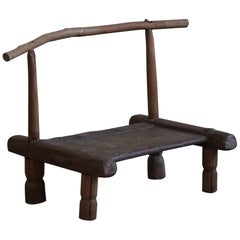
Antique African Wabi Sabi Stool / Chair, Decorative Object, Early 20th Century
Located in Odense, DK
design making it a one-of-a-kind piece for your home. This wabi sabi object has a fine patina and will
Category

Early 20th Century African Organic Modern Stools

Materials

Wood, Oak

Story Book Brutalist Wabi Sabi Oak Fire place Lounge / Arm Chairs
By Axel Einar Hjorth
Located in Boven Leeuwen, NL
, architecture, natural, wood, oak, Wabi Sabi, perfect imperfection, modernism, raw.
Category

Vintage 1970s Dutch Brutalist Armchairs

Materials

Oak

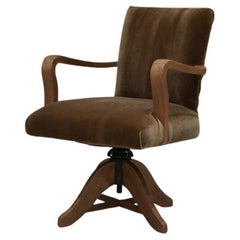
Japanese Antique Nara Wood Swivel Chair, 1930s–1940s - Japandi Wabi-Sabi
Located in Chiba, Chiba
A Japanese antique swivel chair crafted from nara (Japanese oak), dating from the 1930s–1940s. Its
Category

Early 20th Century Japanese Furniture

Materials

Iron

Japanese Antique Nara Wood Chair, 1910s–1920s - Japandi Wabi-Sabi A
Located in Chiba, Chiba
A Japanese antique chair crafted from nara (Japanese oak), dating from the 1910s–1920s. A branded
Category

Early 20th Century Japanese Furniture

Materials

Wood

Japanese Antique Nara Wood Chair, 1910s–1920s, Japandi Wabi-Sabi B
Located in Chiba, Chiba
A Japanese antique chair crafted from nara (Japanese oak), dating from the 1910s–1920s. A branded
Category

Early 20th Century Japanese Furniture

Materials

Wood

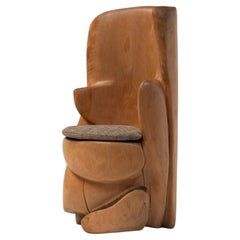
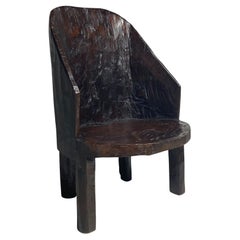
Unique Hand-Carved Sculptural Wooden Throne Chair, France 1970s
Located in Aartselaar, BE
rather than hiding it. As a sculptural, organic modern accent chair with clear studio craft and wabi sabi
Category

Mid-20th Century French Organic Modern Chairs

Materials

Wood, Wool, Linen

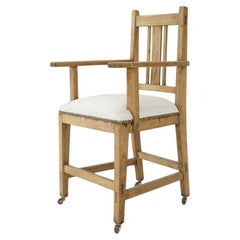
Japanese Antique Chestnut Child’s Caster Chair, 1940s–1950s - Japandi Wabi-Sabi
Located in Chiba, Chiba
A Japanese antique child’s caster chair crafted from chestnut wood and dating from the 1940s–1950s
Category

Mid-20th Century Japanese Furniture

Materials

Wood

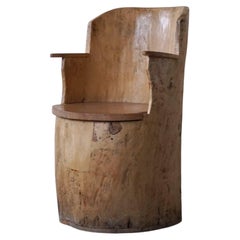
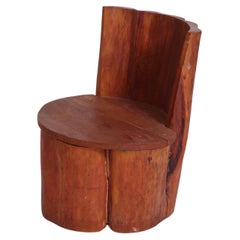
Stump Chair in Solid Birch by a Swedish Cabinetmaker, Wabi Sabi, 1950s
Located in Odense, DK
wabi sabi piece, perfectly sutied for the modern interior. This modern armchair will fit in many
Category

Mid-20th Century Swedish Brutalist Armchairs

Materials

Birch

Modern Stump Chair in Solid Pine, by a Swedish Cabinetmaker, Wabi Sabi, 1960s
Located in Odense, DK
in the 1960s. This beautiful Wabi-Sabi piece carries a warm patina, making it a unique addition to
Category

Mid-20th Century Swedish Brutalist Armchairs

Materials

Pine

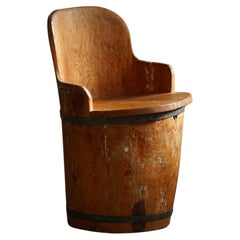
Hand Carved Primitive Swedish Modern Stump Chair in Pine, Wabi Sabi, 1960s
Located in Odense, DK
. A beautiful wabi sabi piece for the modern interior. This cute beauty will fit in many types of
Category

Mid-20th Century Swedish Brutalist Armchairs

Materials

Pine

Japanese Antique Chair in Teak and Rosewood, 1960s–1970s - Japandi Wabi-Sabi
Located in Chiba, Chiba
A Japanese antique chair from the 1960s–1970s, crafted primarily from teak with rosewood accents
Category

Mid-20th Century Japanese Furniture

Materials

Wood

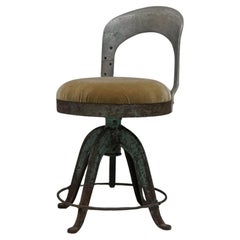
Japanese Antique Swivel Chair with Aluminum Back, Early Showa Period - Wabi-Sabi
Located in Chiba, Chiba
A Japanese antique swivel chair from the early Showa period. The seat height rises as the chair is
Category

Early 20th Century Japanese Furniture

Materials

Aluminum

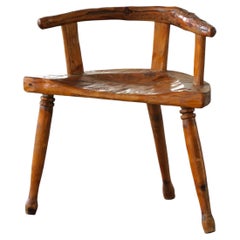
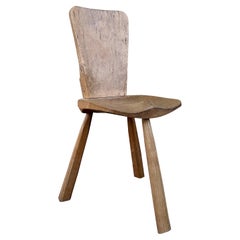
Early 20th Century, Scandinavian Folk Art Three-Legged Chair in Pine, Wabi Sabi
Located in Odense, DK
functional, the chair works beautifully as an accent in a rustic, wabi-sabi, or eclectic interior, while also
Category

Early 20th Century Scandinavian Folk Art Stools

Materials

Pine

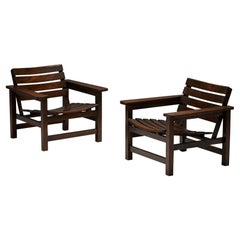
Brutalist Lounge Chairs, France, 1970s
Located in Antwerp, BE
1970s; 20th Century; Wabi Sabi; Rustic; Simplicity; Armchair; Easy Chair; Monoxylite; Lounge Chair
Category

Vintage 1970s French Rustic Lounge Chairs

Materials

Wood, Pine

Wabi Sabi Stump Chair in Solid Birch, by a Swedish Cabinetmaker, Modern, 1950s
Located in Odense, DK
. A nice wabi sabi piece, perfectly sutied for the modern interior. This modern armchair will fit in
Category

Mid-20th Century Swedish Brutalist Armchairs

Materials

Birch

Japanese Antique Low Chair in Nara Oak, 1930s–1940s - Japandi Wabi-Sabi A
Located in Chiba, Chiba
A Japanese antique low chair crafted from nara wood, dating from the 1930s–1940s. Designed for a
Category

Early 20th Century Japanese Furniture

Materials

Wood

Japanese Antique Low Chair in Nara Oak, 1930s–1940s - Japandi Wabi-Sabi B
Located in Chiba, Chiba
A Japanese antique low chair crafted from nara wood, dating from the 1930s–1940s. Designed for a
Category

Early 20th Century Japanese Furniture

Materials

Wood

Japanese Old Primitive Side Chair 1940s-1960s / Wabisabi
By Axel Vervoordt
Located in Chōsei District Nagara, JP
. It evokes the Japanese sense of “the beauty of time” and the philosophy of wabi-sabi. Viewed from
Category

Vintage 1940s Japanese Primitive Side Chairs

Materials

Cedar

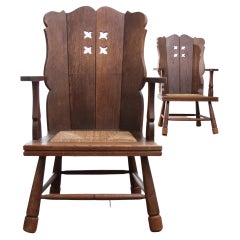
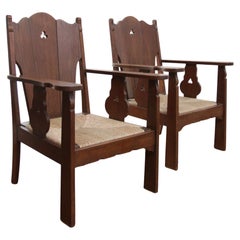
2 Dutch Story Book Brutalist Wabi Sabi Oak Rush Lounge Chairs, circa 1935
By Axel Einar Hjorth
Located in Boven Leeuwen, NL
Two lovely solid oak chairs with a rush seat from the 1930s. Fit perfectly with the style of
Category

Vintage 1930s Dutch Art Deco Armchairs

Materials

Rush, Oak

Mid 20th Century Wabi Sabi Stump Chair in Pine, by a Swedish Cabinetmaker, 1950s
Located in Odense, DK
nice wabi sabi piece, perfectly sutied for the modern interior. This modern armchair will fit in
Category

Mid-20th Century Swedish Brutalist Armchairs

Materials

Pine

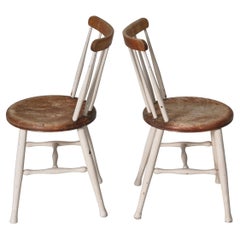
Danish Cabinetmaker Antique Folk Art Spindle Chairs, Early 20th Century
Located in Odense, DK
Very charming pair of wabi-sabi style spindle back side chairs with drumstick legs. Made in the
Category

Antique Early 1900s Danish Side Chairs

Materials

Beech

A Pair of Early 1800s Farmhouse Pine Chair, Hand-crafted Folk Art, Norway
Located in Skien, NO
-sabi, these chairs offer a rare opportunity to own a documented piece of Scandinavian heritage
Category

Antique Early 19th Century Norwegian Folk Art Side Chairs

Materials

Pine, Wool

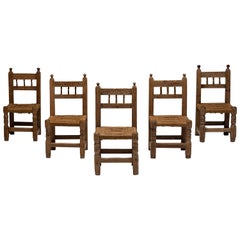
Rustic Straw Dining Chairs, Spain, 19th Century
Located in Antwerp, BE
Monoxylite; Spanish Pyrenees; 19th Century; Spain; Straw Seating; Wooden Chairs; Wabi Sabi; Naive
Category

Antique 19th Century Spanish Rustic Dining Room Chairs

Materials

Straw, Wood

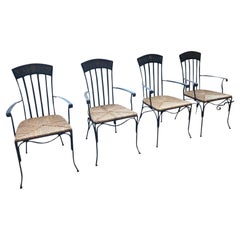
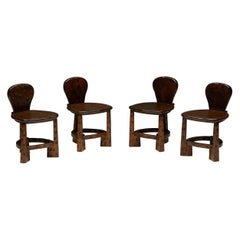
Set of Four Iron and Rush Mid Century Italian Chairs
Located in New York, NY
styles: from modernist to farmhouse to wabi-sabi. Sturdy yet lightweight, the chairs offer both
Category

Mid-20th Century Dining Room Chairs

Materials

Iron

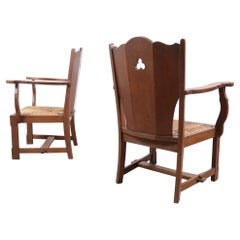
Set of 2 Story Book Dutch Brutalist Wabi Sabi Oak Rush Lounge Chairs, circa 1935
By Axel Einar Hjorth
Located in Boven Leeuwen, NL
Two lovely solid oak chairs with a rush seat from the 30's. Fit perfectly with the style of
Category

Vintage 1930s Dutch Art Deco Armchairs

Materials

Rush, Oak

Set of 2 Story Book Dutch Brutalist Wabi Sabi Oak Rush Lounge Chairs ca. 1935
By Axel Einar Hjorth
Located in Boven Leeuwen, NL
Two lovely solid oak chairs with a rush seat from the 30's. Fit perfectly with the style of
Category

Vintage 1930s Dutch Art Deco Armchairs

Materials

Rush, Oak

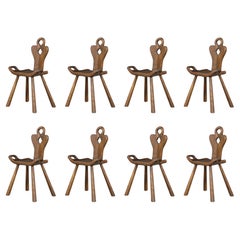
Set of 8 Sculptural French Alpine Chairs in Solid Oak, France, 1950s
Located in Almelo, NL
original surface and character. Ideal for a rustic farmhouse, chalet, or wabi-sabi inspired interior
Category

Mid-20th Century French Folk Art Dining Room Chairs

Materials

Oak

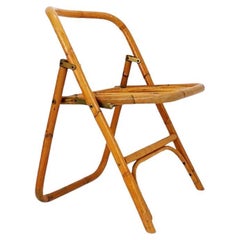
Mid-Century Italian Bamboo Dal Vera Folding Chair, 1960s
Located in Linkebeek, BE
Mid-Century Italian Bamboo Dal Vera Folding Chair, 1960s Wear consistent with age and use Wabi
Category

Vintage 1960s Office Chairs and Desk Chairs

Materials

Bamboo

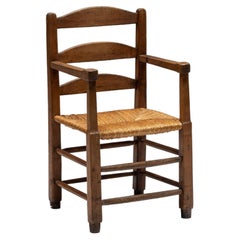
Rustic Armchair in Solid Wood and Straw, France, 1940s
Located in Antwerp, BE
Rustic; Art Populaire; Folk Art; Travail Populaire; Monoxylite; 1940s; France; Wabi Sabi; Armchair
Category

Vintage 1940s French Rustic Armchairs

Materials

Straw, Wood

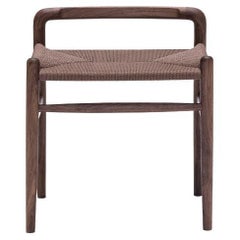
Wabi Sabi Walnut Dressing Stool - with Woven Seat
Located in London, GB
inspired by the principles of wabi-sabi. The word wabi itself translates to quietness and rustic simplicity
Category

2010s Asian Organic Modern Side Chairs

Materials

Walnut

Early 20th Century Hand Carved Wooden Wabi Sabi Chair, Scandinavian Modern
Located in Odense, DK
Antique Scandinavian hand carved wooden chair. Made in the early 20th century. A beautiful wabi
Category

Early 20th Century Danish Brutalist Chairs

Materials

Oak

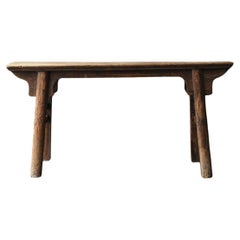
Old Chinese wooden bench/Wabi-Sabi chair/1900s
Located in Sammu-shi, Chiba
a sense of "wabi-sabi", and gives the space warmth and calm. The simple and sturdy design that makes
Category

20th Century Chinese Other Benches

Materials

Cedar

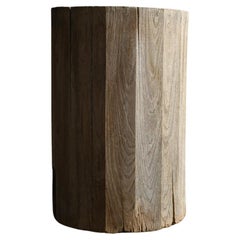
Japanese antique wooden high stool/20th century/Wabi-sabi chair
Located in Sammu-shi, Chiba
also expressive and beautiful. The top of the chair is cut at a slight angle, so there is a difference
Category

20th Century Japanese Showa Stools

Materials

Wood

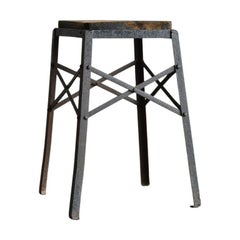
Old Iron Stool Used in a Japanese Factory / Wabi-Sabi Chair / 1930-1980
Located in Sammu-shi, Chiba
imitate. It is an Industrial chair made around 1930-1980 in Japan. It's simple, but it's strong and
Category

20th Century Japanese Showa Stools

Materials

Iron

Artisan Organic Chairs, Wabi Sabi, France, 1950s
Located in Antwerp, BE
Rustic; Wabi Sabi; Organic; Artisan; Wood; Dining Chairs; Chair; Living Room Set; French; France
Category

Vintage 1950s French Rustic Chairs

Materials

Wood

Naive Wabi Sabi Handmade Ebonised Statement Dining Chairs
Located in London, GB
Pair of statement apprentice-made wabi sabi chairs. Suitable as either stand alone or statement
Category

Mid-20th Century English Brutalist Chairs

Materials

Elm

Wooden Chair Inspired by José Zanine Caldas
By José Zanine Caldas
Located in Antwerp, BE
Solid wood chair, in the style Of José Zanine Caldas, Brazilian Modernism, Wabi-sabi Wabi-Sabi
Category

Antique Mid-19th Century European Mid-Century Modern Chairs

Materials

Wood

Primitive Wabi Sabi Side Chair Pair
Located in Los Angeles, CA
Crafted from elm, this set of Primitive Wabi Sabi side chairs embodies simplicity, authenticity
Category

Early 20th Century Chinese Primitive Chairs

Materials

Wood, Elm

Wabi Sabi Primitive Carved Swedish Chair, 1850
Located in Nijlen, BE
This unique pair of handcut Swedish chairs. Also sold separately. The Wabi Sabi character of this
Category

Antique 19th Century Swedish Primitive Chairs

Materials

Wood

Wabi sabi Rattan tropical Lounge Chair
Located in Antwerp, BE
wabi sabi minimalist zen inspired Axel Vervoordt interior Measure: L 143 cm H 90 cm SH 44 cm W 60 cm.
Category

Vintage 1960s French French Provincial Lounge Chairs

Materials

Rattan

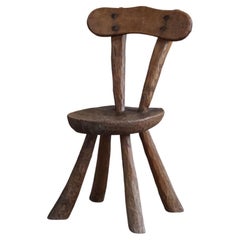
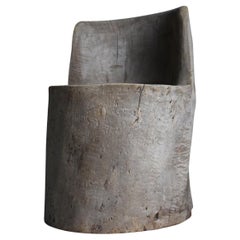
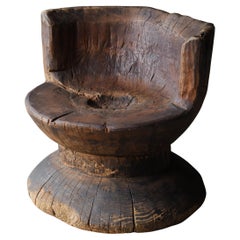
Wabi Sabi Primitive Chair, Scandinavia, circa 1800s
Located in Hønefoss, 30
Carved wooden chair, Scandinavia, circa 1800s. Hewn from a single log with rounded seat and high
Category

Antique 19th Century Norwegian Romantic Chairs

Materials

Pine

Antique Primitive Chair 1860s-1900s / Side Chair Wabi Sabi
By Axel Vervoordt
Located in Sammu-shi, Chiba
does not wobble. It is also in excellent condition. This item reminds me of the spirit of wabi-sabi
Category

Early 20th Century Unknown Primitive Chairs

Materials

Wood

Wabi Sabi Burl Stools
Located in Antwerp, BE
Extraordinary set of Primitive burl stools made in (extinct) French Elm. A most rare find from early 20th century France. Measures: H 60 cm, L 70 cm, D 70 cm.  
Category

Early 20th Century French Primitive Chairs

Materials

Elm

Wabi Sabi Rustic Lounge Chairs in Pine
Located in Antwerp, BE
Pine rustic lounge chairs in the style of Wabi Sabi, Europe, 1950s. Would fit well in an Axel
Category

Vintage 1950s European Rustic Lounge Chairs

Materials

Pine

Japanese Antique Primitive Chair 1860s-1920s / Wabi Sabi
Located in Sammu-shi, Chiba
, but you can use your favorite cushions. The chair evokes the spirit of wabi-sabi, the Japanese
Category

Early 20th Century Japanese Primitive Chairs

Materials

Walnut

Scandinavian Brutalist Hand-Carved Wabi Sabi Stump Chair
Located in Portland, OR
Hand-crafted pine chair with storage. Made in Denmark circa 1970s. Stained pine. So fun! Wizard
Category

Mid-20th Century Danish Scandinavian Modern Chairs

Materials

Pine

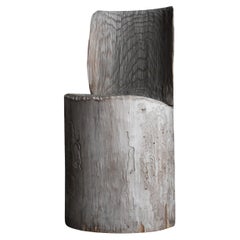
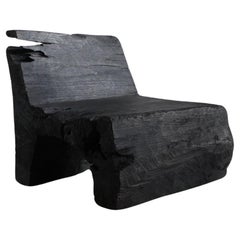
Charred Primitive Wabi Sabi Japanese Dug-Out Chair
Located in London, GB
An early 20th C. Meiji period chair constructed from a single piece of timber. Charred and heavily
Category

Early 20th Century Japanese Chairs

Materials

Cedar

Wabi sabi indian naga tribal chair, 1900s
Located in Zaandam, NL
A turn of the century carved tribal chair from nagaland, north east india. This chair is carved
Category

Antique Early 1900s Indian Anglo-Indian Side Chairs

Materials

Wood

Japanese Antique Primitive Chair 1860s-1920s / Side Chair Wabi Sabi
Located in Chōsei District Nagara, JP
quietly radiates a sense of presence. It is truly a gem that embodies the spirit of wabi-sabi. Weight
Category

Early 20th Century Japanese Primitive Chairs

Materials

Wood

French Wabi Sabi brutalist side chair 1950’s
Located in Valby, 84
Rare brutalist wabi sabi side chair made in the mountains of France in the 1950’s in solid wood
Category

Vintage 1950s French Brutalist Side Chairs

Materials

Wood

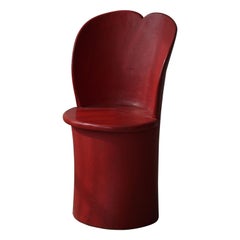
Swedish Modern, Carved Primitive Wabi Sabi Romantic Stump Chair, 1950s
Located in Odense, DK
cabinetmaker in the mid 20th century. A truely authentic unique red painted wabi sabi piece. The overall
Category

Mid-20th Century Swedish Scandinavian Modern Chairs

Materials

Pine

Japanese Antique Primitive Chair 1860s-1900s / Seating Mingei Wabi Sabi
Located in Sammu-shi, Chiba
furniture that evokes the wabi-sabi aesthetic. The small size of the buttocks area makes it suitable for
Category

Early 20th Century Japanese Meiji Chairs

Materials

Wood

  • 1
Get Updated with New Arrivals
Save "Wabi Sabi Chair", and we’ll notify you when there are new listings in this category.

Wabi Sabi Chair For Sale on 1stDibs

Choose from an assortment of styles, material and more with respect to the wabi sabi chair you’re looking for at 1stDibs. Each wabi sabi chair for sale was constructed with extraordinary care, often using wood, hardwood and elm. Your living room may not be complete without a wabi sabi chair — find older editions for sale from the 19th Century and newer versions made as recently as the 20th Century. A wabi sabi chair, designed in the Mid-Century Modern or Victorian style, is generally a popular piece of furniture. A well-made wabi sabi chair has long been a part of the offerings for many furniture designers and manufacturers, but those produced by Andrianna Shamaris are consistently popular.

How Much is a Wabi Sabi Chair?

The average selling price for a wabi sabi chair at 1stDibs is $3,300, while they’re typically $678 on the low end and $7,500 for the highest priced.

Finding the Right Seating for You

With entire areas of our homes reserved for “sitting rooms,” the value of quality antique and vintage seating cannot be overstated.

Fortunately, the design of side chairs, armchairs and other lounge furniture — since what were, quite literally, the early perches of our ancestors — has evolved considerably.

Among the earliest standard seating furniture were stools. Egyptian stools, for example, designed for one person with no seat back, were x-shaped and typically folded to be tucked away. These rudimentary chairs informed the design of Greek and Roman stools, all of which were a long way from Sori Yanagi's Butterfly stool or Alvar Aalto's Stool 60. In the 18th century and earlier, seats with backs and armrests were largely reserved for high nobility.

The seating of today is more inclusive but the style and placement of chairs can still make a statement. Antique desk chairs and armchairs designed in the style of Louis XV, which eventually included painted furniture and were often made of rare woods, feature prominently curved legs as well as Chinese themes and varied ornaments. Much like the thrones of fairy tales and the regency, elegant lounges crafted in the Louis XV style convey wealth and prestige. In the kitchen, the dining chair placed at the head of the table is typically reserved for the head of the household or a revered guest.

Of course, with luxurious vintage or antique furnishings, every chair can seem like the best seat in the house. Whether your preference is stretching out on a plush sofa, such as the Serpentine, designed by Vladimir Kagan, or cozying up in a vintage wingback chair, there is likely to be a comfy classic or contemporary gem for you on 1stDibs.

With respect to the latest obsessions in design, cane seating has been cropping up everywhere, from sleek armchairs to lounge chairs, while bouclé fabric, a staple of modern furniture design, can be seen in mid-century modern, Scandinavian modern and Hollywood Regency furniture styles.

Admirers of the sophisticated craftsmanship and dark woods frequently associated with mid-century modern seating can find timeless furnishings in our expansive collection of lounge chairs, dining chairs and other items — whether they’re vintage editions or alluring official reproductions of iconic designs from the likes of Hans Wegner or from Charles and Ray Eames. Shop our inventory of Egg chairs, designed in 1958 by Arne Jacobsen, the Florence Knoll lounge chair and more.

No matter your style, the collection of unique chairs, sofas and other seating on 1stDibs is surely worthy of a standing ovation.

Questions About Wabi Sabi Chair
  • 1stDibs ExpertApril 5, 2022
    Wabi-sabi furniture refers to tables, seats and other furnishings that reflect a specific Japanese design philosophy. It involves creating minimalist furniture that has a focus on appreciating the imperfections found in nature. On 1stDibs, find a collection of wabi-sabi furniture.
  • 1stDibs ExpertApril 5, 2022
    Wabi-sabi is the practice of finding the beauty in imperfections. Examples include flowers growing through cracks in the ground, or a broken ceramic bowl made whole again with its imperfections showing through. You’ll find a variety of wabi-sabi pieces from some of the world’s top sellers on 1stDibs.
    1stDibs ExpertApril 5, 2022
    One important aspect of wabi-sabi is the beauty in imperfect things, so a good example of wabi-sabi would be asymmetrical or even crude vessels and furniture. On 1stDibs, you’ll find a collection of wabi-sabi furniture and other objects from some of the world’s top sellers.
  • 1stDibs ExpertMay 5, 2023
    The primary principle of Wabi-Sabi is to appreciate the imperfections found in nature. As a result, Wabi-Sabi emphasizes asymmetry, roughness, simplicity and the use of natural materials and finishes. On 1stDibs, shop a variety of pieces based on Wabi-Sabi principles.
  • 1stDibs ExpertApril 5, 2022
    Wabi-sabi pottery refers to earthenware vessels that embody the principles of a Japanese philosophy called wabi-sabi. Proponents of the idea believe that household objects should emphasize function over form, so that they satisfy needs but do not cause people to attach too much meaning to worldly possessions. There is also a focus on finding the beauty in imperfection and simplicity. On 1stDibs, find a collection of wabi-sabi pottery.
  • 1stDibs ExpertMay 5, 2023
    Wabi-sabi is technically not a design style, but it has influenced design. The term Wabi-sabi refers to a philosophy that emphasizes accepting imperfection and celebrating the impermanent beauty of nature. This concept has inspired many interior design trends, such as using organic and sustainable materials, selecting upcycled and repurposed pieces and integrating furniture and decorative objects that are unfinished, unpolished and unglazed. Shop a collection of pieces inspired by Wabi-sabi on 1stDibs.