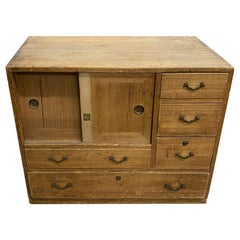
Wabi Sabi Drawers

to
21
16
5
269
2
1
7
97
165
152
10
1
3
1
2
3
1
267
171
53
51
24
260
260
260
5
3
269
269
269
Sort By
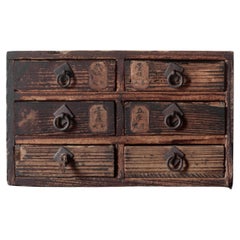
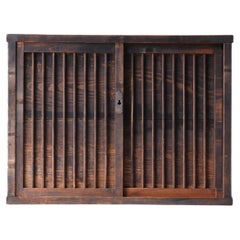
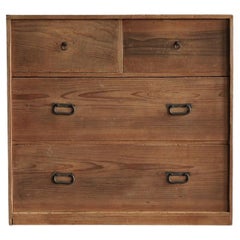
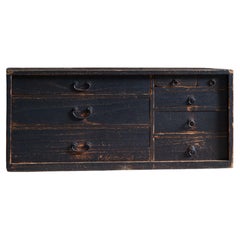
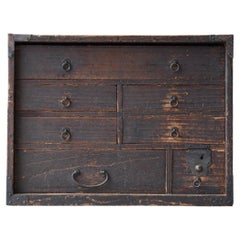
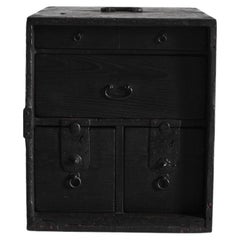
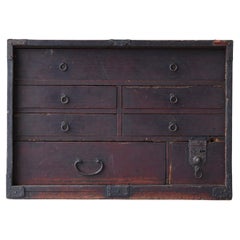
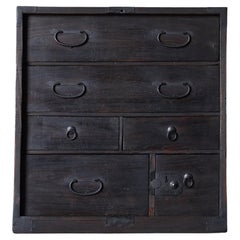
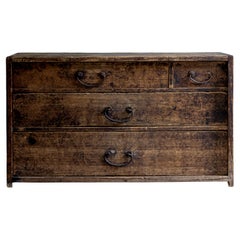
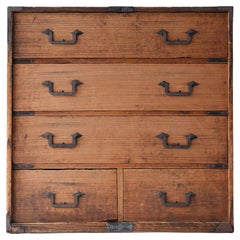
Japanese Antique Small Drawer / 1876s Meiji Period / Storage Wabi-sabi Mingei
Located in Iwate-gun Shizukuishi-cho, Iwate Prefecture
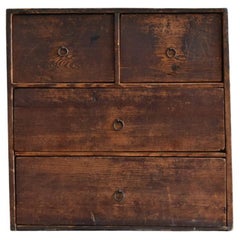
This is an old Japanese wooden small drawer. It's from 1876(Meiji 9 years). In the drawer, there was a record that I started using it in 1876. The material is cedar. It was used ...
Category

Antique 1870s Japanese Meiji Commodes and Chests of Drawers

Materials

Wood, Cedar

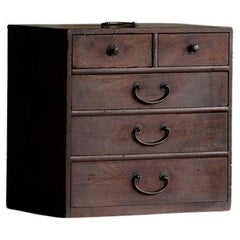
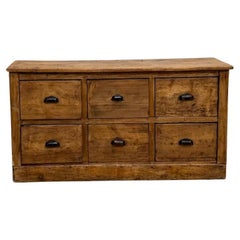
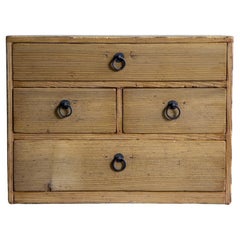
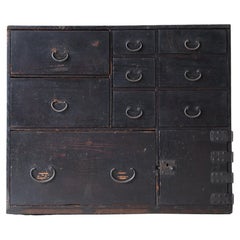
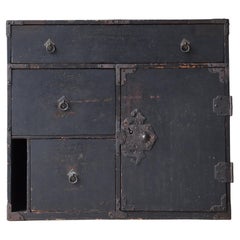
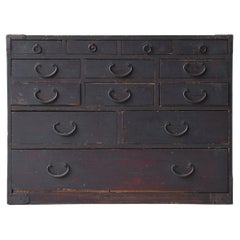
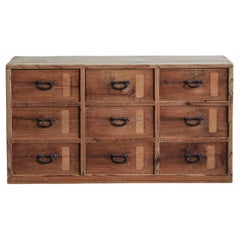
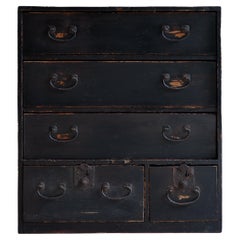
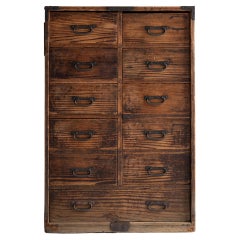
Japanese Antique Small Five-Drawer Chest, Taisho Era 1912-1926 , Wabi Sabi
Located in Hitachiomiya-shi, 08
captures the essence of wabi-sabi, inviting you to appreciate its serene beauty. As an antique piece
Category

Early 20th Century Japanese Taisho Commodes and Chests of Drawers

Materials

Wood

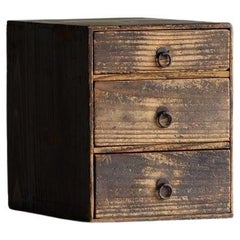
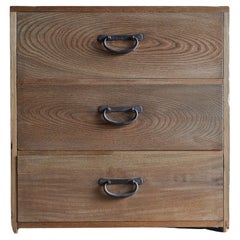
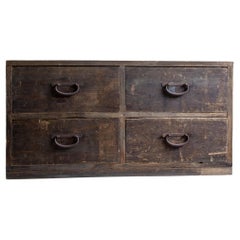
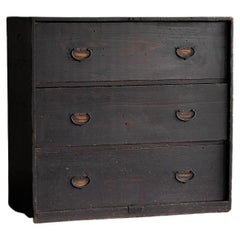
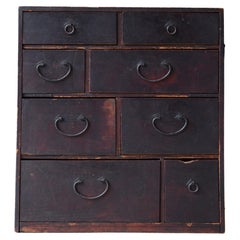
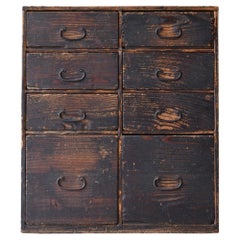
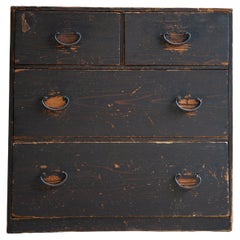
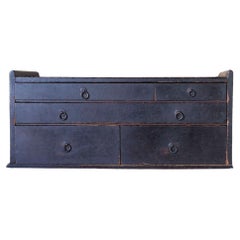
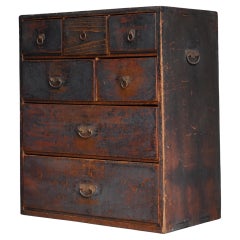
Japanese Antique Three-Drawer Box, Taisho Era 1912-1926 , Wabi Sabi #2
Located in Hitachiomiya-shi, 08
charm and the story it tells over time. Cleaned and disinfected with non-toxic solution. The drawers
Category

Early 20th Century Japanese Taisho Commodes and Chests of Drawers

Materials

Cedar

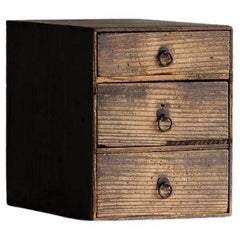
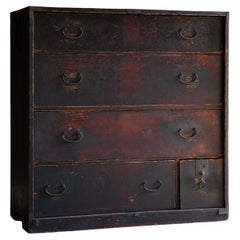
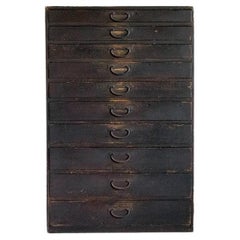
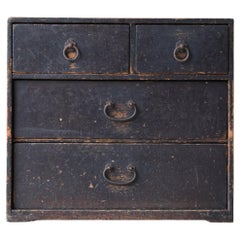
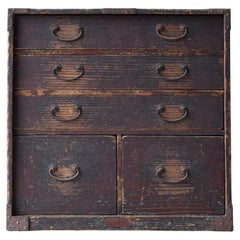
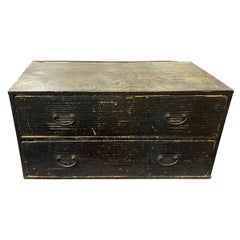
Japanese Antique Three-Drawer Box, Taisho Era 1912-1926 , Wabi Sabi #1
Located in Hitachiomiya-shi, 08
charm and the story it tells over time. Cleaned and disinfected with non-toxic solution. The drawers
Category

Early 20th Century Japanese Taisho Commodes and Chests of Drawers

Materials

Cedar

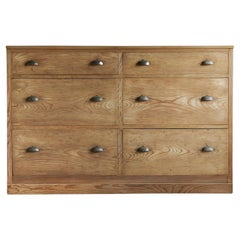
Antique 6 chestnut drawers, cabinet, Wabi Sabi, Japandi
Located in Katori-Shi, 12
. Its neat form is accented by subtle lines running down the edges of the drawers, creating a modest yet
Category

Early 20th Century Japanese Taisho Antiquities

Materials

Wood

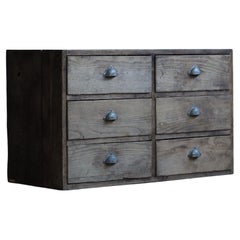
French 1950s Trade Cabinet with Drawers – Patinated Pine "Wabi-Sabi"
Located in LYON, FR
1950s Trade Cabinet with Drawers – Patinated Pine "Wabi-Sabi" Description: Maison Lecan presents
Category

Vintage 1950s French French Provincial Sideboards

Materials

Pine

Japanese Antique, Small Chest of Drawers, Tisho Period, Wabi Sabi
Located in Hitachiomiya-shi, 08
This is a very old small chest of drawers from the Taisho period. (1912~1926) It is made of
Category

Early 20th Century Japanese Cabinets

Materials

Wood

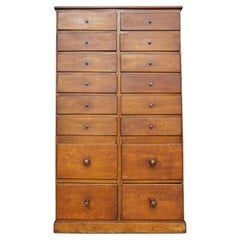
Early 20th Century Industrial Wabi Sabi High Chest of Drawers
Located in Dusseldorf, DE
. Simple high rectangular corpus with a total of 16 drawers and slightly overhanging top plate. Four large
Category

Early 20th Century European Industrial Apothecary Cabinets

Materials

Beech

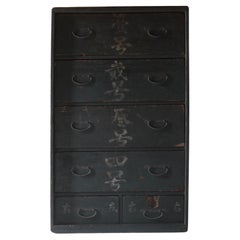
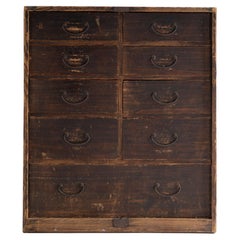
Japanese Antique Tansu 1860s-1900s / Cabinet Chests of Drawers Wabi Sabi Mingei
Located in Sammu-shi, Chiba
furniture with a wabi-sabi feel. It weighs 14kg.
Category

Early 20th Century Japanese Meiji Cabinets

Materials

Cedar

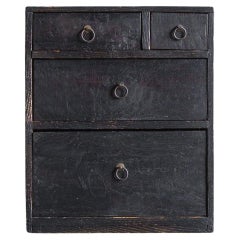
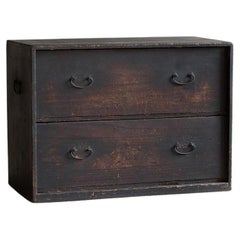
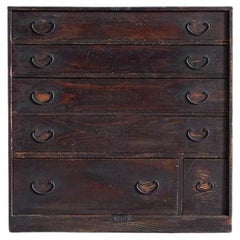
Japanese Antique Black Tansu / Chest of drawers Cabinet / 1912s-1926s Wabi-sabi
Located in Iwate-gun Shizukuishi-cho, Iwate Prefecture
beauty of wabi-sabi in the good old days of Japan. There is also a depth, and the top board is spacious
Category

Early 20th Century Japanese Taisho Cabinets

Materials

Wood, Cedar, Pine

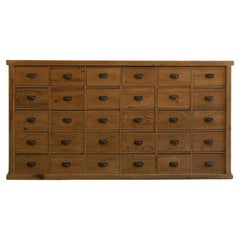
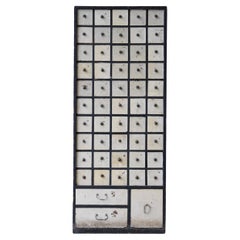
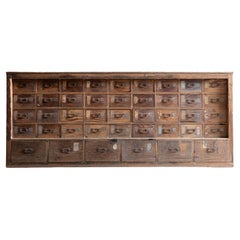
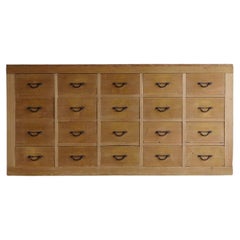
Japanese Antique Drawer storage shelf 30 drawers 1910s-1930s Wabi-Sabi Japandi
Located in Chiba, Chiba
old Japanese pieces of furniture with drawers, but it is rare to find a shelf with this many drawers
Category

Early 20th Century Japanese Taisho Furniture

Materials

Wood

Japanese Antique Large Black Tansu 1860s-1900s / Chests of Drawers Wabi Sabi
Located in Sammu-shi, Chiba
Very old, large Japanese black Tansu. It is from the Meiji period (1860s-1900s). It is made of cedar wood. It is rugged and beautiful with no unnecessary decoration. The blacke...
Category

Early 20th Century Japanese Meiji Cabinets

Materials

Cedar

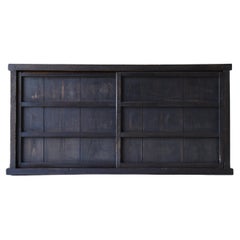
Japanese Antique Apothecary Drawers 1800s-1860s / Tansu Storage Wabi Sabi
Located in Sammu-shi, Chiba
period furniture. This is a very rare Japanese furniture with a sense of wabi-sabi. Weight 10kg.
Category

Antique Late 19th Century Japanese Edo Commodes and Chests of Drawers

Materials

Cedar

Japanese Antique, Small drawers, Taisho Period Early 1900s , Wabi Sabi
Located in Hitachiomiya-shi, 08
This is a small drawers of Japanese antique. It was made in the Taisho period. (1912-1926) This
Category

Early 20th Century Japanese Taisho Commodes and Chests of Drawers

Materials

Cedar

Japanese Antique Chest of Drawers, Early Meiji Era 1868- Wabi Sabi
Located in Hitachiomiya-shi, 08
, showcasing the charm and character unique to antiques. The aged patina embodies the wabi-sabi aesthetic
Category

Antique Late 19th Century Japanese Meiji Commodes and Chests of Drawers

Materials

Wood

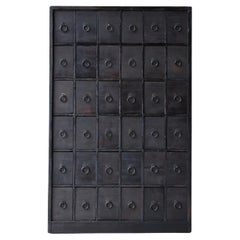
Japanese Antique Black Apothecary Drawers 1860s-1900s / Tansu Cabinet Wabi Sabi
Located in Sammu-shi, Chiba
design. It is a miracle that all the drawer handles are still in place. All 36 drawers move smoothly
Category

Early 20th Century Japanese Meiji Commodes and Chests of Drawers

Materials

Wood

Japanese Antique Chests of Drawers, Meiji Era 1868-1912 Wabi Sabi
Located in Hitachiomiya-shi, 08
balance between rugged charm and warm, inviting appeal, evoking a sense of wabi-sabi, where simplicity and
Category

Early 20th Century Japanese Meiji Commodes and Chests of Drawers

Materials

Cedar

Early 20th Japanese Antique, Chest of Drawers /Meiji Period /Wabi Sabi
Located in Hitachiomiya-shi, 08
. You can feel a ”Wabi-Sabi” throughout the item. Despite its age, it is in very good condition. It
Category

Early 20th Century Japanese Meiji Commodes and Chests of Drawers

Materials

Wood

Japanese Antique, Chest of drawers, Meiji Period(1868-1912), Wabi Sabi
Located in Hitachiomiya-shi, 08
This is a Japanese antique chest of drawers. It was made in the Meiji period(1868-1912). It is
Category

Early 20th Century Japanese Meiji Commodes and Chests of Drawers

Materials

Wood

Japanese Antique Double Pull-Out Drawers 1860s-1900s /Tansu, Wabi-Sabi
Located in Katori-Shi, 12
drawers are made of a high quality wood called "TAMA-MOKU". "TAMA-MOKU" is a wood with a distinctive
Category

Early 20th Century Japanese Meiji Commodes and Chests of Drawers

Materials

Wood

1852 Edo Japanese antique wabi sabi Urushi mid Tansu chest of drawers
Located in 常陸大宮市, JP
traditional wood joinery without metal fastener. Urushi lacquer remains in nice wabi sabi touch. The warm
Category

Antique 1850s Japanese Edo Commodes and Chests of Drawers

Materials

Wood

Japanese Antique, Chest of Drawers, Early Showa Period(1926-), Wabi Sabi
Located in Hitachiomiya-shi, 08
This chest is a vintage piece of furniture crafted early to mid-Showa period. It was originally used to stock clothing, fabrics, and materials in a kimono store. Each drawer is ge...
Category

Early 20th Century Japanese Showa Commodes and Chests of Drawers

Materials

Cedar, Cypress

1860s-1920s Japanese antique rustic wabi sabi mid tansu chest of drawers
Located in 常陸大宮市, JP
, remains in good wabi sabi touch. Smooth opening & closing operation for all drawers. There're two minor
Category

Antique Late 19th Century Japanese Meiji Commodes and Chests of Drawers

Materials

Wood, Cedar

Japanese Antique Black Tansu 1860s-1900s / Chests of Drawers Wabi Sabi Cabinet
Located in Sammu-shi, Chiba
Japanese furniture with a wabi-sabi feeling. Weight is 16.5 kg.  
Category

Early 20th Century Japanese Meiji Commodes and Chests of Drawers

Materials

Cedar

Japanese Antique Drawer 1860s-1900s / Chests of Drawers Wabi Sabi Storage Tansu
Located in Sammu-shi, Chiba
with peace of mind. This is a rare Japanese furniture with wabi-sabi feeling. The weight is 7kg.   
Category

Early 20th Century Japanese Meiji Commodes and Chests of Drawers

Materials

Wood

Japanese Antique Black Drawer 1860s-1900s / Chests of Drawers Tansu Wabi Sabi
Located in Sammu-shi, Chiba
with wabi-sabi feeling. Weight is 13kg.  
Category

Early 20th Century Japanese Meiji Commodes and Chests of Drawers

Materials

Cedar

Japanese Antique, Chest of Drawers, Meiji Era 1868-1912 Wabi Sabi"Tansu"
Located in Hitachiomiya-shi, 08
years, its natural aging process has revealed a beautiful patina, enhancing its wabi-sabi charm. The
Category

Antique Late 19th Century Japanese Meiji Commodes and Chests of Drawers

Materials

Cedar

1860s-80s Japanese antique mid size Urushi Tansu chest of drawers, wabi sabi
Located in 常陸大宮市, JP
. Original urushi lacquer remains in nice wabi sabi touch. Original antique iron handles are simple and
Category

Antique Late 19th Century Japanese Edo Commodes and Chests of Drawers

Materials

Wood, Cedar

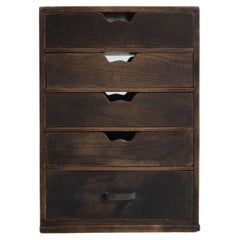
Rare Small Wabi Sabi Japanese Late Edo Period Chest Of Drawers/Tansu
Located in London, GB
A beautifully worn late Edo period small set of drawers. Five individual drawers with wrought
Category

Antique 19th Century Japanese Edo Commodes and Chests of Drawers

Materials

Cedar

Japanese Antique Drawer 1860s-1900s / Storage Tansu Chests of Drawers Wabi Sabi
Located in Sammu-shi, Chiba
wood. The handles are made of iron. These drawers are rugged and beautiful. The design is simple and
Category

Early 20th Century Japanese Meiji Commodes and Chests of Drawers

Materials

Cedar

Japanese Antique Drawer 1860s-1900s / Tansu Chests of Drawers Wabi Sabi Storage
Located in Sammu-shi, Chiba
walnut wood. The handles are made of iron. These drawers are rugged and beautiful. The design is
Category

Early 20th Century Japanese Meiji Commodes and Chests of Drawers

Materials

Walnut

Japanese Antique Vertical Chest Of Drawers, Meiji Era 1868-1912 , Wabi Sabi
Located in Hitachiomiya-shi, 08
This antique vertical chest of drawers was crafted in the Meiji Era(1868-1912). This chest of
Category

Early 20th Century Japanese Meiji Commodes and Chests of Drawers

Materials

Cedar

Japanese Antique Drawer 1860s-1900s / Chests of Drawers Wabi Sabi Storage Tansu
Located in Sammu-shi, Chiba
beautiful. The design is simple and lean. It is the ultimate in simplicity. The drawers move smoothly and
Category

Early 20th Century Japanese Meiji Commodes and Chests of Drawers

Materials

Wood

Japanese Antique Chest of Drawers Taisho Period Early 1900s Wabi Sabi Tansu
Located in Hitachiomiya-shi, 08
This is a very old chest of drawers from the Taisho period. (1912~1926) Material is cedar wood
Category

Early 20th Century Japanese Commodes and Chests of Drawers

Materials

Wood, Cedar

Japanese Antique Drawer 1860s-1900s/Tansu Chests of Drawers Wabi-Sabi Cabinet
Located in Sammu-shi, Chiba
. It is the ultimate in simplicity. It has a wonderful taste. The drawers move smoothly and are in
Category

Early 20th Century Japanese Meiji Commodes and Chests of Drawers

Materials

Cedar

Japanese Antique Drawer 1860s-1900s/Tansu Chests of Drawers Wabi-Sabi storage
Located in Sammu-shi, Chiba
drawers move smoothly and are in very good condition. The inside of the drawers have been cleaned and are
Category

Early 20th Century Japanese Meiji Commodes and Chests of Drawers

Materials

Cedar

Japanese Antique Black Drawer 1860s-1900s / Chests of Drawers Tansu Wabi Sabi
Located in Sammu-shi, Chiba
. It is truly the ultimate in simplicity and is very beautiful. The drawers move smoothly and are in
Category

Early 20th Century Japanese Meiji Commodes and Chests of Drawers

Materials

Wood

1860s-1910s Japanese antique cabinet, wabi sabi tansu medicine chest of drawers
Located in 常陸大宮市, JP
This large shop cabinet, tansu chest of drawers, is in the vein of Kusuri dansu (Medicine
Category

Antique Late 19th Century Japanese Meiji Commodes and Chests of Drawers

Materials

Wood, Hardwood, Cypress

1780s-1850s Edo Japanese antique medicine chest of drawers, cabinet wabi sabi
Located in 常陸大宮市, JP
Mid size apothecary chest, medicine chest of drawers - "Kusuri dansu" in Japanese - is a new finds
Category

Antique Late 18th Century Japanese Edo Commodes and Chests of Drawers

Materials

Wood, Hardwood

1860s-1910s Japanese antique Kiri medicine chest of drawers, tansu, wabi sabi
Located in 常陸大宮市, JP
A pair of mid size apothecary chest, medicine chest of drawers - "Kusuri dansu" in Japanese from
Category

Antique Late 19th Century Japanese Meiji Commodes and Chests of Drawers

Materials

Wood

Japanese Antique Wabi Sabi Storage Box 1800s-1860s / Chests of Drawers Tansu
Located in Sammu-shi, Chiba
This is a very old Japanese storage box. This furniture is from the Edo period. (1800s-1860s). It is made of paulownia wood, which is a high quality material. All metal fittings are ...
Category

Antique Late 19th Century Japanese Edo Commodes and Chests of Drawers

Materials

Wood

A Large Two Section Cedar Wabi Sabi Japanese Tansu/Chest Of Drawers
Located in London, GB
A large heavily patinated two part Japanese Meiji period tansu. Constructed in cedar with brass & iron hardware. Both beautiful, highly practical & easy to transport.
Category

Antique 19th Century Japanese Meiji Commodes and Chests of Drawers

Materials

Brass, Iron

Japanese Antique Drawer / Tansu Peddler Chest of drawers / 1868-1912s Wabi-Sabi
Located in Iwate-gun Shizukuishi-cho, Iwate Prefecture
This is an old Japanese drawer. I think it is a called "Peddler's Tansu", which is used by merchants to carry goods far away. "Peddler" refers to carrying and retailing products wi...
Category

Antique Late 19th Century Japanese Meiji Commodes and Chests of Drawers

Materials

Iron

1860s-1910s Japanese antique wabi sabi Black Urushi mid Tansu chest of drawers
Located in 常陸大宮市, JP
lacquer, persimmon tannin (kakishibu) & burnt pine ink. in a certain wabi sabi touch. Made of thick
Category

Antique Late 19th Century Japanese Meiji Commodes and Chests of Drawers

Materials

Wood, Cedar

Japanese Antique Large Chest Of Drawers"tansu", Meiji Era 1868-1912 , Wabi Sabi
Located in Hitachiomiya-shi, 08
This antique chest of drawers was crafted in the Taisho Era(1912-1926). Robustly built with
Category

Antique Late 19th Century Japanese Meiji Commodes and Chests of Drawers

Materials

Wood, Cedar

Rare Japanese Old Wooden Antique Drawer/1912-1940/Wabi-Sabi Chest of Drawers
Located in Sammu-shi, Chiba
drawers are slightly distorted and look slanted when viewed from the front, Please understand that it is
Category

Early 20th Century Japanese Taisho Commodes and Chests of Drawers

Materials

Pine

1860s-80s Japanese antique wabi sabi Black Urushi mid Tansu chest of drawers
Located in 常陸大宮市, JP
From Kanto or Tohoku area, Japan. This mid-size, black Urushi lacquered Tansu chest of drawers is
Category

Antique Late 19th Century Japanese Edo Commodes and Chests of Drawers

Materials

Wood

Japanese Antique Drawer 1860s-1920s / Sideboard Wabi Sabi
Located in Sammu-shi, Chiba
*wabi-sabi* a philosophy that finds beauty in imperfection and impermanence. It represents a quiet
Category

Early 20th Century Japanese Meiji Commodes and Chests of Drawers

Materials

Iron

Japanese antique mid-size tansu chest of drawers, 1849. late Edo era. wabi sabi
Located in 常陸大宮市, JP
This 175 years-old Tansu chest of drawers, is a product of late Edo period. Made of thick, quality
Category

Antique 1840s Japanese Edo Commodes and Chests of Drawers

Materials

Wood, Cedar

1860s-80s Japanese Edo antique wabi sabi Black Urushi mid Tansu chest of drawers
Located in 常陸大宮市, JP
drawers is a product of late Edo to early Meiji era (circa 1860s-1880s) , estimate from the style
Category

Antique Late 19th Century Japanese Edo Commodes and Chests of Drawers

Materials

Wood

Japanese Antique Wabi Sabi Black Drawer 1860s-1900s
Located in Sammu-shi, Chiba
cleaned and sanitized. This is a very valuable piece of furniture with a wabi-sabi aesthetic.
Category

Early 20th Century Japanese Meiji Commodes and Chests of Drawers

Materials

Cedar

Japanese Antique Drawer 1860s-1920s / Tansu Wabi Sabi
Located in Sammu-shi, Chiba
evoke the spirit of “wabi-sabi,” a Japanese philosophy that finds beauty in “imperfection” and
Category

Early 20th Century Japanese Meiji Commodes and Chests of Drawers

Materials

Cedar

Japanese Antique Drawer 1882s / Tansu Sideboard Wabi Sabi
Located in Chōsei District Nagara, JP
Japanese aesthetic of “wabi-sabi. It has an understated yet dignified presence that will give a quiet power
Category

Antique 1880s Japanese Meiji Commodes and Chests of Drawers

Materials

Iron

Japanese Antique Drawer 1860s-1920s / Sideboard Wabi Sabi
Located in Sammu-shi, Chiba
*wabi-sabi* a philosophy that finds beauty in imperfection and impermanence. It represents a quiet
Category

Early 20th Century Japanese Meiji Commodes and Chests of Drawers

Materials

Iron

Japanese Antique Wabi Sabi Drawer 1860s-1920s / Tansu
By Axel Vervoordt
Located in Sammu-shi, Chiba
mind. These drawers remind me of the spirit of wabi-sabi, the Japanese philosophy of finding beauty in
Category

Early 20th Century Japanese Meiji Commodes and Chests of Drawers

Materials

Wood, Cedar

Andrianna Shamaris Antique Japanese Wabi Sabi Wood Tansu Chest
Located in New York, NY
Japanese Kiri wood wabi sabi clothing chest from the 20th century in this hard to find miniature
Category

Early 20th Century Japanese Meiji Commodes and Chests of Drawers

Materials

Wood, Reclaimed Wood

Andrianna Shamaris Antique Japanese Wabi Sabi Wood Tansu Chest
Located in New York, NY
Japanese Kiri wood wabi sabi clothing chest from the 20th century in this hard to find miniature
Category

Early 20th Century Japanese Meiji Commodes and Chests of Drawers

Materials

Wood, Reclaimed Wood

  • 1
Get Updated with New Arrivals
Save "Wabi Sabi Drawers", and we’ll notify you when there are new listings in this category.

Wabi Sabi Drawers For Sale on 1stDibs

At 1stDibs, there are several options of wabi sabi drawers available for sale. The range of distinct wabi sabi drawers — often made from wood, reclaimed wood and cedar — can elevate any home. There are all kinds of wabi sabi drawers available, from those produced as long ago as the 18th Century to those made as recently as the 20th Century. Baroque wabi sabi drawers are consistently popular styles.

How Much are Wabi Sabi Drawers?

The average selling price for at 1stDibs is $1,200, while they’re typically $590 on the low end and $5,690 highest priced.

Finding the Right Commodes-chests-of-drawers for You

Shopping for a commode or a chest of drawers?

Commode is the French term for a low chest of drawers, but it is also sometimes used to denote any case piece with a particularly intricate design. The commode dates to circa 1700 France, where it was used as an alternative to a taller cabinet piece so as to not obscure paneled, mirrored or tapestried walls. Coffers, or chests, which were large wooden boxes with hinged lids and sometimes stood on ball feet, preceded chests of drawers, a fashionable cabinet furnishing that garnered acclaim for its obvious storage potential and versatility. The term commode was also used to refer to a piece of bedroom furniture — a washstand or nightstand that contained a chamber pot. 

As time passed, French and British furniture makers led the way in the production of chests of drawers, and features like the integration of bronze and ornamental pulls became commonplace. Antique French commodes in the Louis XV style were sometimes crafted in mahogany or walnut, while an Italian marble top added a sophisticated decorative flourish. This specific type of case piece grew in popularity in the years that followed.

So, what makes a chest of drawers different from a common dresser? Dressers are short, and chests of drawers are overall taller pieces of furniture that typically do not have room on the top for a mirror as most dressers do. Tallboys and highboys are variations of the dresser form. Some chests of drawers have one column of four to six long drawers or three long drawers in their bottom section that are topped by a cluster of small side-by-side drawers on the top. To further complicate things, we sometimes refer to particularly short chests of drawers as nightstands. 

Even though chests of drawers are commonly thought of as bedroom furniture to store clothing, these are adaptable pieces. A chest of drawers can house important documents — think of your walnut Art Deco commode as an upgrade to your filing cabinet. Nestle your chest near your home’s front door to store coats and other outerwear, while the top can be a place to drop your handbag. Add some flair to your kitchen, where this lovable case piece can hold pots, pans and even cookbooks.

When shopping for the right chest of drawers for your home, there are a few key things to consider: What will you be storing in it? How big a chest will you need?

Speaking of size, don’t dream too big. If your space is on the smaller side, a more streamlined vintage mid-century modern chest of drawers, perhaps one designed by Paul McCobb or T.H. Robsjohn-Gibbings, may best suit your needs.

At 1stDibs, we make it easy to add style and storage to your home. Browse our collection of antique and vintage commodes and chests of drawers today.

Questions About Wabi Sabi Drawers
  • 1stDibs ExpertMay 5, 2023
    The primary principle of Wabi-Sabi is to appreciate the imperfections found in nature. As a result, Wabi-Sabi emphasizes asymmetry, roughness, simplicity and the use of natural materials and finishes. On 1stDibs, shop a variety of pieces based on Wabi-Sabi principles.
  • 1stDibs ExpertApril 5, 2022
    Wabi-sabi pottery refers to earthenware vessels that embody the principles of a Japanese philosophy called wabi-sabi. Proponents of the idea believe that household objects should emphasize function over form, so that they satisfy needs but do not cause people to attach too much meaning to worldly possessions. There is also a focus on finding the beauty in imperfection and simplicity. On 1stDibs, find a collection of wabi-sabi pottery.
  • 1stDibs ExpertApril 5, 2022
    Wabi-sabi furniture refers to tables, seats and other furnishings that reflect a specific Japanese design philosophy. It involves creating minimalist furniture that has a focus on appreciating the imperfections found in nature. On 1stDibs, find a collection of wabi-sabi furniture.
  • 1stDibs ExpertApril 5, 2022
    Wabi-sabi is the practice of finding the beauty in imperfections. Examples include flowers growing through cracks in the ground, or a broken ceramic bowl made whole again with its imperfections showing through. You’ll find a variety of wabi-sabi pieces from some of the world’s top sellers on 1stDibs.
    1stDibs ExpertApril 5, 2022
    One important aspect of wabi-sabi is the beauty in imperfect things, so a good example of wabi-sabi would be asymmetrical or even crude vessels and furniture. On 1stDibs, you’ll find a collection of wabi-sabi furniture and other objects from some of the world’s top sellers.
  • 1stDibs ExpertMay 5, 2023
    Wabi-sabi is technically not a design style, but it has influenced design. The term Wabi-sabi refers to a philosophy that emphasizes accepting imperfection and celebrating the impermanent beauty of nature. This concept has inspired many interior design trends, such as using organic and sustainable materials, selecting upcycled and repurposed pieces and integrating furniture and decorative objects that are unfinished, unpolished and unglazed. Shop a collection of pieces inspired by Wabi-sabi on 1stDibs.

Read More

37 Cheerful Home Bars, Where Everybody (Literally) Knows Your Name

Simple or sophisticated, equipped with console, cart or custom cabinetry, these stylish bar areas deserve a toast.

The Ultimate Guide to Types of Tables for the Home

Whether you’re just moving in or ready to give your home a makeover, our guide will give you pointers on tables that are fitting for every room, nook and hallway.

What Exactly Is a Secretary Desk, and What Is It Used For?

The furniture equivalent of a Swiss Army knife, it's the multifunctional piece you didn't know you needed.

This Shelving System with Oxidized Brass Tubes Is Retro and Futuristic at Once

Italian studio DimoreMilano mustered great ingenuity when crafting these sculptural shelves, which are built without any screws.

Ask an Interior Designer: Work-from-Home Edition

Leaping into a design project, whether it's refreshing the bedroom or redoing the whole house, can be overwhelming. Luckily, we know more than a few interior designers. You asked questions on Instagram, and now they're answering.

Collected and Eclectic, ‘Wunderkammern’ Are Back in a Big Way

Introduced nearly 500 years ago, curiosity cabinets are finding new fans among today's collectors and designers.

Meet the Incredible Woman Transforming Fallen Trees into Sleek Furniture

In the hands of New York Heartwoods cofounder Megan Offner, unwanted local trees become works of design art.

These New York Architects Love a Complicated Project

From Brooklyn townhouses to Maine campgrounds, Trattie Davies and Jonathan Toews relish a challenge, like transforming a former warehouse space into the new 1stdibs Gallery.