Wabi Sabi Kitchen
to
14
151
44
197
165
159
82
50
31
27
26
20
18
15
11
9
9
8
8
7
7
5
4
4
4
3
3
2
2
2
2
2
1
1
1
1
1
1
1
1
11
9
3
3
2
Sort By
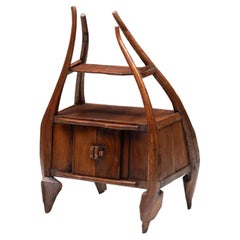
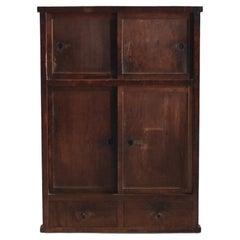
Wabi Sabi Primitive Cabinet, France, Late 19th Century
Located in Antwerp, BE
Wabi sabi primitive cabinet, a masterpiece of French folk art from the late 19th century
Category
Antique Late 19th Century French Folk Art Cabinets
Materials
Wood

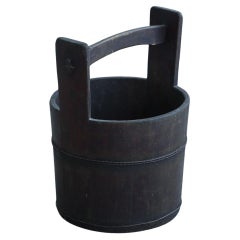
Antique Japanese Wood Bucket , Ocject, Wabi-Sabi
Located in Katori-Shi, 12
This is an antique water bucket from the Taisho period (1912-1926).
The beautiful wood grain and stately iron bands that evoke a sense of history speak of the craftsmanship of the t...
Category
Early 20th Century Japanese Taisho Decorative Baskets
Materials
Wood
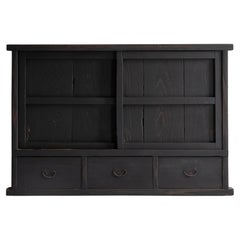
Japanese Antique Tansu 1860s-1900s / Sideboard Wabi Sabi
Located in Sammu-shi, Chiba
excellent condition for its age.
This tansu reflects the philosophy of wabi-sabi, which finds beauty in
Category
Antique Late 19th Century Japanese Meiji Cabinets
Materials
Cedar
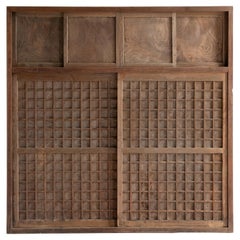
Japanese Modern Cabinet 1860s-1920s / Tansu Wabi-Sabi
Located in Sammu-shi, Chiba
within it the spirit of wabi sabi the Japanese aesthetic that finds beauty in imperfection and
Category
Early 20th Century Japanese Meiji Cabinets
Materials
Wood, Cedar
Early Meiji Period Japanese Tansu Cabinet Wabi Sabi
Located in London, GB
A beautiful early 19th C. Meiji period sliding door tansu.
Heavily patinated Japanese pine & cedar.
Free USA/Europe shipping with this item.
Category
Antique 1870s Japanese Cabinets
Materials
Iron
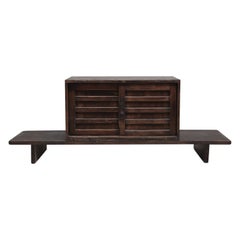
Handmade Cast Bronze Tray Inspired by Wabi-Sabi
By The Design Foundry
Located in London, London
Graceful bronze tray, vide-poche, inspired by Wabi-Sabi, the ancient Japanese philosophy that views
Category
2010s Indian Organic Modern Decorative Dishes and Vide-Poche
Materials
Bronze
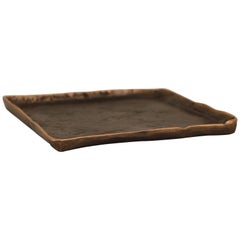
Japanese Antique Tea Cabinet / Tansu Storage / Circa1900s / Wabi-sabi
Located in Iwate-gun Shizukuishi-cho, Iwate Prefecture
to incorporate this beautiful Japanese aesthetic of wabi-sabi into your space.
Weight: 32.1kg
Category
Antique Late 19th Century Japanese Meiji Cabinets
Materials
Wood, Cedar, Hardwood
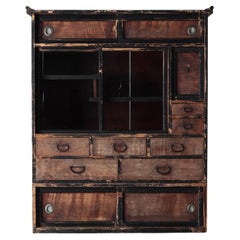
Charred Cedar Wabi Sabi Japanese Tansu Meiji Period
Located in London, GB
A late 19th C. Charred cedar Japanese “Tansu”
Highly decorative utilitarian Japanese design.
Category
Antique Late 19th Century Japanese Meiji Cabinets
Materials
Cedar
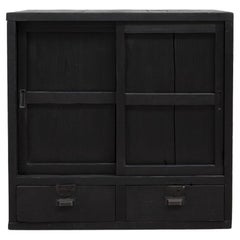
Rural Wabi Sabi Cupboard, Art Populaire, France, 19th Century
Located in Antwerp, BE
Rural; Rustic; Wabi Sabi; cupboard; Cabinet; Sideboard; Storage Space; Art Populaire; 19th Century
Category
Antique 19th Century French Rustic Cabinets
Materials
Wood
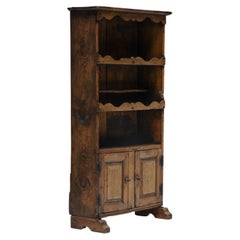
Japanese Antique Large Tansu / Cabinet Sideboard / Wabi-sabi
Located in Iwate-gun Shizukuishi-cho, Iwate Prefecture
This is an old Japanese cabinet.
It is estimated to be around the early Showa period.
The material is made of cedar, and the size is large but the weight is light.
The color chang...
Category
Early 20th Century Japanese Showa Cabinets
Materials
Wood, Cedar
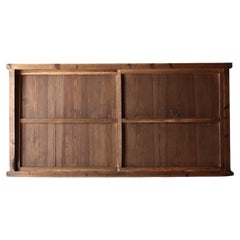
Japanese Antique Tansu 1860s-1920s / Cabinet Sideboard Wabi Sabi
Located in Sammu-shi, Chiba
furniture evokes the spirit of “wabi sabi”. Wabi-sabi is a Japanese philosophy that sees beauty in
Category
Early 20th Century Japanese Meiji Cabinets
Materials
Cedar
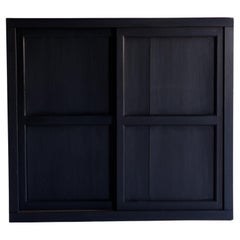
Japanese Antique Tansu 1860s-1900s / Sideboard Wabi Sabi #01
Located in Sammu-shi, Chiba
use. Its condition is excellent considering its age.
This Tansu reflects the philosophy of wabi-sabi
Category
Antique Late 19th Century Japanese Meiji Cabinets
Materials
Cedar
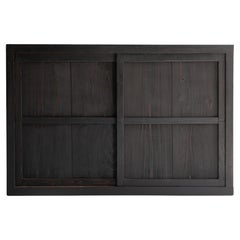
Japanese Antique Tansu 1860s-1900s / Sideboard Wabi Sabi #02
Located in Sammu-shi, Chiba
condition is excellent considering its age.
This Tansu reflects the philosophy of *wabi-sabi*, finding
Category
Antique Late 19th Century Japanese Meiji Cabinets
Materials
Cedar
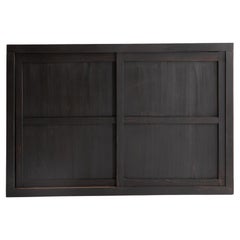
Japanese Antique Rare Cabinet/Tansu Meiji1868-1912 Wabi Sabi
Located in Hitachiomiya-shi, 08
Meiji period (1868-1912), embodies the timeless aesthetic of 'wabi-sabi', the Japanese art of finding
Category
Early 20th Century Japanese Taisho Cabinets
Materials
Wood, Cedar
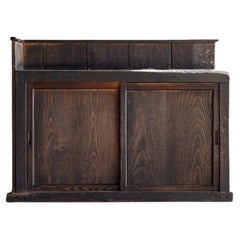
Large Wabi Sabi Style Studio Pottery Centerpiece or Bowl
By Axel Vervoordt
Located in Tilburg, NL
Large Wabi Sabi Style Studio Pottery Centerpiece or Bowl, Europe, mid to late 20th century.
This
Category
Late 20th Century European Primitive Decorative Bowls
Materials
Pottery
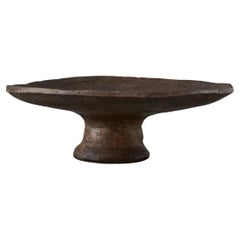
Japanese Antique Large Tansu 1860s-1900s / Sideboard Wabi Sabi
Located in Sammu-shi, Chiba
excellent condition for its age.
This tansu reflects the philosophy of wabi-sabi, which finds beauty in
Category
Antique Late 19th Century Japanese Meiji Cabinets
Materials
Cedar
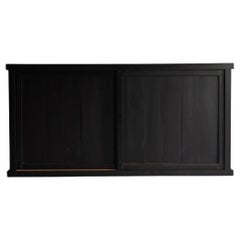
Japanese Antique Large Tansu 1860s-1900s / Sideboard Wabi Sabi
Located in Sammu-shi, Chiba
excellent condition for its age.
This tansu reflects the philosophy of wabi-sabi, which finds beauty in
Category
Antique Late 19th Century Japanese Meiji Cabinets
Materials
Cedar
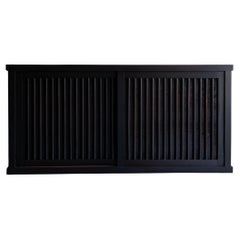
Japanese Antique Large Tansu 1860s-1900s / Sideboard Wabi Sabi
Located in Sammu-shi, Chiba
.
This tansu reflects the philosophy of wabi-sabi, which finds beauty in imperfection and transience. Its
Category
Antique Late 19th Century Japanese Meiji Cabinets
Materials
Cedar
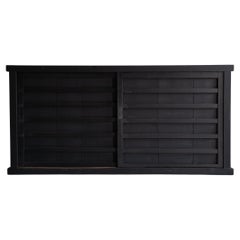
Japanese Antique Large Tansu 1860s-1900s / Sideboard Wabi Sabi
Located in Sammu-shi, Chiba
.
This tansu reflects the philosophy of wabi-sabi, which finds beauty in imperfection and transience. Its
Category
Antique Late 19th Century Japanese Meiji Cabinets
Materials
Cedar
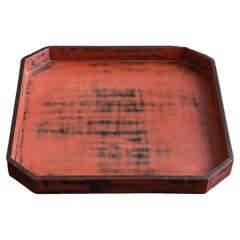
Japanese antique lacquered wabi-sabi tray/1700s/Edo period
Located in Sammu-shi, Chiba
.
Japanese people have always loved Negoro lacquerware because they felt this was wabi-sabi.
However, this
Category
Antique 18th Century Japanese Edo Serving Pieces
Materials
Wood, Lacquer
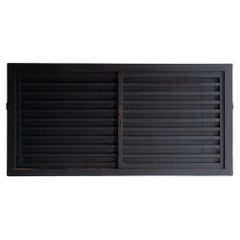
Japanese Antique Large Tansu 1860s-1900s / Sideboard Wabi Sabi
Located in Sammu-shi, Chiba
.
This tansu reflects the philosophy of wabi-sabi, which finds beauty in imperfection and transience. Its
Category
Antique Late 19th Century Japanese Meiji Cabinets
Materials
Cedar, Wood
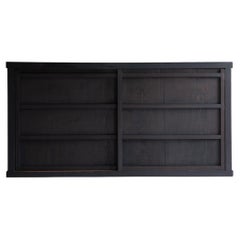
Japanese Antique, Cabinets, Early Showa Period(1926-), Wabi Sabi
Located in Hitachiomiya-shi, 08
recommended addition to kitchens, dining areas, living rooms, and various other spaces.
Cleaned and
Category
Early 20th Century Japanese Showa Cabinets
Materials
Cedar
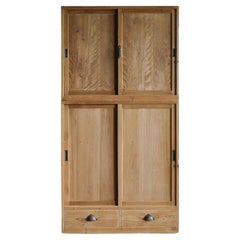
Charred
Heavily Textured Two Part Japanese Tansu Wabi Sabi
Located in London, GB
A beautiful late 19th C. Meiji period charred two part tansu.
In heavily textured Japanese pine & cedar with four sliding doors.
-
We offer free shipping to the USA/Canada through...
Category
Antique 19th Century Japanese Meiji Cupboards
Materials
Cedar, Pine
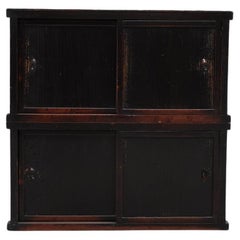
Japanese Antique, Shelves, Taisho Period, Early 1900s, Wabi Sabi
Located in Hitachiomiya-shi, 08
This is a very old thin shelves from the Taisho period. (1912~1926)
The vertical lattice is beautiful and airy.
It is very unique design and very rare.
These Japanese-style shelves a...
Category
Early 20th Century Japanese Cabinets
Materials
Cedar
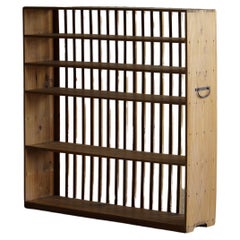
Tall Early Meiji Period Japanese Tansu/Cabinet Wabi Sabi
Located in London, GB
A tall heavily patinated cedar Japanese Tansu cabinet.
Featuring four sliding doors & two drawers (with one internal shelf).
Strong utilitarian design.
Category
Antique Late 19th Century Japanese Meiji Cabinets
Materials
Cedar
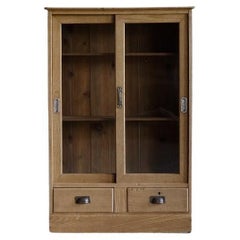
Japanese Antique Cabinet, Taisho Era
1912-1926
, Wabi Sabi
Located in Hitachiomiya-shi, 08
This antique small cabinet was crafted in the Taisho Era(1912-1926).
This charming cupboard from the Taisho era features glass sliding doors and a compact design. Its unusual size f...
Category
Early 20th Century Japanese Taisho Cabinets
Materials
Wood
Wabi Sabi: 18th Century Piemonte Cabinet in Original Paint
Located in Jesteburg, DE
An exceptional 18th century Tuscan cabinet in original paint. Perfect in a hallway, office or dinign room. Wonderfull patina.
Category
Antique 1760s Italian Baroque Cupboards
Materials
Softwood

Japanese Antique, Cabinets , Taisho Period
Early 1900s
, Wabi Sabi
Located in Hitachiomiya-shi, 08
This is a Japanese antique cabinet.
It was made in the Taisho Period (1912-1926).
This cabinet is made by combining premium paulownia and chestnut woods. The deep black combined wit...
Category
Antique Early 19th Century Japanese Taisho Cabinets
Materials
Wood, Chestnut
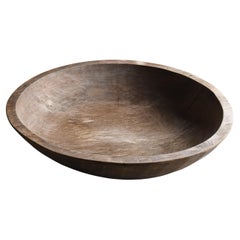
Japanese Antique Huge Wooden Bowl 1860s-1920s / Wabi Sabi
Located in Sammu-shi, Chiba
reminds me of the spirit of wabi-sabi, the Japanese philosophy of finding beauty in imperfection and
Category
Early 20th Century Japanese Primitive Decorative Bowls
Materials
Wood
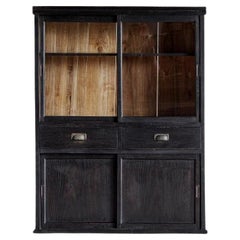
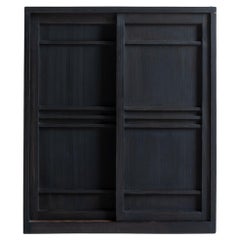
Japanese Antique Wabi Sabi Black Tansu 1860s-1900s / Chests Cabinet
Located in Sammu-shi, Chiba
This piece is a Japanese sliding door cabinet crafted during the Meiji period to early Taisho period.
It is constructed from cedar wood, a material deeply rooted in Japanese architec...
Category
Early 20th Century Japanese Meiji Cabinets
Materials
Wood, Cedar
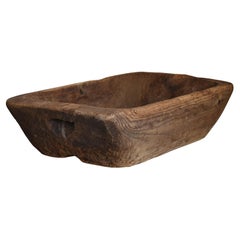
Japanese Antique Primitive Wooden Bowl 1860s-1900s / Wabi Sabi
By Axel Vervoordt
Located in Sammu-shi, Chiba
it upside down and use it as a seat.
This item evokes the spirit of wabi-sabi, the Japanese
Category
Early 20th Century Japanese Primitive Decorative Bowls
Materials
Chestnut
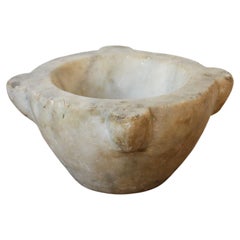
Antique 18th Century Marble Mortar, Italy, Primitive Wabi Sabi Decor
Located in Los Angeles, CA
displayed on your entryway table, side table, coffee table etc. Great patina, wabi sabi, primitive etc.,
Category
Antique Early 18th Century Italian Primitive Decorative Bowls
Materials
Marble
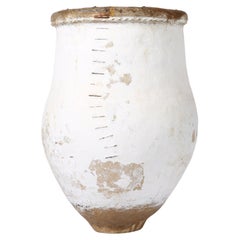
Large 19th Century Limed Spanish Wabi Sabi Stapled Jar
Located in London, GB
A large earthenware jar with characterful iron staple repairs beneath its patinated limed surface. From the province of Córdoba in Andalusia. Spanish, c. 1800.
Category
Antique 19th Century Spanish Jars
Materials
Earthenware
Japanese Antique Drawer 1860s-1900s / Cabinet Wabi Sabi Storage Tansu
Located in Sammu-shi, Chiba
can use them with peace of mind.
This is a rare Japanese furniture with a sense of wabi-sabi.
Category
Early 20th Century Japanese Meiji Cabinets
Materials
Wood
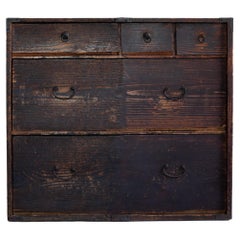
Japanese Antique Large Tansu 1860s-1900s / Cabinet Sideboard Wabi Sabi
Located in Sammu-shi, Chiba
with peace of mind.
This is a very rare Japanese furniture with wabi-sabi aesthetics.
Weight: approx
Category
Early 20th Century Japanese Meiji Cabinets
Materials
Cedar
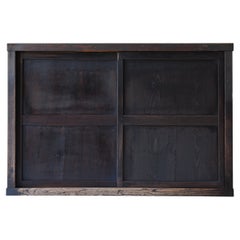
Limestone-stripped Sake Jar / Flower Vase Vessel / Wabi-sabi
Located in Iwate-gun Shizukuishi-cho, Iwate Prefecture
This is an old sake jar.
It is thought to be used to age Shaoxing wine, a typical Chinese alcoholic beverage, for a long period of time.
After Shaoxing wine is poured into the jar,...
Category
Mid-20th Century Chinese Other Bottles
Materials
Pottery
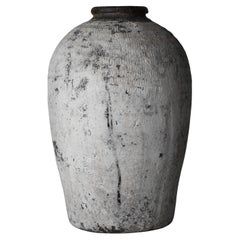
Antique Wall Unit, Wabi Sabi, Original Black Paint, Scandinavia 1800s
Located in Hønefoss, 30
shelf with a lovely patina. Original black paint.
A unique rustic piece that fit in the wabi sabi
Category
Antique 19th Century Swedish Romantic Cabinets
Materials
Pine
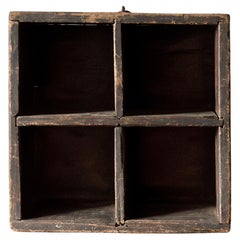
Japanese Antique Large Black Tansu 1860s-1900s / wabi sabi Sideboard
Located in Sammu-shi, Chiba
valuable piece of Japanese furniture with a wabi-sabi aesthetic.
This is difficult to obtain even in Japan
Category
Antique Late 19th Century Japanese Meiji Cabinets
Materials
Cedar
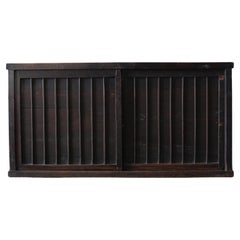
Japanese Antique Glass-Front Cabinet, Taisho Era (1912–1926), Wabi Sabi
Located in Hitachiomiya-shi, 08
, and quiet presence reflect the wabi-sabi philosophy—beauty shaped by time, use, and imperfection
Category
Early 20th Century Cabinets
Materials
Cedar
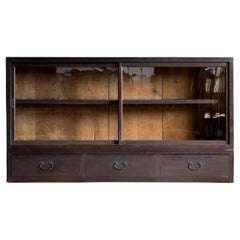
Japanese Antique Large Black Tansu 1860s-1900s / Cabinet Wabi Sabi
Located in Sammu-shi, Chiba
the spirit of wabi-sabi, the Japanese philosophy of finding beauty in imperfection and impermanence
Category
Early 20th Century Japanese Meiji Cabinets
Materials
Cedar
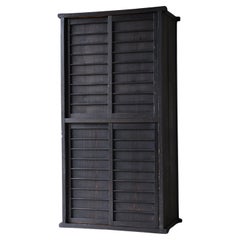
Japanese Antique Storage Shelves / Shoe Cabinet / 1900-1940s / Wabi-sabi
Located in Iwate-gun Shizukuishi-cho, Iwate Prefecture
used to store umbrellas and other items.
This item adds a touch of wabi-sabi beauty to simple, modern
Category
Early 20th Century Japanese Showa Cabinets
Materials
Wood, Cedar
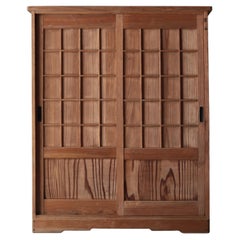
Japanese Antique BK Tansu 1860s-1900s / Sideboard Cabinet Wabi Sabi
Located in Sammu-shi, Chiba
and disinfected.
You can use it with peace of mind.
It evokes the spirit of “Wabi-sabi,” the Japanese
Category
Early 20th Century Japanese Meiji Cabinets
Materials
Cedar
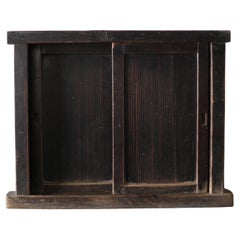
Japanese Antique Large Black Sideboard 1860s-1900s / Tansu Wabi Sabi
Located in Sammu-shi, Chiba
with water.
You can use it with peace of mind.
You can feel the spirit of “Wabi-sabi,” the Japanese
Category
Early 20th Century Japanese Meiji Cabinets
Materials
Cedar
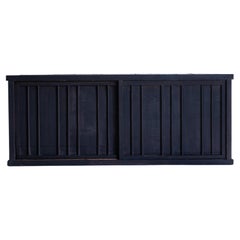
Japanese Antique Black Tansu 1860s-1900s / Sideboard Cabinet Wabi Sabi
Located in Sammu-shi, Chiba
can use it with peace of mind.
It evokes the spirit of “Wabi-sabi,” the Japanese philosophy of
Category
Early 20th Century Japanese Meiji Cabinets
Materials
Wood, Cedar
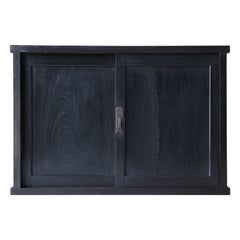
Japanese Antique Huge Black Tansu 1860s-1900s / Cabinet Wabi Sabi
Located in Sammu-shi, Chiba
this period.
You can use this item with confidence.
This item evokes the spirit of wabi-sabi, the
Category
Early 20th Century Japanese Meiji Cabinets
Materials
Cedar
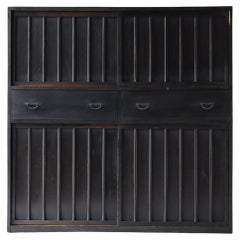
Japanese Antique Black Cabinet, Taisho Era
1912-1926
, Wabi Sabi
Located in Hitachiomiya-shi, 08
and subtle irregularities that reflect the hand of the artisan embody the Japanese concept of wabi
Category
Early 20th Century Japanese Taisho Cabinets
Materials
Cedar
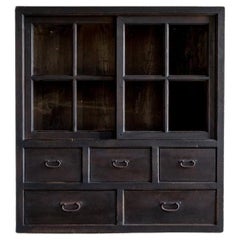
Japanese Antique Small Tansu 1900s-1940s / Sideboard Cabinet Wabi Sabi
Located in Sammu-shi, Chiba
table.
This furniture evokes the spirit of “wabi-sabi,” the Japanese philosophy of finding beauty in
Category
Mid-20th Century Japanese Showa Cabinets
Materials
Cedar
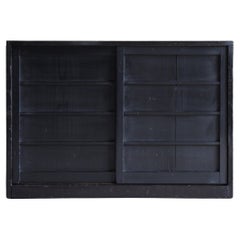
Japanese Antique Wabi-Sabi Large Cabinet 1860s-1900s / Black Tansu
Located in Sammu-shi, Chiba
second board from the top.
This furniture evokes the spirit of wabi-sabi, the Japanese philosophy of
Category
Early 20th Century Japanese Meiji Cabinets
Materials
Cedar
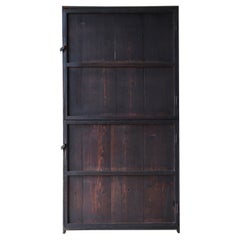
Japanese Antique Black Cabinet / Japanese Bandaji / 1800-1860s / Wabi-Sabi
Located in Iwate-gun Shizukuishi-cho, Iwate Prefecture
Japanese wabi-sabi culture and brings tranquility and harmony to the space.
Weight: 17.8kg
Category
Antique 19th Century Japanese Edo Cabinets
Materials
Wood, Cedar, Straw
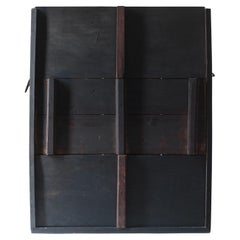
Japanese Antique Primitive Wood Bowl 1860s-1900s / Mingei Wabi Sabi
Located in Sammu-shi, Chiba
beautiful when hung on the wall.
This is a very rare bowl with a wabi-sabi aesthetic.
It weighs 7 kg.
Category
Early 20th Century Japanese Meiji Decorative Bowls
Materials
Teak
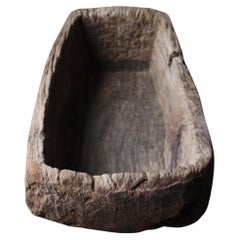
Japanese Antique Tansu Cabinet 1860s-1920s / Cabinet Sideboard Wabi-Sabi
Located in Sammu-shi, Chiba
larger items when needed.
At the heart of this piece resides the spirit of Wabi Sabi
a uniquely Japanese
Category
Early 20th Century Japanese Meiji Cabinets
Materials
Cedar
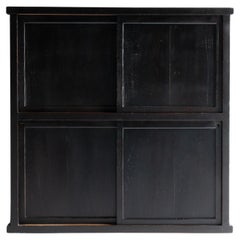
Japanese Antique Large Black Sideboard 1860s-1900s / Tansu Wabi Sabi
Located in Sammu-shi, Chiba
can use it with peace of mind.
You can feel the spirit of “Wabi-sabi,” the Japanese idea of finding
Category
Early 20th Century Japanese Meiji Cabinets
Materials
Cedar, Wood
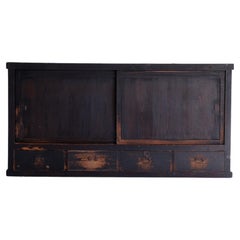
Very large Iroko Wooden Bowl with Handles Wabi Sabi Style
Located in Stow on the Wold, GB
from Africa. Very much in the Wabi Sabi Style, very good texture to the bowl, dry finish, shakes
Category
Early 20th Century African Rustic Decorative Bowls
Materials
Wood
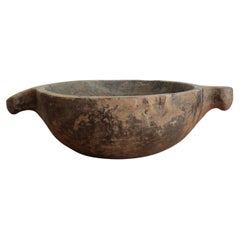
Japanese Antique Black Tansu / Cabinet Sideboard / 1800-1868s Wabi-sabi
Located in Iwate-gun Shizukuishi-cho, Iwate Prefecture
beauty of wabi-sabi to modern interiors.
Weight: 40.6kg
Category
Antique Early 19th Century Japanese Edo Cabinets
Materials
Iron
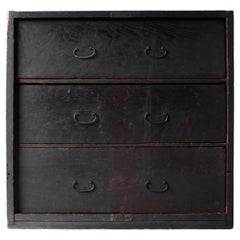
Japanese Antique Wooden Bowl 1860s-1900s / Wabi Sabi Primitive Object
Located in Sammu-shi, Chiba
wabi-sabi.
It weighs 7 kg.
Category
Early 20th Century Japanese Meiji Decorative Bowls
Materials
Cedar
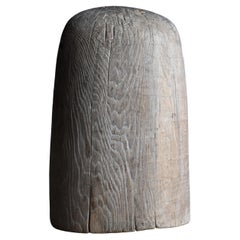
Handmade Cast Bronze Bowl Inspired by Wabi-Sabi, Vide-Poche
By The Design Foundry
Located in London, London
Graceful bronze bowl, vide-poche, inspired by Wabi-Sabi, the ancient Japanese philosophy that views
Category
2010s Indian Organic Modern Decorative Bowls
Materials
Bronze
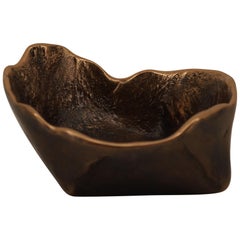
Organic Wabi-Sabi Bowl by Brazilian Designer Domingos Tótora, Brazil
By Domingos Tótora
Located in Utrecht, NL
Organic Wabi-Sabi style bowl by contemporary artist Domingos Tótora, made of recycled cardboard
Category
21st Century and Contemporary Brazilian Organic Modern Decorative Bowls
Materials
Paper
- 1
Get Updated with New Arrivals
Save "Wabi Sabi Kitchen", and we’ll notify you when there are new listings in this category.
Wabi Sabi Kitchen For Sale on 1stDibs
At 1stDibs, there are many versions of the ideal wabi sabi kitchen for your home. A wabi sabi kitchen — often made from wood, bronze and metal — can elevate any home. Find 26 options for an antique or vintage wabi sabi kitchen now, or shop our selection of 16 modern versions for a more contemporary example of this long-cherished piece. There are many kinds of the wabi sabi kitchen you’re looking for, from those produced as long ago as the 18th Century to those made as recently as the 21st Century. When you’re browsing for the right wabi sabi kitchen, those designed in Folk Art, Baroque and Mid-Century Modern styles are of considerable interest. Many designers have produced at least one well-made wabi sabi kitchen over the years, but those crafted by The Design Foundry, Skoby Joe and Andrianna Shamaris are often thought to be among the most beautiful.
How Much is a Wabi Sabi Kitchen?
Prices for a wabi sabi kitchen start at $150 and top out at $9,022 with the average selling for $1,090.
Questions About Wabi Sabi Kitchen
- 1stDibs ExpertMay 5, 2023The primary principle of Wabi-Sabi is to appreciate the imperfections found in nature. As a result, Wabi-Sabi emphasizes asymmetry, roughness, simplicity and the use of natural materials and finishes. On 1stDibs, shop a variety of pieces based on Wabi-Sabi principles.
- What is wabi-sabi pottery?1 Answer1stDibs ExpertApril 5, 2022Wabi-sabi pottery refers to earthenware vessels that embody the principles of a Japanese philosophy called wabi-sabi. Proponents of the idea believe that household objects should emphasize function over form, so that they satisfy needs but do not cause people to attach too much meaning to worldly possessions. There is also a focus on finding the beauty in imperfection and simplicity. On 1stDibs, find a collection of wabi-sabi pottery.
- What is wabi-sabi furniture?1 Answer1stDibs ExpertApril 5, 2022Wabi-sabi furniture refers to tables, seats and other furnishings that reflect a specific Japanese design philosophy. It involves creating minimalist furniture that has a focus on appreciating the imperfections found in nature. On 1stDibs, find a collection of wabi-sabi furniture.
- What is an example of wabi-sabi?2 Answers1stDibs ExpertApril 5, 2022Wabi-sabi is the practice of finding the beauty in imperfections. Examples include flowers growing through cracks in the ground, or a broken ceramic bowl made whole again with its imperfections showing through. You’ll find a variety of wabi-sabi pieces from some of the world’s top sellers on 1stDibs.1stDibs ExpertApril 5, 2022One important aspect of wabi-sabi is the beauty in imperfect things, so a good example of wabi-sabi would be asymmetrical or even crude vessels and furniture. On 1stDibs, you’ll find a collection of wabi-sabi furniture and other objects from some of the world’s top sellers.
- Is Wabi-sabi a design style?1 Answer1stDibs ExpertMay 5, 2023Wabi-sabi is technically not a design style, but it has influenced design. The term Wabi-sabi refers to a philosophy that emphasizes accepting imperfection and celebrating the impermanent beauty of nature. This concept has inspired many interior design trends, such as using organic and sustainable materials, selecting upcycled and repurposed pieces and integrating furniture and decorative objects that are unfinished, unpolished and unglazed. Shop a collection of pieces inspired by Wabi-sabi on 1stDibs.
More Ways To Browse
Japanese Carved Sideboard
Japanese Shinto Shrine
Large Primitive Cabinet
Burma Vases
Burmese Pot
Copper Gong
Emerald Green Pottery
Japanese Gong
Wabi Sabi Buffet
Antique Shoe Storage Cabinet
Dough Tray
Japanese Carved Black Cabinet
Primitive Shelving
Tall Japanese Cabinet
Wabi Sabi Urn
Antique Dough Trays
1930s Cedar Chest
Japanese Shoe Cabinet