Wabi Sabi Pottery
Antique 19th Century Japanese Edo Vases
Pottery
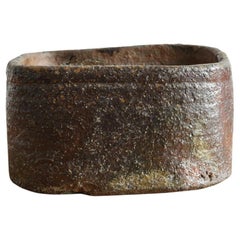

Antique 15th Century and Earlier Japanese Other Vases
Pottery
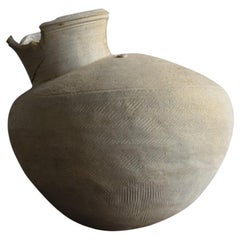
Antique 15th Century and Earlier Japanese Other Vases
Pottery
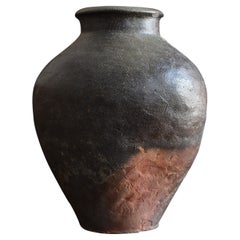
Antique 16th Century Japanese Other Vases
Pottery
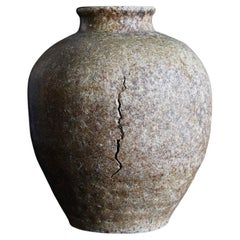
Antique 15th Century and Earlier Japanese Other Vases
Pottery
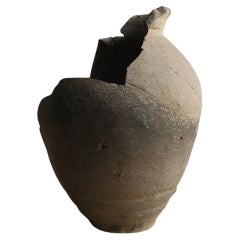
Antique 15th Century and Earlier Japanese Other Vases
Pottery
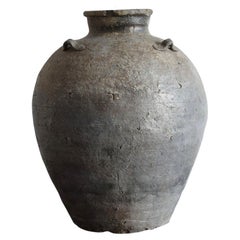
2010s Argentine Modern Ceramics
Ceramic, Clay, Pottery
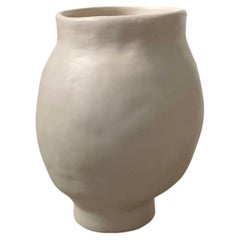
Antique Early 1900s Mid-Century Modern Pottery
Clay
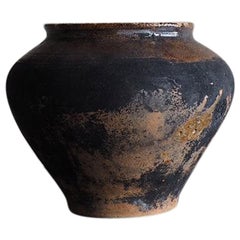
Antique 18th Century Mid-Century Modern Pottery
Clay
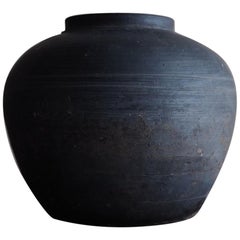
Antique 19th Century Mid-Century Modern Pottery
Clay
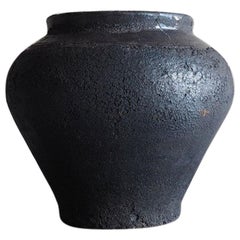
Antique 18th Century Mid-Century Modern Pottery
Clay
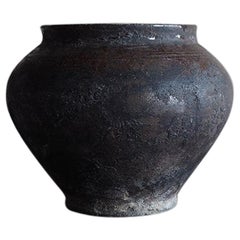
Antique 19th Century Mexican Mid-Century Modern Planters, Cachepots and ...
Pottery
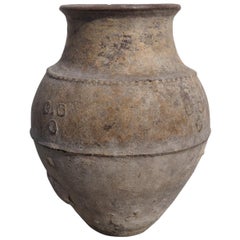
- 1
Wabi Sabi Pottery For Sale on 1stDibs
How Much is a Wabi Sabi Pottery?
- What is an example of wabi-sabi?2 Answers1stDibs ExpertApril 5, 2022Wabi-sabi is the practice of finding the beauty in imperfections. Examples include flowers growing through cracks in the ground, or a broken ceramic bowl made whole again with its imperfections showing through. You’ll find a variety of wabi-sabi pieces from some of the world’s top sellers on 1stDibs.1stDibs ExpertApril 5, 2022One important aspect of wabi-sabi is the beauty in imperfect things, so a good example of wabi-sabi would be asymmetrical or even crude vessels and furniture. On 1stDibs, you’ll find a collection of wabi-sabi furniture and other objects from some of the world’s top sellers.
- What is wabi-sabi pottery?1 Answer1stDibs ExpertApril 5, 2022Wabi-sabi pottery refers to earthenware vessels that embody the principles of a Japanese philosophy called wabi-sabi. Proponents of the idea believe that household objects should emphasize function over form, so that they satisfy needs but do not cause people to attach too much meaning to worldly possessions. There is also a focus on finding the beauty in imperfection and simplicity. On 1stDibs, find a collection of wabi-sabi pottery.
- 1stDibs ExpertMay 5, 2023The primary principle of Wabi-Sabi is to appreciate the imperfections found in nature. As a result, Wabi-Sabi emphasizes asymmetry, roughness, simplicity and the use of natural materials and finishes. On 1stDibs, shop a variety of pieces based on Wabi-Sabi principles.
- What is wabi-sabi furniture?1 Answer1stDibs ExpertApril 5, 2022Wabi-sabi furniture refers to tables, seats and other furnishings that reflect a specific Japanese design philosophy. It involves creating minimalist furniture that has a focus on appreciating the imperfections found in nature. On 1stDibs, find a collection of wabi-sabi furniture.
- Is Wabi-sabi a design style?1 Answer1stDibs ExpertMay 5, 2023Wabi-sabi is technically not a design style, but it has influenced design. The term Wabi-sabi refers to a philosophy that emphasizes accepting imperfection and celebrating the impermanent beauty of nature. This concept has inspired many interior design trends, such as using organic and sustainable materials, selecting upcycled and repurposed pieces and integrating furniture and decorative objects that are unfinished, unpolished and unglazed. Shop a collection of pieces inspired by Wabi-sabi on 1stDibs.
Read More
How a Craving for Color Revolutionized Glass
After synthetic dyes changed fashion, home goods and printed matter, it was only a matter of time till glass caught up.
Kazuyo Sejima’s Flowering Tree Blooms Year-Round
The brilliantly simple design turns a modest bouquet into a major statement.
He Wrote ‘Oedipus Rex,’ but Do You Know What He Looked Like?
The Greek tragedian is said to have been handsome in his day.
Cigar Culture Was Once the Peak of Masculinity. Now, It’s a Compelling Curiosity
Even for those who don’t indulge, elegant smoking accessories and audacious art portraying cigar enthusiasts hold a nostalgic allure.
African Travel Plans on Hold? This Ardmore Leopard Vase Brings the Beauty of the Savanna to You
It’s an excellent example of the sought-after ceramics coming out of South Africa’s KwaZulu-Natal province.
With a High-Tech Flagship and Cool Collabs, Lladró Is Breaking the Mold for Porcelain Production
Thanks to its new leadership, the Spanish maker of figurines, busts and lighting is on a mission to update the art of porcelain for the 21st century.
Zoë Powell’s Magnolia 05 Vessel Is Handmade from Clay She Unearthed Herself
The free-form stoneware piece is inspired by the magnolia tree and its associations with home.
8 Ways to Breathe New Life into a Space with Plants
The pair behind the Instagram account @houseplantclub share their tips for making any room of the house gloriously green.