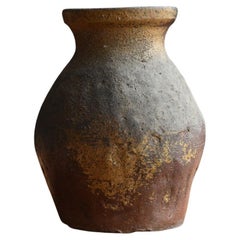
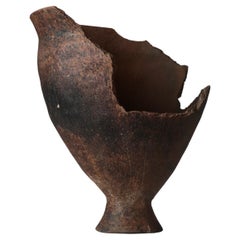
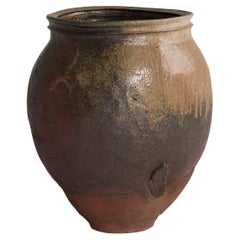
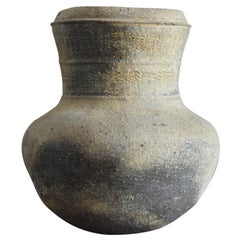
Wabi Sabi Vase

to
30
188
151
411
147
5
83
34
10
5
4
1
1
1
156
109
146
152
62
54
12
3
7
6
2
18
4
1
464
201
133
122
39
309
291
260
110
109
563
551
554
85
17
11
8
3
Sort By
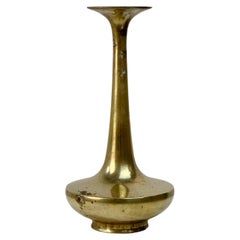
Early 20th Century Decorative Japanese Brass Bud Vase - Wabi Sabi - Patinated
Located in Glasgow, GB
appearance creating a great example Wabi Sabi As you bring this elegant Japanese brass ikebana bud vase into
Category

Vintage 1920s Japanese Meiji Vases

Materials

Brass

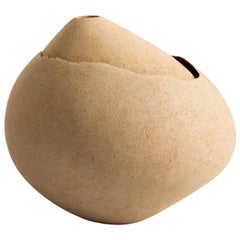
Wabi-Sabi Organic Shell Vase by Domingos Tótora, Model 5, Brazil
By Domingos Tótora
Located in Utrecht, NL
Organic Wabi-Sabi style vase by contemporary artist Domingos Tótora, made of recycled cardboard
Category

2010s Brazilian Organic Modern Vases

Materials

Paper

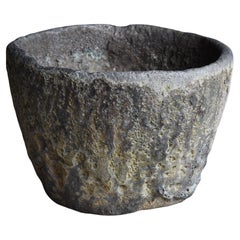
Japanese Antique Crucible 1920s-1940s / Melting Pot Flower Vase Wabi Sabi
Located in Sammu-shi, Chiba
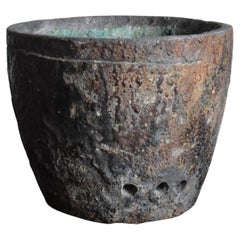
used in various ways. It is a rare item that shows the sensibility of Wabi-Sabi. Weight 9kg.
Category

Mid-20th Century Japanese Showa Vases

Materials

Stone

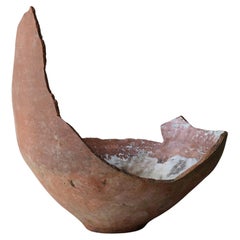
Japanese Antique Pottery 1700s-1800s/Flower Vase Vessel Wabi-Sabi Object
Located in Sammu-shi, Chiba
enjoy the world of Wabi-Sabi. Weight: approx. 15 kg.
Category

Antique Early 19th Century Japanese Edo Vases

Materials

Pottery

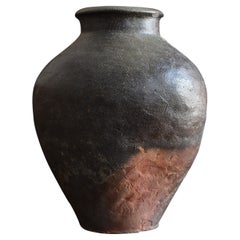
Japanese antique pottery vase/14th-15th century/Tokoname ware/Wabi-Sabi
Located in Sammu-shi, Chiba
to worry about it breaking. Please see detailed images. This is a simple pot with a wabi-sabi feel
Category

Antique 15th Century and Earlier Japanese Other Vases

Materials

Pottery

Japanese Antique Jar 1400s-1500s / Antique Vase Tokoname / Wabi-Sabi Art
Located in Sammu-shi, Chiba
wabi-sabi. It's very cool. Also, I want many people to know the goodness of antiques, so the price is
Category

Antique 15th Century and Earlier Japanese Other Vases

Materials

Pottery

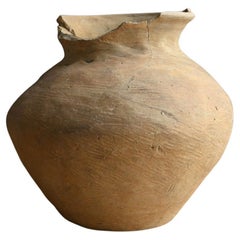
Ancient Japanese Yayoi pottery / Wabi-sabi Antique Earthenware / Vase Jar Object
Located in Iwate-gun Shizukuishi-cho, Iwate Prefecture
vase, a saucer is required inside. The wide mouth of the vase makes it easy to take things in and out
Category

Antique 15th Century and Earlier Japanese Other Vases

Materials

Earthenware

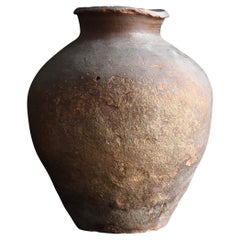
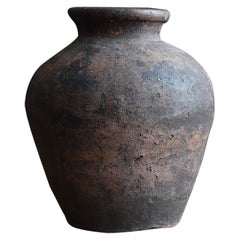
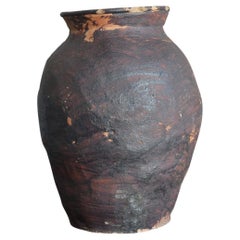
Japanese Antique Wabi-Sabi Edo Pottery Vase 19th Century / Tsubo / Shigaraki
Located in Sammu-shi, Chiba
This is a very old ceramic vase made in Japan, crafted during the Edo period (1860s). It is a fine
Category

Antique 19th Century Japanese Edo Vases

Materials

Pottery

Chinese Antique Black Pottery Jar / 1500s / Wabi-Sabi Jar / Beautiful Vase
Located in Sammu-shi, Chiba
technology was not well developed, they were probably imported as high-class vases overseas. The shape is
Category

Antique 16th Century Chinese Other Vases

Materials

Pottery

Korean antique paper vase/19th century/Wabi-Sabi object/Joseon Dynasty
Located in Sammu-shi, Chiba
with water and place the flowers in it. This simple, no-frills vase is sure to add a nice touch to
Category

Antique 19th Century Japanese Other Vases

Materials

Paper

Japanese Antique Jar 1400s-1500s / Antique Vase Tokoname / Wabi-Sabi Tsubo
Located in Sammu-shi, Chiba
. The part near the flame is whitish. This changed because the ash fell on the jar. Not all vases in
Category

Antique 15th Century and Earlier Japanese Other Vases

Materials

Pottery

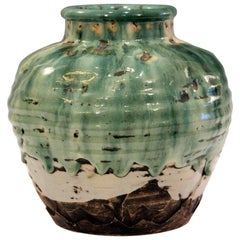
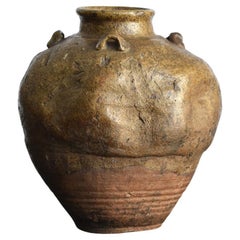
Japanese Studio Pottery Wabi Sabi Mingei Zen Tea Ceremony Ikebana Crackle Vase
By Japanese Studio
Located in Wilton, CT
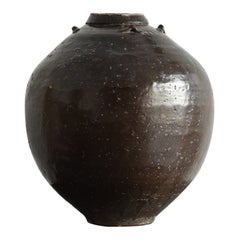
dark brown body and little ear handles at the shoulder. Loads of Wabi Sabi. 6" high, 5 1/2" diameter
Category

Late 20th Century Japanese Edo Vases

Materials

Stoneware

Antique Black Pottery Jar / 1500s / Wabi-Sabi Tsubo / Beautiful Vase
Located in Sammu-shi, Chiba
was not well developed, they were probably imported as high-class vases overseas. How about
Category

Antique 16th Century Chinese Jars

Materials

Pottery

Japanese Small Wabi Sabi Antique Pottery Vase/"Echizen Ware"/Edo/1600s
Located in Sammu-shi, Chiba
This is a Japanese Echizen ware pot. It is "Echizenware". Echizen is a historic kiln located in Ishikawa Prefecture, Japan. (The Echizen kiln is marked with a red circle on the ma...
Category

Antique 17th Century Japanese Edo Vases

Materials

Pottery

Edo Period Japanese Antique Wabi-Sabi Jar / Large Vase / 1620-1700
Located in Sammu-shi, Chiba
It is a large jar made in the first half of the Edo period in Japan. It was used as a living tool. The atmosphere is very cool. It looks different from any angle. There is a cr...
Category

Antique 17th Century Japanese Edo Vases

Materials

Pottery

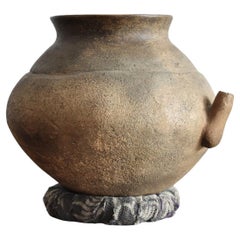
Japanese Antique Earthenware / Pot Vase Jar Object / Yayoi Period Wabi-Sabi
Located in Iwate-gun Shizukuishi-cho, Iwate Prefecture
It is an earthenware that seems to be from the late Yayoi period (1st to 3rd century). We recommend that you take the crack as a design and decorate it as an object. This earthenwa...
Category

Antique 15th Century and Earlier Japanese Other Vases

Materials

Earthenware

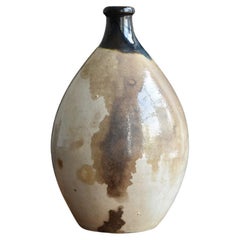
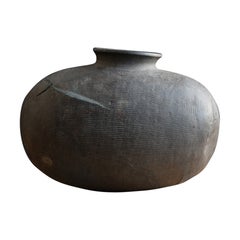
Japanese Antique Large "TOKONAME" Pottery 1800s-1900s/ Vase Wabi-Sabi Jar
Located in Sammu-shi, Chiba
It is a very old Japanese pottery. It was made in the early Meiji period. (1800s-1900s). This is called "Tokoname". The shape is an unusual oval. The unique distorted shape is ...
Category

Early 20th Century Japanese Meiji Vases

Materials

Pottery

Very Old Korean Excavated Earthenware / Beautiful Baked Vase / Wabi Sabi Art
Located in Sammu-shi, Chiba
We have a unique Japanese aesthetic sense. And only we can introduce unique items through our purchasing channels in Japan and the experience we have gained so far, in such a way tha...
Category

Antique 15th Century and Earlier South Korean Other Vases

Materials

Pottery

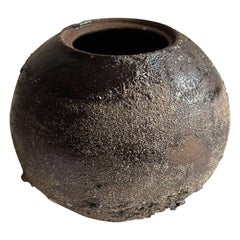
Organic Raw Wild Clay and Rock Wabi-Sabi Rustic Moon Jar Vase
By Maria Loram
Located in Pasadena, CA
A hand-thrown ceramic vase with a raw, textured surface that embodies the wabi-sabi philosophy of
Category

2010s American Rustic Vases

Materials

Ceramic, Clay

Rare Japanese Antique Pottery Vase / 1800s / Wabi-Sabi Jar like Ink Painting
Located in Sammu-shi, Chiba
beautiful view like an ink painting. Japanese people like jars with such stains very much. I feel wabi
Category

Antique 19th Century Japanese Edo Vases

Materials

Pottery

Japanese Wabi-Sabi Small Antique Jar / Small Vase / Edo Period 1750-1850
Located in Sammu-shi, Chiba
Japan, It is one of them. It has a cool atmosphere with a little brown glaze. I feel wabi-sabi
Category

Antique Late 18th Century Japanese Edo Vases

Materials

Pottery

Antique Japanese Pottery 1500 s "Shigaraki" Jar /Antique Vase/ Wabi-Sabi tsubo
Located in Sammu-shi, Chiba
is a vase that makes you feel wabi-sabi. I want many people to know the goodness of antiques, so
Category

Antique 16th Century Japanese Other Vases

Materials

Pottery

Old Japanese Pottery Around 1500s "Shigaraki" Jar /Antique Vase/ Wabi-Sabi Tsubo
Located in Sammu-shi, Chiba
soot etc. stuck to it because it was used for a long time. It's very cool. Do you feel wabi-sabi? In
Category

Antique 16th Century Japanese Other Vases

Materials

Pottery

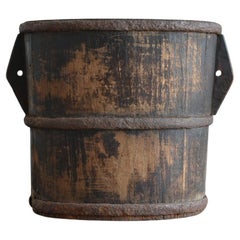
Japanese Small Antique Tub / 1800-1900 / Small Vase / Wabi-Sabi Folk Art
Located in Sammu-shi, Chiba
. This can be used as a vase. (When decorating flowers, put water in another container and put it in this
Category

Antique 19th Century Japanese Edo Vases

Materials

Wood

Japanese Antique Jar 1400s-1500s / Antique Vase Tokoname / Wabi-Sabi Tsubo Jar
Located in Sammu-shi, Chiba
of the kiln. Potters from various regions bring their own vases. And since it is baked in large
Category

Antique 15th Century and Earlier Japanese Other Vases

Materials

Pottery

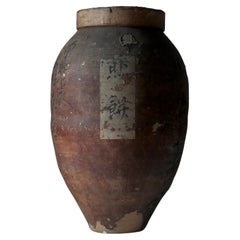
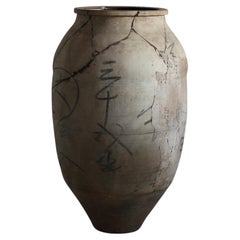
Japanese Antique Paper Pasted Pottery / Flower Vase Tsubo / 1868-1912s Wabi-sabi
Located in Iwate-gun Shizukuishi-cho, Iwate Prefecture
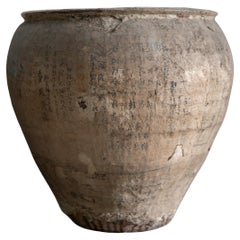
This is an old Japanese big pottery. It was used in an old teahouse in the Tohoku region of Japan. It was used to transport and store tea leaves. Since "senbei" is written on the ...
Category

Antique Late 19th Century Japanese Meiji Vases

Materials

Pottery, Paper

Japanese Antique Pottery Jar / 1573-1650 / Echizen Pottery Vase / Wabi-Sabi Jar
Located in Sammu-shi, Chiba
It is "Echizen ware". Echizen is a historic kiln located in Ishikawa Prefecture, Japan. It is said to have originated around the 9th century. There are 6 kilns with a long history...
Category

Antique 16th Century Japanese Edo Vases

Materials

Pottery

Japanese Antique White Porcelain Sake Bottle / Vase Object / Wabi-sabi Mingei
Located in Iwate-gun Shizukuishi-cho, Iwate Prefecture
it is displayed in a vase or as it is. Weight: 2.6kg
Category

Antique 19th Century Japanese Edo Bottles

Materials

Porcelain

Chinese Antique Black Pottery Jar / 1500s / Wabi-Sabi Tsubo / Beautiful Vase
Located in Sammu-shi, Chiba
technology was not well developed, they were probably imported as high-class vases overseas. The shape is
Category

Antique 16th Century Chinese Other Jars

Materials

Pottery

19th Japanese antique Tsubo, washi paper covered pottery vase, wabi sabi jar pot
Located in 常陸大宮市, JP
(traditional Japanese paper), aimed to give extra sturdiness to the pot. The unique wabi sabi texture is coming
Category

Antique Late 19th Century Japanese Edo Vases

Materials

Ceramic, Paper, Porcelain

Old Japanese Crucible / Vases of Various Colors / Wabi-Sabi Art/ 20th Century
Located in Sammu-shi, Chiba
Japanese tool. It's very cool. I feel wabi-sabi. Weight: 10 kg.
Category

Mid-20th Century Japanese Taisho Jars

Materials

Pottery

Huge Jeff Rogers Studio Pottery Vintage Vase Organic Wabi Sabi Salt Glaze Signed
Located in Wilton, CT
Vintage Jeff Rogers salt glaze studio pottery vase in large coin pouch form with faux strap rings
Category

Early 2000s American Expressionist Vases

Materials

Stoneware

Old Japanese Pottery 1500s "Shigaraki" Big Jar /Antique Vase/ Wabi-Sabi Tsubo
Located in Sammu-shi, Chiba
-looking wabi-sabi pot. If you put water directly into the container, the water may seep in from the
Category

Antique 16th Century Japanese Other Jars

Materials

Pottery

Antique Pottery Vase with a Sense of Japanese Wabi-Sabi / Early 9th Century
Located in Sammu-shi, Chiba
and beautiful vase. it's recommended! There are few stores that sell such things in 1st dibs. We
Category

Antique 15th Century and Earlier Japanese Other Vases

Materials

Pottery

Japanese Antique Jar / 12th-13th Century "Atsumi" Kiln / Rare Vase/Wabi-Sabi Art
Located in Sammu-shi, Chiba
We have an aesthetic sense peculiar to Japanese people. And we introduce the unique items that only we can do, the route of purchasing in Japan, the experience value so far, and the ...
Category

Antique 15th Century and Earlier Japanese Other Vases

Materials

Pottery

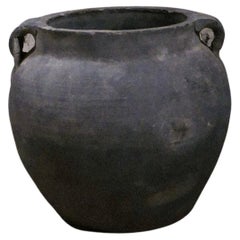
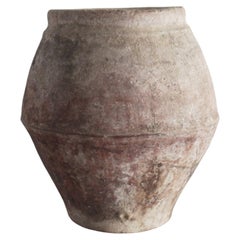
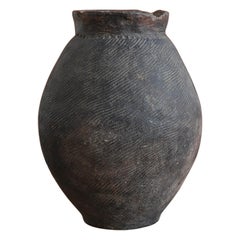
Early 20th Century Chinese Terracotta Pot, Wabi Sabi
Located in Richmond, VA
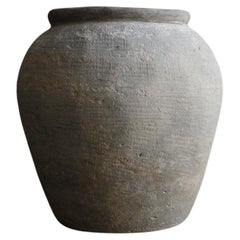
Grey Chinese terracotta pot with weathered patina and dust. Early 20th Century. Because of the age and history of this item there may be small imperfections in the piece, which add t...
Category

Early 20th Century Chinese Vases

Materials

Ceramic, Terracotta

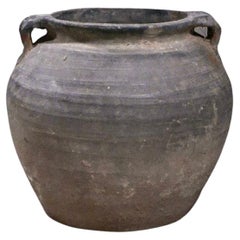
Early 20th Century Chinese Terracotta Pot, Wabi Sabi
Located in Richmond, VA
Grey Chinese terracotta pot with weathered patina and dust. Early 20th Century. Because of the age and history of this item there may be small imperfections in the piece which add to...
Category

Early 20th Century Chinese Vases

Materials

Ceramic, Terracotta

Japanese Antique Pottery Edo Period 1600-1650 Old Vase of "Tamba"/Wabi-Sabi Jar
Located in Sammu-shi, Chiba
. As a precaution, we recommend that you prepare a special container for water in this vase. Weight
Category

Antique Early 17th Century Japanese Other Vases

Materials

Pottery

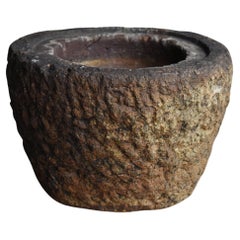
Japanese Antique Stone Bowl "Tsukubai" 1860s-1900s / Flower Vase Wabi Sabi
Located in Sammu-shi, Chiba
-like texture is very beautiful. It can be filled with water. This is a very rare item with a wabi
Category

Early 20th Century Japanese Meiji Planters, Cachepots and Jardinières

Materials

Stone

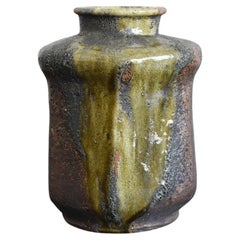
Awaji Pottery Manipulated Jar Heavy Drip Lava Glaze Wabi Sabi Tea Ceremony Vase
By Awaji Pottery
Located in Wilton, CT
Awaji Pottery jar with dents and slashes covered in layers of thick lava glaze, circa 1930. Impressed export mark. Measures: 8 1/2" high, 9" diameter. Excellent condition.
Category

Vintage 1930s Japanese Modern Jars

Materials

Stoneware

Primtive 18th Spanish Terracotta Vessel/Planter Wabi Sabi
Located in London, GB
A substantial mid 18th C. Terracotta vessel from the town of Calanda, Spain. Originally used for the storage of oil/wine. Heavily patinated due to 200+ years of use.
Category

Antique 18th Century Spanish Urns

Materials

Terracotta

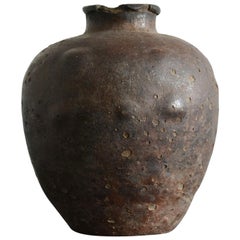
Japanese Antique Earthenware Wabi Sabi Jar / 1616-1868 / Edo Period
Located in Sammu-shi, Chiba
rustic wabi-sabi feel. This pot is also bumpy and three-dimensional, making it a very interesting item
Category

Antique 17th Century Japanese Edo Vases

Materials

Pottery

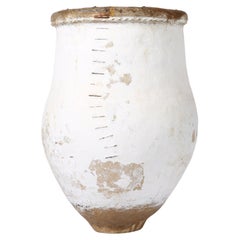
Large 19th Century Limed Spanish Wabi Sabi Stapled Jar
Located in London, GB
A large earthenware jar with characterful iron staple repairs beneath its patinated limed surface. From the province of Córdoba in Andalusia. Spanish, c. 1800.
Category

Antique 19th Century Spanish Jars

Materials

Earthenware

Japanese Wabi-Sabi Antique Pottery Jar/13th - 14th Century/Excavated Jar
Located in Sammu-shi, Chiba
valuable item. A black storage box is also included. It is a vase that makes you feel wabi-sabi
Category

Antique 15th Century and Earlier Japanese Other Vases

Materials

Pottery

Korean Antique White Porcelain Pot / 18-19th Century / Wabi-Sabi Pottery
Located in Sammu-shi, Chiba
. However, it was half filled with water and there was no leak. Please use it as a vase. It's hard to
Category

Antique 18th Century South Korean Other Vases

Materials

Porcelain

Japanese Old Pottery /Simple Wabi-Sabi Tokoname Muromachi Period 1336-1573s
Located in Sammu-shi, Chiba
This is an old large jar, fired in Shigaraki, Japan. It is thought to date from the late Muromachi period (1336 - 1573s). It was used to preserve tea leaves. The shape is smart ...
Category

Antique 15th Century and Earlier Japanese Japonisme Vases

Materials

Pottery

Japanese Very Old Wabi-Sabi Small Jar/Sue Pottery/Excavated Jar
Located in Sammu-shi, Chiba
This is a hard earthenware called "sueki" (Sue pottery) in Japan. The onset began to be made in Sue village in Osaka, and it came to be called sueki. (Meaning of "ki" = pottery) So...
Category

Antique 15th Century and Earlier Japanese Other Vases

Materials

Pottery

Japanese Antique small Pottery Jar 15-16th Century/ Wabi-Sabi Jar/Tokoname
Located in Sammu-shi, Chiba
long-term use and natural glaze, you can enjoy the wabi-sabi scenery. The distorted shape is due to
Category

Antique 15th Century and Earlier Japanese Other Vases

Materials

Pottery

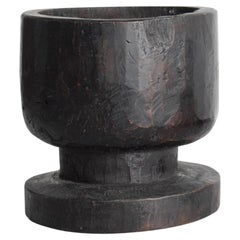
Japanese Antique Wooden Mortar 1860s-1900s/Plant Cover Wabi-Sabi Object Mingei
Located in Sammu-shi, Chiba
This is a very old Japanese large wooden mortar. It is from the Meiji period (1860s-1900s). The material is zelkova. It is a powerful object carved from a large zelkova tree. It has ...
Category

Early 20th Century Japanese Meiji Vases

Materials

Wood

Japanese Ancient Small Pottery / Jomon Pottery Jar / 3000 Years ago / Wabi-Sabi
Located in Sammu-shi, Chiba
We have a unique Japanese aesthetic sense. And only we can introduce unique items through our purchasing channels in Japan and the experience we have gained so far, in such a way th...
Category

Antique 15th Century and Earlier Japanese Other Vases

Materials

Pottery

Japanese Ancient Small Jar / Jomon Pottery / 3000 Years ago / Wabi-Sabi
Located in Sammu-shi, Chiba
This is a "Jomon" pottery. It is from the Neolithic period in Japan. It was excavated. In Japan, it is called the "Jomon period". Decorative earthenware is made during this perio...
Category

Antique 15th Century and Earlier Japanese Other Jars

Materials

Pottery

Very Old and Rare Japanese Pottery / Around the 10th Century / Wabi-Sabi Flower
Located in Sammu-shi, Chiba
wabi-sabi. This is a rare item, so why not add it to your collection? "sueki" came to be called
Category

Antique 15th Century and Earlier Japanese Other Vases

Materials

Pottery

Large Paper Wabi Sabi Mid 19Th C. Japanese Vessel
Located in London, GB
A beautiful, large mid 19th C. Paper covered Japanese terracotta vessel. Originally used for the storage of tea leaves. Many age old repairs to the terracotta which only adds...
Category

Antique 1860s Japanese Planters, Cachepots and Jardinières

Materials

Terracotta, Paper

Mid 19Th C. Japanese Glazed Terracotta Vessel Wabi Sabi
Located in London, GB
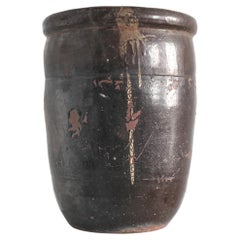
A good sized mid 19th C. Japanese glazed terracotta vessel.Originally used for the storage/transportation of miso. Due to the vessels utilitarian past it has developed a rich patina...
Category

Antique 1860s Japanese Planters, Cachepots and Jardinières

Materials

Terracotta

Japanese Antique Jar with Red Patina, Early 1900 s Wabi Sabi Pottery Earthenware
Located in Los Angeles, CA
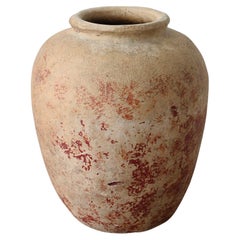
Antique Japanese Pottery Jar Beautiful red patina with loss of paint throughout. Excellent accent piece. Early 1900's, Japan.
Category

Early 20th Century Japanese Primitive Vases

Materials

Earthenware

Japanese antique pottery Jar/10th-14th century/gray wabi-sabi jar/"Sueki"
Located in Sammu-shi, Chiba
many years, the surface will deteriorate and it will look like the image. However, it has a wabi-sabi
Category

Antique 15th Century and Earlier Japanese Other Jars

Materials

Pottery

Japanese Tokoname Jar 14th-16th Century / Tsubo / Old Pottery/ Wabi-Sabi Jar
Located in Sammu-shi, Chiba
We introduce unique items with unique aesthetics, purchasing routes, and ways that no one can imitate. Tokoname is an area in Aichi prefecture, Japan. (The Tokoname kiln is marke...
Category

Antique 15th Century and Earlier Japanese Other Jars

Materials

Pottery

  • 1
Get Updated with New Arrivals
Save "Wabi Sabi Vase", and we’ll notify you when there are new listings in this category.

Wabi Sabi Vase For Sale on 1stDibs

Find many varieties of an authentic wabi sabi vase available at 1stDibs. A wabi sabi vase — often made from ceramic, clay and stoneware — can elevate any home. Find 13 options for an antique or vintage wabi sabi vase now, or shop our selection of 51 modern versions for a more contemporary example of this long-cherished piece. Whether you’re looking for an older or newer wabi sabi vase, there are earlier versions available from the 18th Century and newer variations made as recently as the 21st Century. A wabi sabi vase is a generally popular piece of furniture, but those created in Mid-Century Modern, Modern and Arts and Crafts styles are sought with frequency. You’ll likely find more than one wabi sabi vase that is appealing in its simplicity, but Skoby Joe and Domingos Tótora produced versions that are worth a look.

How Much is a Wabi Sabi Vase?

The average selling price for a wabi sabi vase at 1stDibs is $1,088, while they’re typically $199 on the low end and $3,000 for the highest priced.

Finding the Right Vases-vessels for You

For thousands of years, vases and vessels have had meaningful functional value in civilizations all over the world. In Ancient Greece, ceramic vessels were used for transporting water and dry goods, holding bouquets of flowers, for storage and more. Outside of utilitarian use, in cities such as Athens, vases were a medium for artistic expressionpottery was a canvas for artists to illustrate their cultures’ unique people, beliefs and more. And pottery skills were handed down from fathers to sons.

Every antique and vintage vase and vessel, from decorative Italian urns to French 19th-century Louis XVI–style lidded vases, carries with it a rich, layered story. 

On 1stDibs, there is a vast array of vases and vessels in a variety of colors, sizes and shapes. Our collection features vessels made from delicate materials such as ceramic and glass as well as durable materials like rustproof metals and stone.

A contemporary vase can help introduce an air of elegance to your minimalist space while an antique Chinese jar would make a luxurious addition to an Asian-inspired interior. Alternatively, if you’re looking for a statement piece, consider an Art Deco vase crafted by Italian architect and furniture designer Gio Ponti.

Vases and vessels — be they handmade pots, handblown glass wine bottles or otherwise — are versatile, practical decorative objects, and no matter your particular design preferences, furniture style or color scheme, they can add beauty and warmth to any home. Find yours on 1stDibs today.

Questions About Wabi Sabi Vase
  • 1stDibs ExpertMay 5, 2023
    The primary principle of Wabi-Sabi is to appreciate the imperfections found in nature. As a result, Wabi-Sabi emphasizes asymmetry, roughness, simplicity and the use of natural materials and finishes. On 1stDibs, shop a variety of pieces based on Wabi-Sabi principles.
  • 1stDibs ExpertApril 5, 2022
    Wabi-sabi pottery refers to earthenware vessels that embody the principles of a Japanese philosophy called wabi-sabi. Proponents of the idea believe that household objects should emphasize function over form, so that they satisfy needs but do not cause people to attach too much meaning to worldly possessions. There is also a focus on finding the beauty in imperfection and simplicity. On 1stDibs, find a collection of wabi-sabi pottery.
  • 1stDibs ExpertApril 5, 2022
    Wabi-sabi furniture refers to tables, seats and other furnishings that reflect a specific Japanese design philosophy. It involves creating minimalist furniture that has a focus on appreciating the imperfections found in nature. On 1stDibs, find a collection of wabi-sabi furniture.
  • 1stDibs ExpertApril 5, 2022
    Wabi-sabi is the practice of finding the beauty in imperfections. Examples include flowers growing through cracks in the ground, or a broken ceramic bowl made whole again with its imperfections showing through. You’ll find a variety of wabi-sabi pieces from some of the world’s top sellers on 1stDibs.
    1stDibs ExpertApril 5, 2022
    One important aspect of wabi-sabi is the beauty in imperfect things, so a good example of wabi-sabi would be asymmetrical or even crude vessels and furniture. On 1stDibs, you’ll find a collection of wabi-sabi furniture and other objects from some of the world’s top sellers.
  • 1stDibs ExpertMay 5, 2023
    Wabi-sabi is technically not a design style, but it has influenced design. The term Wabi-sabi refers to a philosophy that emphasizes accepting imperfection and celebrating the impermanent beauty of nature. This concept has inspired many interior design trends, such as using organic and sustainable materials, selecting upcycled and repurposed pieces and integrating furniture and decorative objects that are unfinished, unpolished and unglazed. Shop a collection of pieces inspired by Wabi-sabi on 1stDibs.