Wedgwood Chinoiserie
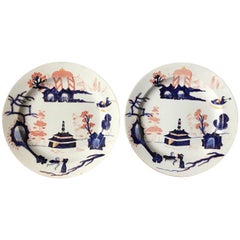
Antique Early 19th Century English Chinoiserie Dinner Plates
Pearlware

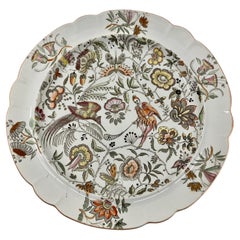
Antique Early 19th Century English Chinoiserie Platters and Serveware
Creamware
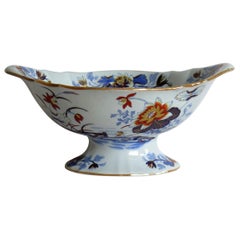
Antique Mid-19th Century English Chinoiserie Decorative Bowls
Ironstone
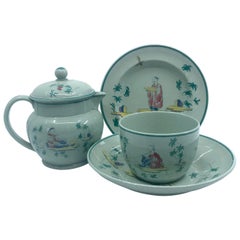
Vintage 1920s English Art Deco Tea Sets
Creamware
Antique Early 19th Century English Jars
Enamel
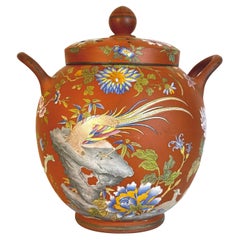
Antique 19th Century British Chinoiserie Dinner Plates
Porcelain
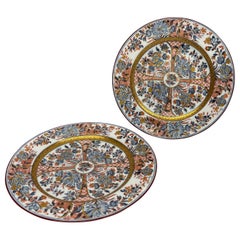
Antique Early 1800s English Chinoiserie Ceramics
Pearlware
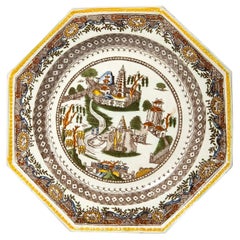
Antique 1880s English Chinoiserie Vases
Ceramic, Pottery, Stoneware
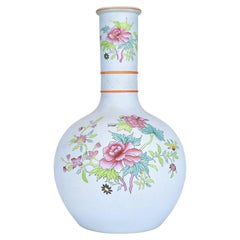
Recent Sales
Antique 1810s English Chinoiserie Tea Sets
Creamware
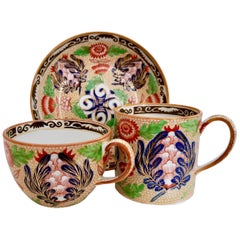
Antique Early 19th Century English Porcelain
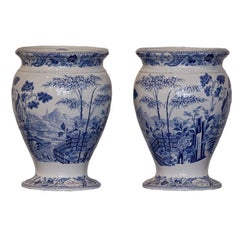
Antique 19th Century English Victorian Urns
Porcelain
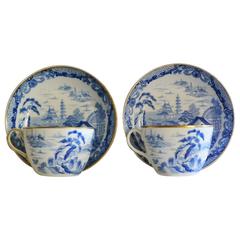
Antique 1810s English Chinoiserie Tea Sets
Creamware
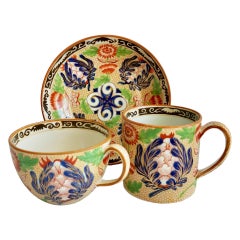
Antique 19th Century English Chinoiserie Dinner Plates
Pearlware
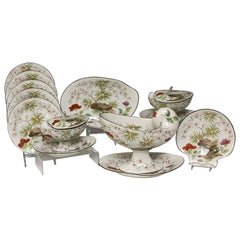
Antique 1810s English Chinoiserie Tea Sets
Creamware
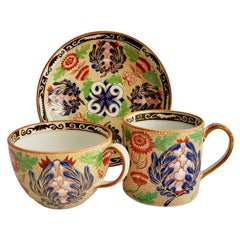
Antique 1850s Chinoiserie Serving Pieces
Ironstone
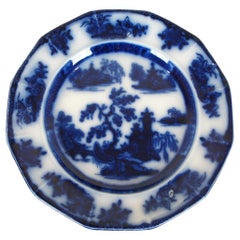
Early 20th Century Chinoiserie Ceramics
Ceramic

Antique 19th Century English Chinoiserie Porcelain
Porcelain
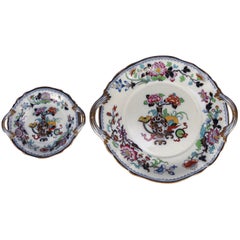
Antique 19th Century English Chinoiserie Porcelain
Porcelain, Ironstone
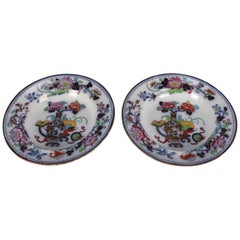
Antique 19th Century English Chinoiserie Soup Tureens
Porcelain, Ironstone
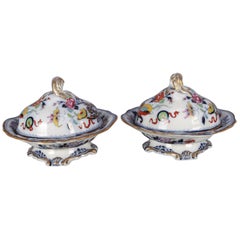
Vintage 1910s English Chinoiserie Jars
Porcelain
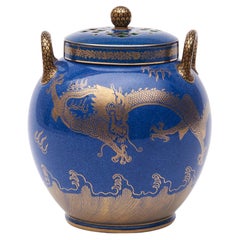
Vintage 1910s English Chinoiserie Vases
Porcelain
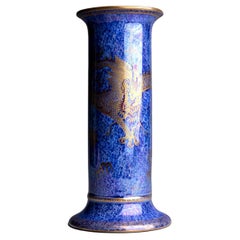
Vintage 1910s English Dinner Plates
Creamware, Ceramic
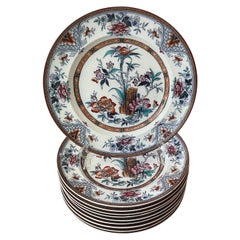
Antique Late 19th Century English Chinoiserie Decorative Bowls
Pottery
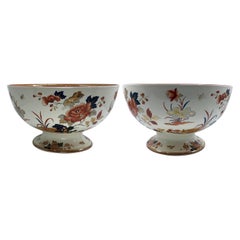
20th Century Spanish Victorian Wine Coolers
Ceramic, Porcelain, Cane, Rattan
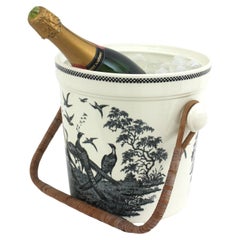
Early 20th Century English Chinoiserie Platters and Serveware
Porcelain

Early 20th Century English Chinoiserie Vases
Porcelain
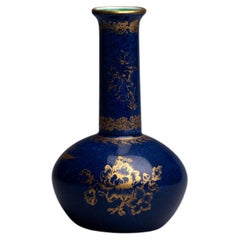
Antique 19th Century English Chinoiserie Ceramics
Earthenware
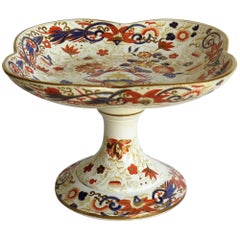
Antique Mid-19th Century English Chinoiserie Dinner Plates
Pearlware
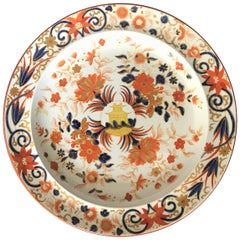
Early 20th Century English Chinoiserie Centerpieces
Porcelain
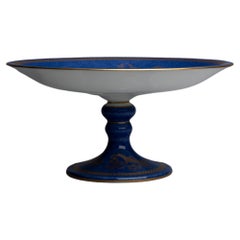
Antique Early 19th Century British Regency Tea Sets
Stoneware
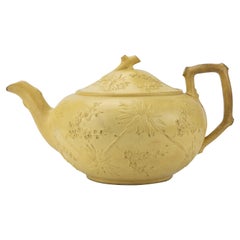
Late 20th Century English Chinoiserie Porcelain
Porcelain
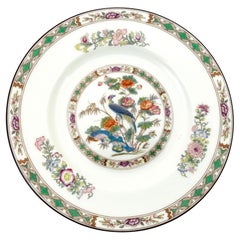
Late 20th Century Chinoiserie Serving Pieces
Porcelain
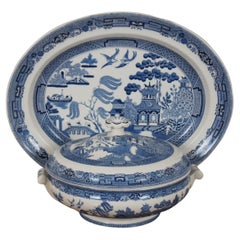
Antique Early 19th Century English Chinoiserie Tableware
Earthenware
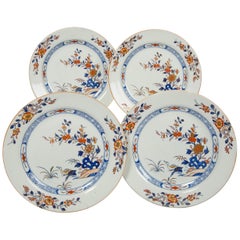
Vintage 1980s English Chinoiserie Tea Sets
Gold
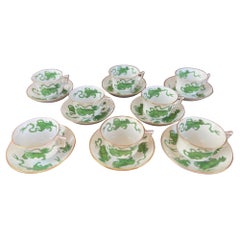
Vintage 1970s English Chinoiserie Ceramics
Porcelain
Antique Late 19th Century English Chinoiserie Dinner Plates
Porcelain
Early 20th Century English Chinoiserie Tea Sets
Porcelain
Early 20th Century English Chinoiserie Dinner Plates
Porcelain
People Also Browsed
20th Century Tableware
Sterling Silver
Early 20th Century Austrian Vienna Secession Beds and Bed Frames
Bentwood
Mid-20th Century Chinese Chinoiserie Cabinets
Wood, Lacquer
21st Century and Contemporary French Post-Modern Chandeliers and Pendants
Metal
Vintage 1960s Italian Mid-Century Modern Glass
Glass, Art Glass, Murano Glass
Antique Early 19th Century Italian Grand Tour Books
Plaster
20th Century European Chinoiserie Commodes and Chests of Drawers
Hardwood
Vintage 1980s Italian Mid-Century Modern Wall Lights and Sconces
Brass
Vintage 1970s American Mid-Century Modern Sofas
Upholstery, Wood
Antique 19th Century Central American Napoleon III Wall Lights and Sconces
2010s Modern Dining Room Tables
Burl
2010s Italian Mid-Century Modern Porcelain
Porcelain
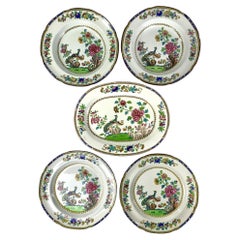
Antique Late 19th Century English Chinoiserie Dinner Plates
Ironstone
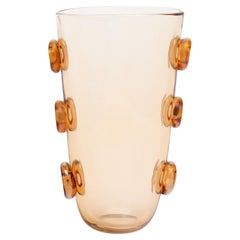
2010s Italian Mid-Century Modern Vases
Murano Glass
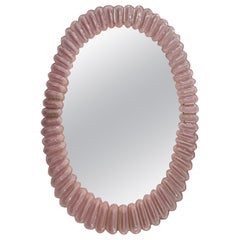
2010s Italian Mid-Century Modern Wall Mirrors
Brass
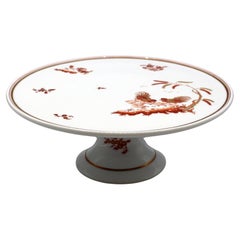
Mid-20th Century Italian Chinoiserie Ceramics
Ceramic
Wedgwood Chinoiserie For Sale on 1stDibs
How Much is a Wedgwood Chinoiserie?
Wedgwood for sale on 1stDibs
Arguably the most celebrated of all English ceramics makers, Wedgwood was founded in 1759 by potter Josiah Wedgwood (1730–95) in Staffordshire, which was home at one time to hundreds of pottery workshops. The company is famed for its Jasperware — molded neoclassical stoneware vases, plates and other pieces inspired by ancient cameo glass, featuring white figures, scenes and decorative elements set in relief on a matte-colored background. The best-known background hue is light blue, but Wedgwood’s iconic silhouettes also appear on green, lilac, yellow, black and even white grounds. Some antique Wedgwood dinnerware pieces and other items feature three or more colors.
The Wedgwood firm first came to prominence for its tableware, which quickly gained favor in aristocratic households throughout Britain and Europe. In 1765, Wedgwood was commissioned to create a cream-colored earthenware service for Queen Charlotte, consort of King George III. The queen was so thrilled with her new china that Wedgwood was given permission to call himself “Potter to Her Majesty,” and the decorative style became known as Queen’s Ware.
Not to be outdone, Catherine the Great of Russia commissioned her own set of Wedgwood china in 1773. Nearly 200 years later, the firm created a 1,200-piece service for the coronation of Queen Elizabeth II. In recent years, leading designers including Jasper Conran and Vera Wang have collaborated with Wedgwood — in the tradition of such distinguished 18th-century artists such as the painter George Stubbs and metalsmith Matthew Boulton.
From plates and other dinnerware to decorative items like urns, cachepots and candlesticks, Wedgwood designs lend a traditional air to Anglophile interiors. And even if you have to make your own tea, you may find it comforting to sip it from a delicate cup that was manufactured in the same Stoke-on-Trent kiln that produced Her Majesty’s tea service. Be sure to keep your pinky raised.
Find antique Wedgwood pottery on 1stDibs.
A Close Look at Chinoiserie Furniture
Emerging in the 17th century, chinoiserie appropriated the aesthetics and imagery of popular East Asian design for European-made versions. Reflecting the exoticization of China, Japan and other countries in this era, the word directly translates from French to “Chinese-esque,” which reveals its shortcomings as a style of furniture and decor that often stereotypically and reductively mimics Asian culture rather than showcasing and paying tribute to its artistic traditions.
The enthusiastically decorative chinoiserie style was propelled by influential tastemakers including French King Louis XIV, whose Trianon de Porcelaine in 1670 was inspired by Chinese architecture. Expanded trade between the East and West led to a demand for porcelain, lacquer objects, silk and other goods, which further informed the fanciful furniture being crafted in Europe.
Artisans working in the chinoiserie style used materials and elements like pagoda shapes, bamboo, lacquer surfaces, bird and flower motifs and other interpretations of Asian design on pieces that were frequently set against vibrant wallcoverings. This whimsical approach yielded chinoiserie furniture that boasted dramatic flourishes drawing on the natural world and reflected the dominance of Rococo during the 18th century.
As chinoiserie was shaped by approximations of Asian design by European creators, it had regional variations, such as Chinese Chippendale in England where cabinets, chairs and tea tables had wooden fretwork designs and “japanned” surfaces intended to resemble lacquer work that was created in East Asia. In North America, furniture makers in Boston and New York integrated chinoiserie-painted scenes into Queen Anne furniture.
Antique chinoiserie furniture has continued to be fashionable, from its popularity with decorators of the Hollywood Regency era — James Mont, Tommi Parzinger, William Haines and Samuel Marx favored the style — to contemporary interior designers, although it brings with it a complex history.
Find a collection of chinoiserie bedroom furniture, cabinets, decorative objects and more on 1stDibs.
Finding the Right Serveware, Ceramics, Silver And Glass for You
Your dining room table is a place where stories are shared and personalities shine — why not treat yourself and your guests to the finest antique and vintage glass, silver, ceramics and serveware for your meals?
Just like the people who sit around your table, your serveware has its own stories and will help you create new memories with your friends and loved ones. From ceramic pottery to glass vases, set your table with serving pieces that add even more personality, color and texture to your dining experience.
Invite serveware from around the world to join your table settings. For special occasions, dress up your plates with a striking Imari charger from 19th-century Japan or incorporate Richard Ginori’s Italian porcelain plates into your dining experience. Celebrate the English ritual of afternoon tea with a Japanese tea set and an antique Victorian kettle. No matter how big or small your dining area is, there is room for the stories of many cultures and varied histories, and there are plenty of ways to add pizzazz to your meals.
Add different textures and colors to your table with dinner plates and pitchers of ceramic and silver or a porcelain lidded tureen, a serving dish with side handles that is often used for soups. Although porcelain and ceramic are both made in a kiln, porcelain is made with more refined clay and is more durable than ceramic because it is denser. The latter is ideal for statement pieces — your tall mid-century modern ceramic vase is a guaranteed conversation starter. And while your earthenware or stoneware is maybe better suited to everyday lunches as opposed to the fine bone china you’ve reserved for a holiday meal, handcrafted studio pottery coffee mugs can still be a rich expression of your personal style.
“My motto is ‘Have fun with it,’” says author and celebrated hostess Stephanie Booth Shafran. “It’s yin and yang, high and low, Crate Barrel with Christofle silver. I like to mix it up — sometimes in the dining room, sometimes on the kitchen banquette, sometimes in the loggia. It transports your guests and makes them feel more comfortable and relaxed.”
Introduce elegance at supper with silver, such as a platter from celebrated Massachusetts silversmith manufacturer Reed and Barton or a regal copper-finish flatware set designed by International Silver Company, another New England company that was incorporated in Meriden, Connecticut, in 1898. By then, Meriden had already earned the nickname “Silver City” for its position as a major hub of silver manufacturing.
At the bar, try a vintage wine cooler to keep bottles cool before serving or an Art Deco decanter and whiskey set for after-dinner drinks — there are many possibilities and no wrong answers for tableware, barware and serveware. Explore an expansive collection of antique and vintage glass, ceramics, silver and serveware today on 1stDibs.
- 1stDibs ExpertNovember 13, 2024To identify Wedgwood patterns, research your piece or work with a certified appraiser or experienced antique dealer. If you'd like to complete the identification process yourself, you can try snapping a photo of the pattern and performing a reverse image search to find a match. Should you be unsuccessful, browse image galleries of Wedgwood patterns hosted on trusted online resources, looking for your pattern. Explore a selection of Wedgwood china on 1stDibs.