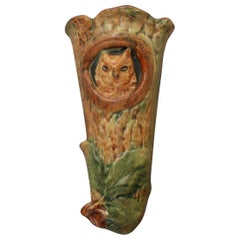
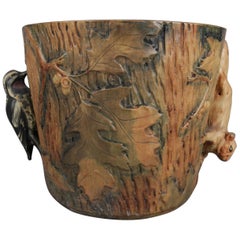
Weller Woodcraft Vase
Recent Sales
Mid-20th Century American Vases
Ceramic
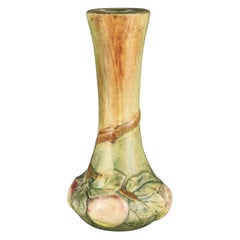

Mid-20th Century American Vases
Ceramic, Pottery
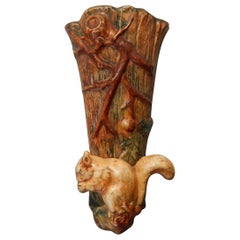
Antique Mid-19th Century American Vases
Ceramic
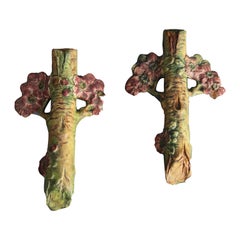
Mid-20th Century American Planters, Cachepots and Jardinières
Ceramic
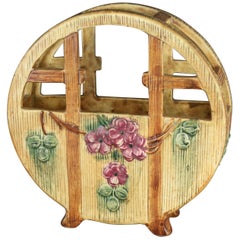
Mid-20th Century American Vases
Ceramic, Pottery
20th Century American Urns
Ceramic, Pottery
Finding the Right Vases-vessels for You
For thousands of years, vases and vessels have had meaningful functional value in civilizations all over the world. In Ancient Greece, ceramic vessels were used for transporting water and dry goods, holding bouquets of flowers, for storage and more. Outside of utilitarian use, in cities such as Athens, vases were a medium for artistic expression — pottery was a canvas for artists to illustrate their cultures’ unique people, beliefs and more. And pottery skills were handed down from fathers to sons.
Every antique and vintage vase and vessel, from decorative Italian urns to French 19th-century Louis XVI–style lidded vases, carries with it a rich, layered story.
On 1stDibs, there is a vast array of vases and vessels in a variety of colors, sizes and shapes. Our collection features vessels made from delicate materials such as ceramic and glass as well as durable materials like rustproof metals and stone.
A contemporary vase can help introduce an air of elegance to your minimalist space while an antique Chinese jar would make a luxurious addition to an Asian-inspired interior. Alternatively, if you’re looking for a statement piece, consider an Art Deco vase crafted by Italian architect and furniture designer Gio Ponti.
Vases and vessels — be they handmade pots, handblown glass wine bottles or otherwise — are versatile, practical decorative objects, and no matter your particular design preferences, furniture style or color scheme, they can add beauty and warmth to any home. Find yours on 1stDibs today.
- 1stDibs ExpertNovember 26, 2024To identify Weller pottery, check the bottom for any maker's marks. Pieces produced during the late 19th and early 20th centuries often feature a half-circle stamp that includes the piece's line name and the Weller wordmark. Around 1910, the maker introduced a double circle stamp. Throughout the decades that followed, Weller began using different types of stamps, labels and incised markings to denote pieces from different lines. Although these markings and labels varied greatly, they all included the Weller name. Trusted online resources offer reference guides that can help you determine the line and year of production of your Weller pottery based on its markings. If you'd prefer to get an expert opinion on your piece, a certified appraiser or knowledgeable antique dealer can assist you. Find a collection of Weller pottery on 1stDibs.