West Indies Dining Chair
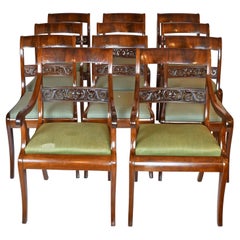
Antique Early 19th Century Danish Regency Dining Room Chairs
Mahogany

People Also Browsed
Vintage 1910s Animal Sculptures
Metal, Silver, Silver Plate
Vintage 1960s American Mid-Century Modern Paintings
Paint

Mid-20th Century Baroque Table Lamps
Blown Glass

20th Century English Art Deco Wingback Chairs
Velvet, Beech
Antique Mid-19th Century French Regency Floor Mirrors and Full-Length Mi...
Mirror, Giltwood
Antique Mid-19th Century French Louis Philippe Mantel Mirrors and Firepl...
Gold Leaf
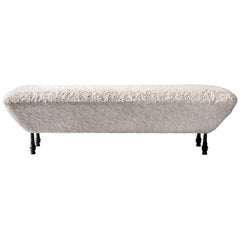
21st Century and Contemporary Indian Organic Modern Benches
Bronze
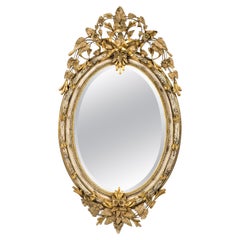
Antique 19th Century French Rococo Wall Mirrors
Mirror, Giltwood

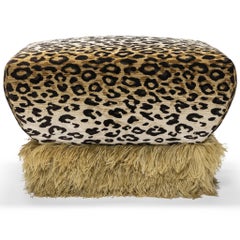
2010s South African Modern Ottomans and Poufs
Feathers, Velvet
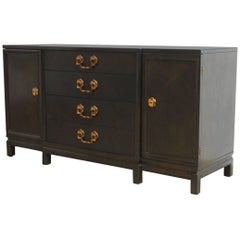
20th Century American Mid-Century Modern Dressers
Brass
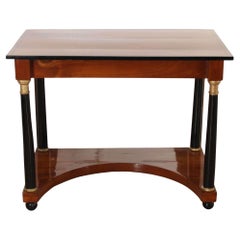
Antique 1820s German Biedermeier Console Tables
Mirror, Wood, Cherry
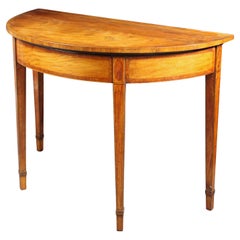
Antique Late 18th Century English Sheraton Tables
Satinwood
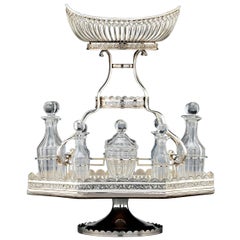
Antique 19th Century Unknown Other Sheffield and Silverplate
Silver Plate
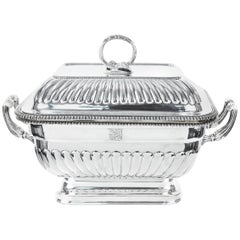
Antique Early 1800s English Georgian Sterling Silver
Sterling Silver
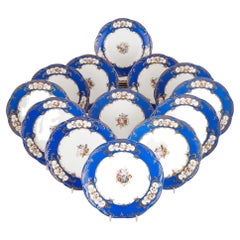
Antique 19th Century European Belle Époque Dinner Plates
Porcelain
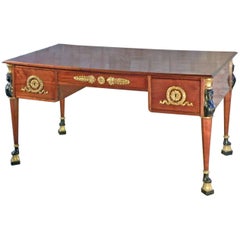
Antique Early 19th Century French Empire Desks and Writing Tables
Pearwood
A Close Look at Regency Furniture
Like France’s Empire style, Regency-style furniture was rooted in neoclassicism; the characteristics of its bedroom furniture, armchairs, dining room tables and other items include clean lines, angular shapes and elegant details.
Dating roughly from the 1790s to 1830s, antique Regency-style furniture gets its name from Prince George of Wales — formally King George IV — who became Prince Regent in 1811 after his father, George III, was declared unfit to rule. England’s Regency style is one of the styles represented in Georgian furniture.
George IV’s arts patronage significantly influenced the development of the Regency style, such as the architectural projects under John Nash, which included the renovation of Buckingham House into the formidable Buckingham Palace with a grand neoclassical facade. Celebrated designers of the period include Thomas Sheraton, Henry Holland and Thomas Hope. Like Nash, Hope instilled his work with classical influences, such as saber-legged chairs based on the ancient Greek klismos. He is credited with introducing the term “interior decoration” to English with the 1807 publishing of Household Furniture and Interior Decoration.
Although more subdued than previous styles like Rococo and Baroque, Regency interiors incorporated copious use of chintz fabrics and wallpaper adorned in chinoiserie-style art. Its furniture featured fine materials and luxurious embellishments. Furniture maker George Bullock, for instance, regularly used detailed wood marquetry and metal ornaments on his pieces.
Archaeological discoveries in Egypt and Greece informed Regency-era details, such as carved scrollwork, sphinxes and palmettes, as well as the shape of furniture. A Roman marble cinerary chest, for example, would be reinterpreted into a wooden cabinet. The Napoleonic Wars also inspired furniture, with martial designs like tented beds and camp-style chairs becoming popular. While the reddish-brown mahogany was prominent in this range of pieces, imported woods like zebrawood and ebony were increasingly in demand.
Find a collection of antique Regency tables, seating, decorative objects and other furniture on 1stDibs.
Finding the Right Dining-room-chairs for You
No matter what your dream dining experience looks like, there is a wide-ranging variety of vintage, new and antique dining room chairs on 1stDibs. Find upholstered dining room chairs, wood dining room chairs and more to outfit any space designated for a good meal, be it in your home or in the great outdoors.
In the early 18th century, most dining room tables and other furniture was designed to look masculine. In America, dining rooms weren’t even much of a concept until the late 1700s, when a space set aside specifically for dining became a part of the construction of homes for the wealthy. Dining room chairs of the era were likely made of walnut or oak. In Europe, neoclassical dining chairs emerged during the 1750s owing to nostalgia for classical antiquity, while the curving chair crests of Queen Anne furniture in the United States preceded the artistically bold seat backs that characterized the Chippendale chairs that followed. If there weren't enough dining chairs at suppertime in the American colonies, men were prioritized and women stood.
In the dining rooms of today, however, there is enough space for everyone to have a seat at the table. Modern styles introduce innovative design choices that play with shape and style. Icons of mid-century modern dining room chairs are plentiful: With its distinctive bentwood back, there is the DCW dining chair by Charles and Ray Eames, while Hans Wegner's timeless classic, the Wishbone chair, remains relevant and elegant decades after its debut. Stefano Giovannoni's White Rabbit dining chairs, in their lovable polyethylene biomorphism, reinvent what dining can look like.
Today's wide range of dining room chairs also means that they can now be styled in different ways, bringing functionality and fun to any sumptuous dining space. No longer do tables have to be accompanied by a matching set of seats. Skillfully mixing and matching colors and designs allows you to showcase your personality without sacrificing the cohesion of a given space.
By furnishing your dining room with cozy chairs — vintage, antique or otherwise — family time can extend far beyond mealtime. The plush upholstery of Victorian-style dining room chairs is perfect for game nights that stretch from dinner to midnight snack. Outdoor tables and dining chairs can also present an excellent opportunity for bonding and eating — what goes better with a delicious meal than fresh air, anyway?
Whether you prefer your chairs streamlined and stackable or ornate and one of a kind, the offerings on 1stDibs will elevate your mealtime and beyond.