Woodblock Japan
Antique 19th Century Japanese Edo Prints
Paper
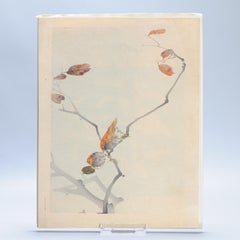

19th Century Portrait Prints
Woodcut
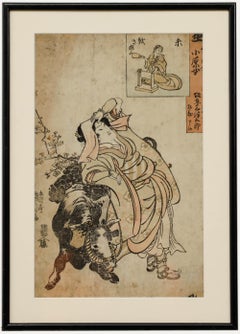
Antique 19th Century Japanese Prints
Glass, Wood
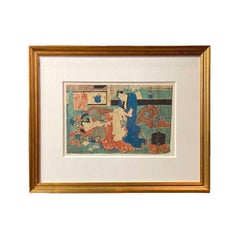
Antique Late 19th Century Japanese Decorative Art
Pine
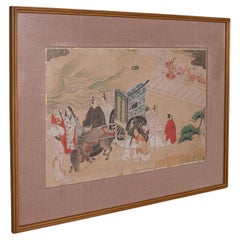
Vintage 1940s Japanese Showa Prints
Paper
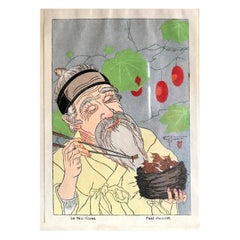
Antique Early 19th Century Japanese Prints
Paper
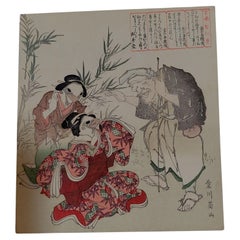
Antique 19th Century Japanese Prints
Glass, Wood, Paint
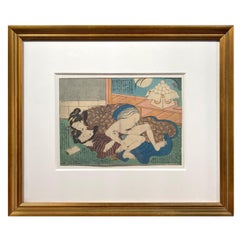
Antique 19th Century Japanese Prints
Glass, Wood, Paint
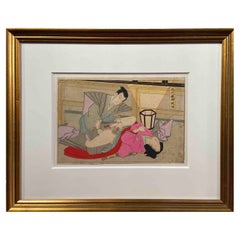
1920s Edo Figurative Prints
Ink, Rice Paper, Woodcut
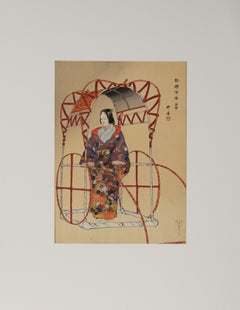
Late 19th Century Old Masters Portrait Prints
Paper, Lithograph
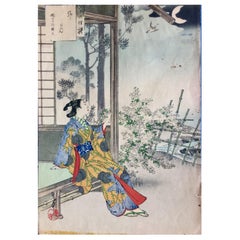
Antique Mid-18th Century Japanese Prints
Paper
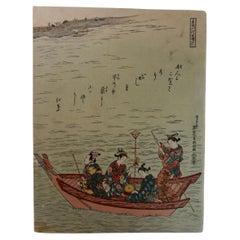
20th Century Japanese Showa Prints
Paper
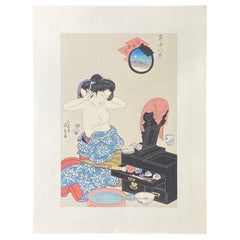
Vintage 1980s Japanese Japonisme Prints
Paper
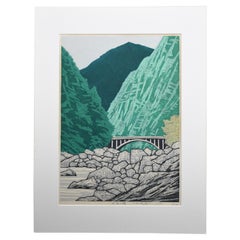
Vintage 1940s Japanese Modern Prints
Paper
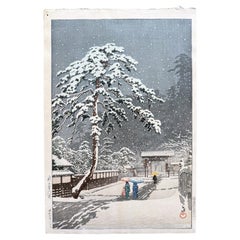
20th Century Japanese Edo Prints
Paper
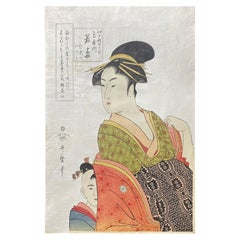
Vintage 1930s Japanese Showa Prints
Paper
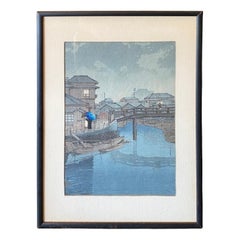
Antique 19th Century Japanese Prints
Glass, Wood, Paint
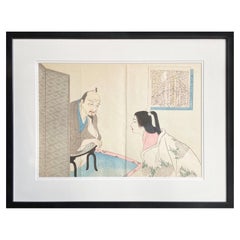
20th Century Japanese Showa Prints
Paper
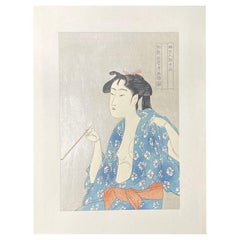
Antique 19th Century Japanese Japonisme Prints
Paper
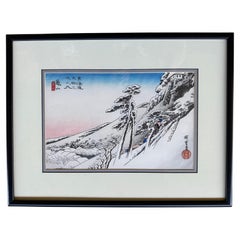
Vintage 1970s Japanese Showa Prints
Paper
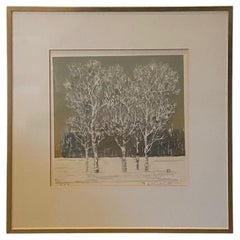
Antique Late 19th Century Japanese Edo Prints
Paper
Vintage 1930s Japanese Showa Prints
Wood, Paper
Antique Late 19th Century Maps
Paper
Antique 19th Century Japanese Prints
Glass, Wood, Paint, Paper
Vintage 1960s Japanese Showa Prints
Paper
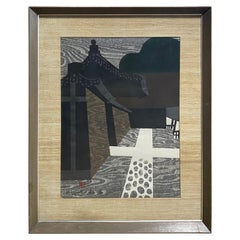
Vintage 1930s Japanese Showa Prints
Paper
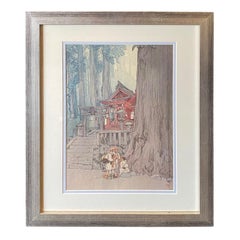
Antique Mid-18th Century Japanese Prints
Paper
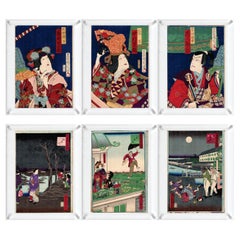
Antique Mid-19th Century Japanese Prints
Paper
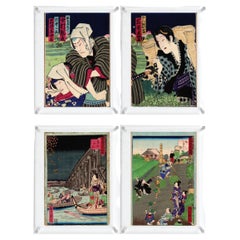
20th Century Prints
Paper
![Japanese Antiques Hagiwara Hideo [Fish] Woodblock print, framed](https://a.1stdibscdn.com/japanese-antiques-hagiwara-hideo-fish-woodblock-print-framed-for-sale/f_102642/f_440212721741852268834/f_44021272_1741852269295_bg_processed.jpg?width=240 "Japanese Antiques Hagiwara Hideo [Fish] Woodblock print, framed")
Vintage 1930s Japanese Showa Prints
Paper
Mid-20th Century Japanese Showa Prints
Paper

Vintage 1960s Japanese Showa Prints
Paper
Mid-20th Century Asian Meiji Prints
Glass, Wood, Paper
Antique 19th Century Japanese Meiji Prints
Paper
Antique Mid-19th Century Japanese Prints
Paper
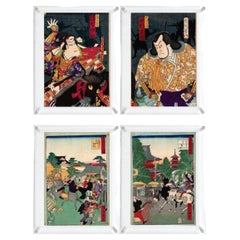
Antique Mid-19th Century Japanese Prints
Paper
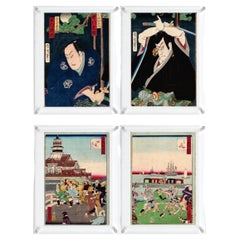
Antique Mid-19th Century Japanese Prints
Paper
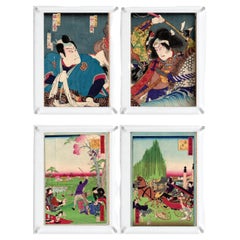
Vintage 1930s Japanese Showa Prints
Paper
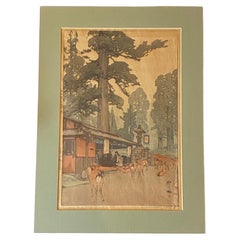
Vintage 1920s Japanese Japonisme Prints
Wood
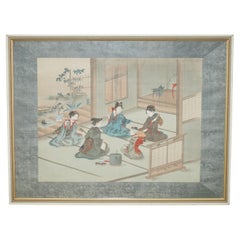
Vintage 1920s Japanese Japonisme Prints
Wood
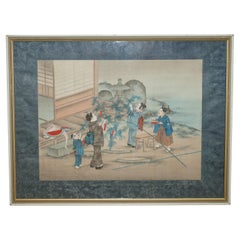
Vintage 1920s Japanese Japonisme Prints
Wood
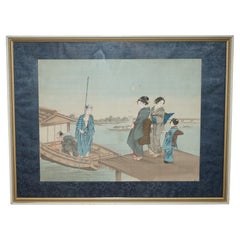
Vintage 1920s Japanese Japonisme Prints
Wood
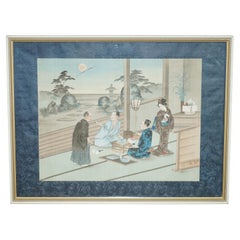
20th Century Japanese Antiquities
Paper
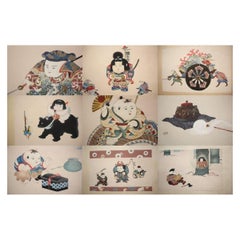
Antique 19th Century Japanese Prints
Paper
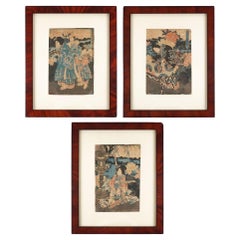
Antique 1810s Japanese Edo Prints
Glass, Wood, Paint, Paper
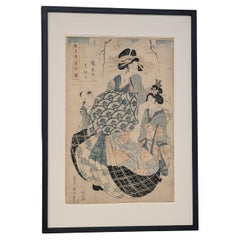
Vintage 1930s Japanese Modern Prints
Paper
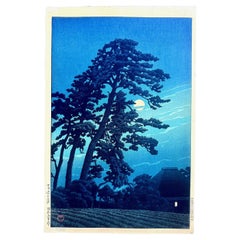
Vintage 1940s Japanese Japonisme Prints
Paper
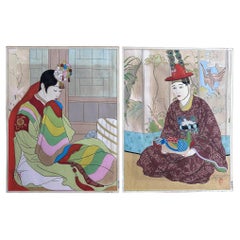
20th Century Japanese Prints
Paper
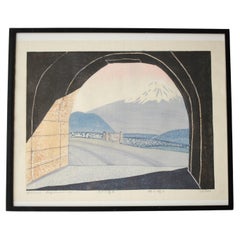
Mid-20th Century Japanese Prints
Paper
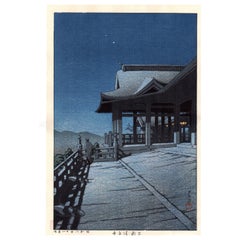
Vintage 1970s Japanese Showa Prints
Wood, Paper
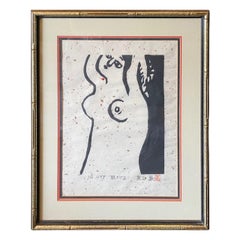
Vintage 1960s Japanese Showa Prints
Paper
Vintage 1930s Japanese Modern Prints
Wood, Paper
Antique 19th Century Japanese Meiji Prints
Paper
Vintage 1930s Japanese Modern Prints
Brass
19th Century Figurative Prints
Woodcut
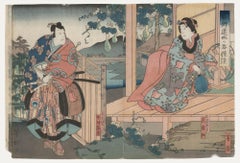
Vintage 1950s Japanese Japonisme Prints
Wood, Paper
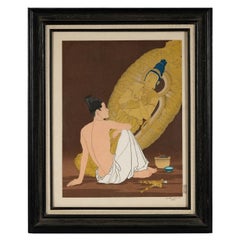
Antique 19th Century Japanese Meiji Paintings and Screens
Paper

- 1
- ...
Bring Authentic Japanese Woodblock Prints into Your Home
For concision, power and delight, it’s hard to beat authentic Japanese woodblock prints, the products of an artistic tradition that is aging very well indeed.
The genre, unique to Japan, grew out of 17th-century developments in printing and book publishing. The form became known as “picture of the floating world,” an evocative name that captures the dreaminess of many of the scenes (which were often erotic). In an overview of the years from 1680 to 1938 in Taschen’s Japanese Woodblock Prints, author Andreas Marks presents the reader with a brief history of the development of woodblocks, describing for example how extra colors were added, and then devotes most of the following chapters to significant individual artists over the centuries. Four of the most common subjects are delineated: beauties, actors, landscapes and bird-and-flower compositions. Famous for book illustrations as well as paintings, Japanese ukiyo-e artist Katsushika Hokusai captured the grand power of nature by depicting Mount Fuji, Japan’s tallest peak, as a tiny triangle seemingly being swallowed by an enormous wave in his The Great Wave off Kanagawa.
Some of the great creators of the 18th and 19th centuries, such as Utagawa Hiroshige (1797–1858), are still well known, their works frequently shown in museums today. European artists like Van Gogh and Manet were indelibly influenced by them, for reasons that are plain.
But Marks’s stated aim is to spread his attention around and not “single out the handful of ‘stars’ commonly found in books and exhibitions.” Some of the later talents covered in his compendium — like the relatively unfamiliar Yamamura Koka (also known as Toyonari), whose beguiling 1920s works convey suggestions of the Jazz Age — the heady, optimistic era between the end of World War I and the crash of 1929 — may be the biggest revelations.
Find a collection of original Japanese woodblock prints for sale on 1stDibs.