Woodblock Print
1970s Contemporary Figurative Prints
Parchment Paper, Ink, Woodcut
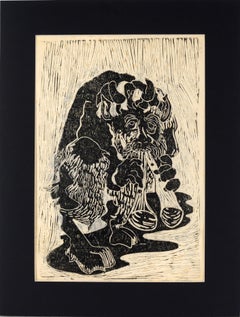
Mid-20th Century Figurative Prints
Woodcut
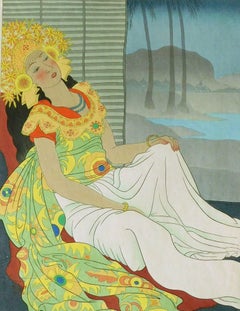
Antique 19th Century Japanese Prints
Glass, Wood, Paint
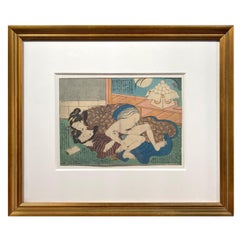
1990s Japanese Mid-Century Modern Prints
Paper
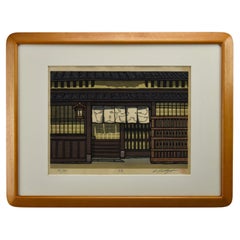
Mid-19th Century Modern Figurative Prints
Woodcut
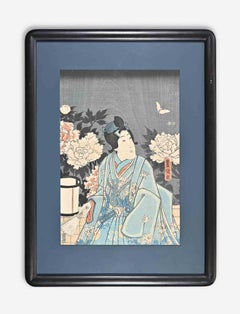
Early 20th Century Japanese Prints
Paper
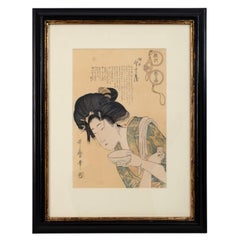
Early 20th Century Japanese Meiji Prints
Paper
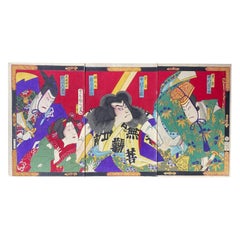
Antique 19th Century Japanese Prints
Paper
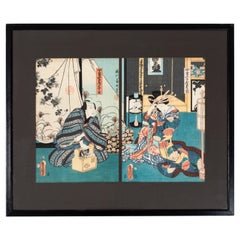
Vintage 1950s Japanese Mid-Century Modern Prints
Paper
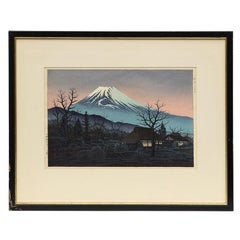

Mid-19th Century Modern Figurative Prints
Woodcut
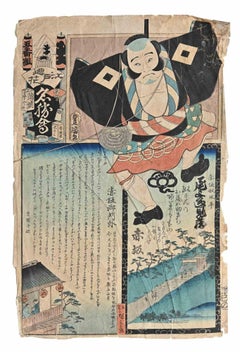
Vintage 1980s Japanese Modern Prints
Glass, Wood, Paper
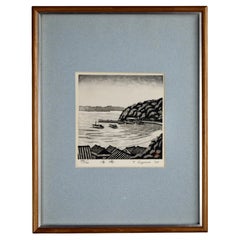
Mid-19th Century Modern Figurative Prints
Woodcut
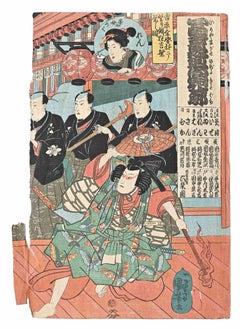
1920s Edo Figurative Prints
Ink, Rice Paper, Woodcut
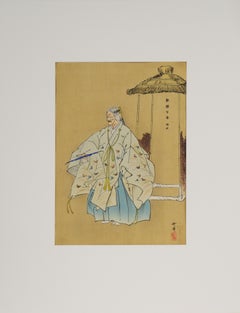
1970s Contemporary Landscape Prints
Paper
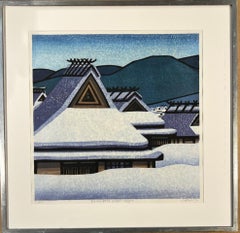
Vintage 1920s Japanese Japonisme Prints
Paper
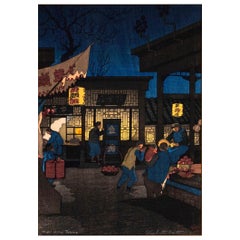
Mid-20th Century Japanese Chinoiserie Prints
Paper
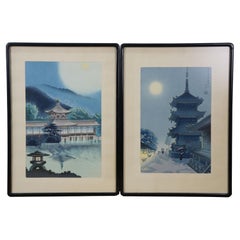
Mid-20th Century French Prints
Wire
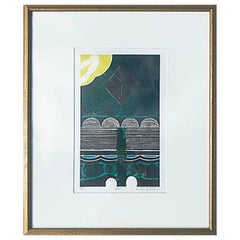
Mid-20th Century Asian Meiji Prints
Glass, Wood, Paper
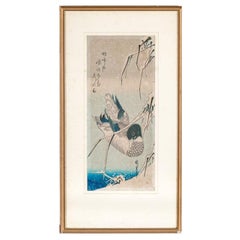
Mid-20th Century Prints
Paper
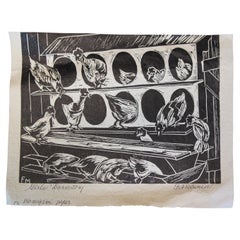
Early 20th Century Prints
Paper
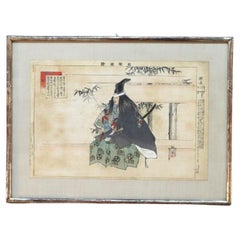
Antique Early 19th Century Japanese Edo Prints
Paper
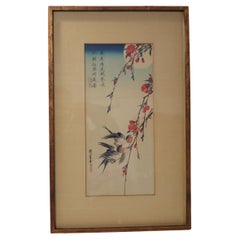
Mid-20th Century Japanese Prints
Paper
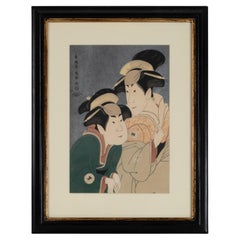
20th Century Japanese Prints
Paper
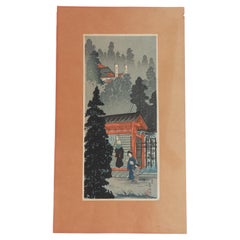
Late 19th Century Other Art Style Prints and Multiples
Ink
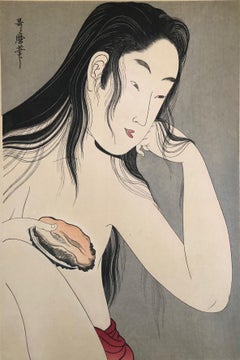
Early 20th Century Japanese Prints
Paper
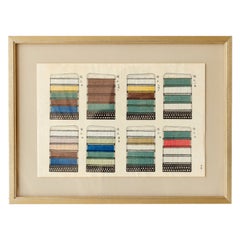
Vintage 1930s Japanese Showa Prints
Wood, Paper
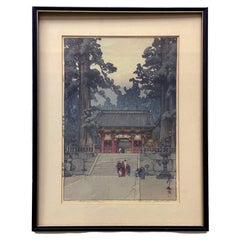
Vintage 1980s Japanese Showa Prints
Paper
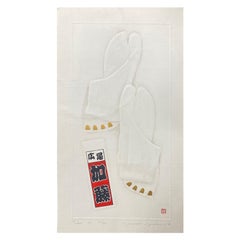
20th Century Japanese Showa Prints
Paper
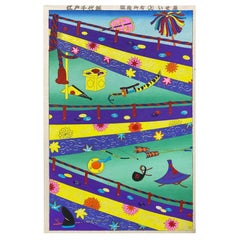
Early 20th Century Japanese Prints
Paper
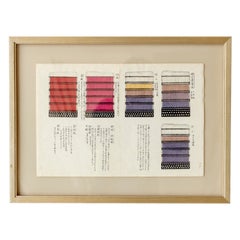
Early 20th Century Japanese Prints
Paper
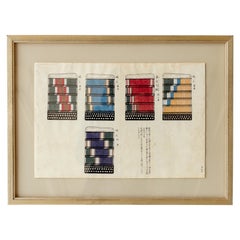
Antique 1840s Japanese Edo Prints
Glass, Paper
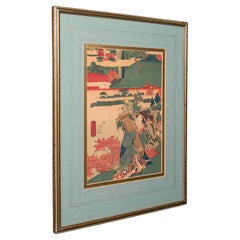
Antique 19th Century Prints
Paper
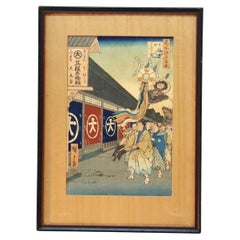
Early 20th Century Japanese Prints
Paper
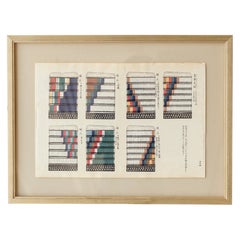
Mid-20th Century Japanese Mid-Century Modern Prints
Paper
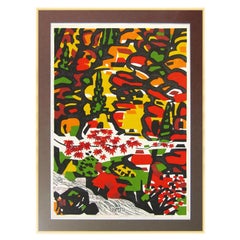
Antique 19th Century Japanese Prints
Glass, Wood
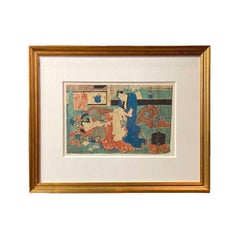
1990s Contemporary Landscape Prints
Paper
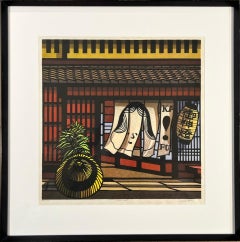
Mid-20th Century American Expressionist Prints
Glass, Wood, Paper
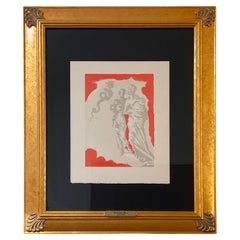
Vintage 1960s Japanese Modern Prints
Paper
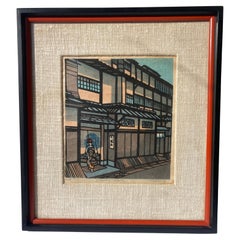
Antique 19th Century Japanese Prints
Glass, Wood, Paint, Paper
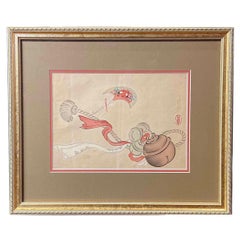
Antique 19th Century Japanese Prints
Paper
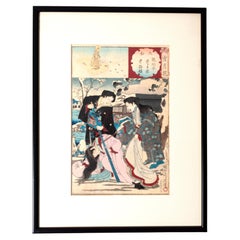
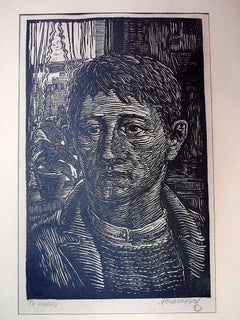
1930s Portrait Prints
Woodcut
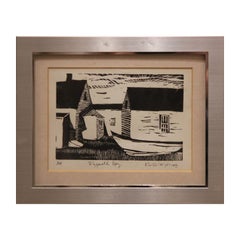
Mid-20th Century Expressionist Landscape Prints
Woodcut
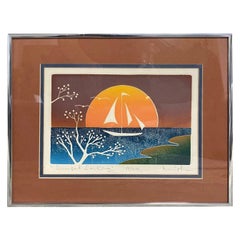
20th Century Modern Prints
Metal
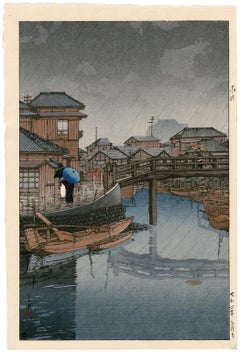
Antique 19th Century Japanese Prints
Glass, Paint, Paper

1930s Showa Figurative Prints
Woodcut
20th Century Other Art Style Animal Prints
Woodcut
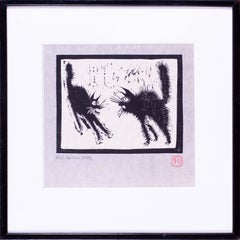
Antique 19th Century Japanese Prints
Paper
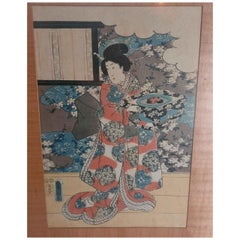
Early 20th Century Japanese Prints
Brass
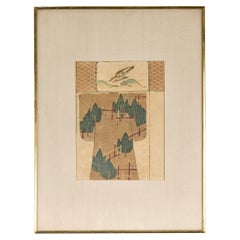
Antique 19th Century Japanese Edo Prints
Paper

Antique 19th Century Japanese Prints
Glass, Wood, Paint
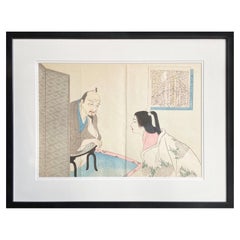
Antique Mid-19th Century Japanese Edo Prints
Paper
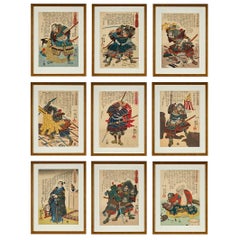
Early 2000s Abstract Prints
Woodcut
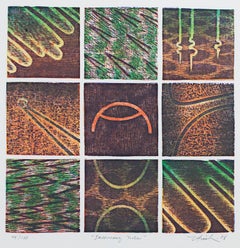
Vintage 1960s Japanese Showa Prints
Paper
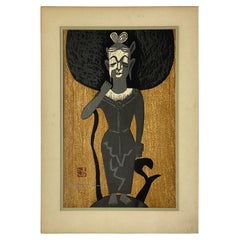
Antique 19th Century Japanese Prints
Paper
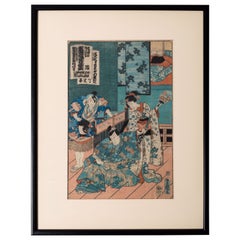
Vintage 1930s Japanese Showa Prints
Paper
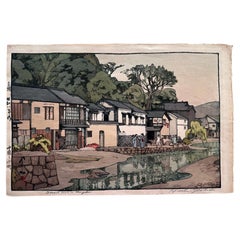
1950s Folk Art Animal Prints
Woodcut
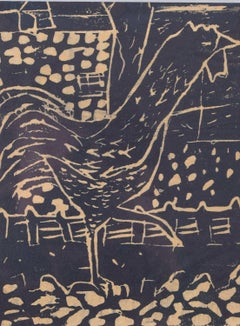
Mid-20th Century Mid-Century Modern Prints
Paper
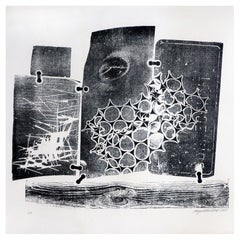
- 1
- ...
Find Authentic Woodblock Prints on 1stDibs
For concision, power and delight, it’s hard to beat woodblock prints, the products of an artistic tradition that is aging very well indeed.
The genre, unique to Japan, grew out of 17th-century developments in printing and book publishing. The form became known as “picture of the floating world,” an evocative name that captures the dreaminess of many of the scenes (which were often erotic). In an overview of the years from 1680 to 1938 in Taschen’s Japanese Woodblock Prints, author Andreas Marks presents the reader with a brief history of the development of woodblocks, describing for example how extra colors were added, and then devotes most of the following chapters to significant individual artists over the centuries. Four of the most common subjects are delineated: beauties, actors, landscapes and bird-and-flower compositions. Famous for book illustrations as well as paintings, Japanese ukiyo-e artist Katsushika Hokusai captured the grand power of nature by depicting Mount Fuji, Japan’s tallest peak, as a tiny triangle seemingly being swallowed by an enormous wave in his The Great Wave off Kanagawa.
Some of the great creators of the 18th and 19th centuries, such as Utagawa Hiroshige (1797–1858), are still well known, their works frequently shown in museums today. European artists like Van Gogh and Manet were indelibly influenced by them, for reasons that are plain.
But Marks’s stated aim is to spread his attention around and not “single out the handful of ‘stars’ commonly found in books and exhibitions.” Some of the later talents covered in his compendium — like the relatively unfamiliar Yamamura Koka (also known as Toyonari), whose beguiling 1920s works convey suggestions of the Jazz Age — the heady, optimistic era between the end of World War I and the crash of 1929 — may be the biggest revelations.
Find a collection of original woodblock prints for sale on 1stDibs.
- 1stDibs ExpertApril 5, 2022Japanese woodblock prints, which date back to the 8th century and are also known as ukiyo-e, are a traditional art form originally produced only in Buddhist monasteries to produce religious texts and images. In the 17th century, private studios began opening as woodblock prints became popular. To make a woodblock print, the artist creates a design on paper, and a wood carver places it on the block and carves the design. Each color requires its own woodblock, which are then covered with watercolors and printed on rice paper. On 1stDibs, find a variety of Japanese woodblock prints from top sellers around the world.
- 1stDibs ExpertMarch 13, 2024Yes, some Japanese woodblock prints are valuable. Prices vary greatly, with some selling for hundreds of dollars and others fetching selling prices of over a million at auction. Makers have a big influence on the price, with prints from masters like Hiroshige, Hokusai and Kitagawa Utamaro often having the greatest value. Other things that determine how much woodblock prints are worth include the quality of the image, the condition of the print, its age, its rarity and the demand among collectors. An expert appraiser or dealer can give you an estimate of the value of a particular print. Explore a selection of Japanese woodblock prints on 1stDibs.
- 1stDibs ExpertMay 30, 2024To identify Japanese woodblock prints, try using the website Ukiyo-e Search. Simply snap a photo of your print and upload it to the site, which will then compare the image to its database of thousands of prints and quickly display the results. If you have difficulty identifying your print, use the services of a certified appraiser or knowledgeable art dealer who has experience with Japanese art. Shop a large selection of Japanese woodblock prints on 1stDibs.
- 1stDibs ExpertOctober 15, 2024To tell if a woodblock print is real, turn it over. Due to the processes used to produce woodblock prints, it is usually possible to see the ink bleeding through on the reverse side of an original print. Reproductions will not have this characteristic since they are made by machine. If you're still uncertain whether your print is an original, experts recommend consulting a certified appraiser or experienced art dealer, as it can be very difficult to tell a convincing reprint apart from a real woodblock without proper training. Find a wide variety of woodblock prints on 1stDibs.