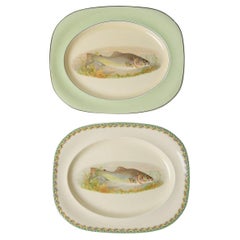
Woods Ivory Ware England
Early 20th Century English Art Deco Platters and Serveware
Ceramic, Porcelain

People Also Browsed
20th Century English Belle Époque Dinner Plates
Porcelain
2010s Italian Other Dressers
Wood
Antique Early 1900s British Dinner Plates
Gold, Enamel
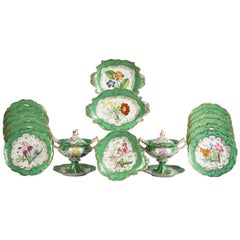
Antique 1840s English Porcelain
Porcelain
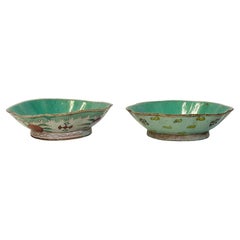
Antique Late 18th Century Chinese Decorative Bowls
Enamel
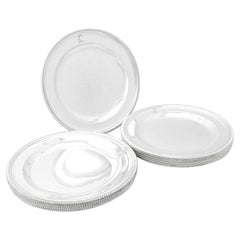
Antique 1770s English George III Sterling Silver
Silver, Sterling Silver
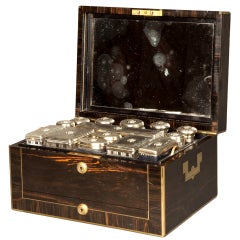
Antique 19th Century English Victorian Decorative Boxes
Brass, Silver, Vermeil
Vintage 1910s British Dinner Plates
Gold, Enamel
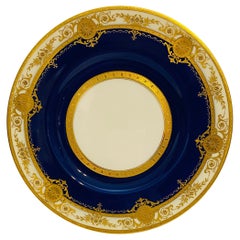
Vintage 1950s Finnish Mid-Century Modern Vases
Art Glass
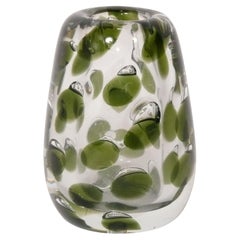
Early 20th Century American Neoclassical Dinner Plates
Porcelain
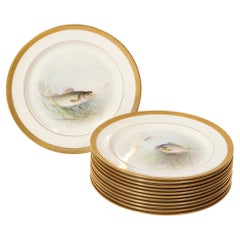
Antique 19th Century English Regency Sheffield and Silverplate
Sheffield Plate
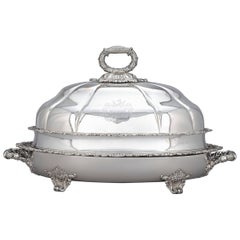
Antique 19th Century French Dinner Plates
Porcelain
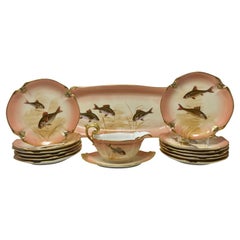
Antique 19th Century German Rustic Cupboards
Oak, Horn, Glass
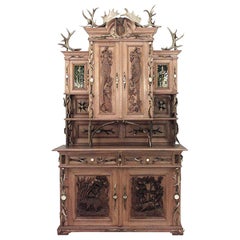
Antique Early 1900s German Rustic Decorative Art
Ceramic
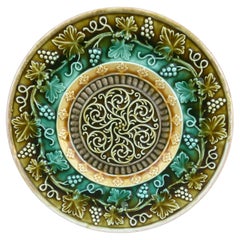
Vintage 1920s German Porcelain
Porcelain
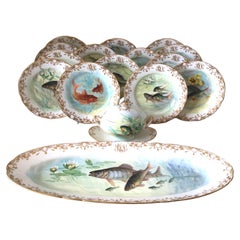
Antique 1820s English Regency Sheffield and Silverplate
Sheffield Plate
A Close Look at Art-deco Furniture
Art Deco furniture is characterized by its celebration of modern life. More than its emphasis on natural wood grains and focus on traditional craftsmanship, vintage Art Deco dining chairs, tables, desks, cabinets and other furniture — which typically refers to pieces produced during the 1920s and 1930s — is an ode to the glamour of the “Roaring Twenties.”
ORIGINS OF ART DECO FURNITURE DESIGN
- Emerged in the 1920s
- Flourished while the popularity of Art Nouveau declined
- Term derives from 1925’s Exposition Internationale des Arts Décoratifs et Industriels Modernes (International Exhibition of Modern Decorative and Industrial Arts) in Paris, France
- Informed by Ancient Egypt, Cubism, Futurism, Louis XVI, De Stijl, modernism and the Vienna Secession; influenced Streamline Moderne and mid-century modernism
CHARACTERISTICS OF ART DECO FURNITURE DESIGN
- Bold geometric lines and forms, floral motifs
- Use of expensive materials such as shagreen or marble as well as exotic woods such as mahogany, ebony and zebra wood
- Metal accents, shimmering mirrored finishes
- Embellishments made from exotic animal hides, inlays of mother-of-pearl or ivory
ART DECO FURNITURE DESIGNERS TO KNOW
VINTAGE ART DECO FURNITURE ON 1STDIBS
Few design styles are as universally recognized and appreciated as Art Deco. The term alone conjures visions of the Roaring Twenties, Machine Age metropolises, vast ocean liners, sleek typography and Prohibition-era hedonism. The iconic movement made an indelible mark on all fields of design throughout the 1920s and ’30s, celebrating society’s growing industrialization with refined elegance and stunning craftsmanship.
Widely known designers associated with the Art Deco style include Émile-Jacques Ruhlmann, Eileen Gray, Maurice Dufrêne, Paul Follot and Jules Leleu.
The term Art Deco derives from the name of a large decorative arts exhibition held in Paris in 1925. “Art Deco design” is often used broadly, to describe the work of creators in associated or ancillary styles. This is particularly true of American Art Deco, which is also called Streamline Moderne or Machine Age design. (Streamline Moderne, sometimes known as Art Moderne, was a phenomenon largely of the 1930s, post–Art Nouveau.)
Art Deco textile designers employed dazzling floral motifs and vivid colors, and while Art Deco furniture makers respected the dark woods and modern metals with which they worked, they frequently incorporated decorative embellishments such as exotic animal hides as well as veneers in their seating, case pieces, living room sets and bedroom furniture.
From mother-of-pearl inlaid vitrines to chrome aviator chairs, bold and inventive works in the Art Deco style include chaise longues (also known as chaise lounges) and curved armchairs. Today, the style is still favored by interior designers looking to infuse a home with an air of luxury and sophistication.
The vintage Art Deco furniture for sale on 1stDibs includes dressers, coffee tables, decorative objects and more.
Finding the Right Bowls for You
Vintage, new and antique serving bowls are popular with collectors as well as cooks. While some serving bowls are merely decorative items, others are both eye-catching and functional.
The design and material of a bowl will vary depending on the period and location where it was made. Antique Chinese serving bowls are often exquisitely painted and made from fine porcelain. Colonial American wooden bowls are practical and elegant, able to hold brightly colored fruit or act as a serving dish at a family meal.
Along with wood, stone, metal and porcelain, there are also glass serving bowls. The most notable are made from Murano glass, named for the Murano Island in Venice where many of the world’s most famous glass objects have been produced. Glass serving bowls from the 19th through the mid-20th century are especially popular with collectors. Pieces from this era range from simple to ornate, frequently featuring gold or painted embellishments.
The styles of these bowls include art glass, which dates to the mid-19th century, and colorful carnival glass, which was introduced in the early 20th century. Carnival glass serving bowls were more affordable so they were used widely in homes. Depression glass, an iteration of glassware that was inexpensively mass-produced when people didn’t have much money to spend on decor during the 1920s and ’30s, featured bright colors. Milk glass, which had its heyday in the late 19th century, adds a touch of elegance to any table or display.
Antique and vintage serving bowls are desirable for their style, patterns and range of textures they can help introduce to a space. They are also prized for their rich history. Browse antique and vintage serving bowls on 1stDibs today.