Wrought Iron Hinge
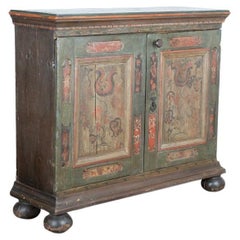
Antique Late 18th Century Swedish Sideboards
Wood, Paint
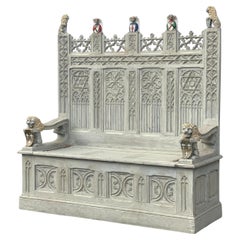
Antique Late 19th Century British Gothic Revival Benches
Oak
Antique 18th Century and Earlier Italian Boxes
Wrought Iron
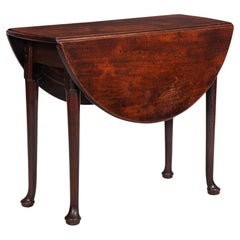
Antique 18th Century English George II Drop-leaf and Pembroke Tables
Wrought Iron
Antique 19th Century Hungarian Industrial Doors and Gates
Wrought Iron
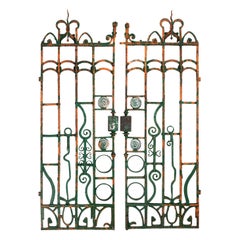
Antique 18th Century French French Provincial Doors and Gates
Wrought Iron
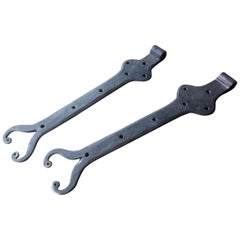
Antique Late 18th Century British George III Desks
Brass, Wrought Iron
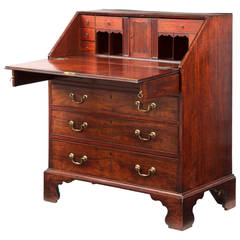
Antique 18th Century and Earlier Swedish Cupboards
Wrought Iron

Antique 18th Century and Earlier Spanish Benches
Wrought Iron
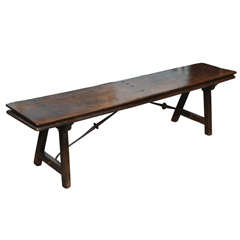
Antique 19th Century Swedish Trunks and Luggage
Wrought Iron
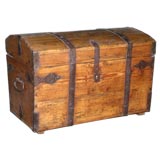
Antique Mid-18th Century Italian Baroque Corner Cupboards
Wrought Iron

Antique Early 18th Century French Blanket Chests
Wrought Iron
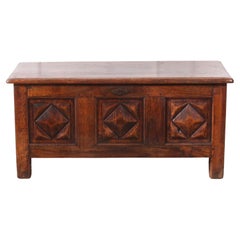
Antique Mid-19th Century Swedish Rustic Trunks and Luggage
Wrought Iron
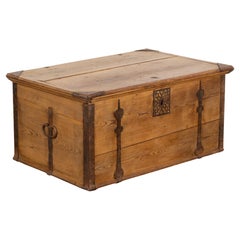
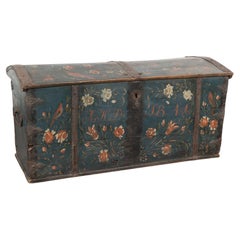
Antique Mid-19th Century Swedish Folk Art Trunks and Luggage
Wrought Iron
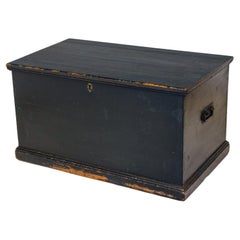
Antique 19th Century English Victorian Blanket Chests
Wrought Iron
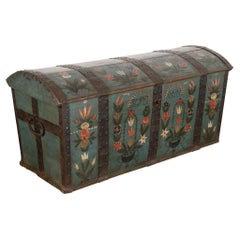
Antique Early 19th Century Swedish Folk Art Trunks and Luggage
Wrought Iron
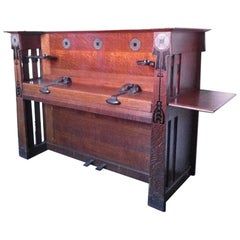
Early 20th Century English Arts and Crafts Musical Instruments
Wrought Iron, Pewter
Antique 18th Century and Earlier Boxes
Iron
Antique 18th Century German Wardrobes and Armoires
Steel, Iron
20th Century Swedish Karl Johan Chandeliers and Pendants
Iron
Antique Early 19th Century Hungarian Trunks and Luggage
Iron
Mid-20th Century French Mid-Century Modern Sideboards
Oak
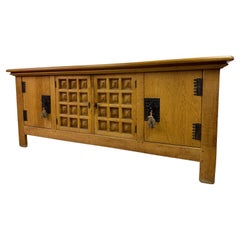
Antique 18th Century and Earlier French Blanket Chests
Oak
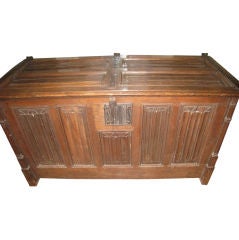
Antique 18th Century and Earlier Spanish Decorative Objects
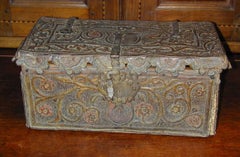
Antique 19th Century Hungarian Blanket Chests
Wood
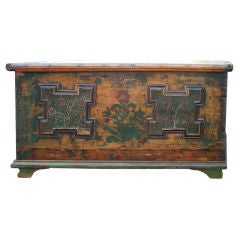
Antique Mid-18th Century Italian Rustic Blanket Chests
Walnut
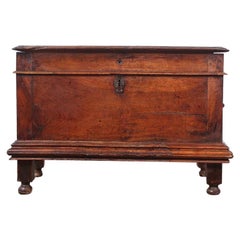
Antique Mid-18th Century Italian Renaissance Cabinets
Walnut
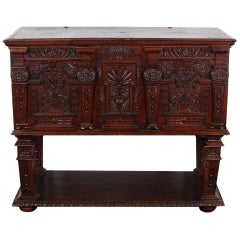
Antique 19th Century Hungarian Blanket Chests
Pine
Antique Late 19th Century Italian Cabinets
Wood
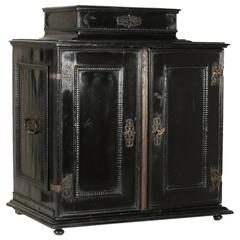
Antique 1780s Norwegian Folk Art Primitives
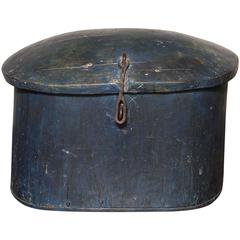
Antique 1830s French Wardrobes and Armoires
Cherry, Burl
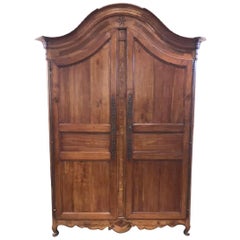
Antique 17th Century English Jacobean Blanket Chests
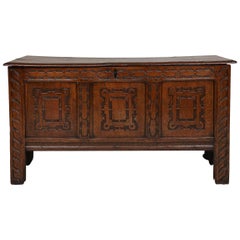
Antique 19th Century Dining Room Tables
Walnut
Antique Late 18th Century German Baroque Cabinets
Fir
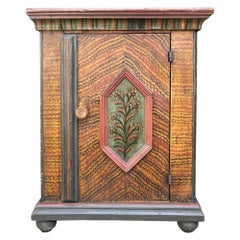
Antique 1670s Italian Renaissance Blanket Chests
Walnut
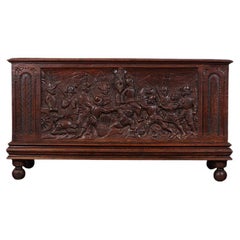
Antique 18th Century Italian Wardrobes and Armoires
Wood
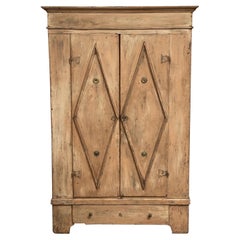
Antique Late 19th Century English Blanket Chests
Pine
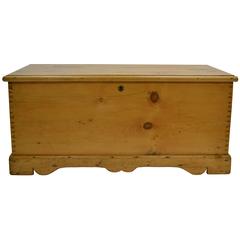
Antique Late 18th Century Swedish Gustavian Tables
Pine
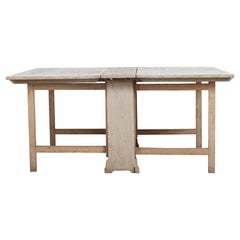
Antique Late 17th Century French Baroque Blanket Chests
Brass
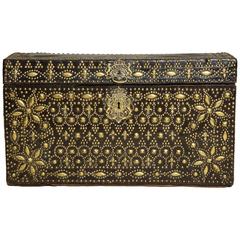
Antique Early 19th Century Hungarian Trunks and Luggage
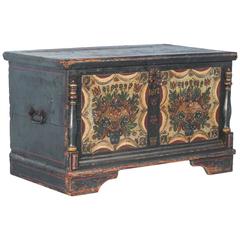
Antique 18th Century and Earlier Welsh Buffets
Oak
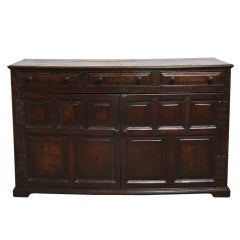
Antique 18th Century German Baroque Trunks and Luggage
Oak
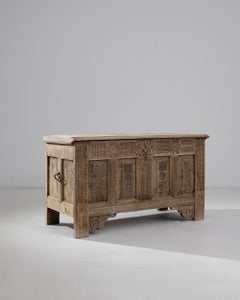
Antique Late 17th Century Swedish Blanket Chests
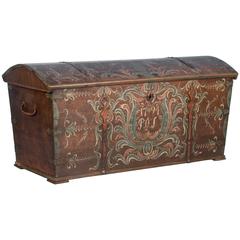
Antique 1770s Italian Folk Art Blanket Chests
Fir
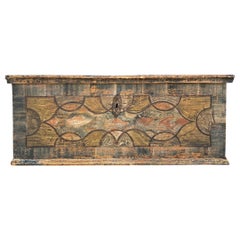
Antique 19th Century French French Provincial Wardrobes and Armoires
Metal
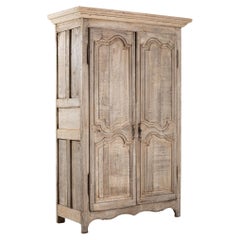
Antique Late 19th Century Hungarian Blanket Chests
Wood
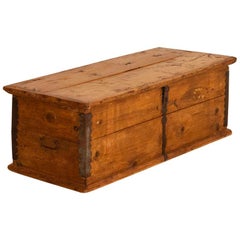
Antique Mid-19th Century Danish Trunks and Luggage
Wood
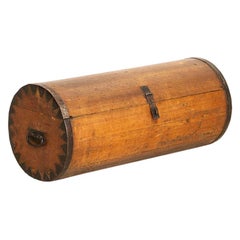
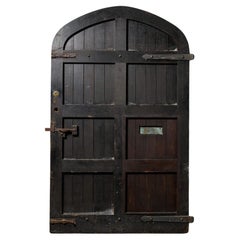
Early 20th Century English Victorian Doors and Gates
Wood, Oak
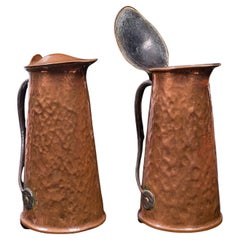
Antique Late 19th Century British Pitchers
Copper
Antique Mid-19th Century Swedish Blanket Chests
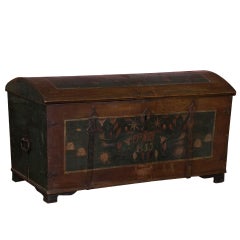
Antique Early 19th Century Swedish Blanket Chests
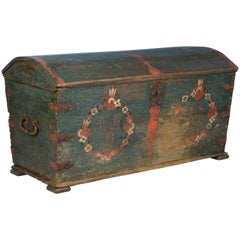
Antique Mid-19th Century French French Provincial Dining Room Tables
Walnut
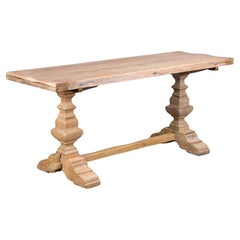
Antique Mid-19th Century Swedish Blanket Chests
Wood
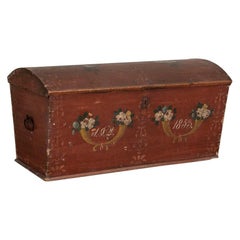
Antique Mid-19th Century Swedish Blanket Chests
Wood

Antique Late 19th Century European Folk Art Wardrobes and Armoires
Pine
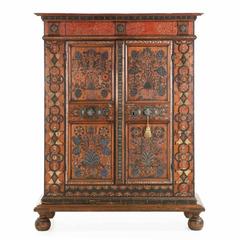
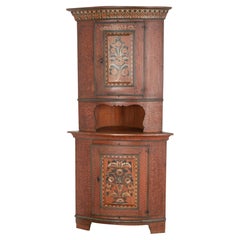
Antique Mid-19th Century Swedish Folk Art Corner Cupboards
Pine, Paint
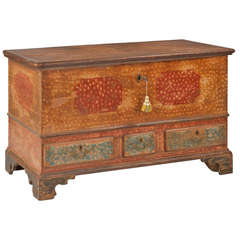
Antique 19th Century American Chippendale Blanket Chests
- 1
Wrought Iron Hinge For Sale on 1stDibs
How Much is a Wrought Iron Hinge?
- What is wrought-iron furniture?1 Answer1stDibs ExpertSeptember 25, 2019
Wrought iron is a highly refined iron alloy that is tough, malleable, corrosion resistant and easily welded. It is no longer produced on a commercial scale. Many items, including garden furniture, referred to today as wrought iron are actually made of mild steel. They are called wrought iron because they resemble objects that in the past were “wrought” by hand, rather than cast.
- 1stDibs ExpertSeptember 25, 2019
No, wrought iron is not stronger than steel.
- 1stDibs ExpertFebruary 13, 2024To tell if wrought iron is Woodard, examine its frame closely. Authentic pieces usually have the Woodard name embossed right onto the metal. Instead of embossing, some pieces display the brand name on a metal tag. For assistance with identifying a piece of wrought iron furniture, seek the help of a certified appraiser or licensed dealer. Explore an assortment of Woodard wrought iron furniture on 1stDibs.
- Are wrought iron doors safe?1 Answer1stDibs ExpertAugust 24, 2021Yes, homes are significantly safer with wrought iron doors. Because of their durability, they are a good option to protect your home. In unsavory weather conditions, wrought iron entries can protect your home from the damage caused by debris and objects, and they are strong enough to deter burglars. Find a variety of wrought iron doors on 1stDibs.
- 1stDibs ExpertApril 5, 2022Modern wrought iron furniture is often made out of a type of carbon steel called mild steel that artisans work by hand. Vintage and antique wrought iron pieces are usually a genuine iron alloy. On 1stDibs, find a range of wrought iron furniture.
- 1stDibs ExpertNovember 20, 2024To tell if wrought iron is an antique, first check to see if there are any maker's marks on the piece. By researching these marks using trusted online resources, you can typically determine who produced a piece of furniture and when they were active and producing furnishings similar to yours. If the company was in business and crafting similar pieces 100 years ago or more, then the wrought iron table, chair or other item may be an antique. However, if the business opened recently or the style was offered more recently than a century ago, your item is likely not antique. If you cannot locate a maker's mark, inspect your furniture closely. Antique pieces often show signs of handcrafting, such as slight imperfections or irregularities. Also, antique wrought iron often has signs of wear, such as pitting in the metal or scratches due to age. If you're still uncertain whether your item is antique, you can ask a certified appraiser or knowledgeable antique dealer to date it. Shop an assortment of antique wrought iron furniture on 1stDibs.
- 1stDibs ExpertSeptember 25, 2019
Unlike cast iron, wrought iron is not brittle and will bend rather than break. Wrought ironwork is produced with a hammer and anvil and tends to be more intricate than cast ironwork, which is characterized by repetitive designs that can be carved into a wooden pattern and cast.
- 1stDibs ExpertApril 12, 2024Yes, many experts state that wrought iron patio furniture is good. The metal is durable enough to withstand the effects of weather exposure and remains sturdy even with frequent wear. In addition, wrought iron is relatively easy to clean and maintain. Many people also love the appearance of the metal. On 1stDibs, explore a collection of wrought iron patio furniture.
- 1stDibs ExpertJuly 30, 2024One way to tell if wrought iron furniture is vintage is to look for markings that indicate who produced it. Markings may appear on the underside, back and legs of wrought iron tables and chairs. You can then use trusted online resources to determine when the maker was active and producing pieces similar to yours. Consult a certified appraiser or knowledgeable antiques dealer if you can't find markings or have difficulty dating a piece.
Walter Lamb’s adventurous works and those of other mid-century designers noted for their seminal outdoor furniture — a list that includes Hendrik Van Keppel and Taylor Green, Russell Woodard, Maurizio Tempestini for John B. Salterini and Richard Schultz for Knoll — is often found among the offerings of 1stDibs dealers.
In colder regions, wrought iron, which can be left outdoors all year round, was the material of choice in outdoor furniture designs for the Atomic Age.
Shop a variety of vintage wrought iron furniture on 1stDibs. - 1stDibs ExpertSeptember 25, 2019
Wipe the surface with a sponge or cloth soaked in a solution of water and dish soap, then rinse with pure water and allow to dry.
- 1stDibs ExpertMarch 31, 2023The difference between wrought iron and steel railings lies in the materials used to produce them. Wrought iron is made entirely from iron, while steel combines iron and carbon. Shop a selection of decorative railings on 1stDibs.
- 1stDibs ExpertNovember 20, 2024Yes, vintage wrought iron may be worth something. Collectors often seek pieces from notable makers like Russell Woodward, Salterini and Meadowcraft. In addition to the maker, the style, type, age and condition will also contribute to the potential value of a wrought iron piece. For assistance with the valuation process, consult a certified appraiser or experienced antiques dealer. Shop a range of vintage wrought iron furniture on 1stDibs.