Zanotta Tonietta
20th Century Italian Modern Chairs
Metal
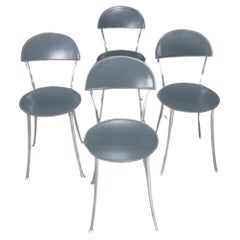

Recent Sales
Vintage 1980s Italian Mid-Century Modern Chairs
Enamel
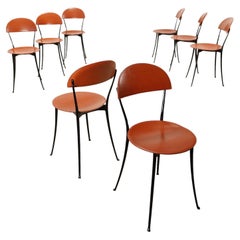
Vintage 1980s Italian Mid-Century Modern Chairs
Chrome
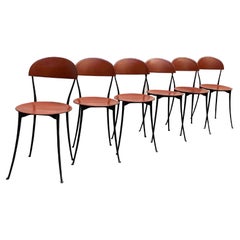
Late 20th Century Italian Post-Modern Side Chairs
Aluminum
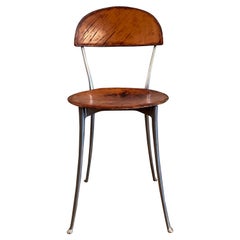
Vintage 1980s Italian Modern Chairs
Chrome
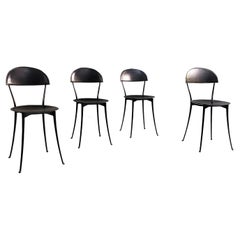
Vintage 1980s Italian Mid-Century Modern Chairs
Aluminum
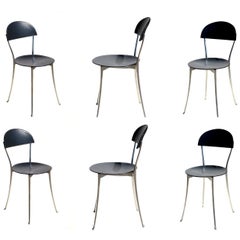
Vintage 1980s Italian Mid-Century Modern Dining Room Chairs
Metal, Aluminum
People Also Browsed
Antique Late 19th Century American Federal Curtains and Valances
Brass
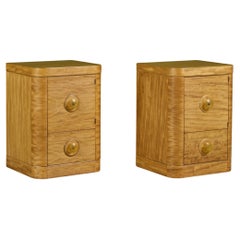
Vintage 1940s American Art Deco Night Stands
Bakelite, Beech
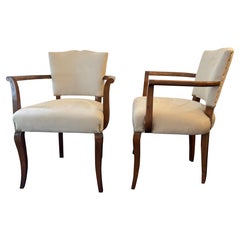
Mid-20th Century Italian Side Chairs
Metal
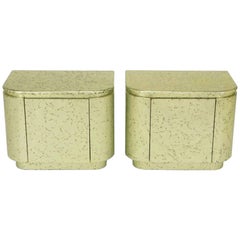
Late 20th Century American Mid-Century Modern Night Stands
Silver Leaf
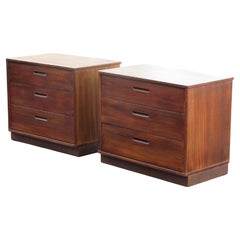
Vintage 1940s American Mid-Century Modern Dressers
Mahogany
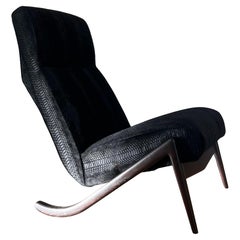
21st Century and Contemporary Unknown Post-Modern Chairs
Fabric, Wood
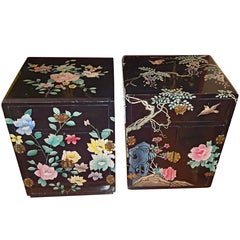
Vintage 1960s Chinese Night Stands
Wood
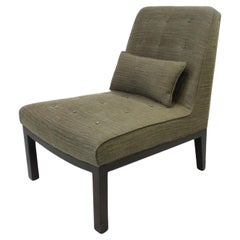
Vintage 1950s American Mid-Century Modern Slipper Chairs
Upholstery, Wood
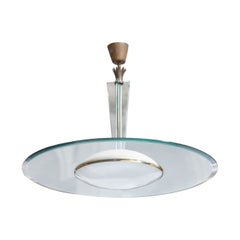
Vintage 1940s Italian Mid-Century Modern Chandeliers and Pendants
Brass
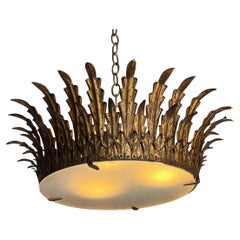
Vintage 1950s Spanish Art Nouveau Flush Mount
Metal
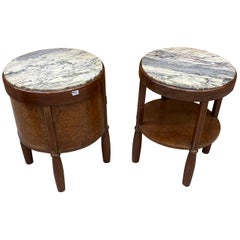
Vintage 1930s French Art Deco Night Stands
Marble
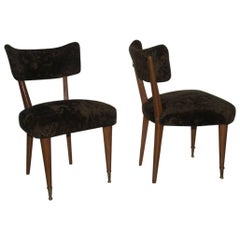
Vintage 1950s Italian Mid-Century Modern Chairs
Chenille, Cherry
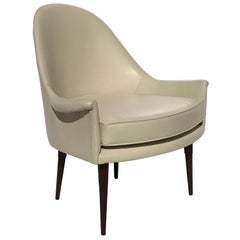
Vintage 1950s American Mid-Century Modern Lounge Chairs
Naugahyde, Wood
Mid-20th Century Mid-Century Modern Centerpieces
Resin

Vintage 1940s American Mid-Century Modern Armchairs
Mahogany
Enzo Mari for sale on 1stDibs
Enzo Mari was an influential industrial designer and a beloved curmudgeon who revered Marxism. His vintage mid-century modern designs are simple, functional and poetic. Widely known Mari-designed objects include desk accessories, such as the Formosa perpetual wall calendar, vases, cocktail tables and chandeliers.
Enzo Mari's work is embedded within the city of Milan, the Italian capital of all things design. In fact, the traffic bollards he devised are part of the city itself: Shaped like "panettone" cakes, they simultaneously direct traffic and provide seating for pedestrians.
In 1974, Mari published Autoprogettazione? (roughly translated as self-design), a Marx-inspired, anti-industrial, do-it-yourself handbook for the everyday person to use to build furniture without the assistance of a glitzy designer or knowledge of complex joinery. Mari’s intent with the publication was to remove the alienation of the creator and manufacturer from the end product by teaching anyone to develop a critical eye for production.
Artek relaunched kits based on the blueprints in the manual in an exhibition at Spazio Rossana Orlandi in 2010. The subsequent collectability of his work was reportedly irksome for Mari because he abhorred the industrial production for which he was becoming known.
Mari’s meager upbringing heavily influenced his politics, and even in childhood, he would come up with ingenious ways to support the family financially. As a designer, the desire to envision and build significant pieces was more important to Mari than devising new marketing and retail sales tactics. He optimistically believed objects could change the world. This view went against the rising consumer mania for every next trend that surfaced in the late 20th century. Not surprisingly, his ecological and economical stance led him to produce fewer objects.
Mari's philosophy did not stop people from desiring his creations, nor prevent other designers from wanting to collaborate with him. Following World War II, he worked for companies like Danese, Olivetti, Artemide, Driade and Alessi, who brought his prodigious designs to the public, and Mari’s work was widely celebrated.
The Golden Compass, Italy's highest honor for industrial design, was awarded to Mari four times before he died from COVID in 2020, and New York’s Museum of Modern Art has a permanent collection of his objects on display.
On 1stDibs, find a collection of Enzo Mari decorative objects, folk art and serveware.
Finding the Right Seating for You
With entire areas of our homes reserved for “sitting rooms,” the value of quality antique and vintage seating cannot be overstated.
Fortunately, the design of side chairs, armchairs and other lounge furniture — since what were, quite literally, the early perches of our ancestors — has evolved considerably.
Among the earliest standard seating furniture were stools. Egyptian stools, for example, designed for one person with no seat back, were x-shaped and typically folded to be tucked away. These rudimentary chairs informed the design of Greek and Roman stools, all of which were a long way from Sori Yanagi's Butterfly stool or Alvar Aalto's Stool 60. In the 18th century and earlier, seats with backs and armrests were largely reserved for high nobility.
The seating of today is more inclusive but the style and placement of chairs can still make a statement. Antique desk chairs and armchairs designed in the style of Louis XV, which eventually included painted furniture and were often made of rare woods, feature prominently curved legs as well as Chinese themes and varied ornaments. Much like the thrones of fairy tales and the regency, elegant lounges crafted in the Louis XV style convey wealth and prestige. In the kitchen, the dining chair placed at the head of the table is typically reserved for the head of the household or a revered guest.
Of course, with luxurious vintage or antique furnishings, every chair can seem like the best seat in the house. Whether your preference is stretching out on a plush sofa, such as the Serpentine, designed by Vladimir Kagan, or cozying up in a vintage wingback chair, there is likely to be a comfy classic or contemporary gem for you on 1stDibs.
With respect to the latest obsessions in design, cane seating has been cropping up everywhere, from sleek armchairs to lounge chairs, while bouclé fabric, a staple of modern furniture design, can be seen in mid-century modern, Scandinavian modern and Hollywood Regency furniture styles.
Admirers of the sophisticated craftsmanship and dark woods frequently associated with mid-century modern seating can find timeless furnishings in our expansive collection of lounge chairs, dining chairs and other items — whether they’re vintage editions or alluring official reproductions of iconic designs from the likes of Hans Wegner or from Charles and Ray Eames. Shop our inventory of Egg chairs, designed in 1958 by Arne Jacobsen, the Florence Knoll lounge chair and more.
No matter your style, the collection of unique chairs, sofas and other seating on 1stDibs is surely worthy of a standing ovation.