Ai Weiwei Asian Art and Furniture

Chinese, b. 1957

Ai Weiwei was born in northwest China but was sent to a labor camp in Beidahuang, Heilongjiang, when he was only a year old. There he was raised for the early years of his life. His father Aì Qīng’s involvement in the Anti-Rightist Movement led to the family's exile shortly afterward to Shihezi, Xinjiang, where Ai spent the duration of his childhood. Upon Mao Zedong’s death, the family returned to Beijing in 1976.

Following the family’s return home, Ai enrolled in the Beijing Film Academy to study animation in 1978. He was one of the founders of the avant-garde art group the Stars alongside contemporaries Ma Desheng, Wang Keping, Mao Lizi, Huang Rui, Li Shuang, Ah Cheng and Qu Leilei. The Stars disbanded in the 1980s, but Ai participated in regular shows that recalled the ten years that the group had been together, including at the Hanart Gallery in 1989 and the retrospective 2007 exhibition at Beijing's Origin Point.

Ai moved to the USA in 1981, among the earliest of students to study abroad following China’s reform in 1980, which afforded him the opportunity to take the TOEFL in 1981. He lived in Philadelphia and then in San Francisco, studying English at the University of California, Berkeley. Afteward, Ai studied at Parsons School of Design in New York City and attended the Art Students League of New York from 1983 to 1986. He initially made a living by drawing street portraits.

Immersing himself in the Pop art scene, which was rapidly gaining popularity, Ai began creating conceptual art and photography. Ai returned to China after his father became ill in 1993, and while there he helped to establish the experimental art scene called Beijing East Village. In 1999, Ai built a studio house in Beijing — his first architectural project. Ai founded the architecture studio FAKE Design in 2003, and co-curated the art exhibition "Fuck Off" with Feng Boyi in Shanghai.

In 2011, Ai was arrested and jailed. Released after 81 days, the government confiscated his passport. His release was in part due to the uproar of the art world against his charges of tax evasion; the Solomon R. Guggenheim Foundation and the International Council of Museums both organized petitions, collecting almost 100,000 signatures calling for his release. When he reclaimed his passport in 2015, Ai moved to Berlin and lived in a studio. It became a base for him to create his international work.

Ai is the artistic director of China Art Archives Warehouse. The experimental gallery and archive, co-founded by Ai in 1997, concentrates on experimental art from the People’s Republic of China, initiating and facilitating exhibitions both in China and internationally.

Ai's work is in the collections of museums worldwide, including the Tate, London; Arken, London; Brooklyn Museum, New York; and the RA, London. His international architectural collaborations, including the Beijing National Stadium and the Serpentine Gallery Pavilion, have consistently been met with critical acclaim.

Find a variety of authentic Ai Weiwei prints, paintings and other art today on 1stDibs.

to
1
1
1
1
1
1
1
1
1
1
1
87
64
63
62
55
Creator: Ai Weiwei
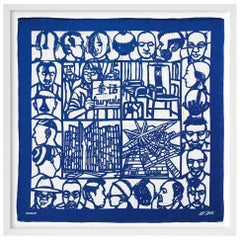
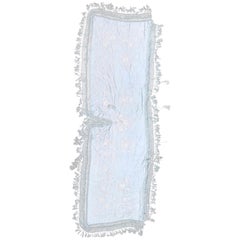
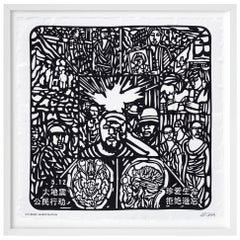
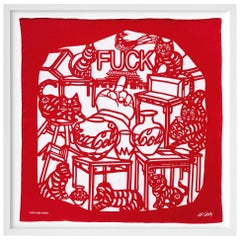
Ai Weiwei, The Silk Scarf ‘Haircut’
By Ai Weiwei
Located in Los Angeles, CA
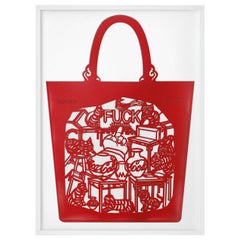
Papercutting is a traditional Chinese art going back 2,000 years. The colored, intricately cut papers are used as a story-telling medium in fes...
Category

2010s Chinese Ai Weiwei Asian Art and Furniture

Materials

Silk

Related Items
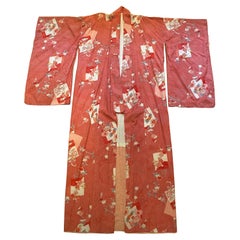
Mid Century Japanese Silk Furisode Kimono in Coral with Floral Poem Card Motifs
Located in Bedford Hills, NY
A graceful and highly feminine example of mid-20th century Japanese formal wear, this Furisode kimono is crafted from exceptionally soft, high-drapery silk. The garment features a vi...
Category

Early 20th Century Japanese Anglo-Japanese Ai Weiwei Asian Art and Furniture

Materials

Silk

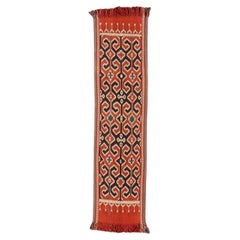
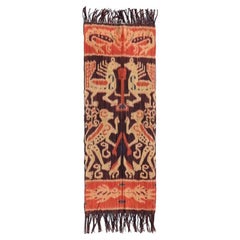
Tana Toraja Sekomandi Ikat Selendang (Shoulder Cloth/Scarf/Wall Hanging)
Located in Point Richmond, CA
Tana Toraja Sekomandi Ikat Selendang (Shoulder Cloth/Scarf/Wall Hanging), Sulawesi, Indonesia. This warp ikat textile is a woven single panel. The cotton threads are tie dyed using ...
Category

21st Century and Contemporary Indonesian Tribal Ai Weiwei Asian Art and Furniture

Materials

Cotton

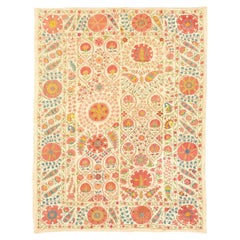
Suzani Textile Silk Uzbek
Located in Ferrara, IT
Behold the exquisite beauty of this antique Suzani textile, a true masterpiece of textile artistry with a rich cultural heritage. Traditionally crafted ...
Category

Late 20th Century Uzbek Suzani Ai Weiwei Asian Art and Furniture

Materials

Wool

Suzani Textile Silk Uzbek
$3,548
H 96.46 in W 76.78 in D 0.04 in
Embroidery Silk Azarbaijan
Located in Ferrara, IT
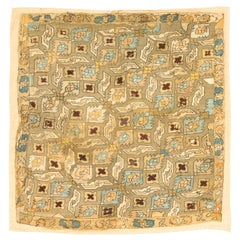
This is an antique silk Azerbaijan embroidery woven during the 18th century and measures 76 x 74CM in size. It has an all-over highly geometric floral design with muted pastel colors...
Category

18th Century Azerbaijani Other Antique Ai Weiwei Asian Art and Furniture

Materials

Textile, Silk

Embroidery Silk Azarbaijan
$2,361
H 29.93 in W 29.14 in D 0.04 in
Exceptional Taisho Period Silk Haori with Oversized Peonies in Teal and Vermilio
Located in Bedford Hills, NY
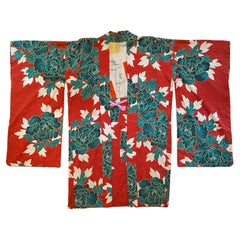
A vibrant and rare example of early 20th-century Japanese textile art, this mid-length Haori jacket dates to the Taisho Period. It captures the era’s celebrated "Taisho Roman" style—...
Category

Early 20th Century Japanese Taisho Ai Weiwei Asian Art and Furniture

Materials

Silk

Hermès by Annie Faivre "Astres Et Soleils" Silk Carre Scarf
By Hermès
Located in Nuernberg, DE
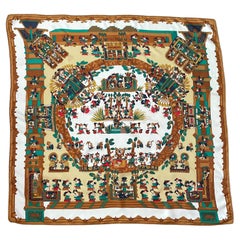
HERMES silk carré scarf "Astres et Soleils". This scarfs brings across the life of the Maya and Aztec with an opulent terracotta shade and green whimsical design on a ocher and wh...
Category

1990s French Modern Ai Weiwei Asian Art and Furniture

Materials

Silk

Rare Vintage Cartier Panther Diamond Brooch Bracelet Jewelry Silk Scarf Pillow
By Cartier
Located in Belfast, Northern Ireland
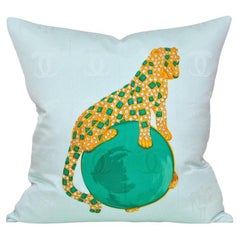
Katie Larmour Studio is the original vintage scarf pillow maker. Gaining notability for her unique idea and creations back in 2013 - featured in the likes of the Financial Times, and...
Category

20th Century French Art Deco Ai Weiwei Asian Art and Furniture

Materials

Linen, Silk

Vintage Sumba Slendang Shoulder Cloth/Scarf/Wall Hanging with Animal Design
Located in Point Richmond, CA
Vintage Sumba Slendang Shoulder Cloth/Scarf with Animal Design. Indigo and morinda root dyed cotton warp handwoven in a mirror image design depicting an ark of animal pairs including...
Category

1980s Indonesian Tribal Vintage Ai Weiwei Asian Art and Furniture

Materials

Cotton

Wonderful Vintage Manila Shawl, Long Scarf Chinese Embroidery
Located in Saint Ouen, FR
Very beautiful vintage long silk embroidery for scarf, from Manila, made at Chinese embroidery, beautiful Chinese design, entirely hand embroidered with silk on silk foundation. Perf...
Category

Early 20th Century Philippine Chinoiserie Ai Weiwei Asian Art and Furniture

Materials

Silk

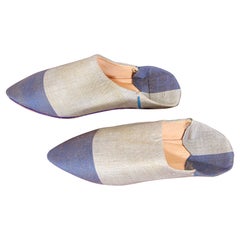
Moroccan Silk Slippers Babouches
By Berber Tribes of Morocco
Located in Moreno Valley, CA
These Moroccan silk slippers are handmade to perfection the inside sole is crafted of soft leather. hand-sewn leather sole. You won't want to take ...
Category

20th Century Moroccan Bohemian Ai Weiwei Asian Art and Furniture

Materials

Silk, Leather

Moroccan Silk Slippers Babouches
$95 / set
H 3.25 in W 11 in D 3.25 in
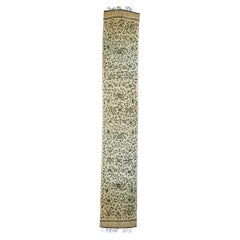
Antique Javanese Silk Batik Slendang
Located in Point Richmond, CA
Antique Javanese Silk Batik Slendang (Selendang). A shoulder cloth length of compact hand spun silk imported from China. The flora & fauna design crea...
Category

Early 20th Century Javanese Tribal Ai Weiwei Asian Art and Furniture

Materials

Silk

Antique Javanese Silk Batik Slendang
$450
H 128 in W 21.75 in D 0.07 in
Chinese Silk Embroidered Panels
Located in Tampa, FL
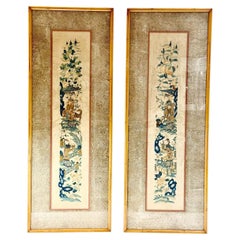
This elegant pair of Chinese panels features richly embroidered and embossed silk, showcasing refined craftsmanship and intricate surface detail. The textiles are beautifully present...
Category

1920s Chinese Vintage Ai Weiwei Asian Art and Furniture

Materials

Silk

Chinese Silk Embroidered Panels
$1,100 / set
H 21 in W 11.5 in D 2 in
Previously Available Items
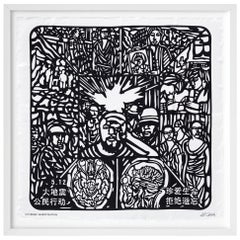
Ai Weiwei, the Silk Scarf ‘Citizens’ Investigation’
By Ai Weiwei
Located in Los Angeles, CA
Papercutting is a traditional Chinese art going back 2,000 years. The colored, intricately cut papers are used as a story-telling medium in festivities, for prayers, and as everyday ...
Category

2010s Chinese Ai Weiwei Asian Art and Furniture

Materials

Silk

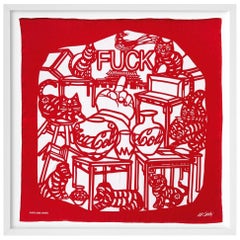
Ai Weiwei, the Silk Scarf ‘Cats and Dogs’
By Ai Weiwei
Located in Los Angeles, CA
Papercutting is a traditional Chinese art going back 2,000 years. The colored, intricately cut papers are used as a story-telling medium in fes...
Category

2010s Chinese Ai Weiwei Asian Art and Furniture

Materials

Silk

Ai Weiwei, The Silk Scarf ‘Citizens’ Investigation’
By Ai Weiwei
Located in Los Angeles, CA
Papercutting is a traditional Chinese art going back 2,000 years. The colored, intricately cut papers are used as a story-telling medium in festivities, for prayers, and as everyday ...
Category

2010s Chinese Ai Weiwei Asian Art and Furniture

Materials

Silk

Ai Weiwei, the Silk Scarf ‘Cats and Dogs’
By Ai Weiwei
Located in Los Angeles, CA
Papercutting is a traditional Chinese art going back 2,000 years. The colored, intricately cut papers are used as a story-telling medium in festivities, for prayers, and as everyday ...
Category

2010s Chinese Ai Weiwei Asian Art and Furniture

Materials

Silk

Ai Weiwei, the China Bag ‘Zodiac’
By Ai Weiwei
Located in Los Angeles, CA
Papercutting is a traditional Chinese art going back 2,000 years. The colored, intricately cut papers are used as a story-telling medium in festivities, for prayers, and as everyday decoration. The white bag takes its motif from a papercut created by Ai Weiwei as part of his Papercut Portfolio, published by Taschen in 2019: Zodiac, his depiction of the Chinese...
Category

2010s Chinese Ai Weiwei Asian Art and Furniture

Materials

PVC

Ai Weiwei, the China Bag ‘Zodiac’
H 25.4 in W 18.5 in D 1 in
Ai Weiwei, The China Bag ‘Cats and Dogs’
By Ai Weiwei
Located in Los Angeles, CA
Papercutting is a traditional Chinese art going back 2,000 years. The colored, intricately cut papers are used as a story-telling medium in festivities, for prayers, and as everyday ...
Category

2010s Ai Weiwei Asian Art and Furniture

Materials

PVC

Ai Weiwei asian art and furniture for sale on 1stDibs.

Ai Weiwei asian art and furniture are available for sale on 1stDibs. These distinctive items are frequently made of silk and are designed with extraordinary care. There are many options to choose from in our collection of Ai Weiwei asian art and furniture, although red editions of this piece are particularly popular. If you’re looking for additional options, many customers also consider asian art and furniture by Zhang Zhoujie , André Fu, and Robert Kuo. Prices for Ai Weiwei asian art and furniture can differ depending upon size, time period and other attributes — on 1stDibs, these items begin at $300 and can go as high as $300, while a piece like these, on average, fetch $300.
Questions About Ai Weiwei Asian Art and Furniture
  • 1stDibs ExpertApril 5, 2022
    Yes, Ai Weiwei does paint. While Ai Weiwei is known more for his poetry, sculpture and photography, he did occasionally paint and use paint in his sculptural work. Ai Weiwei is known for his activism and his artwork often encapsulated his political leanings. Shop a selection Ai Weiwei works on 1stDibs.
  • 1stDibs ExpertApril 5, 2022
    What Ai Weiwei's art represents depends on the piece. Some of the Chinese artist's works seem to symbolize how the Chinese Community party stripped away individuality and demanded conformity. Many of his pieces communicate messages about various human rights violations. Shop a range of Ai Weiwei art on 1stDibs.
  • 1stDibs ExpertFebruary 13, 2024
    Ai Weiwei made Sunflower Seeds to provide a political critique. During his childhood, the Chinese artist frequently saw propaganda posters depicting Mao Zedong, founder of the Chinese Communist Party, as the sun and the citizens of China as sunflowers thriving beneath his rays. His installation featuring 100 million individually handmade sunflower seeds symbolized the poverty that the artist experienced while growing up in Communist China and the reduction of people as individuals / the grouping of individual human beings into a mass that occurred under Communist rule. Shop a collection of Ai Weiwei art on 1stDibs.