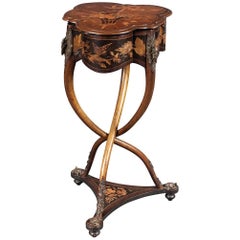
Charles-Guillaume Diehl Tables
Charles-Guillaume Diehl founded his cabinet making and decoration firm at 19 Rue Michel-Le-Comte in 1885. His workshops produced elegant little pieces of furniture in rosewood and thuja and novelties with bronze and porcelain embellishments. It was his luxury boxes, however, (liqueur cellarettes, cigar cabinets, games boxes, cashmere cases, jewelry cases) which assured Diehl’s renown. Already rewarded with a bronze medal at the Universal Exhibition of 1855 in Paris, he exhibited a jardinière with china columns and a liqueur cabinet at the Industrial Arts Exhibition in 1861. In collaboration with the designer Jean Brandely (active from 1867 until 1873), Diehl renovated his decorative repertory and created astonishing pieces of furniture in the Grecian style, which had a dazzling success at the Universal Exhibition in Paris in 1867, where his cabinets also won a silver medal. Certain motifs were so typical of Diehl’s work that they received extensive commentary by the art critic J. Mesnard in his book “Les Merveilles de l’Exposition Universal de 1867”. He writes of a table of which “the pendant bearing hooks and the fan-shaped radiating motif which ornaments the entablature are engraved with love” and a jewelry case where “The head in fine Grecian style makes up the essential part of the fine gilt bronze ornamentation”. For this Universal Exhibition, Diehl also formed a partnership with two famous sculptors: Emile Guillemin (1841–1907), who carved the relief for a mahogany sideboard with galvanic gilt bronzes and Emmanuel Frémiet (1824–1910), who executed the low relief for a cedar medal cabinet with marquetry and silver-plated bronzes. Diehl was again rewarded with a medal of honor at the Union Central Exhibition of 1869 and a progress medal at the Universal Exhibition in Vienna in 1873. Showered with praise by the critics, Diehl is considered one of the most innovative artists of the 19th century. His final appearance was at the 1878 Universal Exhibition in Paris, where he presented outside the competition, his most recent creations, including a work table in marquetry, which with its naturalistic grasshopper motif anticipated Art Nouveau.
Late 19th Century French Napoleon III Antique Charles-Guillaume Diehl Tables
Ormolu
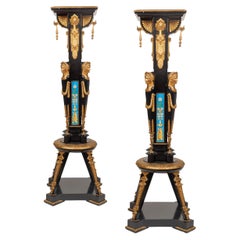
1860s French Greek Revival Antique Charles-Guillaume Diehl Tables
Bronze
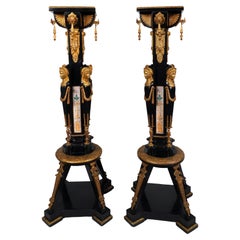
19th Century French Louis XV Antique Charles-Guillaume Diehl Tables
Ormolu
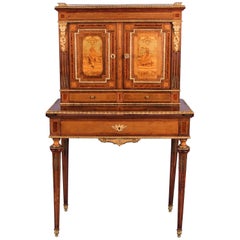

19th Century French Napoleon III Antique Charles-Guillaume Diehl Tables
Bronze
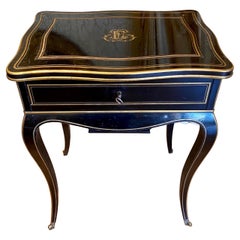
19th Century French Louis XVI Antique Charles-Guillaume Diehl Tables
Brass
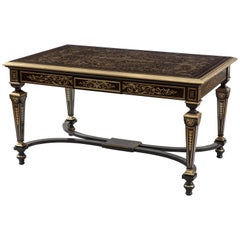
1860s French Napoleon III Antique Charles-Guillaume Diehl Tables
Amboyna
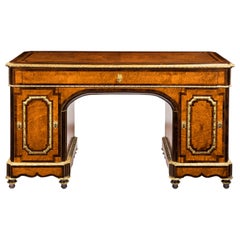
Early 20th Century European Arts and Crafts Charles-Guillaume Diehl Tables
Wood, Beech, Paint
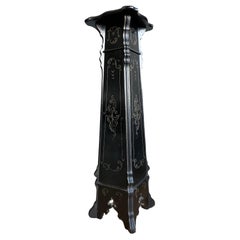
1980s Italian Post-Modern Vintage Charles-Guillaume Diehl Tables
Travertine
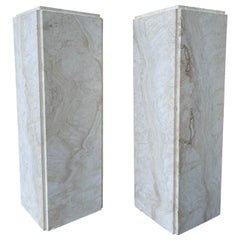
Early 19th Century Spanish Baroque Antique Charles-Guillaume Diehl Tables
Iron
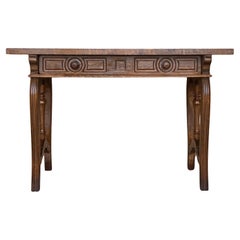
Early 19th Century French Neoclassical Antique Charles-Guillaume Diehl Tables
Pine
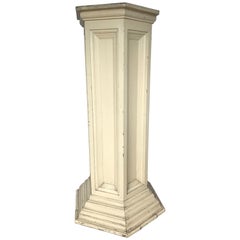
19th Century French Louis XVI Antique Charles-Guillaume Diehl Tables
Brass, Bronze
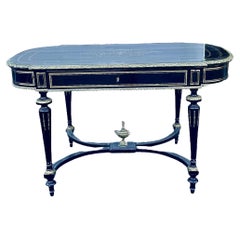
Mid-19th Century French Empire Antique Charles-Guillaume Diehl Tables
Marble
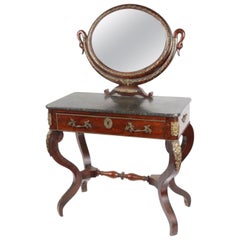
2010s American Modern Charles-Guillaume Diehl Tables
Metal
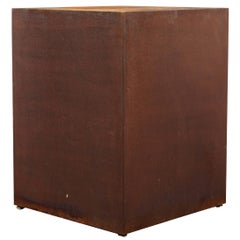
1920s Indonesian Organic Modern Vintage Charles-Guillaume Diehl Tables
Wood
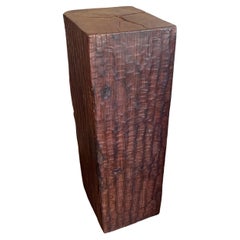
Late 19th Century British Antique Charles-Guillaume Diehl Tables
Softwood, Mahogany
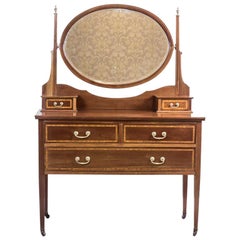
Early 20th Century European Victorian Charles-Guillaume Diehl Tables
Mahogany, Mirror, Wood
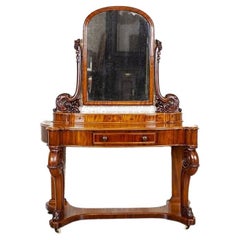
Late 19th Century French Louis XV Antique Charles-Guillaume Diehl Tables
Ormolu
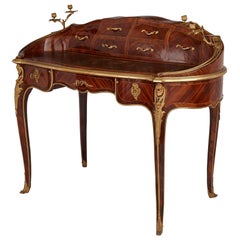
1950s French Hollywood Regency Vintage Charles-Guillaume Diehl Tables
Bronze
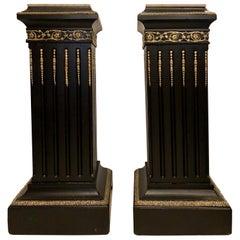
1860s French Napoleon III Antique Charles-Guillaume Diehl Tables
Brass, Bronze
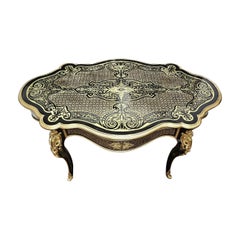
1860s French Napoleon III Antique Charles-Guillaume Diehl Tables
Brass, Bronze
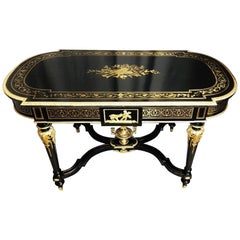
1870s French Art Nouveau Antique Charles-Guillaume Diehl Tables
Copper