Futura Abstract Prints
to
1
1
1
Overall Width
to
Overall Height
to
1
1
21
659
215
169
165
1
1
1
2
2
1
1
1
2
Artist: Futura
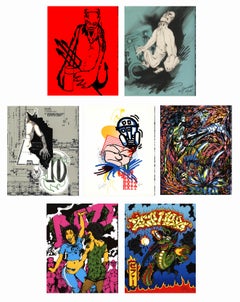
Futura 2000 Lee Quinones Dondi White Celebrating 15 Years Above Ground (7 works)
By Futura
Located in NEW YORK, NY
Dondi White, Futura, Lee Quinones, Crash, Daze, Lady Pink & Zephyr: Celebrating 15 Years Above Ground (1995):
This rare, complete portfolio of 7 hand-signed limited edition screen-prints, was published on the occasion of the 1995 exhibition, Celebrating 15 Years Above Ground: a historic event exploring the evolution of 1980’s New York graffiti legends: Crash, Daze, Dondi, Futura, Lee Quinones, Lady Pink, and Zephyr.
The seldom seen complete set of 7 works accompanied by both original portfolio covers, makes for a standout addition to any 1980’s New York graffiti collection.
Medium: 7 individual screen-prints in colors on fine, deckle-edged Stonehenge paper; plus a screen-printed portfolio cover on heavy matte paper. 1995.
Each work individually measures: 14 x 11 inches (35.6 x 27.9 cm).
Each hand-signed & numbered in pencil by the respective artists from an edition of 100 (5 works signed & numbered frontside; with Futura & Lady Pink signed & numbered on the reverse).
Condition:
Prints: Some very minor signs of handling; rubbing on the right lower edge of Zephyr; in otherwise very good overall vintage condition as pictured. Superb overall print quality & color separation. Fine archival paper.
Portfolio casing (last image) contains some minor signs of aging & handling.
Collections:
The Smithsonian National Museum of African American History and Culture.
Dondi White:
Dondi was an American graffiti artist best known for his dynamic lettering and stick figures. His work, whether painted on canvas or on walls, is characterized by a dynamic energy and explosive use of color. Dondi became associated with a group of legendary artists working in the East Village, including Futura, Keith Haring, and Jean-Michel Basquiat. His canvas works reiterated the lettering, symbolic icons, and stick figures that were his signature marks on the streets, while his later work from the 1990s included collages that juxtaposed pencil drawings with blueprints of the subway system—which had previously served as his canvas.
Futura:
Futura 2000 is a contemporary American graffiti artist. Over the course of his career, he transitioned from making New York-based subway graffiti in the early 1970s, to exhibiting at Fun Gallery in the 1980s alongside major artists such as Jean-Michel Basquiat, Keith Haring, and Kenny Scharf. He went on to collaborate with the punk band The Clash, designing their album art and performing live graffiti during their concerts. Today, McGurr’s work can be found in the collections of the Museo de Arte Moderna di Bologna, the Musée de Vire in France, and the Museum of the City of New York.
Lee Quinones:
Lee Quinones is an American-Puerto Rican artist known for the graffiti he made on New York subway cars during the 1970s and 1980s. Quinones addressed political and cultural issues through his graffiti, with quotes such as “Earth is Hell...
Category
1990s Pop Art Futura Abstract Prints
Materials
Screen, Lithograph
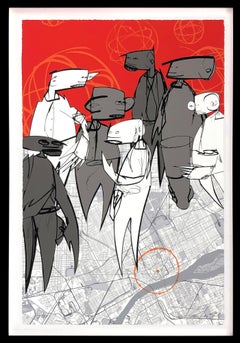
CROWD CONTROL (RED)
By Futura
Located in Aventura, FL
Screen print in colors on paper. Hand signed and numbered by Futura. From the edition of 80. Custom framed as pictured. Frame size approx 40 x 28 inches.
Artwork is in excellent condition. Certificate of Authenticity included. All reasonable offers will be considered.
About the Artist: Futura 2000 is a contemporary American graffiti artist. Over the course of his career, he transitioned from making New York-based subway graffiti in the early 1970s, to exhibiting at Fun Gallery in the 1980s alongside major artists such as Jean-Michel Basquiat, Keith Haring, and Kenny Scharf. McGurr’s major contribution to graffiti art was his use of abstraction, adopting a style of painting characterized by its blending of text and imagery. Born Leonard McGurr on November 17, 1955 in New York, NY, he went on to collaborate with the punk...
Category
2010s Street Art Futura Abstract Prints
Materials
Paper, Screen
$2,962 Sale Price
25% Off
Related Items
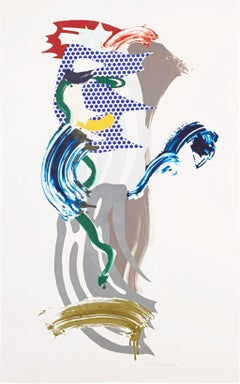
Blue Face
By Roy Lichtenstein
Located in New York, NY
A stunning example of abstracted imagery easily identifiable as the work of Roy Lichtenstein, Blue Face was created by the artist in 1989 as a truly mixed me...
Category
20th Century Pop Art Futura Abstract Prints
Materials
Lithograph, Screen, Woodcut

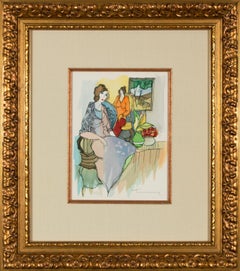
Itzchak Tarkay [Café Friends] 2001 Signed Serigraph, Hors Commerce Proof
By Itzchak Tarkay
Located in Miami, FL
ITZCHAK TARKAY – [CAFÉ FRIENDS]
⚜ Serigraph in Color on Wove Paper ⚜ Hand Signed and Annotated HC 27/80 ⚜ Gilt Wood Frame
CAFÉ SCENE WITH ELEGANT DETAIL
Executed circa 2001, [Café F...
Category
Early 2000s Post-Impressionist Futura Abstract Prints
Materials
Archival Paper, Screen
![Itzchak Tarkay [Café Friends] 2001 Signed Serigraph, Hors Commerce Proof](https://a.1stdibscdn.com/itzchak-tarkay-prints-works-on-paper-itzchak-tarkay-cafe-friends-2001-signed-serigraph-hors-commerce-proof-for-sale/a_28432/a_169959321759019603493/Tarkay_Itzchak_Cafe_Friends_Circa2001_1_HeroFrame_master.jpg?width=240 "Itzchak Tarkay - Itzchak Tarkay [Café Friends] 2001 Signed Serigraph, Hors Commerce Proof")
$1,050 Sale Price
30% Off
H 15.125 in W 13.125 in D 1 in
Itzchak Tarkay "Visiting Friends" 2001 Signed Serigraph, Artist Proof
By Itzchak Tarkay
Located in Miami, FL
ITZCHAK TARKAY – "VISITING FRIENDS"
⚜ Serigraph in Color on Wove Paper ⚜ Hand Signed and Annotated AP 23/90 ⚜ Gilt Wood Frame
VIBRANT INTERIOR PORTRAIT
Printed in 2001, "Visiting Fr...
Category
Early 2000s Post-Impressionist Futura Abstract Prints
Materials
Archival Paper, Screen
$1,260 Sale Price
30% Off
H 16.875 in W 14.875 in D 1.25 in
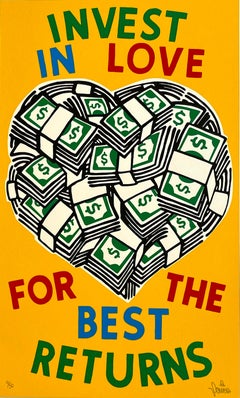
Stephen Powers - Invest in Love, Signed/N Pop Art Street Art heart
money print
Located in New York, NY
Stephen Powers
Invest in Love, 2019
5 Color screenprint on 335 GSM Coventry rag paper
Hand signed and numbered 9/50 by Stephen Powers with his distinctive hat logo on the front
14 × ...
Category
2010s Street Art Futura Abstract Prints
Materials
Screen
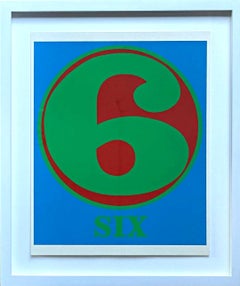
6 (Six), from the original Numbers portfolio (Sheehan 46-55) Ed: 2500, Framed
By Robert Indiana
Located in New York, NY
Robert Indiana
6, from the original Numbers portfolio (Sheehan 46-55), 1968
Color Silkscreen on Wove Paper
Limited Edition of 2500
Frame Included: Elegantly matted and framed in hand...
Category
1960s Pop Art Futura Abstract Prints
Materials
Screen
$1,000
H 12.75 in W 10.25 in D 1.25 in
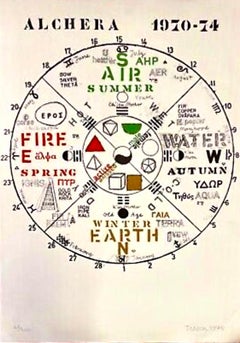
Joe Tilson British Pop Art Screenprint, Color Lithograph 4 Seasons 4 Elements
By Joe Tilson
Located in Surfside, FL
Silkscreen screenprint or Lithograph
Hand signed and numbered. An esoteric, mystical, Kabbala inspired print with Hebrew as well as other languages.
Joseph Charles Tilson RA (born 2...
Category
1970s Pop Art Futura Abstract Prints
Materials
Screen, Lithograph
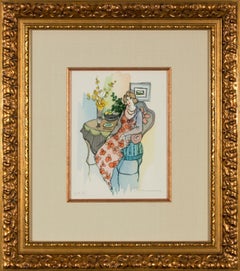
Itzchak Tarkay "Sweet Thoughts" 2001 Signed Serigraph, European Artist Proof
By Itzchak Tarkay
Located in Miami, FL
ITZCHAK TARKAY – "SWEET THOUGHTS"
⚜ Serigraph in Color on Wove Paper ⚜ Hand Signed and Annotated EA 10/80 ⚜ Gilt Wood Frame
INTIMATE INTERIOR WITH FLORAL DETAIL
Created in 2001, "Sw...
Category
Early 2000s Post-Impressionist Futura Abstract Prints
Materials
Archival Paper, Screen
$1,260 Sale Price
30% Off
H 16.875 in W 14.875 in D 1.25 in
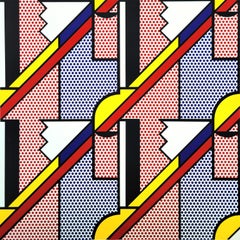
Modern Print /// Roy Lichtenstein Pop Art Abstract Geometric MoMA Gemini G.E.L.
By Roy Lichtenstein
Located in Saint Augustine, FL
Artist: Roy Lichtenstein (American, 1923-1997)
Title: "Modern Print"
*Numbered, signed, and dated by Lichtenstein in pencil lower right
Year: 1971
Medium: Original Lithograph and Scr...
Category
1970s Pop Art Futura Abstract Prints
Materials
Screen, Lithograph
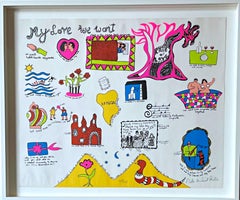
Niki de Saint Phalle, My Love We Wont, Rare whimsical 1960s silkscreen Signed/N
By Niki de Saint Phalle
Located in New York, NY
Niki de Saint Phalle
My Love We Wont, 1968
Lithograph and silkscreen on wove paper
Signed and numbered 51/75 in graphite pencil on the front
Frame included: elegantly floated and framed in a museum quality white wood frame with UV plexiglass
From the Brooklyn Museum, which has an edition of this work in its permanent collection:
"Throughout her long and prolific career Niki de Saint Phalle, a former cover model for Life magazine and French Vogue, investigated feminine archetypes and women’s societal roles. Her Nanas, bold, sexy sculptures...
Category
1960s Pop Art Futura Abstract Prints
Materials
Screen, Pencil, Lithograph, Mixed Media
$10,000
H 22.5 in W 27 in D 2 in
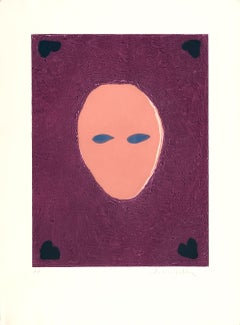
Fritz Scholder American artist 1982 original hand signed engraving mask woman
By Fritz Scholder
Located in Miami, FL
Fritz Scholder (United States, 1937-2005)
'Mask of a mystery woman', 1982
engraving on paper
30 x 22.1 in. (76 x 56 cm.)
ID: SCH1341-002-000
Unframed
Category
1980s Contemporary Futura Abstract Prints
Materials
Paper, Ink, Engraving, Aquatint, Screen, Etching
Abstract Minimalist Color Silkscreen Print Richard Smith On The Bowery Pop Art
By Richard Smith
Located in Surfside, FL
Richard Smith
On the Bowery, 1969 - 1971
silkscreen on Schoeller's Parole Paper, edition of 100 + 20 A.P.
25.5 x 25.5 inches, signed, numbered 21/100
Screenprint in color on wove pa...
Category
1960s Pop Art Futura Abstract Prints
Materials
Lithograph, Screen
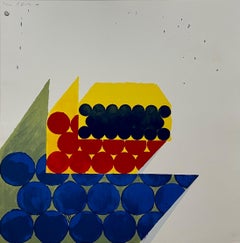
1969-71 Abstract Minimalist Color Silkscreen Print Charles Hinman On The Bowery
By Charles Hinman
Located in Surfside, FL
Charles Hinman
On the Bowery, 1969 - 1971
silkscreen on Schoeller's Parole Paper, edition of 100 + 20 A.P.
25.5 x 25.5 inches, signed, numbered 21/100
Screenprint in color on wove p...
Category
1960s Pop Art Futura Abstract Prints
Materials
Lithograph, Screen
Futura abstract prints for sale on 1stDibs.
Find a wide variety of authentic Futura abstract prints available for sale on 1stDibs. You can also browse by medium to find art by Futura in screen print, lithograph, paper and more. Much of the original work by this artist or collective was created during the 1990s and is mostly associated with the street art style. Not every interior allows for large Futura abstract prints, so small editions measuring 11 inches across are available. Customers who are interested in this artist might also find the work of Robert Indiana, Jim Dine, and Robert Rauschenberg. Futura abstract prints prices can differ depending upon medium, time period and other attributes. On 1stDibs, the price for these items starts at $2,963 and tops out at $14,000, while the average work can sell for $8,481.
Artists Similar to Futura
Questions About Futura Abstract Prints
- What is Futura s real name?1 Answer1stDibs ExpertOctober 15, 2024Futura's real name is Leonard Hilton McGurr. When he began working as a graffiti artist in the 1970s, McGurr adopted the tag Futura 2000. After the dawn of the millennium, he began signing his pieces with only the name "Futura." Over the years, Futura has collaborated with a number of fashion brands and other manufacturers, such as Nike, Supreme, Levi's and A Bathing Ape. Explore a collection of Futura art on 1stDibs.
- Why is Futura 2000 famous?1 Answer1stDibs ExpertJanuary 27, 2025Futura 2000 is famous because of his graffiti art. In 1980, a colorfully painted subway car that Futura 2000 had decorated caught the public's attention, and he has been a notable name in street art ever since. As his fame grew, he collaborated with many well-known designers and brands, including Virgil Abloh and Nike. He has also created album covers and other artwork for the Clash and large-scale installations in New York City, Paris and elsewhere. On 1stDibs, explore a variety of Futura 2000 art.
- Where is Futura furniture made?1 Answer1stDibs ExpertJanuary 19, 2025Futura furniture is actually no longer made. However, Futura Möbler manufactured its furniture in Sweden when it was still in operation. Today, the company's Scandinavian modern furnishings continue to remain popular among collectors. Shop a collection of Futura Möbler furniture on 1stDibs.