Limoges Planters, Cachepots and Jardinières
Limoges porcelain has withstood the test of time for centuries. The widely cherished ceramics named for the French city and commune in which they are made are synonymous with sophistication, elegance and refinement. Today, antique Limoges dinnerware, serveware, decorative objects and other porcelain products are coveted and collected all over the world.
The story of Limoges porcelain, which refers to porcelain made in the Limoges region of France — not by a specific factory — begins in 1768. The region is a rich source of kaolin, feldspar and quartz — vital ingredients to the production of this type of pottery.
Porcelain was first made in China and spread all over the world owing to the trade routes to the Far East established by Dutch and Portuguese merchants. Given its origin, English speakers called porcelain “fine china,” an expression you still might hear today. "Fine" indeed — for over a thousand years, it has been a highly sought-after material. Meissen Porcelain (Staatliche Porzellan-Manufaktur Meissen), which was founded in the Electorate of Saxony (now Germany), is one of the preeminent porcelain factories in Europe and was the first to produce true porcelain outside of Asia.
Limoges porcelain refers to porcelain produced in and near the city of Limoges — it does not refer to a specific manufacturer — and it’s distinctive for its luminous hue and bright white qualities, providing an ideal canvas for intricately detailed hand-painted decorations. (Revered Impressionist painter Pierre-Auguste Renoir began his career painting plates in Limoges.)
It wasn’t long before Limoges porcelain captured the attention of King Louis XVI — the region’s first manufactory, established toward the close of the 18th century, was placed under the protection of the King’s brother, the Comte d’Artois. It was later purchased by the King and became Manufacture Royale de Limoges. The facility produced a variety of pieces, including delicate, gold-embellished trinket boxes, ornamental vessels, Rococo-style figurines and elaborate dinnerware service sets.
Following the end of the French Revolution in 1794, Limoges porcelain was no longer restricted, and the commercial porcelain industry ballooned.
By 1819, Limoges had four porcelain factories, and as demand for porcelain grew during the 19th century, the industry expanded in the French city. In 1853, American businessman David Haviland opened the Haviland Co. factory in Limoges to export porcelain to the United States. The company produced several iconic serveware collections for many American presidents, including Abraham Lincoln, Ulysses S. Grant and Rutherford B. Hayes. Bernardaud opened in the early 1860s.
By 1900, Limoges had 35 factories, which employed close to 8,000 workers. In 1925, Limoges porcelain was shown at the International Exhibition of Modern Decorative and Industrial Arts — the design fair in Paris that brought global attention to the Art Deco style — where it garnered international acclaim.
During the 20th century, Limoges factories such as Bernardaud collaborated with a range of notable artists and designers, including Franz Bischoff, Joan Miró, Raymond Loewy, Alexander Calder and Julian Schnabel, to name a few.
Today, authentic Limoges porcelain tableware, vases and objets d’art continue to gain renown with collectors and design lovers all over the world.
Find an extensive collection of antique Limoges porcelain on 1stDibs.
1910s French Belle Époque Vintage Limoges Planters, Cachepots and Jardinières
Porcelain
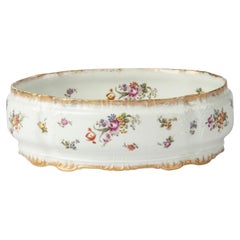
Late 20th Century French Rococo Revival Limoges Planters, Cachepots and Jardinières
Porcelain
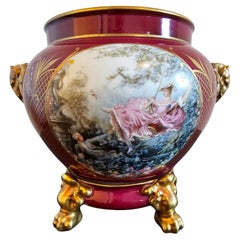
Early 20th Century French Art Deco Limoges Planters, Cachepots and Jardinières
Porcelain
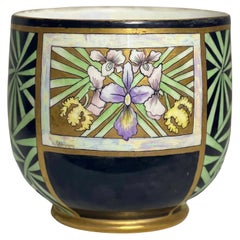
Early 20th Century French Limoges Planters, Cachepots and Jardinières
Ceramic, Faience
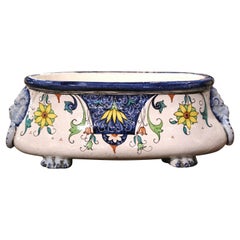

20th Century French Empire Limoges Planters, Cachepots and Jardinières
Porcelain
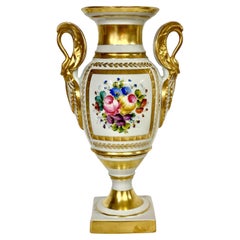
Early 20th Century French Limoges Planters, Cachepots and Jardinières
Terracotta
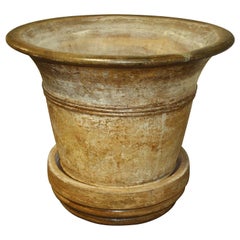
1890s Chinese Antique Limoges Planters, Cachepots and Jardinières
Porcelain
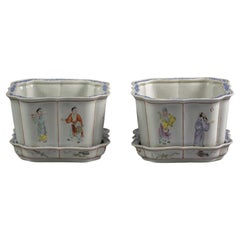
1960s Hungarian Rococo Revival Vintage Limoges Planters, Cachepots and Jardinières
Porcelain
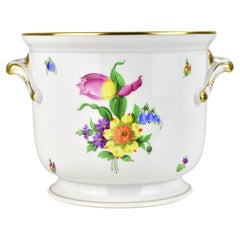
Mid-20th Century French Victorian Limoges Planters, Cachepots and Jardinières
Gold
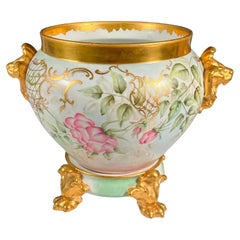
Early 20th Century Chinese Limoges Planters, Cachepots and Jardinières
Porcelain
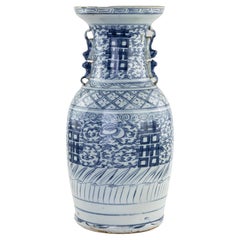
19th Century French Aesthetic Movement Antique Limoges Planters, Cachepots and Jardinières
Porcelain, Paint
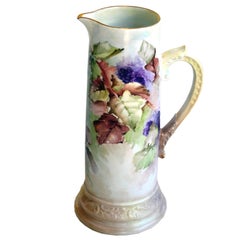
Early 20th Century Chinese Chinese Export Limoges Planters, Cachepots and Jardinières
Porcelain
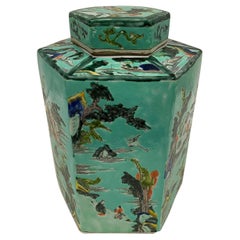
Late 19th Century French Belle Époque Antique Limoges Planters, Cachepots and Jardinières
Metal, Enamel
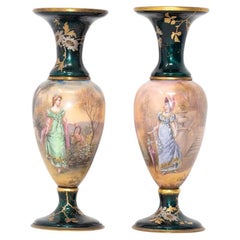
1930s French Art Deco Vintage Limoges Planters, Cachepots and Jardinières
Porcelain
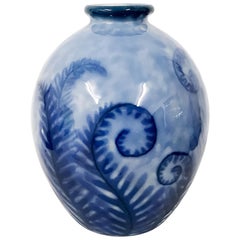
Early 1900s Austrian Art Nouveau Antique Limoges Planters, Cachepots and Jardinières
Porcelain, Glass
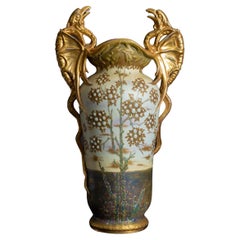
1950s French Mid-Century Modern Vintage Limoges Planters, Cachepots and Jardinières
Porcelain
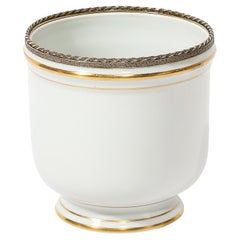
Mid-20th Century French Limoges Planters, Cachepots and Jardinières
Ironstone, Porcelain
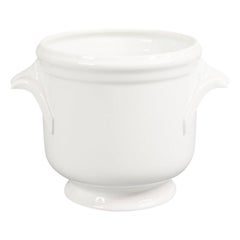
Mid-20th Century French Louis XVI Limoges Planters, Cachepots and Jardinières
Porcelain
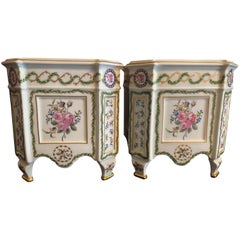
Limoges planters, cachepots and jardinières for sale on 1stDibs.
- What is special about Limoges?1 Answer1stDibs ExpertJune 15, 2023Limoges is special because of its place in the history of ceramics. The widely cherished ceramics named for the French city and commune in which they are made are synonymous with sophistication, elegance and refinement. Today, antique Limoges dinnerware, serveware, decorative objects and other porcelain products are coveted and collected all over the world. On 1stDibs, find a selection of Limoges pieces.
- Is Limoges valuable?1 Answer1stDibs ExpertApril 22, 2024Yes, some Limoges pieces are valuable. Generally, pieces that date back to the 19th century fetch the highest prices. In addition to age, the type, style and condition of a piece all impact selling prices, as well as how rare it is and what the current demand for similar pieces is like. A certified appraiser or other knowledgeable expert can give you an estimate of how much a particular piece is worth. On 1stDibs, find a selection of Limoges porcelain wares.
- Where is Limoges made?1 Answer1stDibs ExpertApril 5, 2022Limoges is made in France. The name of the pottery actually comes from the area where the pottery originated and is manufactured to this day. Some companies may produce pottery that resembles Limoges in East Asia and other locations. You'll find a range of Limoges pottery on 1stDibs.
- What is Limoges’ style?1 Answer1stDibs ExpertApril 5, 2022Limoge rose to prominence for its regal and romantic porcelain designs. Royalty and the political elite all commissioned pieces from the region’s factories. Pieces feature rich colors and gold embellishments. Browse a range of Limoge porcelain pieces from some of the world’s top collectors on 1stDibs.
- How do I identify Limoges?1 Answer1stDibs ExpertApril 5, 2022To identify Limoges porcelain, study the marks on the bottom. Some pieces show the French government's official mark, which reads "Limoges Goût de Ville." Limoges sometimes added a variety of factory marks or artist names. Consult an authoritative online resource to research these additional marks. You'll find a selection of expertly vetted Limoges decorative objects and serveware on 1stDibs.
- How do I value Limoges?1 Answer1stDibs ExpertApril 5, 2022To value Limoges, seek help from a licensed appraiser who has experience evaluating porcelain ware. Only an expert can accurately assess the condition of porcelain to determine how much a piece is worth. Shop a range of Limoges porcelain on 1stDibs.
- How do I identify Limoges china?1 Answer1stDibs ExpertApril 5, 2022There are a few ways to identify Limoges china. There are certain marks that should be present on the bottom of the pieces as well as the keepsake boxes. Look for an official mark from the French government, a studio or manufacturer’s mark and the artist’s name. It’s important to purchase from a vetted seller or vendor to ensure authenticity. While Limoges has at times inspired knockoffs, 1stDibs partners with only top-vetted sellers to offer authentic pieces that come with a buyer protection guarantee.
- 1stDibs ExpertAugust 8, 2024To identify your Limoges pattern, conduct research using trusted online resources. More than two dozen makers produced Limoges china, and they all used different hallmarks to identify their pieces. You can use the mark on your china to determine the maker. Once you know who crafted your china, examine the details of the pattern carefully and then compare them to images online to learn the pattern. If you need assistance with the identification process, consult a certified appraiser or knowledgeable antique dealer. Explore a diverse assortment of Limoges china on 1stDibs.
- 1stDibs ExpertApril 5, 2022Limoges is a type of decorated porcelain. Authentic Limoges items will have the phrase “Peint Main” or “Peint a la main” hand-painted on the bottom, which means it was painted by hand. You can also look for the Limoges France insignia. Shop a collection of vetted Limoges china from some of the world’s top sellers on 1stDibs.
- 1stDibs ExpertApril 5, 2022Limoges porcelain is made of kaolin, feldspar and quartz, making it the finest hard-paste porcelain in the world. It is the addition of kaolin that makes the porcelain so sought-after and also gives it the distinction of being bone china. Shop a collection of Limoges china from some of the world’s top sellers on 1stDibs.
- 1stDibs ExpertApril 5, 2022Limoges is an area in France known for its production of fine porcelain and china. Limoges china was first produced in the 1700s and modeled after Chinese fine, white porcelain. Due to its proximity to kaolin, the key ingredient in porcelain, Limoges is still home to several porcelain factories. Find a variety of Limoges porcelain on 1stDibs.
- Is Limoges worth anything?1 Answer1stDibs ExpertSeptember 16, 2024Yes, some Limoges is worth something. Authentic Limoges porcelain tableware, vases and objets d’art continue to be popular with collectors and design lovers worldwide, and prices for pieces vary based on their age, style, type, condition and other factors. Sets of dinnerware and decorative objects from the late 19th and early 20th centuries are often worth more as their age makes them rarer. To find out how much a particular piece may be worth, seek the opinion of a certified appraiser or knowledgeable antique dealer. Shop a variety of Limoges porcelain wares on 1stDibs.
- Are all Limoges pieces marked?1 Answer1stDibs ExpertApril 5, 2022No, not all Limoges pieces are marked. While most Limoges include the factory's production and decorating marks, some pieces will have no mark. That’s why it is important to purchase from a vetted seller or vendor to ensure authenticity. 1stDibs partners with only top-vetted sellers to offer authentic pieces that come with a buyer protection guarantee.
- 1stDibs ExpertApril 5, 2022The Limoges enamel technique involves layering molten glass and painting on them. Then, artisans paint over the surface with white to mute the artwork. This method of creating pottery and decorative objects dates back to 12th-century France. Find a selection of Limoges enamel ware 1stDibs.
- What is Haviland Limoges China?1 Answer1stDibs ExpertApril 5, 2022Haviland Limoges China is a type of porcelain first imported to America by Charles Haviland, an importer of English porcelain. When he discovered Limoges porcelain, Haviland imported blanks and trained a group of painters to decorate the China by hand in a combination of French and English styles. Limoges fine porcelain is white and translucent, allowing for clear markings. On 1stDibs, find a variety of Haviland Limoges China pieces from top sellers around the world.
- 1stDibs ExpertMay 5, 2023To know if a Limoges is real, look for the marking that indicates the maker. The widely cherished ceramics named for the French city and commune in which they are made are synonymous with sophistication, elegance and refinement. Today, antique Limoges dinnerware, serveware, decorative objects and other porcelain products are coveted and collected all over the world. On authentic pieces, you will see the words “Peint Main," which means "hand-painted." Authentic works will also say "Limoges, France." The finish is also a good indication of authenticity. Most real Limoges pieces will have a dull patina. Objects with a glossy or shiny finish are most likely reproductions. Shop a range of Limoges pieces on 1stDibs.
- 1stDibs ExpertSeptember 23, 2024To identify Haviland Limoges marks, look for images of the various back stamps used by the maker during its long history. These markings changed repeatedly. Early pieces often read "H Co," but Haviland also marked its porcelain wares with its full brand name. Since the marks varied over the years, you can estimate the age of your piece based on what it displays. A certified appraiser or knowledgeable antique dealer can also help you with the process. On 1stDibs, shop a diverse assortment of Haviland Limoges porcelain.
- 1stDibs ExpertSeptember 23, 2024To identify your Limoges china pattern, first try snapping a photo of it up close. Then, perform a reverse image search. In some cases, you may immediately find out what your pattern is. If this approach doesn't work, examine images on trusted online resources to determine the pattern name. A certified appraiser or knowledgeable antique dealer may also be able to expedite the identification process for you. Explore a large selection of Limoges china on 1stDibs.
- 1stDibs ExpertApril 16, 2024To date Haviland Limoges china, look for markings, typically located on the backs or bottoms of pieces. Once you have found these markings, you can cross-reference them with information and images available on trusted online resources to get a rough idea of when your piece was made. Alternatively, a certified appraiser or knowledgeable antiques dealer can assist you with the dating process. Shop a selection of Haviland china on 1stDibs.
- 1stDibs ExpertNovember 26, 2024To identify your Haviland Limoges pattern, first try snapping a photograph of it. In some cases, performing a reverse image search will allow you to quickly determine what pattern your piece features. If not, you can look through image galleries published on trusted online resources or explore print books on identifying Haviland china, which are available at some local libraries. The Haviland International Collectors Foundation also offers an identification service that you can take advantage of. Information about the service is available on the organization's website. On 1stDibs, find a range of Haviland china.