Moorcroft Pottery Serving Bowls
William Moorcroft (1872–1945), the founder of the celebrated British art-pottery company that shares his last name, was both an aesthete and a technical innovator. Along with William de Morgan, he is regarded as one of the greatest ceramists of the Arts and Crafts movement, yet Moorcroft’s singular style is heavily inflected with the lush naturalism of the Art Nouveau school of art and design.
The son of a decorative pottery painter, Moorcroft was born in Staffordshire, the center of English ceramics-making, studied at the Wedgwood Institute and in 1897 joined the local pottery manufacturer James Macintyre Co. as a designer. After a year, he was put in charge of the company’s art-pottery studio, and there he developed a new style of wares named “Florian,” made with a technique called tube-lining, or slip-trailing. In this method, decorative motifs are outlined with a thin, raised border produced by piping a thread of clay onto the body of a vessel — much like squeezing toothpaste from a tube.
Moorcroft, who took the unusual step of signing his ceramics, would go on to win numerous international awards. In 1913, backed by the London department store Liberty Co., he left Macintyre to open his own workshop. Queen Mary, wife of King George V, gave Moorcroft her Royal Warrant in 1928. Shortly before he died in 1945, his son, Walter Moorcroft (1917–2002), took over as head of the firm. The pottery company is still in business in Staffordshire, with a design department headed by Rachel Bishop.
William Moorcroft’s ceramics are noted for their colorful, ebullient (and often slightly surreal) decorations depicting stylized natural forms — flowers, toadstools, fruit (pomegranate is a favorite among collectors), insects and landscapes. Most Moorcroft wares are finished with a glossy overglaze. Blue-and-white and pastel shades were generally used as underglazes on early Moorcroft pieces, and he later developed a rich, ruddy background glaze he called “flambé.”
Moorcroft art pottery has a rich, warm and inviting look — a comforting aesthetic that explains their enduring appeal.
Find antique and vintage Moorcroft pottery, vases, serveware and more on 1stDibs.
Early 20th Century English Art Deco Moorcroft Pottery Serving Bowls
Pottery
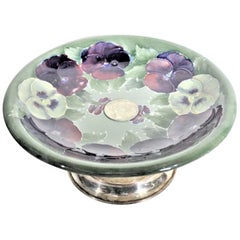
Early 20th Century French French Provincial Moorcroft Pottery Serving Bowls
Earthenware
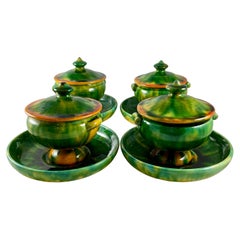

20th Century French Neoclassical Moorcroft Pottery Serving Bowls
Crystal, Bronze
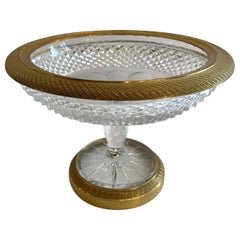
Early 20th Century Italian Moorcroft Pottery Serving Bowls
Pottery
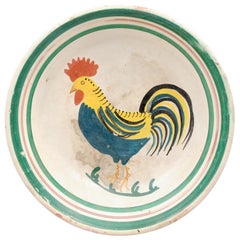
19th Century French Antique Moorcroft Pottery Serving Bowls
Terracotta
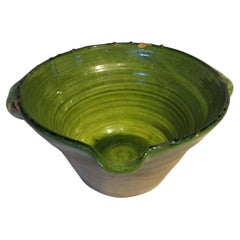
Mid-19th Century French French Provincial Antique Moorcroft Pottery Serving Bowls
Terracotta
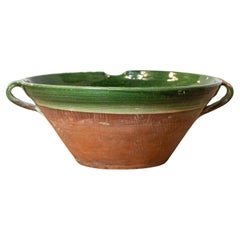
Early 1900s English Art Nouveau Antique Moorcroft Pottery Serving Bowls
Pottery
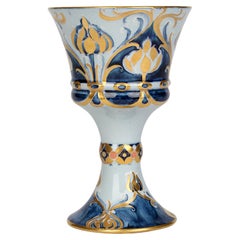
1870s English Victorian Antique Moorcroft Pottery Serving Bowls
Earthenware
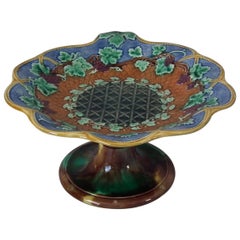
1930s Swedish Art Deco Vintage Moorcroft Pottery Serving Bowls
Silver
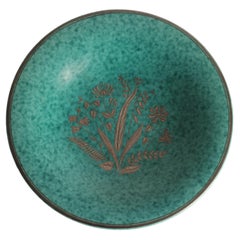
Early 20th Century American Art Deco Moorcroft Pottery Serving Bowls
Earthenware, Creamware, Pottery
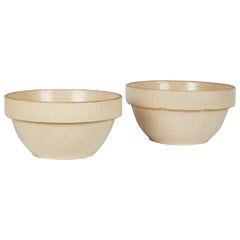
19th Century French Antique Moorcroft Pottery Serving Bowls
Pottery
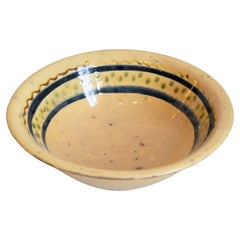
20th Century French Neoclassical Moorcroft Pottery Serving Bowls
Crystal, Bronze
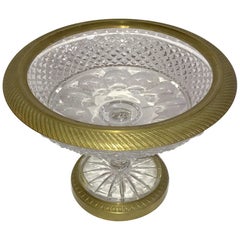
1830s American American Empire Antique Moorcroft Pottery Serving Bowls
Optical Glass
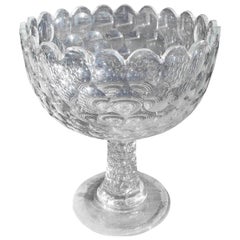
Moorcroft Pottery serving bowls for sale on 1stDibs.
- 1stDibs ExpertSeptember 9, 2024Yes, some Moorcroft pottery is worth something. Pieces produced from 1910 to 1930 often fetch higher prices because they are rarer and thus highly sought-after by collectors. Generally, the age, style, type and condition will determine the value of a particular piece. For assistance with valuation, seek the help of a certified appraiser or knowledgeable antique dealer. On 1stDibs, shop a collection of Moorcroft pottery.
- 1stDibs ExpertOctober 24, 2024To tell how old Moorcroft pottery is, turn it upside down and look at the maker's mark. The wording, size and font of the marking can help you determine the rough age of a piece, as Moorcroft has changed its backstamps many times over the years. In 1990, Moorcroft also started adding a symbol called a cipher to its pottery. Each year has its own cipher, making it easy to determine the age of these newer pieces. For example, an arrow indicates a production year of 1990, while a pineapple stands for 2005. You can find a full listing of ciphers for each year and images of Moorcroft's various maker's marks on trusted online resources. Should you need any assistance with the dating process, enlist the help of a certified appraiser or experienced antique dealer. Explore a variety of Moorcroft pottery on 1stDibs.
- 1stDibs ExpertSeptember 23, 2024To identify Moorcroft pottery patterns, first look for the maker's markings on the base. Nearly all Moorcroft pieces are marked with the year of production as well as the maker’s name and the place of manufacture: England. Once you know the production year, you can use trusted online resources to find out what patterns were made that year and then compare your piece to these images. A certified appraiser or knowledgeable antique dealer can also assist with the identification process. On 1stDibs, explore a large selection of Moorcroft pottery.