René Portocarrero Furniture
René Portocarrero created abstracted, polychrome paintings of the religious and cultural practices and architecture of Cuba as well as portraits of Cuban women. A key figure in the second generation of Vanguardia artists in Cuba, his work was exhibited alongside Cundo Bermúdez, Mario Carreño, and Amelia Peláez in the landmark Museum of Modern Art exhibition “Modern Cuban Painters” in 1944. He was awarded the International Samba Prize at the 1963 São Paulo Bienal and was featured in the 1966 Venice Biennale. Portocarrero displayed his artistic talent at a young age; although he spent a brief period studying at the San Alejandro Academy of Fine Arts he was mostly self-taught. Known for his use of horror vacui, Portocarrero delineated space via deliberate linework. Later in his career, the artist’s interest in geometric forms led him increasingly towards abstraction. Beginning in the mid–the 1950s, he produced a series of imagined cityscapes based on Havana’s eclectic architecture.
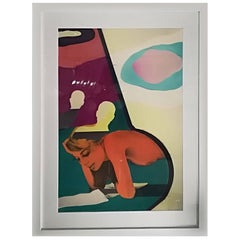
1950s French Mid-Century Modern Vintage René Portocarrero Furniture
Paper
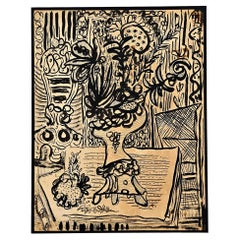

Early 2000s American Arts and Crafts René Portocarrero Furniture
Glass, Oak, Paper
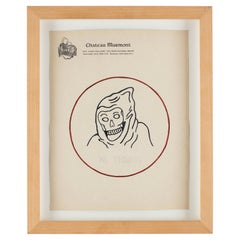
1970s Belgian Mid-Century Modern Vintage René Portocarrero Furniture
Paper
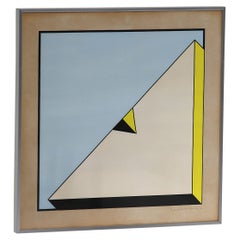
21st Century and Contemporary American Modern René Portocarrero Furniture
Acrylic
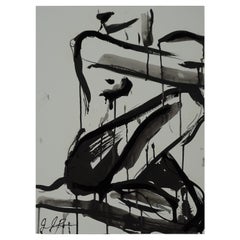
1960s American Mid-Century Modern Vintage René Portocarrero Furniture
Paper
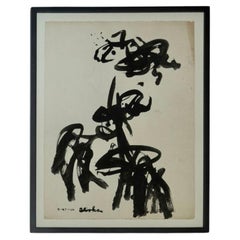
2010s Mexican Modern René Portocarrero Furniture
Plaster
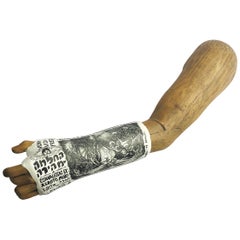
1930s American Art Deco Vintage René Portocarrero Furniture
Wood, Paper, Glass
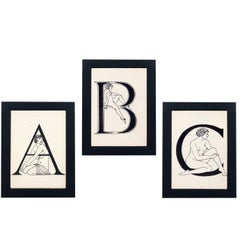
2010s Portuguese Expressionist René Portocarrero Furniture
Paper

1970s Belgian Modern Vintage René Portocarrero Furniture
Paper
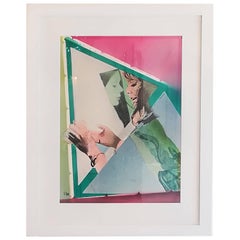
21st Century and Contemporary American René Portocarrero Furniture
Acrylic, Paper
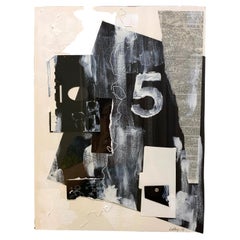
1960s Belgian Modern Vintage René Portocarrero Furniture
Paper
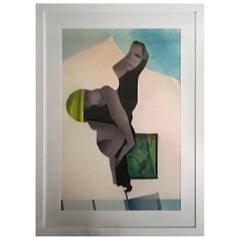
1970s Belgian Modern Vintage René Portocarrero Furniture
Paper

1970s Belgian Modern Vintage René Portocarrero Furniture
Paper