Staffordshire Bowls and Baskets
Thanks to its reserves of clay, lead, salt and coal, Staffordshire, England, has been a center for ceramics since the early 17th century. The county was home at one time to hundreds of pottery workshops and as many as 4,000 bottle-shaped kilns that operated year-round. The term “Staffordshire Potteries” refers to the industrial area of Stoke-on-Trent — comprising the towns Burslem, Fenton, Hanley, Longton, Stoke and Tunstall — where most of the production was concentrated.
In 1720, potter John Astbury discovered that he could make what would later be called creamware by adding ground flint powder to the local red clay. Because resources were so plentiful in Staffordshire, local potters could afford to experiment, working to refine their techniques and designs. One such innovator was Thomas Whieldon, an important 18th-century potter known today for his tortoiseshell ware, whose brilliant glazed surface of caramel, yellow and green hues was made with copper and manganese compounds.
Whieldon operated the Fenton Low workshop, making coffee- and teapots, dinner services and even ornamental knife hafts. He was an influential figure: Josiah Spode apprenticed at the workshop prior to opening his company in 1770, and Josiah Wedgwood partnered with Whieldon for five years before establishing his eponymous firm in 1759.
Wedgwood is perhaps the best known of the Staffordshire potters. The firm produced a line of light-colored earthenware for Queen Charlotte, who liked it so much that she granted permission to market it under the moniker Queen’s Ware, which despite the name, was designed for everyday use.
In the same regal vein, in 1773, Wedgwood created the 954-piece Frog service for Catherine the Great, of Russia. The company is also known for its black stoneware, Black Basalt, which imitates the color and shapes of Etruscan vases; Jasperware, with its classical reliefs applied on the unglazed body; and pearlware.
By the end of the 18th century, Staffordshire was the primary producer of ceramics for the American colonies, even creating patriotic wares celebrating independence for this market. The imagery on Staffordshire ceramics became more standardized during the mid-18th century with the advent of transferware, in which a design etched on a copper plate is printed on tissue paper, which is then used to transfer the wet ink onto the ceramic surface. This technique enabled artisans to decorate their wares with complex scenes that wrapped around an object’s surface and make several copies of popular patterns.
The Staffordshire potters also produced decorative figurines, such as this charming pair of cows dating from the 19th century. Particularly popular in Great Britain were pieces with hunting imagery, such as this George IV porcelain stirrup cup in the shape of a fox head wearing a gilt collar inscribed with the word “Tallyho.” Among the many whimsical vessels produced is this mid-19th-century frog mug. The exterior is painted with a charming scene of people picking fruit on one side and ladies on a garden swing on the other side, while inside a molded frog’s head at the bottom of the mug makes a gurgling sound when the beverage has been almost completely consumed.
On 1stDibs, find a range of antique ceramics from the Staffordshire Potteries including decorative objects, tea sets, dinner plates and other items.
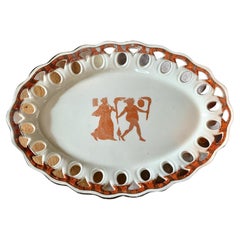
Early 19th Century English Neoclassical Antique Staffordshire Bowls and Baskets
Pearlware
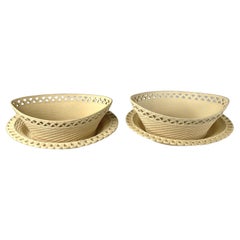
Early 19th Century English Country Antique Staffordshire Bowls and Baskets
Stoneware
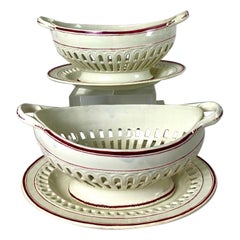
1820s English Rococo Antique Staffordshire Bowls and Baskets
Ceramic, Pearlware, Pottery
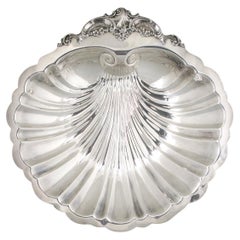
Mid-20th Century American Baroque Staffordshire Bowls and Baskets
Silver Plate

Early 20th Century French French Provincial Staffordshire Bowls and Baskets
Wire
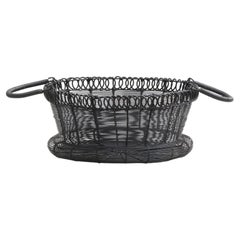
20th Century American American Classical Staffordshire Bowls and Baskets
Brass
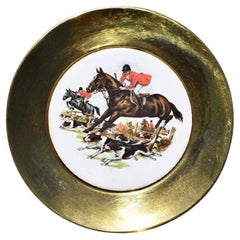
18th Century Chinese Antique Staffordshire Bowls and Baskets
Porcelain
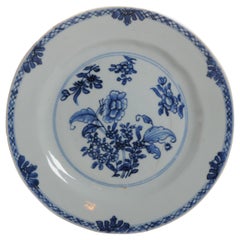
1820s English Antique Staffordshire Bowls and Baskets
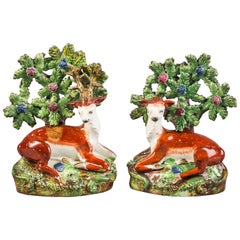
1920s American Folk Art Vintage Staffordshire Bowls and Baskets
Seagrass
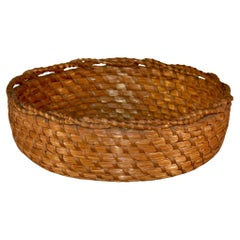
Mid-20th Century American American Classical Staffordshire Bowls and Baskets
Porcelain
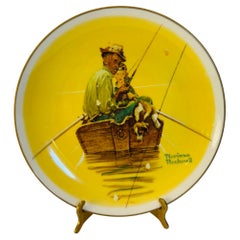
Early 20th Century Chinese Staffordshire Bowls and Baskets
Wood
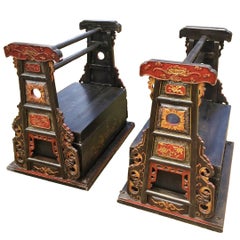
Mid-20th Century American Mid-Century Modern Staffordshire Bowls and Baskets
Wicker
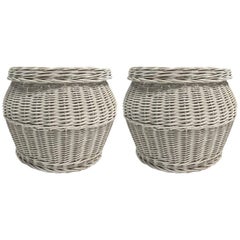
Early 1900s French Country Antique Staffordshire Bowls and Baskets
Majolica
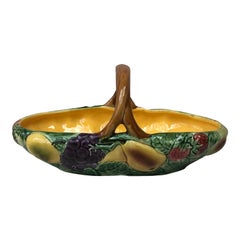
Late 19th Century Country Antique Staffordshire Bowls and Baskets
Willow
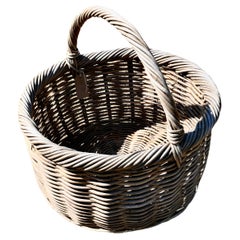
20th Century English American Classical Staffordshire Bowls and Baskets
Ceramic
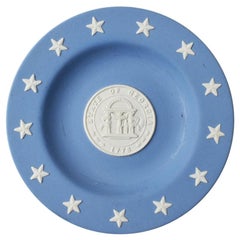
Early 19th Century English Country Antique Staffordshire Bowls and Baskets
Pearlware
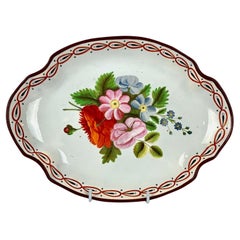
Early 20th Century English Late Victorian Staffordshire Bowls and Baskets
Metal
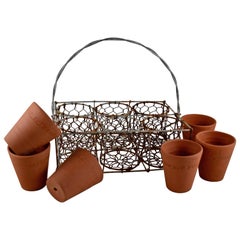
Staffordshire bowls and baskets for sale on 1stDibs.
- Is Staffordshire pottery marked?1 Answer1stDibs ExpertApril 5, 2022Almost all Staffordshire pottery and porcelain features a potter’s mark or symbol. One of the most common varieties is the Staffordshire knot, which is a three-loop knot sometimes accompanied by initials and a crown. On 1stDibs, you’ll find a collection of vintage and contemporary Staffordshire pottery from some of the world’s top dealers.
- 1stDibs ExpertMarch 13, 2024To date Staffordshire pottery, look for the maker's mark on the bottom or interior. Then, use trusted online resources to determine the maker and find out when it was active. If you need assistance, have a certified appraiser or knowledgeable antiques dealer examine your pottery. On 1stDibs, find a selection of Staffordshire pottery.
- 1stDibs ExpertApril 5, 2022You can typically spot Staffordshire pottery by locating the potter’s mark or symbol. One of the most common varieties is the Staffordshire knot, which is a three-loop knot sometimes accompanied by initials and a crown. Shop a collection of vintage and contemporary Staffordshire pottery from some of the world’s top sellers on 1stDibs.
- 1stDibs ExpertApril 5, 2022No. In fact, most Staffordshire figurines are not marked. Staffordshire figurines made from 1740 to the mid-1900s don’t generally have a maker’s mark, since they were produced by unknown, small manufacturers. Those manufactured by Kent between 1944 and 1962 feature a black printed mark that reads “Staffordshire Ware Kent Made in England.” Shop a collection of Staffordshire figurines from top sellers on 1stDibs.
- 1stDibs ExpertMarch 22, 2022To tell if Staffordshire figurines are real, turn them over. An authentic Staffordshire will have a hole in the base due to the press-molded firing technique. Also, artisans hand-painted the figurines, so no two ever show off the exact same variations in color. Staffordshire didn't add maker's marks to their pieces. If you see a name on a decorative object, it is unlikely to be authentic. Find a collection of expertly vetted Staffordshire figurines on 1stDibs.
- 1stDibs ExpertNovember 26, 2024To identify Staffordshire porcelain marks, first look to see if your piece has a loosely knotted rope logo. Some items produced in Staffordshire bear this mark. Many pieces also feature a second or alternate maker's mark corresponding to the factory that produced it, such as Spode, Minton and Wedgwood. Online reference guides published on trusted websites can help you determine who made your piece based on these markings. Keep in mind that some Staffordshire porcelain is completely unmarked. If you can't locate a marking, consider having a certified appraiser or knowledgeable antique dealer assist you. Explore a wide variety of Staffordshire porcelain on 1stDibs.
- 1stDibs ExpertApril 5, 2022There are a few signs to look for to authenticate an antique Staffordshire dog figurine. Antique figurines are press molded and feature a small hole in the base, rather than a larger one. The quality of the painting is highly detailed and gilded detail may be worn a bit with age. It is always best to have a professional verify if your figurine is authentic. Shop a range of expertly vetted Staffordshire dog figures on 1stDibs.
- 1stDibs ExpertSeptember 16, 2024Yes, some Staffordshire plates are worth something. Rather than a particular maker, the term Staffordshire refers to a region in the UK that is home to many manufacturers of china and porcelain wares, including Minton, Wedgwood, Royal Doulton and Moorcroft, and there is a market for certain dishes produced by many of these manufacturers. Typically, the maker, age, style, type and condition will all play a role in determining the value of a particular plate. To have your piece assessed based on these criteria, use the services of a certified appraiser or knowledgeable antique dealer. Find a selection of Staffordshire plates on 1stDibs.
- 1stDibs ExpertOctober 15, 2024To know if your Staffordshire pottery is real, you have two main methods. One option is to familiarize yourself with the defining characteristics of the pieces produced by the maker of your pottery. Rather than being a single factory or workshop, Staffordshire pottery is the term for pieces made by all makers in the Staffordshire region of England. Many companies, including Wedgwood and Minton, have produced Staffordshire pottery, and the methods for authenticating pieces vary by maker. You can use the markings on your pottery to identify the maker and then consult trusted online resources for advice about authentication. Alternatively, a certified appraiser or knowledgeable antique dealer can assist you. Shop a wide variety of Staffordshire pottery on 1stDibs.