Unknown Architectural Elements
Early 20th Century French French Provincial Unknown Architectural Elements
Steel
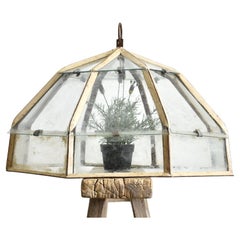
1950s German Art Nouveau Vintage Unknown Architectural Elements
Ceramic, Majolica
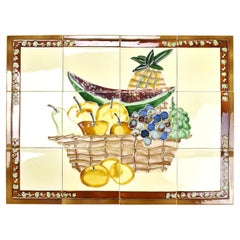

Early 1900s French French Provincial Antique Unknown Architectural Elements
Brass
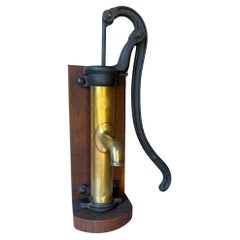
21st Century and Contemporary American Neoclassical Unknown Architectural Elements
Concrete
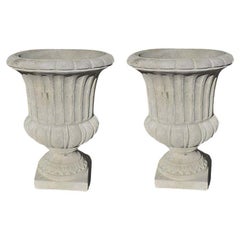
Late 19th Century French Arts and Crafts Antique Unknown Architectural Elements
Bronze
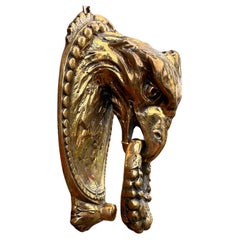
Early 18th Century French Louis XIV Antique Unknown Architectural Elements
Stone
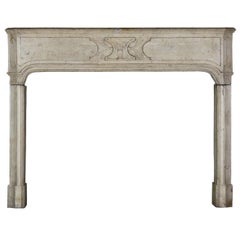
2010s Chinese Modern Unknown Architectural Elements
Other
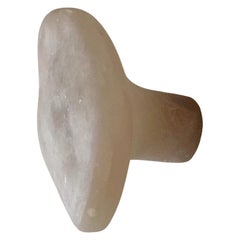
Late 19th Century French Other Antique Unknown Architectural Elements
Statuary Marble
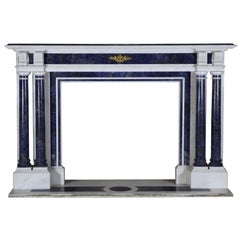
19th Century Moroccan Moorish Antique Unknown Architectural Elements
Wood
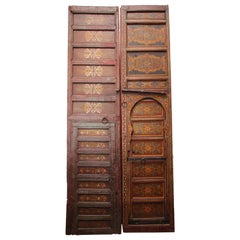
Early 19th Century French Country Antique Unknown Architectural Elements
Limestone
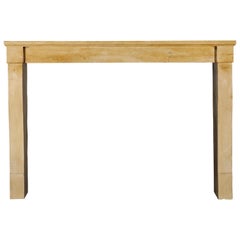
Late 19th Century French Louis XIV Antique Unknown Architectural Elements
Stone
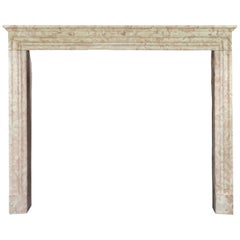
18th Century Dutch Georgian Antique Unknown Architectural Elements
Pottery

Early 19th Century Belgian Louis XIV Antique Unknown Architectural Elements
Marble
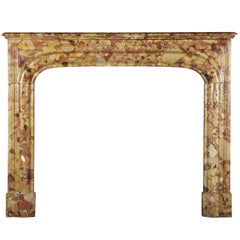
Late 19th Century English Victorian Antique Unknown Architectural Elements
Brass, Iron
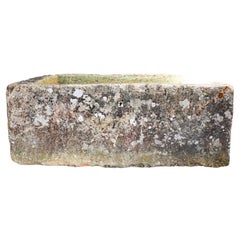
This 18th-century antique French limestone trough (reference: OT213) is a rare, one-of-a-kind architectural salvage piece sourced from the rural countryside near Clermont-Ferrand, France. Carved by hand between 1760 and 1780, this substantial trough measures 201 cm wide × 130 cm deep × 71 cm high and weighs approximately 3,000 kg. The surface shows an authentic timeworn patina developed over centuries of use, enhancing its historical character.
Material & CraftsmanshipCrafted from solid French limestone (pierre calcaire), this trough was hand-carved from a single block. Its robust composition makes it highly resistant to weathering, while the natural stone’s subtle tonal variations and aged surface bear witness to its centuries-old origin.
Hand carving in the 18th century involved traditional chiseling techniques by skilled stonemasons, leaving subtle tool marks that add to its authenticity and charm.
Possible Uses in Landscape & Garden DesignDue to its size, weight, and historic appeal, this antique stone trough can serve as:
A focal point in a formal or rustic garden design An antique stone planter for trees, shrubs, or seasonal arrangements A water feature basin in a courtyard or landscaped estate A statement piece for heritage property restoration Historical ContextStone troughs of this period were originally used in agricultural settings to hold water or feed for livestock. Their practical role and durable construction have ensured their survival for centuries, making them highly sought after by garden designers, landscape architects, and heritage property owners worldwide.
Why Choose De Opkamer?De Opkamer is a recognised specialist in sourcing authentic European architectural...
18th Century French Other Antique Unknown Architectural Elements
Limestone
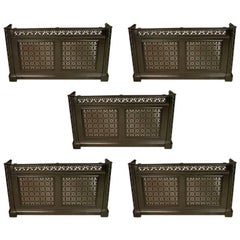
Late 19th Century English Arts and Crafts Antique Unknown Architectural Elements
Iron
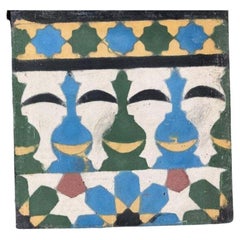
20th Century Moroccan Moorish Unknown Architectural Elements
Cement
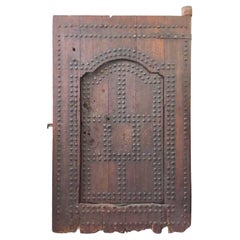
19th Century Moroccan Moorish Antique Unknown Architectural Elements
Iron
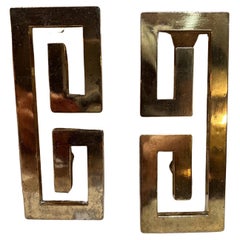
Late 20th Century Mid-Century Modern Unknown Architectural Elements
Brass
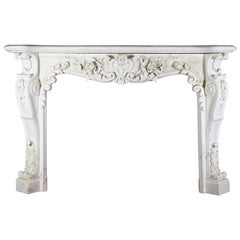
19th Century Belgian Baroque Antique Unknown Architectural Elements
Statuary Marble
1960s Mid-Century Modern Vintage Unknown Architectural Elements
Brass
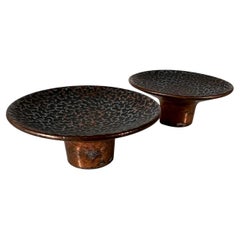
20th Century Belgian Art Deco Unknown Architectural Elements
Marble, Brass
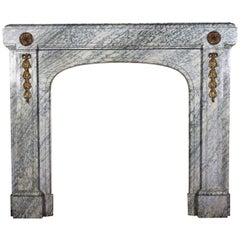
Early 20th Century Rustic Unknown Architectural Elements
Wood
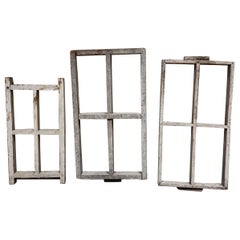
20th Century Moroccan Moorish Unknown Architectural Elements
Wrought Iron
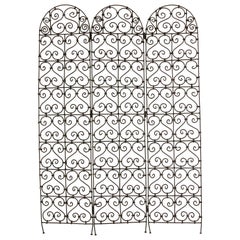
2010s Finnish Post-Modern Unknown Architectural Elements
Brass
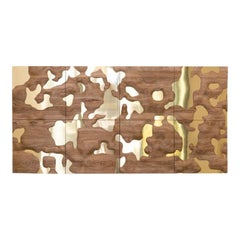
Mid-18th Century French Regency Antique Unknown Architectural Elements
Stone
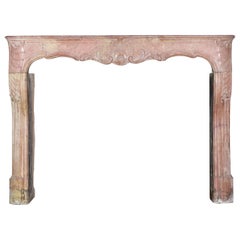
18th Century French Louis XIV Antique Unknown Architectural Elements
Stone
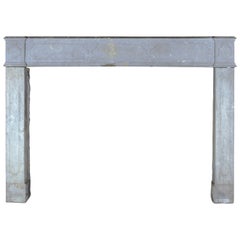
Late 18th Century French Louis XVI Antique Unknown Architectural Elements
Stone
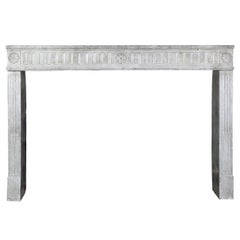
2010s American Modern Unknown Architectural Elements
Bronze
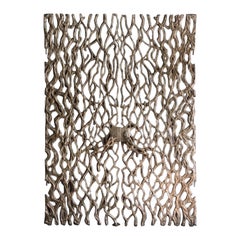
Early 20th Century Rustic Unknown Architectural Elements
Wood

1850s French French Provincial Antique Unknown Architectural Elements
Zinc
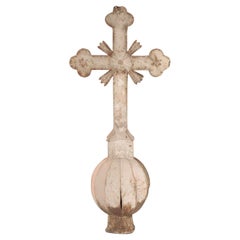
19th Century Italian Antique Unknown Architectural Elements
Marble
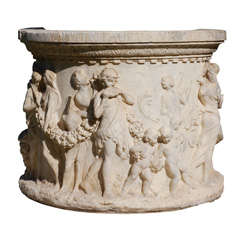
1920s American Art Deco Vintage Unknown Architectural Elements
Wood, Paint
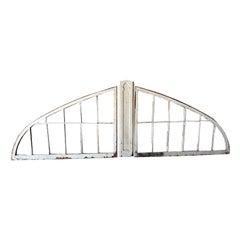
Late 20th Century American Federal Unknown Architectural Elements
Plaster
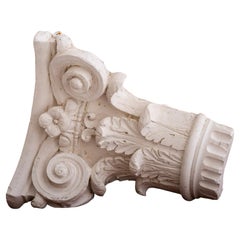
18th Century French Other Antique Unknown Architectural Elements
Limestone
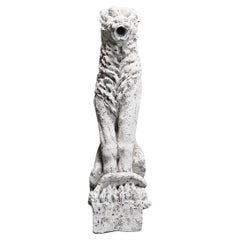
19th Century Japanese Japonisme Antique Unknown Architectural Elements
Bronze
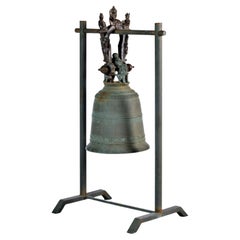
17th Century Spanish Baroque Antique Unknown Architectural Elements
Other
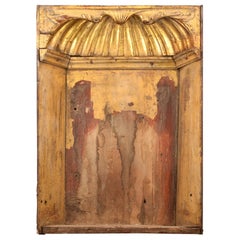
18th Century Antique Unknown Architectural Elements
Marble
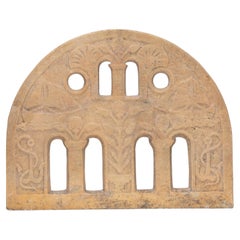
20th Century Moroccan Moorish Unknown Architectural Elements
Wrought Iron
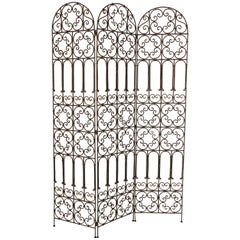
20th Century Moroccan Moorish Unknown Architectural Elements
Wrought Iron
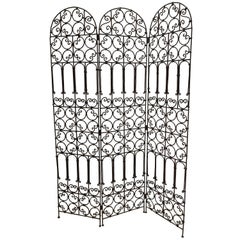
20th Century Moroccan Moorish Unknown Architectural Elements
Cement

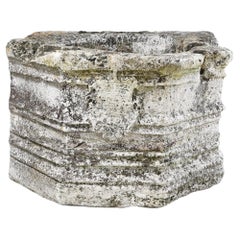
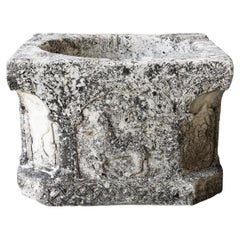
This remarkable antique well-head is an exquisite example of 18th Century craftsmanship. Made from high-quality French limestone, it showcases intricate carvings and timeless elegance in the Louis XIV style. Originating from Paris, France, and dated between 1760 and 1780, this wellhead is a true piece of history and artistry. Its provenance and perfect condition make it an exceptional find for collectors and garden enthusiasts alike.
History of Antique Wellheads...18th Century French Louis XIV Antique Unknown Architectural Elements
Limestone
20th Century Moroccan Moorish Unknown Architectural Elements
Cement

Late 20th Century American Federal Unknown Architectural Elements
Plaster
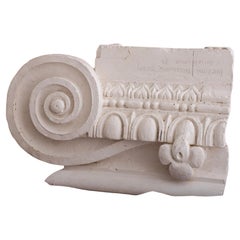
18th Century French Other Antique Unknown Architectural Elements
Limestone
1960s Czech Mid-Century Modern Vintage Unknown Architectural Elements
Metal, Iron
2010s American Modern Unknown Architectural Elements
Bronze
2010s Chinese Modern Unknown Architectural Elements
Other
2010s Chinese Modern Unknown Architectural Elements
Rock Crystal
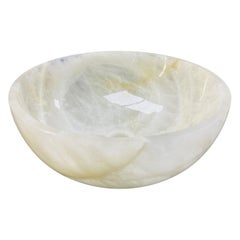
2010s Dutch Modern Unknown Architectural Elements
Aluminum
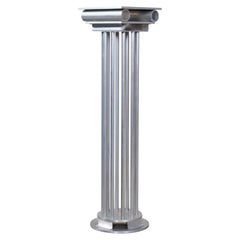
2010s Chinese Modern Unknown Architectural Elements
Rock Crystal, Bronze
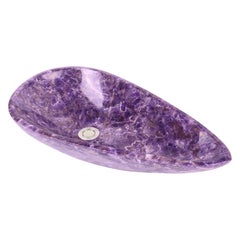
2010s Chinese Modern Unknown Architectural Elements
Rock Crystal
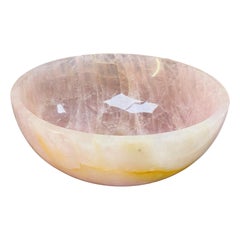
2010s French Modern Unknown Architectural Elements
Metal
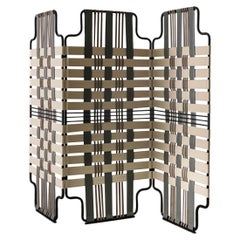
18th Century French Regency Antique Unknown Architectural Elements
Limestone
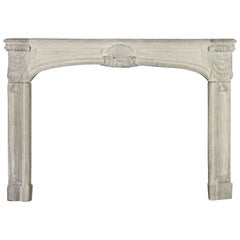
Late 18th Century French Louis XVI Antique Unknown Architectural Elements
Marble
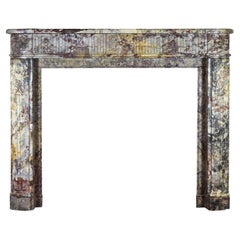
2010s French Modern Unknown Architectural Elements
Metal
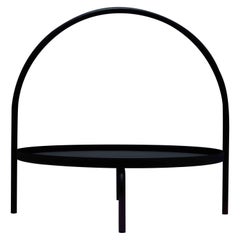
18th Century French Louis XVI Antique Unknown Architectural Elements
Griotte Marble
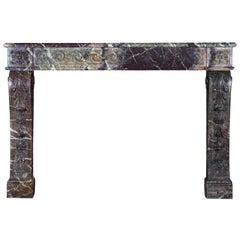
2010s French Modern Unknown Architectural Elements
Metal
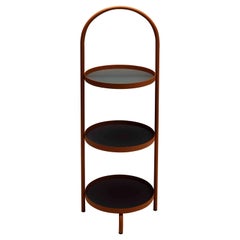
Mid-20th Century Mid-Century Modern Unknown Architectural Elements
Brass
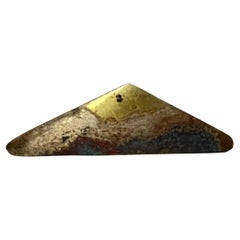
Early 17th Century Italian Louis XIII Antique Unknown Architectural Elements
Stone
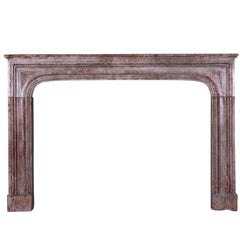
Unknown architectural elements for sale on 1stDibs.
- 1stDibs ExpertSeptember 9, 2024Yes, paintings by unknown artists may be worth something in some cases. When a painting’s maker isn't a well-known artist or is completely anonymous, factors like the visual appeal, historical significance, previous ownership and condition will determine the value of a painting. A certified appraiser or experienced art dealer can evaluate your piece using these criteria and provide you with an estimated value for your art. Shop a wide range of paintings on 1stDibs.