Objekte ähnlich wie Kano-Schule Japan Byôbu-Bildschirm "Wilde Pferde", Kano-Schule, Edo-Zeit
Video wird geladen …
Möchten Sie mehr Bilder oder Videos?
Zusätzliche Bilder oder Videos von dem*der Anbieter*in anfordern
1 von 22
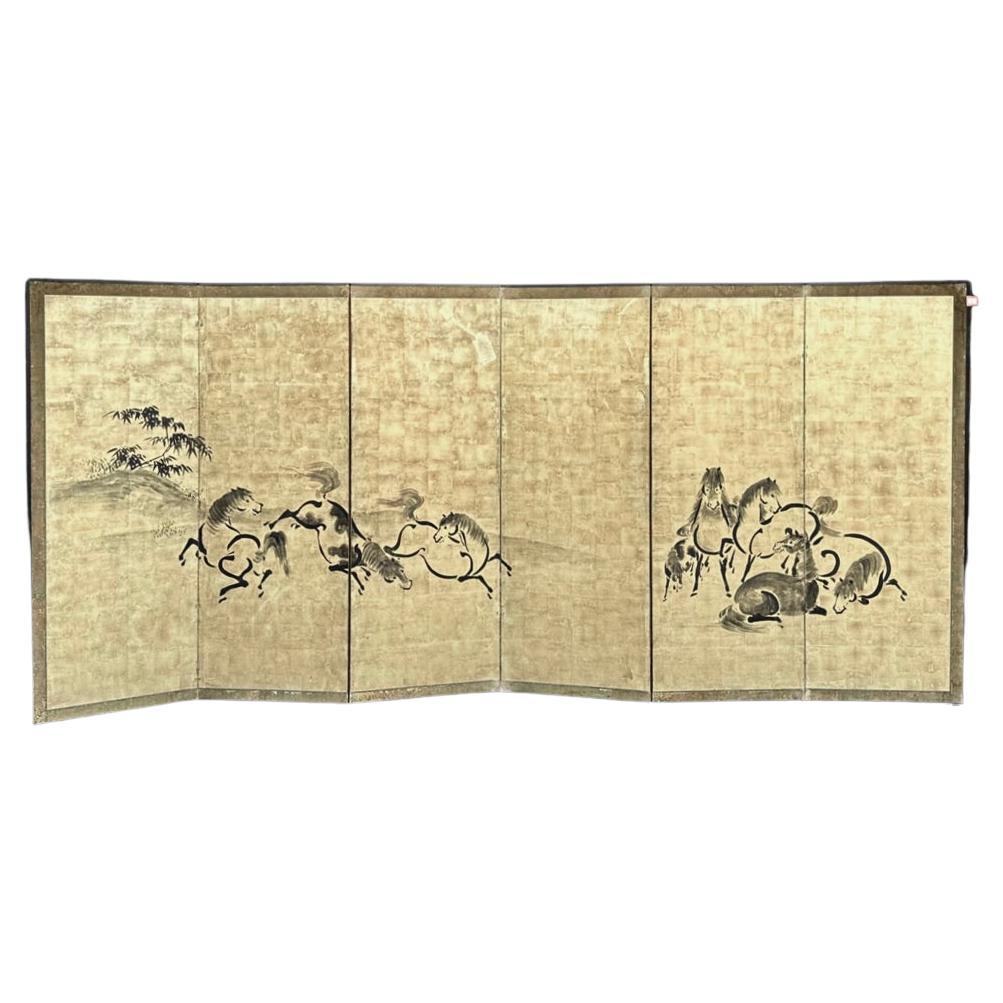
Kano-Schule Japan Byôbu-Bildschirm "Wilde Pferde", Kano-Schule, Edo-Zeit
12.538,80 €Einschließlich MwSt.
15.673,50 €20 % Rabatt
Angaben zum Objekt
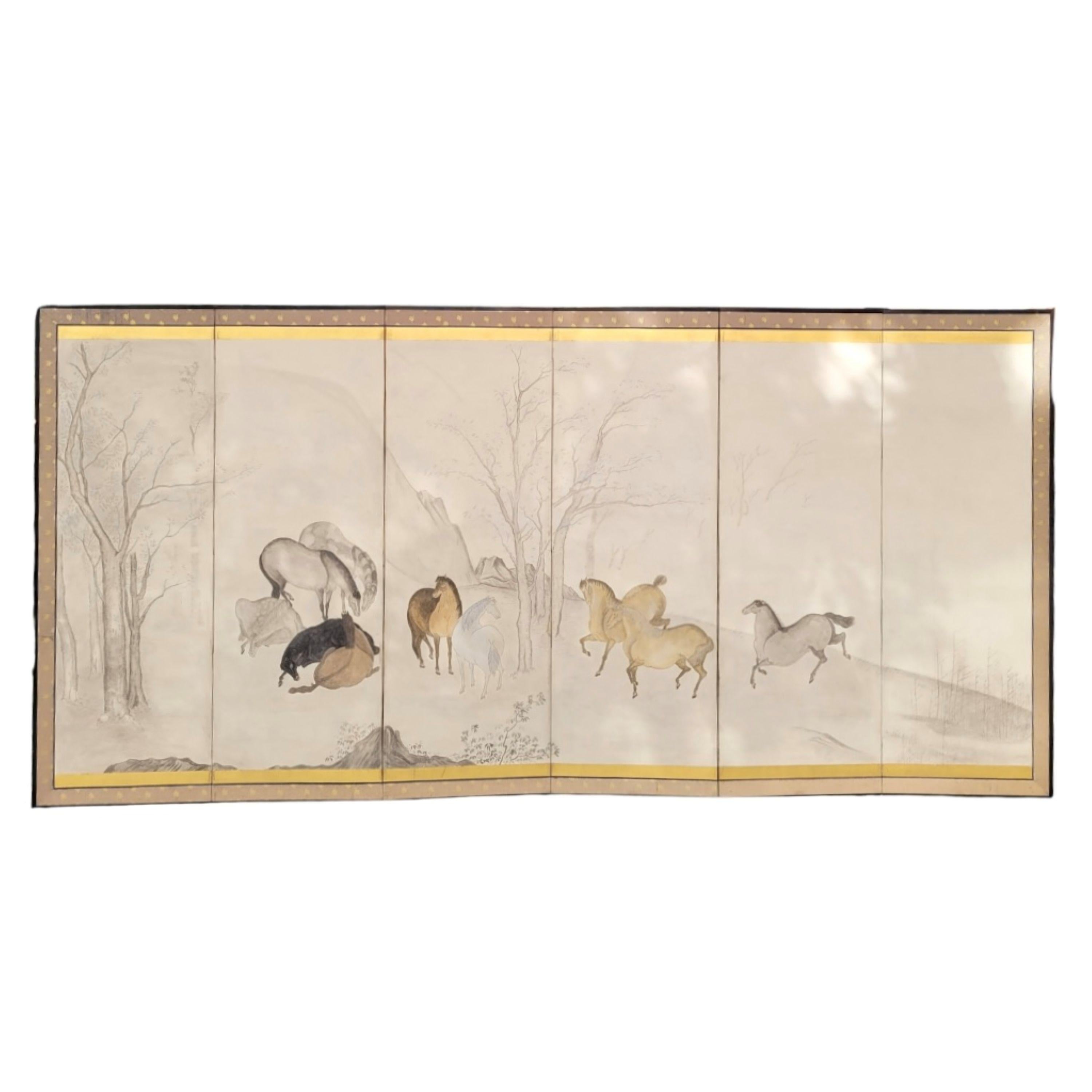
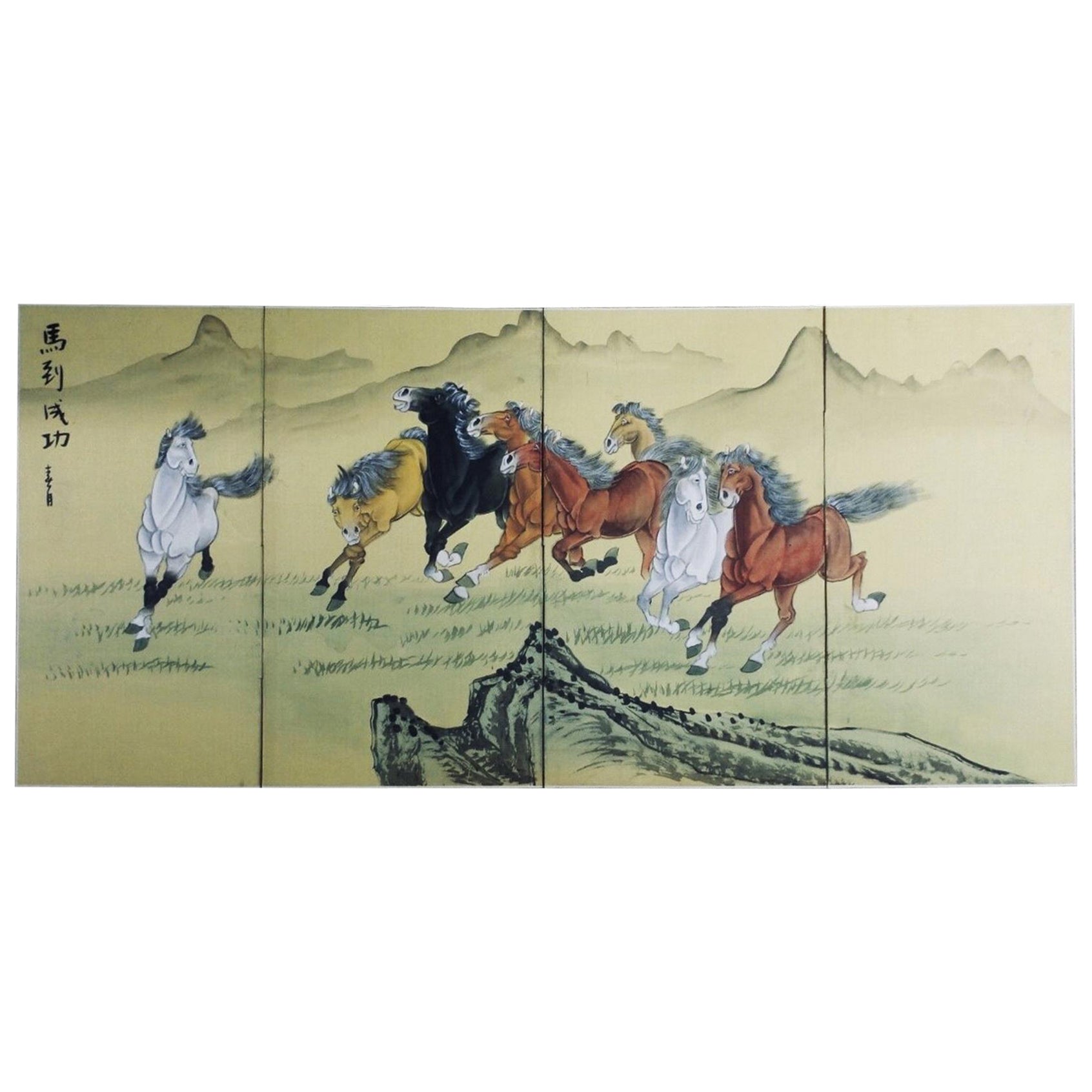
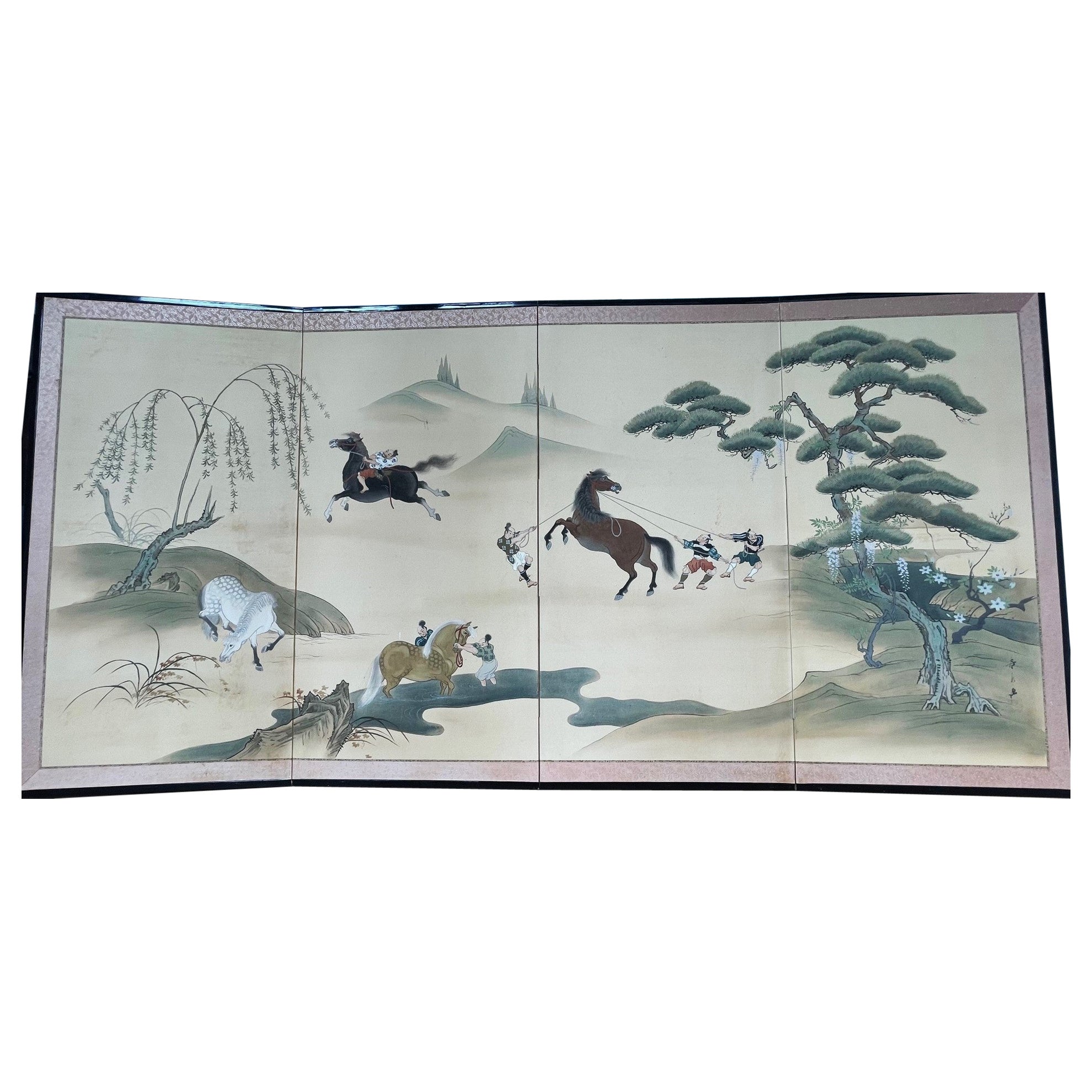
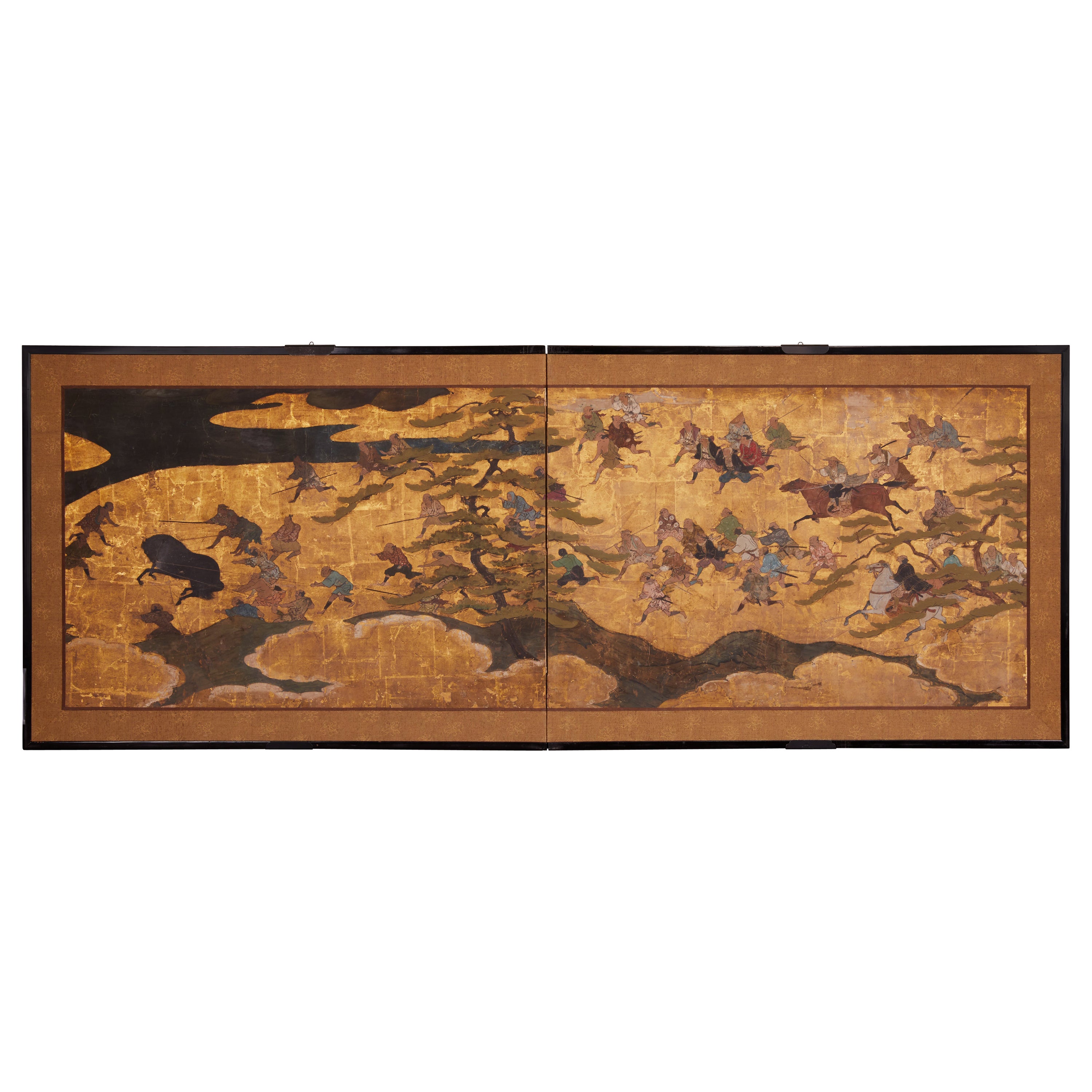
One of a kind Japanese folding screen, or byōbu, with six panels depicting a delicate and graceful scene of wild horses in a natural setting. Masterfully painted with ink and watercolor on mulberry paper, it is protected and supported by a fine lacquered wooden frame with metal fittings. A beige silk brocade frame adorned with small gold flowers and gold trim at the top and bottom adds presence and luminosity to the piece. Dated to the late Edo period (1603-1868), this beautiful byōbu is a serene painting in the style of the Kano School. The brushstrokes, soft colors, and tranquil atmosphere, combined with the influence of natural elements, are characteristic of traditional schools like Kano, known for its refined depiction of nature. Ten wild horses are presented in a winter landscape, complete with leafless trees, small bushes, and large rocks. Some animals graze, others gallop, and still others gather to rest.
In Japanese culture, horses are a popular figure in art, especially in the context of landscape painting and animal portraiture. They hold a deep symbolism that extends throughout history and across various artistic traditions. Their representation not only evokes beauty and elegance but is also linked to spiritual, cultural, and social meanings.
These animals are traditionally considered symbols of power, nobility, and status. In the samurai context, especially during the feudal period, horses were fundamental to warriors, representing not only mobility and agility on the battlefield but also the prestige of a samurai who owned a high-quality horse. They were often depicted in paintings and screens related to the nobility or the samurai elite, and the ability to ride a horse was a sign of skill and honor.
They are also associated with speed, energy, and agility. Horses are often depicted in dynamic motion, conveying the idea of speed and momentum.
In Japanese mythology, horses have a special connection to the divine. They are believed to be vehicles of the gods and spiritual messengers. They also symbolize protection, possessing the power to shield people from evil spirits. In Shintoism, they are sacred animals, used as mounts by kami (gods) and associated with good fortune and business.
In landscape painting, horses are often presented as part of a natural environment, symbolizing the relationship between humans, animals, and nature. This connection reflects the Japanese aesthetic sensibility toward nature and the harmony among all life forms. In this context, they also symbolize freedom and natural beauty, highlighting the serene coexistence between nature and living beings.
It stands out as an excellent example of the Kano school of art (加納派, Kano-ha), due to the delicate depiction of the horses and the use of a restrained color scheme that creates a serene atmosphere. The Kano school was one of the most influential and longest-lasting artistic traditions in Japan, active primarily from the Muromachi period (1336–1573) to the early Edo period (1603–1868). Founded by Kano Masanobu (1434–1530), it remained one of Japan's major schools of painting until the 19th century. Its style and technique dominated much of the painting produced by the imperial court and the samurai class.
The painting style of this school is heavily influenced by the tradition of Chinese painting, particularly in its use of ink, known as suiboku-ga in Japanese. This technique uses only ink and water, with a very restricted palette that emphasizes texture and shadows, creating a sober and majestic style. Its main subjects were landscape painting, historical scenes, floral motifs, and animals.
During the Edo period, members of the Kano school were highly valued by the Tokugawa shoguns and the imperial court. Artists of the school received commissions to create large-scale works, including folding screens, door panels, and paintings on the walls of palaces and temples. This solidified their status as official court painters. Although the school is associated with monochromatic ink painting, it is also known for its use of other mediums.
The use of gold was common, especially in screens, lampshades, and other decorative works featuring gold backgrounds and colored details.
In terms of composition, they emphasized balance and symmetry. However, over time, some members of the school began to experiment with a freer approach, while always respecting the rules of traditional Japanese aesthetics.
Technische Daten
Technique on support: Watercolor and ink on mulberry paper
Title of the work: “Wild Horses”
Period: Circa 1850, late Edo period (1615-1868)
Style / School: Kano School
Herkunftsland: Japan
Provenance: Important French private collection
Guter Zustand in Anbetracht des Alters und des Gebrauchs
Overall dimensions: 176 x 365 x 10 cm.
- Schöpfer*in:Japanese Studio (Künstler*in)
- Maße:Höhe: 176 cm (69,3 in)Breite: 365 cm (143,71 in)Tiefe: 10 cm (3,94 in)
- Stil:Japonismus (Aus dem Zeitalter)
- Materialien und Methoden:
- Herkunftsort:
- Zeitalter:
- Herstellungsjahr:1850
- Zustand:Abnutzung dem Alter und der Nutzung entsprechend.
- Anbieterstandort:Valladolid, ES
- Referenznummer:1stDibs: LU2943347429512
Anbieterinformationen
4,7
Platin-Anbieter*in
Premium-Anbieter*innen mit einer Bewertung über 4,7 und 24 Stunden Reaktionszeit
Gründungsjahr 1990
1stDibs-Anbieter*in seit 2017
171 Verkäufe auf 1stDibs
Typische Antwortzeit: <1 Stunde
- VersandAngebot wird abgerufen …Versand von: Valladolid, Spanien
- Rückgabebedingungen
Einige Inhalte dieser Seite wurden automatisch übersetzt. Daher kann 1stDibs nicht die Richtigkeit der Übersetzungen garantieren. Englisch ist die Standardsprache dieser Website.
Mehr von diesem*dieser Anbieter*in
Alle anzeigenChinesischer Qing-Spiegel mit Umkehrmalerei aus der Qing-Dynastie
Von Chow
s Oriental Furniture Co.
Wunderschöner Spiegel mit Hinterglasmalerei aus der Qing-Dynastie des 19. Jahrhunderts, der verschiedene Szenen in einer vertikalen Erzählung darstellt.
Verschiedene Szenen mit symbo...
Kategorie
Antik, 1870er, Chinesisch, Qing-Dynastie, Gemälde, Leinwände und Raumteiler
Materialien
Kristall
1.613 € Verkaufspreis
20 % Rabatt
Qing-Dynastie Blau Weiß Braun Gouache Scrall Geishas
Erstaunliche und exquisite vertikale chinesische Schriftrolle, 18. Jahrhundert Qing-Dynastie, blau, weiß und braun, "Geisha-Paar" (Gouache auf Papier, vertikal hängend, möglicherweis...
Kategorie
Antik, 1780er, Chinesisch, Qing-Dynastie, Gemälde, Leinwände und Raumteiler
Materialien
Vergoldetes Holz, Farbe, Papier
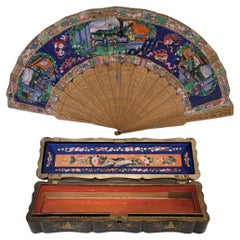
Chinesischer Fächer mit tausend Gesichtern, Sandelholzkiste und Gouache
Einzigartiger Tausendgesichtiger Fächer mit Schachtel, Bambus und Gouache, Ende 19. Jahrhundert - China
Art: Tausendgesichtiger Fächer
MATERIALIEN: Papier, Gouache, Knochenchinois...
Kategorie
Antik, 1890er, Antiquitäten
Materialien
Knochen, Holz, Vergoldetes Holz, Lack, Sandelholz
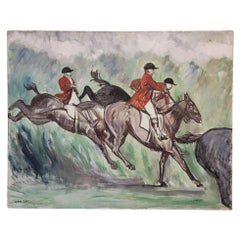
Frankreich Acryl auf Leinwand Pferderennen, León Lafourcade
Von Napoléon III
Erstaunliches Gemälde von Léolaf, dem Künstlernamen von León Lafourcade, einem in Frankreich geborenen Künstler, der zwischen dem 19. und 20. Er nahm an verschiedenen Ausstellungen ...
Kategorie
Antik, 1890er, Französisch, Sonstiges, Gemälde
Materialien
Leinwand, Acryl
3.013 € Verkaufspreis
31 % Rabatt
Kostenloser Versand
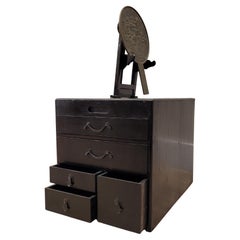
Japanischer Meiji-Schminktischständer mit Spiegel Schwarzer Lack
Von Vintage Japanese Monochrome
Elegant und schön Schminktisch oder als Schmuckkästchen geeignet, Meiji Periode ( 1868 - 1912 ).
Ausgeführt mit schwarzem Lack, hält einen bronzenen Handspiegel ( ekagami)
Ausgestat...
Kategorie
Antik, 1880er, Niederländisch, Meiji-Periode, Antiquitäten
Materialien
Bronze
1.691 € Verkaufspreis
30 % Rabatt
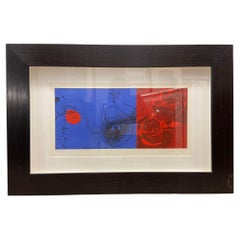
Korea-Radierung von Deok Sung Kang, nummeriert 75/75
Von Duck Shin
Wunderschöne Radierung mit Aquatinta und Farbmatrix des südkoreanischen Künstlers Deok Sung Kang, entstanden um 1990. Die Werke dieses Künstlers sind, obwohl sie zur Abstraktion neig...
Kategorie
1990er, Koreanisch, Moderne der Mitte des Jahrhunderts, Gemälde
Materialien
Papier
758 € Verkaufspreis
20 % Rabatt
Das könnte Ihnen auch gefallen
Hasegawa Schule Edo Folding Bildschirm mit Pferden Byobu Pferde Japan
Der einzigartige und unglaubliche sechspanelige Hasegawa-Schul-Faltschirm mit Pferdemotiv ist ein außergewöhnliches Stück.
"Szene mit wilden Pferden" (Kōgen Bashu-zu auf Japanisch) i...
Kategorie
1850er, Edo, Tierzeichnungen und -aquarelle
Materialien
Papier
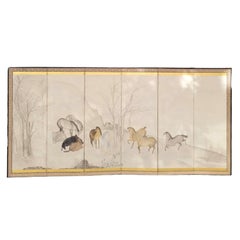
Japanische Taisho/Showa Periode Sechs - Panel Bildschirm mit galoppierenden Pferden, ca. 1920
Japanische Taisho/Showa Periode Sechs - Panel Bildschirm mit galoppierenden Pferden, ca. 1920
ÜBER
Taisho/Showa-Periode (1912 - 1926)
ABMESSUNGEN
Breite: 70 Zoll
Höhe: 35 Zoll
Kategorie
Vintage, 1920er, Japanisch, Japonismus, Gemälde, Leinwände und Raumteiler
Materialien
Holz
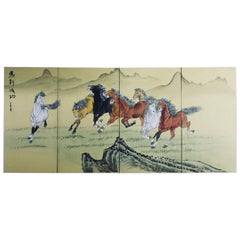
Japanischer Art Deco 4-Panel-Bildschirm mit Reitern, die Pferde zähmen, ca. 1920
Japanischer Art Deco 4-Panel-Bildschirm mit Reitern, die Pferde zähmen, ca. 1920
ABMESSUNGEN
Breite: 97 Zoll
Höhe: 48 Zoll
Kategorie
Ende des 20. Jahrhunderts, Japanisch, Japonismus, Gemälde, Leinwände und...
Materialien
Holz
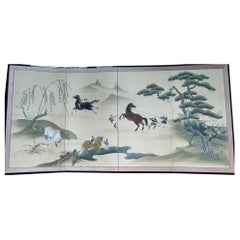
Japanischer Zwei-Panel-Bildschirm: Pferde-Roundup
Interessantes und ungewöhnliches Thema, Malerei der Tosa-Schule mit Mineralpigmenten auf Blattgold mit Seidenbrokatbordüre.
Kategorie
Antik, Spätes 17. Jahrhundert, Japanisch, Gemälde, Leinwände und Raumteiler
Materialien
Blattgold
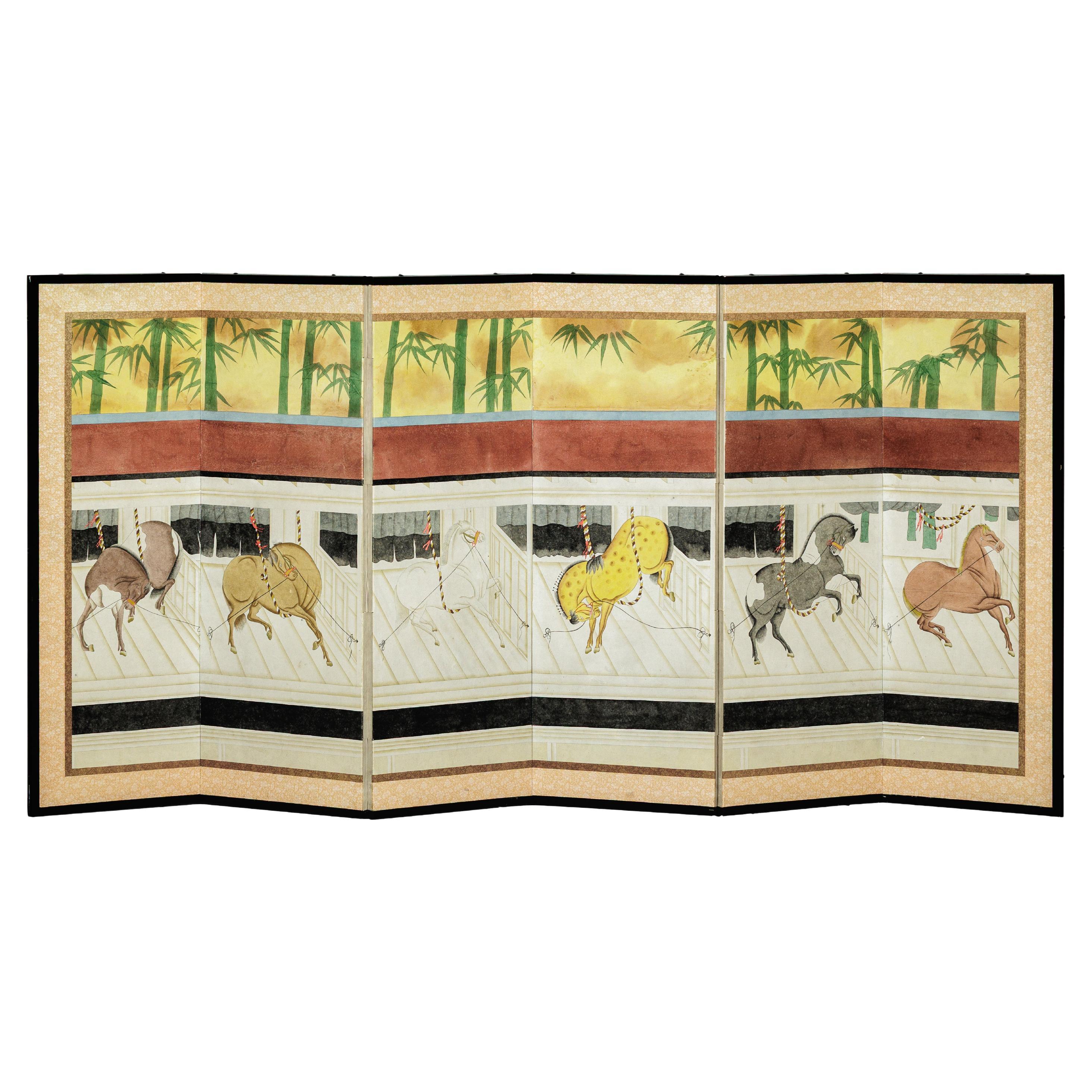
Japanisch inspirierte Sechs-Panel-Bildschirm mit Pferden im Stall mit Bambus-Hintergrund
Dieser sechspanelige chinesische Paravent zeigt eine lebhaft gemalte Szene mit sechs einzeln dargestellten Pferden, die sich in ihren Ställen ausdrucksvoll bewegen. Das Design, das w...
Kategorie
Ende des 20. Jahrhunderts, Chinesisch, Raumteiler
Materialien
Stoff, Holz, Papier
Elegance Horse Screen. Im Stil von Kano Tanshin
Von Kano Tanshin
Tinte auf Gold.
Diese Fortsetzung der Anmut des Pferdes entfaltet sich vor einem atemberaubenden Hintergrund aus Blattgold und fängt die Essenz des Adels ein, den Pferde in der japa...
Kategorie
Antik, Spätes 18. Jahrhundert, Japanisch, Edo, Gemälde, Leinwände und Ra...
Materialien
Blattgold
7.329 € Verkaufspreis
38 % Rabatt