Objekte ähnlich wie Kobako in nashiji lacquer imitating wood texture, lid decorated with an ikebana
Möchten Sie mehr Bilder oder Videos?
Zusätzliche Bilder oder Videos von dem*der Anbieter*in anfordern
1 von 9
Kobako in nashiji lacquer imitating wood texture, lid decorated with an ikebana
5.500 €Einschließlich MwSt.
Angaben zum Objekt
Imposing kobako in nashiji lacquer on a black ground, decorated with a motif imitating wood grain. The lid is adorned with an ikebana basket (hanakago) containing a bouquet of remarkable harmony despite its complexity. The level of detail achieved by the lacquer artist allows several plants in the floral composition to be clearly identified. The chrysanthemum (kiku), first of all, is not only the heraldic emblem of the Japanese imperial family but also a flower with a long and complex history intertwined with that of the archipelago. It was first described by Jacob Breynius in 1689, although the plant owes its name to Carolus Linnaeus: “chrys” in Greek means “golden,” referring to the flower’s original colour, and “anthemon” means “flower”—hence its designation as the “golden flower.”
To understand the symbolism behind the chrysanthemum, one must go back to the years 1500–1400 BC. Chrysanthemums were already cultivated in China as an aromatic flowering herb and were considered a noble plant endowed with unique powers—so much so that only nobles were permitted to grow them in their gardens. They appear on the finest Chinese porcelains, often painted with great refinement. In China, the chrysanthemum is generally a symbol of nobility. Introduced to Japan only in the 8th century, it was elevated by the emperor to the rank of national symbol and later inspired the imperial seal.
During the Heian period, the imperial family took particular interest in the chrysanthemum, even creating a festival in its honour, held on the 9th day of the 9th month at the Kamigamo Shrine in Kyoto: the annual Chōyō no Sekku, or Chrysanthemum Festival. After the ceremony, priests dressed as white crows perform a ritual dance with bows and arrows, followed by children from the area engaging in sumo bouts within the shrine precincts.
Although long popular throughout Japan, it was not until the 13th century that Emperor Go-Toba adopted the sixteen-petaled chrysanthemum as the formal emblem of the imperial family. Chrysanthemum heraldry represents the emperor, the imperial household, and the Japanese people. It is said that emperors’ thrones were once entirely covered with chrysanthemums, giving rise to the expression “the Chrysanthemum Throne.” Initially reserved for the aristocracy, chrysanthemum cultivation expanded greatly during the Edo period (1600–1868), beginning in Kyoto. Numerous specialists developed and exhibited new varieties in inns and temples, recording each detail—form, colour, name, and price—in dedicated registers. Although centred in Kyoto between 1688 and 1703, chrysanthemum culture eventually spread throughout the country.
The chrysanthemum is also one of the four Junzi, or “gentlemen”: the plum, the orchid, the bamboo, and the chrysanthemum together form the “Four Gentlemen,” each symbolizing a season—winter for the plum, spring for the orchid, summer for bamboo, and autumn for the chrysanthemum. They remain essential motifs in the pictorial arts across East Asia.
This rich symbolism explains the recurrence of the chrysanthemum in many contexts—on the Japanese passport, on 50-yen coins, and in the Supreme Order of the Chrysanthemum, the highest distinction a Japanese citizen can receive from the emperor. No other flower in the world is associated with such an honour.
In the Japanese language of flowers, the sunflower (himawari) represents radiance and respect. It symbolizes brilliant beauty and admiration for light and life. The sunflower is also renowned for its fidelity to the sun, turning its head to follow its path throughout the day. This characteristic has given the sunflower a deeper meaning in Japan, where it symbolizes constancy and loyalty—values highly regarded in a culture deeply attached to tradition and hierarchy. By faithfully following the sun, the sunflower becomes a powerful metaphor for these virtues.
Inside the kobako is a lacquered tray decorated with the same wood-grain motif as the exterior. The interior of the lid features a scene of a pavilion beneath an ancient pine tree on the edge of a lake, set within a karst landscape on a gold nashiji ground.
Japan – Meiji period (1868–1912)
Height: 11 cm – Length: 27.5 cm – Width: 10.5 cm
Tray: Height: 2 cm – Length: 9.5 cm – Width: 6 cm
- Maße:Höhe: 11 cm (4,34 in)Breite: 10,5 cm (4,14 in)Tiefe: 27,5 cm (10,83 in)
- Stil:Meiji-Periode (Aus dem Zeitalter)
- Materialien und Methoden:
- Herkunftsort:
- Zeitalter:
- Herstellungsjahr:1868-1912
- Zustand:Abnutzung dem Alter und der Nutzung entsprechend.
- Anbieterstandort:PARIS, FR
- Referenznummer:Anbieter*in: 2024-13981stDibs: LU8311247962872
Anbieterinformationen
Noch keine Bewertungen
Geprüfte*r Anbieter*in
Jede*r Anbieter*in erfüllt strenge Standards bezüglich Echtheit und Zuverlässigkeit
Gründungsjahr 2013
1stDibs-Anbieter*in seit 2023
- VersandAngebot wird abgerufen …Versand von: PARIS, Frankreich
- Rückgabebedingungen
Einige Inhalte dieser Seite wurden automatisch übersetzt. Daher kann 1stDibs nicht die Richtigkeit der Übersetzungen garantieren. Englisch ist die Standardsprache dieser Website.
Mehr von diesem*dieser Anbieter*in
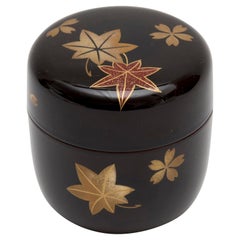
Alle anzeigenJapanische Natsume- oder Teeschachtel aus Japan, geschmückt mit Ahornblättern und Sakure-Blumen
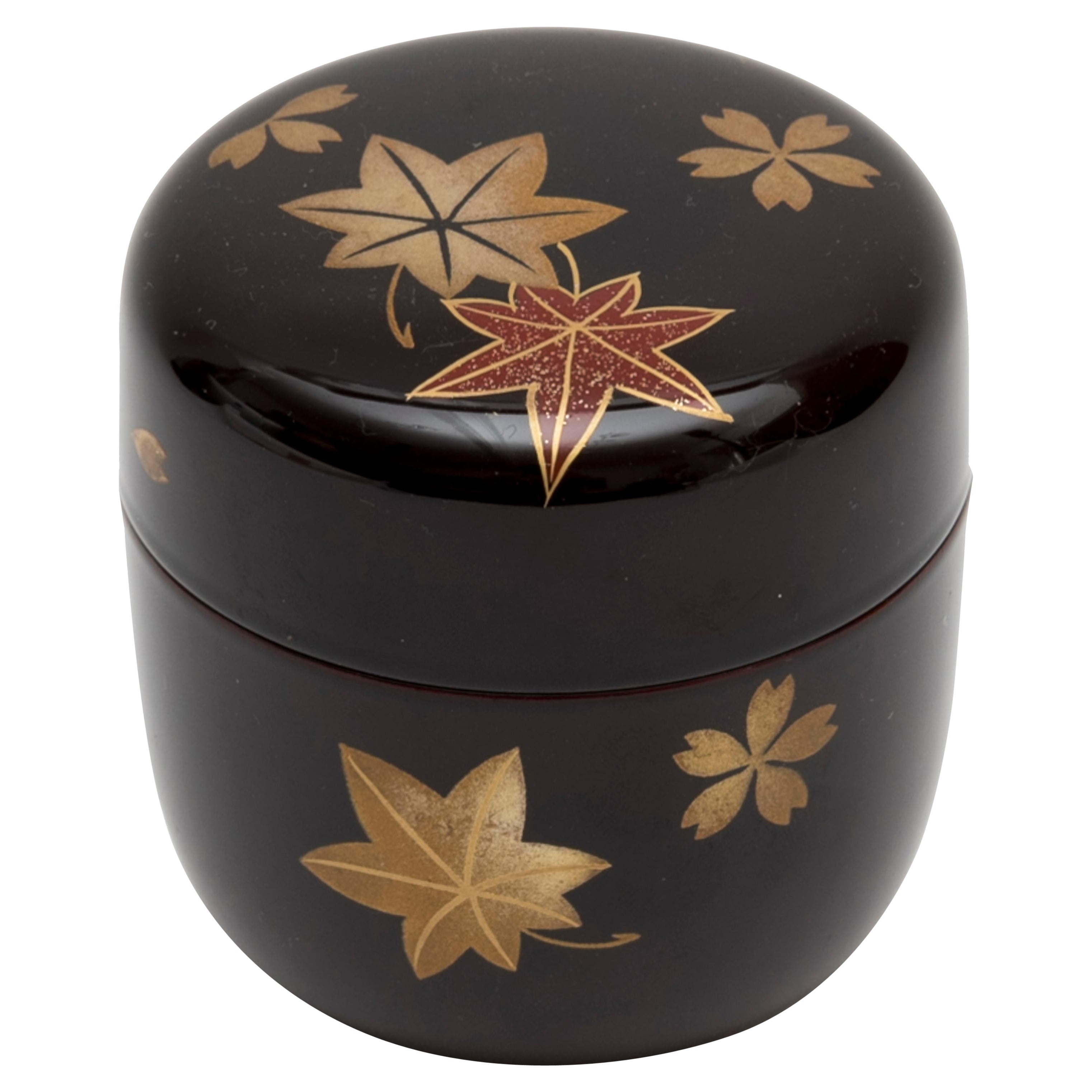
Natsume in dunkelrotem Lack, verziert mit Herbstblättern und Kirschblüten in Hiramaki-e und Nashiji. Innenausstattung in schwarzem Lack.
Ahornblätter (Momiji) werden in der Literatur...
Kategorie
Frühes 20. Jahrhundert, Japanisch, Taisho, Lack
Materialien
Gold
Japanischer Tebako aus Nashiji-Lackkunst, geschmückt mit goldenen Persimonenblumen
Tebako-Dose mit zwei Fächern in Gold- und Nashi-ji-Lack, verziert mit Gold-, Rot- und Kirigane-Lack, goldenen Kakibaumblättern und Steinen. Die Fächer werden von oben nach unten imme...
Kategorie
Antik, Frühes 19. Jahrhundert, Japanisch, Meiji-Periode, Lack
Materialien
Gold
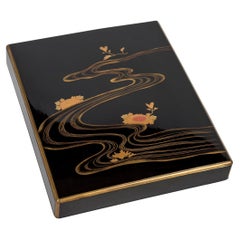
Japanische Suzuribako lackiert Box Pfingstrose Fluss
Suzuribako-Box (leer) in schwarzem Lack. Gold Maki-e Dekoration eines Flusses von Pfingstrosen gesäumt, eine mit roten Highlights. Die Kanten des Deckels sind mit Goldlack überzogen....
Kategorie
Antik, Spätes 19. Jahrhundert, Japanisch, Lack
Materialien
Gold
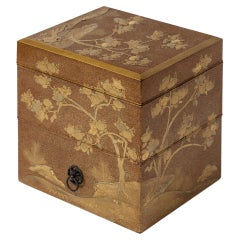
Japanische lackierte Tebako (Kasten)
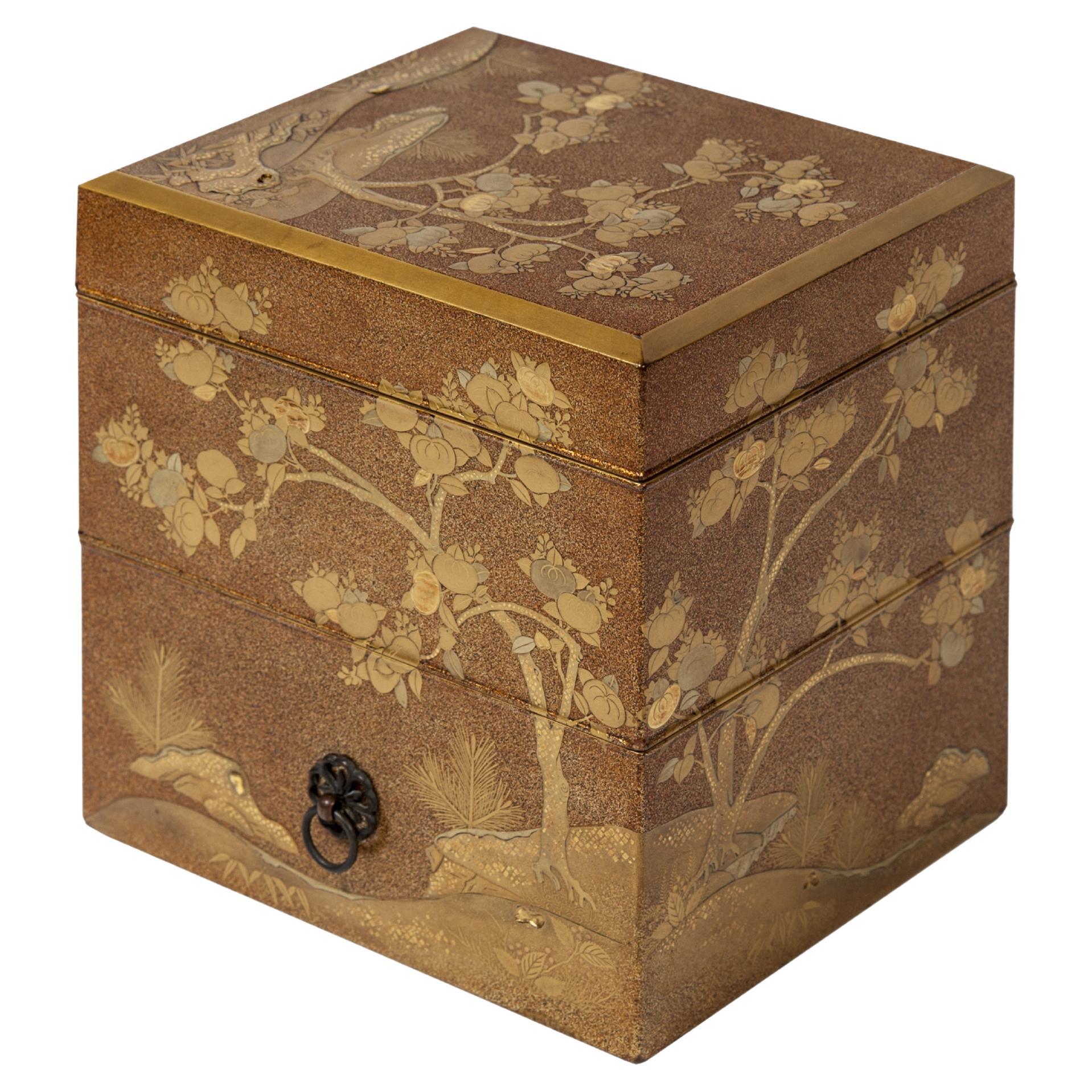
Tebako-Dose mit drei Fächern in Gold- und Nashi-ji-Lack, verziert mit Gold-, Rot- und Kirigane-Lack, goldenen Kakibaumblättern und Steinen. Die Fächer werden von oben nach unten imme...
Kategorie
Antik, 1860er, Japanisch, Lack
Materialien
Lack
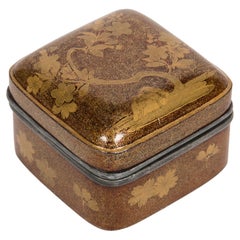
Japanischer lackierter Kirschbaum Kobako
Kobako in nashiji lacquer of square shape with a hira maki-e décor of a blossoming
cherry tree. Both of the four sides are adorned with golden lacquer cherry flowers,
represented i...
Kategorie
Antik, 19. Jahrhundert, Japanisch, Lack
Materialien
Lack
Lackierter Natsume (Teekasten)
Natsume in dunkelrotem Lack, verziert mit Herbstblättern und Kirschblüten in Hiramaki-e und Nashiji. Innenausstattung in schwarzem Lack.
Ahornblätter (Momiji) werden in der Literatur...
Kategorie
Mitte des 20. Jahrhunderts, Japanisch, Lack
Materialien
Lack
Das könnte Ihnen auch gefallen
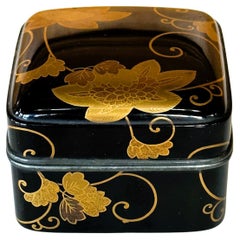
Antike japanische lackierte Kobako- Weihrauchdose im Kodaiji-Stil im Kodaiji-Stil
Ein antikes lackiertes Kästchen, das wahrscheinlich zur Aufbewahrung von Weihrauchpulver diente (auf Japanisch Kobako genannt), ca. Anfang bis Mitte des 19. Die quadratische Schachte...
Kategorie
Antik, 19. Jahrhundert, Japanisch, Edo, Lack
Materialien
Holz, Lack
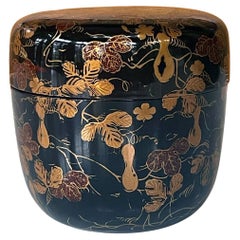
Lackierte japanische Maki-E Natsume im Kodaiji-Stil, Maki-E
Eine japanische lackierte Teedose (bekannt als Natsume) mit feinem Maki-e-Dekor, ca. 18-19. Jahrhundert, Edo bis Meiji-Periode. Die großformatige Natsume mit aufgesetztem Deckel, manchmal auch Usuchaki genannt, wurde traditionell zur Aufbewahrung von Teepulver für das zeremonielle Chado verwendet. Die Oberfläche ist mit einem Maki-e-Dekor aus feinen Rankenranken mit hängenden Wächtern verziert. Der dekorative Stil der Oberfläche ist ein typischer Stil, der "Kodaiji-Stil", der im 16. Jahrhundert während der Momoyama-Periode vom Kodaiji, einem Zen-Buddhismus-Tempel in Kyoto, stammt. Zu den Merkmalen dieses Stils gehören: ein reiner schwarzer Hintergrund, auf den verschiedene Schattierungen und Stärken von schimmerndem Gold-Maki aufgetragen wurden, was einen betörenden Kontrast erzeugt. Das Design ist in der Regel einfach, aber elegant, mit dem Schwerpunkt auf Motivwiederholungen und geometrischen Formen, wobei die beliebtesten Motive die Blumenmuster des Herbstes sind. Die verwendete Technik war für die damalige Zeit revolutionär, da Nashiji als Teil des Designs und nicht als Hintergrund verwendet wurde. Dies wird e-nashiji genannt. Oft gibt es Umrisse von Blumen, die mit dichtem Goldpulver ausgeführt wurden (wie bei den abwechselnd mit Goldpulver gefüllten Blättern auf diesem Stück zu sehen). Es ist festzustellen, dass der schwarze Hintergrund durch die Lichteinwirkung zu einem tiefen Braun verblasst ist, was auf das Alter dieses Stücks hinweist. Auch im Inneren des Behälters gibt es Patina und Abnutzungserscheinungen, die offensichtlich vom Gebrauch herrühren. Die natsume kommt mit einem abgenutzten Lagerung Holzkiste (tomobako) mit Kanji Tinte Inschrift auf dem Deckel, aber sie haben verblasst und teilweise unleserlich geworden. Wir können das Wort maki-e large natsume und möglicherweise den Namen des Natsume "Dusk" ausmachen. Unter dem Tomobako war deutlich die Aufschrift "Jisho-in Holding" zu lesen. Jisho-ins sind Tempel der Buzan-Sekte des Shingon-Buddhismus und Ursprungsort der berühmten japanischen Katze...
Kategorie
Antik, 19. Jahrhundert, Japanisch, Meiji-Periode, Lack
Materialien
Holz, Lack
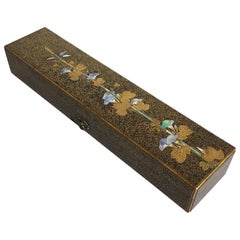
Japanische lange Lackdose aus der japanischen Edo-Periode der Igarashi-Schule, Tanzaku-Bako
Ein wunderschönes japanisches Lack-Tanzakubako aus der Edo-Periode, Schachtel für Gedichtkarten, spätes 18. - frühes 19. Jahrhundert, Edo-Periode, Japan.
Diese Dose, die der Igaras...
Kategorie
Antik, Frühes 19. Jahrhundert, Japanisch, Edo, Lack
Materialien
Perlmutt, Lack
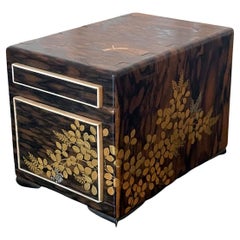
Japanisches Miniatur-Kodansu mit Lack-Intarsien
Ein feines japanisches Miniatur-Kodansu aus Kaki-Holz (Persimmon), circa 19. Jahrhundert, späte Meiji-Zeit. Die kleine Tischkommode mit zwei skizzierten Schubladen hat eine ausdrucks...
Kategorie
Antik, Spätes 19. Jahrhundert, Japanisch, Meiji-Periode, Lack
Materialien
Holz
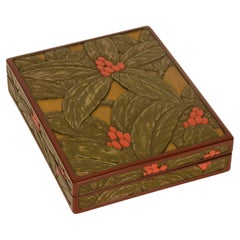
Aufwändig Geschnitzte Kamakura-Lackschachtel mit botanischem Design von Tamerou Ono
Eine japanische Vintage Tsuzuri Bako, Schreibbox. mit einem ungewöhnlichen, tief geschnitzten Relief der japanischen Sarcandra Glabra, einem in Asien beheimateten holzigen Kräuterstr...
Kategorie
Mitte des 20. Jahrhunderts, Japanisch, Lack
Materialien
Holz
3.128 € Verkaufspreis
20 % Rabatt
Kostenloser Versand
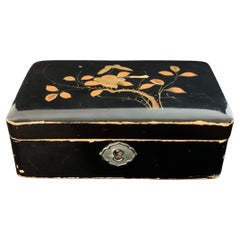
Lackierte japanische Schachtel mit Blume, spätes 19. Jahrhundert
Hübsche kleine schwarze Lackschachtel aus Japan. Er ist aus schwarz lackiertem Holz gefertigt und mit Blumen und Blättern verziert. Das Innere ist mit rotem Samt ausgekleidet. Er ist...
Kategorie
Antik, Spätes 19. Jahrhundert, Japanisch, Lack
Materialien
Lack
174 € Verkaufspreis
20 % Rabatt