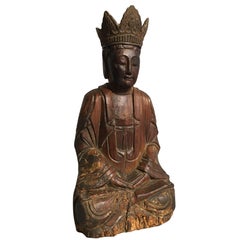
Objekte ähnlich wie Japanese antique wooden Buddha statue/Acala/Late Edo period/19th century
Möchten Sie mehr Bilder oder Videos?
Zusätzliche Bilder oder Videos von dem*der Anbieter*in anfordern
1 von 21
Japanese antique wooden Buddha statue/Acala/Late Edo period/19th century
1.039,47 €
Angaben zum Objekt
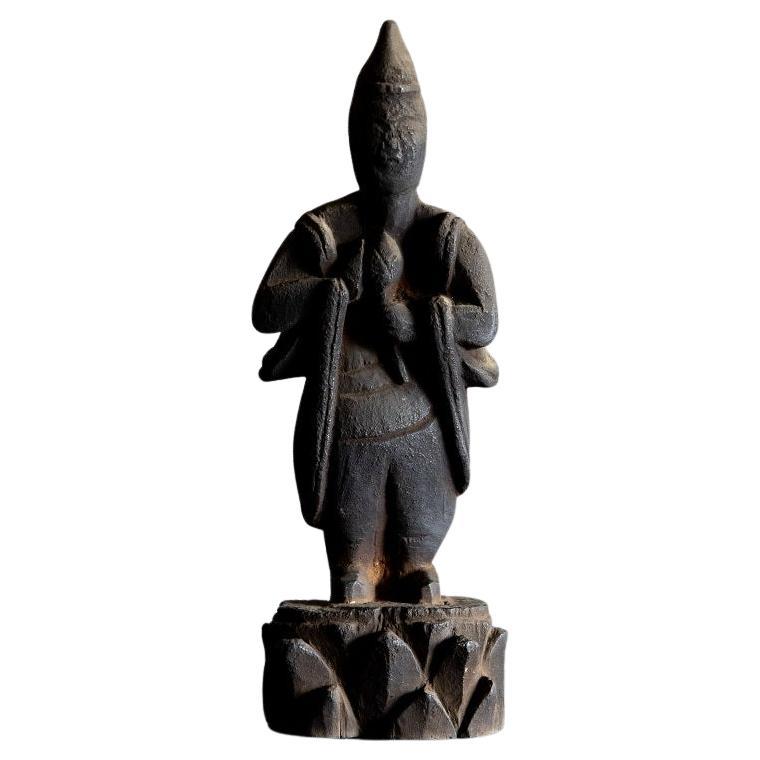
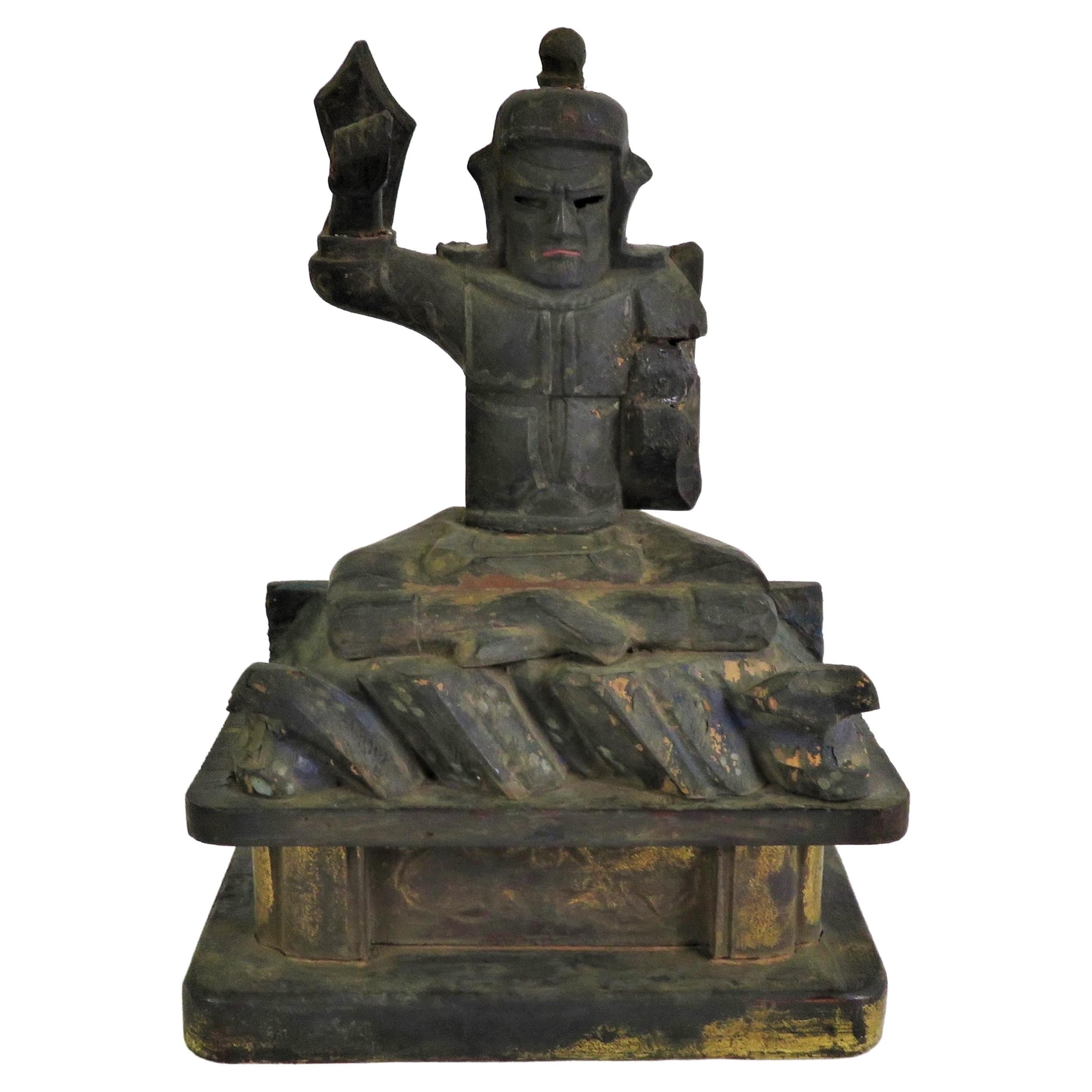
This is a statue of Fudō Myōō (Acala), believed to have been created in Japan during the late Edo period, specifically in the year 1804. On the back, there is an ink inscription that reads “Seikōzan Shinpuku-ji,” which is thought to refer to a temple that once stood in Kawasaki City, Kanagawa Prefecture. It is believed that this statue was originally housed in that temple.
Fudō Myōō is the central figure among the Five Wisdom Kings (Godai Myōō) in Esoteric Buddhism, depicted with a wrathful expression to protect the Buddha’s teachings. He holds a sword in one hand and a rope (kensaku) in the other—symbols used to cut through worldly desires and guide sentient beings toward the righteous path. His fierce expression is not one of hatred, but rather a manifestation of compassionate determination to dispel confusion and delusion.
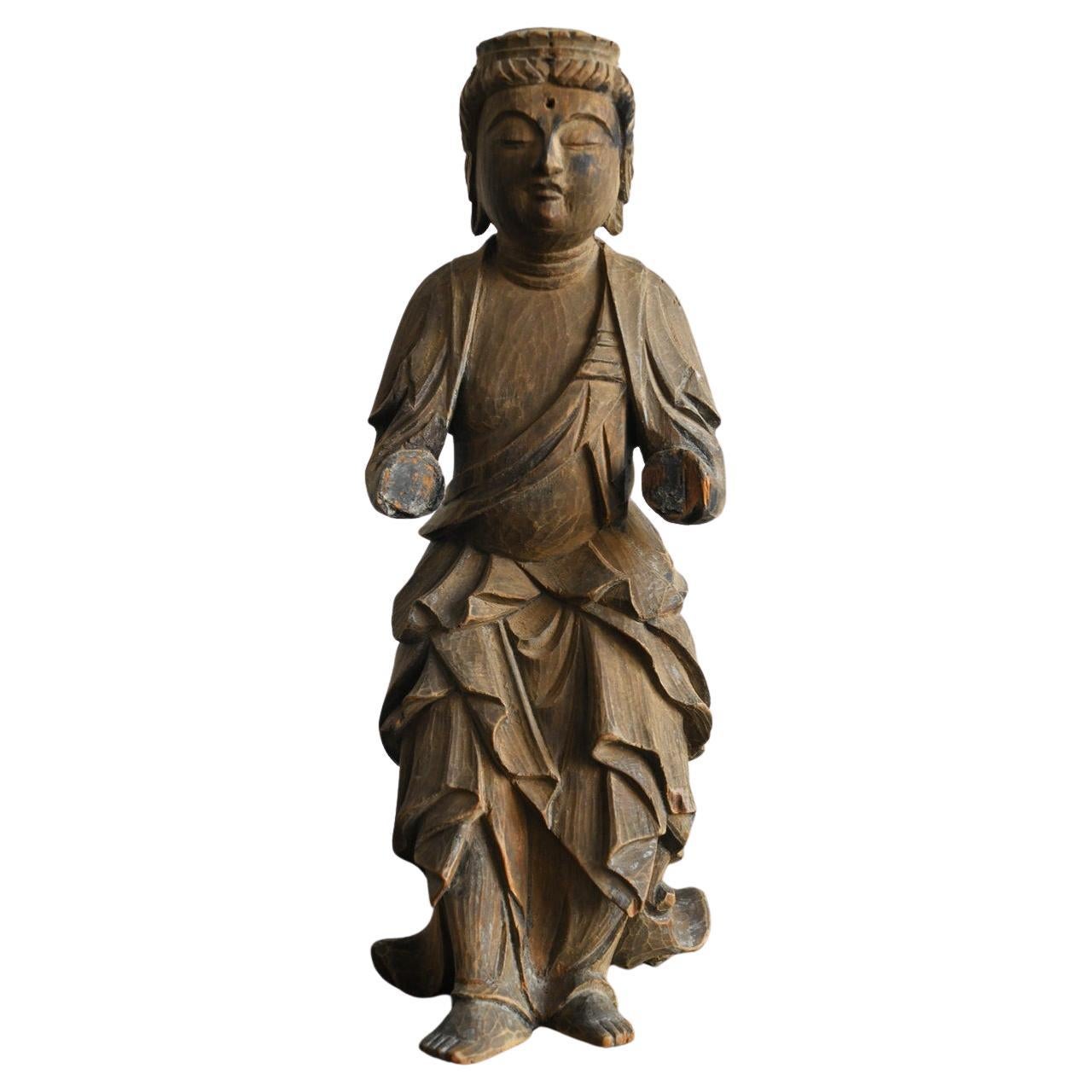
As a reference photo, we have posted a photo of a wooden statue of Acala from the Heian period, which is an Important Cultural Property of Japan.
However, the temple in which this statue once resided, Shinpuku-ji, was dismantled during the anti-Buddhist movement of the early Meiji era known as Haibutsu Kishaku. This movement was part of the government’s policy to separate Shinto and Buddhism and led to the destruction of many temples and Buddhist artifacts across the country. It is highly likely that this Fudō Myōō statue was removed by temple parishioners or others connected to the temple in an effort to preserve it from destruction during this turbulent period.
The statue does not appear to be the work of a famous Buddhist sculptor, but rather was likely carved by a local monk, temple carpenter, or village artisan. It possesses a modest, approachable expression and a rounded form that conveys a quiet warmth. Despite its simplicity, the carving of the facial features, robes, and overall proportions reflect a sincere devotion and skilled hand, resulting in a piece with quiet emotional resonance.
Originally, the statue would have held a sword and rope, and likely stood on a base or within a small storage box, though these components no longer remain. The figure alone survives. The surface shows signs of age, such as cracks, scratches, and areas of missing pigment, but these are testaments to its long history. There is no major structural damage or instability.
Weighing approximately 2 kg, the statue is easy to handle and fits comfortably in small home altars or quiet corners of the room. Its charming yet dignified presence seems to gently accompany the hearts of those who behold it.
Item No.: SC123
Weight: approx. 2kg
The statue can stand on its own, but in the event of an earthquake or other disturbance, it may easily topple over. We recommend leaning it against a wall or placing it inside a display case for added safety.
[We mainly sell old Japanese items.
We've seen tens of thousands of items so far.
Taking advantage of that experience, we are posting attractive items here.
We are able to do this because we have a long experience.
We introduce simple objects, tools used by common people, and objects used in temples that are different from the image of Japan that we have known up until now.
We are rediscovering Japanese beauty that is unknown to the world, evaluating it, and disseminating it.]
- Maße:Höhe: 48,1 cm (18,94 in)Breite: 19 cm (7,49 in)Tiefe: 13 cm (5,12 in)
- Stil:Edo (Aus dem Zeitalter)
- Materialien und Methoden:
- Herkunftsort:
- Zeitalter:
- Herstellungsjahr:1804
- Zustand:
- Anbieterstandort:Sammu-shi, JP
- Referenznummer:1stDibs: LU5487245840342
Anbieterinformationen
5,0
Platin-Anbieter*in
Premium-Anbieter*innen mit einer Bewertung über 4,7 und 24 Stunden Reaktionszeit
Gründungsjahr 2015
1stDibs-Anbieter*in seit 2020
1.701 Verkäufe auf 1stDibs
Typische Antwortzeit: 6 Stunde
- VersandAngebot wird abgerufen …Versand von: senzoku, Japan
- Rückgabebedingungen
Einige Inhalte dieser Seite wurden automatisch übersetzt. Daher kann 1stDibs nicht die Richtigkeit der Übersetzungen garantieren. Englisch ist die Standardsprache dieser Website.
Mehr von diesem*dieser Anbieter*in
Alle anzeigenAntike Holzskulptur „Kobo Daishi“ / Buddha-Statuen / Edo-Meiji-Periode
Dies ist eine alte japanische "Kobo Daishi" Holzfigur.
"Kobo Daishi" bedeutet "Kukai".
"Kukai" war ein Mönch aus der frühen Heian-Zeit. Sein posthumer Name war "Kobo Daishi". Er ist ...
Kategorie
Antik, 19. Jahrhundert, Japanisch, Edo, Skulpturen und Schnitzereien
Materialien
Zypressenholz
Antike japanische Buddha-Statue aus Holz aus der japanischen Antike / Edo-Periode / 1600 bis 1800
Diese Holzstatue ist ein Relikt aus der Edo-Periode in Japan und birgt eine tiefe Geschichte, die die Zeit überdauert. Ursprünglich war er Teil einer komplizierteren Statue, die wahr...
Kategorie
Antik, 17. Jahrhundert, Japanisch, Edo, Skulpturen und Schnitzereien
Materialien
Zypressenholz
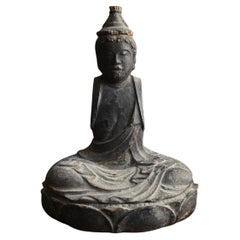
Kleine hölzerne Buddha-Statue aus der Edo-Periode in Japan/17. bis 19. Jahrhundert
Wir freuen uns, eine kleine Holzschnitzerei eines flankierenden Bodhisattva aus der Edo-Zeit präsentieren zu können.
Es wird angenommen, dass es sich bei diesem Werk um einen der Ka...
Kategorie
Antik, 18. Jahrhundert, Japanisch, Edo, Figurative Skulpturen
Materialien
Zypressenholz
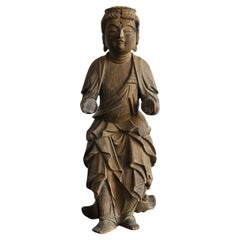
Japanischer antiker geschnitzter Buddha aus Holz/1800er/late Edo-Periode/Volks Buddha
Dies ist eine hölzerne Jizo-Bodhisattva-Statue aus der späten Edo-Zeit in Japan.
Man geht davon aus, dass sie nicht von buddhistischen Bildhauern in zentralen Städten wie Kyoto oder ...
Kategorie
Antik, 19. Jahrhundert, Japanisch, Edo, Figurative Skulpturen
Materialien
Zypressenholz
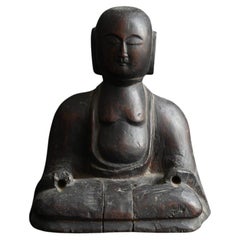
Holz Buddha-Statuen aus der Edo-Periode in Japan/1800-1868/Die späte Edo-Periode
Diese hölzerne buddhistische Statue wurde in der späten Edo-Periode hergestellt.
Es wird angenommen, dass es sich um eine Statue des Bodhisattva Kannon handelt.
Ursprünglich befand s...
Kategorie
Antik, 19. Jahrhundert, Japanisch, Edo, Skulpturen und Schnitzereien
Materialien
Zypressenholz
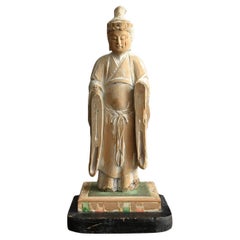
Japanische antike buddhistische Statuen/[Zehn-Königs-Statuen]/Edo-Zeit/18-19.
Man nimmt an, dass diese hölzerne buddhistische Statue (aus Zypressenholz) in der Edo-Zeit, wahrscheinlich im 18. oder 19. Sie ist eine der Statuenarten, die als "Zehn-Königs-Statuen...
Kategorie
Antik, 18. Jahrhundert, Japanisch, Edo, Skulpturen und Schnitzereien
Materialien
Zypressenholz
![Japanische antike buddhistische Statuen/[Zehn-Königs-Statuen]/Edo-Zeit/18-19.](https://a.1stdibscdn.com/japanese-antique-buddhist-statues-ten-kings-statues-edo-period-18-19th-century-for-sale/f_54872/f_460086521753431381364/f_46008652_1753431382291_bg_processed.jpg?width=240)
Das könnte Ihnen auch gefallen
Japanische antike hölzerne buddhistische Figur, Edo-Zeit
1603-1868
.
Diese antike buddhistische Holzfigur wurde in der Edo-Zeit (1603-1868) hergestellt.
Obwohl die genaue Identität der Gottheit, die sie darstellt, nicht bekannt ist, hat die Figur ein...
Kategorie
Antik, Mitte 17. Jahrhundert, Japanisch, Edo, Figurative Skulpturen
Materialien
Holz
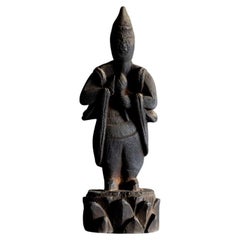
Japanischer Volksholzschnitzer aus der späten Meiji-Periode, Kriegsgöttin, Kunst, Schrein protector
Diese Volkskunstdarstellung von Hachiman Yahata no Kani, dem japanischen Gott des Krieges, des Bogenschießens, der Kultur und des Schutzes der Heiligtümer, stammt wahrscheinlich von ...
Kategorie
Antik, Frühes 20. Jhdt., Japanisch, Meiji-Periode, Figurative Skulpturen
Materialien
Holz
263 € Verkaufspreis
20 % Rabatt
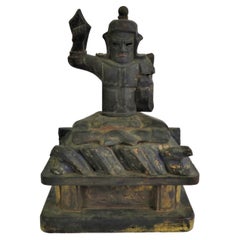
Frühe japanische Hinoki-Holz-Skulptur des Bishamon
Frühe japanische Hinoki-Holzskulptur von Bishamon. Skulptur aus der Kamakura-Zeit (1185 - 1333) aus Hinoki-Holz. Bishamon ist auch als Tamonten bekannt, was so viel bedeutet wie "vie...
Kategorie
Antik, 15. Jahrhundert und früher, Japanisch, Skulpturen und Schnitzereien
Materialien
Holz
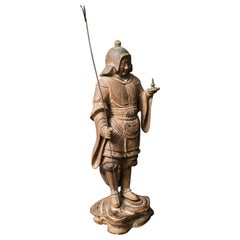
Antiker japanischer geschnitzter Dorf-Buddha-Enku-Stil im Enku-Stil
Ein geschnitzter Holzbuddha mit lackierter Oberfläche im Stil von Erku (1632-1695), einem Mönch aus der Edo-Zeit, der für seine handgeschnitzten Buddha-Statuen im primitiven Stil bek...
Kategorie
Antik, 18. Jahrhundert, Japanisch, Edo, Skulpturen und Schnitzereien
Materialien
Holz
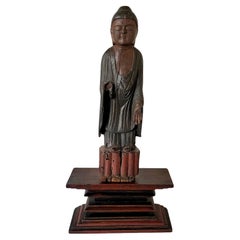
Frühe japanische buddhistische himmlische Figur - wahrscheinlich 500+ Jahre alt - Kamakura
Kamakura japanische buddhistische Himmelsfigur aus Lack. Wahrscheinlich flankierte sie ursprünglich eine Seite des Kopfes eines sehr großen Buddhas in einem Tempel. Größe ist riesig ...
Kategorie
Antik, 15. Jahrhundert und früher, Asiatisch, Skulpturen und Schnitzereien
Materialien
Lack
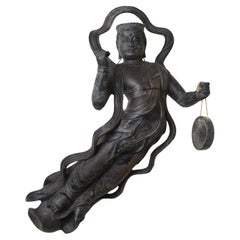
Chinesisches geschnitztes Bodhisattva Guanyin-Holz, späte Ming-Dynastie, 17. Jahrhundert
Eine attraktive geschnitzte Holzfigur des Bodhisattva Avalokiteshvara, in China als Guanyin bekannt, späte Ming-Dynastie, frühes 17. Jahrhundert, China.
Guanyin, der Bodhisattva des...
Kategorie
Antik, Anfang des 17. Jahrhunderts, Chinesisch, Ming-Dynastie, Skulpture...
Materialien
Gips, Holz