Objekte ähnlich wie Japanische antike Shigaraki-Warenvase/1400-1573/Wabi-sabi-Vase aus Japan
Möchten Sie mehr Bilder oder Videos?
Zusätzliche Bilder oder Videos von dem*der Anbieter*in anfordern
1 von 21
Japanische antike Shigaraki-Warenvase/1400-1573/Wabi-sabi-Vase aus Japan
1.299,42 €
Angaben zum Objekt
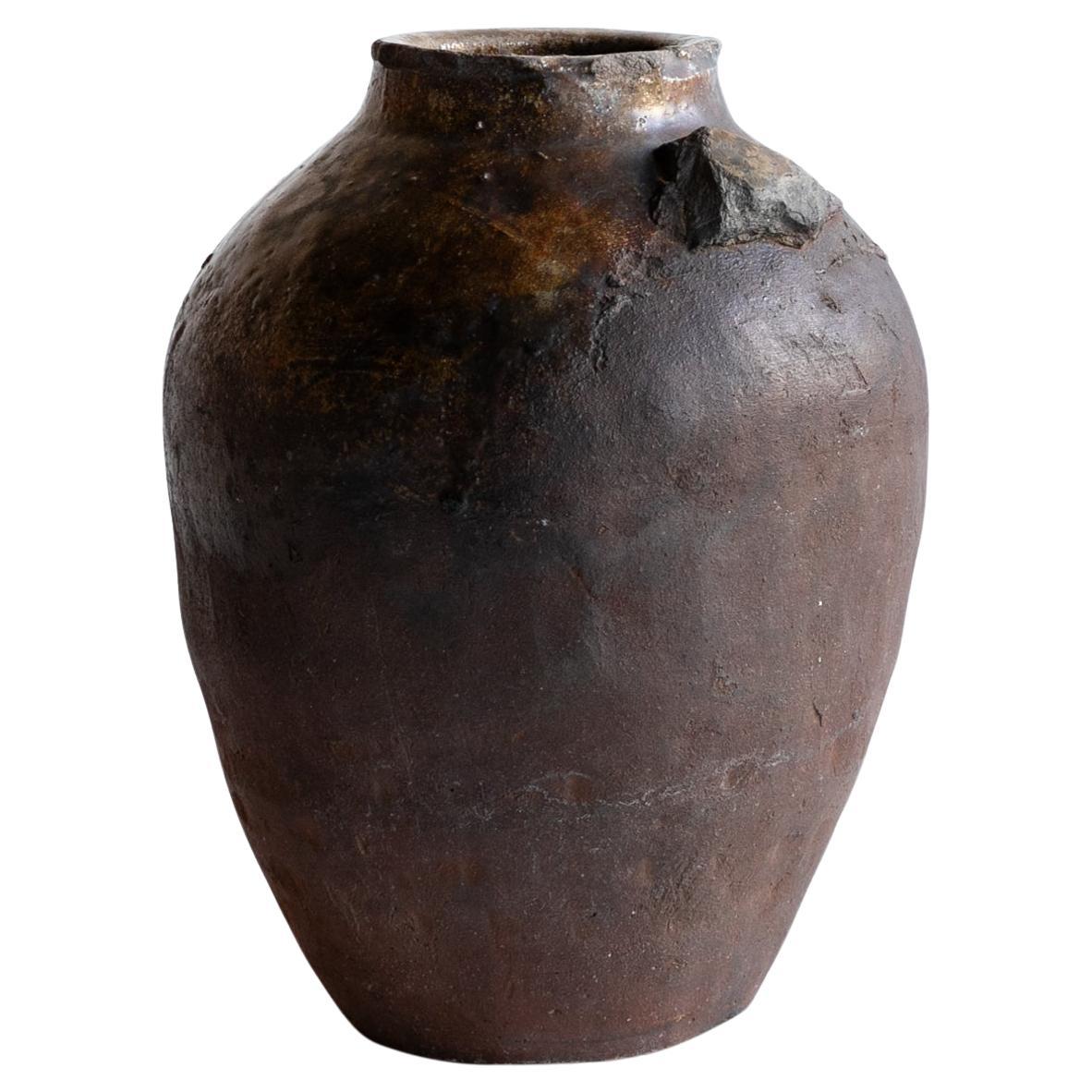
It is "Shigaraki ware".
Shigaraki ware is a historic kiln located in Shiga Prefecture.
(The Shigaraki ware kiln is circled in red in the image.)
It is said to have originated in the 8th century.
There are six kilns with long histories in Japan,
and this is one of them.
This jar was fired in the Muromachi period (1400s), which is even older than the Edo period.
Shigaraki ware is characterized by its abundance of feldspar (glassy pebbles).
Small grains can be seen on the surface of the jar, which are feldspar.
The pebbles that look like they have broken through the jar's skin are also feldspar.
The characteristics of this jar are well displayed.
And the greatest attraction of this jar is the beautiful finish it has after firing.
The appearance of the jar changes greatly depending on the temperature and heat of the kiln.
It is impressive as it produces a gradation of various colors.
It does not have the same appearance from any angle, 360 degrees.
I think it is a masterpiece among Shigaraki ware jars.
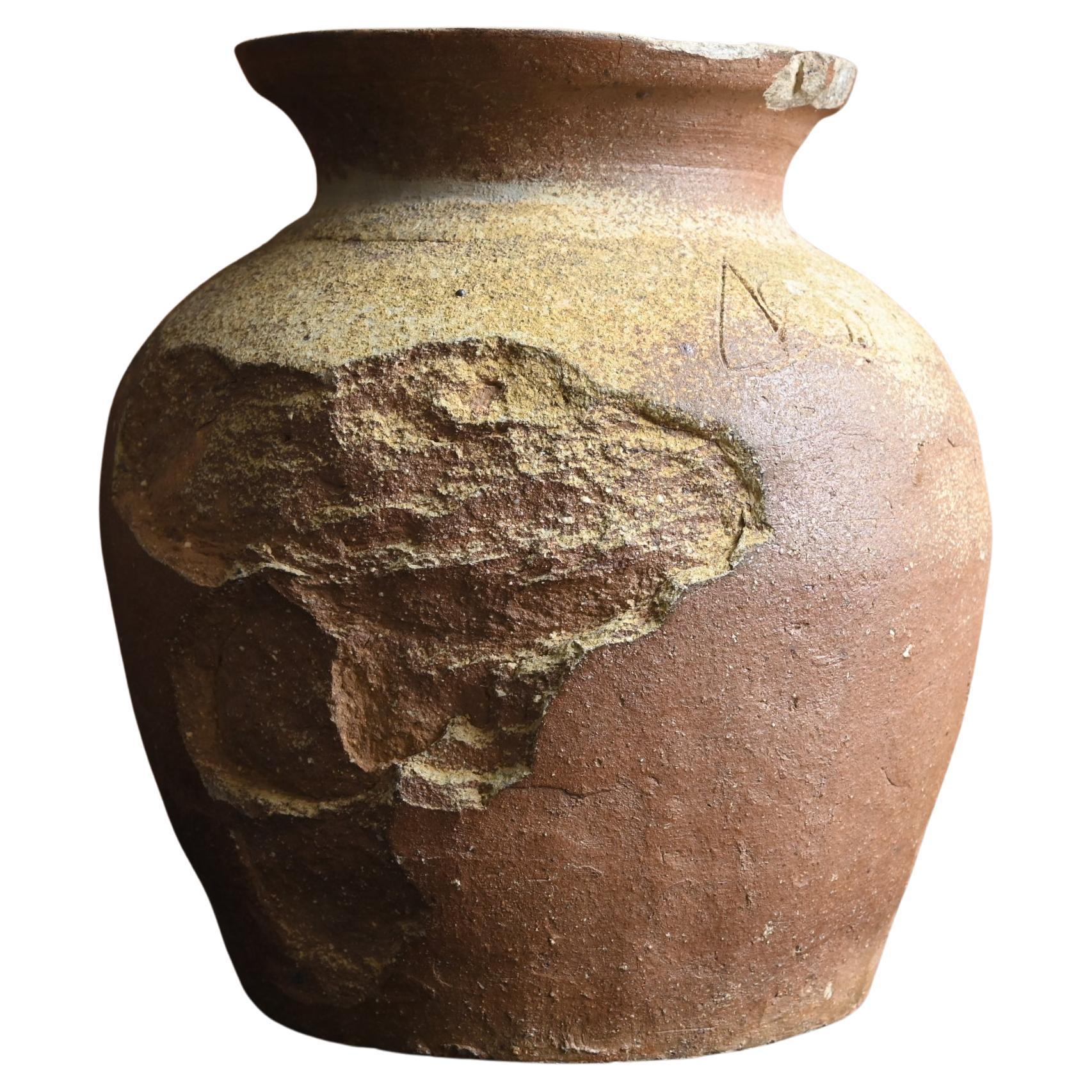
Another interesting point is that this jar usually has a trumpet-like tip, but it was intentionally broken like this.
Old Shigaraki ware jars are often found in this state, and it is thought that the tip was broken to make it easier to use as a tool.
I think this shape is also beautiful.
Also, as a reference, a similar item from the same era as this item was featured in the Japanese art book "Shigaraki Ware Masterpieces Illustrated Guide," so I have attached a photo of it.
Also, the side of this jar that was exposed to the strong heat has a lot of ash on it, and there are traces of natural glaze flow.
The most interesting part is the cracked part.
It is thought to have broken while it was being fired in the kiln.
This is a product of chance.
In Japanese, a jar that looks like torn paper like this is called a "Yabure Tsubo." "Yabure" = torn, "Tsubo" = jar
A jar in this state is very rare.
It is difficult to get one even in Japan.
Also, the part circled in red is probably cracked when it was knocked over.
However, it is glued together so you can use it without any problems.
There is also a thin crack at the bottom, so if you put water in it, it may leak out.
If you want to decorate it with flowers, fill another container with water and put it in this vase.
This item was owned by a Japanese collector.
Why not show it off to your friends?
This vase is recommended!
Weight: 6.3kg
[We have a unique Japanese aesthetic sense.
And only we can introduce unique items through our purchasing channels in Japan and the experience we have gained so far, in such a way that no one else can imitate.]
- Maße:Höhe: 35,2 cm (13,86 in)Durchmesser: 31,6 cm (12,45 in)
- Stil:Sonstiges (Aus dem Zeitalter)
- Materialien und Methoden:
- Herkunftsort:
- Zeitalter:
- Herstellungsjahr:1400-1573
- Zustand:Repariert: the part circled in red is probably cracked when it was knocked over. However, it is glued together so you can use it without any problems. There is also a thin crack at the bottom, so if you put water in it, it may leak out.
- Anbieterstandort:Sammu-shi, JP
- Referenznummer:1stDibs: LU5487242445002
Anbieterinformationen
5,0
Platin-Anbieter*in
Premium-Anbieter*innen mit einer Bewertung über 4,7 und 24 Stunden Reaktionszeit
Gründungsjahr 2015
1stDibs-Anbieter*in seit 2020
1.703 Verkäufe auf 1stDibs
Typische Antwortzeit: 6 Stunde
- VersandAngebot wird abgerufen …Versand von: senzoku, Japan
- Rückgabebedingungen
Einige Inhalte dieser Seite wurden automatisch übersetzt. Daher kann 1stDibs nicht die Richtigkeit der Übersetzungen garantieren. Englisch ist die Standardsprache dieser Website.
Mehr von diesem*dieser Anbieter*in
Alle anzeigenJapanische antike Shigaraki-Warenvase/Vase mit geriffeltem Wabi-sabi-Muster/16. Jahrhundert
Dies ist Shigaraki-Töpferware aus der Präfektur Shiga, Japan. Die Shigaraki-Ware soll um das 8. Jahrhundert in der Region Shigaraki in der Präfektur Shiga entstanden sein und ist ein...
Kategorie
Antik, 15. Jahrhundert und früher, Japanisch, Sonstiges, Gefäße
Materialien
Töpferwaren
Japanisches antikes japanisches Keramikgefäß aus dem 15. bis 16. Jahrhundert/ Wabi-Sabi-Gefäß/Tokoname-Vase
Es ist ein sehr altes Gefäß in Japan.
Dies ist eine Töpferei namens Tokoname ware.
Tokoname ist ein Brennofen in der Präfektur Aichi, Japan.
Es soll um das 12. Jahrhundert herum ents...
Kategorie
Antik, 16. Jahrhundert, Japanisch, Sonstiges, Vasen
Materialien
Töpferwaren
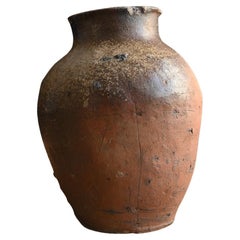
Japanische antike Vase aus Shigaraki-Ware / 13. Jahrhundert / Wabi-sabi Blumenvase
Dieses Gefäß aus Echizen-Keramik wurde in der Kamakura-Periode um das 13. Jahrhundert herum hergestellt. Selbst unter den wenigen erhaltenen Exemplaren mittelalterlicher Echizen-Ware...
Kategorie
Antik, 15. Jahrhundert und früher, Japanisch, Sonstiges, Gefäße
Materialien
Töpferwaren
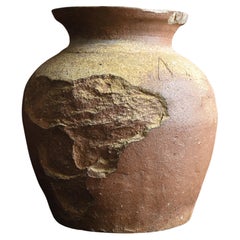
Japanisches antikes japanisches Keramikgefäß aus dem 16.-17. Jahrhundert/ Wabi-Sabi-Vase/Tokoname
Tokoname ist eine Region in der Präfektur Aichi.
Es ist ein Zentrum der Töpferwarenherstellung mit einer sehr alten Geschichte in Japan (um das 12. Jahrhundert).
Diese Krüge wurden ...
Kategorie
Antik, Anfang des 17. Jahrhunderts, Japanisch, Edo, Vasen
Materialien
Töpferwaren
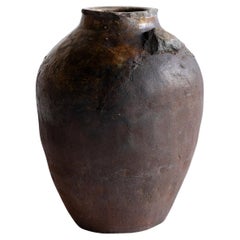
Japanische antike "Shigaraki ware" große Vase / spätes 15. Jahrhundert / Wabi-sabi
Dies ist ein Stück Shigaraki-Töpferware, das in der Präfektur Shiga gebrannt wurde. Die Shigaraki-Ware soll um das 8. Jahrhundert in der Region Shigaraki in der Präfektur Shiga entst...
Kategorie
Antik, 15. Jahrhundert und früher, Japanisch, Sonstiges, Gefäße
Materialien
Töpferwaren
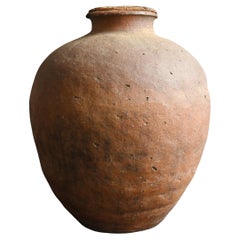
Sehr alte japanische Vase aus ausgegrabenem Steingut/Wabi Sabi-Vase
Dies ist Steingut, das in Japan ausgegraben wurde.
Er hat eine sehr schöne Form und ist gut ausbalanciert.
Die Farbe der Töpferware ist hellbraun, da sie bei niedriger Temperatur geb...
Kategorie
Antik, 15. Jahrhundert und früher, Japanisch, Sonstiges, Vasen
Materialien
Töpferwaren
Das könnte Ihnen auch gefallen
Japanische antike Shigaraki Ware 17. Jahrhundert / Keramik Vase Gefäß Wabi Sabi
Dies ist ein in Japan hergestelltes Keramikgefäß.
Sie stammt aus dem 17. Jahrhundert und ist ein wertvolles Stück, das den Lebensstil und das ästhetische Empfinden der damaligen Zeit...
Kategorie
Antik, 17. Jahrhundert, Japanisch, Edo, Vasen
Materialien
Töpferwaren
693 € Verkaufspreis
46 % Rabatt
Japanese Antique Shigaraki ware 17th Century / Pottery Vase Wabisabi
This is an old pottery pot made in Japan.
It is a very old pot believed to have been made in the 17th century, early Edo period, and is called Koshigaraki in Japan.
Koshigaraki refe...
Kategorie
Antik, 17. Jahrhundert, Japanisch, Edo, Vasen
Materialien
Töpferwaren
1.039 € Verkaufspreis
33 % Rabatt
Antike japanische Edo Meiji Wabi-Sabi Tanba Tamba-Kunstkeramik-Vase/Keramik-Topf/ Topf, Edo Meiji
Eine wunderschön geformte, glasierte (eine Lavakraterglasur, die an moderne westliche Töpferinnen wie Beatrice Wood, Glenn Lukens und Otto und Gertrud Natzler erinnert) und komplex s...
Kategorie
Antik, Spätes 19. Jahrhundert, Japanisch, Meiji-Periode, Tonwaren
Materialien
Tonware, Töpferwaren
Kleine japanische Wabi-Sabi-Vase, Meiji-Periode 1750-1850
Dies ist eine alte japanische Töpferei.
Es stammt aus der Meiji-Zeit (1860-1900).
Er wurde als Feuerlöschgefäß verwendet.
Dieses Stück hat eine schöne Farbe und Textur.
Das ist sehr...
Kategorie
Frühes 20. Jahrhundert, Meiji-Periode, Antiquitäten
Materialien
Töpferwaren
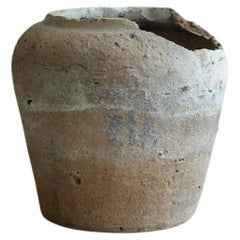
Antike japanische Tsubo-Blumenvase aus Keramik Wabi-Sabi
Dies ist eine alte japanische Vase.
Im Peristom befindet sich ein Chip.
Auf dem Korpus befinden sich mehrere Brennspuren.
Wir werden immer die beste Versandart vorschlagen.
Bitte ko...
Kategorie
Antik, 19. Jahrhundert, Japanisch, Antiquitäten
Materialien
Töpferwaren
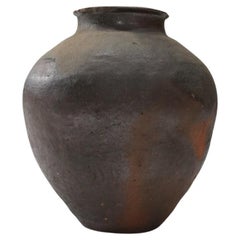
Japanische antike Momoyama Edo Bizen Ware Wabi-Sabi-Kunst Tsubo-Keramik-Vase
Eine absolut atemberaubende Bizen Ware Steinzeug Vase / Krug / Gefäß - irgendwann während der späten Momoyama Periode (1568-1600) / frühen Edo Periode (1603-1867) hergestellt. Bizen-...
Kategorie
Antik, 16. Jahrhundert, Japanisch, Edo, Tonwaren
Materialien
Steingut