Objekte ähnlich wie Old Japanese bamboo and wood display shelf / Traditional design / Showa era

Möchten Sie mehr Bilder oder Videos?
Zusätzliche Bilder oder Videos von dem*der Anbieter*in anfordern
1 von 21
Old Japanese bamboo and wood display shelf / Traditional design / Showa era
1.125,32 €
Angaben zum Objekt
This is a Japanese display shelf (tea shelf) made in the early to mid-Showa period. It consists of solid wood boards arranged above and below, quietly supported by slender bamboo posts. Its simple structure, stripped of all ornamentation, embodies a Japanese sense of materiality and aesthetic sensibilities.
The wood used for the shelves is likely cork. The wood has a gentle grain, with beautiful annual rings that naturally flow from the center to the left and right, and its pale color exudes depth. Both the top and bottom have the thickness and stability you expect from solid wood, and despite its light appearance, it exudes the solidity of a tool.
These boards are connected by carved bamboo posts. The boards have pre-drilled holes into which the bamboo posts are inserted, resulting in a very simple structure. Because bamboo is a natural material, each piece varies slightly in thickness and shape, so the holes may feel tight depending on where you insert them. Each bamboo post has a relatively well-matched hole, so you can easily assemble it by starting with the easiest part rather than forcing it in. Installation should be smooth.
Another major attraction of this shelf is that it is made entirely from the materials and structure, without relying on metal fittings or adhesives. The act of assembly itself leads to an understanding of the structure, naturally creating time for the user to engage with the tools. This concept is shared with tea ceremony utensils and traditional Japanese furniture, and gives it a value that goes beyond mere storage furniture.
This shelf can also be disassembled for storage; when not in use, the bamboo posts can be removed and the boards and posts can be stored separately. This product embodies the wisdom of Japanese life: assembling only when needed and making efficient use of space.
It pairs well with Japanese spaces, stone Buddha statues, Chinese art, and Southeast Asian objects. Even in modern spaces with concrete floors and white walls, the softness of the bamboo and wood creates a pleasant contrast. This shelf enhances the items on display without being overly assertive, adding a sense of quiet tension and elegance to the entire space.
While there are slight signs of wear due to age, there are no structural issues or major damage, and the overall condition is excellent. The patina of aged materials lends it a sophisticated look, creating a depth not found in new furniture.
This Showa-era display shelf, with its simple design, is timeless and can be used for many years to come. Use it in your home as a tool to beautifully organize the "white space" in your space.
Dimensions: W 75.5cm x D 38.6cm x H 61cm
Weight: 7.9kg
Item Number: CA092
- Maße:Höhe: 61 cm (24,02 in)Breite: 75,5 cm (29,73 in)Tiefe: 38,6 cm (15,2 in)
- Stil:Showa (Aus dem Zeitalter)
- Materialien und Methoden:
- Herkunftsort:
- Zeitalter:
- Herstellungsjahr:1926-1970
- Zustand:
- Anbieterstandort:Sammu-shi, JP
- Referenznummer:1stDibs: LU5487248089012
Anbieterinformationen
5,0
Platin-Anbieter*in
Premium-Anbieter*innen mit einer Bewertung über 4,7 und 24 Stunden Reaktionszeit
Gründungsjahr 2015
1stDibs-Anbieter*in seit 2020
1.703 Verkäufe auf 1stDibs
Typische Antwortzeit: 6 Stunde
- VersandAngebot wird abgerufen …Versand von: senzoku, Japan
- Rückgabebedingungen
Einige Inhalte dieser Seite wurden automatisch übersetzt. Daher kann 1stDibs nicht die Richtigkeit der Übersetzungen garantieren. Englisch ist die Standardsprache dieser Website.
Mehr von diesem*dieser Anbieter*in
Alle anzeigenJapanischer traditioneller Design-Ausstellungsständer / japanische Regale aus altem Holz
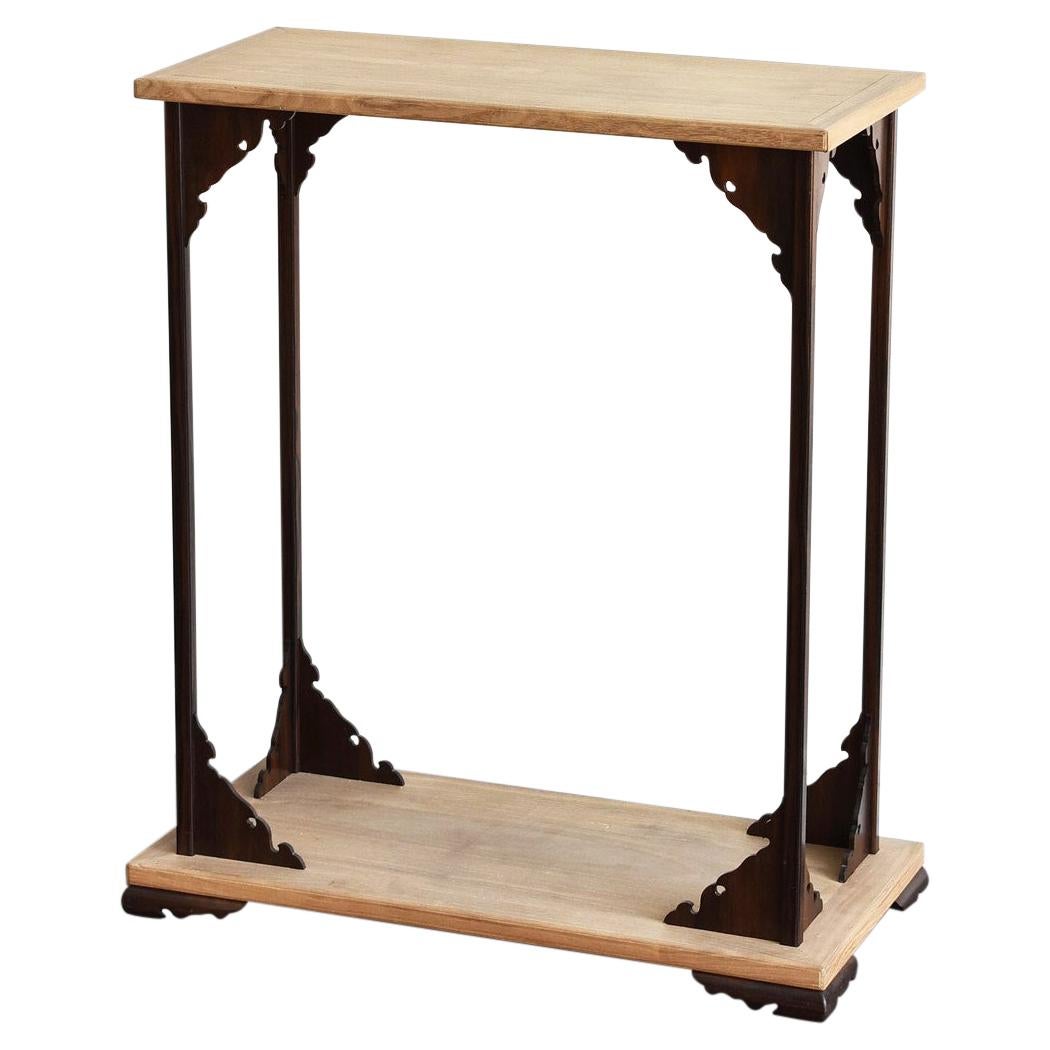
Es ist ein Regal aus sehr schönem traditionellem japanischem Dekor und Holz.
Das Holz ist Paulownia und Ebenholz.
Paulownia ist ein häufig für Tansu verwendetes MATERIAL.
Es ist ein ...
Kategorie
20. Jahrhundert, Japanisch, Showa, Möbel
Materialien
Sonstiges
Antikes japanisches, antikes Holz-Aufbewahrungsregal/Schrank aus Holz/ frühes 20. Jahrhundert/Woodenschrank
Dies ist ein vertikaler Holzschrank aus japanischem Zedernholz aus der ersten Hälfte des 20. Obwohl nicht bekannt ist, wo er verwendet wurde, strahlt sein Aussehen eine Schönheit aus...
Kategorie
Frühes 20. Jahrhundert, Japanisch, Taisho, Schränke
Materialien
Zedernholz
Japanischer antiker hölzerner Sofatisch/letztes 19. Jahrhundert/Wabi-sabi niedriger Tisch
Es handelt sich um ein Brett und eine Holzkiste, die in Japan von der Meiji- bis zur frühen Showa-Periode verwendet wurden.
Diese beiden lassen sich zu einem niedrigen Tisch kombinie...
Kategorie
Antik, Spätes 19. Jahrhundert, Japanisch, Meiji-Periode, Sofatische
Materialien
Zedernholz
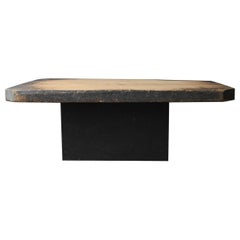
Japanisches antikes Arbeitsbrett aus Holz / 20. Jahrhundert / kleiner Verkaufsständer
Dies ist eine alte japanische Holzwerkbank aus Zelkova-Holz (Keyaki), das für seine Härte und schöne Maserung bekannt ist. Die dicke Querschnittsform lässt die konzentrischen Wachstu...
Kategorie
20. Jahrhundert, Japanisch, Taisho, Antiquitäten
Materialien
Holz
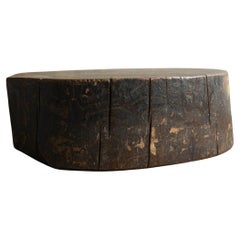
Japanischer antiker langer niedriger Holztisch/1868-1920/einfacher Sofatisch
Dies ist eine hölzerne Werkbank aus der ersten Hälfte des 20. Jahrhunderts in Japan, ein Stück mit einer stattlichen Konstruktion und einer langen Geschichte. Für die Deckplatte wird...
Kategorie
Antik, Spätes 19. Jahrhundert, Japanisch, Showa, Sofatische
Materialien
Holz
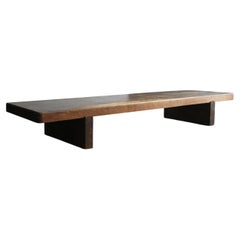
Old Japanese niedriger japanischer Holztisch/Sofatisch/modernes Design
Dies ist ein alter japanischer Holztisch.
Man geht davon aus, dass sie während der Showa-Periode hergestellt wurde.
Es handelt sich um einen Sperrholztisch mit Maulbeerholzfurnier (c...
Kategorie
Mitte des 20. Jahrhunderts, Japanisch, Showa, Sofatische
Materialien
Sperrholz
Das könnte Ihnen auch gefallen
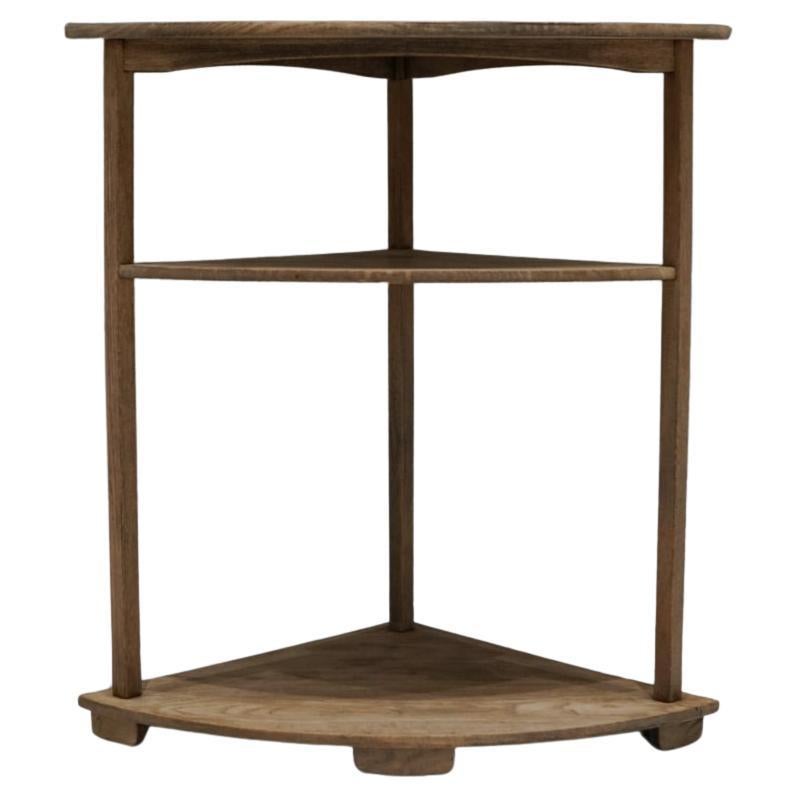
Japanisches Eckregal aus Tamo-Holz, 1950er-1970er Jahre - Wabi-Sabi
Ein japanisches Eckregal aus Tamo-Holz (japanische Esche) aus den 1950er bis 1970er Jahren.
Der schlanke, fein konstruierte Rahmen verleiht jedem Innenraum ein Gefühl von Offenheit.
...
Kategorie
Mitte des 20. Jahrhunderts, Japanisch, Möbel
Materialien
Holz

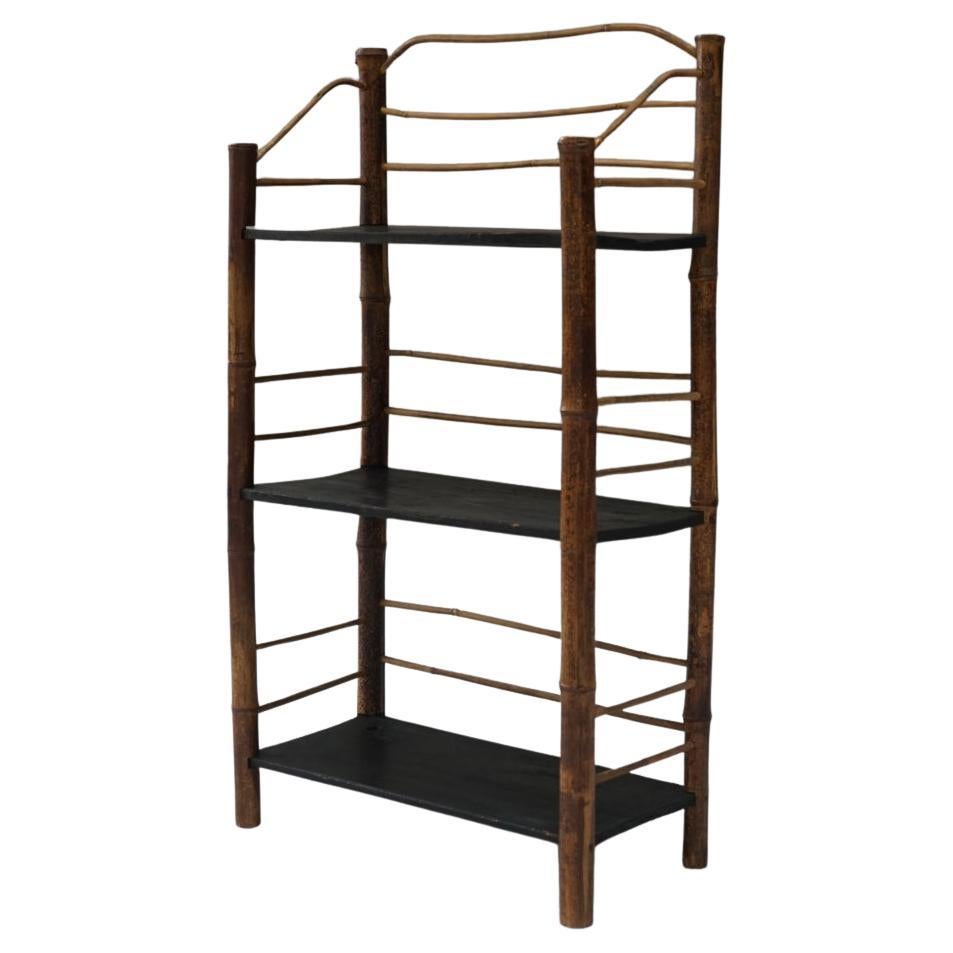
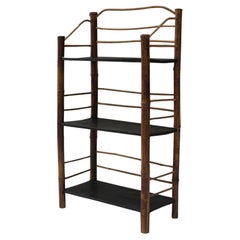
Japanisches antikes Bambusregal Volkskunst Wabi-Sabi
Es ist ein kleines Regal aus Bambus.
Die Regale sind aus Holz gefertigt.
Es handelt sich um einen Gegenstand der Volkskunst, der von den Menschen in der Vergangenheit von Hand herges...
Kategorie
Frühes 20. Jahrhundert, Japanisch, Möbel
Materialien
Bambus
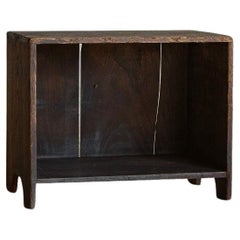
Japanisches antikes japanisches kleines Regal, späte Meiji-Ära
1868-1912
Wabi Sabi
Dieses antike kleine Regal wurde in der späten Meiji-Ära (1868-1912) hergestellt.
Es zeichnet sich durch eine satte und tiefe Farbe aus, die die schöne Patina hervorhebt, die sich i...
Kategorie
Antik, Spätes 19. Jahrhundert, Japanisch, Meiji-Periode, Regale
Materialien
Kastanienholz
Japanisches antikes japanisches, kleines Vitrinenregal Wabi-Sabi Japandi
Dies ist ein kleines japanisches Regal.
Es ist aus Zelkova-Holz gefertigt.
Es hat eine ausdrucksstarke Maserung und ist klein, aber sehr präsent.
Ich denke, es wäre großartig, Ihre L...
Kategorie
Frühes 20. Jahrhundert, Japanisch, Möbel
Materialien
Holz
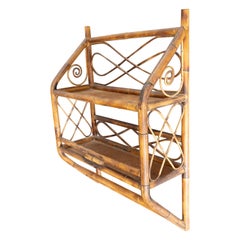
Italienisches Bambus-Wandregal aus der Mitte des 20.
Ein stilvolles zweistöckiges Wandregal aus Rattan und Bambus aus der Mitte des Jahrhunderts, um 1960. Schönes spiralförmiges Rattan-Design an den Seiten mit dem ursprünglichen Finish...
Kategorie
Mitte des 20. Jahrhunderts, Italienisch, Regale und Wandschränke
Materialien
Bambus, Rattan
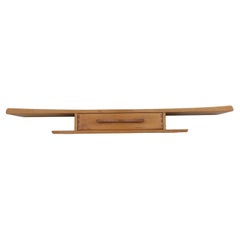
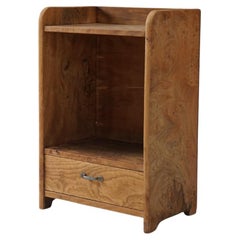
Vintage maßgeschneiderte japanischen Stil schwebenden Regal
Wunderschönes schwebendes Regal mit Schublade. Dieses Stück ist eine Sonderanfertigung und stammt aus den 1990er Jahren.
Hergestellt aus massivem Sycamore mit einem Griff aus Walnu...
Kategorie
20. Jahrhundert, Englisch, Regale
Materialien
Eichenholz, Walnuss