Objekte ähnlich wie Japanese Antique Glass Showcase Cabinet, Taisho Era (1912–1926), Cedar Wood

Video wird geladen …
Möchten Sie mehr Bilder oder Videos?
Zusätzliche Bilder oder Videos von dem*der Anbieter*in anfordern
1 von 20
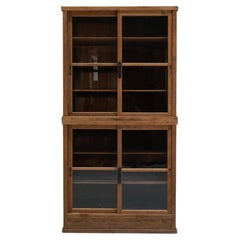
Japanese Antique Glass Showcase Cabinet, Taisho Era (1912–1926), Cedar Wood
2.165,88 €
Angaben zum Objekt
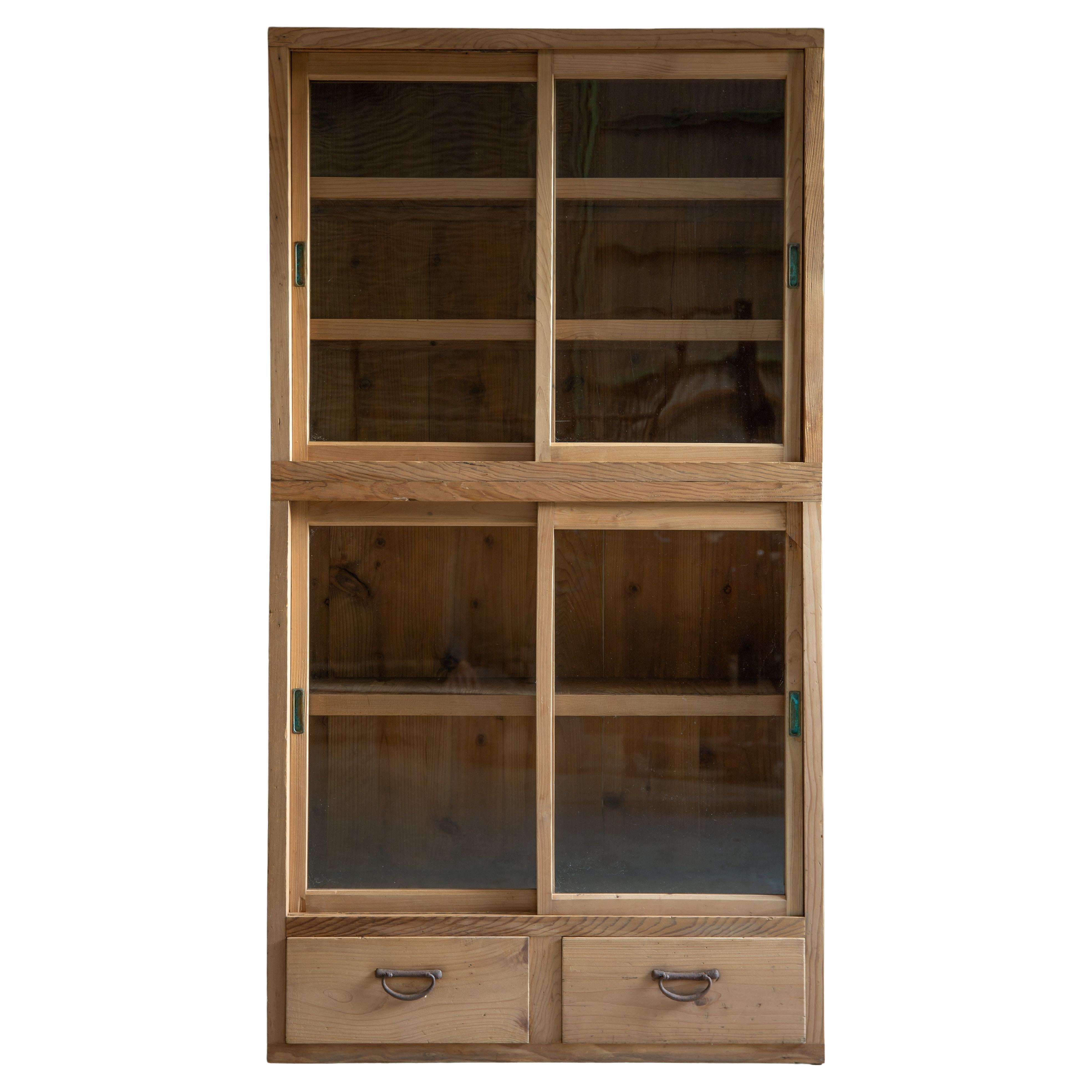
This Japanese antique cabinet dates to the Taisho Era (1912–1926) and was found in the Tohoku region of northern Japan.
Crafted entirely from solid cedar wood, the cabinet features original early-period glass with gentle waviness, characteristic of glass produced using traditional methods before modern industrial processes became common. The upper sliding glass doors were designed to function as a showcase, indicating that this piece was originally used in a shop or office rather than in a private residence.
Because the doors were not intended for frequent opening and closing, they were made without handles. While this creates a very clean and restrained appearance, opening the doors requires gently grasping the edge of the wooden frame. The sliding action itself has been carefully maintained and remains smooth.
Over time, the exterior cedar surfaces have weathered naturally, softening into a warm, gentle texture. The wood does not feel dry or harsh; instead, it retains a subtle richness shaped by decades of everyday use.
The exterior has been gently cleaned to remove accumulated dirt and an aged surface coating—believed to be a traditional rice-wash finish once used for practical protection. This process was carried out with care, preserving the cabinet’s natural patina and warmth. In contrast, the interior of the cabinet and the drawer interiors have been thoroughly cleaned, ensuring a fresh and comfortable storage environment while maintaining the piece’s antique character.
The top surface is finished more roughly than the rest of the cabinet. This suggests that the top was not treated as a visual focal point, or that an additional tier may originally have been placed above it. Tool marks from large hand saws remain visible, offering a clear trace of manual woodworking rather than machine processing. Far from detracting, these marks add to the cabinet’s authenticity and are considered a valued detail by many collectors.
The structure is solid, and the top has sufficient strength to support decorative objects or everyday appliances with confidence.
Below the glass section are four drawers, each fitted with original iron handles handmade by a blacksmith. The backplates feature a heart-shaped cutout known in Japan as Inome, or “boar’s eye.” Rather than a simple decorative motif, this traditional form has long been regarded as a protective charm, believed to ward off misfortune and invite good fortune.
Shaped by practical use and time, this cabinet carries a quiet sense of history. Its restrained design reflects its original purpose, allowing it to function beautifully today as a display cabinet, storage piece, or showcase in both modern and traditional interiors.
Condition Notes:
- Structure is sound and stable with no structural issues
- Surface shows age-related wear including scratches, small cracks, and dents consistent with age
- Original antique glass shows gentle waviness, along with small scratches and areas of cloudiness typical of early glass
- Back panel shows gaps caused by natural wood contraction over time
- Faint remnants of handwritten markings remain on one side panel from past use
- Sliding doors and drawers operate smoothly
Cleaned and disinfected with a non-toxic solution.
As an authentic Taisho-era piece, this cabinet shows natural signs of age inherent to Japanese antique furniture. Characteristics such as finish wear, wood movement, small splits, surface marks, and interior staining are reflections of its history and authenticity, not defects. Please review all photos carefully—condition details are visible in the images—and feel free to contact us with any questions before purchasing.
Interior dimensions (approx.)
Sliding glass-door interior:
W: 33.7" (85.6 cm) / D: 14.8" (37.6 cm)
H: 10.6" (26.8 cm) upper / 11.0" (28.0 cm) lower
Drawer interior:
W: 15.9" (40.5 cm) / D: 15.7" (39.8 cm)
H: 5.3" (13.4 cm) upper / 6.3" (15.9 cm) lower
Weight: 62.2 lbs (28.2 kg)
Shipping Information:
We ship from Japan. I will provide my own shipping quote. Please ask.
Import duties, taxes, and customs fees are the responsibility of the buyer.
Approach to Selection and Restoration
Each piece is individually selected through our own eye, then restored to reveal its most compelling state. Movement, stability, and surface are considered as one—shaped through practice to be lived with naturally, honoring the wood’s natural patina while avoiding environmentally harsh chemical strippers or forceful abrasion.
- Maße:Höhe: 100,4 cm (39,53 in)Breite: 95 cm (37,41 in)Tiefe: 44,5 cm (17,52 in)
- Stil:Taisho (Aus dem Zeitalter)
- Materialien und Methoden:
- Herkunftsort:
- Zeitalter:
- Herstellungsjahr:Circa 1920
- Zustand:Neu lackiert. Abnutzung dem Alter und der Nutzung entsprechend. Structurally sound and stable. Age-related wear such as scratches, small cracks, dents, and glass waviness are present, consistent with age. Sliding doors and drawers operate smoothly, and the cabinet remains fully functional for everyday use.
- Anbieterstandort:Hitachiomiya-shi, JP
- Referenznummer:1stDibs: LU7430248098952
Anbieterinformationen
5,0
Platin-Anbieter*in
Premium-Anbieter*innen mit einer Bewertung über 4,7 und 24 Stunden Reaktionszeit
Gründungsjahr 2019
1stDibs-Anbieter*in seit 2022
83 Verkäufe auf 1stDibs
Typische Antwortzeit: 1 Stunde
- VersandAngebot wird abgerufen …Versand von: Hitachiomiya, Japan
- Rückgabebedingungen
Einige Inhalte dieser Seite wurden automatisch übersetzt. Daher kann 1stDibs nicht die Richtigkeit der Übersetzungen garantieren. Englisch ist die Standardsprache dieser Website.
Mehr von diesem*dieser Anbieter*in
Alle anzeigenAntiker japanischer Glasvitrinenschrank, Taisho-Ära (1912-1926), Wabi Sabi
Diese japanische Glasvitrine wurde in der Taisho-Periode (1912-1926) aus Sugi (japanische Zeder) gefertigt und mit Kakishibu (Kaki-Tannin in Verbindung mit Kiefernruß) lackiert, was ...
Kategorie
Frühes 20. Jahrhundert, Schränke
Materialien
Zedernholz
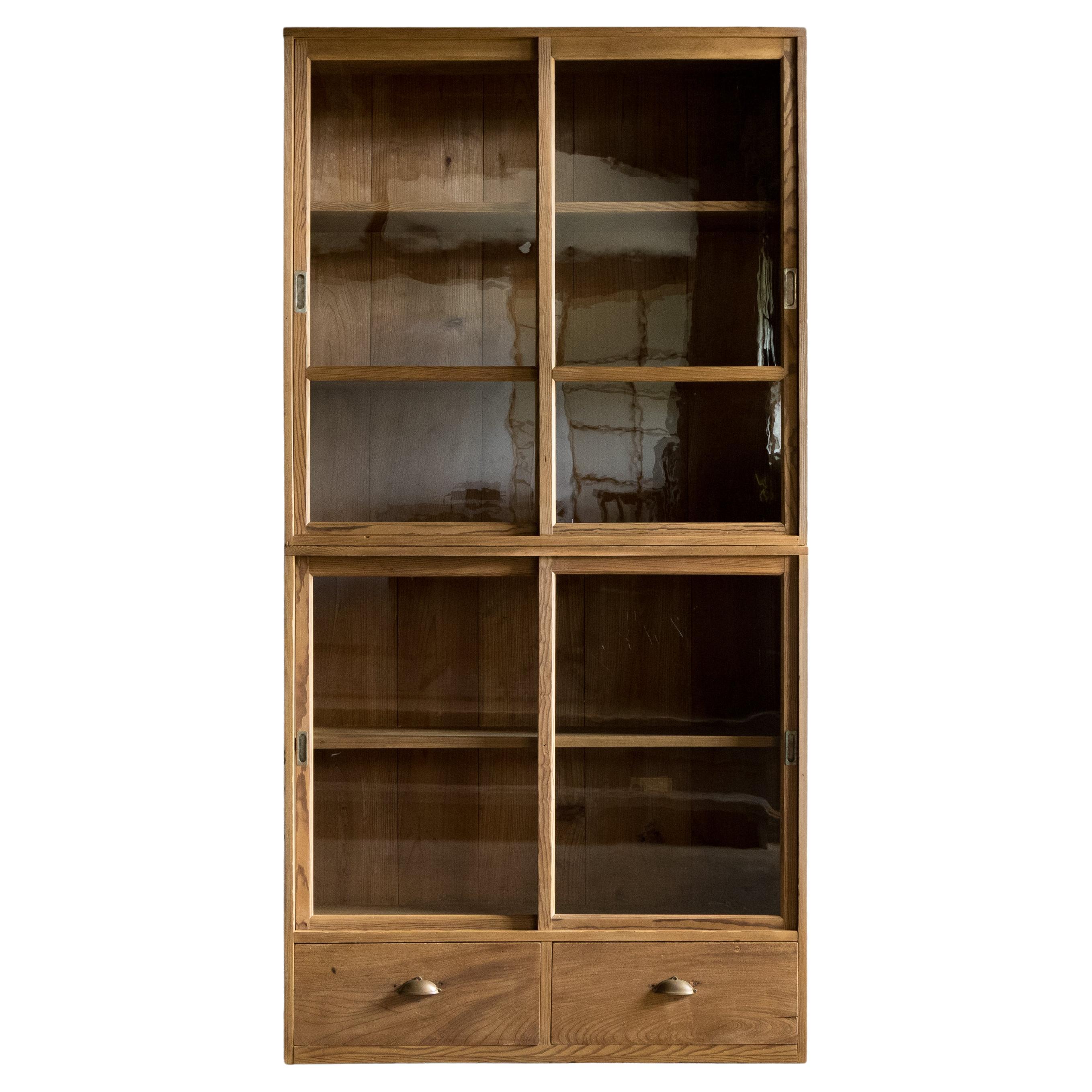
Japanische Vintage Stapel-Glasvitrine, Kiefer, frühe Showa 1926- (A)
Diese japanische Vintage-Glasvitrine wurde in der frühen Showa-Periode (1926-) hergestellt.
Er ist aus japanischem Kiefernholz (Matsu) gebaut und hat eine ruhige, schöne Ausstrahlun...
Kategorie
Mitte des 20. Jahrhunderts, Japanisch, Showa, Geschirrschränke
Materialien
Kiefernholz
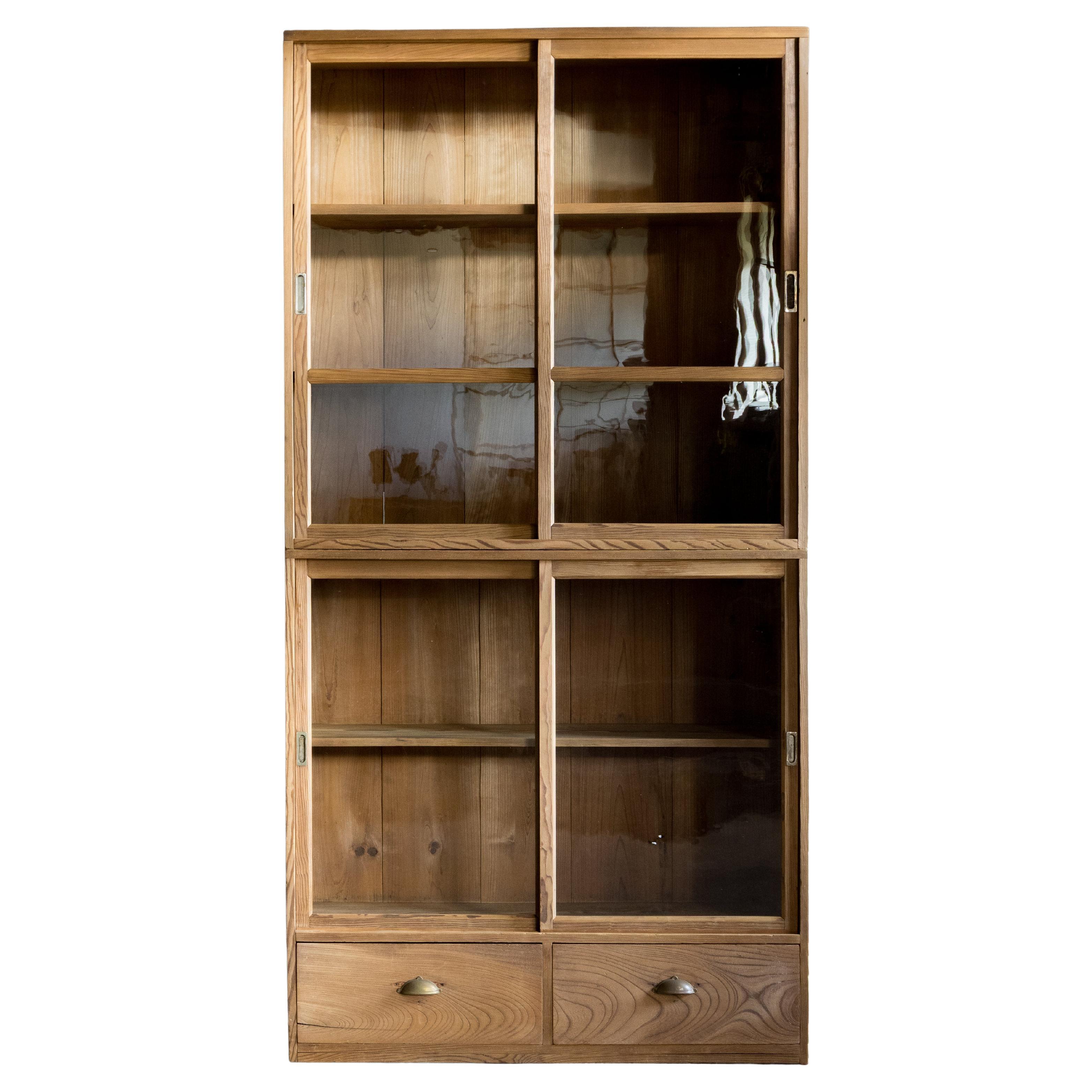
Japanische Vintage Stapel-Glasvitrine, Kiefer, frühes Showa 1926- (B)
Diese japanische Vintage-Glasvitrine wurde in der frühen Showa-Periode (1926-) hergestellt.
Er ist aus japanischem Kiefernholz (Matsu) gebaut und hat eine ruhige, schöne Ausstrahlun...
Kategorie
Mitte des 20. Jahrhunderts, Japanisch, Showa, Geschirrschränke
Materialien
Kiefernholz
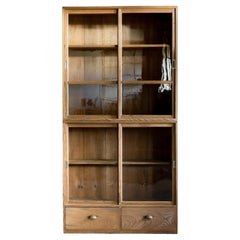
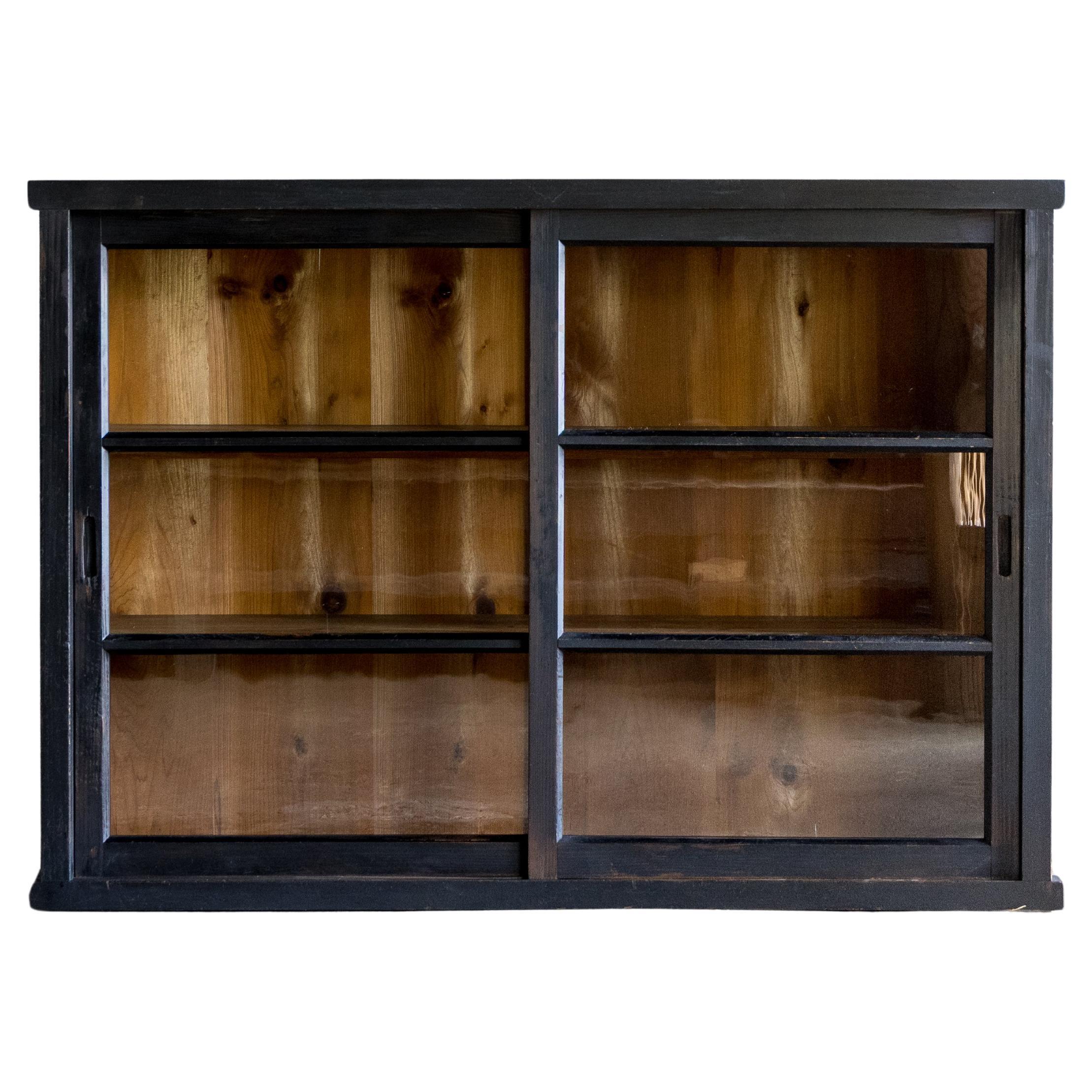
Japanischer Vintage-Schrank mit Glasschiebetür, frühe Showa-Periode (1926-)
Dieser Vintage-Schrank wurde in der frühen Showa-Periode (1926-) hergestellt.
Die Oberfläche aus schwarz lackiertem japanischem Zedernholz zeigt eine sanfte, gelebte Patina, die ein...
Kategorie
Mitte des 20. Jahrhunderts, Japanisch, Showa, Schränke
Materialien
Zedernholz
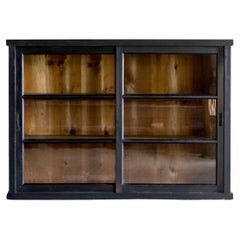
Japanischer Vintage-Vitrinenschrank mit zwei Teilen, frühe Showa-Periode (1926-1945)
Diese japanische Glasvitrine wurde in der frühen Showa-Periode (1926-1945) aus Sugi (japanisches Zedernholz) gefertigt und mit schwarzem Cashew-Lack lackiert. Die glatte, mattschwarz...
Kategorie
Mitte des 20. Jahrhunderts, Japanisch, Showa, Schränke
Materialien
Zedernholz
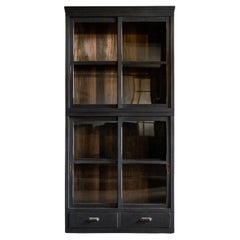
Antiker japanischer Schiebetürenschrank (Cha Tansu), Taisho-Ära (1912-1926), Wabi
Dieser japanische Schiebetürenschrank (cha tansu) wurde in der Taisho-Periode (1912-1926) unter Verwendung einer durchdachten Kombination von Hölzern hergestellt: kiri (Paulownia) fü...
Kategorie
Frühes 20. Jahrhundert, Japanisch, Taisho, Schränke
Materialien
Holz, Zedernholz
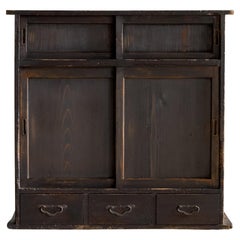
Das könnte Ihnen auch gefallen
1930er - 50er Jahre Japanische antike 2-stöckige Glasvitrine mit Schubladen, organisches Wabi sabi
aus der Region Kanto, Japan.
Diese 2-stöckige, hölzerne Vitrine ist ein Produkt der 1930er - 50er Jahre (frühe Showa-Periode) Schätzung von Stil, MATERIAL und Bedingungen.
es ist...
Kategorie
20. Jahrhundert, Japanisch, Organische Moderne, Schränke
Materialien
Glas, Holz, Zedernholz
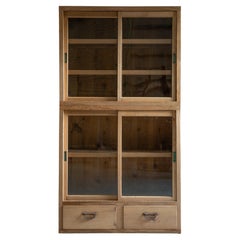
1940er Jahre japanische Vintage-Glasschrank w / Schubladen, Bücherregal wabi sabi organischen
Neue Funde aus Kominka (altes Haus im traditionellen Stil) im Besitz einer alteingesessenen Familie, Präfektur Ibaraki. , Japan.
Dieser Vintage-Glasschrank wurde in den 1940er Jahr...
Kategorie
Vintage, 1940er, Japanisch, Organische Moderne, Schränke
Materialien
Holz, Asche
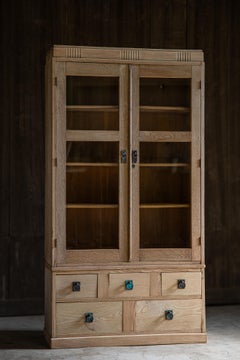
Japanischer antiker japanischer Schrank/Schrank/Schrank aus Glas, Japandi, 1912er-1926er Jahre
Dies ist ein alter japanischer Schrank.
Sie wurde während der Taisho-Ära hergestellt.
Wenn man bedenkt, dass es über 100 Jahre alt ist, ist es in einem relativ guten Zustand.
Der Rah...
Kategorie
Frühes 20. Jahrhundert, Japanisch, Taisho, Möbel
Materialien
Holz
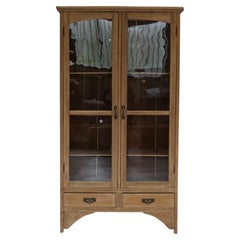
Glasvitrine, Lagerregale, Japanische Antiquitäten, Wabi Sabi, Japandi
Wir haben eine besondere Vitrine fertiggestellt, die das Beste von ICCAs Handwerkskunst repräsentiert.
Das Hauptmaterial ist Kastanie, die eine schöne Maserung und eine lange Lebens...
Kategorie
Frühes 20. Jahrhundert, Japanisch, Taisho, Schränke
Materialien
Holz
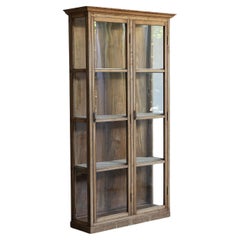
Japanische Antike Glastür Ablage Regal Schrank Wabi-Sabi Japandi
Dies ist ein japanischer Aufbewahrungsschrank mit Glastüren, der ursprünglich vor vielen Jahren als Warenregal in einem traditionellen Geschäft verwendet wurde.
Ganz aus massivem Zed...
Kategorie
Frühes 20. Jahrhundert, Japanisch, Möbel
Materialien
Holz
Japanese Antique Cedar Storage Cabinet, 1930s–1940s, Japandi Wabi-Sabi
A Japanese antique storage cabinet crafted from cedar and dating from the 1930s–1940s.
The soft grain and lightweight character of cedar give the cabinet a calm, gentle presence that...
Kategorie
Frühes 20. Jahrhundert, Japanisch, Möbel
Materialien
Holz