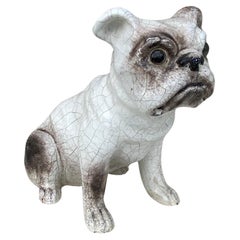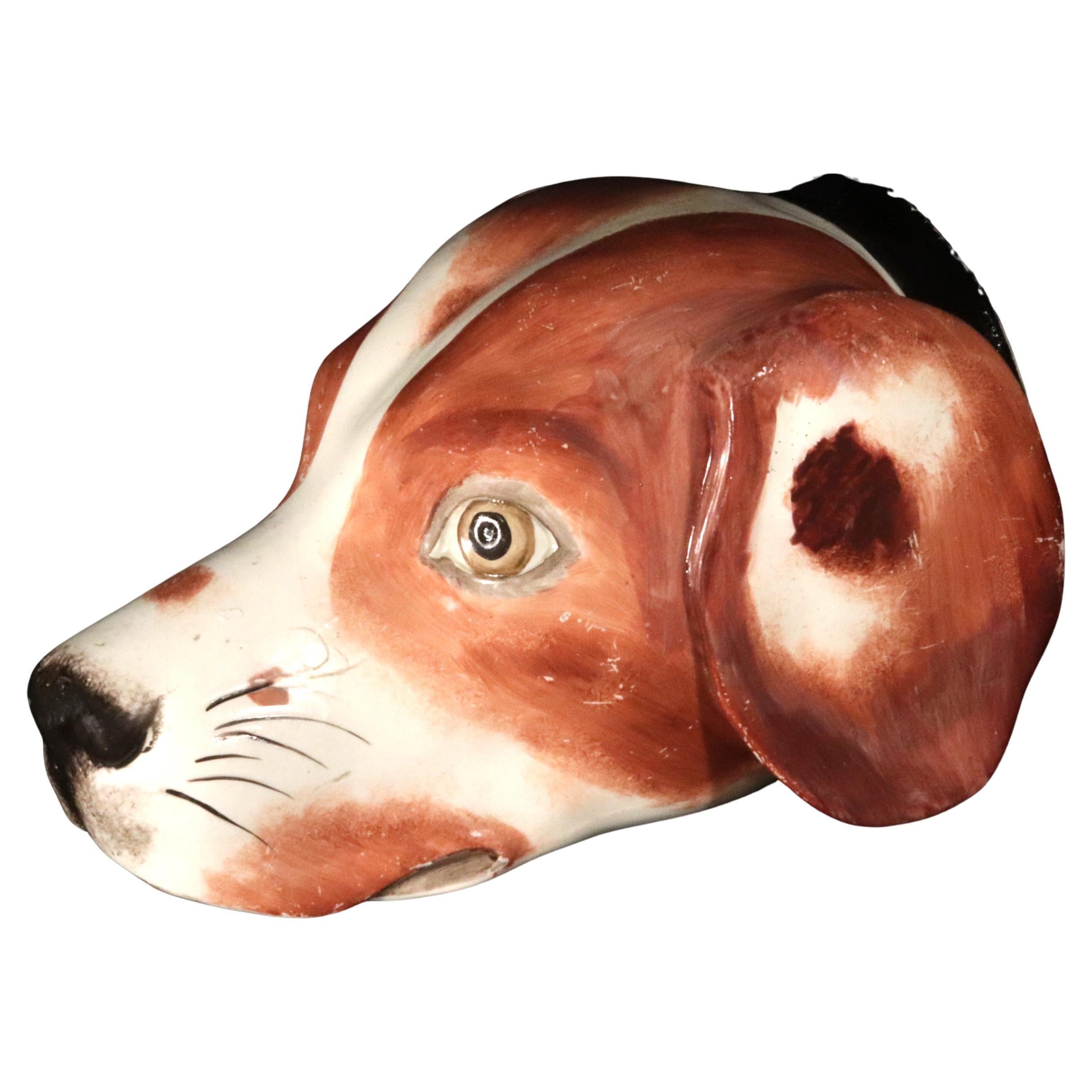
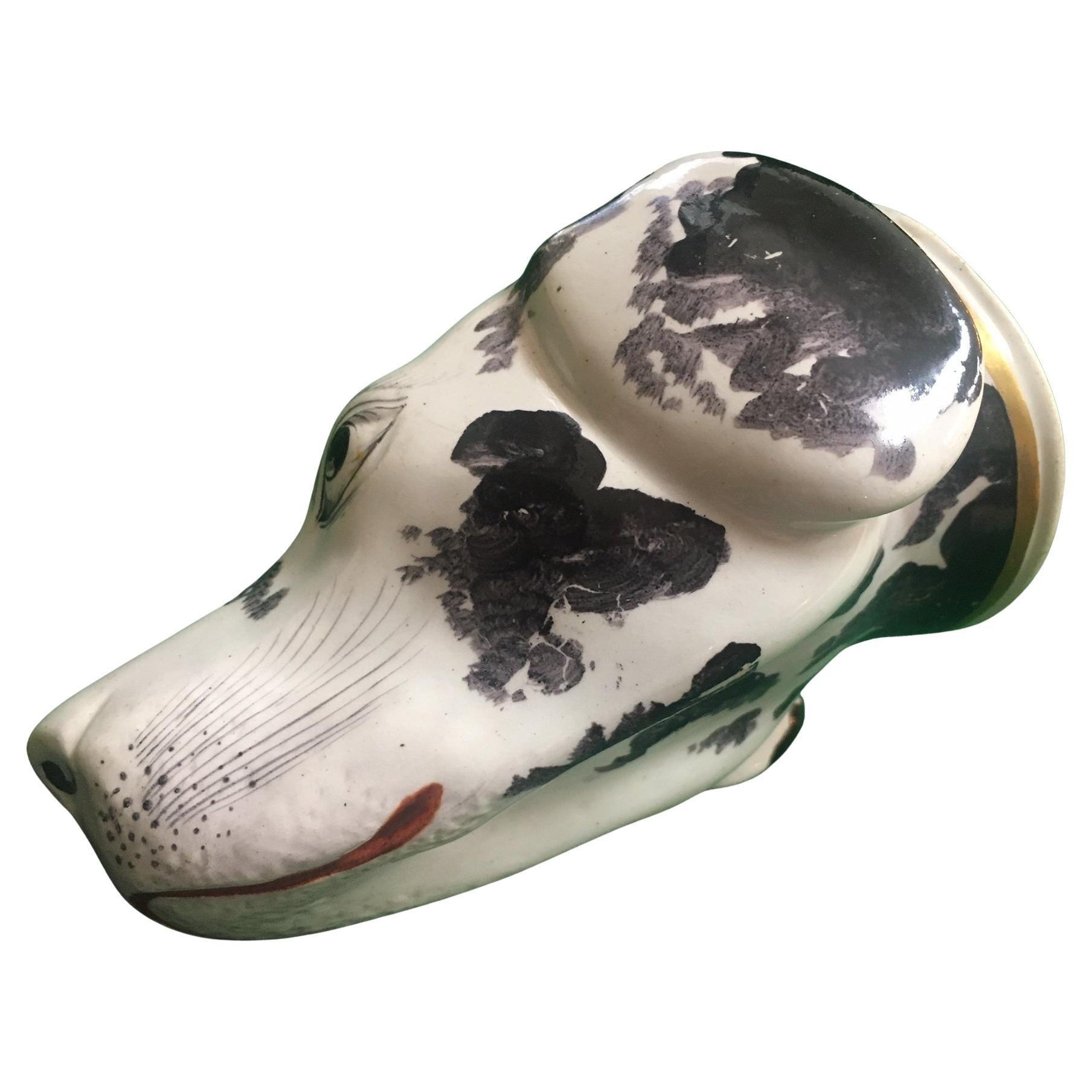
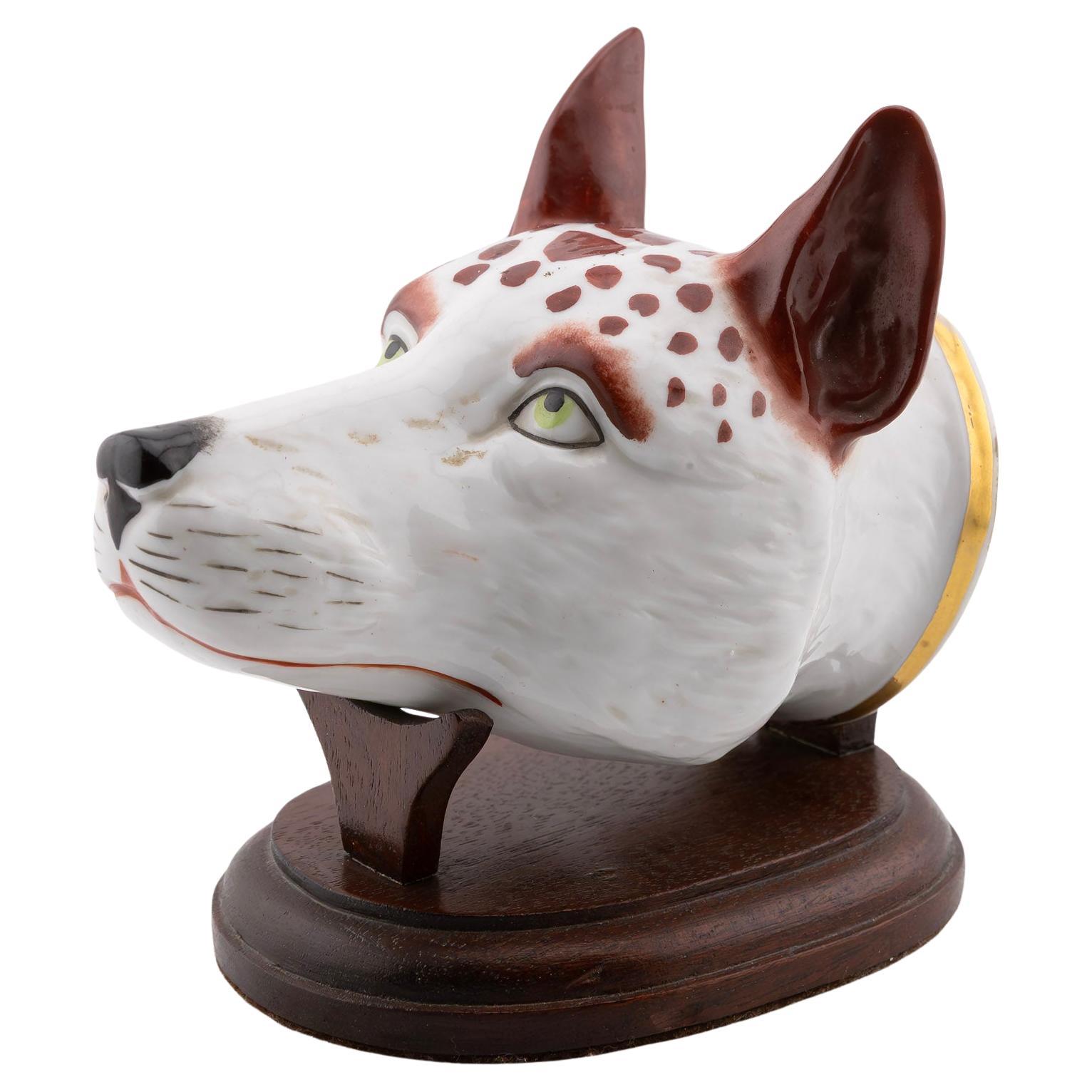
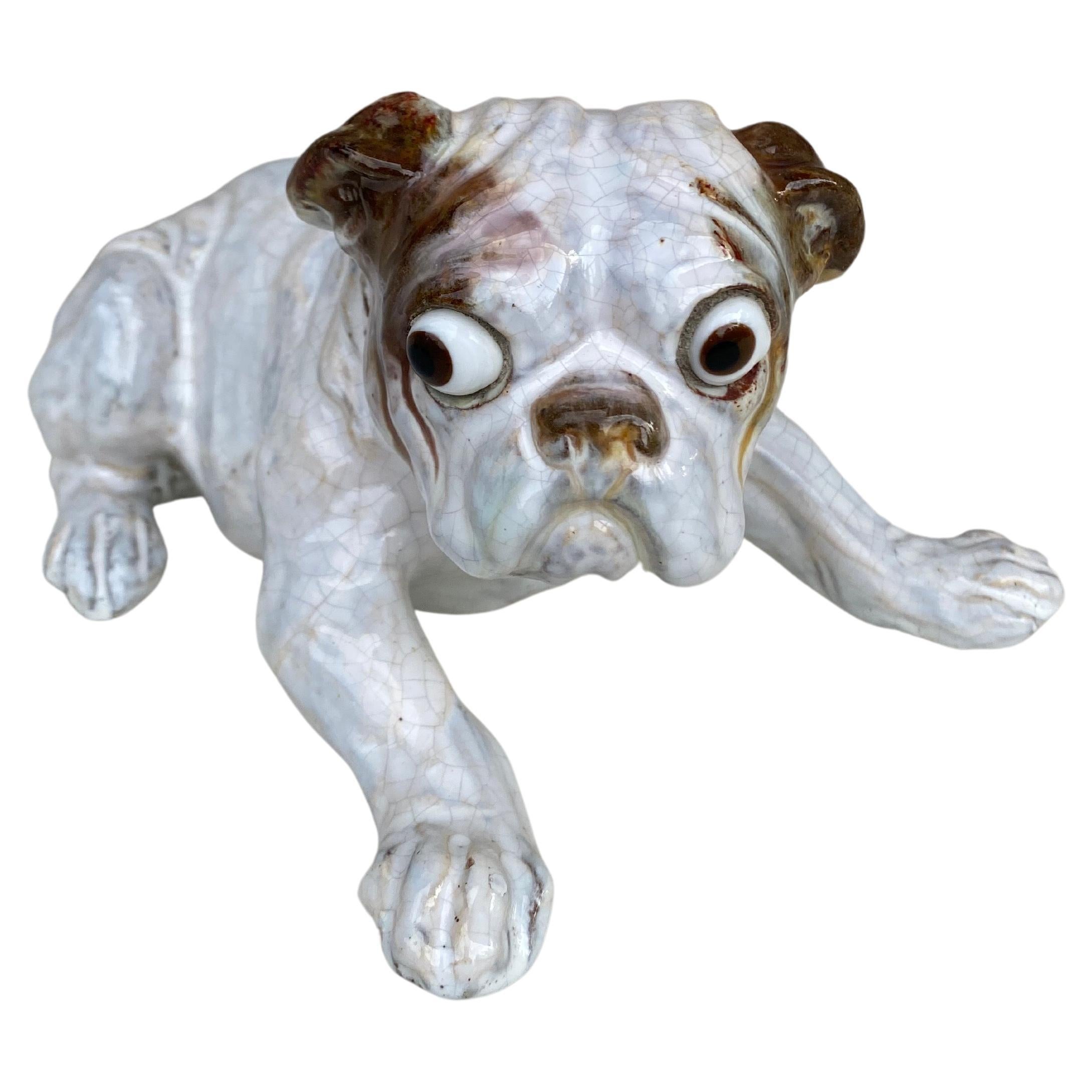
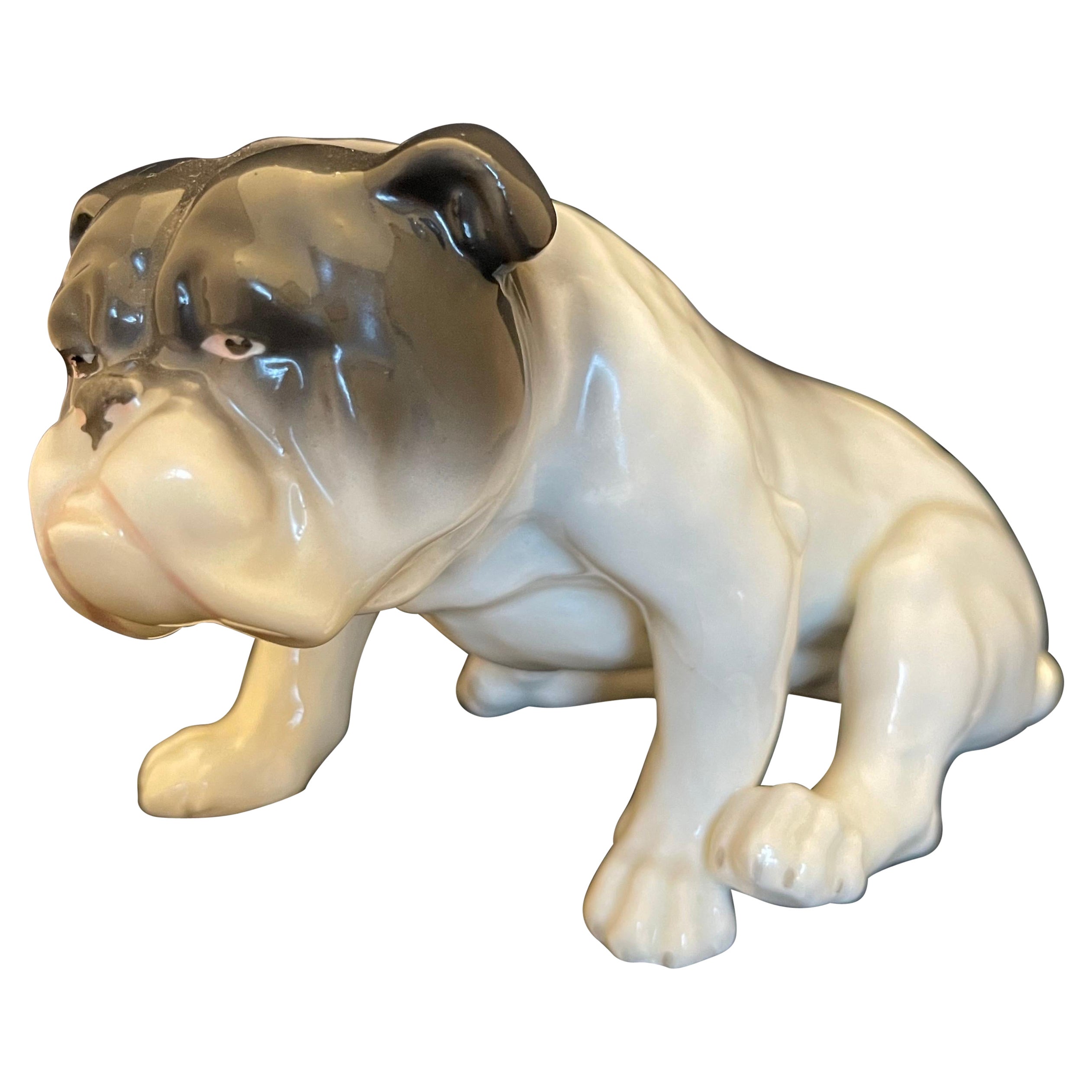
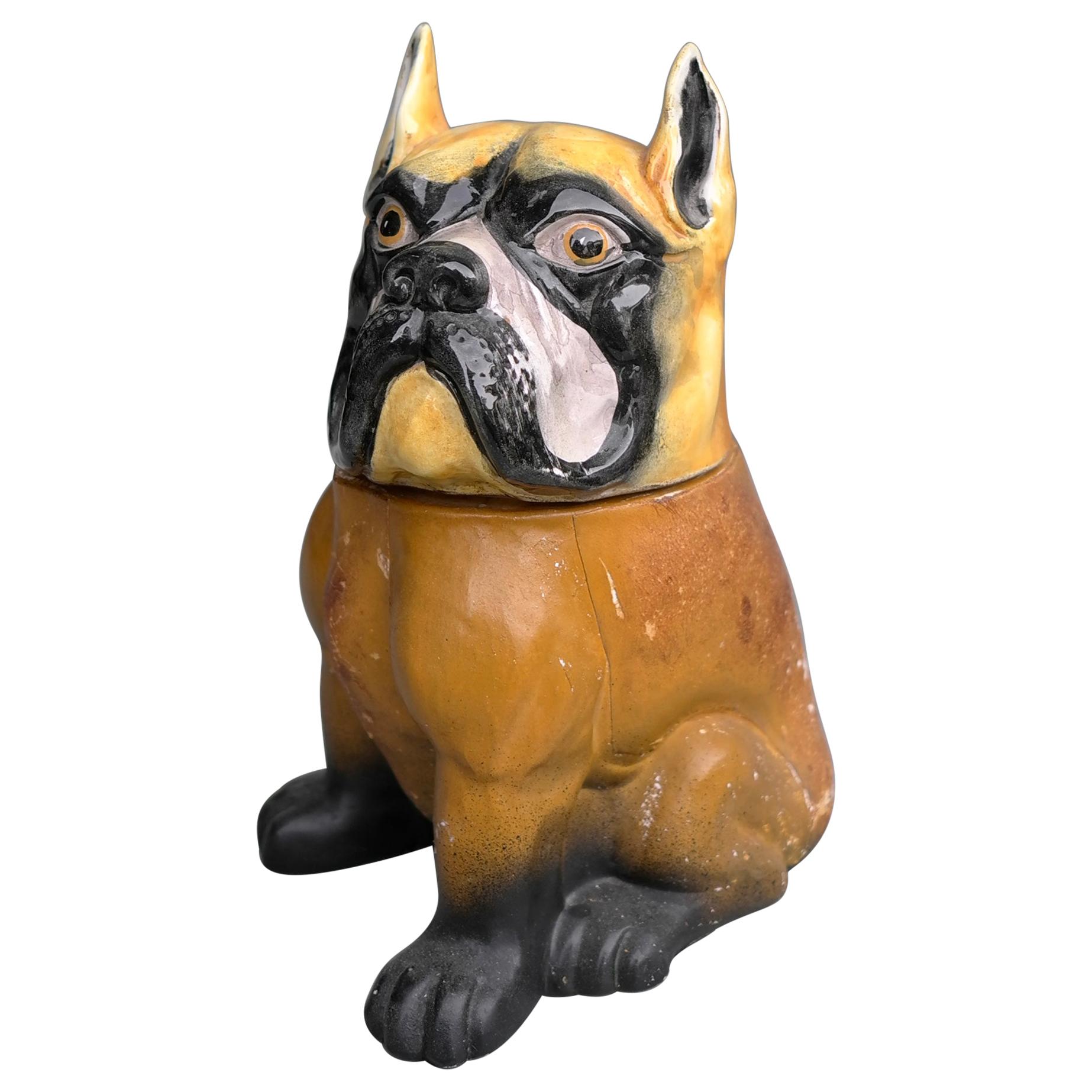
Staffordshire Pottery Bulldog Stirrup Cup
Angaben zum Objekt
- Schöpfer*in:Staffordshire (Hersteller*in)
- Maße:Höhe: 11,43 cm (4,5 in)Breite: 13,34 cm (5,25 in)Tiefe: 9,53 cm (3,75 in)
- Stil:Regency (Aus dem Zeitalter)
- Materialien und Methoden:
- Herkunftsort:
- Zeitalter:
- Herstellungsjahr:1820-30
- Zustand:Abnutzung dem Alter und der Nutzung entsprechend. Good with a hairline on the interior base which on the exterior is very short- see photos.
- Anbieterstandort:Downingtown, PA
- Referenznummer:Anbieter*in: NY10793-naum1stDibs: LU861045349872
Staffordshire
Dank seiner Vorkommen an Ton, Blei, Salz und Kohle war Staffordshire, England, seit dem frühen 17. Jahrhundert ein Zentrum für Keramik. Einst gab es in der Grafschaft Hunderte von Töpferwerkstätten und bis zu 4.000 flaschenförmige Brennöfen, die das ganze Jahr über in Betrieb waren. Die Bezeichnung "Staffordshire Potteries" bezieht sich auf das Industriegebiet von Stoke-on-Trent - bestehend aus den Städten Burslem, Fenton, Hanley, Longton, Stoke und Tunstall -, in dem der Großteil der Produktion konzentriert war.
Im Jahr 1720 entdeckte der Töpfer John Astbury, dass er durch die Zugabe von gemahlenem Feuersteinpulver zum örtlichen roten Ton das herstellen konnte, was später als Cremeware bezeichnet wurde. Da die Ressourcen in Staffordshire so reichlich vorhanden waren, konnten es sich die lokalen Töpfer leisten, zu experimentieren und ihre Techniken und Designs zu verfeinern. Einer dieser Innovatoren war Thomas Whieldon, ein bedeutender Töpfer des 18. Jahrhunderts, der heute für seine Schildpatt-Ware bekannt ist, deren brillante glasierte Oberfläche in Karamell-, Gelb- und Grüntönen mit Kupfer- und Manganverbindungen hergestellt wurde.
Whieldon betrieb die Werkstatt von Fenton Low, in der Kaffee- und Teekannen, Tafelservice und sogar dekorative Messereinsätze hergestellt wurden. Er war eine einflussreiche Persönlichkeit: Josiah Spode ging in der Werkstatt in die Lehre, bevor er 1770 sein Unternehmen eröffnete, und Josiah Wedgwood arbeitete fünf Jahre lang mit Whieldon zusammen, bevor er 1759 seine gleichnamige Firma gründete.
Wedgwood ist vielleicht der bekannteste Töpfer aus Staffordshire. Die Firma produzierte eine Serie von hellem Steingut für Königin Charlotte, die so sehr mochte, dass sie die Erlaubnis erteilte, es unter dem Namen Queen's Ware zu vermarkten, das trotz des Namens für den täglichen Gebrauch bestimmt war.
In diesem Sinne schuf Wedgwood 1773 auch das 954-teilige Froschservice für Katharina die Große von Russland. Bekannt ist das Unternehmen auch für sein schwarzes Steinzeug Black Basalt, das Farbe und Form etruskischer Vasen nachahmt, Jasperware, mit seinen klassischen Reliefs auf dem unglasierten Scherben, und Perlenware.
Ende des 18. Jahrhunderts war Staffordshire der Hauptproduzent von Keramik für die amerikanischen Kolonien und stellte sogar patriotische Produkte zur Feier der Unabhängigkeit für diesen Markt her. Mitte des 18. Jahrhunderts wurden die Motive auf Staffordshire-Keramik mit dem Aufkommen der Transferware standardisiert, bei der ein auf eine Kupferplatte geätztes Motiv auf Seidenpapier gedruckt wird, das dann zur Übertragung der nassen Farbe auf die Keramikoberfläche verwendet wird. Diese Technik ermöglichte es den Kunsthandwerkern, ihre Waren mit komplexen Szenen zu verzieren, die sich um die Oberfläche eines Objekts wickelten, und mehrere Kopien von beliebten Mustern herzustellen.
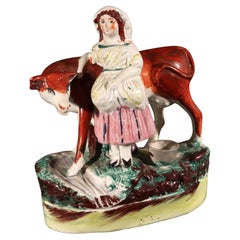
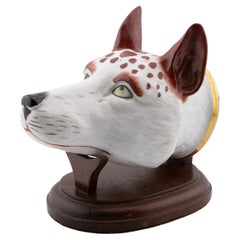
Die Töpfer in Staffordshire stellten auch dekorative Figuren her, wie dieses charmante Paar Kühe aus dem 19. Jahrhundert. Besonders beliebt waren in Großbritannien Stücke mit Jagdmotiven, wie diese George IV Porzellantasse in Form eines Fuchskopfes, der ein vergoldetes Halsband mit der Aufschrift "Tallyho" trägt,. Zu den vielen skurrilen Gefäßen, die hergestellt wurden, gehört dieser Froschbecher aus der Mitte des 19. Jahrhunderts . Die Außenseite ist mit einer charmanten Szene bemalt, die auf der einen Seite Menschen beim Obstpflücken und auf der anderen Seite Damen auf einer Gartenschaukel zeigt. Im Inneren des Bechers ist ein Froschkopf eingegossen, der ein gurgelndes Geräusch von sich gibt, wenn das Getränk fast vollständig getrunken wurde.
Auf 1stDibs finden Sie eine Auswahl an antiker Keramik aus den Staffordshire Potteries, darunter Dekorationsobjekte, Teeservice, Essteller und andere Artikel.
- VersandAngebot wird abgerufen …Versand von: Downingtown, PA
- Rückgabebedingungen
Mehr von diesem*dieser Anbieter*in
Alle anzeigenAntik, Frühes 19. Jahrhundert, Englisch, Regency, Töpferwaren
Töpferwaren, Perlenware, Keramik
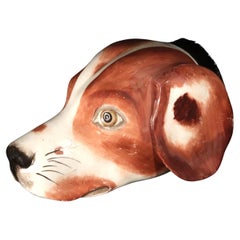
Antik, Mitte des 18. Jahrhunderts, Figurative Skulpturen
Keramik, Wedgwoodware, Töpferwaren
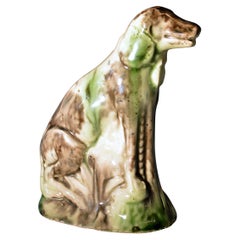
Antik, Spätes 18. Jahrhundert, Englisch, Georgian, Töpferwaren
Perlenware, Töpferwaren
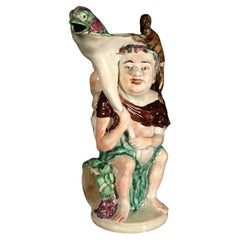
Antik, 1760er, Georgian, Töpferwaren
Keramik, Wedgwoodware, Töpferwaren
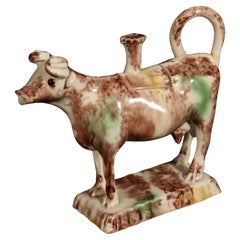
Antik, 1870er, Englisch, Volkskunst, Tonwaren
Töpferwaren
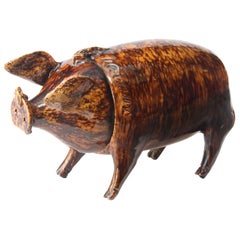
Antik, 1860er, Englisch, Viktorianisch, Töpferwaren
Töpferwaren
Das könnte Ihnen auch gefallen
Antik, 1820er, Englisch, Regency, Sportausrüstung und -andenken
Porzellan
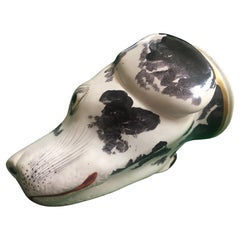
Antik, 19. Jahrhundert, Englisch, Viktorianisch, Porzellan
Porzellan
Antik, Frühes 20. Jhdt., Französisch, Französische Provence, Tierskulpturen
Terrakotta
Frühes 20. Jahrhundert, Deutsch, Tierskulpturen
Porzellan
Vintage, 1960er, Italienisch, Moderne der Mitte des Jahrhunderts, Tiersk...
Leder, Keramik

Antik, Frühes 20. Jhdt., Französisch, Französische Provence, Tierskulpturen
Terrakotta