Objekte ähnlich wie Japanese Antique Low Table 1860s-1920s / Sofa Table Wabi Sabi
Möchten Sie mehr Bilder oder Videos?
Zusätzliche Bilder oder Videos von dem*der Anbieter*in anfordern
1 von 20
Japanese Antique Low Table 1860s-1920s / Sofa Table Wabi Sabi
2.800 €
Angaben zum Objekt
This sculptural low table is composed of two antique Japanese utilitarian objects, created during the late Meiji to early Taishō period, approximately (1868 to 1920).
The tabletop is formed from solid cedar wood, while the base is a traditional Japanese mortar carved from a single block of zelkova.
Each element carries its own material character and temporal depth, yet together they form a restrained and intentional composition defined by balance, weight, and quiet tension.
The cedar board was originally used as a working surface in daily life, supporting the preparation of mochi and other grains.
The zelkova mortar functioned as a fundamental tool for processing food, closely tied to repetitive bodily movement, seasonal rituals, and communal labor.
Neither element was created for decorative purposes.
They emerged out of necessity, shaped by function, touch, and time.
Through decades of use and exposure to natural conditions, the surfaces have absorbed layers of history.
Marks left by hands, pressure, impact, humidity, and drying cycles have accumulated into a deeply muted patina.
The cedar surface, in particular, reveals an appearance reminiscent of primordial abstraction.
It is not a designed image, but a surface drawn slowly by time itself.
Notably, the tabletop presents distinct expressions on its front and reverse sides.
Each surface carries its own depth and visual resonance, allowing the work to be experienced differently depending on orientation and installation.
When combined, the board and mortar transcend their original roles.
The relationship between the horizontal plane and the vertical mass evokes both architectural clarity and primitive presence.
This piece exists simultaneously as furniture and as an installation object, one that becomes complete only through its placement in space.
Rather than serving as visual ornament, it introduces silence, gravity, and spatial pause.
The work embodies the spirit of wabi sabi, the Japanese aesthetic that embraces imperfection, impermanence, and authenticity.
Its beauty does not assert itself.
Instead, it invites contemplation, allowing material honesty and proportion to speak quietly.
It stands in clear contrast to excess, decoration, and overt refinement.
Surviving examples of utilitarian objects that retain such expressive presence, while achieving sculptural coherence, are extremely rare.
This piece occupies a liminal space between folk object, sculpture, and architectural form, and should be understood as a singular work.
The tabletop is also offered independently.
A separate listing is available for those who wish to acquire the cedar board on its own, allowing for alternative interpretations and installations.
Dimensions
W1100 × D600 × H510 mm
Historically, Japanese culture has emphasized the creation of tools from familiar natural materials, using them repeatedly, repairing them, and passing them down through generations.
The traces left behind are not embellishments, but records of lived time and human gesture.
In a contemporary world driven by speed, consumption, and disposability, this work offers a quiet counterpoint.
It speaks of endurance, reuse, and the dignity of materials shaped by necessity.
Guided by this philosophy, we curate Japanese antiques that possess a silent strength, timeless presence, and deep resonance within space.
- Ähnlich wie:Axel Vervoordt (Designer*in)
- Maße:Höhe: 51 cm (20,08 in)Breite: 110 cm (43,31 in)Tiefe: 60 cm (23,63 in)
- Stil:Meiji-Periode (Aus dem Zeitalter)
- Materialien und Methoden:
- Herkunftsort:
- Zeitalter:
- Herstellungsjahr:1860s-1920s
- Zustand:Abnutzung dem Alter und der Nutzung entsprechend. Geringfügige Schäden.
- Anbieterstandort:Sammu-shi, JP
- Referenznummer:1stDibs: LU5487248074372
Anbieterinformationen
5,0
Platin-Anbieter*in
Premium-Anbieter*innen mit einer Bewertung über 4,7 und 24 Stunden Reaktionszeit
Gründungsjahr 2015
1stDibs-Anbieter*in seit 2020
1.703 Verkäufe auf 1stDibs
Typische Antwortzeit: 6 Stunde
- VersandAngebot wird abgerufen …Versand von: Sammushi, Japan
- Rückgabebedingungen
Einige Inhalte dieser Seite wurden automatisch übersetzt. Daher kann 1stDibs nicht die Richtigkeit der Übersetzungen garantieren. Englisch ist die Standardsprache dieser Website.
Mehr von diesem*dieser Anbieter*in
Alle anzeigenJapanischer antiker hölzerner Sofatisch/letztes 19. Jahrhundert/Wabi-sabi niedriger Tisch
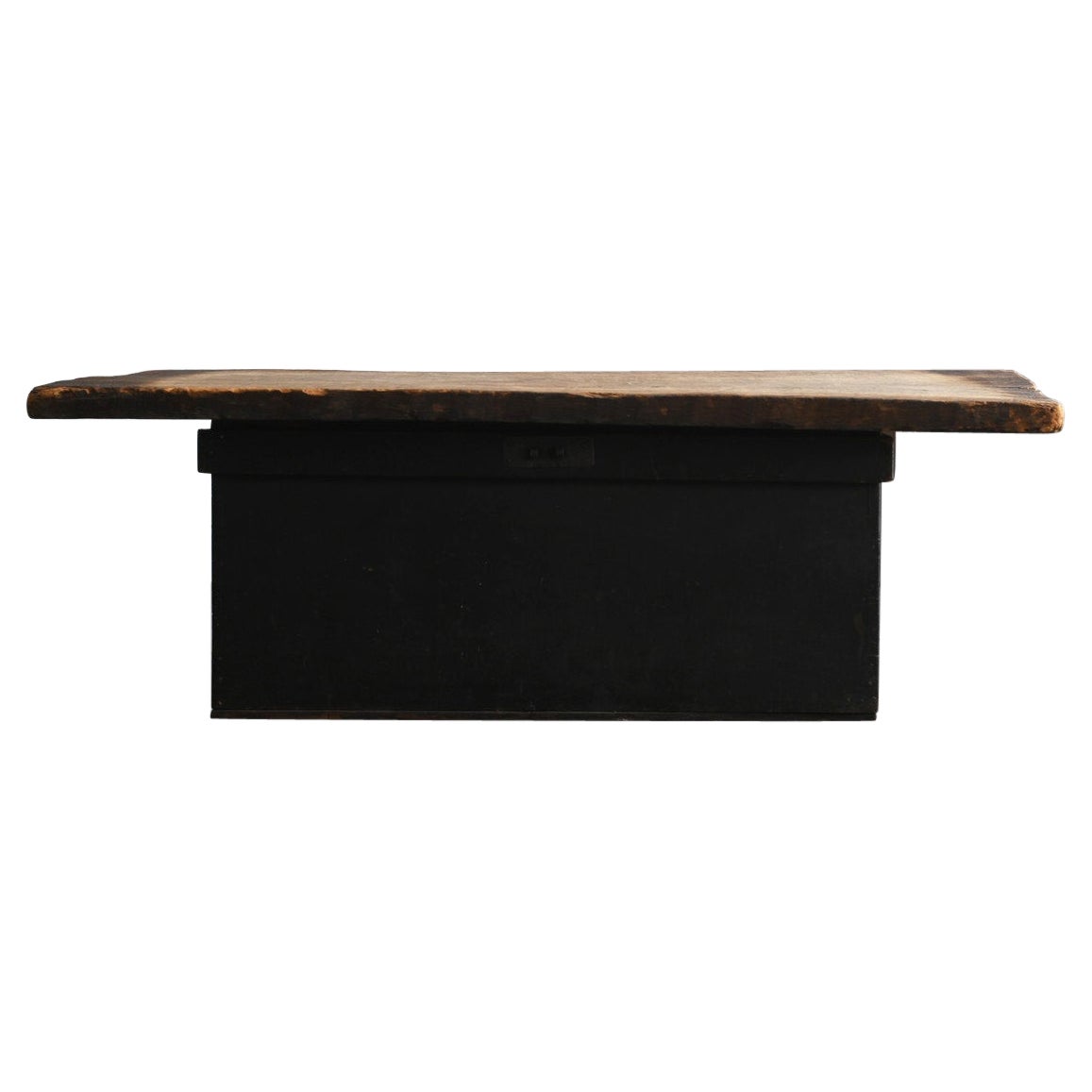
Es handelt sich um ein Brett und eine Holzkiste, die in Japan von der Meiji- bis zur frühen Showa-Periode verwendet wurden.
Diese beiden lassen sich zu einem niedrigen Tisch kombinie...
Kategorie
Antik, Spätes 19. Jahrhundert, Japanisch, Meiji-Periode, Sofatische
Materialien
Zedernholz
Antique Japanese Wooden Table / 1868-1920 / Wabi-Sabi Table
This Japanese antique wooden table was crafted between the Meiji and Taishō periods (1868–1920) and is made from solid pine wood.
While originally conceived as a functional piece fo...
Kategorie
Antik, Spätes 19. Jahrhundert, Japanisch, Meiji-Periode, Tische
Materialien
Holz
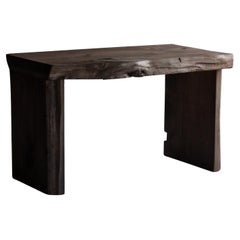
Japanische Antike Brutalist Niedriger Tisch 1900er-1940er Jahre / Beistelltisch Wabi Sabi
Japanischer Zelkova-Tisch circa 1900-1940er Jahre
Dieser außergewöhnliche niedrige Tisch wurde in Japan während der frühen Showa-Periode, zwischen den 1900er und 1940er Jahren, herg...
Kategorie
Frühes 20. Jahrhundert, Japanisch, Taisho, Beistelltische
Materialien
Holz
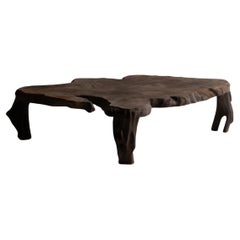
Japanischer antiker niedriger japanischer Holztisch/1868-1920/Wabi-sabi Couchtisch
Bei diesem Artikel handelt es sich um einen stattlichen Wabisabi-Holztisch mit einer Holzkiste aus dem Ende der Edo-Periode bis zur Meiji-Periode (1800-1912) in Japan als Tischsockel...
Kategorie
Antik, Spätes 19. Jahrhundert, Japanisch, Meiji-Periode, Sofatische
Materialien
Eichenholz
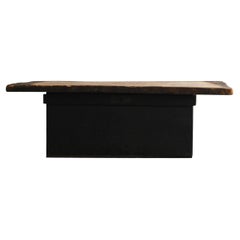
Altes japanischer niedriger Holztisch / 20. Jahrhundert / Mitteltisch / Wabi-sabi-Tisch
Dies ist ein alter japanischer Holztisch.
Ich glaube, sie stammt aus der Showa-Zeit.
Die MATERIALIEN sind Lauan und Zedernholz.
Dies ist ein ganz besonderer Tisch mit einer Tischplat...
Kategorie
20. Jahrhundert, Japanisch, Taisho, Sofatische
Materialien
Zedernholz
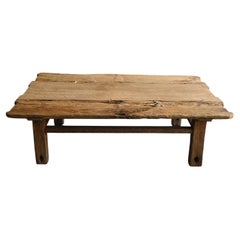
Kleiner japanischer antiker niedriger japanischer antiker Holztisch/1868-1920/Kaffeetisch
Dies ist ein antiker, niedriger Holztisch, der in ländlichen Gebieten und Geschäften in Japan verwendet wurde.
Auf Japanisch nennt man das "fu-zukue".
Die Landwirte nutzten es zum Le...
Kategorie
Antik, Spätes 19. Jahrhundert, Japanisch, Meiji-Periode, Tische
Materialien
Holz
Das könnte Ihnen auch gefallen
Japanischer antiker Wabi-Sabi Tisch Edo Periode 1800-1860s / Beistelltisch
Dies ist ein alter japanischer niedriger Tisch, der in der Edo-Zeit (1800-1860) hergestellt wurde. Es handelt sich um ein seltenes Möbelstück, das die Jahrhunderte bis heute überlebt...
Kategorie
Antik, Mittleres 19. Jahrhundert, Japanisch, Edo, Beistelltische
Materialien
Zedernholz
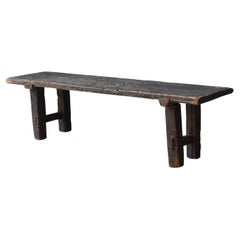
Japanischer antiker großer Mitteltisch / Sofatisch niedriger Tisch / Wabi-Sabi Primitiv
Von Axel Vervoordt
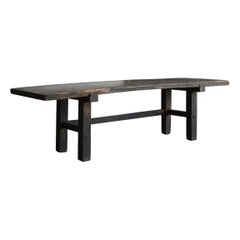
Dies ist ein großer Mitteltisch aus gealtertem japanischem Holz.
Die Tischplatte ist ein extrem großes, schweres Brett, das durch den jahrelangen Gebrauch eine natürliche, primitive ...
Kategorie
Frühes 20. Jahrhundert, Japanisch, Primitiv, Ess- und Wohnzimmertische
Materialien
Hartholz, Zedernholz
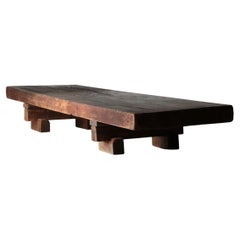
Antiker japanischer Beistelltisch, späte Meiji-Ära
1868-1912
, Wabi Sabi
Dieser antike Beistelltisch wurde in der späten Meiji-Ära (1868-1912) hergestellt.
Die Platte ist aus massivem Zelkova-Holz (Keyaki) gefertigt, die Beine sind aus Zedernholz. Die Obe...
Kategorie
Frühes 20. Jahrhundert, Japanisch, Meiji-Periode, Beistelltische
Materialien
Zedernholz
Japanischer antiker großer niedriger Tisch / Sofatisch Mitteltisch / Wabi-Sabi Primitiv
Von Axel Vervoordt
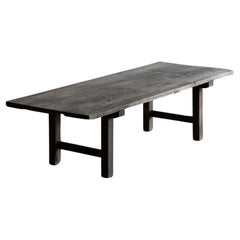
Dies ist ein großer, niedriger Tisch aus altem japanischem Holz.
Die Tischplatte ist ein sehr großes, schweres Brett, dessen Oberfläche im Laufe der Jahre eine natürliche, primitive...
Kategorie
Frühes 20. Jahrhundert, Japanisch, Primitiv, Ess- und Wohnzimmertische
Materialien
Hartholz, Zedernholz
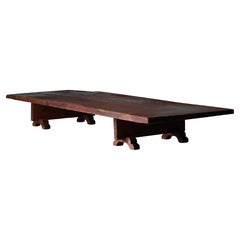
Japanischer antiker niedriger Tisch / Couchtisch Couchtisch / 1868-1912er Wabi-Sabi
Dies ist ein niedriger Tisch, der alte japanische Bäume kombiniert.
Die genaue Baumart des oberen Brettes ist nicht bekannt, aber man geht davon aus, dass es sich um Katsura-Holz ha...
Kategorie
Antik, Spätes 19. Jahrhundert, Japanisch, Meiji-Periode, Sofatische
Materialien
Holz, Zedernholz
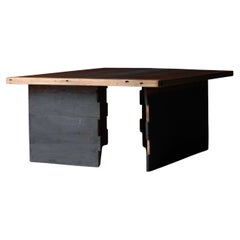
Japanischer antiker großer niedriger Tisch 1860er-1920er Jahre / Sofatisch Esstisch Wabisabi
Dies ist ein großer, alter, in Japan hergestellter niedriger Tisch aus der Meiji- bis Taishō-Periode (1860er-1920er Jahre). Es handelt sich um ein schönes Exemplar, das die Holzbearb...
Kategorie
Frühes 20. Jahrhundert, Japanisch, Taisho, Sofatische
Materialien
Holz, Zedernholz