Objekte ähnlich wie Japanese old wooden low table/wabisabi coffee table/1868-1920
Möchten Sie mehr Bilder oder Videos?
Zusätzliche Bilder oder Videos von dem*der Anbieter*in anfordern
1 von 16
Japanese old wooden low table/wabisabi coffee table/1868-1920
1.500 €
Angaben zum Objekt
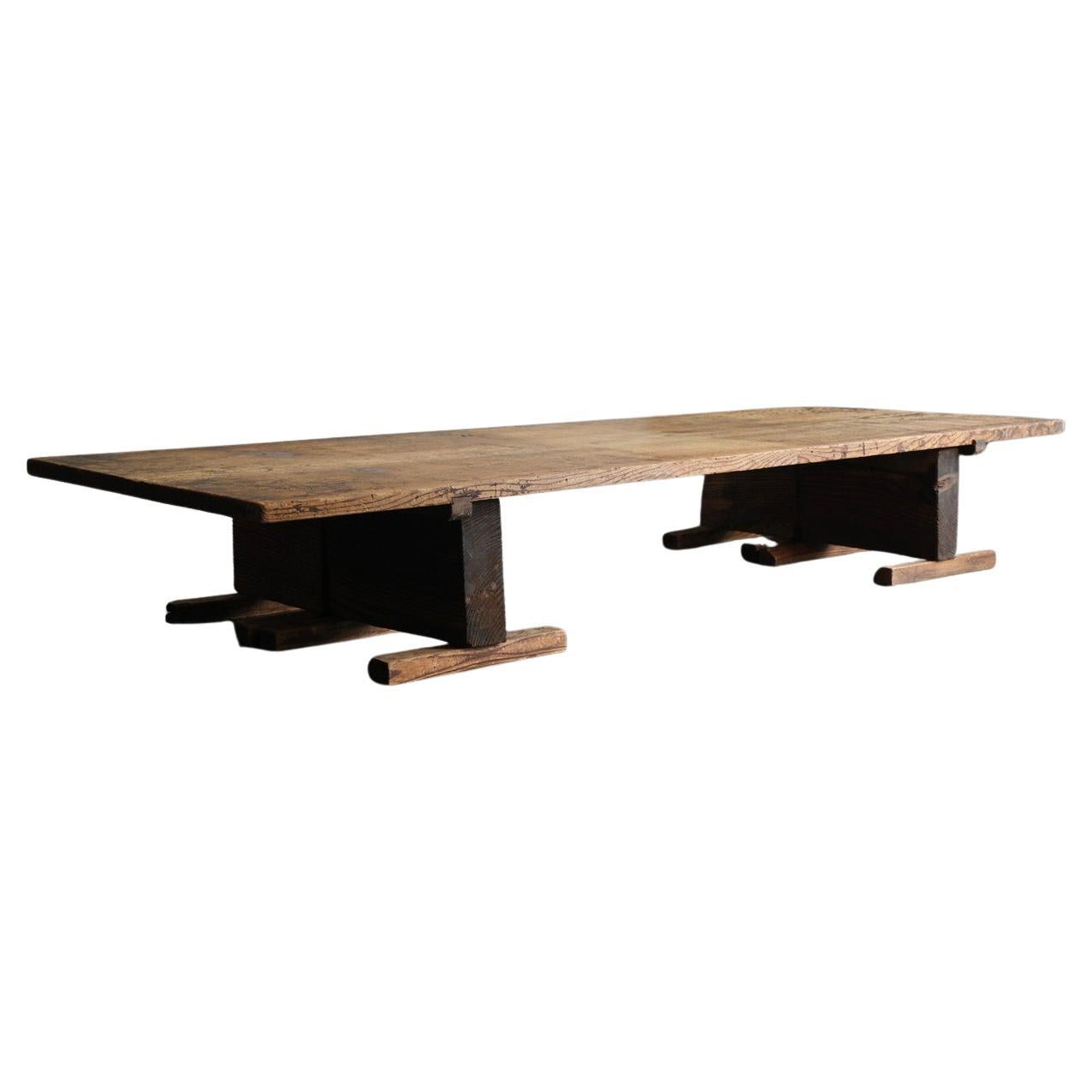
This piece is a Japanese wooden low table crafted during the
Meiji to Taisho period (1868–1920).
It is made from tochi (Japanese horse chestnut) wood, a material valued for its subtle grain and quiet presence.
Originally, it would have served as a practical object within Japan’s floor based living culture, supporting daily activities such as work, meals, and communal gatherings.
Its low height and horizontally extended proportions are deeply connected to the Japanese spatial sensibility of sitting, gathering, and remaining close to the ground.
Through long years of use and the gentle passage of time, the surface has developed a richly layered patina.
Variations in tone, softly rounded edges, traces of pressure, and areas of wear all speak quietly of accumulated time embedded within the material.
The grain of the tochi wood transcends intentional design, presenting an appearance reminiscent of abstract painting.
It is an organic composition shaped by both nature and human action.
The structure is remarkably restrained, yet firmly grounded through the balance of its legs and stretchers.
Free from ornament, the piece is composed solely of essential elements, embodying the Japanese philosophy of functional beauty, where utility and form are inseparable.
This work extends beyond the category of furniture or folk implement.
When placed horizontally, it functions as a low table or sculptural platform.
When approached as an installation, its mass, proportions, material contrasts, and the relationship between horizontal and vertical elements emerge as the primary subject.
It is not decorative in nature, but rather a structure that invites quiet contemplation and spatial awareness.
Embedded within this piece is the Japanese aesthetic of wabi sabi, an appreciation of impermanence, imperfection, and transience.
Its beauty is humble and restrained, standing in clear contrast to excessive ornamentation or artificial refinement.
Though quiet, it exerts a profound presence within a space.
Examples of utilitarian objects that survive with such sculptural integrity and expressive depth are exceedingly rare.
This work exists at the intersection of folk craft, sculpture, and abstract art, making it a truly singular object.
Historically, Japanese culture has relied on locally available natural materials to create the tools necessary for daily life, passing them down through generations in harmony with nature.
Objects that have been used over long periods quietly absorb human gestures and the rhythms of time, reflecting the values of the land and its way of living.
In an era defined by mass production and consumption, this piece serves as a quiet reminder of durability, reuse, and thoughtful making.
Guided by these principles, we carefully curate Japanese antiques and folk objects that embody time, stillness, and an understated inner strength.
Dimensions
W 1210 × D 555 × H 190 mm
Period
1868–1920
Material
Tochi (Japanese horse chestnut)
- Maße:Höhe: 19 cm (7,49 in)Breite: 121 cm (47,64 in)Tiefe: 55,5 cm (21,86 in)
- Stil:Meiji-Periode (Im Stil von)
- Materialien und Methoden:Holz,Holzarbeit
- Herkunftsort:
- Zeitalter:
- Herstellungsjahr:1912-1989
- Zustand:Abnutzung dem Alter und der Nutzung entsprechend.
- Anbieterstandort:Sammu-shi, JP
- Referenznummer:1stDibs: LU5487248074672
Anbieterinformationen
5,0
Platin-Anbieter*in
Premium-Anbieter*innen mit einer Bewertung über 4,7 und 24 Stunden Reaktionszeit
Gründungsjahr 2015
1stDibs-Anbieter*in seit 2020
1.703 Verkäufe auf 1stDibs
Typische Antwortzeit: 6 Stunde
- VersandAngebot wird abgerufen …Versand von: Sammushi, Japan
- Rückgabebedingungen
Einige Inhalte dieser Seite wurden automatisch übersetzt. Daher kann 1stDibs nicht die Richtigkeit der Übersetzungen garantieren. Englisch ist die Standardsprache dieser Website.
Mehr von diesem*dieser Anbieter*in
Alle anzeigenKleiner japanischer antiker niedriger japanischer antiker Holztisch/1868-1920/Kaffeetisch
Dies ist ein antiker, niedriger Holztisch, der in ländlichen Gebieten und Geschäften in Japan verwendet wurde.
Auf Japanisch nennt man das "fu-zukue".
Die Landwirte nutzten es zum Le...
Kategorie
Antik, Spätes 19. Jahrhundert, Japanisch, Meiji-Periode, Tische
Materialien
Holz
Antiker japanischer Couchtisch aus Holz mit geschmackvollem Tintenwaschmuster/Meiji
Der "fuzukue" (Schreibtisch) ist seit langem ein beliebter Teil der japanischen Kultur. Ursprünglich war er ein Möbelstück zum Schreiben, was wörtlich "Schreibtisch zum Schreiben" be...
Kategorie
Antik, Spätes 19. Jahrhundert, Japanisch, Meiji-Periode, Sofatische
Materialien
Buchenholz
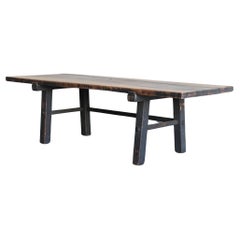
Antiker japanischer Couchtisch aus Holz /Frühes 20. Jahrhundert / Wabi-sabi Sofatisch
Dieser niedrige Tisch kombiniert eine traditionelle japanische Holzplatte und Beine. Die Platte ist aus einem einzigen Stück luxuriöser Zeder gefertigt und umhüllt das gesamte Stück ...
Kategorie
Frühes 20. Jahrhundert, Japanisch, Taisho, Sofatische
Materialien
Zedernholz
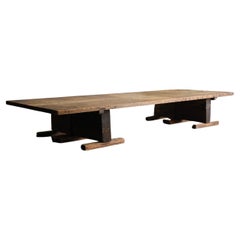
Altes japanischer niedriger Holztisch / 20. Jahrhundert / Mitteltisch / Wabi-sabi-Tisch
Dies ist ein alter japanischer Holztisch.
Ich glaube, sie stammt aus der Showa-Zeit.
Die MATERIALIEN sind Lauan und Zedernholz.
Dies ist ein ganz besonderer Tisch mit einer Tischplat...
Kategorie
20. Jahrhundert, Japanisch, Taisho, Sofatische
Materialien
Zedernholz
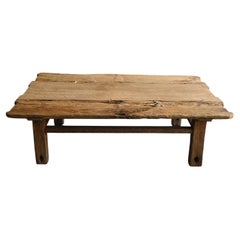
Japanischer antiker niedriger japanischer Holztisch/1868-1920/Wabi-sabi Couchtisch
Bei diesem Artikel handelt es sich um einen stattlichen Wabisabi-Holztisch mit einer Holzkiste aus dem Ende der Edo-Periode bis zur Meiji-Periode (1800-1912) in Japan als Tischsockel...
Kategorie
Antik, Spätes 19. Jahrhundert, Japanisch, Meiji-Periode, Sofatische
Materialien
Eichenholz
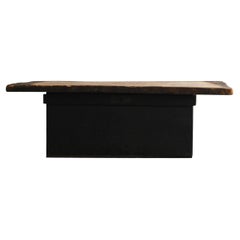
Japanischer antiker langer niedriger Holztisch/1868-1920/einfacher Sofatisch
Dies ist eine hölzerne Werkbank aus der ersten Hälfte des 20. Jahrhunderts in Japan, ein Stück mit einer stattlichen Konstruktion und einer langen Geschichte. Für die Deckplatte wird...
Kategorie
Antik, Spätes 19. Jahrhundert, Japanisch, Showa, Sofatische
Materialien
Holz
Das könnte Ihnen auch gefallen
Antiker japanischer Beistelltisch, späte Meiji-Ära
1868-1912
, Wabi Sabi
Dieser antike Beistelltisch wurde in der späten Meiji-Ära (1868-1912) hergestellt.
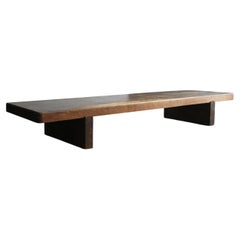
Die Platte ist aus massivem Zelkova-Holz (Keyaki) gefertigt, die Beine sind aus Zedernholz. Die Obe...
Kategorie
Frühes 20. Jahrhundert, Japanisch, Meiji-Periode, Beistelltische
Materialien
Zedernholz
Japanischer antiker großer niedriger Tisch 1860er-1920er Jahre / Sofatisch Esstisch Wabisabi
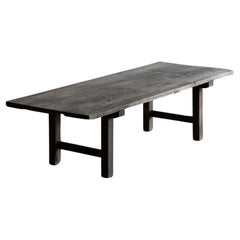
Dies ist ein großer, alter, in Japan hergestellter niedriger Tisch aus der Meiji- bis Taishō-Periode (1860er-1920er Jahre). Es handelt sich um ein schönes Exemplar, das die Holzbearb...
Kategorie
Frühes 20. Jahrhundert, Japanisch, Taisho, Sofatische
Materialien
Holz, Zedernholz
Japanischer antiker niedriger Tisch, Taisho Ära (1912-1926), Wabi Sabi
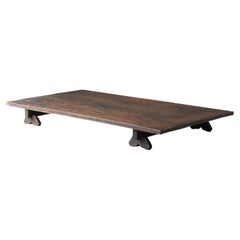
Dieser antike niedrige Tisch wurde in der Taisho-Ära (1912-1926) hergestellt.
Die Oberfläche aus Keyaki (japanisches Zelkova) mit natürlich schöner Maserung weist eine sanft abgenut...
Kategorie
Frühes 20. Jahrhundert, Japanisch, Taisho, Ess- und Wohnzimmertische
Materialien
Holz
Japanischer niedriger Tisch, Wabi-sabi, 1920er Jahre, Japan
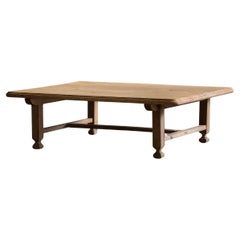
Der antike niedrige Tisch, der aus altem japanischem Holz gefertigt wurde.
Die obere Platte wurde grob rasiert und weist verschiedene Spuren und Kratzer auf, die von seiner Geschicht...
Kategorie
Frühes 20. Jahrhundert, Japanisch, Sofatische
Materialien
Holz
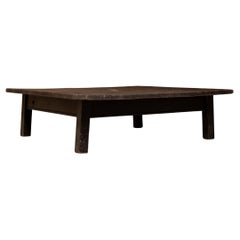
Japanischer antiker großer niedriger Tisch / Sofatisch Mitteltisch / Wabi-Sabi Primitiv
Von Axel Vervoordt
Dies ist ein großer, niedriger Tisch aus altem japanischem Holz.
Die Tischplatte ist ein sehr großes, schweres Brett, dessen Oberfläche im Laufe der Jahre eine natürliche, primitive...
Kategorie
Frühes 20. Jahrhundert, Japanisch, Primitiv, Ess- und Wohnzimmertische
Materialien
Hartholz, Zedernholz
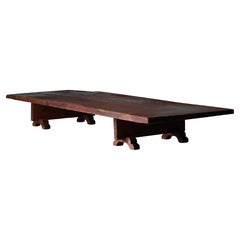
Antiker japanischer antiker Couchtisch, Wabi-Sabi, frühes 20. Jahrhundert
Dies ist ein antiker japanischer Couchtisch aus der Taisho-Periode.
Diese Möbel wurden unter Anwendung traditioneller Techniken hergestellt, die in japanischen Schreinen verwendet w...
Kategorie
Frühes 20. Jahrhundert, Taisho, Couch- und Cocktailtische
Materialien
Holz