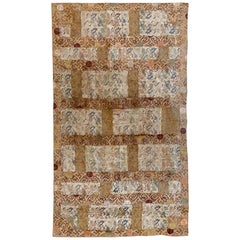
Apologia Tapestries
to
1
Height
to
Width
to
1
1
1
1
1
1
1
1
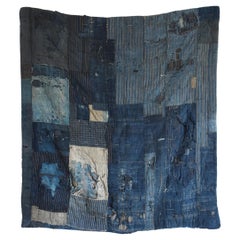
Japanese Antique "BORO" Edo period 1800s-1860s / Rag Abstract Art Wabi-Sabi
By Axel Vervoordt
Located in Chōsei District Nagara, JP
This is an old Japanese BORO textile, dating back to the Edo period (1800s–1860s). It is a rare cloth that has survived through a long span of time. The interplay of indigo and natur...
Category
Antique Late 19th Century Japanese Edo Tapestries
Materials
Fabric
Related Items
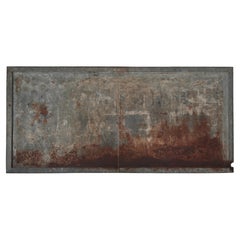
Japanese Antique Tin Plate Art / Wall Decoration / Wabi-sabi
Located in Iwate-gun Shizukuishi-cho, Iwate Prefecture
This is an old Japanese tin panel.
The rust caused by natural aging is expressed like art.
The exact purpose is unknown, but it seems that it was originally used in a place where fi...
Category
Antique Early 1900s Japanese Showa Decorative Art
Materials
Tin

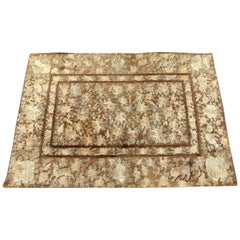
Antique Japanese Embroidery Tapestry Panel Edo Period
Located in Atlanta, GA
A large Japanese silk embroidery tapestry circa 18th century Edo period. Possibly an altar tablecloth originally, the embroidered textile pane...
Category
Antique 18th Century Japanese Edo Textiles
Materials
Silk
$3,200 Sale Price
20% Off
H 56 in W 80 in D 0.2 in
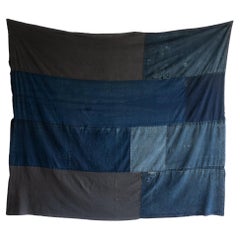
Japanese Antique Rag "BORO" 1800s-1860s / Abstract Art Wabi Sabi
Located in Sammu-shi, Chiba
This is an exceptional example of a Japanese *BORO* textile, dating from the late Edo period (1800s–1860s). Carefully preserved over generations, it embodies both the resourcefulness...
Category
Antique Mid-19th Century Japanese Edo Tapestries
Materials
Fabric
$1,650
H 60.63 in W 52.76 in D 0.12 in
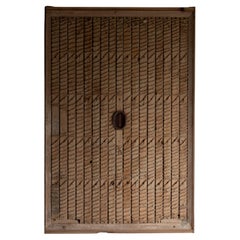
Japanese Antique Huge Door " Wall Decoration " 1860s-1900s / Wabi Sabi"
Located in Sammu-shi, Chiba
Japanese Antique Huge Door " Wall Decoration " 1860s-1900s / Wabi Sabi
This extraordinary large sliding door was once used in an old warehouse in Japan.
Dating back to the Meiji per...
Category
Early 20th Century Japanese Meiji Decorative Art
Materials
Iron
$3,500
H 72.84 in W 48.04 in D 2.56 in
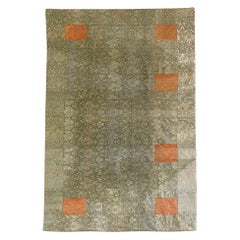
Antique Japanese Brocade Monk
s Robe Kesa Meiji Period
Located in Atlanta, GA
A Japanese Kesa (Monk's Vestment) made from thirteen columns of patchworks of shimmering woven brocades. The elaborate motifs feature repetitive elaborat...
Category
Antique Late 19th Century Japanese Meiji Textiles
Materials
Brocade, Silk
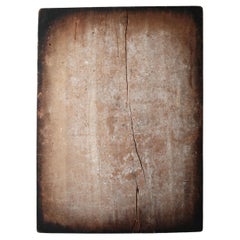
Japanese Antique Wooden Board / Wall Decoration Abstract Art / Wabi-Sabi
Located in Iwate-gun Shizukuishi-cho, Iwate Prefecture
This is an old Japanese workboard.
It was called "Mochiita" and was used as a workbench for kneading flour.
It seems to be around the Meiji period.
The board is thought to be pine...
Category
Antique Late 19th Century Japanese Meiji Decorative Art
Materials
Wood
$1,200
H 37.41 in W 27.56 in D 2.56 in
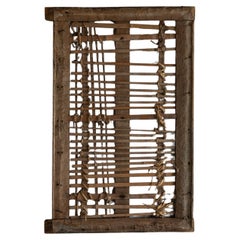
Japanese Antique Door "Wall Decoration" 1860s-1900s / Abstract Art Wabi Sabi
Located in Sammu-shi, Chiba
This was a very old Japanese warehouse (kura) window sliding door.
It was made during the Meiji period (1860s-1900s).
The frame is made of cedar wood and the lattice is bamboo.
It w...
Category
Early 20th Century Japanese Meiji Decorative Art
Materials
Bamboo, Cedar
$600
H 25.99 in W 17.33 in D 1.97 in
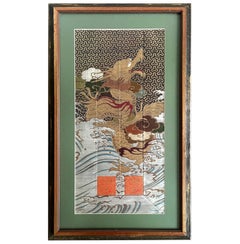
Framed Japanese Woven Textile Panel with Dragon Meiji Period
Located in Atlanta, GA
A framed Japanese woven textile circa late 19th century of Meiji Period. Likely a fragment of a priest robe or kesa, the multi-paneled textile was finely woven with gold foiled threads that depicts a five-clawed dragon slithering in the clouds and water...
Category
Antique 19th Century Japanese Meiji Textiles
Materials
Silk, Wood
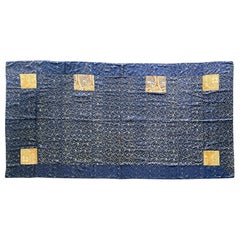
Japanese Monastery Robe Patchwork Kesa with inscription Edo Period
Located in Atlanta, GA
A Japanese Kesa (Monk's Vestment) made from fourteen columns of patchworks of blue brocades with sumptuous woven pattern. The elaborate motifs feature re...
Category
Antique Early 19th Century Japanese Japonisme Textiles
Materials
Brocade, Silk
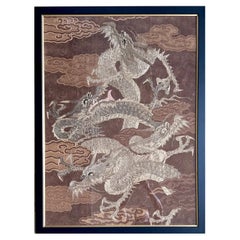
Framed Japanese Embroidery Dragon Tapestry Meiji Period
Located in Atlanta, GA
A striking Japanese embroidery tapestry circa 1890s Meiji period presented in a gilt wood frame under glaze. The design features four dragons coiling and slithering in the clouds. The most auspicious mythological creature, dragon was a very popular motif in Japanese textile art. Viewing this particular piece, one is struck by the superb craftsmanship with the profuse use of silver threads in satin stitches and complex chain stich coiling that create the background. The slight relief technique was also used on parts of the dragon heads, rendering the piece a strong sense of dimension and motion. The textile itself measures about 32.5"x46".
Japanese Meiji textiles were widely exhibited in the west during turn of the 20th century at the international exposition. It was used to showcase the Japanese aesthetics with the techniques at their pinnacle. These expositions solidified the country's images overseas and felled the Japanese craze in the west, which turned out to be a long-lasting influence on the western art. Many pieces were purchased and stayed in the west. As there is no brocade border present, the piece is likely the main part with the central motifs of a larger tapestry and was later framed for display.
For two similar dragon tapestries...
Category
Antique 1890s Japanese Meiji Textiles
Materials
Textile, Wood
Japanese Indigo Antique Boro Futon Cover or Wall Panel
Located in Alessandria, Piemonte
Rare perfect antique collection Japanese Indigo Boro Futon cover : also to use.
The rare antique boros are now valued as pieces of art, therefore they are...
Category
Mid-20th Century Japanese Japonisme Textiles
Materials
Cotton
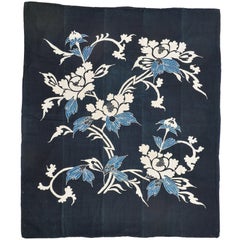
Antique Brocade Kesa Monk
s Patched Robe Edo Period
Located in Atlanta, GA
Kesa, known as "Jiasha" in Chinese and "Kasaya" in Sanskrit, is an out layer garment worn by the ordained Buddhist monks. Bearing a basic rectangular form, it developed originally in...
Category
Antique Late 18th Century Japanese Edo Textiles
Materials
Textile, Brocade