Artistoric Pottery
to
1
11
2
9
4
3
11
9
3
2
2
11
10
9
6
1
1
11
11
11
2
2
2
1
1
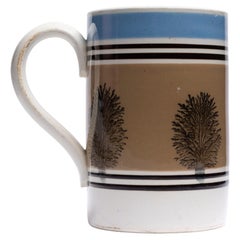
Antique 19th Century English Mochaware Mug
Located in Fort Lauderdale, FL
An English mochaware mug with black and blue machine-turned bands and a tree pattern on a soft brown glaze.
This large mochaware mug features rouletted bands of black and blue frami...
Category
Antique Late 19th Century English Folk Art Pottery
Materials
Earthenware
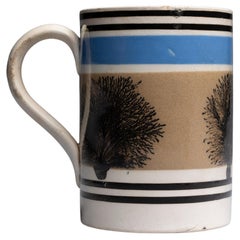
Antique 19th Century English Mochaware Mug
Located in Fort Lauderdale, FL
An English mochaware mug with black and blue machine-turned bands and a tree pattern on a soft brown glaze.
This large mochaware mug features rouletted bands of black and blue frami...
Category
Antique Late 19th Century English Folk Art Pottery
Materials
Earthenware
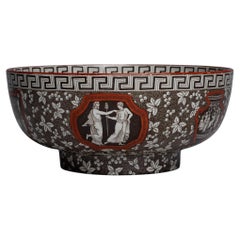
19th Century Greek Revival Copeland Spode Bowl
By Copeland Spode
Located in Fort Lauderdale, FL
A vibrant Neoclassical Revival decorative bowl in the 'Greek' pattern made by Copeland Spode in the late 19th century.
Sir William Hamilton’s Collection of Etruscan, Greek and Roman antiquities, first published in 1766 by Pierre d’Hancarville, was a landmark publication in English design. It intended to disseminate the Antique style through its engravings of Attic pottery. The catalog’s faithful reproductions of Classical vases led British potteries, including Spode, to adapt or even copy the ancient art for modern life. This Copeland Spode Greek...
Category
Antique Late 19th Century British Neoclassical Revival Pottery
Materials
Earthenware, Pearlware
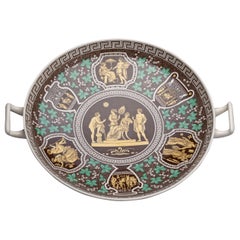
19th Century Copeland Spode Greek Tazza
By Copeland Spode
Located in Fort Lauderdale, FL
A brightly colored Neoclassical tazza or cake plate in the 'Greek' pattern made by Copeland Spode in the late 19th century.
This tazza, in Copeland Spode’s ‘Greek...
Category
Antique Late 19th Century British Neoclassical Revival Pottery
Materials
Earthenware, Pearlware
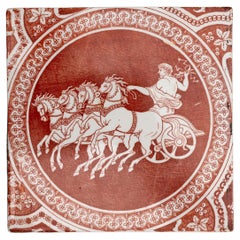
Early 19th Century Spode Red Greek Pattern Tile
By Spode, Josiah Spode
Located in Fort Lauderdale, FL
A Neoclassical red transferware tile made by Spode 1806-1810, with the ‘Zeus in His Chariot’ pattern.
Sir William Hamilton’s Collection of Etruscan, Greek and Roman antiquities, first published in 1766 by Pierre d’Hancarville, was a landmark publication in English design. It intended to disseminate the Antique style through its engravings of Attic pottery. The catalog’s faithful reproductions of Classical vases led British potteries, including Spode, to adapt or even copy the ancient art for modern life. These Spode Greek pattern tiles reflect the major influence of Hamilton’s catalog on English Neoclassicism. The central scene was taken directly from the catalog.
This tile can be dated to a narrow window of production in the Spode factory, 1806-1810. During that time, Spode used a technique known as the “Pluck and Dust” method to print in red transfer designs onto creamware. Using this method, source prints were transferred overglaze using tissue imprinted with a very faint rendition of the design outlined in sticky oil. The decorator applied the tissue to the object then carefully “plucked” or pulled it away, leaving the sticky oil design behind. Then, a finely-ground enamel color was “dusted” onto the surface, sticking to any areas that had the oil. A final firing at a low temperature in the enamel kiln made the pattern permanent. The Pluck and Dust technique improved upon bat-printing and enabled larger designers to be transferred. It was short-lived, however, as under-glaze transfer printing soon took over as the preferred method for producing transferwares.
Dimensions: 5 in. x 5 in. x 1/4 in.
Condition: Excellent.
Provenance:
The Collection of Nancy and Andrew Ramage
Jonathan Horne...
Category
Antique Early 19th Century English Neoclassical Pottery
Materials
Earthenware, Creamware
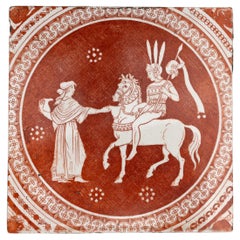
Early Spode Red Greek Pattern Tile
By Spode, Josiah Spode
Located in Fort Lauderdale, FL
A Neoclassical red transferware tile made by Spode 1806-1810, with the ‘Refreshments for Phliasian Horseman’ pattern.
Sir William Hamilton’s Collection of Etruscan, Greek and Roman antiquities, first published in 1766 by Pierre d’Hancarville, was a landmark publication in English design. It intended to disseminate the Antique style through its engravings of Attic pottery. The catalog’s faithful reproductions of Classical vases led British potteries, including Spode, to adapt or even copy the ancient art for modern life. These Spode Greek pattern tiles reflect the major influence of Hamilton’s catalog on English Neoclassicism. The central scene was taken directly from the catalog.
This tile can be dated to a narrow window of production in the Spode factory, 1806-1810. During that time, Spode used a technique known as the “Pluck and Dust” method to print in red transfer designs onto creamware. Using this method, source prints were transferred overglaze using tissue imprinted with a very faint rendition of the design outlined in sticky oil. The decorator applied the tissue to the object then carefully “plucked” or pulled it away, leaving the sticky oil design behind. Then, a finely-ground enamel color was “dusted” onto the surface, sticking to any areas that had the oil. A final firing at a low temperature in the enamel kiln made the pattern permanent. The Pluck and Dust technique improved upon bat-printing and enabled larger designers to be transferred. It was short-lived, however, as under-glaze transfer printing soon took over as the preferred method for producing transferwares.
Dimensions: 5 in. x 5 in. x 1/4 in.
Condition: Excellent. Slight chip to the upper left corner measuring approximately 0.9 cm. in length.
Provenance:
The Collection of Nancy and Andrew Ramage
Jonathan Horne...
Category
Antique Early 19th Century English Neoclassical Pottery
Materials
Earthenware, Creamware
Pair of Wedgwood
Bentley Agate Plant Pots
By Wedgwood
Bentley
Located in Fort Lauderdale, FL
A pair of plant pots covered in marbled brown glaze emulating agate gemstone encircled with checkered rims accented in gold, made circa 1770 by Wedgwood &...
Category
Antique 1770s English Neoclassical Planters and Jardinieres
Materials
Creamware, Pottery


$4,360 / set
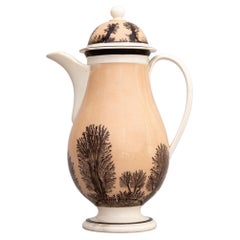
Creil French Mochaware Pottery Coffee Pot
By Creil et Montereau
Located in Fort Lauderdale, FL
A Creil mochaware peach-colored coffee pot made circa 1810.
This elegant coffee pot features a dark brown mocha dendrite (tree) design on a light peach body. Mochaware pottery...
Category
Antique Early 19th Century French Folk Art Pitchers
Materials
Ceramic, Pottery
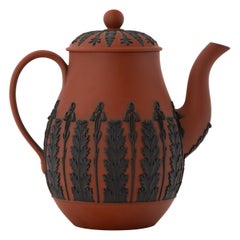
Early Wedgwood Egyptian Revival Neoclassical Rosso Antico Coffee Pot
By Josiah Wedgwood
Located in Fort Lauderdale, FL
A Wedgwood rosso antico coffee pot made ca. 1810. The pot's red body is accentuated by black basalt details in the Egyptian Revival style.
Developed by Josiah Wedgwood in the 1760s, rosso antico famously exhibits the Egyptian Revival style that became popular in the early 19th century during Napoleon...
Category
Antique Early 19th Century British Neoclassical Pitchers
Materials
Earthenware
Six Wedgwood Majolica Argenta
Lincoln
Pattern Dessert Dishes
By Wedgwood
Located in Fort Lauderdale, FL
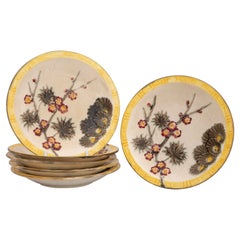
Six Wedgwood majolica Argenta palette ‘Lincoln' pattern dessert plates with finely molded maroon prunus blossoms and dark taupe pine branches surrounded by a yellow Greek key border. The dishes are decorated in the japonisme style and feature the “Three Friends of Winter” motif, an Asian artistic convention showing the pine, plum, and bamboo together to represent steadfastness, perseverance, and resilience.
The Wedgwood factory introduced muted Argenta glazes to its majolicas in the 1880s to keep up with ever-changing fashions. The Argenta glaze color palette was more subdued than that of traditionally vibrant majolica, and was thus more appealing to the Aesthetic Movement japonisme style that pervaded the market. These Argenta majolica dessert dishes...
Category
Antique Late 19th Century English Japonisme Pottery
Materials
Earthenware, Majolica
$668 Sale Price
24% Off
Early 17th Century Ottoman Empire Iznik Pottery Dish
Located in Fort Lauderdale, FL
An Iznik pottery dish made in the first half of the 17th century and decorated with chrysanthemums and tulips. The rim features the rock and wave pattern.
Under the direction of O...
Category
Antique Early 17th Century Turkish Islamic Ceramics
Materials
Ceramic

Related Items
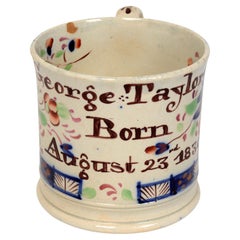
Early 19th c Gaudy Welch Personalised Commemorative Birthday Mug "George Taylor"
Located in valatie, NY
Early 19th c Gaudy Welch Personalised Commemorative Birthday Mug. "George Taylor Born August 23 1839." The term "Gaudy Welsh" refers to the style of brightly colored, heavily decorat...
Category
Antique Early 19th Century English Pottery
Materials
Pottery
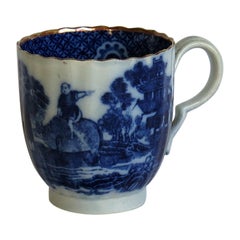
Early Coffee Cup Blue and White Boy on a Buffalo Ptn probably Spode, circa 1790
By Josiah Spode
Located in Lincoln, Lincolnshire
This is a good, very early, rare blue and white coffee cup in the "Boy on a Buffalo" pattern, probably from the factory of Josiah Spode, stoke on Trent, Staffordshire, England, made...
Category
Antique Late 18th Century English Chinoiserie Ceramics
Materials
Earthenware
$275
H 2.5 in W 3.25 in D 2.38 in
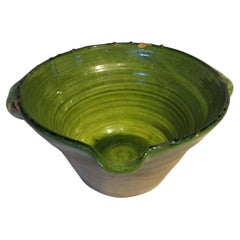
19th Century French Redware Tian Bowl
Located in Nantucket, MA
19th century French redware tian bowl with inside green glaze, serving spout, and natural finish on the exterior.
Traditionally used to prepare conf...
Category
Antique 19th Century French Pottery
Materials
Terracotta
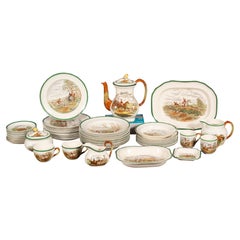
Copeland Spode Pottery Fox Hunt Lunch Service
Located in Essex, MA
A fox hunting set with all items listed below in the additional comments section.
Category
Early 20th Century English Pottery
Materials
Pottery
Antique 19th Century French Majolica Floral Plate
Located in Pearland, TX
A lovely antique French majolica floral plate, circa 1890. This beautiful French country style plate has hand painted pink flowers and leaves on a ligh...
Category
Antique Late 19th Century French Dinner Plates
Materials
Majolica
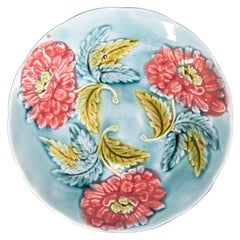
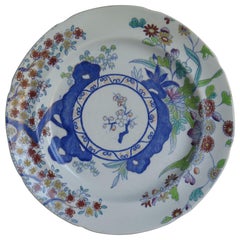
Plate by Copeland Late Spode in Japanese Kakiemon Pattern No. 2117, circa 1850
By Copeland Spode
Located in Lincoln, Lincolnshire
This is a beautiful plate in the Japanese inspired Kakiemon pattern number 2117, produced by the Copeland - Late Spode factory and made of earthenware potte...
Category
Antique Mid-19th Century English Chinoiserie Pottery
Materials
Pottery
$275
H 0.82 in Dm 8.04 in
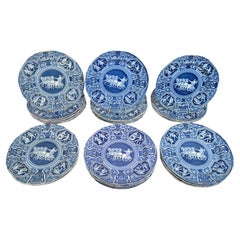
Spode Pottery Neo-Classical Greek Pattern Blue Set of Dinner Plates-33 Plates
By Spode
Located in Downingtown, PA
Greek Grandeur: Extensive Set of 33 Spode "Zeus in His Chariot" Dinner Plates (c. 1806–1820)
An impressive and extensive set of 33 early 19th-century blue and white transfer-printed...
Category
Antique Early 19th Century English Neoclassical Dinner Plates
Materials
Pearlware, Pottery
$12,500 / set
H 1 in Dm 9.75 in
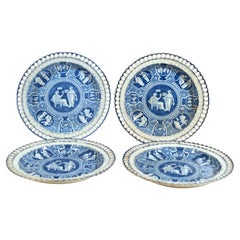
Spode Neo-Classical Greek Pattern Blue Openwork Dessert Plates
By Spode
Located in Downingtown, PA
Spode neo-classical Greek pattern blue openwork dessert plates,
Ceres with a Priestess,
Four plates (4)
Early 19th century
From a large collection of Greek pattern Spode- more pi...
Category
Antique Early 19th Century English Neoclassical Pottery
Materials
Pearlware, Pottery
Rare Sgraffito Redware Slip Decorated Pottery Charger Large Plate, 19th Century
Located in Lincoln, Lincolnshire
A large charger plate made of Redware pottery, all hand decorated in the Sgraffito Slip Decorated technique, with a stylized floral pattern.
Thi...
Category
Antique 19th Century Unknown Folk Art Pottery
Materials
Earthenware

$640
H 2.25 in Dm 11.75 in
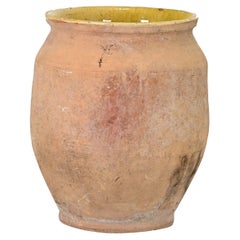
French 19th Century Confit Jar
Located in Baton Rouge, LA
Pre-refrigeration, confit jars extended the life of perishable items. This handsome terra cotta example, made in France in the 19th century, has a mustard-hued glazed interior and un...
Category
Antique 19th Century French Other Pottery
Materials
Terracotta
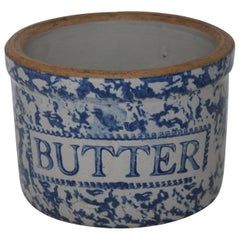
19th Century Sponge Ware Butter Crock
Located in Los Angeles, CA
19th century sponge ware butter crock in very good condition.
Category
Antique 19th Century American Adirondack Pottery
Materials
Pottery
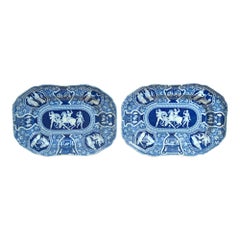
Regency Period Spode Neo-classical Greek Pattern Blue Dessert Dishes- a Pair
By Spode
Located in Downingtown, PA
Regency Spode neo-Classical Greek pattern blue rectangular dessert dishes,
Four figures in battle,
Early 19th century
The Spode Greek pattern pott...
Category
Antique Early 18th Century English Neoclassical Pottery
Materials
Pearlware, Pottery
$1,400 / set
H 1 in W 9.25 in D 6.5 in