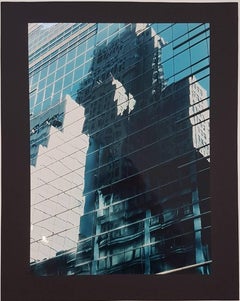
Cerbera Gallery Color Photography

to
37
50
4
4
2
Overall Width
to
Overall Height
to
5
56
1
4
35
16
2
2
1
1
31
26
3
20
19
12
12
10
8
8
7
6
6
5
5
5
5
4
4
4
4
4
4
45
39
38
38
31
9
4
4
3
3
2
40
61
Heather Hollis The Gods Have Awakened (Lightning, Dramatic, Seascape, ~34% OFF)
By Heather Hollis
Located in Kansas City, MO
Heather Hollis The Gods Have Awakened Archival Pigment Print on Hahnemuehle Rag (or equivalent) 2021 Size: 12 x 8 inches (30.48 x 20.32 cm) Edition: 15 Signed on label (to be attache...
Category

2010s Contemporary Landscape Photography

Materials

Archival Ink, Archival Paper, Archival Pigment

Mountains Majesty (Landscape, Glacial Lake, Dramatic, Misty, Peaks, ~34% OFF)
By Heather Hollis
Located in Kansas City, MO
Heather Hollis Mountains Majesty Archival Pigment Print on Hahnemuehle Rag (or equivalent) 2020 Size: 8 x 12 inches (20.32 x 30.48 cm) Edition: 15 Signed on label (to be attached ver...
Category

2010s Contemporary Landscape Photography

Materials

Archival Ink, Archival Paper, Archival Pigment

Rushing Falls in Yellowstone (Landscape, Wilderness, Iconic, ~34% OFF)
By Heather Hollis
Located in Kansas City, MO
Heather Hollis Rushing Falls in Yellowstone Archival Pigment Print on Hahnemuehle Rag (or equivalent) 2021 Size: 8 x 12 inches (20.32 x 30.48 cm) Edition: 15 Signed on label (to be a...
Category

2010s Contemporary Landscape Photography

Materials

Archival Ink, Archival Paper, Archival Pigment

Grand Prismatic Springs inside Yellowstone National Park (Panoramic, Vivid)
By Heather Hollis
Located in Kansas City, MO
Heather Hollis Grand Prismatic Springs inside Yellowstone National Park Archival Pigment Print on Hahnemuehle Rag (or equivalent) 2021 Size: 8 x 12 inches (20.32 x 30.48 cm) Edition:...
Category

2010s Contemporary Landscape Photography

Materials

Archival Ink, Archival Paper, Archival Pigment

Golden Days (Autumn Glow, Fall Foliag, Golden Hour, Warm, ~34% OFF)
By Heather Hollis
Located in Kansas City, MO
Heather Hollis Golden Days Archival Pigment Print on Hahnemuehle Rag (or equivalent) 2024 Size: 8 x 12 inches (20.32 x 30.48 cm) Edition: 15 Signed on label (to be attached verso) CO...
Category

2010s Contemporary Landscape Photography

Materials

Archival Ink, Archival Paper, Archival Pigment

Autumn Afternoon (Autumn, Gold, Golden Hour, Fall Leaves, Foliage, ~34% OFF)
By Heather Hollis
Located in Kansas City, MO
Heather Hollis Autumn Afternoon Archival Pigment Print on Hahnemuehle Rag (or equivalent) 2024 Size: 8 x 12 inches (20.32 x 30.48 cm) Edition: 15 Signed on label (to be attached vers...
Category

2010s Contemporary Landscape Photography

Materials

Archival Ink, Archival Paper, Archival Pigment

Flying High (Glacier National Park, Wildlife Landscape, Soaring, ~34% OFF)
By Heather Hollis
Located in Kansas City, MO
Heather Hollis Flying High Archival Pigment Print on Hahnemuehle Rag (or equivalent) 2023 Size: 8 x 12 inches (20.32 x 30.48 cm) Edition: 15 Signed on label (to be attached verso) CO...
Category

2010s Contemporary Landscape Photography

Materials

Archival Ink, Archival Paper, Archival Pigment

Framed Terrain (Mountain, Landscape, Dramatic, Ridge, ~34% OFF)
By Heather Hollis
Located in Kansas City, MO
Heather Hollis Framed Terrain Archival Pigment Print on Hahnemuehle Rag (or equivalent) 2023 Size: 8 x 12 inches (20.32 x 30.48 cm) Edition: 15 Signed on label (to be attached verso)...
Category

2010s Contemporary Landscape Photography

Materials

Archival Ink, Archival Paper, Archival Pigment

Prestigious Pug (Portrait, Pet Photography, Regal Dog, ~34% OFF)
By Heather Hollis
Located in Kansas City, MO
Heather Hollis Prestigious Pug Archival Pigment Print on Hahnemuehle Rag (or equivalent) 2024 Size: 8 x 12 inches (20.32 x 30.48 cm) Edition: 15 Signed on label (to be attached verso...
Category

2010s Contemporary Portrait Photography

Materials

Archival Ink, Archival Paper, Archival Pigment
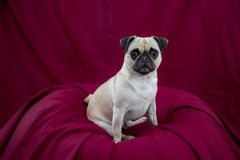
Winter Wish (Winter, Portrait, Nostalgia, ~34% OFF)
By Heather Hollis
Located in Kansas City, MO
Heather Hollis Winter Wish Archival Pigment Print on Hahnemuehle Rag (or equivalent) 2021 Size: 8 x 12 inches (20.32 x 30.48 cm) Edition: 15 Signed on label (to be attached verso) CO...
Category

2010s American Modern Portrait Photography

Materials

Archival Ink, Archival Paper, Archival Pigment

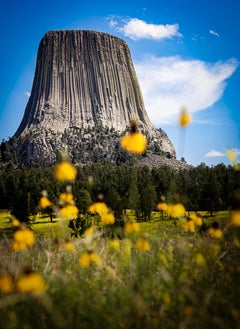
Devils Tower National Park (Landscape, Wildflowers, American West, ~34% OFF)
By Heather Hollis
Located in Kansas City, MO
Heather Hollis Devils Tower National Park Archival Pigment Print on Hahnemuehle Rag (or equivalent) 2019 Size: 12 x 8.7 inches (30.48 x 22.09 cm) Edition: 15 Signed on label (to be a...
Category

2010s American Modern Landscape Photography

Materials

Archival Ink, Archival Paper, Archival Pigment
Fire In The Sky (Montana Sunset, Fiery Reds, ~34% OFF)
By Heather Hollis
Located in Kansas City, MO
Heather Hollis Fire In The Sky Archival Pigment Print on Hahnemuehle Rag (or equivalent) 2021 Size: 8 x 12 inches (20.32 x 30.48 cm) Edition: 15 Signed on label (to be attached verso...
Category

2010s American Modern Landscape Photography

Materials

Archival Ink, Archival Paper, Archival Pigment

Hanging Around (Roatán, Wildlife, Sloth, Funny, ~34% OFF)
By Heather Hollis
Located in Kansas City, MO
Heather Hollis Hanging Around Archival Pigment Print on Hahnemuehle Rag (or equivalent) 2024 Size: 8 x 12 inches (20.32 x 30.48 cm) Edition: 15 Signed on label (to be attached verso)...
Category

2010s American Modern Figurative Photography

Materials

Archival Ink, Archival Paper, Archival Pigment
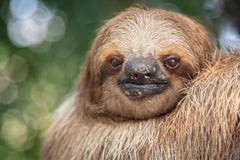
Sunset Palms (Caribbean Sunset, Tropical, Warm, Breeze, ~34% OFF)
By Heather Hollis
Located in Kansas City, MO
Heather Hollis Sunset Palms Archival Pigment Print on Hahnemuehle Rag (or equivalent) 2024 Size: 8 x 12 inches (20.32 x 30.48 cm) Edition: 15 Signed on label (to be attached verso) C...
Category

2010s American Modern Landscape Photography

Materials

Archival Ink, Archival Paper, Archival Pigment

Willow In The Wind (Nature, Warm, Glow, Gold, ~34% OFF)
By Heather Hollis
Located in Kansas City, MO
Heather Hollis Willow In The Wind Archival Pigment Print on Hahnemuehle Rag (or equivalent) 2024 Size: 8 x 12 inches (20.32 x 30.48 cm) Edition: 15 Signed on label (to be attached ve...
Category

2010s American Modern Landscape Photography

Materials

Archival Ink, Archival Paper, Archival Pigment

Fjord Reflection (Alaska, Reflective, Serene, ~34% OFF)
By Heather Hollis
Located in Kansas City, MO
Heather Hollis Fjord Reflection Archival Pigment Print on Hahnemuehle Rag (or equivalent) 2023 Size: 8 x 12 inches (20.32 x 30.48 cm) Edition: 15 Signed on label (to be attached vers...
Category

2010s American Modern Landscape Photography

Materials

Archival Ink, Archival Paper, Archival Pigment

Freedom for All (Bald Eagle, Nature, Bird, Majestic, ~34% OFF)
By Heather Hollis
Located in Kansas City, MO
Heather Hollis Freedom for All Archival Pigment Print on Hahnemuehle Rag (or equivalent) 2023 Size: 8 x 12 inches (20.32 x 30.48 cm) Edition: 15 Signed on label (to be attached verso...
Category

2010s American Modern Figurative Photography

Materials

Archival Ink, Archival Paper, Archival Pigment
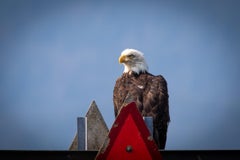
Thunder Rolls (Storm, Lightning, Strike, Seascape, ~34% OFF)
By Heather Hollis
Located in Kansas City, MO
Heather Hollis Thunder Rolls (Storm, Lightning, Strike, Seascape) Archival Pigment Print on Hahnemuehle Rag (or equivalent) 2021 Size: 12 x 12 inches (30.48 x 30.48) Edition: 15 Sign...
Category

2010s Modern Landscape Photography

Materials

Archival Ink, Archival Paper, Archival Pigment

Victory (Industrial Art, Symbolism, Resilience, Unity, ~34% OFF)
By Heather Hollis
Located in Kansas City, MO
Heather Hollis Victory (Industrial Art, Symbolism, Resilience, Unity) Archival Pigment Print on Hahnemuehle Rag (or equivalent) 2023 Size: 11.2 x 14 inches (28.44 x 35.56) Edition: 1...
Category

2010s American Modern Figurative Photography

Materials

Archival Ink, Archival Paper, Archival Pigment

Pink Perception (Floral, Pink, Soft, Warm, Spring, Summer, ~34% OFF)
By Heather Hollis
Located in Kansas City, MO
Heather Hollis Pink Perception (Floral, Pink, Soft, Warm, Spring, Summer) Archival Pigment Print on Hahnemuehle Rag (or equivalent) 2025 Size: 8 x 14.2 inches (20.32 x 36.06 cm) Edit...
Category

2010s Modern Landscape Photography

Materials

Archival Ink, Archival Paper, Archival Pigment

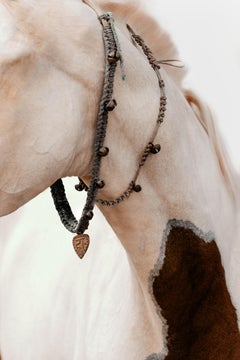
A Modern Princess (of India) (Equine Art, Horse, Marwari, Rare Breed)
Located in Kansas City, MO
Anna Archinger A Modern Princess (of India) (Equine Art, Horse, Marwari, Rare Breed) Archival Pigment Print on Canson® Infinity Platine Fibre Rag Year: 2025 Image Size: 11.7 x 8.3 x ...
Category

2010s Contemporary Figurative Photography

Materials

Archival Paper, Archival Pigment

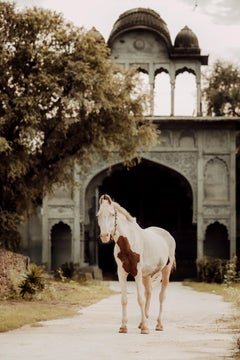
The Far Away Princess (Equine Art, Horse, Marwari, India, Rare Breed)
Located in Kansas City, MO
Anna Archinger The Far Away Princess (Equine Art, Horse, Marwari, India, Rare Breed) Archival Pigment Print on Canson® Infinity Platine Fibre Rag Year: 2025 Image Size: 11.7 x 8.3 x ...
Category

2010s Contemporary Figurative Photography

Materials

Archival Paper, Archival Pigment

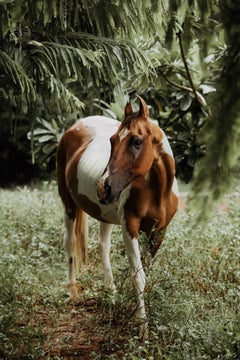
The Monsoon Wanderer (Equestrian Photography, Horse, Marwari, India, Rare Breed)
Located in Kansas City, MO
Anna Archinger The Monsoon Wanderer (Equestrian Photography, Horse, Marwari, India, Rare Breed) Archival Pigment Print on Canson® Infinity Plati...
Category

2010s Contemporary Figurative Photography

Materials

Archival Paper, Archival Pigment

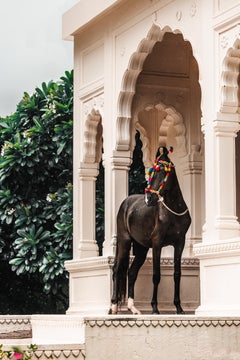
Marwaris, The Sentinel (Equestrian Photography, Marwari, India, Rare Breed)
Located in Kansas City, MO
Anna Archinger Marwaris, The Sentinel (Equestrian Photography, Horse, Marwari, India, Rare Breed) Archival Pigment Print on Canson® Infinity Pla...
Category

2010s Contemporary Figurative Photography

Materials

Archival Paper, Archival Pigment

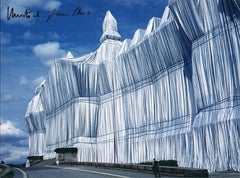
Wrapped Reichstag (I) (German Parliament, Blue Sky)
By Christo and Jeanne-Claude
Located in Kansas City, MO
Christo and Jeanne-Claude Wrapped Reichstag (I) (German Parliament, Blue Sky) Color Photograph on Archival Paper Year: 1995 Size: 11.81 x 15.74 inches (30 x 40 cm) Photographer: Wolf...
Category

1990s Modern Landscape Photography

Materials

Photographic Paper

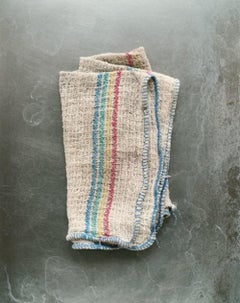
Kitchen Rag (Still Life, Everyday Object, 30% OFF LIST PRICE - LIMITED TIME)
Located in Kansas City, MO
Claus Goedicke (German) Kitchen Rag (Some Things Series) Archival Pigment Print on Hahnemühle Photo Rag Year: 2013 Size: 23.38 x 16.53 on 24.4 x 17.32 inches (59.4 x 42 on 62 x 44 cm...
Category

2010s Contemporary Figurative Photography

Materials

Archival Pigment

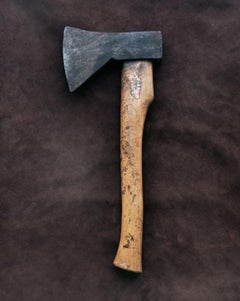
Ax (Still Life, Everyday Object, 30% OFF LIST PRICE - LIMITED TIME ONLY)
Located in Kansas City, MO
Claus Goedicke (German) Ax (Some Things Series) Archival Pigment Print on Hahnemühle Photo Rag Year: 2013 Size: 23.38 x 16.53 on 24.4 x 17.32 inches (59.4 x 42 on 62 x 44 cm) Framed:...
Category

2010s Modern Figurative Photography

Materials

Archival Pigment

Nash (Americana, Rusty, Classic Cruiser, Retro, Timeless, 30% OFF LIST PRICE)
Located in Kansas City, MO
Lord Fauntleroy Nash (Americana, Rusty, Classic Cruiser, Retro, Timeless) 2024 Archival Pigment Print on Hahnemuehle Baryta Rag 315gsm Size: 24 x 24 in...
Category

2010s American Modern Figurative Photography

Materials

Rag Paper, Archival Pigment

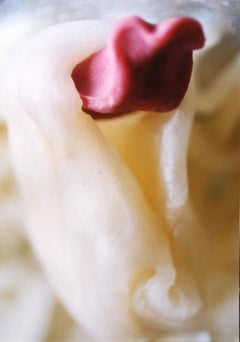
Untitled (Tongue, Warm, Close-up, Soft)
Located in Kansas City, MO
Unknown Artist Untitled Color Photograph on Kodak Paper Year: Unknown 11.81 x 7.82 inches (30 x 20 cm) Edition: 800 Signed by hand, verso Tags: #ColorPhotograph #KodakPaper #ArtPhot...
Category

2010s Contemporary Color Photography

Materials

Photographic Paper

Rust Dust - Ford F3 Truck, 1948 (~30% OFF LIST PRICE)
Located in Kansas City, MO
Unknown Artist Rust & Dust - Ford F3 Truck, 1948 Photographic Print (already matted) Year: Unknown 9.44 x 14.96 on 17.71 x 22.83 inches (24 x 38 cm on 45 x 58 cm) Unsigned as issued ...
Category

1940s Contemporary Figurative Photography

Materials

Photographic Paper

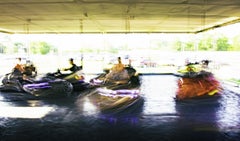
Traffic Court (motion blur, county fair, amusement rides, carnival, Midwest US)
Located in Kansas City, MO
Jeffrey Tamblyn Traffic Court Archival Pigment Print on Hahnemuehle Baryta Rag Year: 2021 Size: 9x16 inches Edition: 25 Signed, dated and numbered by hand on label COA provided Ref.:...
Category

2010s Contemporary Color Photography

Materials

Archival Pigment

Ducati Girl
Located in Kansas City, MO
Nick Vedros Ducati Girl Archival Pigment Print on Epson Legacy Platine 100% Cotton Fibre, 314 gsm, Acid and Lignin free Year: 2012 Size: 16x10in Edition: 15 Signed, dated and number...
Category

2010s Contemporary Color Photography

Materials

Archival Ink, Archival Paper, Photographic Paper, Archival Pigment
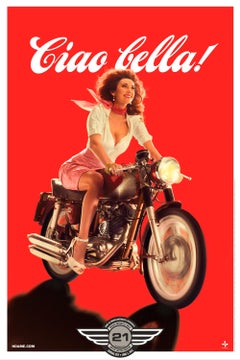
Ducati Girl
$790 Sale Price
34% Off
DC III Runway
Located in Kansas City, MO
Nick Vedros DC III Runway Archival Pigment Print Hahnemühle FineArt Baryta 325 gsm Year: 2000s Size: 8x12in Edition: 15 Signed, dated and numbered by hand on label Stamped COA provid...
Category

2010s Contemporary Photography

Materials

Archival Ink, Archival Paper, Photographic Paper, Archival Pigment

DC III Runway
$790 Sale Price
39% Off
Hair Dryer Car
Located in Kansas City, MO
Nick Vedros Hair Dryer Car Archival Pigment Print Hahnemühle FineArt Baryta 325 gsm Year: 1990s Size: 10x10in Edition: 15 Signed, dated and numbered by hand...
Category

2010s Contemporary Photography

Materials

Archival Ink, Archival Paper, Photographic Paper, Archival Pigment
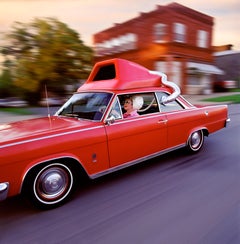
Hair Dryer Car
$790 Sale Price
39% Off
Gnome Darts
Located in Kansas City, MO
Nick Vedros Gnome Darts Archival Pigment Print Hahnemühle FineArt Baryta 325 gsm Year: 2000s Size: 10x18in Edition: 12 Signed, dated and numbered by hand on label Stamped COA provide...
Category

2010s Contemporary Photography

Materials

Archival Ink, Archival Paper, Photographic Paper, Archival Pigment
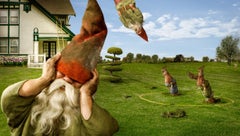
Gnome Darts
$790 Sale Price
39% Off
Home Sweet Gnome
Located in Kansas City, MO
Nick Vedros Home Sweet Gnome Archival Pigment Print Hahnemühle FineArt Baryta 325 gsm Year: 2000s Size: 11x12in Edition: 12 Signed, dated and numbered by hand on label Stamped COA p...
Category

2010s Contemporary Photography

Materials

Archival Ink, Archival Paper, Photographic Paper, Archival Pigment
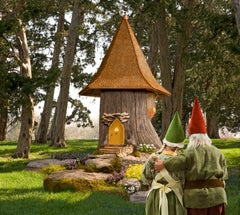
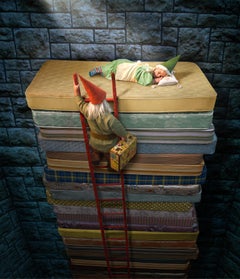
Bed Gnomes, Honey I’m Home
Located in Kansas City, MO
Nick Vedros Bed Gnomes, Honey I’m Home Archival Pigment Print Hahnemühle FineArt Baryta 325 gsm Year: 2000s Size: 14x12in Edition: 12 Signed, dated and numbered by hand on label Sta...
Category

2010s Contemporary Photography

Materials

Archival Ink, Archival Paper, Photographic Paper, Archival Pigment
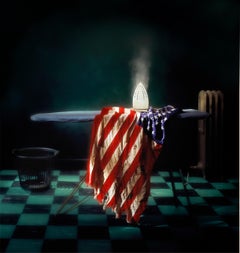
Ironing out America’s Problems
Located in Kansas City, MO
Nick Vedros Ironing out America’s Problems Archival Pigment Print Hahnemühle FineArt Baryta 325 gsm Year: 2000s Size: 14x13in Edition: 15 Signed, dated and numbered by hand on label...
Category

Early 2000s Contemporary Photography

Materials

Archival Ink, Archival Paper, Photographic Paper, Archival Pigment
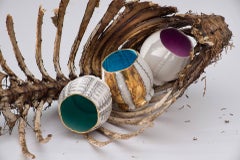
Memento Mori – Cup in Baby Lamb Carcass
By Melanie Sherman
Located in Kansas City, MO
Edition: 25 Signed, dated and numbered in ink on label affixed verso Other sizes available upon request COA provided In Sherman's photographs she is experimenting with groupings of ...
Category

2010s Contemporary Color Photography

Materials

Archival Ink, Archival Paper, Photographic Paper, Digital

Memento Mori – Cups in Baby Lamb Carcass
By Melanie Sherman
Located in Kansas City, MO
Edition: 25 Signed, dated and numbered in ink on label affixed verso Other sizes available upon request COA provided In Sherman's photographs she is experimenting with groupings of ...
Category

2010s Contemporary Color Photography

Materials

Archival Ink, Archival Paper, Photographic Paper, Digital
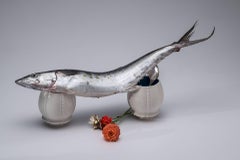
Memento Mori – Cups with Fish, Flowers
By Melanie Sherman
Located in Kansas City, MO
Edition: 25 Signed, dated and numbered in ink on label affixed verso Other sizes available upon request COA provided In Sherman's photographs she is experimenting with groupings of ...
Category

2010s Contemporary Color Photography

Materials

Archival Ink, Archival Paper, Photographic Paper, Digital
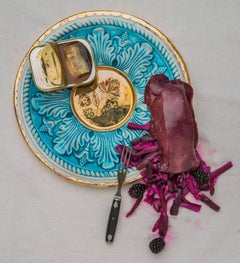
Platter with Kidney, Blackberries, Kimchi, Eel (Memento Mori)
By Melanie Sherman
Located in Kansas City, MO
Limited Edition: 7 of 25 Signed, dated and numbered in ink on label affixed verso COA provided In Sherman's photographs she is experimenting with groupings of different objects wit...
Category

2010s Baroque Still-life Photography

Materials

Archival Ink, Archival Paper, Photographic Paper, Digital
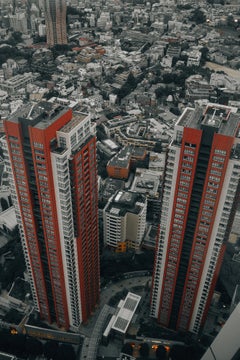
Top Floor View
By Pablo Saccinto
Located in Kansas City, MO
Title: "Top Floor View" Medium: Custom Archival Pigment Print on Archival Paper Date: 2019 Dimensions: 10 X 8 in. Signed, dated and inscribed on label COA provided Multiple Sizes Available (please inquire within) Framing Available (please inquire within) Born in Córdoba, Argentina, photographer Pablo Saccinto had a unique journey to discovering his passion for photography. Before he ever picked up a camera, Saccinto studied "Dramatic Arts" at the Royal Theatre, seminary by Jolie Libois and attended the National University of Cinema and Television whilst practicing figure skating as a hobby. However, Pablo wanted his dream to became a reality. In 2009 He decided to try out and audition for Disney On Ice. One year later, Saccinto became part of the magic. Since then He had the opportunity to participate in different productions of the company as Disney on Ice presents, “Toy Story 3", "Rockin’ ever after", "Let’s Celebrate", "100 years of magic", the big phenomenon "Frozen", and his current show "Dare to Dream", traveling to over 20 countries. Some of the roles Pablo portrayed were, Le Fou from Beauty and the Beast, Pinocchio, and Miguel from the movie Coco Disney/Pixar. It was through his career as a figure skater that Saccinto found new opportunities in his ever-changing surroundings. Traveling around the globe and seeing all the beauty that this world has to offer opened the door to pursue photography further. Traveling has opened his mind and inspires him to photograph different cultures and even allows him to get to know himself on a before unknown level. Contemporary, contemporary art, contemporary photography, travel photography, cities, Japan, Hiroshima, urban photography, street photography, fine art, architecture, architectural photography, black and white, black and white photography, nature, nature photography, photographers, travel, Edward Weston, William Eggleston, André Kertész, Frans Lanting, Berenice Abbott, Chris Burkard...
Category

2010s Contemporary Photography

Materials

Archival Paper, Archival Pigment

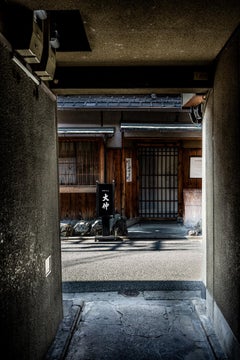
Passage
By Pablo Saccinto
Located in Kansas City, MO
Title: "Passage" Medium: Custom Archival Pigment Print on Archival Paper Date: 2019 Dimensions: 10 x 8 in. Signed, dated and inscribed on label COA provided Multiple Sizes Available (please inquire within) Framing Available (please inquire within) Born in Córdoba, Argentina, photographer Pablo Saccinto had a unique journey to discovering his passion for photography. Before he ever picked up a camera, Saccinto studied "Dramatic Arts" at the Royal Theatre, seminary by Jolie Libois and attended the National University of Cinema and Television whilst practicing figure skating as a hobby. However, Pablo wanted his dream to became a reality. In 2009 He decided to try out and audition for Disney On Ice. One year later, Saccinto became part of the magic. Since then He had the opportunity to participate in different productions of the company as Disney on Ice presents, “Toy Story 3", "Rockin’ ever after", "Let’s Celebrate", "100 years of magic", the big phenomenon "Frozen", and his current show "Dare to Dream", traveling to over 20 countries. Some of the roles Pablo portrayed were, Le Fou from Beauty and the Beast, Pinocchio, and Miguel from the movie Coco Disney/Pixar. It was through his career as a figure skater that Saccinto found new opportunities in his ever-changing surroundings. Traveling around the globe and seeing all the beauty that this world has to offer opened the door to pursue photography further. Traveling has opened his mind and inspires him to photograph different cultures and even allows him to get to know himself on a before unknown level. Contemporary, contemporary art, contemporary photography, travel photography, cities, Japan, Hiroshima, urban photography, street photography, fine art, architecture, architectural photography, black and white, black and white photography, nature, nature photography, photographers, travel, Edward Weston, William Eggleston, André Kertész, Frans Lanting, Berenice Abbott, Chris Burkard...
Category

2010s Minimalist Photography

Materials

Archival Paper, Archival Pigment

Fushimi Inari-taisha
By Pablo Saccinto
Located in Kansas City, MO
Title: "Fushimi Inari-taisha" Medium: Custom Archival Pigment Print on Archival Paper Date: 2019 Dimensions: 8 x 10 in. Signed, dated and inscribed on la...
Category

2010s Photorealist Photography

Materials

Archival Paper, Archival Pigment

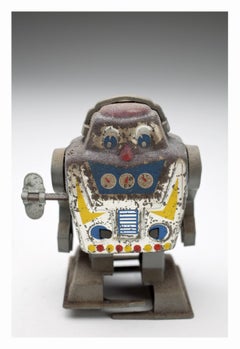
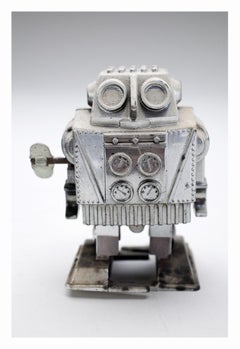
Untitled (from ROBOTNICS Series)
By Christian Rothmann
Located in Kansas City, MO
Christian Rothmann ROBOTNICS Series C-Print 2019 Edition S (Edition of 10) 12 x 8.3 inches (30.5 x 21 cm) Signed, dated and numbered verso Other Edition Sizes available: - Edition ...
Category

2010s Street Art Photography

Materials

C Print

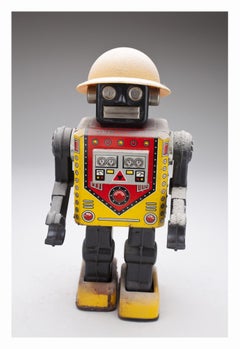
Untitled (from ROBOTNICS Series)
By Christian Rothmann
Located in Kansas City, MO
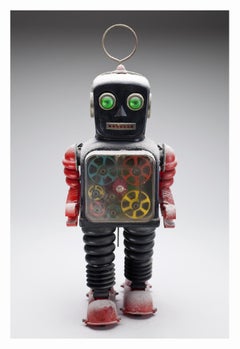
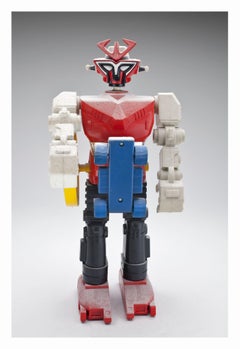
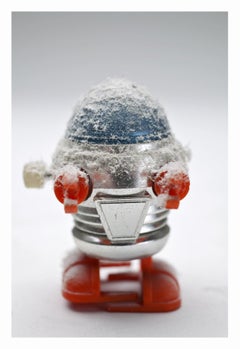
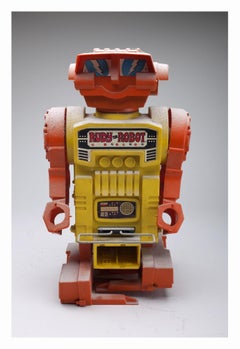
Christian Rothmann ROBOTNICS Series C-Print 2019 Edition S (Edition of 10) 12 x 8.3 inches (30.5 x 21 cm) Signed, dated and numbered verso Other Edition Sizes available: - Edition M (Edition of 6) 35.4 x 23.6 inches (90 x 60 cm) - Edition L (Edition of 6) 47.2 x 31.5 inches (120 x 80 cm) - Edition XL (Edition of 3) 88.8 x 58.8 inches (225 x 150 cm) PUR - Price Upon Request -------------- Since 1979 Christian Rothmann had more than 40 solo and 80 group exhibitions worldwide. Christian Rothmann had guest lectures, residencies, art fairs and biennials in Europe, Japan, USA, Australia and Korea. Christian Rothmann (born 1954 in Kędzierzyn, Poland ) is a painter, photographer, and graphic artist.⁠ ⁠ In 1976 he first studied at the “Hochschule für Gestaltung” in Offenbach, Germany and moved to Berlin in 1977, where he graduated in 1983 at the “Hochschule der Künste”. From 1983 to 1995 he taught at the university as a lecturer and as an artist with a focus on screenprinting and American art history. To date, a versatile body of work has been created, which includes not only paintings but also long-standing photo projects, videos, and public art.⁠ ⁠ Guest lectures, teaching assignments, scholarships and exhibitions regularly lead Rothmann to travel home and abroad.⁠ ------------------------ Rothmann's Robots These creatures date back to another era, and they connect the past and the future. They were found by Christian Rothmann, a Berlin artist, collector and traveler through time and the world: In shops in Germany and Japan, Israel and America, his keen eye picks out objects cast aside by previous generations, but which lend themselves to his own work. In a similar way, he came across a stash of historic toy robots of varied provenance collected by a Berlin gallery owner many years ago. Most of them were screwed and riveted together in the 1960s and 70s by Metal House, a Japanese company that still exists today. In systematically photographing these humanoids made of tin - and later plastic - Rothmann is paraphrasing the idea of appropriation art. Unknown names designed and made the toys, which some five decades on, Rothmann depicts and emblematizes in his extensive photo sequence. In their photographs of Selim Varol's vast toy collection, his German colleagues Daniel and Geo Fuchs captured both the stereotypical and individual in plastic figures that imitate superheroes which were and still are generally manufactured somewhere in Asia. Christian Rothmann looks his robots deep in their artificially stylized, painted or corrugated eyes - or more aptly, their eye slits - and although each has a certain degree of individuality, the little figures remain unknown to us; they project nothing and are not alter egos. Rothmann trains his lens on their faces and expressions, and thus, his portraits are born. Up extremely close, dust, dents, and rust become visible. In other words, what we see is time-traces of time that has passed since the figures were made, or during their period in a Berlin attic, and - considering that he robots date back to Rothmann's childhood - time lived by the photographer and recipients of his pictures. But unlike dolls, these mechanical robots bear no reference to the ideal of beauty at the time of their manufacture, and their features are in no way modeled on a concrete child's face. In this art project the robots appear as figures without a context, photographed face-on, cropped in front of a neutral background and reduced to their qualities of form. But beyond the reproduction and documentation a game with surfaces is going on; our view lingers on the outer skin of the object, or on the layer over it. The inside - which can be found beneath - is to an extent metaphysical, occurring inside the observer's mind. Only rarely is there anything to see behind the robot's helmet. When an occasional human face does peer out, it turns the figure into a robot-like protective casing for an astronaut of the future. If we really stop and think about modern toys, let's say those produced from the mid 20th century, when Disney and Marvel films were already stimulating a massive appetite for merchandising, the question must be: do such fantasy and hybrid creatures belong, does something like artificial intelligence already belong to the broader community of humans and animals? It is already a decade or two since the wave of Tamagotchis washed in from Japan, moved children to feed and entertain their newly born electronic chicks in the way they would a real pet, or to run the risk of seeing them die. It was a new form of artificial life, but the relationship between people and machines becomes problematic when the machines or humanoid robots have excellent fine motor skills and artificial intelligence and sensitivity on a par with, or even greater than that of humans. Luckily we have not reached that point yet, even if Hollywood adaptations would have us believe we are not far away. Rothmann's robots are initially sweet toys, and each toy is known to have a different effect on children and adults. They are conceived by (adult) designers as a means of translating or retelling history or reality through miniature animals, knights, and soldiers. In the case of monsters, mythical creatures, and robots, it is more about creating visions of the future and parallel worlds. Certainly, since the success of fantasy books and films such as Lord of the Rings or The Hobbit, we see the potential for vast enthusiasm for such parallel worlds. Successful computer and online games such as World of Warcraft...
Category

2010s Pop Art Photography

Materials

C Print

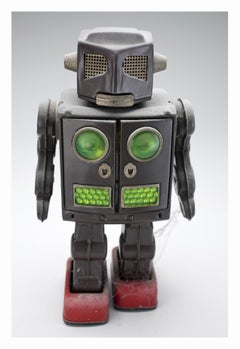
Untitled (from ROBOTNICS Series)
By Christian Rothmann
Located in Kansas City, MO
Christian Rothmann ROBOTNICS Series C-Print 2019 Edition S (Edition of 10) 12 x 8.3 inches (30.5 x 21 cm) Signed, dated and numbered verso Other Edition Sizes available: - Edition M (Edition of 6) 35.4 x 23.6 inches (90 x 60 cm) - Edition L (Edition of 6) 47.2 x 31.5 inches (120 x 80 cm) - Edition XL (Edition of 3) 88.8 x 58.8 inches (225 x 150 cm) PUR - Price Upon Request -------------- Since 1979 Christian Rothmann had more than 40 solo and 80 group exhibitions worldwide. Christian Rothmann had guest lectures, residencies, art fairs and biennials in Europe, Japan, USA, Australia and Korea. Christian Rothmann (born 1954 in Kędzierzyn, Poland ) is a painter, photographer, and graphic artist.⁠ ⁠ In 1976 he first studied at the “Hochschule für Gestaltung” in Offenbach, Germany and moved to Berlin in 1977, where he graduated in 1983 at the “Hochschule der Künste”. From 1983 to 1995 he taught at the university as a lecturer and as an artist with a focus on screenprinting and American art history. To date, a versatile body of work has been created, which includes not only paintings but also long-standing photo projects, videos, and public art.⁠ ⁠ Guest lectures, teaching assignments, scholarships and exhibitions regularly lead Rothmann to travel home and abroad.⁠ ------------------------ Rothmann's Robots These creatures date back to another era, and they connect the past and the future. They were found by Christian Rothmann, a Berlin artist, collector and traveler through time and the world: In shops in Germany and Japan, Israel and America, his keen eye picks out objects cast aside by previous generations, but which lend themselves to his own work. In a similar way, he came across a stash of historic toy robots of varied provenance collected by a Berlin gallery owner many years ago. Most of them were screwed and riveted together in the 1960s and 70s by Metal House, a Japanese company that still exists today. In systematically photographing these humanoids made of tin - and later plastic - Rothmann is paraphrasing the idea of appropriation art. Unknown names designed and made the toys, which some five decades on, Rothmann depicts and emblematizes in his extensive photo sequence. In their photographs of Selim Varol's vast toy collection, his German colleagues Daniel and Geo Fuchs captured both the stereotypical and individual in plastic figures that imitate superheroes which were and still are generally manufactured somewhere in Asia. Christian Rothmann looks his robots deep in their artificially stylized, painted or corrugated eyes - or more aptly, their eye slits - and although each has a certain degree of individuality, the little figures remain unknown to us; they project nothing and are not alter egos. Rothmann trains his lens on their faces and expressions, and thus, his portraits are born. Up extremely close, dust, dents, and rust become visible. In other words, what we see is time-traces of time that has passed since the figures were made, or during their period in a Berlin attic, and - considering that he robots date back to Rothmann's childhood - time lived by the photographer and recipients of his pictures. But unlike dolls, these mechanical robots bear no reference to the ideal of beauty at the time of their manufacture, and their features are in no way modeled on a concrete child's face. In this art project the robots appear as figures without a context, photographed face-on, cropped in front of a neutral background and reduced to their qualities of form. But beyond the reproduction and documentation a game with surfaces is going on; our view lingers on the outer skin of the object, or on the layer over it. The inside - which can be found beneath - is to an extent metaphysical, occurring inside the observer's mind. Only rarely is there anything to see behind the robot's helmet. When an occasional human face does peer out, it turns the figure into a robot-like protective casing for an astronaut of the future. If we really stop and think about modern toys, let's say those produced from the mid 20th century, when Disney and Marvel films were already stimulating a massive appetite for merchandising, the question must be: do such fantasy and hybrid creatures belong, does something like artificial intelligence already belong to the broader community of humans and animals? It is already a decade or two since the wave of Tamagotchis washed in from Japan, moved children to feed and entertain their newly born electronic chicks in the way they would a real pet, or to run the risk of seeing them die. It was a new form of artificial life, but the relationship between people and machines becomes problematic when the machines or humanoid robots have excellent fine motor skills and artificial intelligence and sensitivity on a par with, or even greater than that of humans. Luckily we have not reached that point yet, even if Hollywood adaptations would have us believe we are not far away. Rothmann's robots are initially sweet toys, and each toy is known to have a different effect on children and adults. They are conceived by (adult) designers as a means of translating or retelling history or reality through miniature animals, knights, and soldiers. In the case of monsters, mythical creatures, and robots, it is more about creating visions of the future and parallel worlds. Certainly, since the success of fantasy books and films such as Lord of the Rings or The Hobbit, we see the potential for vast enthusiasm for such parallel worlds. Successful computer and online games such as World of Warcraft, or the creation of avatars are also interesting worldwide phenomena of virtual realities that are not only relevant for children and teens. So when a middle-aged Berlin photographic artist (like Christian Rothmann) chooses to study 120 toy robots with great difference in form, it represents a journey back to his own childhood - even if at the time, he played with a steam engine rather than a robot. Once batteries had been inserted, some of the largely male or gender-neutral robots, could flash, shoot, turn around and even do more complicated things. Some can even still do it today - albeit clumsily. This, of course, can only be seen on film, but the artist intends to document that as well; to feature the robots in filmic works of art. The positioning of the figures in the studio is the same as the tableau of pictures in the exhibition room. In this way, one could say Rothmann deploys one robot after the other. This systematic approach enables a comparative view; the extreme enlargement of what are actually small and manageable figures is like the macro vision of insects whose fascinating, sometimes monster-like appearance only becomes visible when they are blown up a hundredfold. The same thing goes for the robots; in miniature form, they seem harmless and cute, but if they were larger than humans and made noises to match, they would seem more threatening. Some of the tin figures...
Category

2010s Contemporary Photography

Materials

C Print

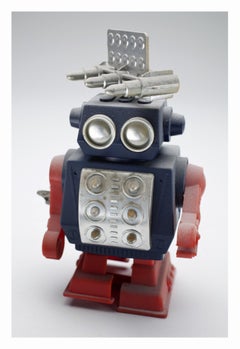
Untitled (from ROBOTNICS Series)
By Christian Rothmann
Located in Kansas City, MO
Christian Rothmann ROBOTNICS Series C-Print 2019 Edition S (Edition of 10) 12 x 8.3 inches (30.5 x 21 cm) Signed, dated and numbered verso Other Edition Sizes available: - Edition M (Edition of 6) 35.4 x 23.6 inches (90 x 60 cm) - Edition L (Edition of 6) 47.2 x 31.5 inches (120 x 80 cm) - Edition XL (Edition of 3) 88.8 x 58.8 inches (225 x 150 cm) PUR - Price Upon Request -------------- Since 1979 Christian Rothmann had more than 40 solo and 80 group exhibitions worldwide. Christian Rothmann had guest lectures, residencies, art fairs and biennials in Europe, Japan, USA, Australia and Korea. Christian Rothmann (born 1954 in Kędzierzyn, Poland ) is a painter, photographer, and graphic artist.⁠ ⁠ In 1976 he first studied at the “Hochschule für Gestaltung” in Offenbach, Germany and moved to Berlin in 1977, where he graduated in 1983 at the “Hochschule der Künste”. From 1983 to 1995 he taught at the university as a lecturer and as an artist with a focus on screenprinting and American art history. To date, a versatile body of work has been created, which includes not only paintings but also long-standing photo projects, videos, and public art.⁠ ⁠ Guest lectures, teaching assignments, scholarships and exhibitions regularly lead Rothmann to travel home and abroad.⁠ ------------------------ Rothmann's Robots These creatures date back to another era, and they connect the past and the future. They were found by Christian Rothmann, a Berlin artist, collector and traveler through time and the world: In shops in Germany and Japan, Israel and America, his keen eye picks out objects cast aside by previous generations, but which lend themselves to his own work. In a similar way, he came across a stash of historic toy robots of varied provenance collected by a Berlin gallery owner many years ago. Most of them were screwed and riveted together in the 1960s and 70s by Metal House, a Japanese company that still exists today. In systematically photographing these humanoids made of tin - and later plastic - Rothmann is paraphrasing the idea of appropriation art. Unknown names designed and made the toys, which some five decades on, Rothmann depicts and emblematizes in his extensive photo sequence. In their photographs of Selim Varol's vast toy collection, his German colleagues Daniel and Geo Fuchs captured both the stereotypical and individual in plastic figures that imitate superheroes which were and still are generally manufactured somewhere in Asia. Christian Rothmann looks his robots deep in their artificially stylized, painted or corrugated eyes - or more aptly, their eye slits - and although each has a certain degree of individuality, the little figures remain unknown to us; they project nothing and are not alter egos. Rothmann trains his lens on their faces and expressions, and thus, his portraits are born. Up extremely close, dust, dents, and rust become visible. In other words, what we see is time-traces of time that has passed since the figures were made, or during their period in a Berlin attic, and - considering that he robots date back to Rothmann's childhood - time lived by the photographer and recipients of his pictures. But unlike dolls, these mechanical robots bear no reference to the ideal of beauty at the time of their manufacture, and their features are in no way modeled on a concrete child's face. In this art project the robots appear as figures without a context, photographed face-on, cropped in front of a neutral background and reduced to their qualities of form. But beyond the reproduction and documentation a game with surfaces is going on; our view lingers on the outer skin of the object, or on the layer over it. The inside - which can be found beneath - is to an extent metaphysical, occurring inside the observer's mind. Only rarely is there anything to see behind the robot's helmet. When an occasional human face does peer out, it turns the figure into a robot-like protective casing for an astronaut of the future. If we really stop and think about modern toys, let's say those produced from the mid 20th century, when Disney and Marvel films were already stimulating a massive appetite for merchandising, the question must be: do such fantasy and hybrid creatures belong, does something like artificial intelligence already belong to the broader community of humans and animals? It is already a decade or two since the wave of Tamagotchis washed in from Japan, moved children to feed and entertain their newly born electronic chicks in the way they would a real pet, or to run the risk of seeing them die. It was a new form of artificial life, but the relationship between people and machines becomes problematic when the machines or humanoid robots have excellent fine motor skills and artificial intelligence and sensitivity on a par with, or even greater than that of humans. Luckily we have not reached that point yet, even if Hollywood adaptations would have us believe we are not far away. Rothmann's robots are initially sweet toys, and each toy is known to have a different effect on children and adults. They are conceived by (adult) designers as a means of translating or retelling history or reality through miniature animals, knights, and soldiers. In the case of monsters, mythical creatures, and robots, it is more about creating visions of the future and parallel worlds. Certainly, since the success of fantasy books and films such as Lord of the Rings or The Hobbit, we see the potential for vast enthusiasm for such parallel worlds. Successful computer and online games such as World of Warcraft, or the creation of avatars are also interesting worldwide phenomena of virtual realities that are not only relevant for children and teens. So when a middle-aged Berlin photographic artist (like Christian Rothmann) chooses to study 120 toy robots with great difference in form, it represents a journey back to his own childhood - even if at the time, he played with a steam engine rather than a robot. Once batteries had been inserted, some of the largely male or gender-neutral robots, could flash, shoot, turn around and even do more complicated things. Some can even still do it today - albeit clumsily. This, of course, can only be seen on film, but the artist intends to document that as well; to feature the robots in filmic works of art. The positioning of the figures in the studio is the same as the tableau of pictures in the exhibition room. In this way, one could say Rothmann deploys one robot after the other. This systematic approach enables a comparative view; the extreme enlargement of what are actually small and manageable figures is like the macro vision of insects whose fascinating, sometimes monster-like appearance only becomes visible when they are blown up a hundredfold. The same thing goes for the robots; in miniature form, they seem harmless and cute, but if they were larger than humans and made noises to match, they would seem more threatening. Some of the tin figures...
Category

2010s Pop Art Photography

Materials

C Print

Untitled (from ROBOTNICS Series)
By Christian Rothmann
Located in Kansas City, MO
Christian Rothmann ROBOTNICS Series C-Print 2019 Edition S (Edition of 10) 12 x 8.3 inches (30.5 x 21 cm) Signed, dated and numbered verso Other Edition Sizes available: - Edition M (Edition of 6) 35.4 x 23.6 inches (90 x 60 cm) - Edition L (Edition of 6) 47.2 x 31.5 inches (120 x 80 cm) - Edition XL (Edition of 3) 88.8 x 58.8 inches (225 x 150 cm) PUR - Price Upon Request -------------- Since 1979 Christian Rothmann had more than 40 solo and 80 group exhibitions worldwide. Christian Rothmann had guest lectures, residencies, art fairs and biennials in Europe, Japan, USA, Australia and Korea. Christian Rothmann (born 1954 in Kędzierzyn, Poland ) is a painter, photographer, and graphic artist.⁠ ⁠ In 1976 he first studied at the “Hochschule für Gestaltung” in Offenbach, Germany and moved to Berlin in 1977, where he graduated in 1983 at the “Hochschule der Künste”. From 1983 to 1995 he taught at the university as a lecturer and as an artist with a focus on screenprinting and American art history. To date, a versatile body of work has been created, which includes not only paintings but also long-standing photo projects, videos, and public art.⁠ ⁠ Guest lectures, teaching assignments, scholarships and exhibitions regularly lead Rothmann to travel home and abroad.⁠ ------------------------ Rothmann's Robots These creatures date back to another era, and they connect the past and the future. They were found by Christian Rothmann, a Berlin artist, collector and traveler through time and the world: In shops in Germany and Japan, Israel and America, his keen eye picks out objects cast aside by previous generations, but which lend themselves to his own work. In a similar way, he came across a stash of historic toy robots of varied provenance collected by a Berlin gallery owner many years ago. Most of them were screwed and riveted together in the 1960s and 70s by Metal House, a Japanese company that still exists today. In systematically photographing these humanoids made of tin - and later plastic - Rothmann is paraphrasing the idea of appropriation art. Unknown names designed and made the toys, which some five decades on, Rothmann depicts and emblematizes in his extensive photo sequence. In their photographs of Selim Varol's vast toy collection, his German colleagues Daniel and Geo Fuchs captured both the stereotypical and individual in plastic figures that imitate superheroes which were and still are generally manufactured somewhere in Asia. Christian Rothmann looks his robots deep in their artificially stylized, painted or corrugated eyes - or more aptly, their eye slits - and although each has a certain degree of individuality, the little figures remain unknown to us; they project nothing and are not alter egos. Rothmann trains his lens on their faces and expressions, and thus, his portraits are born. Up extremely close, dust, dents, and rust become visible. In other words, what we see is time-traces of time that has passed since the figures were made, or during their period in a Berlin attic, and - considering that he robots date back to Rothmann's childhood - time lived by the photographer and recipients of his pictures. But unlike dolls, these mechanical robots bear no reference to the ideal of beauty at the time of their manufacture, and their features are in no way modeled on a concrete child's face. In this art project the robots appear as figures without a context, photographed face-on, cropped in front of a neutral background and reduced to their qualities of form. But beyond the reproduction and documentation a game with surfaces is going on; our view lingers on the outer skin of the object, or on the layer over it. The inside - which can be found beneath - is to an extent metaphysical, occurring inside the observer's mind. Only rarely is there anything to see behind the robot's helmet. When an occasional human face does peer out, it turns the figure into a robot-like protective casing for an astronaut of the future. If we really stop and think about modern toys, let's say those produced from the mid 20th century, when Disney and Marvel films were already stimulating a massive appetite for merchandising, the question must be: do such fantasy and hybrid creatures belong, does something like artificial intelligence already belong to the broader community of humans and animals? It is already a decade or two since the wave of Tamagotchis washed in from Japan, moved children to feed and entertain their newly born electronic chicks in the way they would a real pet, or to run the risk of seeing them die. It was a new form of artificial life, but the relationship between people and machines becomes problematic when the machines or humanoid robots have excellent fine motor skills and artificial intelligence and sensitivity on a par with, or even greater than that of humans. Luckily we have not reached that point yet, even if Hollywood adaptations would have us believe we are not far away. Rothmann's robots are initially sweet toys, and each toy is known to have a different effect on children and adults. They are conceived by (adult) designers as a means of translating or retelling history or reality through miniature animals, knights, and soldiers. In the case of monsters, mythical creatures, and robots, it is more about creating visions of the future and parallel worlds. Certainly, since the success of fantasy books and films such as Lord of the Rings or The Hobbit, we see the potential for vast enthusiasm for such parallel worlds. Successful computer and online games such as World of Warcraft...
Category

2010s Modern Photography

Materials

C Print

Untitled (from ROBOTNICS Series)
By Christian Rothmann
Located in Kansas City, MO
Christian Rothmann ROBOTNICS Series C-Print 2019 Edition S (Edition of 10) 12 x 8.3 inches (30.5 x 21 cm) Signed, dated and numbered verso Other Edition Sizes available: - Edition M (Edition of 6) 35.4 x 23.6 inches (90 x 60 cm) - Edition L (Edition of 6) 47.2 x 31.5 inches (120 x 80 cm) - Edition XL (Edition of 3) 88.8 x 58.8 inches (225 x 150 cm) PUR - Price Upon Request -------------- Since 1979 Christian Rothmann had more than 40 solo and 80 group exhibitions worldwide. Christian Rothmann had guest lectures, residencies, art fairs and biennials in Europe, Japan, USA, Australia and Korea. Christian Rothmann (born 1954 in Kędzierzyn, Poland ) is a painter, photographer, and graphic artist.⁠ ⁠ In 1976 he first studied at the “Hochschule für Gestaltung” in Offenbach, Germany and moved to Berlin in 1977, where he graduated in 1983 at the “Hochschule der Künste”. From 1983 to 1995 he taught at the university as a lecturer and as an artist with a focus on screenprinting and American art history. To date, a versatile body of work has been created, which includes not only paintings but also long-standing photo projects, videos, and public art.⁠ ⁠ Guest lectures, teaching assignments, scholarships and exhibitions regularly lead Rothmann to travel home and abroad.⁠ ------------------------ Rothmann's Robots These creatures date back to another era, and they connect the past and the future. They were found by Christian Rothmann, a Berlin artist, collector and traveler through time and the world: In shops in Germany and Japan, Israel and America, his keen eye picks out objects cast aside by previous generations, but which lend themselves to his own work. In a similar way, he came across a stash of historic toy robots of varied provenance collected by a Berlin gallery owner many years ago. Most of them were screwed and riveted together in the 1960s and 70s by Metal House, a Japanese company that still exists today. In systematically photographing these humanoids made of tin - and later plastic - Rothmann is paraphrasing the idea of appropriation art. Unknown names designed and made the toys, which some five decades on, Rothmann depicts and emblematizes in his extensive photo sequence. In their photographs of Selim Varol's vast toy collection, his German colleagues Daniel and Geo Fuchs captured both the stereotypical and individual in plastic figures that imitate superheroes which were and still are generally manufactured somewhere in Asia. Christian Rothmann looks his robots deep in their artificially stylized, painted or corrugated eyes - or more aptly, their eye slits - and although each has a certain degree of individuality, the little figures remain unknown to us; they project nothing and are not alter egos. Rothmann trains his lens on their faces and expressions, and thus, his portraits are born. Up extremely close, dust, dents, and rust become visible. In other words, what we see is time-traces of time that has passed since the figures were made, or during their period in a Berlin attic, and - considering that he robots date back to Rothmann's childhood - time lived by the photographer and recipients of his pictures. But unlike dolls, these mechanical robots bear no reference to the ideal of beauty at the time of their manufacture, and their features are in no way modeled on a concrete child's face. In this art project the robots appear as figures without a context, photographed face-on, cropped in front of a neutral background and reduced to their qualities of form. But beyond the reproduction and documentation a game with surfaces is going on; our view lingers on the outer skin of the object, or on the layer over it. The inside - which can be found beneath - is to an extent metaphysical, occurring inside the observer's mind. Only rarely is there anything to see behind the robot's helmet. When an occasional human face does peer out, it turns the figure into a robot-like protective casing for an astronaut of the future. If we really stop and think about modern toys, let's say those produced from the mid 20th century, when Disney and Marvel films were already stimulating a massive appetite for merchandising, the question must be: do such fantasy and hybrid creatures belong, does something like artificial intelligence already belong to the broader community of humans and animals? It is already a decade or two since the wave of Tamagotchis washed in from Japan, moved children to feed and entertain their newly born electronic chicks in the way they would a real pet, or to run the risk of seeing them die. It was a new form of artificial life, but the relationship between people and machines becomes problematic when the machines or humanoid robots have excellent fine motor skills and artificial intelligence and sensitivity on a par with, or even greater than that of humans. Luckily we have not reached that point yet, even if Hollywood adaptations would have us believe we are not far away. Rothmann's robots are initially sweet toys, and each toy is known to have a different effect on children and adults. They are conceived by (adult) designers as a means of translating or retelling history or reality through miniature animals, knights, and soldiers. In the case of monsters, mythical creatures, and robots, it is more about creating visions of the future and parallel worlds. Certainly, since the success of fantasy books and films such as Lord of the Rings or The Hobbit, we see the potential for vast enthusiasm for such parallel worlds. Successful computer and online games such as World of Warcraft...
Category

2010s Contemporary Photography

Materials

C Print

Untitled (from ROBOTNICS Series)
By Christian Rothmann
Located in Kansas City, MO
Christian Rothmann ROBOTNICS Series C-Print 2019 Edition S (Edition of 10) 12 x 8.3 inches (30.5 x 21 cm) Signed, dated and numbered verso Other Edition Sizes available: - Edition ...
Category

2010s Street Art Photography

Materials

C Print

Untitled (from ROBOTNICS Series)
By Christian Rothmann
Located in Kansas City, MO
Christian Rothmann ROBOTNICS Series C-Print 2019 Edition S (Edition of 10) 12 x 8.3 inches (30.5 x 21 cm) Signed, dated and numbered verso Other Edition Sizes available: - Edition ...
Category

2010s Modern Photography

Materials

C Print

Untitled (from ROBOTNICS Series)
By Christian Rothmann
Located in Kansas City, MO
Christian Rothmann ROBOTNICS Series C-Print 2019 Edition S (Edition of 10) 12 x 8.3 inches (30.5 x 21 cm) Signed, dated and numbered verso Other Edition Sizes available: - Edition M (Edition of 6) 35.4 x 23.6 inches (90 x 60 cm) - Edition L (Edition of 6) 47.2 x 31.5 inches (120 x 80 cm) - Edition XL (Edition of 3) 88.8 x 58.8 inches (225 x 150 cm) PUR - Price Upon Request -------------- Since 1979 Christian Rothmann had more than 40 solo and 80 group exhibitions worldwide. Christian Rothmann had guest lectures, residencies, art fairs and biennials in Europe, Japan, USA, Australia and Korea. Christian Rothmann (born 1954 in Kędzierzyn, Poland ) is a painter, photographer, and graphic artist.⁠ ⁠ In 1976 he first studied at the “Hochschule für Gestaltung” in Offenbach, Germany and moved to Berlin in 1977, where he graduated in 1983 at the “Hochschule der Künste”. From 1983 to 1995 he taught at the university as a lecturer and as an artist with a focus on screenprinting and American art history. To date, a versatile body of work has been created, which includes not only paintings but also long-standing photo projects, videos, and public art.⁠ ⁠ Guest lectures, teaching assignments, scholarships and exhibitions regularly lead Rothmann to travel home and abroad.⁠ ------------------------------------------------------ Rothmann's Robots These creatures date back to another era, and they connect the past and the future. They were found by Christian Rothmann, a Berlin artist, collector and traveller through time and the world: In shops in Germany and Japan, Israel and America, his keen eye picks out objects cast aside by previous generations , but which lend themselves to his own work. In a similar way he came across a stash of historic toy robots of varied provenance collected by a Berlin gallery owner many years ago. Most of them were screwed and riveted together in the 1960s and 70s by Metal House, a Japanese company that still exists today. In systematically photographing these humanoids made of tin - and later plastic - Rothmann is paraphrasing the idea of appropriation art. Unknown names designed and made the toys, which some five decades on, Rothmann depicts and emblematizes in his extensive photo sequence. In their photographs of Selim Varol's vast toy collection, his German colleagues Daniel and Geo Fuchs captured both the stereotypcal and individual in plastic figures that imitate superheroes which were and still are generally manufactured somewhere in Asia. Christian Rothmann looks his robots deep in their artificially stylised, painted or corrugated eyes - or more aptly, their eye slits - and although each has a certain degree of individuality, the little figures remain unknown to us; they project nothing, and are not alter egos. Rothmann trains his lens on their faces and expressions, and thus, his portraits are born. Up extremely close, dust, dents and rust become visible. In other words, what we see is time-traces of time that has passed since the figures were made, or during their period in a Berlin attic, and - considering that he robots date back to Rothmann's childhood - time lived by the photographer and recipients of his pictures. But unlike dolls, these mechanical robots bear no reference to the ideal of beauty at the time of their manufacture, and their features are in no way modelled on a concrete child's face. In this art project the robots appear as figures without a context, photographed face-on, cropped in front of a neutral background and reduced to their qualities of form. But beyond the reproduction and documentation a game with surfaces is going on; our view lingers on the outer skin of the object, or on the layer over it. The inside - which can be found beneath - is to an extent metaphysical, occurring inside the observer's mind. Only rarely is there anything to see behind the robot's helmet. When an occasional human face does peer out, it turns the figure into a robot-like protective casing for an astronaut of the future. If we really stop and think about modern toys, let's say those produced from the mid 20th century, when Disney and Marvel films were already stimulating a massive appetite for merchandising, the question must be: do such fantasy and hybrid creatures belong, does something like artificial intelligence already belong to the broader community of humans and animals? It is already a decade or two since the wave of Tamagotchis washed in from Japan, moved children to feed and entertain their newly born electronic chicks in the way they would a real pet, or to run the risk of seeing them die. It was a new form of artificial life, but the relationship between people and machines becomes problematic when the machines or humanoid robots have excellent fine motor skills and artificial intelligence and sensitivity on a par with, or even greater than that of humans. Luckily we have not reached that point yet, even if Hollywood adaptations would have us believe we are not far away. Rothmann's robots are initially sweet toys; and each toy is known to have a different effect on children and adults. They are conceived by (adult) designers as a means of translating or retelling history or reality through miniature animals, knights and soldiers. In the case of monsters, mythical creatures and robots, it is more about creating visions of the future and parallel worlds. Certainly since the success of fantasy books and films such as Lord of the Rings or The Hobbit, we see the potential for vast enthusiasm for such parallel worlds. Successful computer and online games such as World of Warcraft, or the creation of avatars are also interesting worldwide phenomena of virtual realities that are not only relevant for children and teens. So when a middle-aged Berlin photographic artist (like Christian Rothmann) chooses to study 120 toy robots with great difference in form, it represents a journey back to his own childhood - even if at the time, he played with a steam engine rather than a robot. Once batteries had been inserted, some of the largely male or gender neutral robots, could flash, shoot, turn around and even do more complicated things. Some can even still do it today - albeit clumsily. This of course can only be seen on film, but the artist intends to document that as well; to feature the robots in filmic works of art. The positioning of the figures in the studio is the same as the tableau of pictures in the exhibition room. In this way, one could say Rothmann deploys one robot after the other. This systematic approach enables a comparative view; the extreme enlargement of what are actually small and manageable figures is like the macro vision of insects whose fascinating, sometimes monster-like appearance only becomes visible when they are blown up a hundredfold. The same thing goes for the robots; in miniature form they seem harmless and cute, but if they were larger than humans and made noises to match, they would seem more threatening. Some of the tin figures...
Category

2010s Contemporary Photography

Materials

C Print

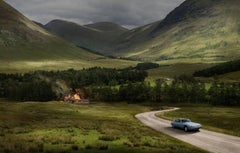
Road Movie #6 (115 x 185cm)
By Nicolas Dhervillers
Located in Kansas City, MO
Nicolas Dhervillers "Road Movie", 2014 Material: Epson Inkjet with 100 Years Archival Inks on Super Premium Silver Rag Edition: 8 Size: 115 x 185 cm There are 8 Photographs in the se...
Category

2010s Contemporary Color Photography

Materials

Photographic Paper, Lambda

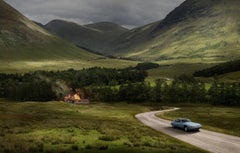
Road Movie #6 (75 x 125cm)
By Nicolas Dhervillers
Located in Kansas City, MO
Nicolas Dhervillers "Road Movie", 2014 Material: Epson Inkjet with 100 Years Archival Inks on Super Premium Silver Rag Edition: 8 Size: 75 x 125 cm There are 8 Photographs in the ser...
Category

2010s Contemporary Color Photography

Materials

Photographic Paper, Lambda

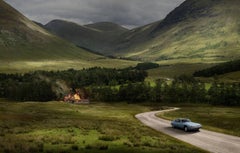
Road Movie #6
By Nicolas Dhervillers
Located in Kansas City, MO
Nicolas Dhervillers "Road Movie", 2014 Material: Epson Inkjet with 100 Years Archival Inks on Super Premium Silver Rag Edition: 8 Size: 60 x 80 cm There are 8 Photographs in the seri...
Category

2010s Contemporary Color Photography

Materials

Photographic Paper, Lambda

Untitled
By Pablo Saccinto
Located in Kansas City, MO
Title: Untitled Medium: Photograph on paper Date: 2017 Dimensions: Multiple Sizes Available (please inquire within) - Multiple Sizes Available - Multiple Paper Choices Available - Framing Available Born in 1988 in Cordoba, Argentina. Pablo Saccinto attended the National University of Cinema and Television in Córdoba, Argentina and since 2010 is part of an amazing and talented group of skaters for a “Disney On Ice...
Category

2010s Contemporary Color Photography

Materials

Digital Pigment

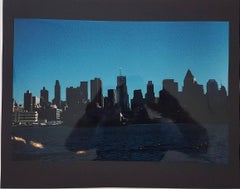
Manhattan Skyline
By Wolff Buchholz
Located in Kansas City, MO
Wolff Buchholz Title: Manhattan Skyline Medium: Photograph Year: 1990 Signed, dated and titled by hand Edition: 6 Size: 11.9 × 16.4 inches
Category

1990s Post-Modern Color Photography

Materials

Silver Gelatin

Madison Ave Mirror Effect
By Wolff Buchholz
Located in Kansas City, MO
Wolff Buchholz Title: Madison Ave Mirror Effect Medium: Photograph Year: 1990 Signed, dated and titled by hand Edition: 6 Size: 11.9 × 16.4 inches
Category

1990s American Realist Photography

Materials

Silver Gelatin