Jacksons Antique Asian Art and Furniture
to
34
34
1
1
18
15
15
9
17
15
13
13
7
33
33
32
1
34
34
34
7
2
1
1
1
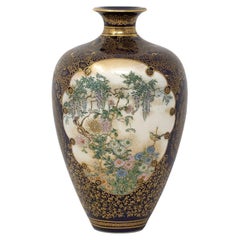
Japanese Meiji Period Satsuma Vase by Kinkozan
By Kinkozan
Located in Newark, England
FREE WORLDWIDE SHIPPING
FROM KYOTO’S FAMED KINKOZAN WORKSHOP, A MEIJI-PERIOD SATSUMA VASE OF EXCEPTIONAL ENAMEL AND GILT.
From our Japanese Satsuma collection, we are delighted to ...
Category
Antique Late 19th Century Meiji Ceramics
Materials
Ceramic, Earthenware, Pottery

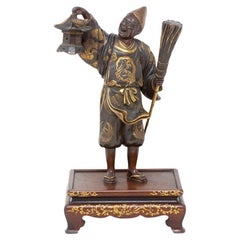
Japanese Bronze Figure by Miyao Eisuke, Meiji Period
By Eisuke Miyao 1
Located in Newark, England
FREE WORLDWIDE SHIPPING
A FINELY DETAILED JAPANESE BRONZE FIGURE BY MIYAO EISUKE, MEIJI PERIOD, CIRCA 1890.
From our Japanese collection, we are delighted to offer this outstanding...
Category
Antique Late 19th Century Japanese Meiji Sculptures and Carvings
Materials
Bronze
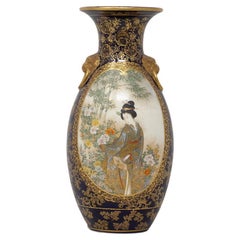
Japanese Antique Earthenware Satsuma Vase by Kinkozan Meiji Period
By Kinkozan
Located in Newark, England
FREE WORLDWIDE SHIPPING
MEIJI PERIOD (1868-1912)
From our Japanese Satsuma collection, we are delighted to present this exceptional Meiji period Satsuma vase by Kinkozan
This tal...
Category
Antique Late 19th Century Japanese Meiji Ceramics
Materials
Ceramic, Earthenware, Pottery
Japanese Antique Silvered Bronze Minogame by Ryūbundō Meiji Period
Located in Newark, England
FREE WORLDWIDE SHIPPING
LEGENDARY JAPANESE MINOGAME
From our Japanese collection, we’re pleased to offer this Meiji period silvered bronze minogame Okimono by Ryūbundō.
Cast in si...
Category
Antique Early 1900s Japanese Meiji Sculptures and Carvings
Materials
Silver, Bronze
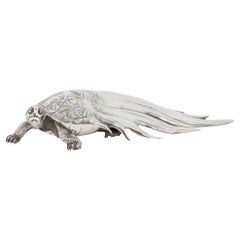
Japanese Antique Earthenware Satsuma Vase by Kinkozan Meiji Period
By Kinkozan
Located in Newark, England
FREE WORLDWIDE SHIPPING
MEIJI PERIOD (1868-1912)
From our Japanese Satsuma collection, we’re pleased to offer this Meiji period bottle-form Satsuma vase by Kinkozan.
The vase is...
Category
Antique Early 1900s Japanese Meiji Ceramics
Materials
Ceramic, Earthenware, Pottery
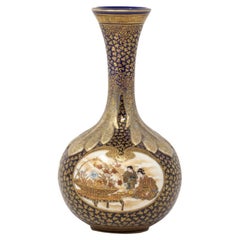
Japanese Meiji Bronze Rats Okimono by Shosai with Pumpkin and Pomegranate
Located in Newark, England
FREE WORLDWIDE SHIPPING
From our Japanese collection, we’re pleased to offer this finely cast Meiji period bronze okimono by Shosai. The group depicts several rats gathered around ...
Category
Antique Late 19th Century Japanese Meiji Metalwork
Materials
Bronze
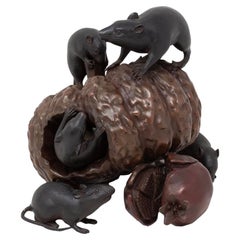
Japanese Silver and Shibuichi Box by Hiroteru Meiji Period
Located in Newark, England
FREE WORLDWIDE SHIPPING
From our Japanese collection, we’re delighted to offer this beautifully made Japanese Silver and Shibuichi Box by Hiroteru 廣照, dating to the late Meiji peri...
Category
Early 20th Century Japanese Meiji Metalwork
Materials
Metal, Gold, Silver
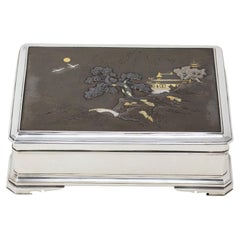
Japanese Shakudo and Mixed Metal Vase by Shuho Meiji Period
Located in Newark, England
FREE WORLD WIDE SHIPPING
From our Japanese collection, we’re thrilled to present this finely made Japanese mixed metals vase from the Meiji period (1868–1912), by Shuho.
The vase ...
Category
Early 20th Century Japanese Meiji Metalwork
Materials
Metal
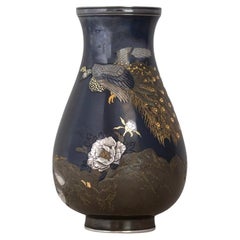
Japanese Satsuma Vase Pair by Senzan Meiji Period
Located in Newark, England
FREE WORLDWIDE SHIPPING
From our Japanese Satsuma collection, we’re pleased to offer this unusually shaped pair of Japanese Satsuma vases, signed by the artist Senzan 泉山 and dating...
Category
Early 20th Century Japanese Meiji Ceramics
Materials
Ceramic, Earthenware
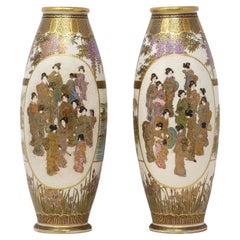
Japanese Cloisonné Enamel Vase Pair by Ota Hyozo, Meiji Period
Located in Newark, England
FREE WORLDWIDE SHIPPING ON ALL OUR COLLECTION - MORE IMAGES AVAILABLE UPON REQUEST
MEIJI PERIOD (1868-1912)
From our Japanese collection we are delighted to present this exceptio...
Category
Antique Late 19th Century Japanese Meiji Metalwork
Materials
Enamel
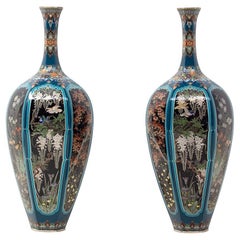
Japanese Bronze and Mixed Metals Koro by Kumagai, Meiji Period
Located in Newark, England
FREE WORLDWIDE SHIPPING
From our Japanese collection, we are pleased to present this Japanese Bronze and Mixed Metals Koro by Kumagai, dating to the Meiji Period (1868–1912).
The ...
Category
Antique Late 19th Century Japanese Meiji Metalwork
Materials
Gold, Silver, Bronze
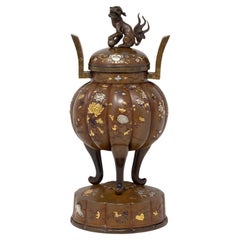
Japanese Gosu Blue Satsuma Vase with Rakan Figures, Meiji Period
Located in Newark, England
FREE WORLDWIDE SHIPPING
Painted with Gosu Blue Imperial Palette
From our Japanese Satsuma collection, we are pleased to present this good sized Japanese Gosu Blue Satsuma Vase 薩摩...
Category
Antique Late 19th Century Japanese Meiji Ceramics
Materials
Ceramic, Earthenware, Pottery
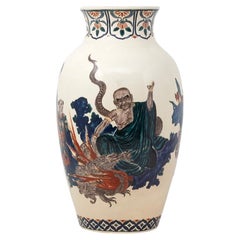
Japanese Mixed Metals Box by Fujii Yoshitoyo, Meiji Period
By Fujii Yoshitoyo
Located in Newark, England
IMPRESSIVE SIZE MIXED METALS BOX
From our Japanese collection, we are pleased to offer this Japanese Mixed Metals Box by Fujii Yoshitoyo.
This substantial rectangular box, raised u...
Category
Antique Late 19th Century Japanese Meiji Metalwork
Materials
Metal, Gold Plate, Silver, Brass
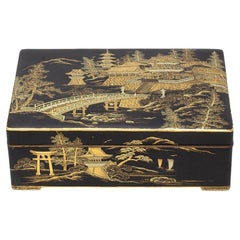
Japanese Antique Meiji Period Satsuma Vase by Kinkozan
By Kinkozan
Located in Newark, England
GLOBULAR FORM MINIATURE VASE
From our Japanese collection, we are delighted to offer this Japanese Satsuma Vase by Kinkozan. The Satsuma Vase made from earthenware pottery is potted...
Category
Antique Early 1900s Japanese Meiji Ceramics
Materials
Ceramic, Earthenware, Pottery

Antique Japanese Meiji Period Satsuma Vase by Ryozan
Located in Newark, England
MEIJI PERIOD 1868-1912
From our Japanese collection, we are delighted to offer this Japanese Satsuma Vase by Ryozan. The vase of tapered form with tightly pinched neck and flared to...
Category
Antique Late 19th Century Japanese Meiji Ceramics
Materials
Ceramic, Earthenware, Pottery
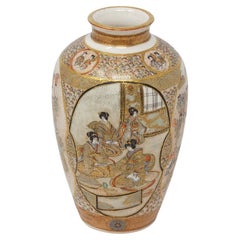
Important Japanese Lacquer Presentation Box Gifted by Japanese President to RAF
Located in Newark, England
PRESENTED BY THE 21ST PRESIDENT OF JAPAN
From our Japanese collection, we are absolutely delighted to bring to market this Important Japanese Lacquer Presentation Box. The Presentat...
Category
Early 20th Century Japanese Art Deco Lacquer
Materials
Lacquer
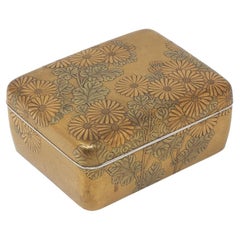
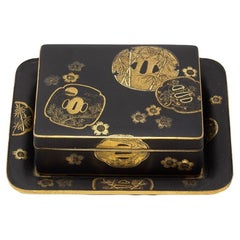
Antique Japanese Meiji Period Tsuba Decorated Box and Dish by Fujii Yoshitoyo
By Fujii Yoshitoyo
Located in Newark, England
Original Box and Dish Pair
From our Japanese collection, we are pleased to offer this Japanese Komai Style Box and Dish Fujii Yoshitoyo. The Box of slim rectangular shape seated upo...
Category
Antique Late 19th Century Japanese Meiji Metalwork
Materials
Metal
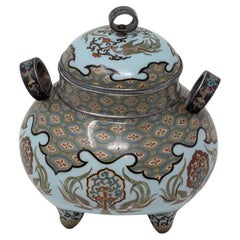
Japanese Meiji Period Cloisonne Enamel Koro Tsukamoto Hikokichi
By Tsukamoto Hikokichi
Located in Newark, England
Silver Mounted
From our Japanese collection, we are thrilled to offer this Japanese Cloisonne Enamel Koro by Tsukamoto Hikokichi. The Cloisonne Enamel Koro of exceptional quality sh...
Category
Early 20th Century Japanese Meiji Metalwork
Materials
Metal, Enamel
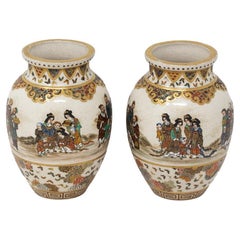
Japanese Antique Meiji Period Satsuma Vase Pair Hand Painted by Gyokuzan
Located in Newark, England
Painted with Continuous Scenes
From our Japanese collection, we are delighted to offer this Japanese Satsuma Vase Pair by Gyokuzan. The Satsuma vase pair of squat bulbous form with ...
Category
Antique Late 19th Century Japanese Meiji Ceramics
Materials
Ceramic, Pottery
Japanese Meiji Period Satsuma Vase by Ryokuzan
Located in Newark, England
From our Japanese Satsuma Collection, we are delighted to offer this Japanese Satsuma Vase by Ryokuzan 緑山. The Satsuma vase of ovoid shape with a tapered body, circular foot rim, wai...
Category
Antique Early 1900s Japanese Meiji Ceramics
Materials
Ceramic, Earthenware, Pottery

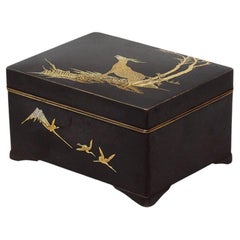
Japanese Meiji Period Damascene Box by Ashizuki with Gold and Silver
Located in Newark, England
INLAID WITH A GOLD AND SILVER DEER
From our Japanese collection we are pleased to offer this Japanese Damascene Box by Ashizuki. The Japanese Box of re...
Category
Antique 19th Century Japanese Meiji Metalwork
Materials
Gold, Silver, Brass, Iron
Japanese Meiji Period (1868-1912) Satsuma Kogo Incense Box by Taizan Yohei
By Taizan Yohei IX
Located in Newark, England
DEPICTING BISHAMON ONE OF THE SEVEN LUCKY GODS
From our Japanese Satsuma collection, we are delighted to offer this Japanese Satsuma Kogo by Taizan. The Satsuma Kogo of petit circul...
Category
Antique Early 1900s Japanese Meiji Ceramics
Materials
Ceramic, Earthenware, Pottery
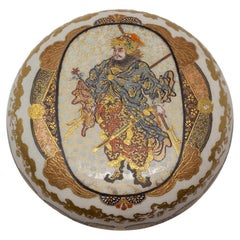
Japanese Meiji Period (1868-1912) Satsuma Vase by Kinkozan
By Kinkozan
Located in Newark, England
JAPANESE SATSUMA PROCESSIONAL VASE
From our Japanese collection, we are delighted to introduce to the market this Japanese Satsuma Vase by Kinkozan. The vase with a compressed body ...
Category
Antique Late 19th Century Japanese Meiji Ceramics
Materials
Ceramic, Earthenware, Pottery

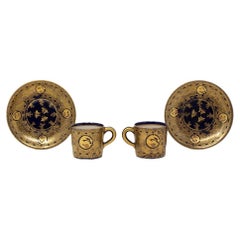
Japanese Meiji period (1868-1912) Satsuma Cup and Saucer Pair by Kinkozan
By Kinkozan
Located in Newark, England
PAIR OF CUP AND SAUCERS BY KINKOZAN
MEASUREMENTS
Saucer 10.8cm Diameter x 1.5cm High (4.25 x 0.6 Inches)
Cup 4.6cm High x 6.7cm Long x 5cm Wide (1.8 x 2.64 x 1.97 Inches)
From our ...
Category
Antique Late 19th Century Japanese Meiji Ceramics
Materials
Ceramic, Earthenware, Pottery
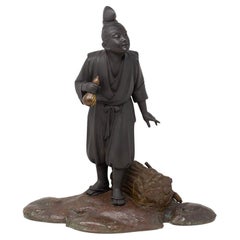
Japanese Bronze Okimono Sculpture by Yamamoto Kozan
Located in Newark, England
YOUNG MAN WOOD CUTTING
From our Japanese collection, we are pleased to offer this Japanese Bronze Okimono by Yamamoto Kozan. The Japanese Bronze Sculpture cast in Bronze with a natu...
Category
Early 20th Century Japanese Meiji Sculptures and Carvings
Materials
Bronze
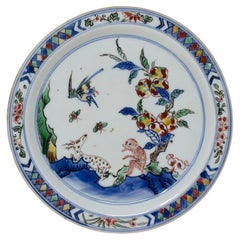
Chinese Ming Dynasty Ko-Sometsuke Wucai Porcelain Plate
Located in Newark, England
CHONGZHENG 1628-1644
From our Chinese collection, we are delighted to offer this rare example Chinese Ko-Sometsuke Wucai Porcelain Plate. The plate potted in porcelain ceramic of ci...
Category
Antique Early 17th Century Chinese Ming Ceramics
Materials
Ceramic, Porcelain
Japanese Antique Cloisonne Enamel Vase Hayashi Kodenji
Located in Newark, England
MEIJI PERIOD (1868-1912)
From our Japanese collection, we are delighted to introduce this good size Japanese Cloisonne Enamel Vase. The Vase of gently tapered form with a pinched n...
Category
Antique Early 1900s Japanese Meiji Metalwork
Materials
Gold, Silver, Enamel
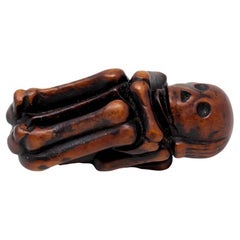
Japanese Edo Period (1603-1868) Skeleton Foetus Netsuke
Located in Newark, England
Laying Foetus
From our Japanese collection, we are pleased to offer this Japanese Edo Period Skeleton Netsuke. The Skeleton Netsuke is carved from Boxwood depicting a skeleton in t...
Category
Antique Mid-19th Century Japanese Edo Sculptures and Carvings
Materials
Wood, Boxwood
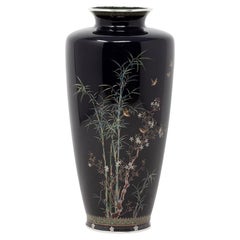
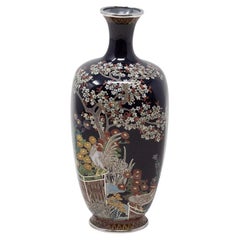
Japanese Meiji Period Cloisonne Enamel Vase by Ando Jubei
By Ando Jubei
Located in Newark, England
Free international shipping
Ando Cloisonne Company Mark
From our Japanese collection, we are delighted to introduce this Japanese Cloisonne Enamel Vase by Ando Jubei. The Cloisonn...
Category
Antique Early 1900s Japanese Meiji Metalwork
Materials
Enamel, Wire
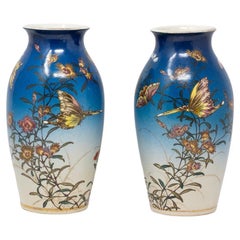
Unusual Pair of Japanese Meiji Period (1868-1912) Satsuma Vases by Kinkozan
By Kinkozan
Located in Newark, England
Taizan Yohei IX Style
From our Japanese collection we are delighted to offer this pair of Japanese Satsuma Vases by Kinkozan. The Satsuma Vases of baluster shape made from earthenwa...
Category
Antique Early 1900s Japanese Meiji Ceramics
Materials
Ceramic, Earthenware, Pottery
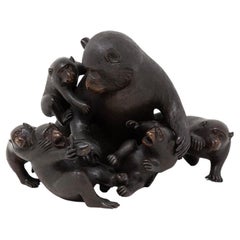
Japanese Meiji Period Bronze Monkey Group Sculpture Okimono Shosai
Located in Newark, England
Featuring Seven Japanese Macaques
Form our Japanese collection, we are delighted to offer this Japanese Bronze Monkey Group by Shosai. The Japanese Bronze Group displaying a male father monkey and his infants playing around and being mischievous with Persimmon fruit. The monkeys modelled as Japanese macaque monkeys (snow monkey). The bronze okimono is beautifully patinated with a highly lifelike and naturalistic casting signed to the underside Shosai 正齊鋳. The Bronze group dates to the Meiji Period (1868-1912) circa 1885.
Japanese macaque (snow monkey) is a terrestrial Old World monkey species that is native to Japan. They are known as snow monkeys because some live in areas where snow covers the ground for long periods each year hence their nickname. No other non-human primate lives further north or in a colder climate than the snow monkey. Individuals have brownish grey fur, pinkish-red faces, and short tails. Two subspecies are known and their conservation Status is of least concern. In Japan, the species is known as Nihonzaru ニホンザル, 日本 (Japan/Nihon) and saru 猿 (monkey) to distinguish it from other primates, but the Japanese macaque is the only species of monkey in Japan.
The Japanese macaque features heavily in the religion, folklore, and art of Japan, as well as in proverbs and idiomatic expressions in the Japanese language. They are often seen in paintings, block prints and represented in all manner of carvings from Okimono to netsuke. Many of these art forms reside in the world’s most famous museums and collections, some of the most prominent pieces by artists such as Mori Sosen and Kawanabe Kyosai. In Shinto belief (Japan’s indigenous religion/nature religion) legendary mythical beasts known as raiju sometimes appeared as monkeys and kept Raijin (the god of lightning/storms) company. In another well known tale the three wise monkeys who warn people to “see no evil, hear no evil and speak no evil” can be seen depicted in relief over the door of the famous Tosho-gu shrine in Nikko.
Meiji Period was an era of Japanese history that spanned from 1868 to 1912. It was the first half of the Empire of Japan, when the Japanese people began to build a paradigm of a modern, industrialised nation state and emergent great power, influenced by Western countries and aesthetics. As a result of radically different ideas, the changes to Japan were profound and it affected the social structure, politics, economy, military, and foreign relations across the board. The period corresponded to the reign of Emperor Meiji and was preceded by the Keio era and was succeeded by the Taisho era.
Cultural Art during the Meiji Period was of particular interest to the government and they overhauled the art export market which in turn promoted Japanese arts via various world’s fairs, beginning in Vienna at the world fair in 1873. The government heavily funded the fairs and took an active role organising how Japan’s culture was presented to the world including creating a semi-public company named Kiritsu Kosho Kaisha (First Industrial Manufacturing Company). The Kiritsu Kosho Kaisha was used to promote and commercialise exports of Japanese art and established the Hakurankai Jimukyoku (Exhibition Bureau) to maintain quality standards. For the 1876 Centennial International Exhibition in Philadelphia, the Japanese government created a Centennial Office and sent a special envoy to secure space for the 30,000 items that would be displayed. The Imperial Household also took an active interest in arts and crafts, commissioning works by select artists to be given as gifts for foreign dignitaries further emphasising the high quality and importance of Japanese art. Just before the end of the 19th century in 1890, the Teishitsu Gigeiin (Artist to the Imperial Household) system was created to recognise distinguished artists. These artists were selected for their exceptionally high quality wares and talent in their own industry. Over a period of 54 years Seventy artists were appointed, amongst these were ceramicist Makuzu Kozan and cloisonné enamel artist...
Category
Antique Late 19th Century Japanese Meiji Sculptures and Carvings
Materials
Bronze
Japanese Meiji Period (1868-1912) Satsuma Earthenware Vase Taizan for Hattori
Located in Newark, England
Meiji Period (1868-1912)
From our Japanese collection, we are delighted to offer Japanese Meiji Period Satsuma Vases. The Satsuma Vase of hexagonal form with a slight waisted neck and tight rounded rim is extensively decorated with multiple figures to two large scenes. The first scene features a beach with waves to the background and a plethora of figures including multiple geisha holding traditional Japanese wagasa’s. The second scene follows on from the first with a large building in the foreground holding figures on a large platform under a pagoda roof with a pagoda building in the background and further figures in the foreground. The scenes are framed by a full detailed border with gilt shapes, flowers amongst pink shaded backgrounds and butterflies around the neck. The Satsuma Vase is unusually signed Fine Art, Satsuma Ware, Dai Nippon (Great Japan), Hattori Made, Gosuido Works, Taizan Painted. 美術, サツマヤキ(薩摩焼), 大日本, 服部造, 五スイ堂工, 對山画 and dates to the Meiji Period (1868-1912) and the turn of the 20th century circa 1905.
Satsuma ware is a type of earthenware pottery originating from the Satsuma province in Southern Kyushu, Japan’s third largest island.
Wagasa are traditional Japanese umbrellas made of washi paper attached to a bamboo frame and treated to ensure it is waterproof.
Meiji Period was an era of Japanese history that spanned from 1868 to 1912. It was the first half of the Empire of Japan, when the Japanese people began to build a paradigm of a modern, industrialised nation state and emergent great power, influenced by Western countries and aesthetics. As a result of radically different ideas, the changes to Japan were profound and it affected the social structure, politics, economy, military, and foreign relations across the board. The period corresponded to the reign of Emperor Meiji and was preceded by the Keio era and was succeeded by the Taisho era.
Cultural Art during the Meiji Period was of particular interest to the government and they overhauled the art export market which in turn promoted Japanese arts via various world’s fairs, beginning in Vienna at the world fair in 1873. The government heavily funded the fairs and took an active role organising how Japan’s culture was presented to the world including creating a semi-public company named Kiritsu Kosho Kaisha (First Industrial Manufacturing Company). The Kiritsu Kosho Kaisha was used to promote and commercialise exports of Japanese art and established the Hakurankai Jimukyoku (Exhibition Bureau) to maintain quality standards. For the 1876 Centennial International Exhibition in Philadelphia, the Japanese government created a Centennial Office and sent a special envoy to secure space for the 30,000 items that would be displayed. The Imperial Household also took an active interest in arts and crafts, commissioning works by select artists to be given as gifts for foreign dignitaries further emphasising the high quality and importance of Japanese art. Just before the end of the 19th century in 1890, the Teishitsu Gigeiin (Artist to the Imperial Household) system was created to recognise distinguished artists. These artists were selected for their exceptionally high quality wares and talent in their own industry. Over a period of 54 years Seventy artists were appointed, amongst these were ceramicist Makuzu Kozan and cloisonné enamel artist...
Category
Antique Early 1900s Japanese Meiji Ceramics
Materials
Earthenware, Pottery

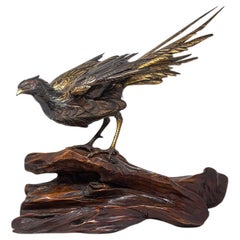
Japanese Bronze Pheasant Okimono Genryusai Seiya
Located in Newark, England
Unusual Casting of a Pheasant in Flight
From our Japanese collection, we are delighted to offer this Japanese bronze okimono of a Pheasant upon a naturalistic root wood base. The Ph...
Category
Antique Late 19th Century Japanese Meiji Sculptures and Carvings
Materials
Bronze
Japanese Meiji Period Cloisonne Enamel Sake Pot
Located in Newark, England
Fine Japanese Meiji period cloisonne enamel Sake pot. The Sake pot of rounded form with with clean edges profusely decorated with blossoming flowers throughout upon a black ground ba...
Category
Antique Late 19th Century Japanese Meiji Metalwork
Materials
Metal, Enamel