LXXI.gallery Metalwork
to
1
1
1
1
1
1
1
1
1
1
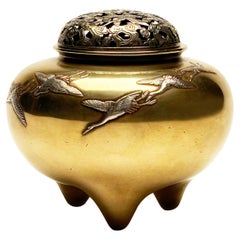
Bronze welded on vintage sculpture from Studio Nucleus
Boolean series
By Nucleo
Located in Collegno, IT
Reminiscent of Wertheimer's theories, Nucleus operates a segmentation of the perceptual field that also occurs according to the mnemonic stores of each individual's past, so as to fa...
Category
Late 20th Century Metalwork
Materials
Bronze
Related Items
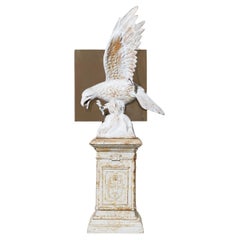
Antique Hindu Bronze of Krishna Sculpture
Located in Moreno Valley, CA
Antique Hindu bronze sculpture of Krishna playing the flute.
Circa late 19th century
Exquisite lost wax bronze statue figurine depicting Lord Krishna Venu...
Category
Early 20th Century Indian Folk Art Metalwork
Materials
Bronze
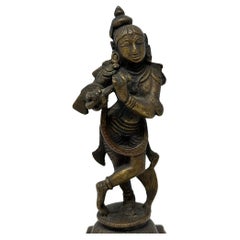

Small Tibetan Seated Buddha from Bronze, c. 1850
Located in Jimbaran, Bali
A wonderful Tibetan bronze seated buddha on a lotus pedestal from the 19th century. This buddha features a lovely age related patina as well as rich detailing.
Category
Antique 19th Century Tibetan Other Metalwork
Materials
Bronze
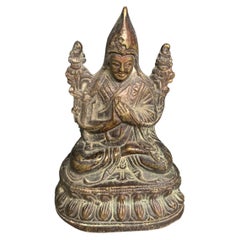
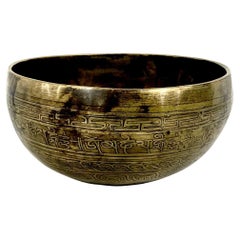
Bronze Singing Bowl From Nepal
Located in Bridgeport, CT
A beautifully fashioned Bronze Bowl with traditional form, good weight and deep sound. The OM Mani Padme Hum Mantra, shown here in Tibetan script. OM Mani Padme Hum, sometimes trans...
Category
20th Century Nepalese Tibetan Metalwork
Materials
Bronze
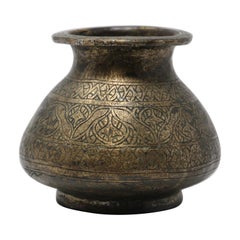
Antique Hand-Hammered Bronze Ceremonial Pot " Lota" from India
Located in Moreno Valley, CA
Antique hand-hammered metal bronze ceremonial pot "Lota" from India.
Brass water pot with fluted design in the centre narrow neck with flat rim.
In India Hindu...
Category
Antique Late 19th Century Indian Agra Metalwork
Materials
Brass, Bronze
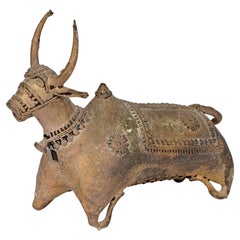
Khond Bronzed Metal Ox Figure from Orissa, India
Located in Bishop
s Stortford, Hertfordshire
A stylish antique Khond bronzed metal stylized figure of an Ox dating from the early to mid 20th century made in Orissa, India.
The Khonds are an indigenous Adivasi tribal commun...
Category
20th Century Indian Anglo Raj Metalwork
Materials
Metal
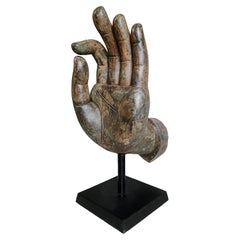
Mid 20th Century Cast Bronze Buddha Hand Sculpture, On Stand
Located in New York, NY
A large cast bronze sculpture of a Buddha's left hand, circa 1960. Mounted on a trapezoid-shaped wood and metal stand.
The gesture is known as Dharmachakra Mudra, the traditional B...
Category
Vintage 1960s Thai Other Sculptures
Materials
Bronze
$1,320 Sale Price
20% Off
H 27 in W 11 in D 12 in
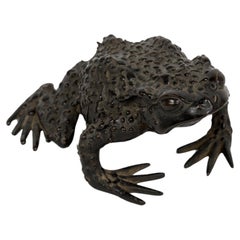
Japanese bronze okimono toad (sculpture)
Located in PARIS, FR
Okimono bronze sculpture of a large toad in a crouching position, possibly about to jump.
The toad and the frog, referred to by the same term in Japanese (kaeru), are associated with...
Category
Antique Mid-19th Century Japanese Japonisme Metalwork
Materials
Bronze
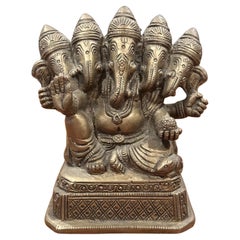
Vintage Bronze Panchmukhi Ganesha Bronze Hindu Five Faces Idol / Sculpture
Located in San Diego, CA
Well casted and detailed vintage bronze Panchmukhi Ganesha five faces Hindu idol / sculpture, circa 1970s. The piece is in very good vintage condition with a wonderful patina and me...
Category
Mid-20th Century Thai Metalwork
Materials
Bronze
$300
H 4.75 in W 4.5 in D 2.5 in
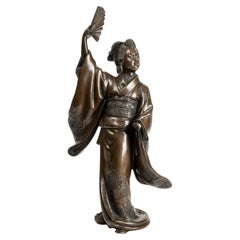
A Japanese bronze sculpture depicting a dancer with fan
Located in Milano, IT
A Japanese okimono bronze (sculpture) depicting a dancer holding a fan, inspired by the Nihon Buyō classical dance tradition.
The long kimono and wide obi are adorned with floral mo...
Category
Antique Late 19th Century Japanese Metalwork
Materials
Bronze
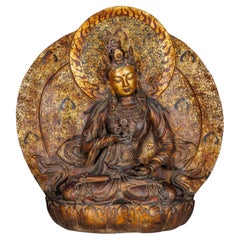
A Monumental Gilt-Lacquered Bronze Ornamental Buddha Sculpture of Vajravidarana
Located in Queens, NY
A Monumental Gilt-Lacquered Bronze Ornamental Buddha Sculpture of Vajravidarana:
A Masterpiece of Sino-Tibetan Craftsmanship, Late 19th Century, Qing Dynasty
This monumental gilt-lacquered bronze ornamental sculpture of Vajravidarana is an extraordinary and commanding piece of art, showcasing the pinnacle of Sino-Tibetan craftsmanship from the late 19th century. The figure of Vajravidarana, a powerful purification deity in Tibetan Buddhism, is meticulously sculpted to embody both spiritual authority and artistic excellence.
Vajravidarana is primarily known for his role in removing spiritual impurities and negativities. Unlike other deities associated with wisdom or compassion, Vajravidarana’s function is centered on purification and healing. He is typically depicted holding a vajra and a bell, symbolizing the cutting away of delusions and the resonance of divine truth. In this striking sculpture, Vajravidarana is shown holding a vishva vajra (the double vajra), a unique and powerful variation of the traditional iconography, which signifies ultimate protection and the dispelling of negative karma.
Vajravidarana: The Supreme Purifier and Protector
Vajravidarana is revered in Tibetan Buddhism as the deity of spiritual purification, called upon to cleanse practitioners of defilements and negative influences. His vajra represents the indestructibility of truth, while his bell signifies the wisdom that resonates through purification rituals. In this sculpture, the presence of the vishva vajra, or double vajra, enhances his association with supreme protection, ensuring the destruction of all spiritual obstacles and afflictions.
The figure’s powerful yet composed expression conveys a sense of unwavering resolve and divine authority. His posture, along with the carefully sculpted details of his robes and ornaments, highlights his function as a guardian against impurity. The inclusion of the vishva vajra rather than the usual single vajra reinforces his role as a supreme protector, capable of dispelling all forms of negativity and restoring balance.
Symbolism of the Mantras and Aureole:
Unlike deities that embody wisdom through duality, Vajravidarana’s iconography is centered on purification and exorcism. The aureole surrounding him is inscribed with sacred purification mantras rather than depictions of a consort. These mantras emphasize his function as a remover of obstacles and impurities, reinforcing his role in Buddhist healing rituals.
The presence of the sacred inscriptions elevates the sculpture’s spiritual significance, making it a focal point for meditation and ritual purification. Practitioners often visualize Vajravidarana radiating purifying light, dissolving afflictions and negative karma. This theme is mirrored in the sculptural repetition of the purification symbols on the aureole, reinforcing the deity’s role as a divine cleanser.
Gilt-Lacquered Bronze: The Artistry of Sino-Tibetan Metalwork:
The craftsmanship of this monumental figure reflects the expertise of late 19th-century Sino-Tibetan metalwork, where traditional Tibetan themes were infused with Chinese artistic sensibilities. Cast in bronze and finished with a rich gilt lacquer, the statue has an otherworldly glow, giving it an ethereal, almost divine presence. The gilding process—applied with exceptional skill—gives the sculpture a striking luminosity that enhances the fine details of the facial features, flowing robes, jewelry, and other elements of the deity’s attire.
The technique employed to create this figure speaks to the high level of craftsmanship that flourished during the late Qing Dynasty and early modern Tibetan art. The ornate details of the robes and the fine texture of the sculpture highlight the exceptional skill of the artisans who brought this work to life. The use of gold and lacquer not only reflects the preciousness of the sculpture but also its spiritual significance as an object meant to inspire reverence and meditation.
An Ornamental Sculpture of Monumental Scale:
Unlike smaller devotional objects, this sculpture is designed as an ornamental masterpiece, intended to make a grand visual and spiritual statement. Its monumental size allows it to dominate any space, offering a commanding presence that is both physically and symbolically impressive. In Buddhist practice, large sculptures of this nature are often placed in temples or meditation halls, where their imposing size and serene presence would encourage contemplation and devotion.
The grand scale of the statue further amplifies the spiritual power it is meant to convey. As a representation of Vajravidarana, it is not only a physical object of beauty but also a conduit for meditation, purification, and enlightenment. The scale of the sculpture also emphasizes the divine stature of the deity, highlighting his importance in the Buddhist tradition as the ultimate force for spiritual cleansing and protection.
Provenance:
Acquired in China in circa 1900
1905 Private Buddhist Temple, Northeast, USA
Private Sale
Solomon Treasure...
Category
Antique Late 19th Century Chinese Tibetan Metalwork
Materials
Bronze
$173,500
H 43 in W 43 in D 12 in
Bronze sculpture of a rat standing on a radish (Okimono)
Located in PARIS, FR
This beautiful bronze okimono depicts a mouse delicately perched on a leafy radish. The mouse, resting on its two hind legs, has a long tail that wraps around the radish. Each elemen...
Category
Antique Late 19th Century Japanese Meiji Metalwork
Materials
Bronze
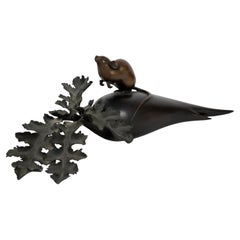
Japanese Bronze and Sterling Incense Burner from Takaoka
Located in Louisville, KY
This stunning Koro was crafted in Takaoka, Japan where craftsmen use intricate tooling and expert kills to create the delicate details found in this piece. Crafted of bronze, this Ko...
Category
20th Century Japanese Other Metalwork
Materials
Sterling Silver, Bronze