TISHU Textiles
to
4
127
127
2
78
47
32
9
1
2
1
1
126
96
54
18
17
127
119
71
40
6
127
127
127
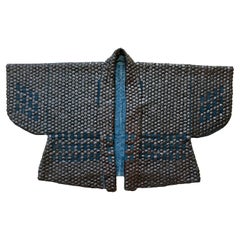
Rare Antique Kikko Katabira Armor Jacket Edo Period
Located in Atlanta, GA
A rare and well-preserved Kikko Jacket used traditionally as an under armor by elite Daimyo and Samurai class since the time of the Mongol invasions of Japan (1270s), and particularl...
Category
Antique Mid-19th Century Japanese Edo Textiles
Materials
Iron
Framed Antique Chinese Embroidered Silk Collar Qing Dynasty Textile Art
Located in Atlanta, GA
A silk collar from China dated to late Qing Dynasty circa 19th century. Known as Yunjian (Cloud Shoulder or Cloud Collar), this two-tiered embroidery textile piece was a detachable c...
Category
Antique Early 19th Century Chinese Qing Textiles
Materials
Silk, Wood
Large Framed Stunning Antique Chinese Embroidered Robe Qing Dynasty
Located in Atlanta, GA
A woman's coat made of black stain silk with wide sleeves from China late Qing Dynasty (late 19th to early 20th century), mounted with the sleeves folded and presented on a coral red...
Category
Antique 19th Century Chinese Qing Textiles
Materials
Silk, Giltwood


$6,500 Sale Price
35% Off
Framed Chinese Antique Embroidery Silk Collar Qing Dynasty
Located in Atlanta, GA
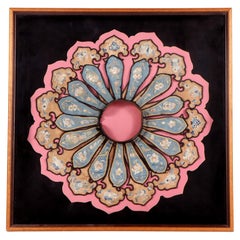
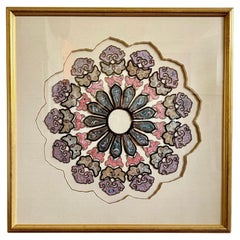
A silk collar from China dated to Qing Dynasty circa 19th century. Known as Yunjian (Cloud Shoulder or Cloud Collar), this multi-lobed textile piece was a detachable collar worn arou...
Category
Antique 19th Century Chinese Qing Textiles
Materials
Silk, Beads
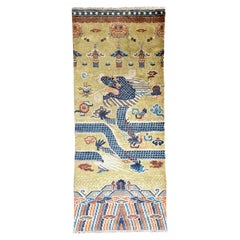
Antique Chinese Ningxia Tibetan Dragon Pillar Rug Qing Dynasty
Located in Atlanta, GA
Pillar rug is a specific Chinese textile art found in Tibetan Buddhist Temples with most survived exampled dated to Qing dynasty (1644 to 1912). Mostly woven in fine wool, these rugs...
Category
Antique 19th Century Chinese Qing Textiles
Materials
Wool
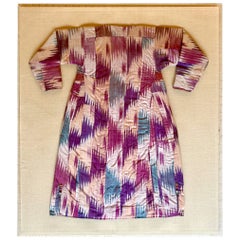
Framed Antique Silk Ikat Chapan Robe Central Asia with Provenance
Located in Atlanta, GA
Chapan is the iconic front-open flowing robe traditionally worn by the nomadic people in Central Asia. This Uzbek chapan was made from a finely woven ikat...
Category
Antique Late 19th Century Afghan Tribal Textiles
Materials
Silk
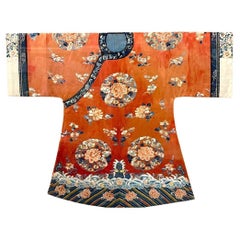
Frame Fine Embroidered Chinese Court Lady Casual Robe Qing Dynasty Provenance
Located in Atlanta, GA
A woman's court coat made from fine orange color silk with wide sleeves from Chinese Qing Dynasty (mid 19th century), mounted on linen canvas and presented on under a plexiglass shadow box with brass corner trims. This piece is part of the textile art collection of the former Xerox Corporate and still bears a metal tag that read "Xerox property no A2425".
The semi-long Apricot color silk coat features elaborate embroidery work executed in superb workmanship. Perfectly symmetrical, the design follows the iconic Qing dynasty court tradition as an informal court coat. The bottom of the skirt is bordered with fine Li-Shui bands with rocks in the middle. Three large peony floral roundels form the focal points of the front. Two additional were placed on the shoulder (half visible). Numerous auspicious symbols were incorporated into the picture, including plum blossom, Chrysanthemum flower centered with Buddhism symbols, bats, butterflies, and magic mushrooms. The neck and skirt bands features archaic key motif, scrolling floral vines and Buddhist drums with ribbons.
Examining the robe, one is struck by the fine workmanship. Long and short satin stiches were used widely. The peonies were created using forbidden knots (Peking Knote), one of the most challenging and time-consuming stiches in Qing textile. The robe carries a nice patina, reflecting in a mottled fading in the background that renders the piece a nice antique aurora...
Category
Antique Mid-19th Century Chinese Qing Textiles
Materials
Silk, Plexiglass
Japanese Woven Asa Double Ikat Summer Usumono Kimono Provenance
Located in Atlanta, GA
On offer is a “Natsu No Kimono” (summer kimono) also called “Usumono" (thin clothes) dated from early 20th century Taisho Period. This well-preserved garment was tailored from a wove...
Category
Early 20th Century Japanese Taisho Textiles
Materials
Hemp
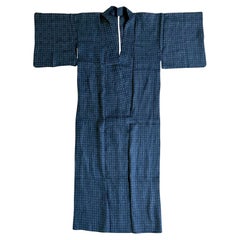
Japanese Woven Asa Double Ikat Summer Usumono Kimono Provenance
Located in Atlanta, GA
A “Natsu No Kimono” (summer kimono) also called “Usumono" (thin clothes) dated from early 20th century Taisho Period. This well-preserved garment was tailored from a woven indigo blu...
Category
Early 20th Century Japanese Taisho Textiles
Materials
Hemp
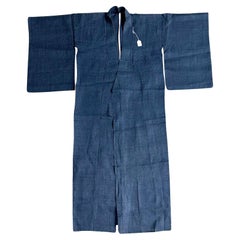
Japanese Woven Asa Double Ikat Summer Usumono Kimono Provenance
Located in Atlanta, GA
A “Natsu No Kimono” (summer kimono) also called “Usumono" (thin clothes) dated from early 20th century Taisho Period. This well-preserved garment was tailored from a woven indigo blu...
Category
Early 20th Century Japanese Taisho Textiles
Materials
Linen
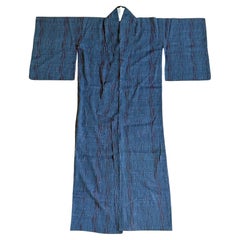
Exceptional Japanese Summer Asa Hitoe Weft Ikat Kimono Provenance
Located in Atlanta, GA
A super fine Japanese summer unlined (Hitoe) Kimono made with a soft Asa fiber blended with silk. The garment was hand-stitched and dated to circa 1930-50s Showa period. It is hard t...
Category
Mid-20th Century Japanese Showa Textiles
Materials
Linen, Silk
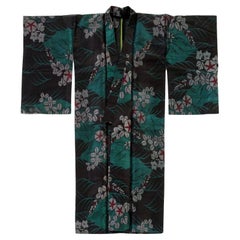
Framed Chinese Qing Dynasty Embroidered First Rank Badge
Located in Atlanta, GA
A finely embroidered silk civil rank badge panel presented with elaborate lattice mat and a wood frame circa mid to late 19th century (late Qing dynasty). The square rank badge is kn...
Category
Antique 19th Century Chinese Qing Textiles
Materials
Silk
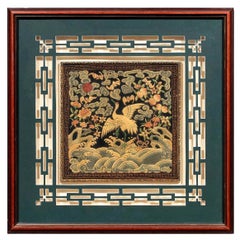
Framed Japanese Embroidery Dragon Tapestry Meiji Period
Located in Atlanta, GA
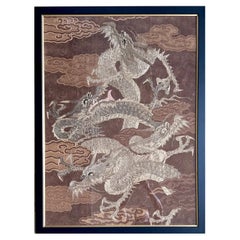
A striking Japanese embroidery tapestry circa 1890s Meiji period presented in a gilt wood frame under glaze. The design features four dragons coiling and slithering in the clouds. The most auspicious mythological creature, dragon was a very popular motif in Japanese textile art. Viewing this particular piece, one is struck by the superb craftsmanship with the profuse use of silver threads in satin stitches and complex chain stich coiling that create the background. The slight relief technique was also used on parts of the dragon heads, rendering the piece a strong sense of dimension and motion. The textile itself measures about 32.5"x46".
Japanese Meiji textiles were widely exhibited in the west during turn of the 20th century at the international exposition. It was used to showcase the Japanese aesthetics with the techniques at their pinnacle. These expositions solidified the country's images overseas and felled the Japanese craze in the west, which turned out to be a long-lasting influence on the western art. Many pieces were purchased and stayed in the west. As there is no brocade border present, the piece is likely the main part with the central motifs of a larger tapestry and was later framed for display.
For two similar dragon tapestries...
Category
Antique 1890s Japanese Meiji Textiles
Materials
Textile, Wood
Korean Embroidery Civil Rank Badges Joseon Dynasty
Located in Atlanta, GA
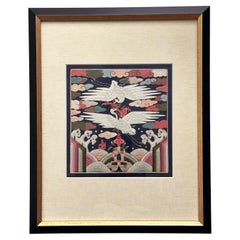
A framed finely embroidered Korean silk rank badge (Hyungbae in Korean) from Joseon Dynasty circa late 19th century. The badge features a design of double ...
Category
Antique 19th Century Korean Other Textiles
Materials
Fabric, Silk, Wood
$3,200 / item
Rare Pair Korean Embroidery Civil Rank Badges Joseon Dynasty
Located in Atlanta, GA
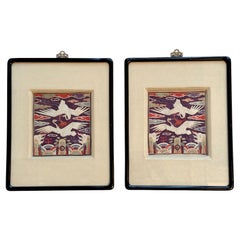
A pair of fine Korean silk embroidered rank badge (Hyungbae in Korean) from Joseon Dynasty circa late 19th century. A matching pair of Hyungbae like these ...
Category
Antique 19th Century Korean Other Textiles
Materials
Fabric, Silk, Wood
Fine Japanese Embroidery Silk Fukusa Kabuki Story Meiji Period
Located in Atlanta, GA
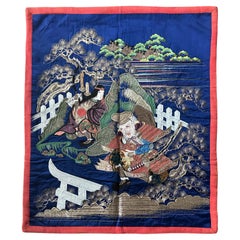
A Japanese silk embroidery Fukusa panel circa 1890-1910s toward the end of Meiji Period. The spectacular needlework on this piece is a tour-de-force showcasing a scene from Kabuki th...
Category
Antique 1890s Japanese Meiji Textiles
Materials
Silk
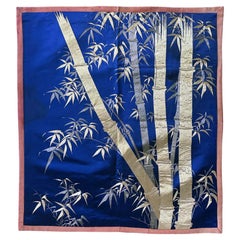
Japanese Embroidery Silk Bamboo Fukusa Meiji Period
Located in Atlanta, GA
A Japanese silk embroidery Fukusa panel circa 1890-1910s toward the end of Meiji Period. On the deep blue satin background, the artist showcases a clump of bamboos in a realistic sty...
Category
Early 20th Century Japanese Meiji Textiles
Materials
Silk
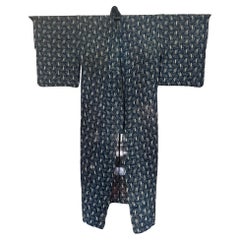
Japanese Woven Ikat and Stenciled Summer Usumono Kimono Meiji Period
Located in Atlanta, GA
On offer is a “Natsu No Kimono” (summer kimono) also called “Usumono" (thin clothes) dated from late Meiji Period circa late 19th to early 20th century. This well-preserved garment w...
Category
Early 20th Century Japanese Meiji Textiles
Materials
Linen
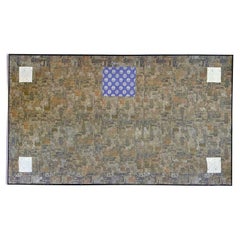
Antique Framed Japanese Silk Kesa Monk
s Robe Edo Period
Located in Atlanta, GA
A Japanese Kesa (Monk's Vestment) made from thirteen columns of patchworks of brocades set within a border of the same material. The brocade was woven from a subtle color palette of ...
Category
Antique 19th Century Japanese Edo Textiles
Materials
Brocade, Silk
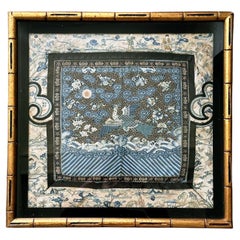
Framed Stunning Chinese Qing Dynasty Kesi Peacock Third Rank Badge
Located in Atlanta, GA
A silk civil rank badge panel beautifully framed in a gilt Baux bamboo carved wood frame circa Qing dynasty mid-19th century. The square rank badge is known in Chinese as Buzi which ...
Category
Antique Mid-19th Century Chinese Qing Textiles
Materials
Silk
Pair Framed Superb Chinese Qing Dynasty Embroidered Peacock Third Rank Badge
Located in Atlanta, GA
A rare pair of finely embroidered silk civil rank badge panel framed in a black carved wood frame circa late Qing dynasty (mid-late 19th century). The square rank badge is known in C...
Category
Antique 19th Century Chinese Qing Textiles
Materials
Silk
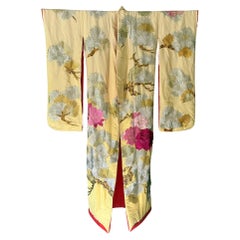
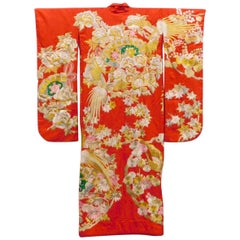
Vintage Japanese Ceremonial Wedding Kimono with Embroidery Designs
Located in Atlanta, GA
A large Japanese Wedding Kimono with bold embroidery designs. The auspicious attire was known as Uchikake and was worn by the bride during the wedding ceremony made from silk and hea...
Category
Early 20th Century Japanese Japonisme Textiles
Materials
Brocade, Silk
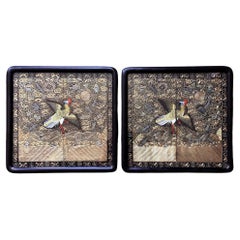
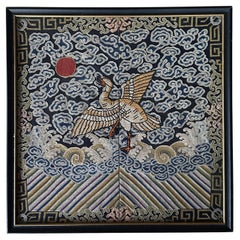
Antique Chinese Kesi Fourth Rank Badges Qing Dynasty
Located in Atlanta, GA
A fine silk kesi civil rank badge panel (known in Chinese as Buzi) framed and glazed. The fourth rank panel feature borders of fret archaic key and are cente...
Category
Antique 19th Century Chinese Qing Textiles
Materials
Silk, Giltwood
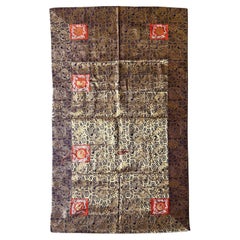
Magnificent Antique Japanese Woven Brocade Kesa Monk
s Robe Meiji Period
Located in Atlanta, GA
A stunning Japanese Kesa (Monk's Vestment) made from thirteen columns of patchworks of shimmering woven brocades with luxuriant golden threads. Dated to late 19th century of Meiji Period, the elaborate woven motifs on this kesa feature repetitive roundels dragon and phoenix intermixed with peonies and chrysanthemum blossoms. Two shades of contrasting gold threads were used on a striking purplish-blue background, with a dark metallic thread for the outer border and a brighter thread for the main body. The brilliantly woven fabric was possibly recycled from Noh costumes...
Category
Antique Late 19th Century Japanese Meiji Textiles
Materials
Brocade, Silk
Antique Large Japanese Futon Cover with Resist Yuzen Dye
Located in Atlanta, GA
A large unframed Japanese Futonji textile art circa late 19th century toward the end of the Meiji period. Seamed together from four vertical sections of cotton in deep indigo color, ...
Category
Antique 1890s Japanese Meiji Textiles
Materials
Cotton
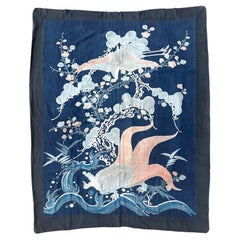
Large Japanese Textile Futon Cover with Resist Yuzen Dye
Located in Atlanta, GA
A large unframed Japanese textile art circa late early 20th century toward the end of the Meiji period. Seamed together from four vertical sections of cotton in deep indigo color, th...
Category
Early 20th Century Japanese Meiji Textiles
Materials
Cotton
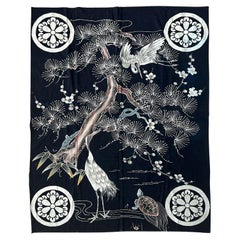
Japanese Textile Panel Double Ikat Kasuri Futon Cover
Located in Atlanta, GA
A Japanese woven cotton textile panel with white pattern on indigo background circa 1900-20s (end of Meiji to Tasho period). The panel was joined by four vertical stripes and was tra...
Category
Early 20th Century Japanese Meiji Textiles
Materials
Cotton
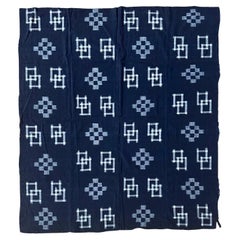
Japanese Textile Panel Double Ikat Kasuri Futon Cover
Located in Atlanta, GA
A Japanese woven cotton textile panel with white pattern on indigo background circa 1900-20s (end of Meiji to Tasho period). The panel was joined by four vertical stripes and was tra...
Category
Early 20th Century Japanese Meiji Textiles
Materials
Cotton
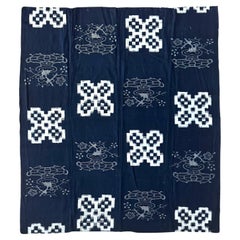
Japanese Art Deco Ikat Silk Meisen Kimono
Located in Atlanta, GA
A well preserved Japanese Meisen kimono hand-sewn from woven Ikat Silk circa 1920-30s (Taisho to early Showa period). The kosode style kimono (small slee...
Category
Early 20th Century Japanese Showa Textiles
Materials
Silk
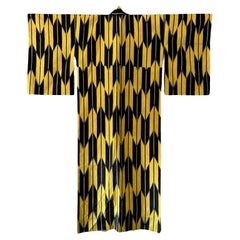
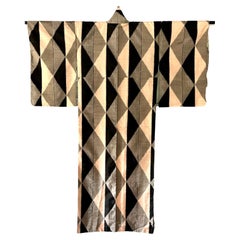
Japanese Art Deco Ikat Silk Meisen Kimono
Located in Atlanta, GA
A well preserved Japanese Meisen kimono hand-sewn from woven Ikat Silk circa 1920-30s (Taisho to early Showa period). The kosode style kimono (small slee...
Category
Early 20th Century Japanese Showa Textiles
Materials
Silk
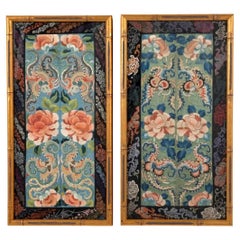
Pair of Framed Fine Chinese Antique Embroidery Panels with Forbidden Knots
Located in Atlanta, GA
A pair of framed antique Chinese embroidery textile panels circa 19th century of Qing Dynasty. Each piece features two mirror-matchin...
Category
Antique 19th Century Chinese Qing Textiles
Materials
Brocade, Silk, Giltwood
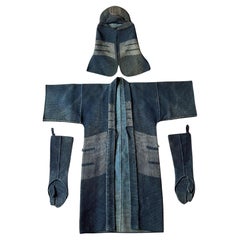
Rare Japanese Fireman
s Four-Piece Assemble Meiji to Showa Period
Located in Atlanta, GA
A rare four-piece Japanese Fireman's assemble (Shobosho uniform) woven with heavy cotton and decorated with stencil resist dye circa 1890-20s Late Meiji to Showa Period. The assemble...
Category
Vintage 1920s Japanese Meiji Textiles
Materials
Cotton
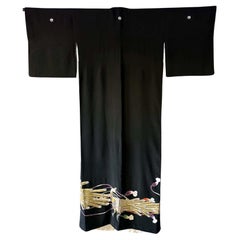
Vintage Japanese Formal Black Silk Kimono with Pheonix Embroidery
Located in Atlanta, GA
A vintage Japanese silk Kuro Tomesode Kimono, circa 1950s-1980s. Kuro Tomesode is a dress for married woman for the most formal occasions, equivalent of the evening gowns in the west. It is overall black, decorated only with patterns of bright colors on the bottom. This kimono has three Mon family crests on the front and back shoulder. It is lined with white silk in its interior. On the front, it features exposed white stitches around neck and breast, a very subtle and elegant touch. The bottom part of the kimono is decorated with an embroidery imagery of two phoenix in flight. The lavish use of gold and polychrome threads and meticulous rendition of the birds contrast greatly with the otherwise sober black background. Pheonix is the mythical bird traditionally represents the Queen or Female Supreme in Chinese culture. Known as Hoo-oo in Japanese, Pheonix is a symbol of good fortune, power and divine wisdom and represents the sun goddess Amaterasu, the Queen of Heaven and Creation, who was believed to be the ancestor of the lines of the Japanese imperial family...
Category
Mid-20th Century Japanese Showa Textiles
Materials
Silk
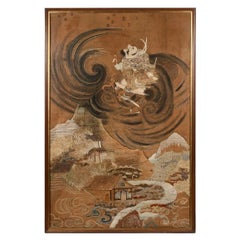
Framed Japanese Antique Embroidery Sennin Tapestry Meiji Period
Located in Atlanta, GA
A stunning Japanese embroidery tapestry circa 1880s-1900s from late Meiji period, presented with an original wood frame with inner gold trim. The tour-de-force embroidered tapestry s...
Category
Antique 1890s Japanese Meiji Textiles
Materials
Silk, Giltwood
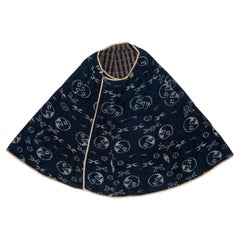
Japanese Indigo Kasuri Ikat Traveling Cape
Located in Atlanta, GA
Known in Japanese as Bozugappa (priest's raincoat), this cape-like garment was worn by the travelers in Japan circa late 19th century to early 20th century (end of Meiji period). Derived from the cape worn by the Portuguese missionary, who first arrived in Japan in mid-16th century, this type of cape was originally reserved for the Japanese military...
Category
Antique 1890s Japanese Meiji Textiles
Materials
Cotton, Linen
Massive Japanese Embroidery Tapestry Display Box Meiji Period
Located in Atlanta, GA
A massive Japanese embordered tapestry professionally displayed in a custom acrylic shadow box. The fine work of textile art is dated to 1890-1920s, late Meiji (1868-1912) or possibl...
Category
Early 20th Century Japanese Japonisme Textiles
Materials
Brocade, Silk, Acrylic
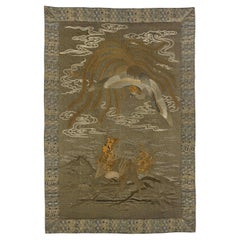
Japanese Silk Embroidery Tapestry Meiji Period
Located in Atlanta, GA
A spectacular Japanese embroidered silk panel beautifully presented in a gilt frame suspended in a lucite shadow box with gilt wood border. The silk picture is dated to 1890-1910s toward the end of Meiji Period, when Japanese started to participate international expose by presenting its best art and craft. Elaborate embroidered silk tapestry like this was very popular among westerners due to its superb craftmanship and also exotic subject matter that was often derived from classic Japanese folklore, mythology and various motifs. The tapestry on offer is such an example. It depicts an old couple...
Category
Antique 1890s Japanese Japonisme Textiles
Materials
Fabric, Silk, Lucite
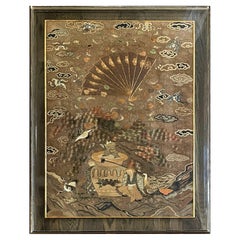
Antique Korean Embroidered Civil Rank Badge Joseon Dynasty
Located in Atlanta, GA
A fine Korean silk embroidered rank badge (Hyungbae in Korean) from Joseon Dynasty circa late 19th century. The badge features a design of double flying cr...
Category
Antique 19th Century Korean Other Textiles
Materials
Fabric, Silk, Wood
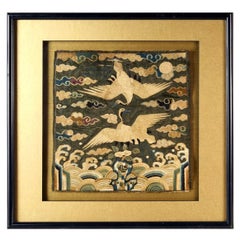
Framed Japanese Festival Kimono with Tsutshugaki Dye
Located in Atlanta, GA
A Japanese festival kimono expertly mounted and displayed in a large acrylic shadow box. This impressive ceremonial garment circa late 19th-early 20th century was made from a thick l...
Category
Early 20th Century Japanese Japonisme Textiles
Materials
Textile, Acrylic
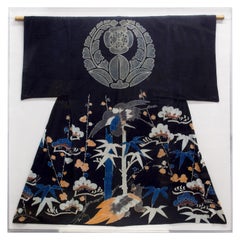
Large Framed Japanese Embroidery Dragon Tapestry
Located in Atlanta, GA
An impressive Japanese embroidery tapestry circa 1890s Meiji period, presented with brocade border on linen canvas in a Lucite shadow box. The stunning design features three dragons coiling and flying in the clouds. The high relief technique used to render the dragons using mostly the silver threads gives this piece a tremendous sense of motion. The most auspicious mythological creature in Japan and China, dragons were a very popular motif in textile art. In this particular piece, it is the impressive size, the superb craftsmanship, the profuse use of silver threads and near perfect condition that set it apart. Japanese Meiji textiles were widely exhibited in the west during turn of the 20th century at the international exposition. It was used to showcase the Japanese aesthetics with the techniques at their pinnacle. These expositions solidified the country's images overseas and felled the Japanese craze in the west, which turned out to be a long-lasting influence on the western art. Many pieces were purchased and stayed in the west. It is likely this estate piece was from one of the expositions based on its high quality.
For two similar dragon tapestries...
Category
Antique 1890s Japanese Japonisme Textiles
Materials
Textile, Lucite
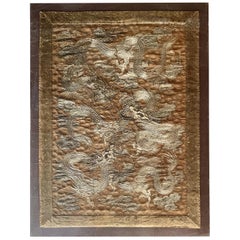
Framed Antique Japanese Embroidery Fukusa Panel
Located in Atlanta, GA
A finely embroidered Japanese silk Fukusa panel presented in a beautiful silk-lined giltwood frame (newly framed and glazed), circa late 19th century of Meiji Period. Fukusa is a tra...
Category
Antique Late 19th Century Japanese Meiji Textiles
Materials
Silk, Wood
Framed Antique Japanese Embroidery Fukusa Panel Takasago Legend
Located in Atlanta, GA
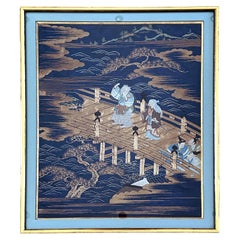
A finely embroidered Japanese silk Fukusa panel presented in a beautiful silk-lined giltwood frame (newly framed and glazed), circa late 19th century of Meiji Period. Fukusa is a traditional Japanese textile art used to wrap and present gifts at important occasions. Depending on the occasion, the panel itself can be a very fine textile art on its own.
On the deep blue background, this elaborate textile art depicts an old couple standing on a bridge with three bystanders, flanked by pine trees with hills afar. The couple is Jotomba (Joo and Uba are their respective names), characters in the Legend of Takasago, one of the oldest Japanese mythologies, who are associated with old pines. The legend goes as: "At Takasago Shrine there is a very old pine tree, the trunk of which is bifurcated; in it dwells the spirit of the Maiden of Takasago who was seen once by the son of Izanagi who fell in love and wedded her. Both lived to a very great age, dying at the same hour on the same day, and since then their spirits abide in the tree, but on moonlight nights they return to human shape to revisit the scene of their earthly felicity and pursue their work of gathering pine needles. His pine tree is called “The Pine of Suminoe” while hers is "Takasago pine".
In Japan, Takasago couple...
Category
Antique Late 19th Century Japanese Meiji Textiles
Materials
Silk, Wood
Framed Antique Japanese Embroidery Fukusa Textile Panel
Located in Atlanta, GA
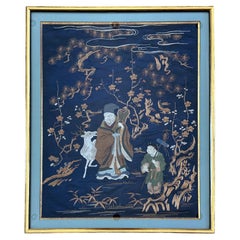
A Japanese silk Fukusa Panel housed in a gilt frame circa late 19th century of Meiji Period. Fukusa is a traditional Japanese textile art used as a wrap for presenting gifts at important occasions. On the deep blue background, the elaborate embroidery work depicts three deities of the Shichifukujin (Seven Gods of Fortune...
Category
Antique Late 19th Century Japanese Meiji Textiles
Materials
Silk, Wood
Framed Japanese Embroidery Textile Panel Pagoda Scenery
Located in Atlanta, GA
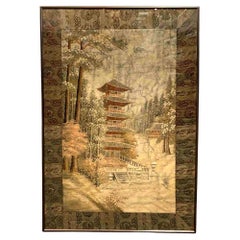
A Japanese silk embroidery landscape scenery panel depicting a Buddhist pagoda and a temple compound set in a forest with towering pines and...
Category
Early 20th Century Japanese Japonisme Textiles
Materials
Metal
Splendid Vintage Cloud Design Batik from Java Indonesia
Located in Atlanta, GA
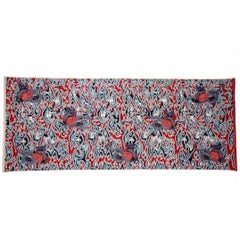
Probably one of the most beautiful batik textile designs from Indonesia, the wraparound skirt also known as Kain Panjang was an iconic design from Cirebon, North Coast of Java. The Cloud design...
Category
Vintage 1950s Indonesian Tribal Decorative Art
Materials
Textile
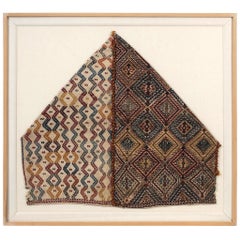
Framed Antique Woven Anatolian Woven Textile
Located in Atlanta, GA
A professionally framed antique hand-woven Turkish textile from Anatolia circa late 19th century. The panel was likely a storage bag face. It features a striking joined panels that s...
Category
Antique Late 19th Century Turkish Tribal Quilts and Blankets
Materials
Textile, Wood
$4,125 Sale Price
25% Off
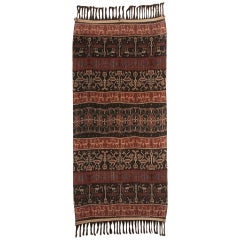
Large framed Antique Indonesia Ceremonial Ikat Hinggi from Sumba
Located in Atlanta, GA
A large and striking woven Ikat from Sumba, Indonesia, circa early 20th century or earlier. This ceremonial cotton Hinggi with fringes is made from two panels joined together, which ...
Category
Early 20th Century Indonesian Tribal Tribal Art
Materials
Cotton
$5,000 Sale Price
23% Off
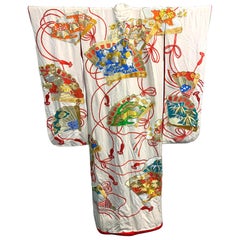
Exceptional Embroidered Vintage Japanese Ceremonial Kimono
Located in Atlanta, GA
A visually striking vintage Uchikake Wedding Kimono/Robe for ceremonial occasion, circa 1930s-1950s in the Oriental Art Deco style. The bridal garment...
Category
20th Century Japanese Japonisme Textiles
Materials
Cotton, Silk
Antique Japanese Embroidery Tapestry Panel Edo Period
Located in Atlanta, GA
A large Japanese silk embroidery tapestry circa 18th century Edo period. Possibly an altar tablecloth originally, the embroidered textile pane...
Category
Antique 18th Century Japanese Edo Textiles
Materials
Silk
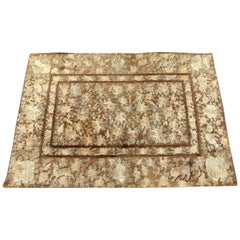
$3,200 Sale Price
20% Off
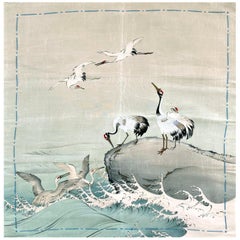
Japanese Antique Fusuka Textile Art Meiji Period
Located in Atlanta, GA
A Japanese silk Fukusa panel circa late 19th-early 20th century of Meiji Period. The front was beautifully decorated with Yuzen-zome, a labor intensive resist-dye technique invested by an artist monk Miyazaki Yuzensai (1654 -1736) of Edo period. The auspicious composition features a group of red-crown cranes, the symbol of longevity. Three of them perch on the rock by the ocean (East Sea) an two of them are in flight. Additionally, two egrets frolic in the wave. Yuzen dying was used extensively to showcase the amazing details such as the waves and the gradual coloring effect. Embroidery was used sparsely to highlight areas such as the legs of the crane to render it more dimensional details.
The piece has a red silk backing and still retains four blue tassels on corners as well as decorative stitches along the edges.
Fukusa is a traditional Japanese textile...
Category
Early 20th Century Japanese Japonisme Textiles
Materials
Brocade, Silk
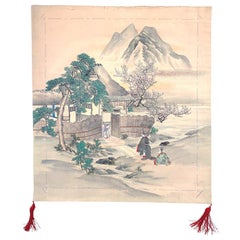
Japanese Antique Fukusa Textile Art Meiji Period
Located in Atlanta, GA
A Japanese silk Fukusa panel circa late 19th-early 20th century of Meiji Period. The front was beautifully decorated with Yuzen-zome, a labor intensive resist-dye technique invested by an artist monk Miyazaki Yuzensai (1654 -1736) of Edo period. The front cover likely depicts a scene from the Tale of Genji, showing a nobleman and his servant pays a visit to a lady in a fenced thatch-roof house under a high peak. The details of blossom trees and pines, as well as the characters, and scenery with a gradual color are astounding. It is telling that the Yuzen dying was used such an mastery.
The piece has a red silk backing and still retains two red tassels on the lower corners as well as decorative stitches along the edges. There is a patched design on the back likely a Mon symbol (family crest).
Fukusa is a traditional Japanese textile...
Category
Early 20th Century Japanese Japonisme Textiles
Materials
Silk
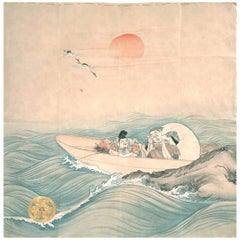
Japanese Antique Fukusa Textile Art Meiji Period
Located in Atlanta, GA
A Japanese silk Fukusa panel circa late 19th-early 20th century of Meiji Period. The front was beautifully decorated with Yuzen-zome, a labor intensive resist-dye technique invested ...
Category
Early 20th Century Japanese Japonisme Textiles
Materials
Silk, Beads
Exceptional Embroidered Japanese Ceremonial Kimono
Located in Atlanta, GA
A visually striking antique Uchikake Wedding Kimono/Robe for ceremonial occasion, circa end of Meiji to Taisho period 1910s-1930s. This bridal outer garment is of a bright red color ...
Category
20th Century Japanese Japonisme Textiles
Materials
Brocade, Silk
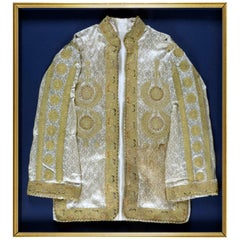
Framed Ottoman Coat with Metallic Thread Embroidery
Located in Atlanta, GA
An lavishly decorated Turkish coat likely from the Ottoman Empire period circa 19th century, presented in a shadow box gilt frame with dark blue fabric lining. The jacket was made fr...
Category
Antique 19th Century Turkish Islamic Textiles
Materials
Brocade, Silk, Wood
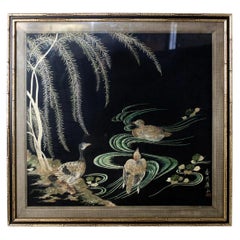
Framed Antique Japanese Embroidered Silk Panel Signed
Located in Atlanta, GA
An exquisite Japanese embroidery piece circa end of 19th-early 20th century of Meiji period. The silk panel depicts an idyllic water scenery, in which three mandarin ducks swim in th...
Category
Early 20th Century Japanese Japonisme Textiles
Materials
Silk, Wood
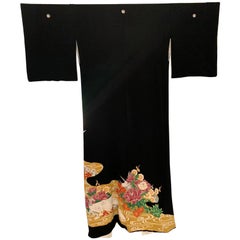
Vintage Japanese Formal Black Silk Kimono
Located in Atlanta, GA
A vintage Japanese silk Kuro Tomesode Kimono, circa 1960s-1980s. Kuro Tomesode is a dress for married woman for the most formal occasions, equivalent of the evening gowns in the west. It is overall black, decorated only with patterns of bright colors on the bottom. This kimono has three Mon family crests on the front and back shoulder. It is lined with white silk in its interior. On the front, it features exposed white stitches around neck and breast, a very subtle and elegant touch. The bottom part of the kimono is decorated with lavish woven design with embroidery accents that depicts a group of pheasants among peonies and other blossoms along a flowing stream. Great contrast in the colors and attention to details. An very elegant textile for wall...
Category
Mid-20th Century Japanese Japonisme Textiles
Materials
Silk
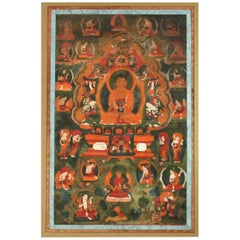
Framed Tibetan Thankga of Amitabha
Located in Atlanta, GA
An antique Tibetan Thankga depicting Amitabha and surrounding deities, circa late 19th century. The center Amitabha is in a meditation form holding a black beggar's bowl. In the Mahayana Tradition of Buddhism, Amitabha is a celestial Buddha: the Buddha of Infinite Light and the principal Buddha in Pure Land Buddhism, a branch of East Asian Buddhism...
Category
Antique Late 19th Century Tibetan Tibetan Paintings and Screens
Materials
Cotton, Silk, Wood, Paint
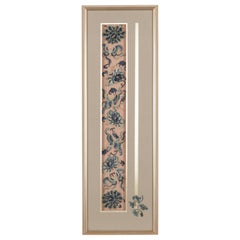
Framed Antique Chinese Embroidery Panel Qing Dynasty Provenance
Located in Atlanta, GA
An antique Chinese embroidery panel, originally the sleeve band of a robe from Qing Dynasty, circa 19th century. Nicely presented as a...
Category
Antique Mid-19th Century Chinese Chinese Export Textiles
Materials
Silk, Wood
Framed Chinese Antique Textile Qing Dynasty Provenance
Located in Atlanta, GA
A spectacular antique Chinese embroidery panel dated from Qing dynasty (circa 19th century), professionally framed with linen mat, pur...
Category
Antique 19th Century Chinese Chinese Export Textiles
Materials
Silk, Wood

Framed Antique Chinese Textile Groups Qing Dynasty Provenance
Located in Atlanta, GA
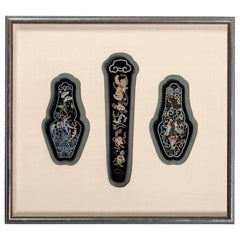
A group of three antique Chinese textiles, arranged and professionally matted and framed. The museum quality display includes two similar pouches symmetrically flanking a fan case...
Category
Antique 19th Century Chinese Chinese Export Textiles
Materials
Silk, Wood