Ir al contenido principal
¿Quieres más imágenes o vídeos?
Solicita imágenes o vídeos adicionales al vendedor
1 de 9

Ed Ruscha
EE-NUF! Limited Edition of approx. 150 print, Hand Signed in marker by Ed Ruscha

2020

868 €

Acerca del artículo

Ed Ruscha EE-NUF! (hand signed by Ed Ruscha), 2020 Color lithographic poster on wove paper (hand signed by Ed Ruscha) Boldly signed by Ed Ruscha in black marker on the front 32 1/4 × 23 inches Unnumbered from the limited edition of approx. 150 donated by the artist Unframed This iconic image was plastered on billboards declaring "Enough of Trump" throughout the United States. (see attached photos) - and it was even prominently featured in a segment on MSNBC's Rachel Maddow Show about artists against Trump. (see also attached screengrab). Here, Ed Ruscha has had EE-NUF of Trumpism and he decries White Supremacy, anti-Democracy, Fascism, pollution and the overturning of Roe vs. Wade. There's no subtlety in this imagery of a tattered and burned American flag, encased with words describing the problem, and then reminding us that we are empowered with the only solution: VOTE. The text wrapped around the poster has slogans like: Bye Bye Roe vs. Wade Fast Track to Fascism You've Got the Most to Lose Highway to Hell Rich Get Richer Gateway to White Supremacy -- and then finally the solution to all these Trumpian woes: VOTE, in all caps at the bottom of the print. This offset lithograph, titled EE-NUF!, to mean ENOUGH of Trump. The design features a “fast track” display at how Trump has worked to destroy our democracy. It was created by the artist to oppose fight right-wing extremism and build a democratic society that implements the ideals of freedom, equality, opportunity, and justice for all. Boldly signed in black marker on the front Provenance: Gagosian Gallery, New York (note: each print is uniquely signed by Ed Ruscha. The header image is a stock example, but the hand signature in permanent black marker belonging to this exact print.) At the start of his artistic career, Ed Ruscha called himself an “abstract artist . . . who deals with subject matter.” Abandoning academic connotations that came to be associated with Abstract Expressionism, he looked instead to tropes of advertising and brought words—as form, symbol, and material—to the forefront of painting. Working in diverse media with humor and wit, he oscillates between sign and substance, locating the sublime in landscapes both natural and artificial. Ruscha’s formal experimentations and clever use of the American vernacular have evolved in form and meaning as technology alters the essence of human communication. About Ed Ruscha: There are things that I’m constantly looking at that I feel should be elevated to greater status, almost to philosophical status or to a religious status. That’s why taking things out of context is a useful tool to an artist. It’s the concept of taking something that’s not subject matter and making it subject matter. —Ed Ruscha At the start of his artistic career, Ed Ruscha called himself an “abstract artist ... who deals with subject matter.” Abandoning academic connotations that came to be associated with Abstract Expressionism, he looked instead to tropes of advertising and brought words—as form, symbol, and material—to the forefront of painting. Working in diverse media with humor and wit, he oscillates between sign and substance, locating the sublime in landscapes both natural and artificial. In 1956, Ruscha moved from Oklahoma City to Los Angeles, where he attended the Chouinard Art Institute. During his time in art school, he had been painting in the manner of Franz Kline and Willem de Kooning, and came across a reproduction of Jasper Johns’s Target with Four Faces (1955). Struck by Johns’s use of readymade images as supports for abstraction, Ruscha began to consider how he could employ graphics in order to expose painting’s dual identity as both object and illusion. For his first word painting, E.Ruscha (1959), he intentionally miscalculated the space it would take to write his first initial and surname on the canvas, inserting the last two letters, HA, above and indicating the “error” with an arrow. After graduation, Ruscha began to work for ad agencies, honing his skills in schematic design and considering questions of scale, abstraction, and viewpoint, which became integral to his painting and photography. He produced his first artist’s book, Twentysix Gasoline Stations—a series of deadpan photographs the artist took while driving on Route 66 from Los Angeles to Oklahoma City—in 1963. Ruscha since has gone on to create over a dozen artists’ books, including the 25-foot-long, accordion-folded Every Building on the Sunset Strip (1966) and his version of Kerouac's iconic On the Road (2009). Ruscha also paints trompe-l’oeil bound volumes and alters book spines and interiors with painted words: books in all forms pervade his investigations of language and the distribution of art and information. Ruscha’s paintings of the 1960s explore the noise and the fluidity of language. With works such as OOF (1962–63)—which presents the exclamation in yellow block letters on a blue ground—it is nearly impossible to look at the painting without verbalizing the visual. Since his first exhibition with Gagosian in 1993, Ruscha has had twenty-one solo exhibitions with the gallery, including Custom-Built Intrigue: Drawings 1974–84 (2017), comprising a decade of reverse-stencil drawings of phrases rendered in pastel, dry pigment, and various edible substances, from spinach to carrot juice. The first retrospective of Ruscha’s drawings was held in 2004 at the Whitney Museum of American Art. Ruscha continues to influence contemporary artists worldwide, his formal experimentations and clever use of the American vernacular evolving in form and meaning as technology and internet platforms alter the essence of human communication. Ruscha represented the United States at the 51st Venice Biennale (2005) with Course of Empire, an installation of ten paintings. Inspired by nineteenth century American artist Thomas Cole’s famous painting cycle of the same name, the work alludes to the pitfalls surrounding modernist visions of progress. In 2018 Ruscha’s Course of Empire was presented concurrently with Cole’s at the National Gallery in London. - Courtesy of Gagosian Gallery
  • Creador:
    Ed Ruscha (1937, Americana)
  • Año de creación:
    2020
  • Dimensiones:
    Altura: 81,92 cm (32,25 in)Anchura: 58,42 cm (23 in)
  • Medio:
  • Movimiento y estilo:
  • Época:
  • Estado:
    Excellent; never framed.
  • Ubicación de la galería:
    New York, NY
  • Número de referencia:
    1stDibs: LU1745217368992

Más de este vendedor

Ver todo
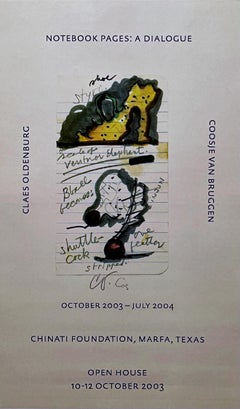
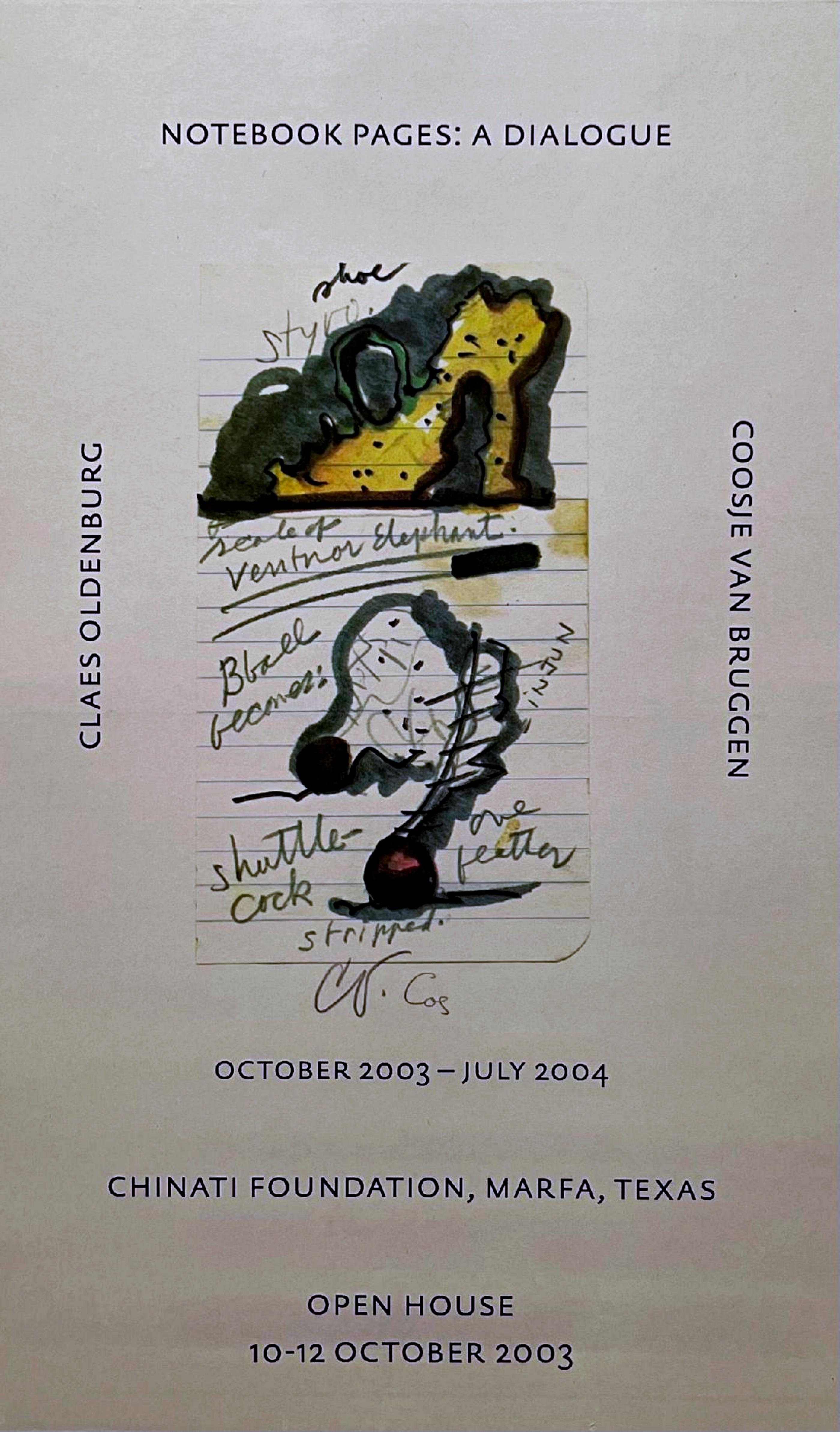
Chinati Foundation Marfa Texas Póster de Donald Judd Firmado a mano por Claes Oldenburg
Por Claes Oldenburg
Claes Oldenburg Fundación Chinati, Marfa Texas (Firmado a mano), 2003 Cartel litografía offset. Firmado a mano por Claes Oldenburg 23 1/2 × 13 1/2 pulgadas Extremadamente raro cuando...
Categoría

Principios de los 2000, Arte pop, Impresiones abstractas

Materiales

Litografía, Offset

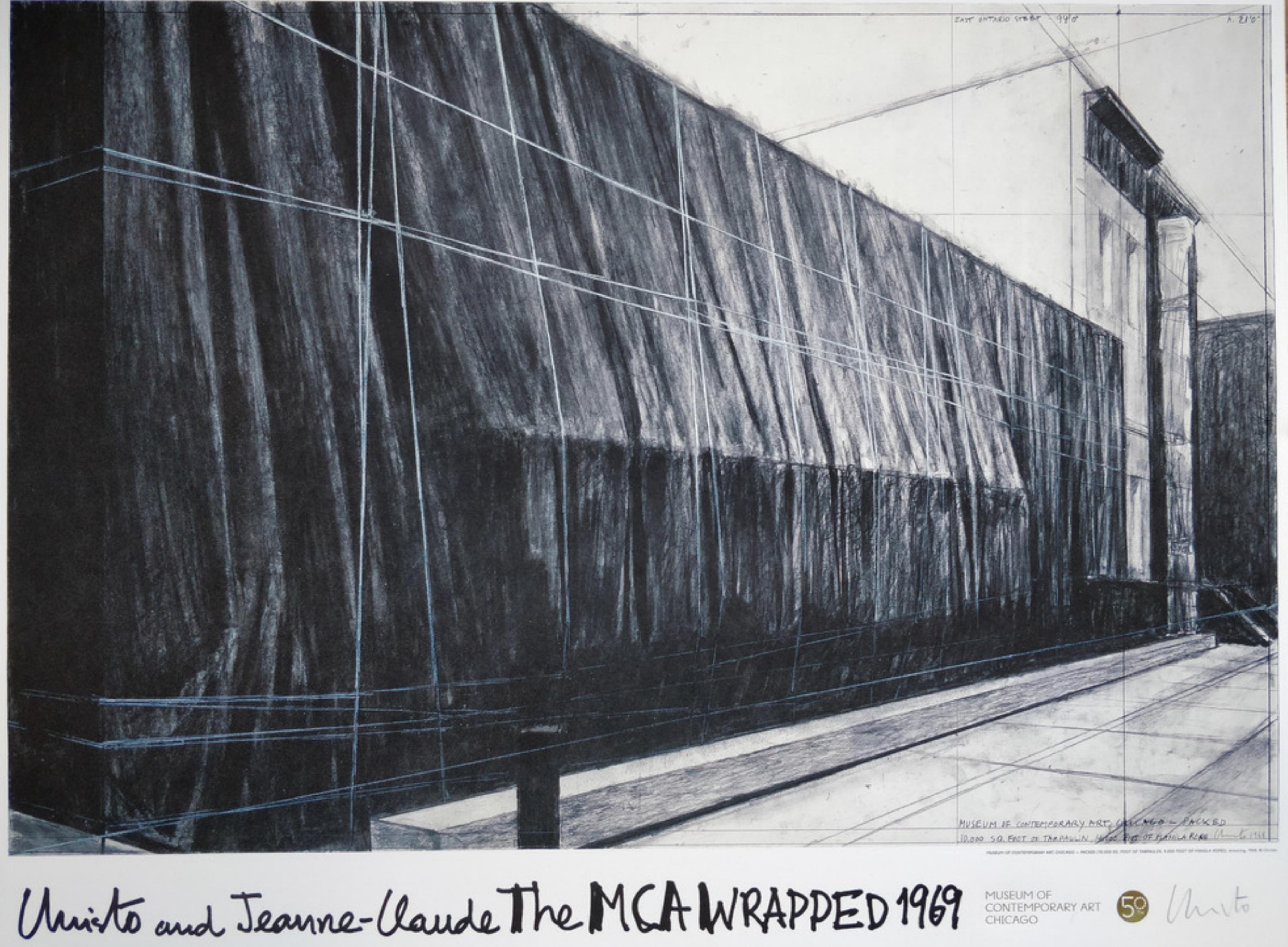
The Wrapped (MCA) Chicago 1969, Lt Ed de 200 c/sello dorado Firmado a mano por Christo
Por Christo and Jeanne-Claude
Christo and Jeanne-Claude The Wrapped (MCA), 1969 (Firmado a mano), 2019 Litografía offset en cuatricromía sobre papel de 110 lb. Cartulina Crane Lettra, con un elegante sello dorado...
Categoría

Década de 1960, Arte pop, Impresiones abstractas

Materiales

Papel metalizado

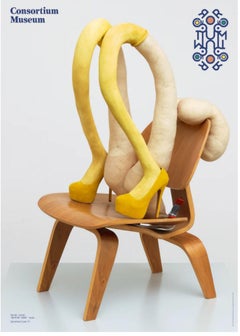
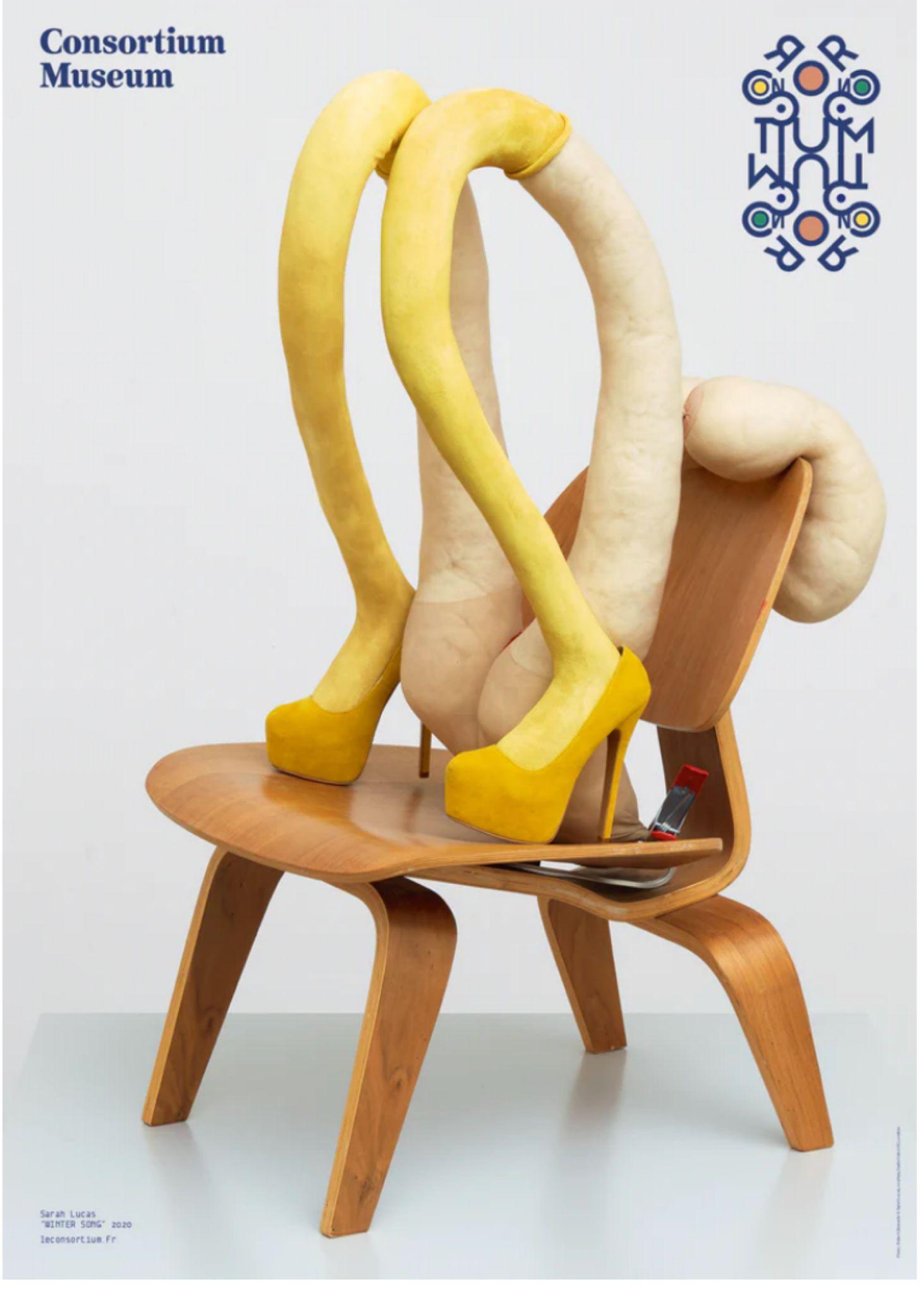
Canción de invierno, Edición limitada de 50, Cartel de exposición pop de "Not Now Darling" (Ahora no, cariño)
Por Sarah Lucas
Sarah Lucas Canción de invierno, 2020 Cartel litografía offset Edición limitada de 50 ejemplares 27 3/5 × 19 7/10 pulgadas Sin enmarcar y sin firmar Publicado por el Museo del Conso...
Categoría

2.º década del siglo XXI, Arte pop, Impresiones abstractas

Materiales

Litografía, Offset

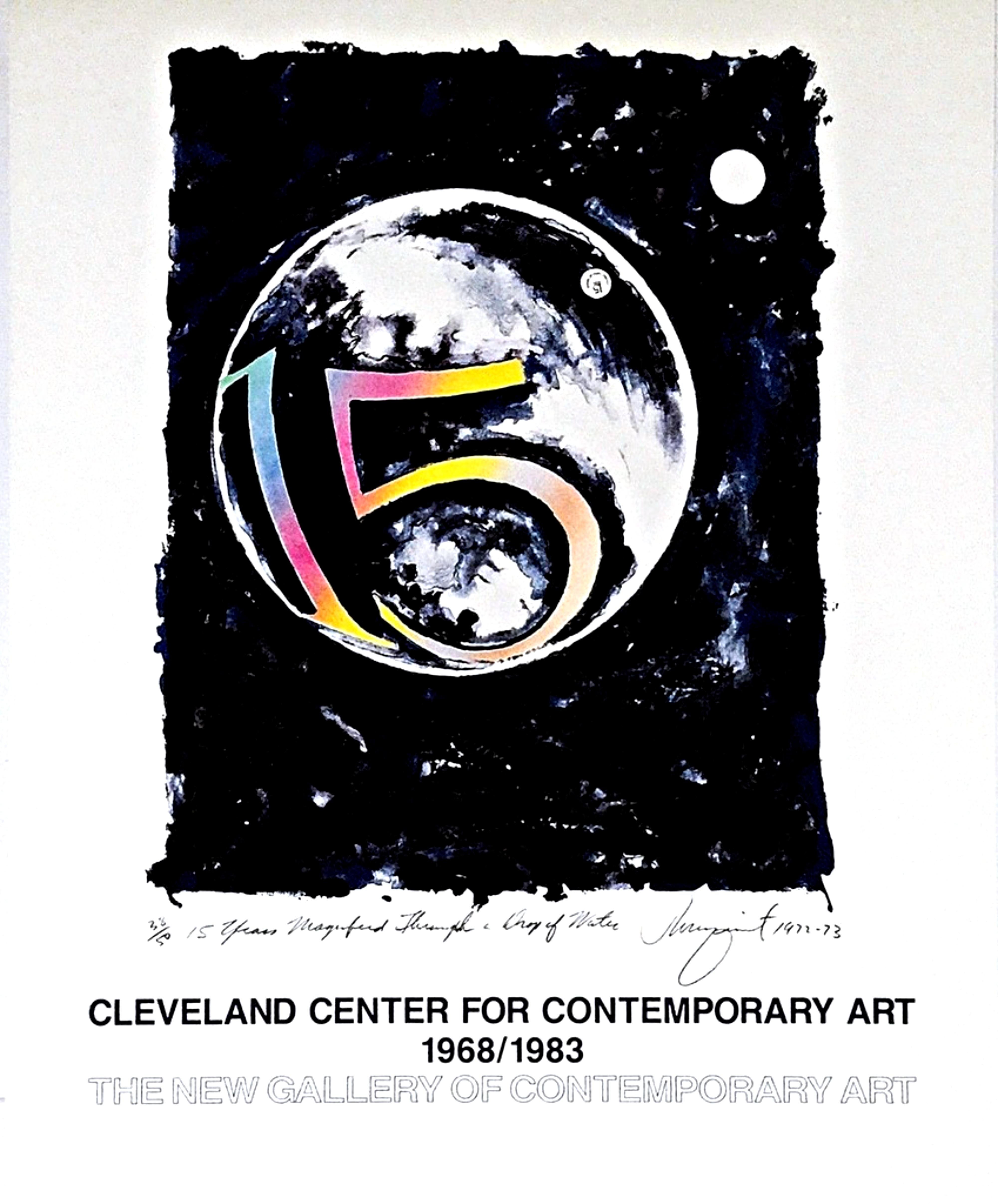
James Rosenquist en el Centro de Arte Contemporáneo de Cleveland. Cartel ed.
Por James Rosenquist
James Rosenquist Centro de Arte Contemporáneo de Cleveland 1968-1983 Póster litografía offset sobre papel blanco ondulado Firma de la placa (impresa) Edición limitada de 500 ejemplar...
Categoría

Década de 1980, Arte pop, Impresiones abstractas

Materiales

Litografía, Offset

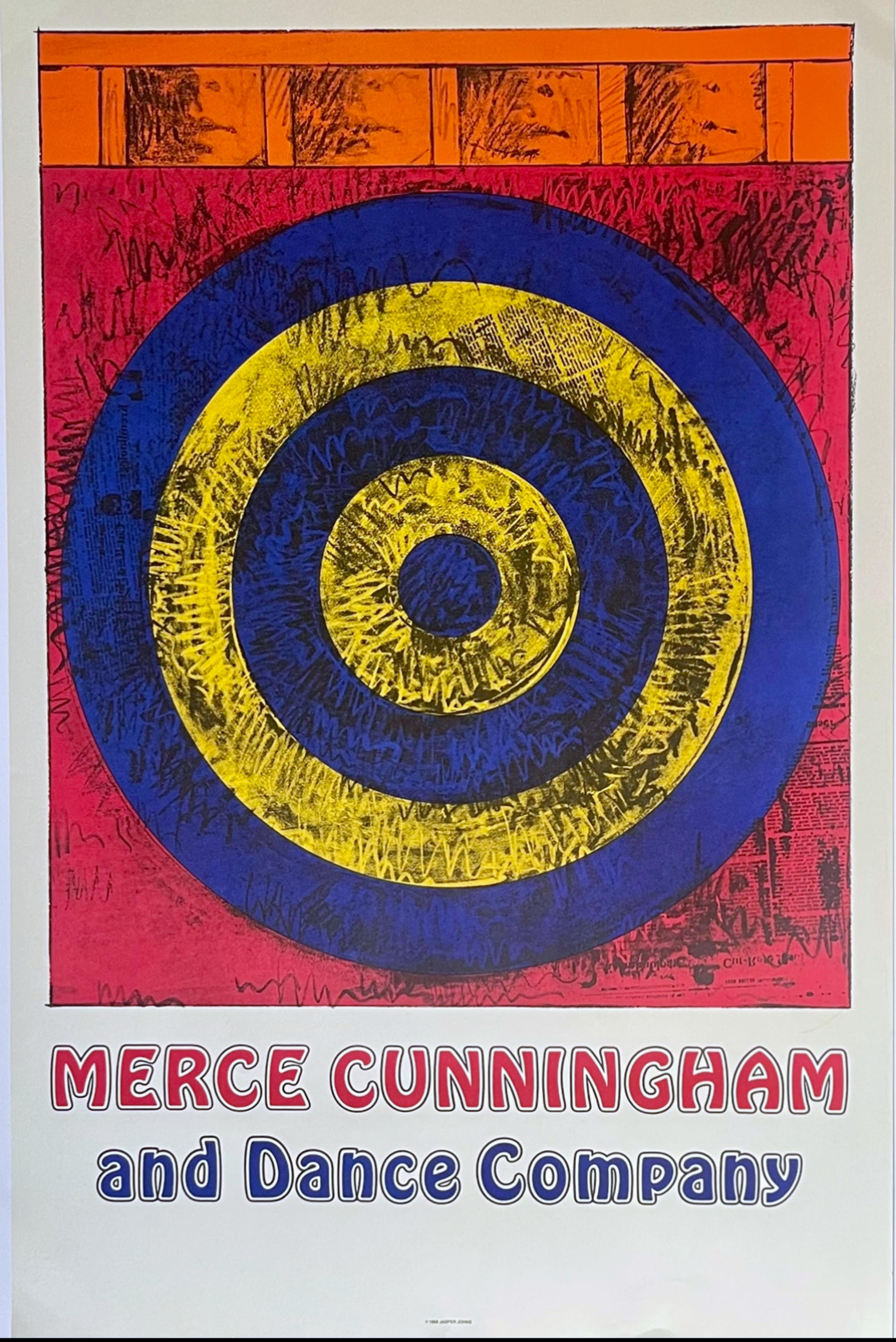
Blanco con cuatro caras, 1968, Edición limitada de litografía offset Cartel Pop Art
Por Jasper Johns
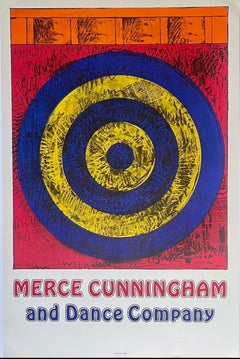
Jasper Johns Blanco con cuatro caras, 1968 Cartel litografía offset para la Compañía de Danza Merce Cunningham Edición limitada de 300 ejemplares (sin firmar ni numerar) 35 × 23 pul...
Categoría

Década de 1960, Arte pop, Impresiones abstractas

Materiales

Litografía, Offset

"Pinturas de Jasper Johns", cartel de colección vintage de la Galería Leo Castelli de los años 80
Por Jasper Johns
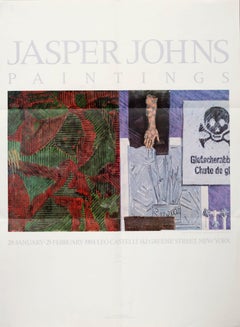
Jasper Johns "Pinturas de Jasper Johns", cartel vintage de la Galería Leo Castelli, 1984 Litografía offset Sin signo Sin numerar 30 × 22 1/2 pulgadas Sin enmarcar Cartel litografía ...
Categoría

Década de 1980, Arte pop, Impresiones abstractas

Materiales

Litografía, Offset

También te puede gustar

Inserto litográfico de Keith Haring 1982 (Keith Haring Tony Shafrazi 1982)
Por Keith Haring
Litografía de Keith Haring 1982: Inserto litográfico a doble cara del catálogo seminal encuadernado en espiral de 1982 de Tony Shafrazi, publicado con motivo de la primera exposición...
Categoría

Década de 1980, Arte pop, Impresiones figurativas

Materiales

Litografía, Offset

Póster de la exposición "Keith Haring Paradise Garage" de Jeffrey Deitch
Por Keith Haring
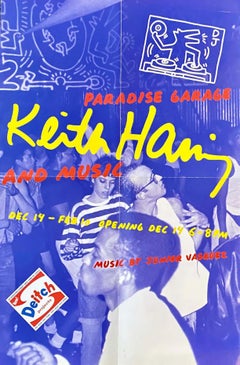
Raro cartel vintage de la exposición de Keith Haring publicado con motivo de: Garaje Paradise: Keith Haring y la Música, 14 de diciembre de 2000-10 de febrero de 2001, Deitch Projec...
Categoría

Década de 1980, Arte pop, Impresiones figurativas

Materiales

Papel, Litografía, Offset

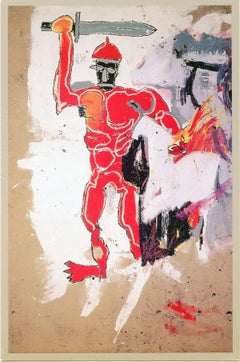
Basquiat en la galería Vrej Baghoomian 1989 (Anuncio Basquiat Guerrero Rojo)
Por Jean-Michel Basquiat
Basquiat: Galería Vrej Baghoomian Nueva York, 1989: Tarjeta de anuncio plegable original vintage a Jean-Michel Basquiat en la Galería Vrej Baghoomian de Nueva York: del 21/10 al 2...
Categoría

Década de 1980, Arte pop, Impresiones figurativas

Materiales

Litografía, Offset

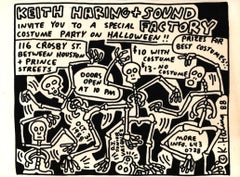
Keith Haring Halloween 1989 (anuncio)
Por Keith Haring
Keith Haring Ciudad de Nueva York 1989: RARA invitación de Halloween original de 1989 diseñada por Keith Haring para Sound Factory, con una deslumbrante variedad de esqueletos de Ke...
Categoría

Década de 1980, Arte pop, Impresiones abstractas

Materiales

Litografía, Offset

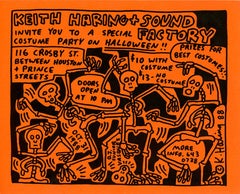
Keith Haring Halloween 1989 (anuncio)
Por Keith Haring
Keith Haring Ciudad de Nueva York 1989: RARA invitación de Halloween original de 1989 diseñada por Keith Haring para Sound Factory, con una deslumbrante variedad de esqueletos de Ke...
Categoría

Década de 1980, Arte pop, Impresiones abstractas

Materiales

Litografía, Offset

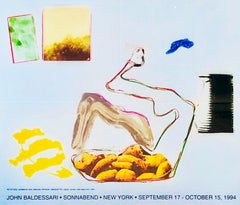
John Baldessari Sonnabend Gallery 1994 (John Baldessari imprime carteles)
Por John Baldessari
John Baldessari, Sonnabend Gallery. New York, NY, September 17 - October 15, 1994: A beautifully composed rare original John Baldessari exhibition poster on elegant transparent paper...
Categoría

Década de 1990, Arte pop, Impresiones figurativas

Materiales

Litografía, Offset