Ir al contenido principal
¿Quieres más imágenes o vídeos?
Solicita imágenes o vídeos adicionales al vendedor
1 de 9

Daum
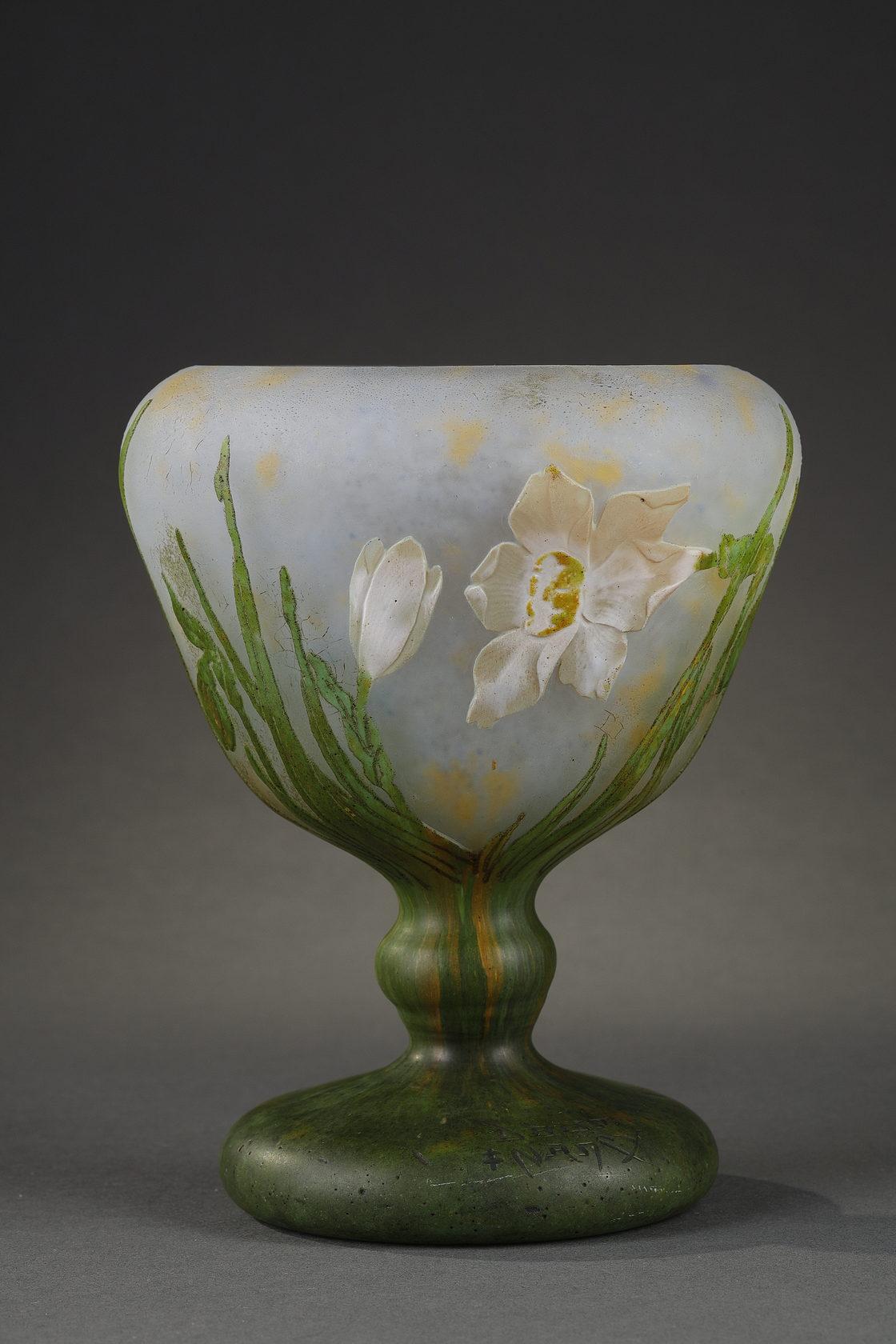
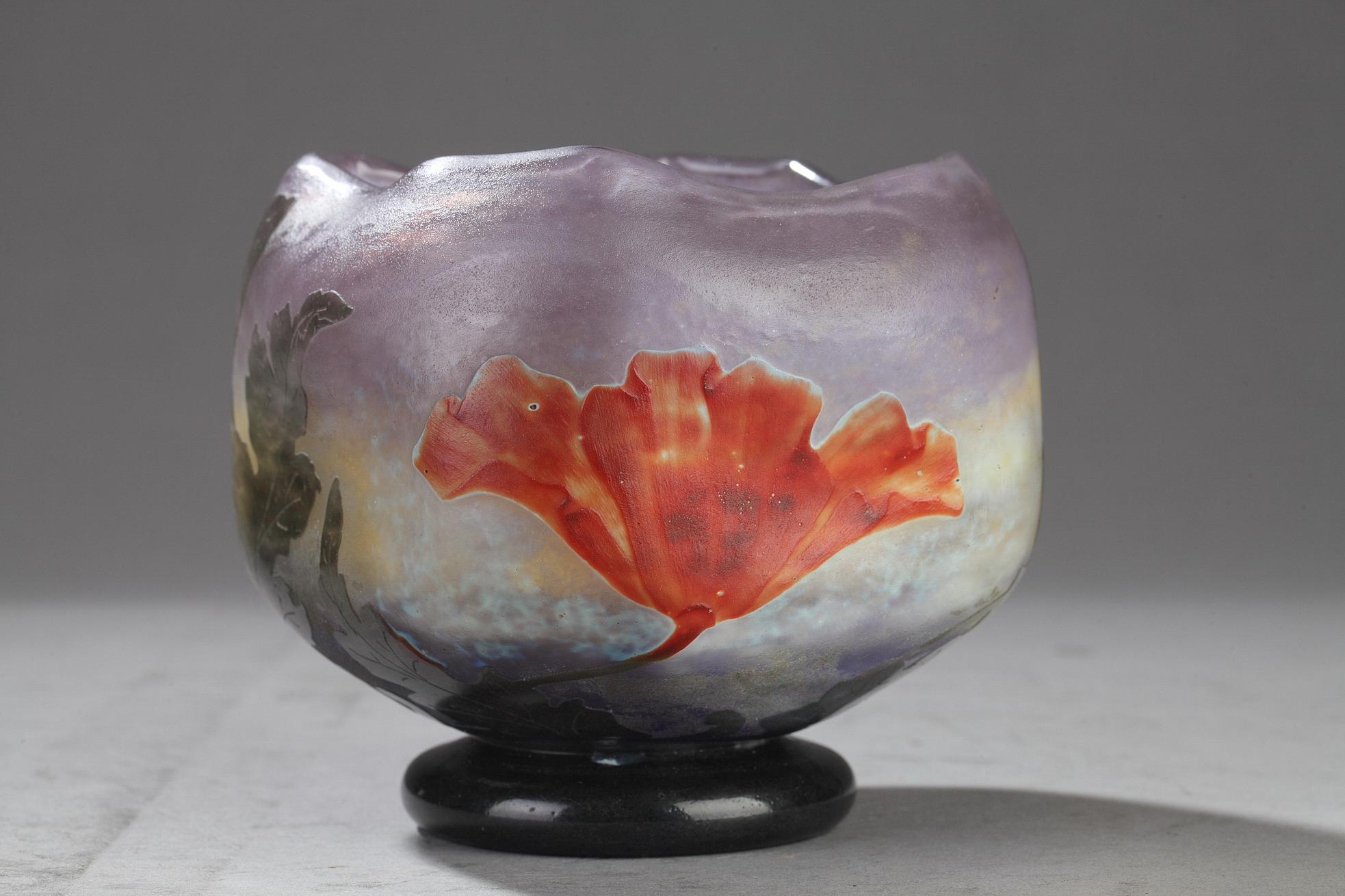
Christmas Roses Cup

circa 1898

8200 €IVA incluido

Acerca del artículo

Christmas Roses Cup by DAUM Cup decorated with Christmas Roses Blown-molded multilayer glass Acid-etched decoration in reserve Hammered background Perfect condition Signed "Daum Nancy" with the Cross of Lorraine France circa 1898 height 8,5 cm diameter 20 cm Biography : The French Company of crystal Daum was a glassworks factory founded by the Daum brothers in 1878 in Nancy, in Lorraine region. The workshops of the Daum brothers, Auguste (1853-1909) and Antonin (1864-1930), trained some of the great names of Art Nouveau like Jacques Gruber, Henri Bergé, or Almaric Walter Schneider brothers. Following the 1870 war, Jean Daum (1825-1885), notary in Bitche, sold his totary office and opted for France. He moved to Nancy in 1876 and lent money the same year several times to Avril and Bertrand, owner of the Nancy St. Catherine glassware factory, that produced bottles and ordinary glassware. The company didn't its financial equilibrium and Daum was then forced to buy it in 1878 and became head of a company of 150 workers in an area that he knows nothing about. In 1878, Jean Auguste associated his son, but he didn't know the first success of the company. At his death, in 1885, Auguste took only the direction of the glass company before being joined in 1887 by his brother Antonin, just graduated from the Central School of Arts and Manufactures of Paris. Given the poor financial health of the company, Auguste, who followed legal training, was forced to take the leadership. Antonin began beautify common wares. Familiar with the techniques of glass by training, he directed production to artistic creation. The brothers prepare, between 1889 and 1891, the establishment of an art department that was entrusted to Antonin. Auguste gave him all means to work to follow as previously did Emile Gallé in the Art Nouveau glassware. Antonin Daum began with some simple models to continue rapidly with acid etching, then made models using wheel etching techniques, glasses made with two or three layers. From 1890 to 1914, he created about three thousand references. Jacques Gruber was the first artist of the glassware company. Recruited in 1893, he was entrusted with creating works to appear at the Chicago World Fair of 1893. It was the first major success that propelled Daum in the closed circle of the art industries. Daum brothers earned participation in the Nancy exhibition in 1894. Then there was the exhibition of Lyon (1894), Bordeaux (1895) and Brussels (1895 and 1897), during which they received awards. An art school was created in 1897 within the company as well as its own designers and engravers. Henri Bergé was decorator in chief and was the second artist of the company. He was joined by Emile Writz from 1898. The consecration of the adventure happened when the first grand prize for the art glass of the 1900 World Exposition was awarded to Daum and Gallé. Daum presented pieces carefully prepared: vases with an insert decor (patent 1899) and lightings that became a specialty. In 1904, Almaric Walter developed glass paste ware (named "pâtes de verre"), he remained with Daum until 1915. In 1901, the Statutes of the School of Nancy were officially deposited. Emile Gallé was the man behind this group and became president. Antonin was vice-president. Antonin was also one of the personalities of the Chamber of Commerce of Nancy. It played an important role in 1909 at the International Exhibition of Eastern France, which marked the end of the School of Nancy. Auguste died in 1909, Antonin was active until his death in 1930, but shared responsibilities with the sons of Auguste : Jean, Henri and Paul. Jean died in 1916, Henri's manager as his father. Paul was a graduate of the Institute of Physics and Chemistry of Nancy, he gradually took the place of Antonin. Daum ensured after 1918, adapting the business to the new conditions of production, anxious to maintain quality there, the company continued to participate in major exhibitions: Barcelona in 1923, International Exhibition of Decorative Arts in Paris in 1925, Colonial Exhibition in Paris in 1931. In the 1920s, Paul Daum directed production to Art Deco to the loss of public interest in Art Nouveau. Demand was high and successful business. He opened a second crystal factory, "Belle Etoile", in Croismare in 1925 that Paul was the director. It provided white glass and balls. Pierre Davesn created models from 1928. Because of the economic crisis of 1930, Belle Etoile was closed in 1934. Some large orders allowed the company to continue production: in 1935, the Transatlantic Company ordered 90,000 glass and crystal pieces for the liner Normandy. After World War II, the crystal manufactory took a prominent place under the direction of Henri and Michel Daum. The eldest grandchildren Antonin Antoine Froissart (1920-1971), an engineer from the Ecole Centrale of Paris, was developing the production of a particularly transparent and bright crystal. This new crystal favored the creation of parts with thick and soft shapes, and bright appearance. Jacques, grand-son of Auguste, brought new life in 1965 by appealing to contemporary designers.
  • Creador:
  • Año de creación:
    circa 1898
  • Dimensiones:
    Altura: 8,5 cm (3,35 in)Diámetro: 20 cm (7,88 in)
  • Medio:
  • Movimiento y estilo:
  • Época:
  • Estado:
  • Ubicación de la galería:
    PARIS, FR
  • Número de referencia:
    Vendedor: N. 5368X1stDibs: LU2514216113372
Más de este vendedor

Ver todo
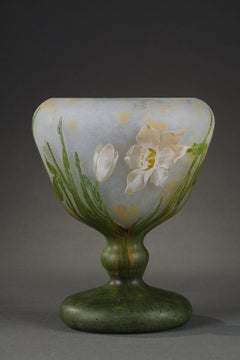
Taza con Narciso
Por Daum
Taza con Narciso por DAUM Una copa elevada sobre un pedestal con una decoración de placas de narciso Vidrio moldeado por soplado multicapa, coloreado por vitrificación de polvos Co...
Categoría

principios del siglo XX, Art Nouveau, Más arte

Materiales

Vidrio soplado

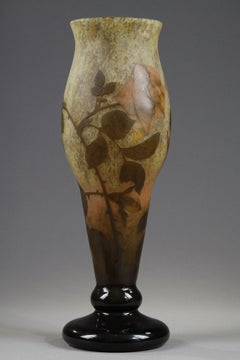
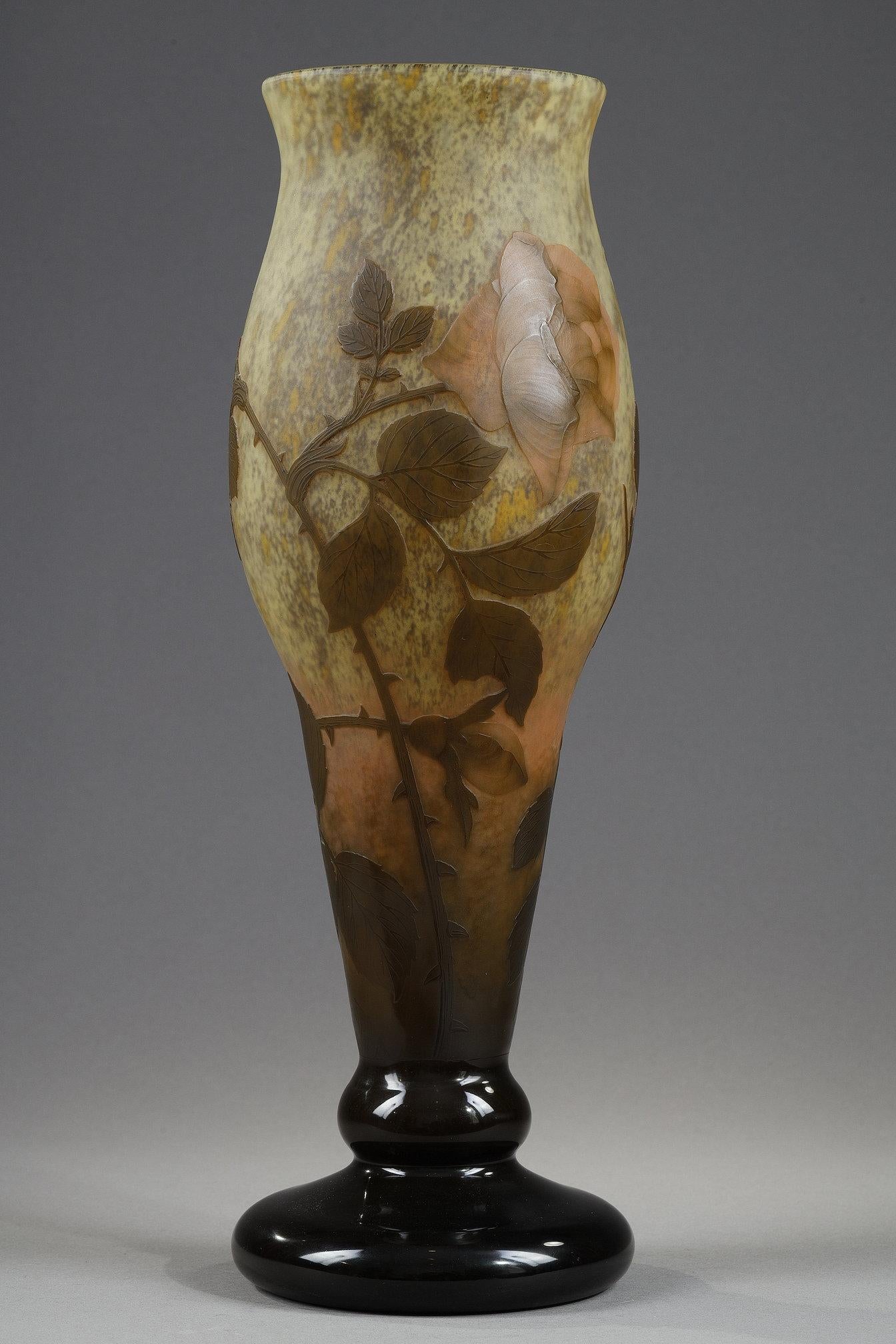
Jarrón con rosas
Por Daum
Jarrón con rosas por DAUM Jarrón en forma de balaustre, con cuello acampanado, Vidrio soplado multicapa, con decoración de rosas. Con decoración grabada al ácido en reserva, y pétal...
Categoría

Década de 1920, Art Nouveau, Más arte

Materiales

Vidrio soplado

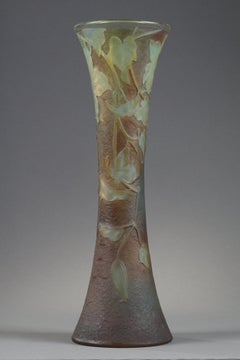
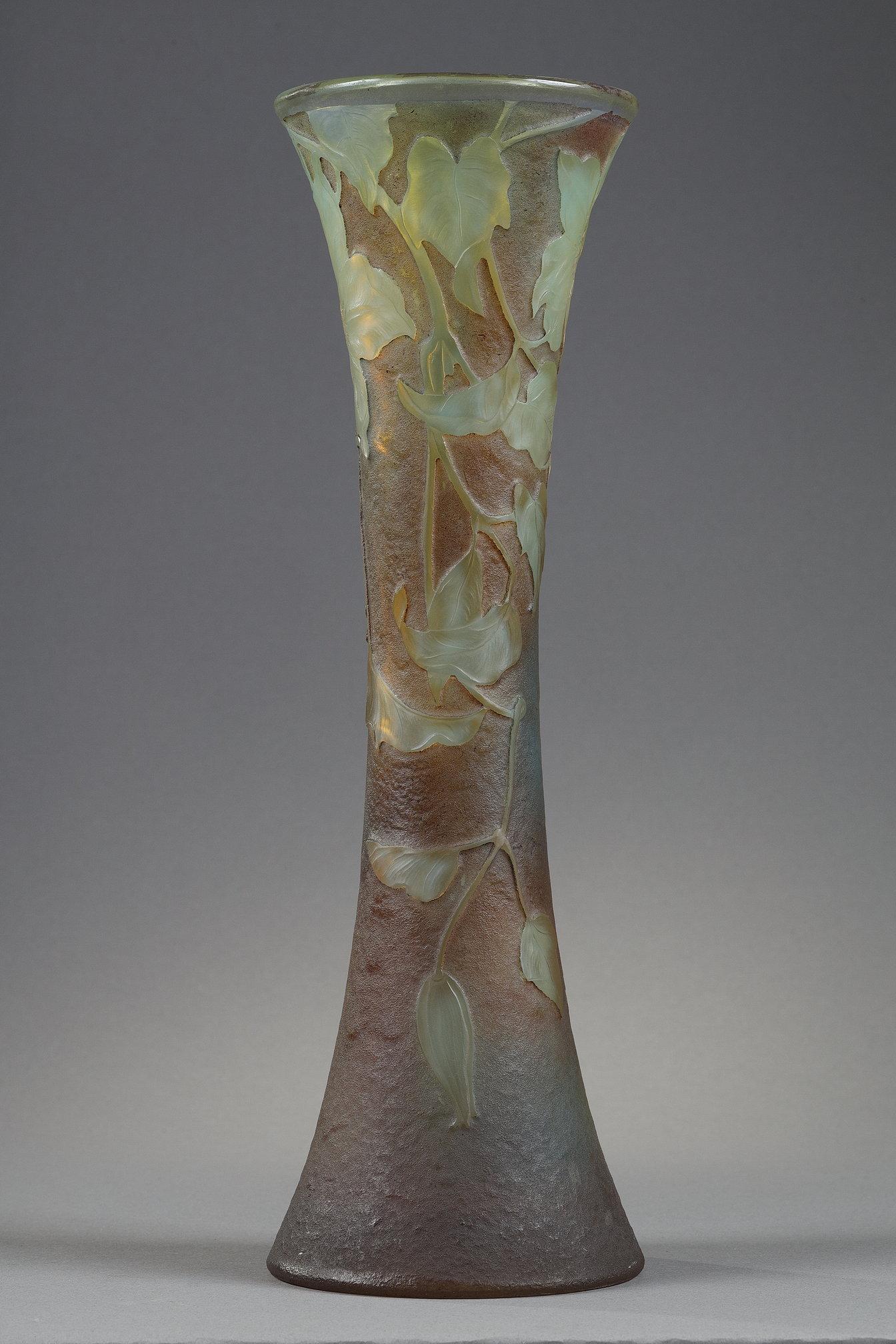
Jarrón con clemátides
Por Daum
Jarrón con clemátides por DAUM Un jarrón en forma de diábolo con decoración Clematis amarillo-opalescente Vidrio multicapa moldeado por soplado Decoración grabada al ácido en reser...
Categoría

Fines del siglo XIX, Art Nouveau, Más arte

Materiales

Vidrio soplado

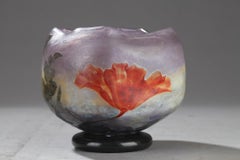
"Cuenco "Día y Noche
Por Daum
"Cuenco "Día y Noche por DAUM Taza "Día y Noche" con amapolas rojas y negras Vidrio soplado Fondo nublado Decoración foliada grabada al ácido e inserciones labradas a torno para las...
Categoría

principios del siglo XX, Art Nouveau, Más arte

Materiales

Vidrio soplado

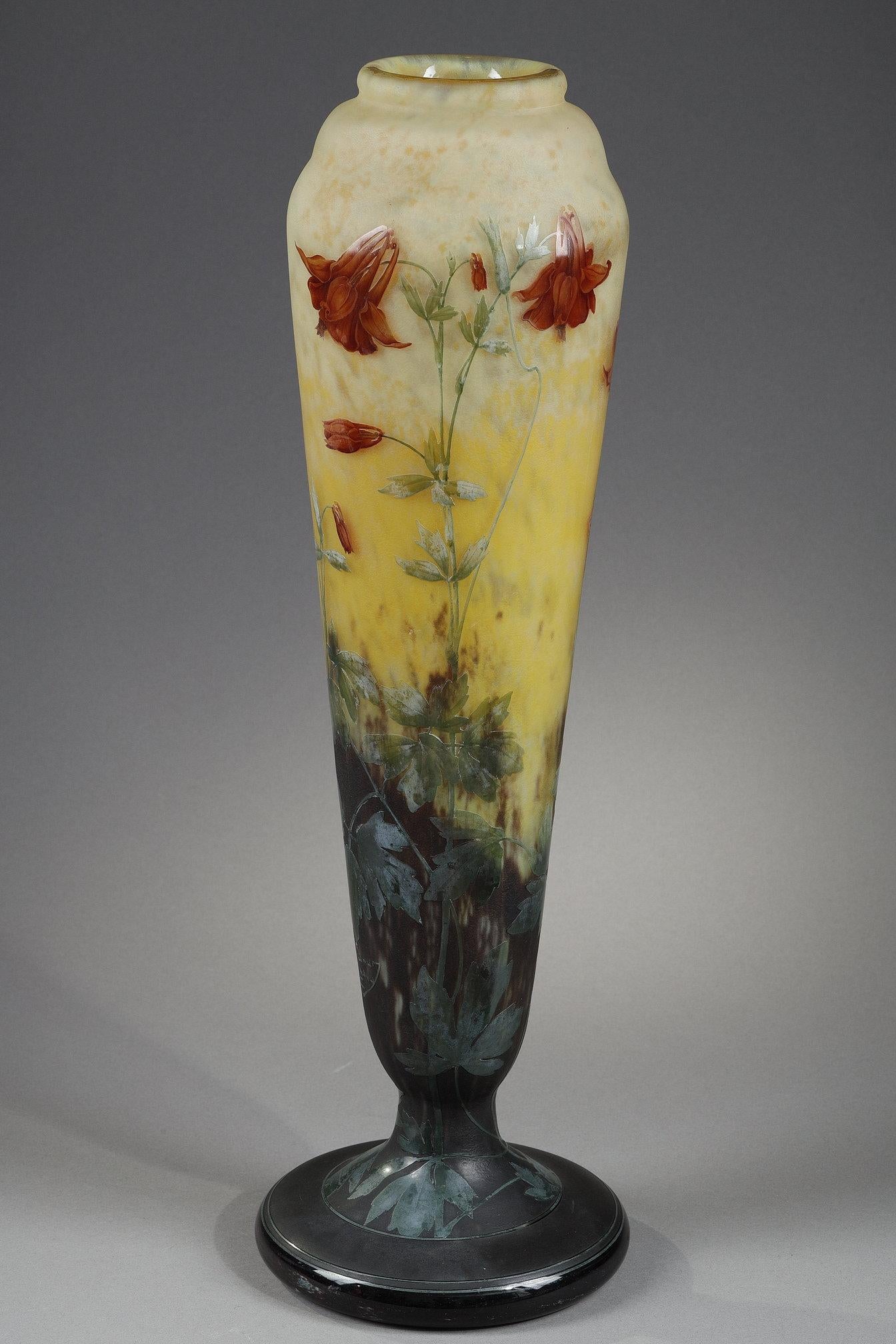
Jarrón con Columbinas
Por Daum
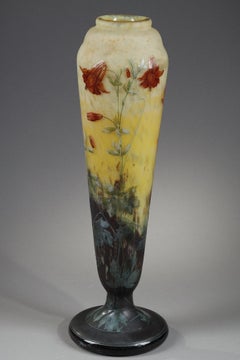
Jarrón con Columbinas por DAUM Gran jarrón decorado con flores Columbine Vidrio soplado multicapa Vidrio coloreado por vitrificación de polvos Decoración en reserva grabada al ácido...
Categoría

principios del siglo XX, Art Nouveau, Más arte

Materiales

Vidrio

Jarrón con Pelargonios
Por Daum
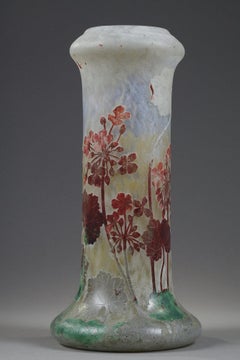
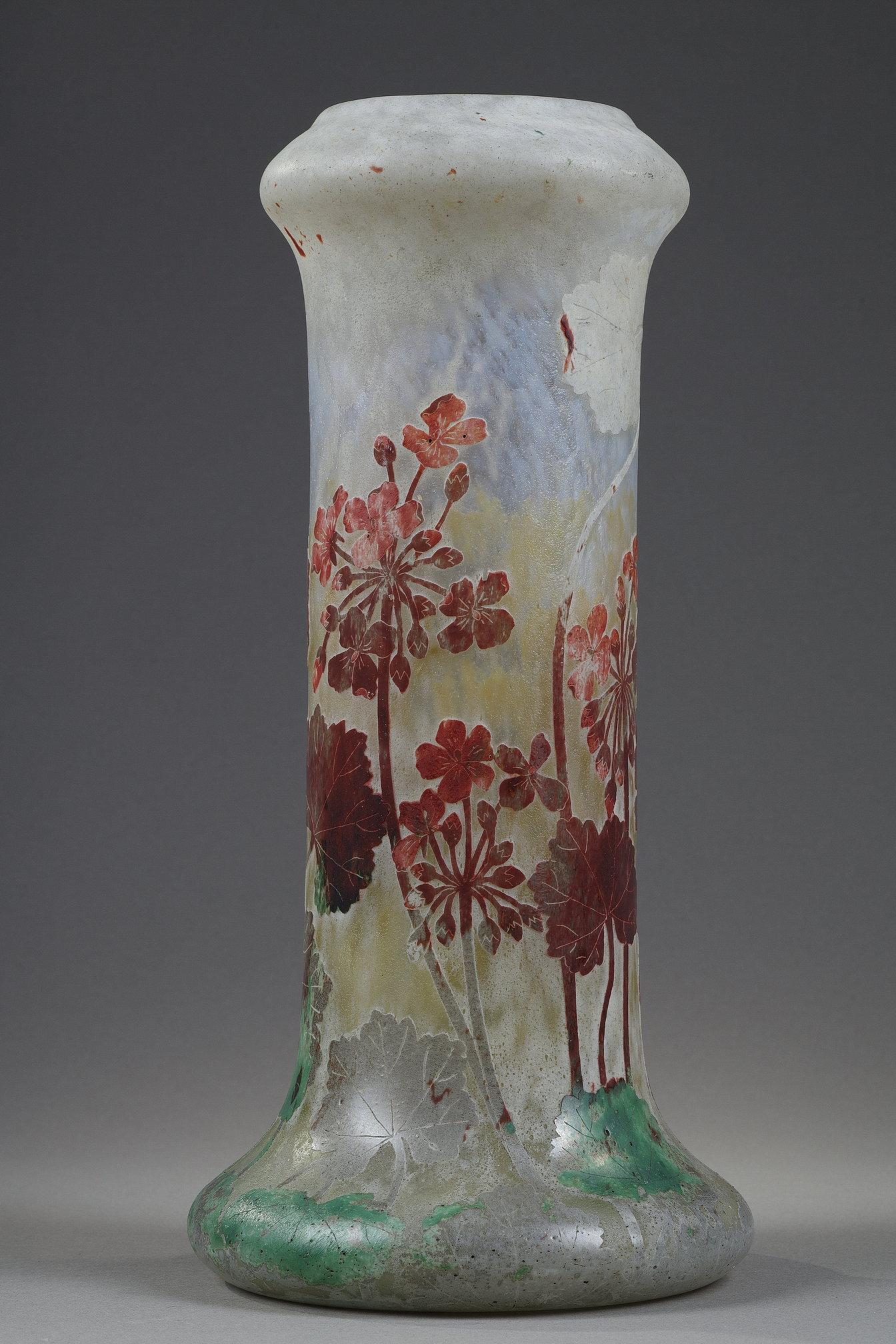
Jarrón con Pelargonios por DAUM Jarrón tubular, con cuello y base hinchados, con decoración de pelargonios rojos. Vidrio soplado multicapa, con decoración grabada al ácido en reserv...
Categoría

principios del siglo XX, Art Nouveau, Más arte

Materiales

Vidrio

También te puede gustar

Gran cuenco de flores Art Nouveau con decoración de columbinas, Daum Nancy, Francia, ca 1910
Por Daum
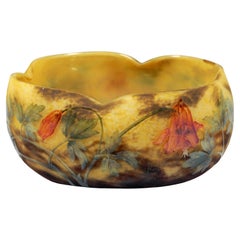
Gran cuenco redondo con borde de boca dentada en forma de cuatrifoliar, vidrio incoloro con inclusiones de polvo amarillo y marrón, grabado y pintado con esmalte de color decorado co...
Categoría

Vintage, Década de 1910, Francés, Art Nouveau, Vidrio

Materiales

Vidrio

"Hojas de vid" jarrón doble de cristal de Daum
Por Daum
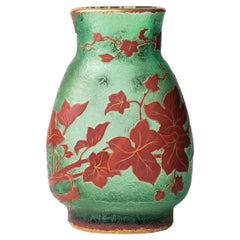
Un jarrón doble de cristal "Hojas de parra" de Daum - Nancy, con una decoración profundamente grabada de hojas de color rojo pardo con reflejos dorados, sobre un fondo verde esmerila...
Categoría

Antiguo, Principios del 1900, Francés, Art Nouveau, Jarrones

Materiales

Vidrio artístico

Cuenco de cristal camafeo de Daum Nancy
Por Daum
Unos colgantes de hojas adornan este fino cuenco de vidrio camafeo de Daum, conocido por sus singulares piezas de vidrio artístico de la máxima calidad. Daum sigue siendo un nombre i...
Categoría

principios del siglo XX, Francés, Art Nouveau, Cuencos decorativos

Materiales

Vidrio

Jarrón con corona floral de Paul Dachsel para Amphora c. 1900
Jarrón alto de ánfora con una corona floral que rodea la boca, desciende por dos lados hacia un craquelado verde claro y rosa, y está acabado con un relieve lineal "estilo Dachsel" e...
Categoría

Década de 1890, Art Nouveau, Más arte

Materiales

Cerámico

Jarrón ( Flores de amapolas) , Signo: Muller Fres Luneville, Jugendstil, Art Nouveau
Por Muller Frères
Signo del jarrón: Muller Freres Luneville ácido trabajado I. Muller Feres El corazón de la empresa estaba formado por cinco hermanos (Henri, Desire, Eugene, Pierre, Victor) de una fa...
Categoría

Antiguo, Principios del 1900, Francés, Art Nouveau, Vidrio

Materiales

Vidrio artístico

Jarrón Vaso Daum Nancy Tallado a Rueda con Motivo de Ciclamen
Por Daum
Este jarrón de vidrio artístico francés Daum Nancy tiene forma de vaso de diamante con un color rosa moteado y detalles dorados. El exterior de la pieza presenta una detallada decora...
Categoría

Antiguo, Principios del 1900, Francés, Art Nouveau, Jarrones

Materiales

Vidrio