Artículos similares a Erhard
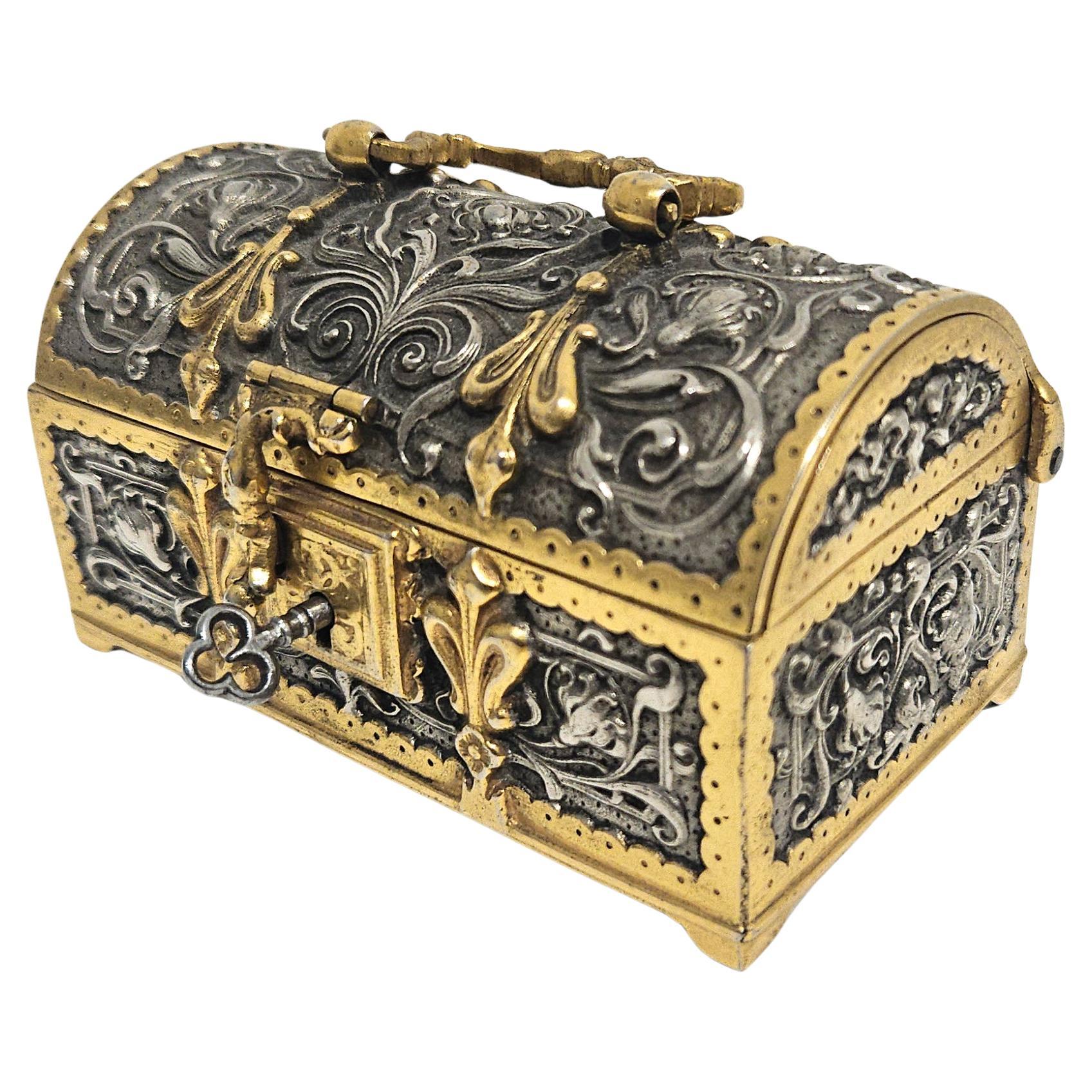
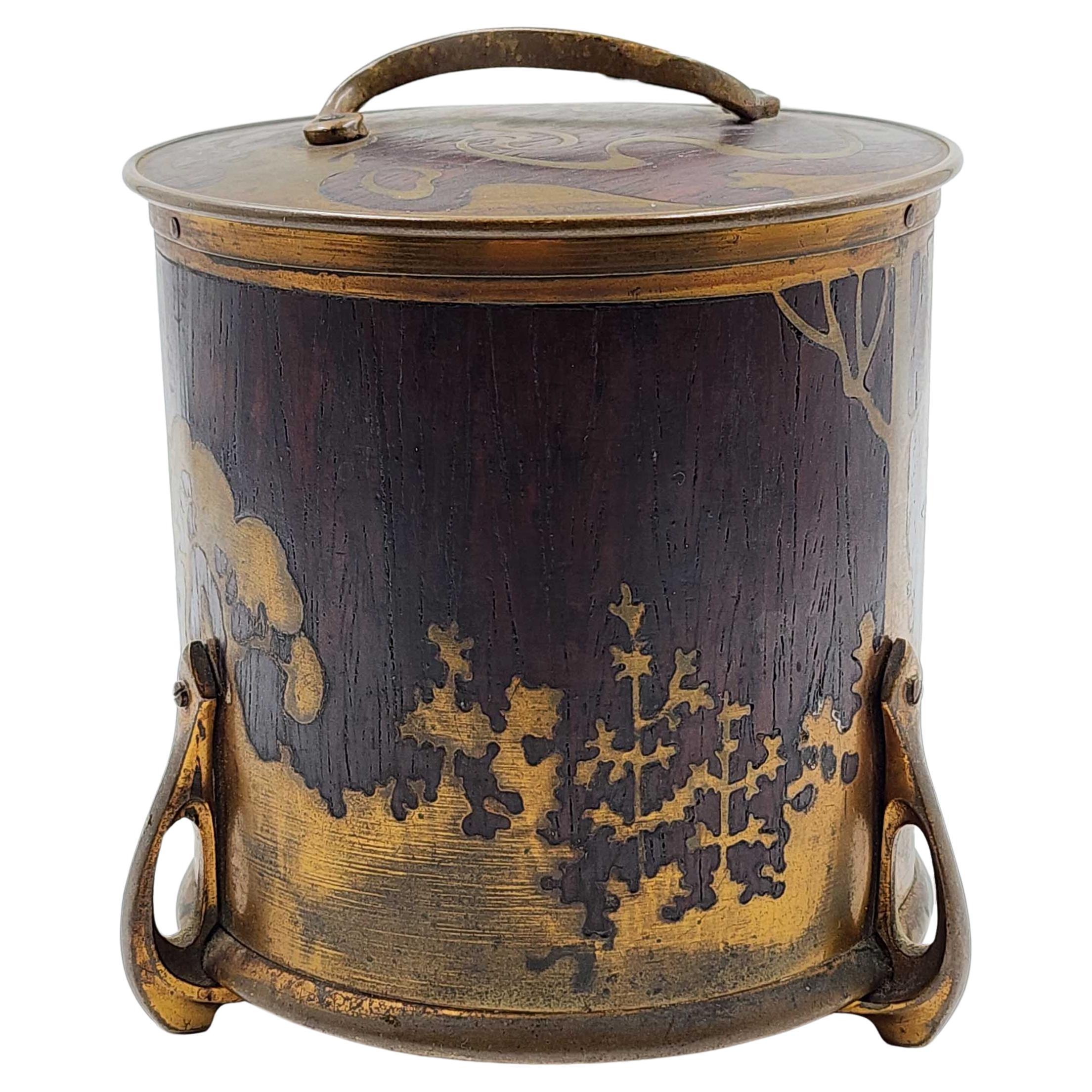
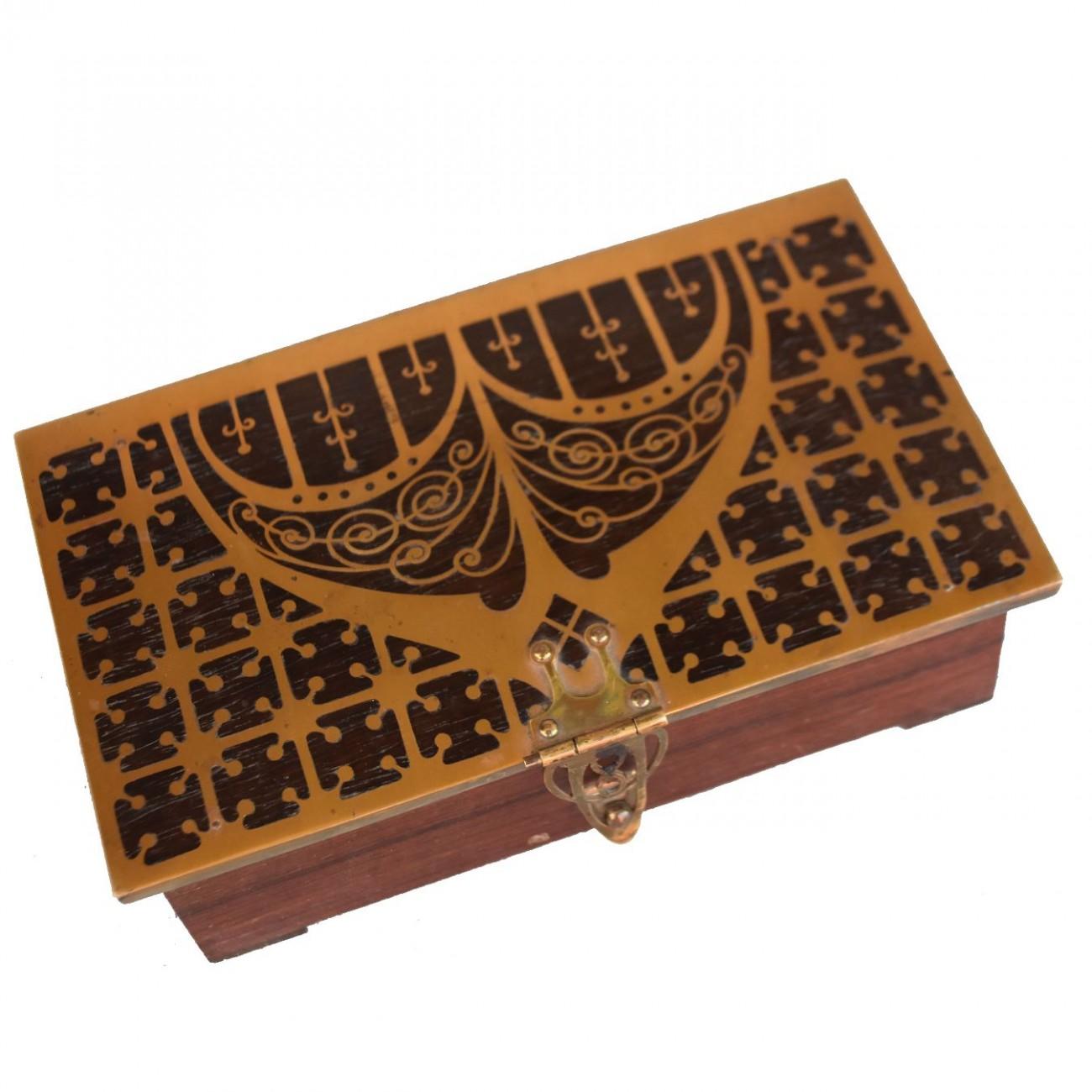
Söhne Art Nouveau Jugendstil Jewelry Casque w/ Inlaid Brass Rose Design
Cargando vídeo
¿Quieres más imágenes o vídeos?
Solicita imágenes o vídeos adicionales al vendedor
1 de 14
Erhard
SöhneErhard
Söhne Art Nouveau Jugendstil Jewelry Casque w/ Inlaid Brass Rose Designc. 1904
c. 1904
3034,61 €
Acerca del artículo
Erhard
Söhne, 19th Century
Art Nouveau Jugendstil Casque with Inlaid Brass Rose Design, c. 1904
6 x 9 x 6 inches
The company Erhard
sons was established by Carl Gottlieb Erhard and his two sons in Schwäbisch Gmünd in 1844. Carl Gottlieb Erhard, the priest-son from Großheppach, setteled in Schwäbisch Gmünd when he marriged Debler-Tochter. He became a partner of the company Teilhaber der Firma Gerber
Co, and acquired it with a settlement of 100.000 guilders in 1843. He established the company Erhard
Söhne with help of the sons Carl and Julius in 1844, which is today the oldest producing factory in the city continued in sixth generations as the single family business.
Carl Gottlieb Erhard procured to fill the market gap that the fire gilt hardwares were bought abroad at very expensive price. So he gathered highly trained experts for his business around a market, also his sons got the best education as Ziseleur and engraver. Julius was the creative one, Carl the commercial leader, on this occasion.
Their business wrote the history of the city henceforth. They especially specialized on fashionable accessoires (Galanteriewaren) of all the type out of brass and bronze, sometimes silver-plates or gilds. Highest skill was applied in their miniature-works, especially Doll-room-furnitures were sought-after items for the collectors, which inclue bookbinders, glove, buttons, buckles, etc.
At the beginning their main markets were England, America and the German states which ware not unified yet. In 1864 the factory was enlarged. The company tried new inventions again and again and was called "Testing factory". Soon the company had 3000 employees that it build another factory-building in 1900.
Besides the specialization at the processing of bronze, brass, copper and tin, also articles of noble-metal were manufactured. With the world-patent for the manufacture of brass-inlay (1904), the production of doll-room-accessories and furnitures out of gilt brass, that the big export-hit was between 1900 and 1910 into the USA, the business finally won world-format, and the invention of the Schleuderaschers (spin-ashtray), Roulette type ash tray (1938). The company was granted the patent for the thermo-mug in 1956. The extensive product spectrum of the business included extravaganzas - churches-use, luxury-goods, cult-appliances, jewelry and game-merchandise as well as electrotype-plastic copies of historic culture-objects.
This company is very known in the collector-scene as much sought after items for the antique doll-rooms since the company produced the highest quality Ormolu doll-room-accessories and furnitures until mid-1920s. Golden years of the company were the first years of the 20th century. When it was put on the mechanical engineering more and more and with the game-merchandise-production, it went downhill.
Since 1945, the company Erhard
sons was in particular decisive at the development and production the world-wide in use of brought Unimog (Universal-Motor-Gerät) involves. After the World War II it is an important factory of tanks under the name Erhard Automotive for usefulness-vehicles.
Today, the company is all over Europe from motor vehicle-sharing on topmost technical level one of the leading manufacturers. The transition of the manual Einzelanfertigung of historistischem art-trade to the mass-production of later industry-design joins with it with the history of the business at the same time.
Erhard
Sohne had the world-patent for the manufacture of brass-inlay in 1904. Since then they designed and manufuctured high-quality brass-inlay boxes and items which represented very unique and noble German Art-Nouveau style at its peak.
Some important works by Erhard
Sohne were illustrated in "MODERN ART OF METALWORK. Bröhan-Museum State Museum of Art Nouveau, Art Deco and Functionalism (1889-1939), Berlin" published by Bröhan-Musuem in 2001. The Bröhan-Musuem is one of the most prominent museums specialised in Art Nouveau, Art Déco and the Berlin Secession.
Sobre el vendedor
5,0
Vendedor Oro
Vendedores premium que mantienen una calificación de +4,3 y tiempos de respuesta de 24 horas
Establecido en 1975
Vendedor de 1stDibs desde 2022
44 ventas en 1stDibs
Tiempo de respuesta usual: <1 hora
- EnvíoRecuperando presupuesto…Envío desde: Beachwood, OH
- Política de devolución
Partes de esta página se han traducido automáticamente. 1stDibs no puede garantizar la exactitud de las traducciones. El inglés es el idioma predeterminado de este sitio web.
Más de este vendedor
Ver todoFootman inglés de doble asa del siglo XVIII
Footman inglés de doble asa, siglo XVIII
Latón
12 x 18 x 17 pulgadas
Categoría
siglo XVIII, Más arte
Materiales
Latón
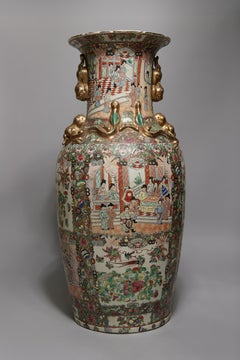
Monumental jarrón chino con medallón de rosa familiar, Siglo XX
Monumental jarrón chino con medallón de rosa familiar, Siglo XX
Porcelana
36 x 18 pulgadas
La Famille rose es una porcelana china del siglo XVIII, caracterizada por su esmalte de co...
Categoría
siglo XX, Más arte
Materiales
Porcelana
Pareja de Urnas de Oro Francesas de Porcelaine de Paris con Escenas de la Historia Romana
Pareja de Urnas Francesas de Porcelaine de Paris Doradas con Escenas de la Historia Romana, Principios del Siglo XIX
13 x 6,5 x 5 pulgadas
En la base de una urna se lee "Tibrius Gra...
Categoría
principios del siglo XIX, Más arte
Materiales
Porcelana
Motivos botánicos, Plato decorativo azul y verde de mediados de siglo, Escuela de Cleveland
Kenneth Bates (estadounidense, 1904-1994)
Motivos botánicos, 1953
Esmalte
Firmado y fechado en la parte inferior
9 pulgadas
Descrito en un número de 1967 de Ceramics Monthly como e...
Categoría
Década de 1950, Más arte
Materiales
Esmalte
Joven con palomas y cesta de flores, bronce francés del siglo XIX
Isidore Romain Boitel (francés, 1812 - 1861)
"Jeune fille aux colombes et à la corbeille de fleurs".
Joven con palomas y cesta de flores
Bronce
Firmado en la base, marca de fundició...
Categoría
Mediados del siglo XIX, Esculturas figurativas
Materiales
Bronce
Busto de Diana de Poitiers, Escultura de bronce de una noble francesa
Según Jean Goujon (francés, 1510-1568)
Busto de Diana de Poitiers
Bronce con base de zócalo dorada
9 x 3,75 x 2,75 pulgadas
Procedencia: Retirado de una residencia privada del Hotel ...
Categoría
siglo XIX, Esculturas figurativas
Materiales
Bronce
También te puede gustar
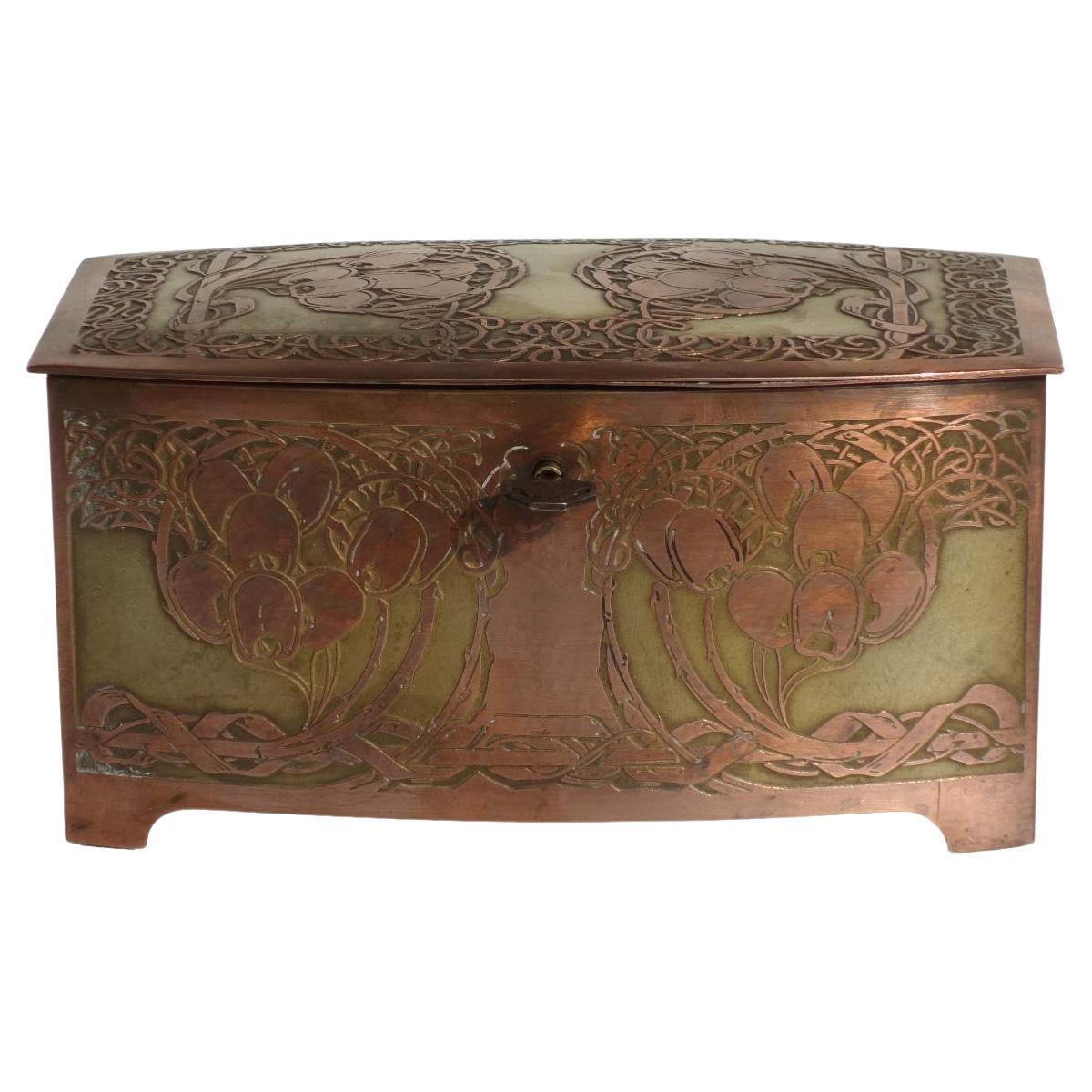
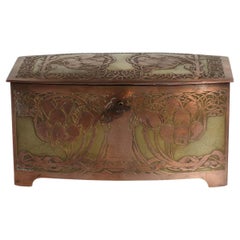
1900 Erhard y Sohne Secesionista Jugendstil Art Nouveau Cobre Latón Caja
Por Erhard
Söhne
Caja Jugendstil
Alemania, 1900-1909
Cofre de cobre y latón
Decoración floral
Completo con llave
Marcho estampado bajo la base
Objeto raro
Excelente estado de conservación
Categoría
Antiguo, Early 1900s, German, Secesión de Viena, Joyeros
Materiales
Latón, Cobre
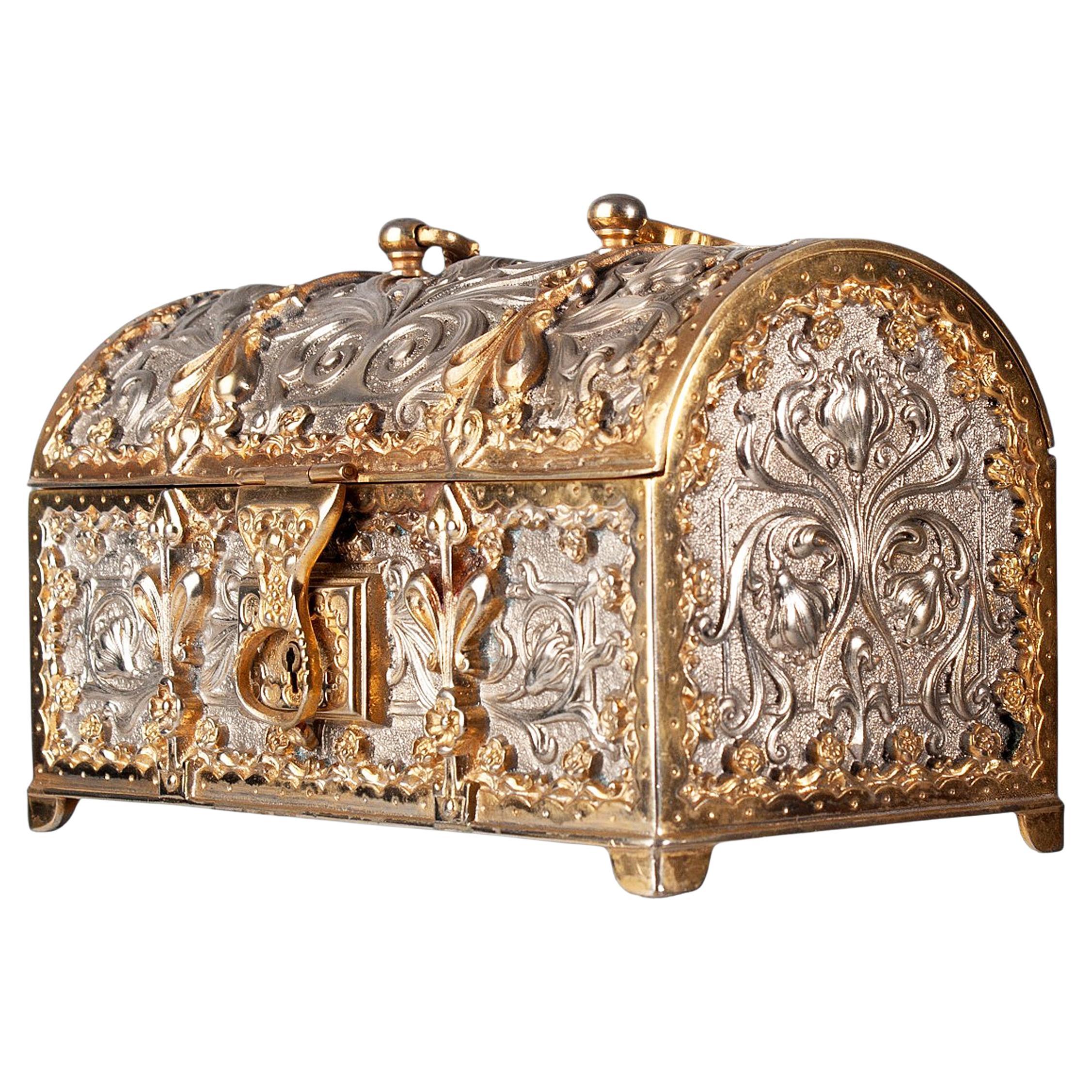
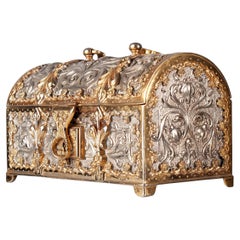
Cofre para joyas Jugendstil de latón con forro de terciopelo de Erhard
Söhne, Alemania
Por Erhard
Söhne
Cofre Jugendstil 1900 de latón dorado y plateado para joyas, con interior forrado de terciopelo azul, de Erhard & Söhne, Alemania
Por: Erhard & Söhne
Material: latón, cobre, metal, ...
Categoría
Antiguo, Principios del 1900, Alemán, Jugendstil, Joyeros
Materiales
Metal, Latón, Cobre, Cinc
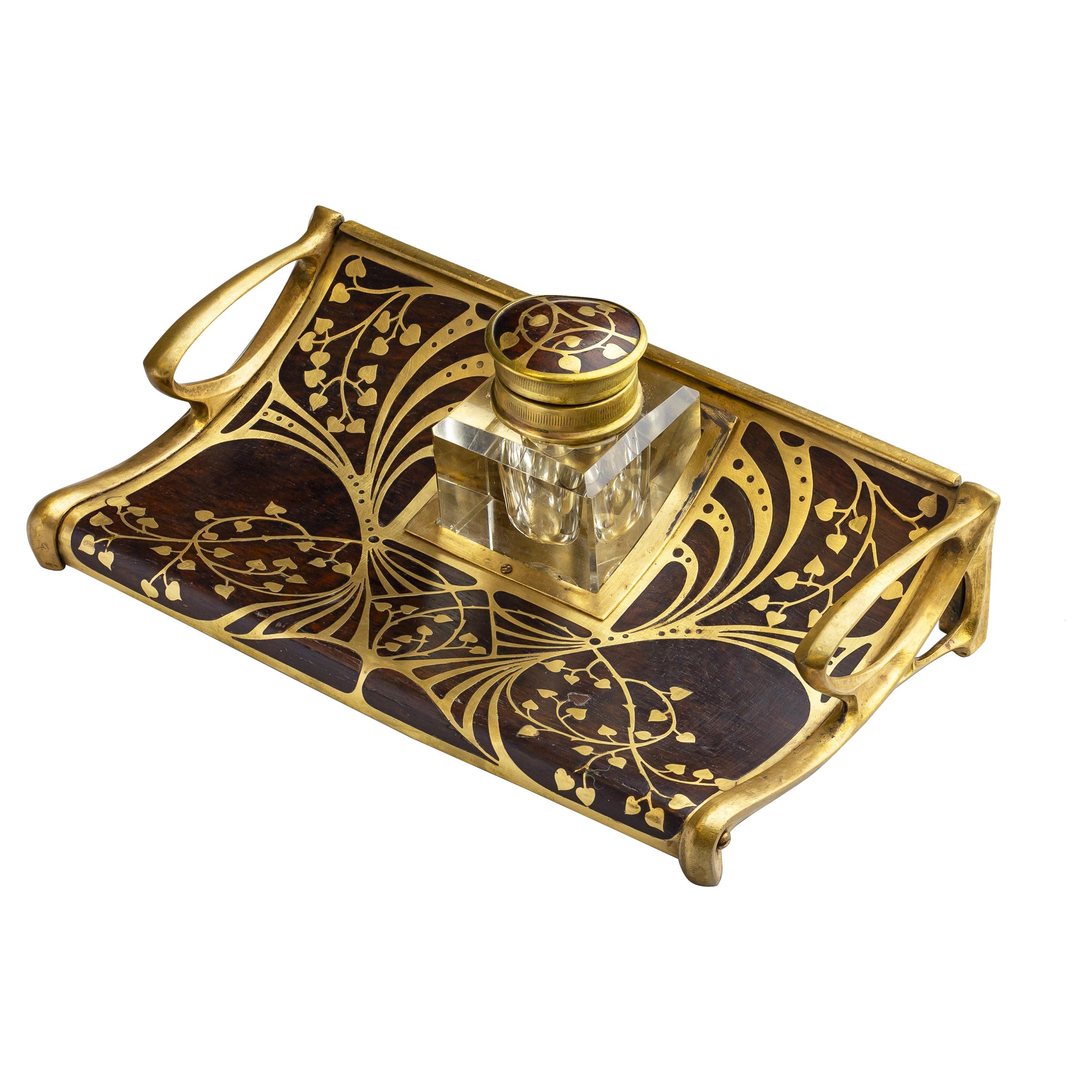
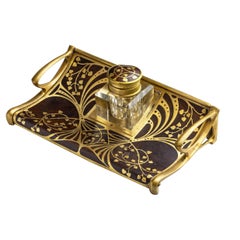
Tintero y bandeja Jugendstil Atribuidos a Erhard
Söhne
Fabricado en Alemania durante la época Art Nouveau, este tintero y soporte de latón y palisandro se atribuye a los fabricantes Erhard & Söhne. El soporte ornamentado de estilo "Jugen...
Categoría
principios del siglo XX, Alemán, Jugendstil, Accesorios de escritorio
Materiales
Latón
Cofre joyero Art Nouveau Erhard
Sohne, Alemania, c. 1905
Por Erhard
Söhne
Precioso ataúd art nouveau fabricado por Erhard y Sohne en Alemania hacia 1905.
La arqueta está exquisitamente ejecutada con detalles foliados, realizada en estilo de renacimiento ...
Categoría
principios del siglo XX, Alemán, Art Nouveau, Cajas decorativas
Materiales
Latón
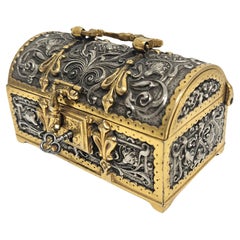
Humidificador Jugandstil Erhard
Söhne, Alemania, c. 1920
Por Erhard
Söhne
Humidificador Jugandstil, Erhard & Söhne, Alemania, c. 1920
Se trata de una caja humidificadora de estilo Jugendstil, fabricada por Erhard & Söhne en Alemania, hacia 1920. La caja ti...
Categoría
siglo XX, Alemán, Art Decó, Cajas de puros y humidores
Materiales
Latón
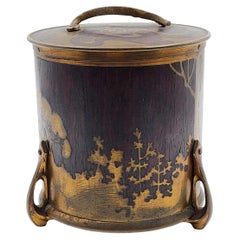
1900 Caja de palisandro Art Nouveau de Erhard
Soehne
Por Erhard
Söhne
Caja de palisandro y tapa con incrustaciones de latón Art Nouveau de Erhard y Soehne, hacia 1900.
Categoría
principios del siglo XX, Austríaco, Art Nouveau, Cajas decorativas
Materiales
Cobre