Artículos similares a Escena campesina de Jan Thomas van Kessel
¿Quieres más imágenes o vídeos?
Solicita imágenes o vídeos adicionales al vendedor
1 de 8
Jan Thomas van KesselEscena campesina de Jan Thomas van Kessel18th Century
18th Century
172.071,13 €
Acerca del artículo
Jan Thomas van Kessel
1677-1741 Flemish
A Peasant Country Scene
Signed (lower left)
Oil on canvas
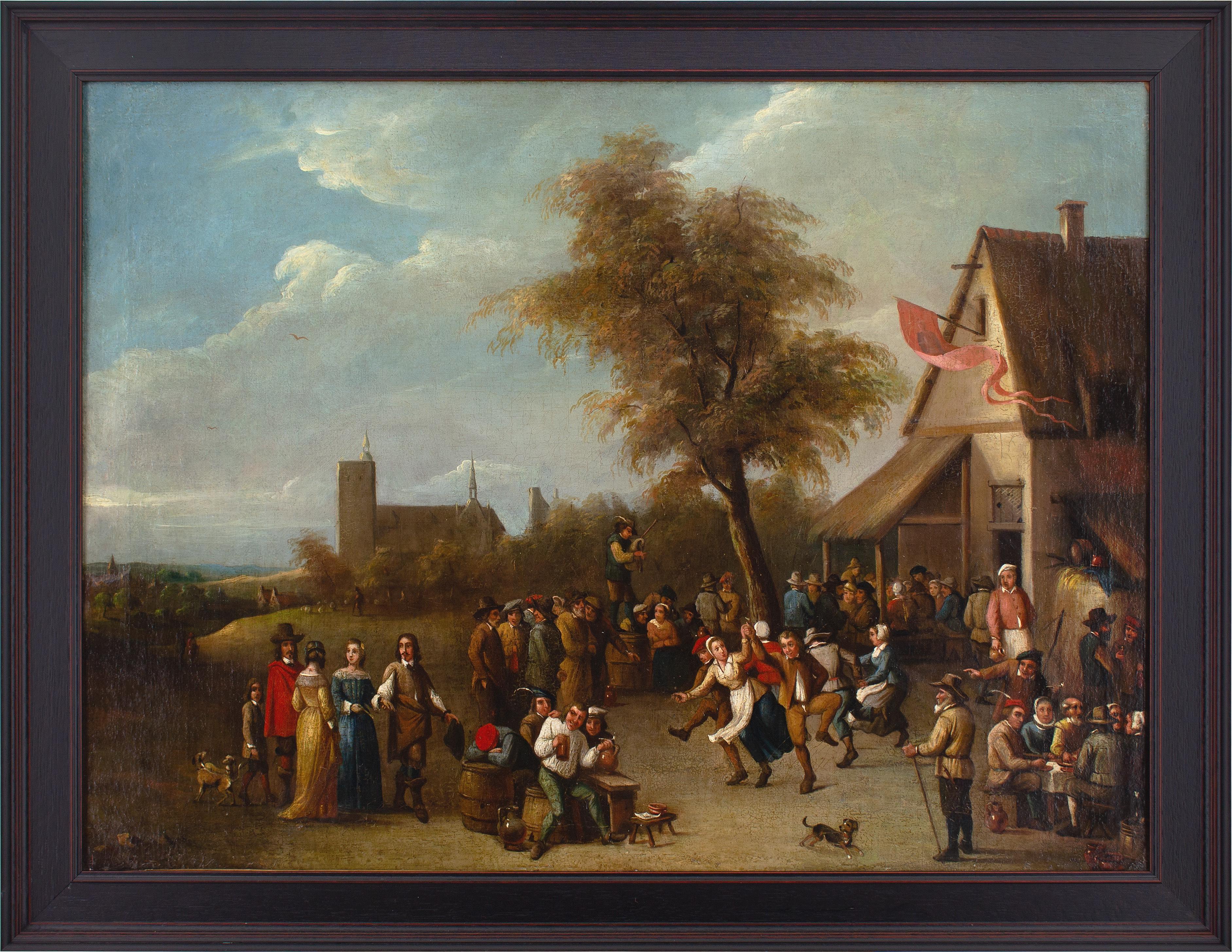
A quintessential example of Flemish genre painting, A Peasant Country Scene reflects a blend of the playfulness of subject and the technical acuity that defined the style of 18th-century Flemish painter Jan Thomas van Kessel. The artist invites viewers into a merry gathering of peasants that spills across the composition. Highlighted at its center is a couple in the midst of a lively dance, their direct gaze out at the viewer conveying their happiness, while also serving as an effective means to pull the viewer's eye into the festivities underway.
This gathering of merry revelers assumes a stage-like quality as they are separated visually from the far reaches of the composition by a fence that bisects the composition horizontally, underscoring the intimate feel of the foreground scene. Beyond this enclosure, a farmhouse looms over the scene and opens at right onto a sweeping landscape that carries the eye back into the distant horizon. Here, too, the eye is guided appropriately, as figures dot the path down the river toward the steeple of a church just visible along the horizon line. Overhead, a breathtakingly blue sky, dappled with billowy clouds and soaring birds, complements the festive scene.
Such genre paintings were incredibly popular during the 17th and 18th centuries, as they served as a reminder of the simple pleasures of pastoral life. Such scenes first emerged during the 16th century in the wake of the Reformation as artists sought new fields of painting in which to showcase their skill. Key figures such as David Teniers the Younger and the Brueghel family ensured the genre's success into the 17th century when they became highly fashionable. This enduring popularity thereby afforded later artists like van Kessel the opportunity to showcase their talents in conjuring such engaging vignettes.
Van Kessel clearly capitalized on that popularity, as he developed a following for his works that served as a visual escape from the realities of city life. Little is known of van Kessel's life, save for that he was born in Flanders in 1677 and studied both with the masters of Antwerp's Guild of Saint Luke, and even purportedly trained in Paris. Van Kessel then established his studio in his hometown of Antwerp just after the dawn of the 18th century. Aiding in van Kessel's rapid development as an artist was undoubtedly the fact that he descended from a long family line of painters who explored various subjects from botanical studies to portraits. It is arguably van Kessel's inviting scenes of peasants and pastoral life, as seen in this composition, however, that are the most engaging of his family's oeuvre and earned the artist acclaim for his work in Antwerp and beyond.
One point often noted in van Kessel's genre paintings are the references he makes to past masters like Teniers, and these connections are tangible in this painting. The layout of this composition, from the cluster of animated figures in the foreground contrasted against the serene expanse of nature in the distance, seem to be direct quotations of Teniers' work. This reinforces both the placement of this work within the 18th century – following Teniers' lifetime – and within van Kessel's body of work. The connection of this painting to Jan Thomas van Kessel's oeuvre is without dispute, however, as this painting benefits from the scrolling script of the artist's signature along the lower edge.
Only a handful of van Kessel's works, including those held by prestigious collections such as England's National Trust and the Museum Catharijneconvent in the Netherlands, have been fully documented. As a result, it is rare when such a well-preserved example of this 18th-century Flemish genre painting tradition emerges, and it is particularly exciting when such a find contributes to the emerging legacy of a little-understood artist of the era.
Canvas: 40 1/4" high x 54 1/4" wide
Frame: 52 3/4" high x 66 5/8" wide
- Creador:Jan Thomas van Kessel (1677 - 1741, Flamenco)
- Año de creación:18th Century
- Dimensiones:Altura: 133,99 cm (52,75 in)Anchura: 169,25 cm (66,63 in)Profundidad: 7,62 cm (3 in)
- Medio:
- Movimiento y estilo:
- Época:
- Estado:
- Ubicación de la galería:New Orleans, LA
- Número de referencia:Vendedor: 31-01981stDibs: LU18615260042
Sobre el vendedor
5,0
Vendedor profesional aprobado
Todos los vendedores superan estrictas normas de autenticidad y confiabilidad
Establecido en 1912
Vendedor de 1stDibs desde 2013
20 ventas en 1stDibs
Tiempo de respuesta usual: 4 horas
- EnvíoRecuperando presupuesto…Envío desde: New Orleans, LA
- Política de devolución
Partes de esta página se han traducido automáticamente. 1stDibs no puede garantizar la exactitud de las traducciones. El inglés es el idioma predeterminado de este sitio web.
Más de este vendedor
Ver todoDanza de las Ninfas
Por Paul Desire Trouillebert
Este paisaje lírico titulado Danza de las ninfas fue compuesto por el pintor francés de Barbizon Paul Désiré Trouillebert. La obra, una alegre escena de ninfas danzando en la niebla ...
Categoría
siglo XIX, Académico, Pinturas de paisajes
Materiales
Lienzo, Óleo
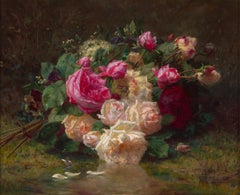
Bouquet of Flowers in the Countryside by Jean-Baptiste Robie
Jean-Baptiste Robie
(1821-1910) Belga
Ramo de flores en el campo
Firmado "J. Robie" (abajo a la izquierda)
Óleo sobre tabla
Este extraordinario bodegón floral encarna la cumbre d...
Categoría
Fines del siglo XIX, Académico, Pinturas de naturaleza muerta
Materiales
Óleo, Panel
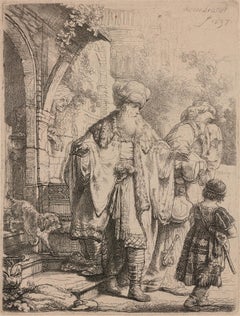
Abraham expulsa a Agar e Ismael por Rembrandt van Rijn
Por Rembrandt van Rijn
Rembrandt van Rijn
1606-1669 Holandés
Abraham expulsa a Agar e Ismael
Firmado y fechado "Rembrandt f. 1637" (arriba a la derecha)
Estado uno de uno
Aguafuerte con toques de punta ...
Categoría
siglo XVII, Antiguos maestros, Dibujos y acuarelas figurativos
Materiales
Punta seca, Grabado químico
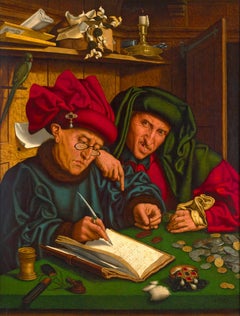
Los recaudadores de impuestos atribuidos a Marinus van Reymerswaele
Marinus van Reymerswaele
c.1490 – c.1546 Holandés
Los recaudadores de impuestos
Siglo XVI
Óleo sobre panel de madera
Marinus van Reymerswaele se cuenta entre los artistas más gran...
Categoría
siglo XVI, Pinturas figurativas
Materiales
Óleo, Panel de madera
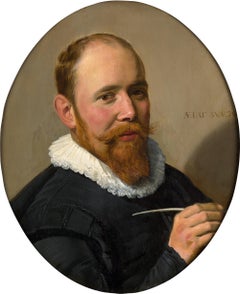
Retrato de un caballero de Frans Hals
Frans Hals
1582-1666 Holandés
Retrato de un caballero
(posiblemente Theodore Blevet)
Óleo sobre tabla
"Frans Hals es un colorista entre los coloristas... Frans Hals debió de tene...
Categoría
siglo XVII, Antiguos maestros, Pinturas de retratos
Materiales
Óleo, Panel
Precio a petición
Al otro lado del río por Sir David Murray
Por Sir David Murray
Sir David Murray, R.A., H.R.S.A., R.S.W., R.I.
1849-1933 - Escocés
Al otro lado del río
Firmado y fechado D. Murray 1907 (abajo a la izquierda)
Firmado e inscrito "Across the Rive...
Categoría
principios del siglo XX, Académico, Pinturas de paisajes
Materiales
Lienzo, Óleo
También te puede gustar
siglo XVIII Paisaje Flamenco Escolta Campesino al Aire Libre Óleo sobre Lienzo Marrón Azul
Pintura al óleo sobre lienzo mide 45 x 55 cm sin marco y 65 x 75 cm con marco y representa una escena campesina al aire libre de la escuela flamenca de finales del siglo XVII y prin...
Categoría
1690s, Escuela flamenca, Pinturas de paisajes
Materiales
Lienzo, Oil
Aldeanos en un paisaje - Pintura al óleo figurativa al paisaje del arte flamenco del siglo XVII
Este fantástico óleo de un Viejo Maestro flamenco del siglo XVII es obra de Thomas Van Apshoven. Fue pintado hacia 1650 y representa un pueblo con figuras fuera de una taberna, comie...
Categoría
Década de 1650, Antiguos maestros, Pinturas figurativas
Materiales
Óleo
6507 € Precio de venta
Descuento del 20 %
Círculo de David Teniers, Paisaje con campesinos junto a una posada y un río, holandés
Por David Teniers the Younger
Círculo de Teniers, Campesinos en un Paisaje que pasa junto a un río y una Posada.
Categoría
siglo XVII, Barroco, Pinturas figurativas
Materiales
Óleo, Panel
3000 € Precio de venta
Descuento del 25 %
David Teniers the Younger (Después), Celebración campestre
Por David Teniers the Younger
Este encantador óleo de mediados del siglo XVIII representa a un verdadero grupo de juerguistas celebrando un festín junto a una taberna. Es una obra del artista flamenco David Tenie...
Categoría
Década de 1750, Pinturas figurativas
Materiales
Lienzo, Óleo
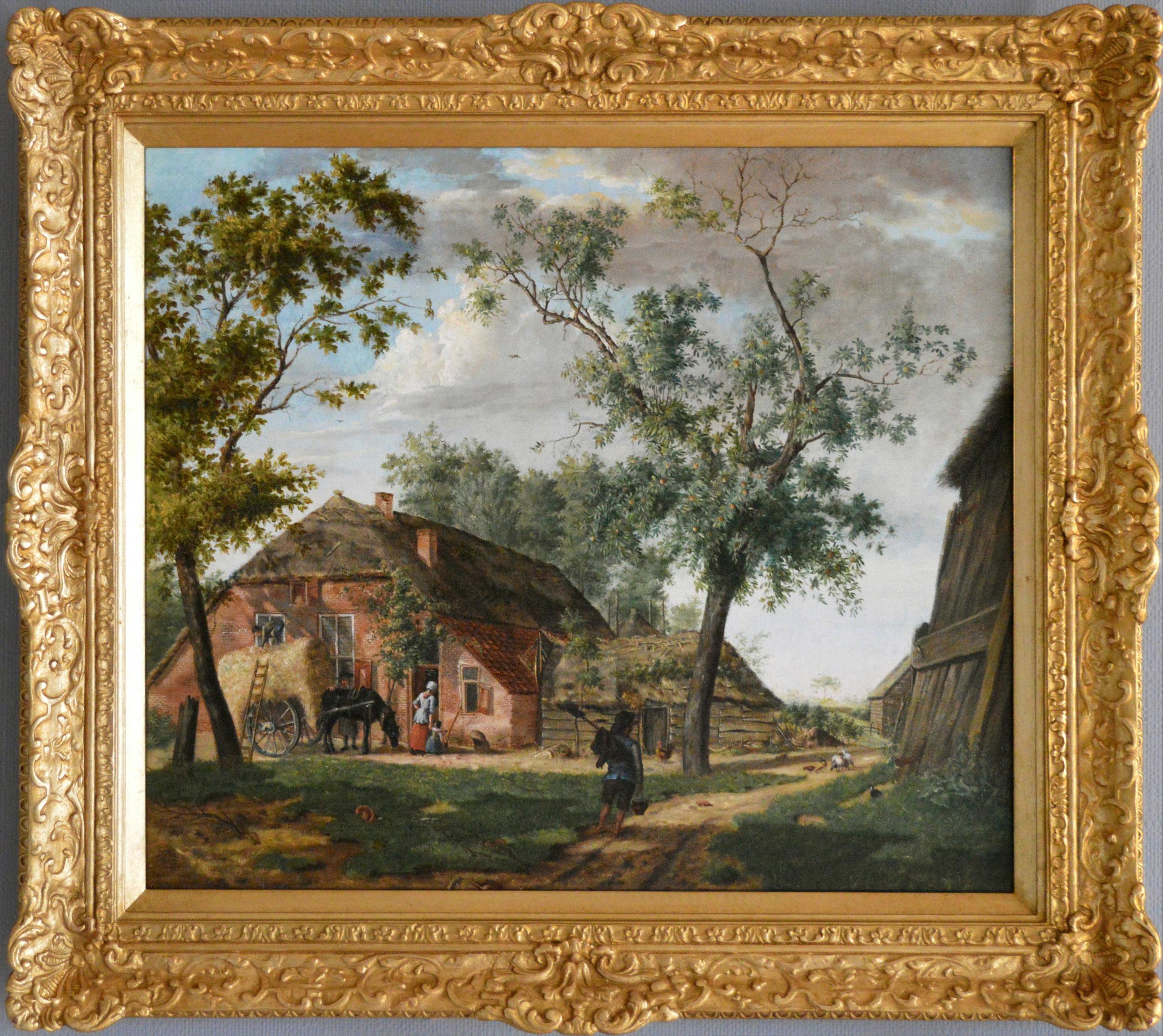
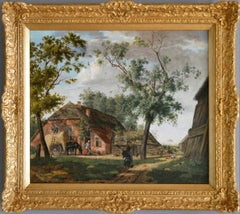
Óleo paisajístico de principios del siglo XIX sobre una granja
Por Hermanus van Brussel
Hermanus van Brussel
Holandés, (1763-1815)
El corral
Óleo sobre lienzo
Tamaño de la imagen: 18,25 pulgadas x 21,25 pulgadas
Tamaño incluyendo el marco: 24,5 pulgadas x 27,5 pulgadas
...
Categoría
principios del siglo XIX, Pinturas de paisajes
Materiales
Lienzo, Óleo
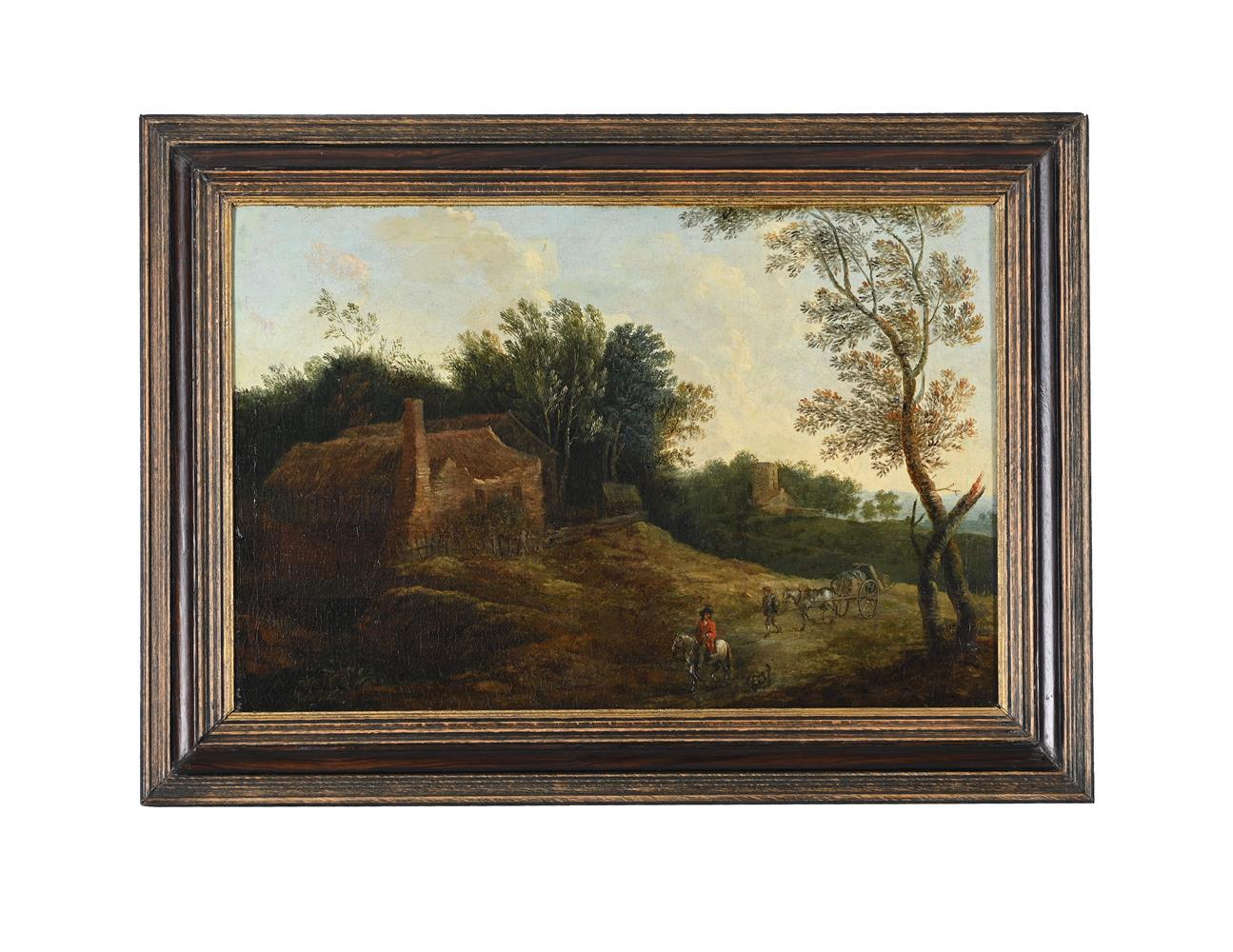
Pintura al óleo de un antiguo maestro flamenco del siglo XVII Paisaje rural de viajeros
Viajeros en un paisaje rural
círculo de Jacques d'Arthois (flamenco 1613-1686)
óleo sobre lienzo, enmarcado
marco: 13,5 x 18,5 pulgadas
lienzo: 11 x 16 pulgadas
procedencia: colecció...
Categoría
siglo XVII, Antiguos maestros, Pinturas de paisajes
Materiales
Óleo