Artículos similares a 1960s Japanese Signed Ainu Hokkaido Wooden Bear Carving Sculpture

¿Quieres más imágenes o vídeos?
Solicita imágenes o vídeos adicionales al vendedor
1 de 21
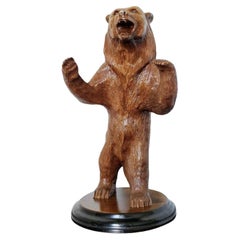
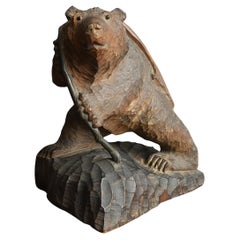
1960s Japanese Signed Ainu Hokkaido Wooden Bear Carving Sculpture
1514,85 €
Acerca del artículo
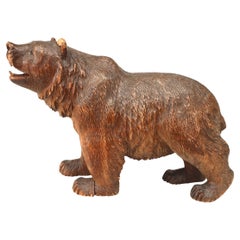
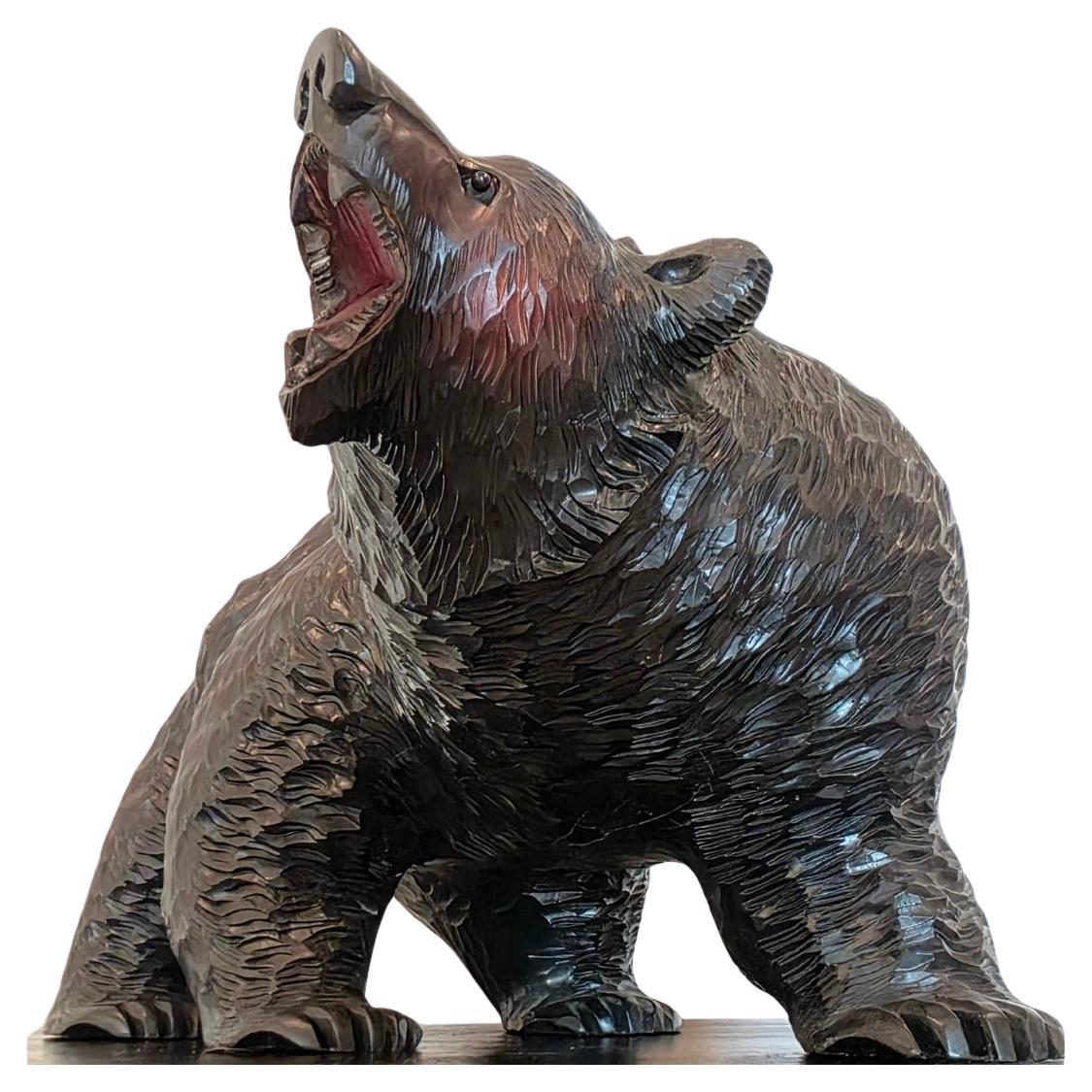
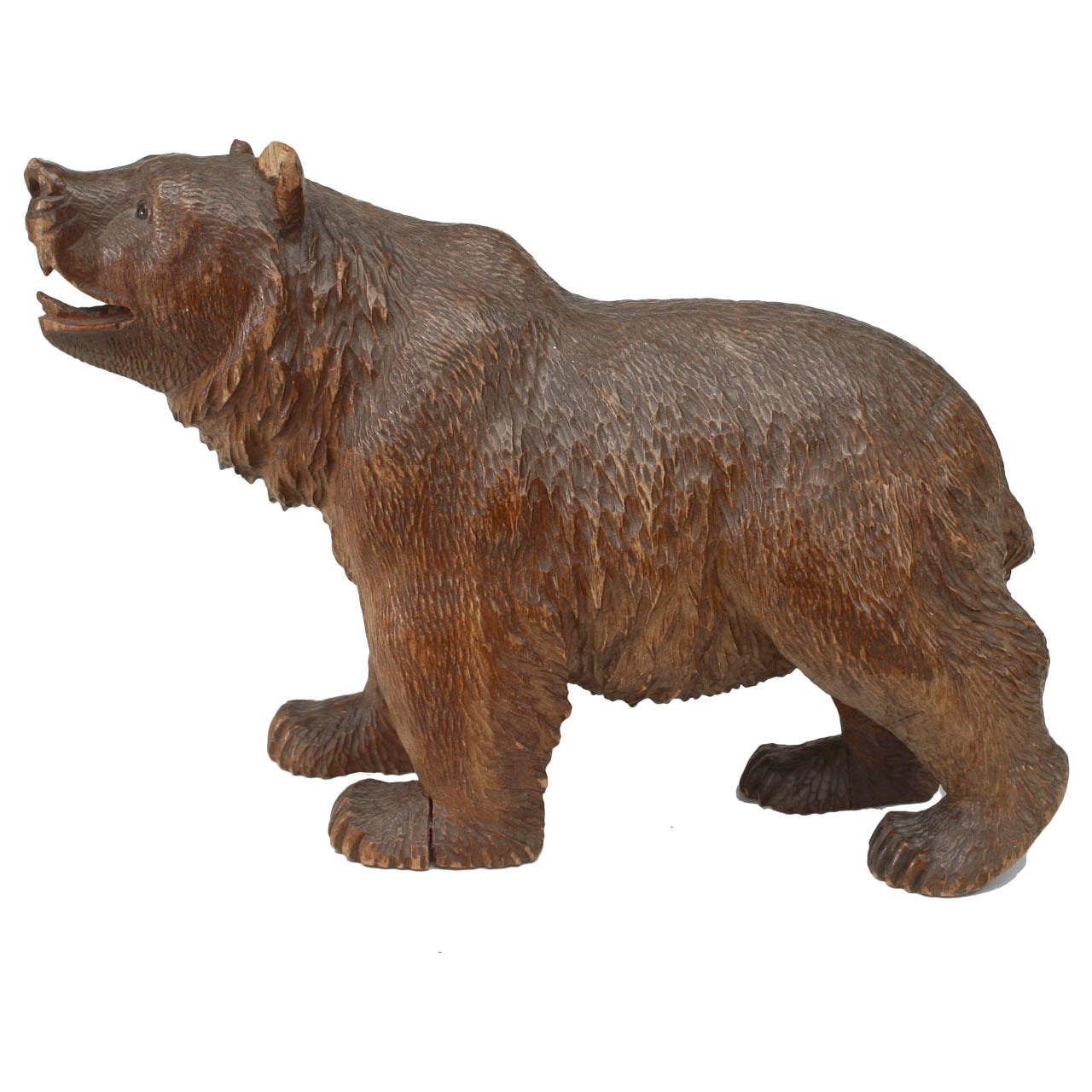
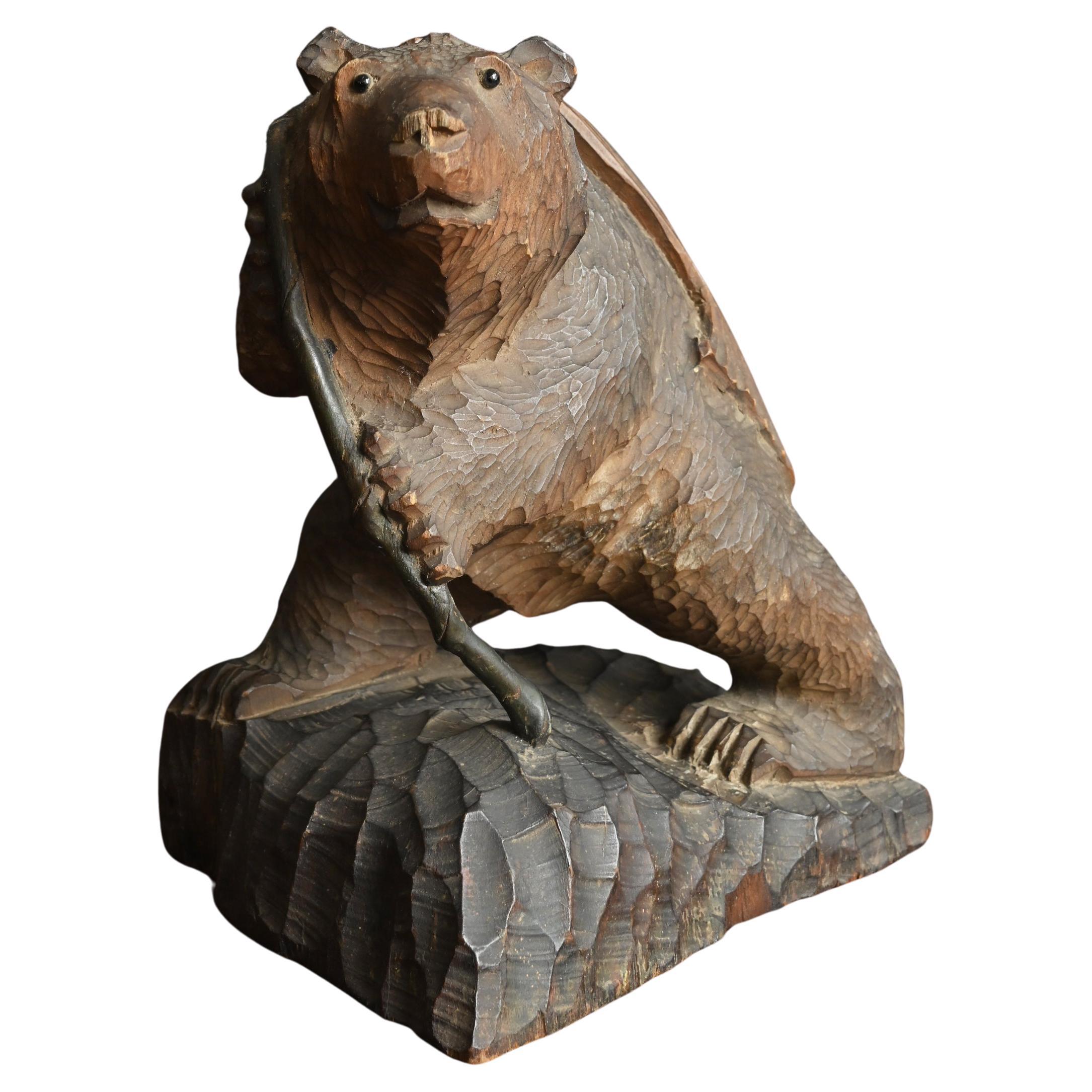
A rare and most impressive 1960s Japanese Ainu bear sculpture. Artist signed and dated.
Indigenous Ainu Peoples, probably Ashikawa, Hokkaido, Japan's northernmost island.
This extraordinary example of Kibori Kuma (木彫り熊) was finely hand carved, chiseled, sculpted and painted from a single solid piece of Japanese hardwood, using primitive traditional techniques and custom knives, the artisan would sit on the hut floor, using their feet as a vice to hold the block of wood, carefully manipulating and turning, wood chips flying, skillfully carving to create this beautiful piece of art!
Exceptionally executed, this substantial sized realistic rendering showcases the artisan's extraordinary skills, workmanship, and artistry, the bears aggressive naturalistic appearance comes to life, evoking power, strength, and natural bounty, lending to its fierce dramatic presence.
Modeled as a wild Ussuri Brown Bear standing on four legs, with inset black obsidian eyes, mouth open with teeth exposed, the muscular body with most distinct richly textured chip-carved thick fur-like body, this sculpture captures the essence of Ainu reverence for nature, this sacred animal, and their deep connection to the land.
Signed underfoot, with various characters, and dated 9-12-1964
- DIMENSIONS: (approx)
16.25" Wide, 10" High, 8.125" Deep; 10lbs
- HISTORY / BACKGROUND:
The Ainu are an aboriginal hunter/gatherer/fisher people who once inhabited many of the islands that bound the southern half of the Sea of Okhotsk north of the main Japanese island of Honshu and Southern Russia.
Their land was contested by the Japanese Empire and the USSR for centuries, with the Meiji era Japan colonisation of Hokkaido taking place in the 19th century.
Colonisation dispossessed the native Ainu people of their lands and property. Widespread discrimination enforced against them, including their forced relocation into mountain areas and the prohibition of the use of the Ainu language decimated their economy with the eventual aim of the extinction of Ainu culture and its replacement by Yamato Japanese culture.
The history of the Ainu bear is intertwined with the Ainu's spiritual beliefs and way of life. Long revered as a sacred animal, the bear is viewed as a symbol of strength, wisdom, and protection, while also holding a central place in Ainu rituals, with ceremonies conducted to honor and communicate with these powerful creatures, and in Ainu mythology, the bear is often depicted as a divine being, capable of transcending the boundaries between the human and spiritual realms. So it's quite prophetic the bear played such a large role in both the region and cultures revival.
The Hokkaido bear carving story all begins when the “Tiger hunting Lord”, The Marquess (one rank below Prince/Duke and one above Earl/Count) of Owari-Tokugawa Family, Yoshichika Tokugawa went off on his tour of Europe in 1921. On his trip, he happened upon peasant art. Rustic handmade items crafted by farmers in the wintertime in the Swiss Alps and German Black Forest. These primitive decorative objects, such as simple bowls, spoons, figurines, letter openers, figural statue, were sold as souvenirs to help the farmers survive through the winter. Ever on the look out for economic opportunities for his family’s former servants, Yoshichika brought back many of these wooden items, among them were two wooden bears.
Knowing the cultural significance of the bear to the Ainu, and seeing there was no work or cultural entertainment to be had by the Ainu, Yoshichika took the items back to Hokkaido as samples so that like the farmers from Switzerland and Germany, they too could sell the wooden bears as souvenirs. At first he suggested to his farmers that they take inspiration from the Swiss items and carv similar things, but after much trial and error, they made a group decision to focus mainly on carving the bears. Masao Ito carved the first bear in 1924.
Yoshichika encouragingly promised to buy the carvings, good or bad, to support their efforts at first. Being a well connected nobleman, he invited artists, including Kaneyuki Tokura from Tokyo to hold seminars on the art of carving. He also started the first Yagumo Art Show and contest held to promote folk art. They struggled at first because at this time Japanese did not even have a word for “folk art”. Farmers had little understanding or appreciation of art. But Yoshichika and his farmers kept working and chose the best bears, had them stamped with a Yakumo brand and began selling to the public. Production increased and by 1932, these Yakumo bears gained national attention. Also, by this time, the Yakumo bears stylistically diverged significantly from the sample bears brought from Switzerland and Germany; paving the way for what we now recognize as the Hokkaido bears.
Hokkaido became a destination for travelers as well as a many military men who would be stationed there. Decades ago, especially before everyone had cameras, the carved bear souvenirs and artworks were a hit for such travelers. They would bring them back home with pride. And it was big business for craftsmen, artists and even carpenters who wanted to earn some money. So popular were these brown bear carvings of Hokkaido, that they were once a staple of Japanese Tea Rooms and entry ways. They reached their heyday in the Showa 40’s (1965-1975). And so they were slowly receding from collective memory, but just now have resurged in popularity as seen in a recent article in GQ magazine.
Highly desirable and sought after, collectors are willing to pay as much as a $25,000 for the rarest of these hand carved Ussuri brown bear. Yet, the history of these carved bears of Hokkaido is, in Japanese terms, not a very long one
Condition:
A superb museum quality example, in excellent original antique / vintage condition. Nicely aged patina. Minor wear commensurate with age and handling, including rubbing, abrasions, accretions. Overall excellent shape and presentation
- Dimensiones:Altura: 25,4 cm (10 in)Anchura: 41,28 cm (16,25 in)Profundidad: 20,64 cm (8,125 in)
- Estilo:Bosque negro (En el estilo de)
- Materiales y técnicas:
- Lugar de origen:
- Época:
- Fecha de fabricación:1964
- Estado:Desgaste acorde con la edad y el uso. Superb museum quality example in excellent original vintage condition. Attractive appearance, nicely aged patina. Wear commensurate with age, display, handling, including minor rubbing, abrasions, accretions. Overall excellent shape presentation.
- Ubicación del vendedor:Forney, TX
- Número de referencia:1stDibs: LU5977248057242
Sobre el vendedor
4,8
Vendedor Platino
Vendedores premium con una calificación de +4,7 y tiempos de respuesta de 24 horas
Establecido en 2013
Vendedor de 1stDibs desde 2021
316 ventas en 1stDibs
Tiempo de respuesta usual: 1 hora
- EnvíoRecuperando presupuesto…Envío desde: Forney, TX
- Política de devolución
Partes de esta página se han traducido automáticamente. 1stDibs no puede garantizar la exactitud de las traducciones. El inglés es el idioma predeterminado de este sitio web.
Más de este vendedor
Ver todoVery Large Vintage Japanese Ainu Hokkai Bear Carved Wood Sculpture
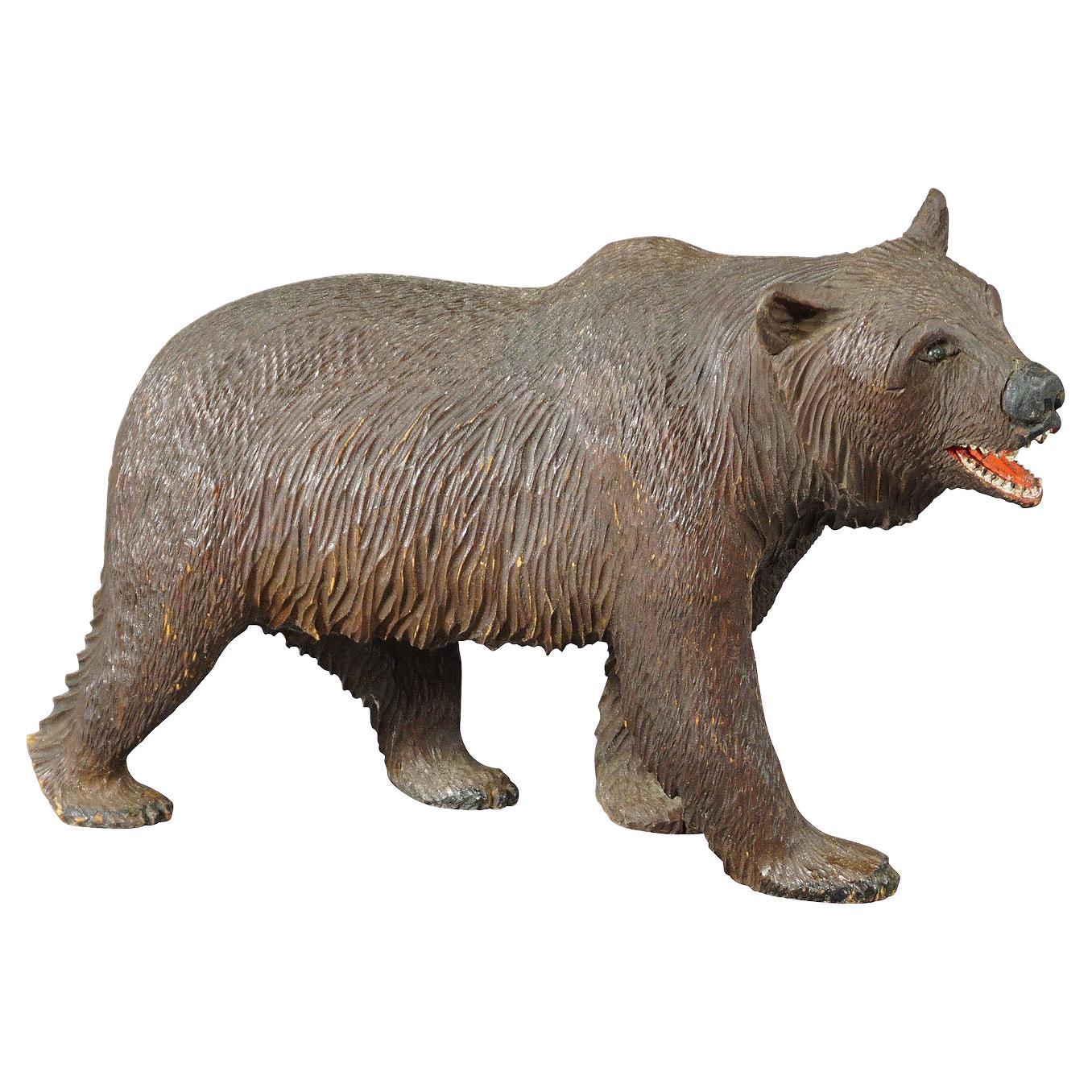
A rare large and most impressive rustic midcentury Japanese Ainu hand carved Ussuri Brown Bear sculpture.
Indigenous Ainu Peoples, probably Ashikawa, Hokkaido, Japan's northernmost...
Categoría
mediados del siglo XX, Japonés, Bosque negro, Esculturas y tallas
Materiales
Vidrio artístico, Madera dura, Pintura
Oso Black Forest del siglo XIX
Una gran e impresionante escultura de oso de madera tallada y pintada a mano al estilo de la Selva Negra suiza de finales del siglo XIX (también conocida como oso de la Selva Negra)
...
Categoría
Antiguo, Fines del siglo XIX, Europeo, Bosque negro, Esculturas y tallas
Materiales
Vidrio, Madera
Estatua de Oso Tallada y Lacada de la Selva Negra Suiza
Antigua figura de oso de madera lacada, exquisitamente tallada a mano, de la Black Forest suiza, nacida a principios del siglo XX. La escultura naturalista, excepcionalmente ejecutad...
Categoría
principios del siglo XX, Bosque negro, Esculturas de animales
Materiales
Vidrio, Madera
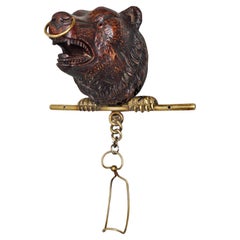
Percha de Pared Antiguo Oso Tallado Black Forest
Un raro y excepcional colgador de pared alemán tallado a mano de Black Forest. circa 1890
Nacida a finales del siglo XIX / principios del XX, presenta una cabeza de oso figurada de ...
Categoría
Antiguo, Fines del siglo XIX, Alemán, Bosque negro, Esculturas y tallas
Materiales
Latón
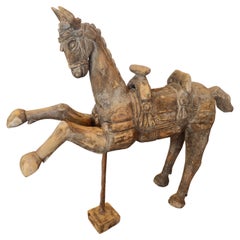
Gran Escultura de Caballo Antiguo de Madera Tallada a Mano
Una gran escultura antigua de un caballo de madera tallada a mano sobre un soporte. Probablemente procedente del Southeast Asia (indonesio, birmano, tailandés) a principios del siglo...
Categoría
principios del siglo XX, Arte popular, Esculturas y tallas
Materiales
Madera
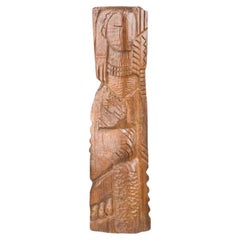
José De Creeft Tótem Femenino Escultura de Madera Tallada
Por Jose Mariano de Creeft
José De Creeft (1884-1982) Escultura tallada en madera Tótem femenino
Procedencia / Adquisición:
Propiedad de la importante colección del difunto Robert Gingold (1944-2017)
La pre...
Categoría
mediados del siglo XX, Estadounidense, Rústico, Esculturas abstractas
Materiales
Madera
También te puede gustar
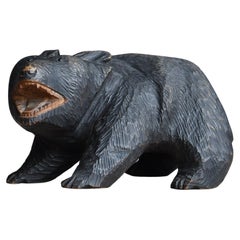
Oso Japonés Antiguo Tallado en Madera 1950s-1970s / Figurilla Escultura Mingei
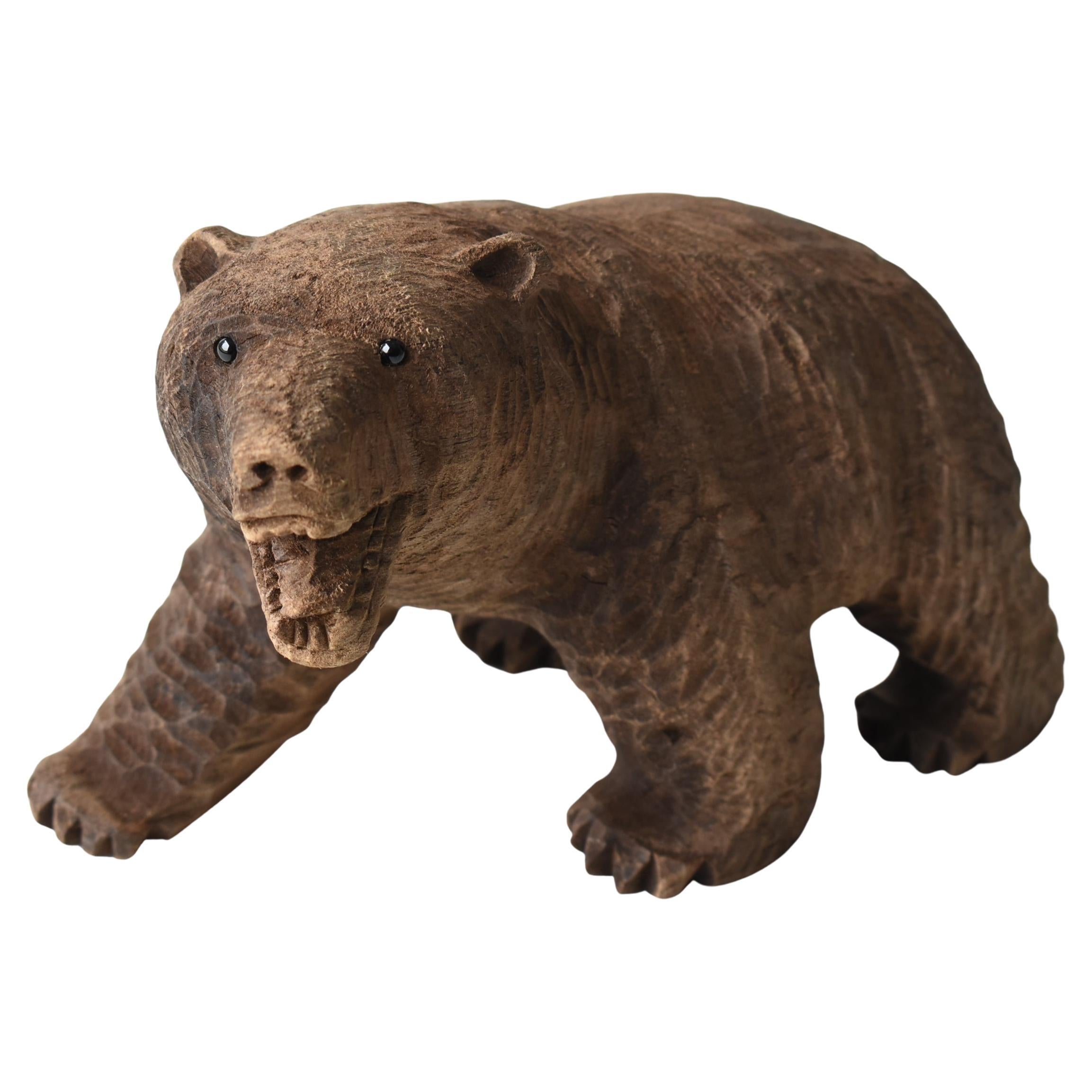
Se trata de una antigua talla japonesa de madera de un oso, creada a mediados del periodo Showa (décadas de 1950 a 1970).
Cada pieza fue cuidadosamente tallada a mano por un artesan...
Categoría
finales del siglo XX, Japonés, Showa, Esculturas y tallas
Materiales
Cedro
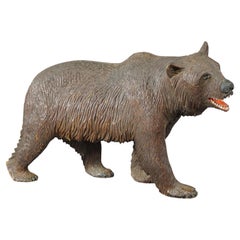
Gran Oso de Madera Paseante Tallado a Mano en Brienz ca. 1930
Oso paseador grande de madera tallado a mano en Brienz hacia 1930
Una gran estatua antigua de un oso andante. De madera de tilo, finamente tallada a mano con detalles naturalistas e...
Categoría
mediados del siglo XX, Suizo, Bosque negro, Esculturas de animales
Materiales
Madera
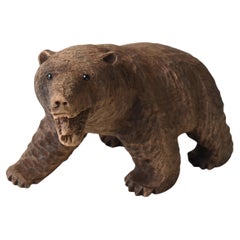
Oso Japonés Antiguo Tallado en Madera 1950s-1970s / Escultura Figurilla
Se trata de un oso vintage de madera tallada a mano procedente de Japón.
Se fabricó a mediados del periodo Showa (décadas de 1950 a 1970) y desde hace mucho tiempo se considera una a...
Categoría
Vintage, Década de 1950, Japonés, Showa, Esculturas y tallas
Materiales
Cedro
346 € Precio de venta
Descuento del 27 %
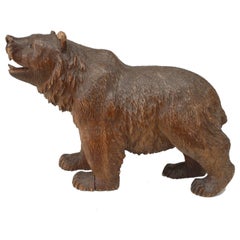
Oso de Nogal Tallado Black Forest
Pequeña figura rústica de la Selva Negra (s. XIX / XX) tallada en nogal de un oso andante con la cara apuntando hacia arriba. (similar a BAS039)
Categoría
Antiguo, Fines del siglo XIX, Europeo, Bosque negro, Esculturas de animales
Materiales
Nogal
Antigua Talla Japonesa de Madera de un Oso / Hokkaido / Siglo XX / Era Showa
Se cree que esta talla tradicional de oso de madera se produjo en Hokkaido entre principios del periodo Showa y la década de 1950 (hacia 1930-1955). La composición humorística del os...
Categoría
siglo XX, Japonés, Showa, Esculturas de animales
Materiales
Ciprés
Oso de Nogal Tallado Black Forest
Pequeña figura rústica de la Selva Negra (s. XIX / XX) tallada en nogal de un oso andante con la cara apuntando hacia arriba. (similar a BAS039)
Estado: Bueno; Desgaste acorde con l...
Categoría
Antiguo, siglo XIX, Alemán, Rústico, Esculturas figurativas
Materiales
Nogal