Artículos similares a Japanese antique wall hanging wooden object/Wabi-Sabi withered ornament

¿Quieres más imágenes o vídeos?
Solicita imágenes o vídeos adicionales al vendedor
1 de 21
Japanese antique wall hanging wooden object/Wabi-Sabi withered ornament
952,99 €
Acerca del artículo
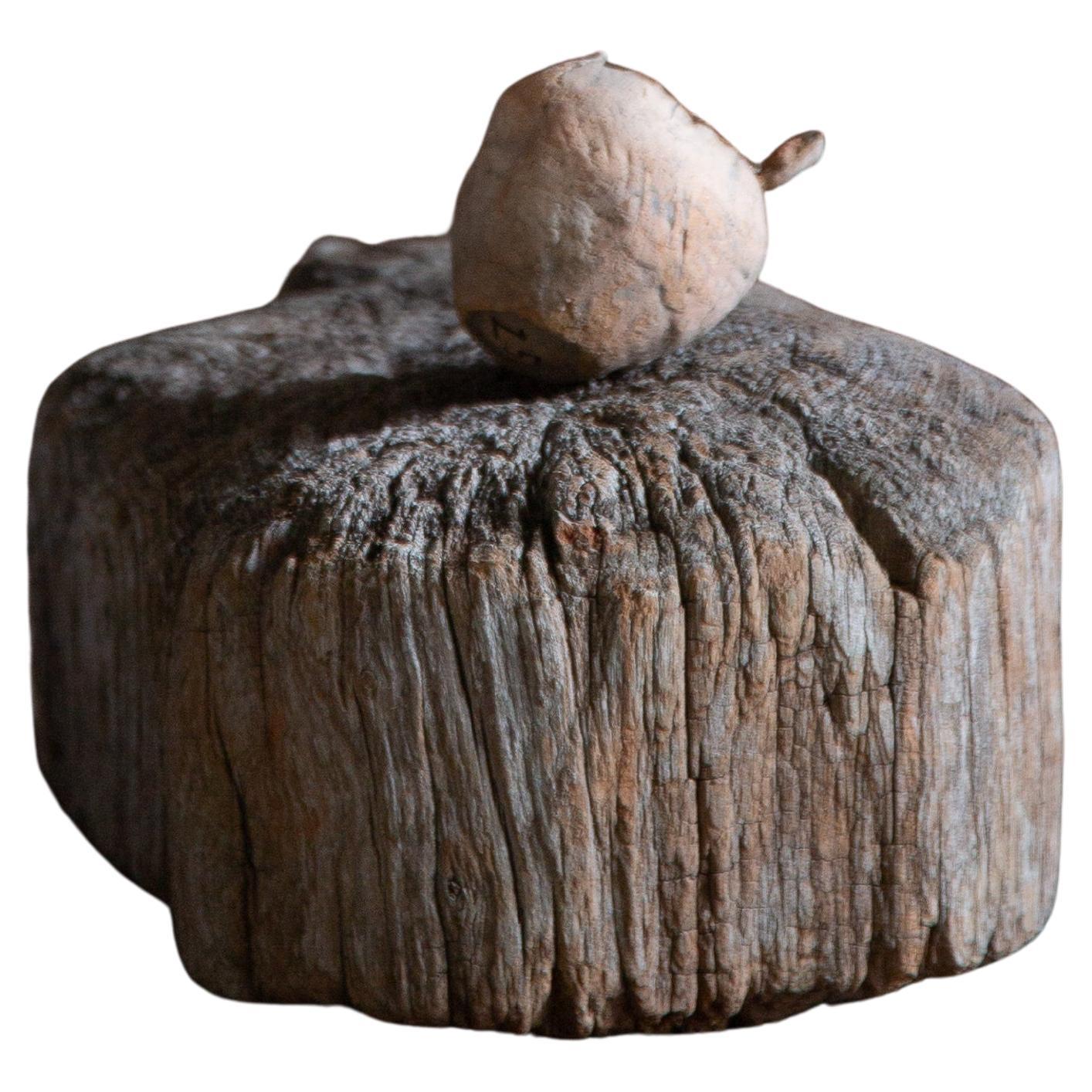
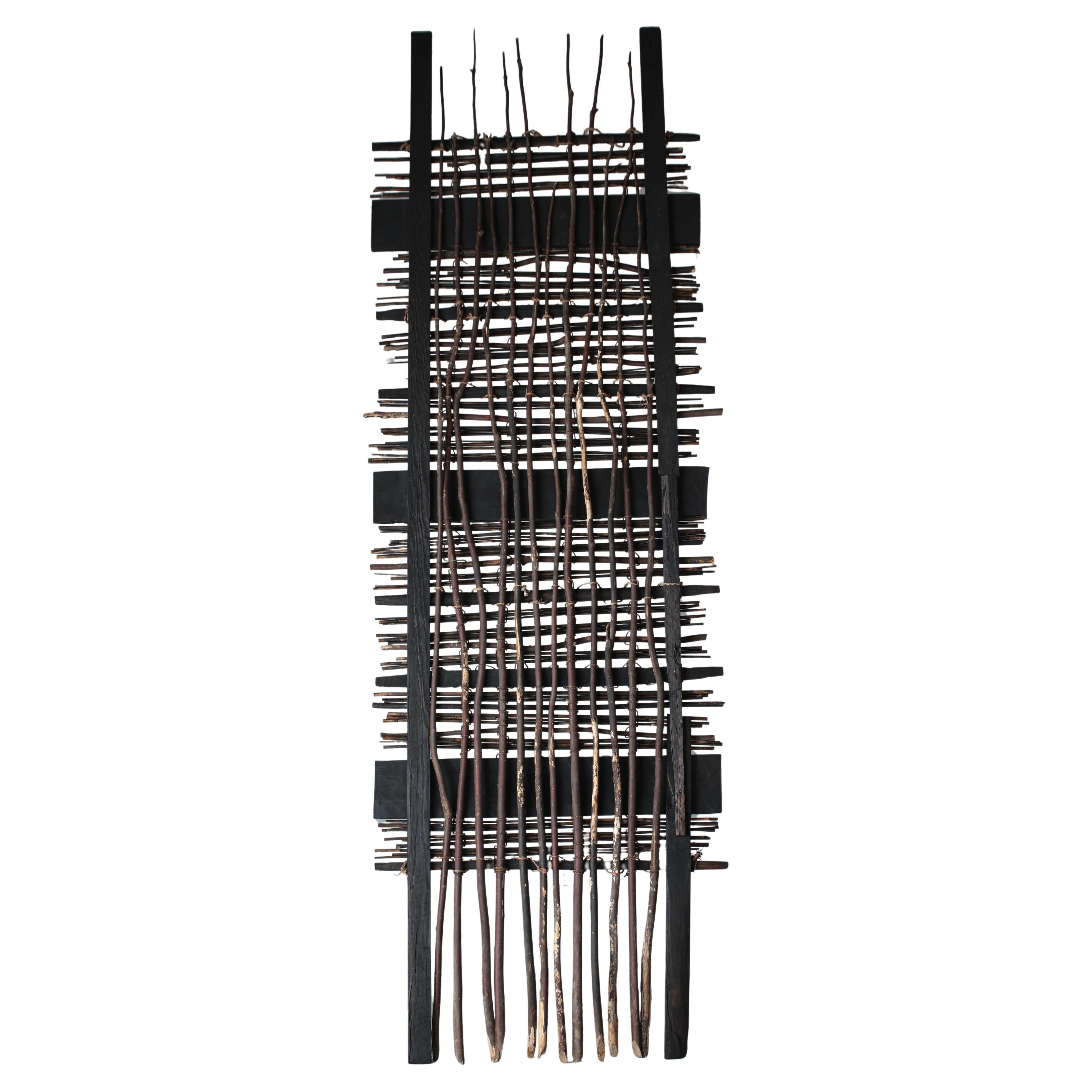
This wall-hanging object combines a naturally weathered block of wood with iron fittings. It likely originates from Japan, and the previous owner was so captivated by the shape of the piece that he crafted the iron fittings himself and transformed it into a wall-hanging piece. It wasn't originally intended as a craft or fine art; rather, it's a piece that was created by hand, taking a remnant of wood that nature had shaped over a long period of time and transforming it into a work of art.
The wood is a block of wood that has been exposed to the elements for many years, and judging by the grain, it is likely to be a coniferous tree. The soft parts have been scraped away over time, leaving only the harder parts, resulting in a shape that combines sharpness and volume. Because this shape was created by the forces of nature, it is impossible to create an identical piece even if you try to recreate it intentionally.
All edges are rounded, corners are chipped, and the exterior and interior show different signs of decay. The interior is more fragile than the exterior, revealing traces of decay. The contrast is so rich, and the closer you look, the more you appreciate the depth of the texture. The greatest appeal of this object is that, despite its withered material, it retains a sense of strength and tension.
When hung on the wall, the block of wood instantly transforms into a sculptural presence. It creates a strong sense of depth and shadow against the flatness of the wall, tightening the overall impression of the space. It can be paired with serene forms such as Buddhist statues or stone Buddha statues, or incorporated into modern furniture and minimalist interiors, creating a beautiful contrast between the materials. Another unique charm of this piece is its ability to blend naturally with any material, whether it's concrete, plaster, or white wallpaper.
The iron fittings are crafted to match the shape of the wood, creating a practical yet rustic finish that doesn't feel decorative. They are dedicated to supporting the wood as the main focus, resulting in a very balanced overall composition. The relationship between natural and artificial elements, coexisting in a balanced manner, is itself a highlight.
Each piece is truly unique; no two pieces are alike. This powerful yet tranquil wall-hanging object is the result of the intersection of natural forms and human sensibility. It's highly recommended for anyone looking to add artistic centerpiece to their space.
Caution
The inner wood, rather than the outer, is relatively fragile on the surface, so bright light may cause the bark to peel off.
Please note that vibrations during shipping may also cause this to fall off.
We will package the item as carefully as possible.
Dimensions (when wall-hanging):
Width: Approx. 43.5 cm
Depth: Approx. 24 cm
Height: Approx. 104.3 cm
Weight
Iron fittings: 1.9 kg
Wood: 9.2 kg
Product number:
OB313
- Dimensiones:Altura: 104,3 cm (41,07 in)Anchura: 43,5 cm (17,13 in)Profundidad: 24 cm (9,45 in)
- Estilo:Taisho (Del período)
- Materiales y técnicas:
- Lugar de origen:
- Época:
- Fecha de fabricación:1900-1920
- Estado:The inner wood, rather than the outer, is relatively fragile on the surface, so bright light may cause the bark to peel off. Please note that vibrations during shipping may also cause this to fall off.
- Ubicación del vendedor:Sammu-shi, JP
- Número de referencia:1stDibs: LU5487248089272
Sobre el vendedor
5,0
Vendedor Platino
Vendedores premium con una calificación de +4,7 y tiempos de respuesta de 24 horas
Establecido en 2015
Vendedor de 1stDibs desde 2020
1703 ventas en 1stDibs
Tiempo de respuesta usual: 6 horas
- EnvíoRecuperando presupuesto…Envío desde: senzoku, Japón
- Política de devolución
Partes de esta página se han traducido automáticamente. 1stDibs no puede garantizar la exactitud de las traducciones. El inglés es el idioma predeterminado de este sitio web.
Más de este vendedor
Ver todoObjeto antiguo japonés / madera objeto wabi-sabi
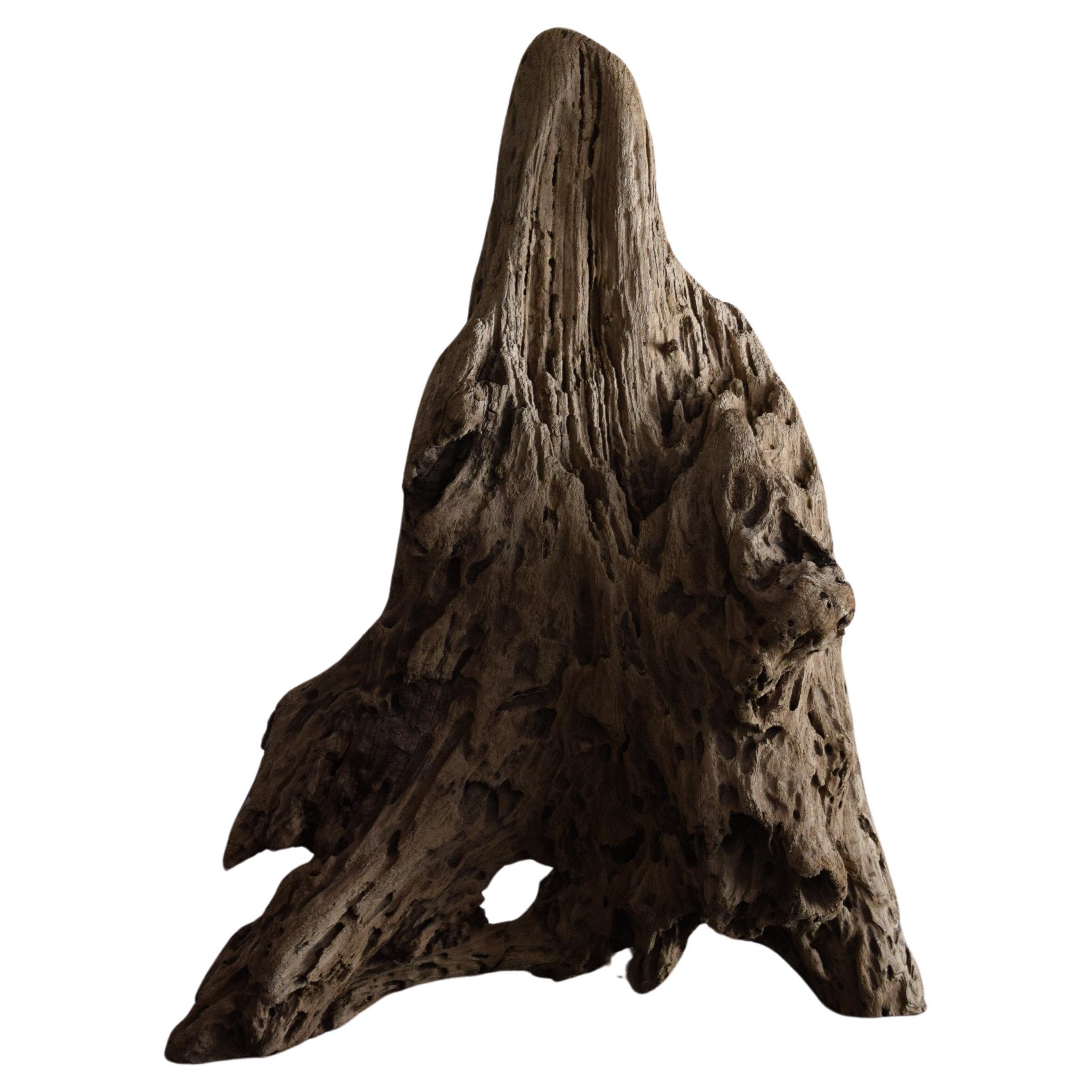
Se trata de un adorno cuya parte de la raíz cambia con el tiempo y parece una estatua de Buda.
La superficie de la madera tiene muchos agujeros y las sombras son muy misteriosas, y ...
Categoría
mediados del siglo XX, Japonés, Showa, Esculturas abstractas
Materiales
Madera, Cedro
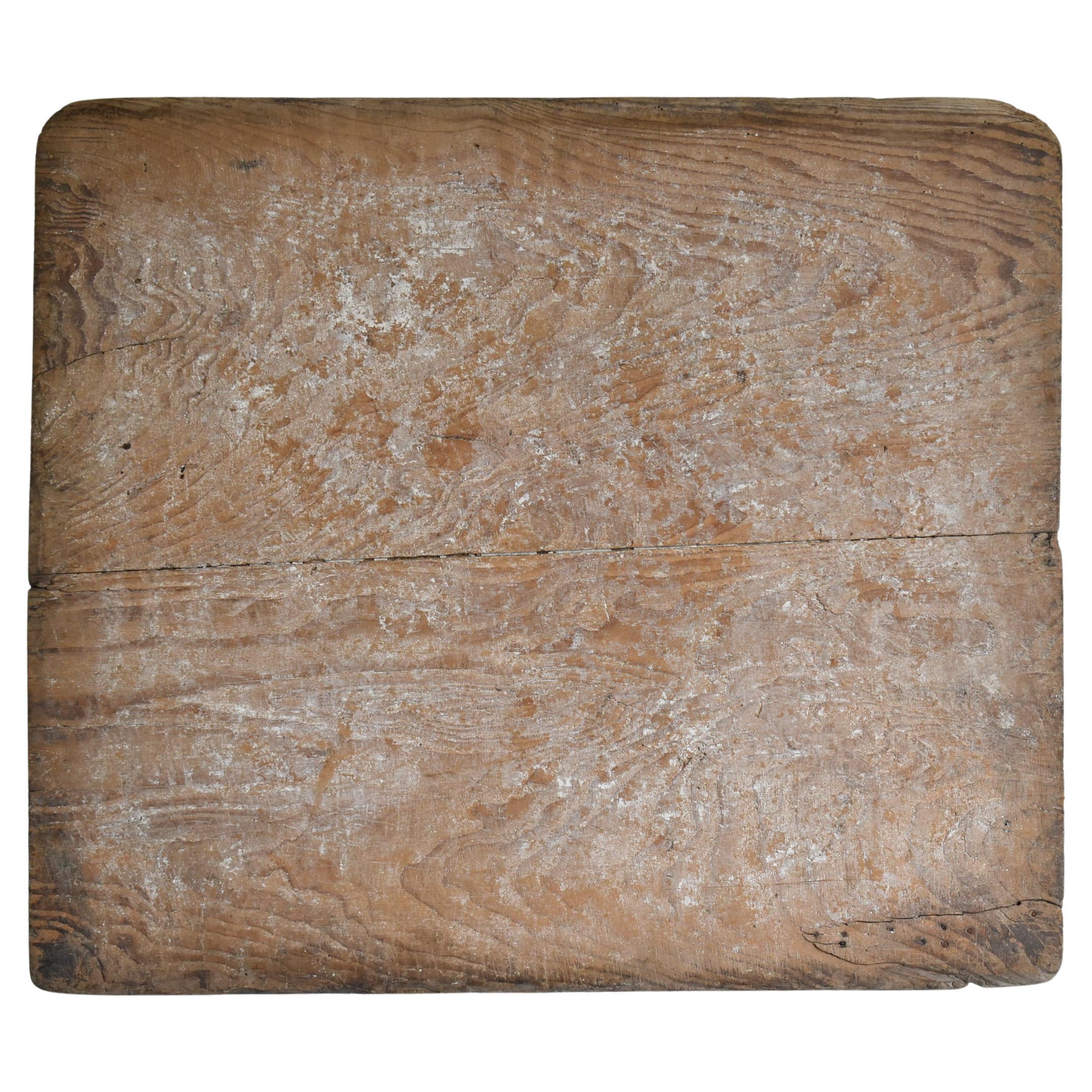
Antiguo taburete japonés de madera / Expositor Wabi-Sabi / Siglo XX
Este taburete y expositor de madera se fabricó en Japón hacia el siglo XX. Parece haber sido fabricada con una madera maciza y pesada, de grano fuerte y textura robusta. Se tallaba a...
Categoría
siglo XX, Japonés, Showa, Taburetes
Materiales
Otro
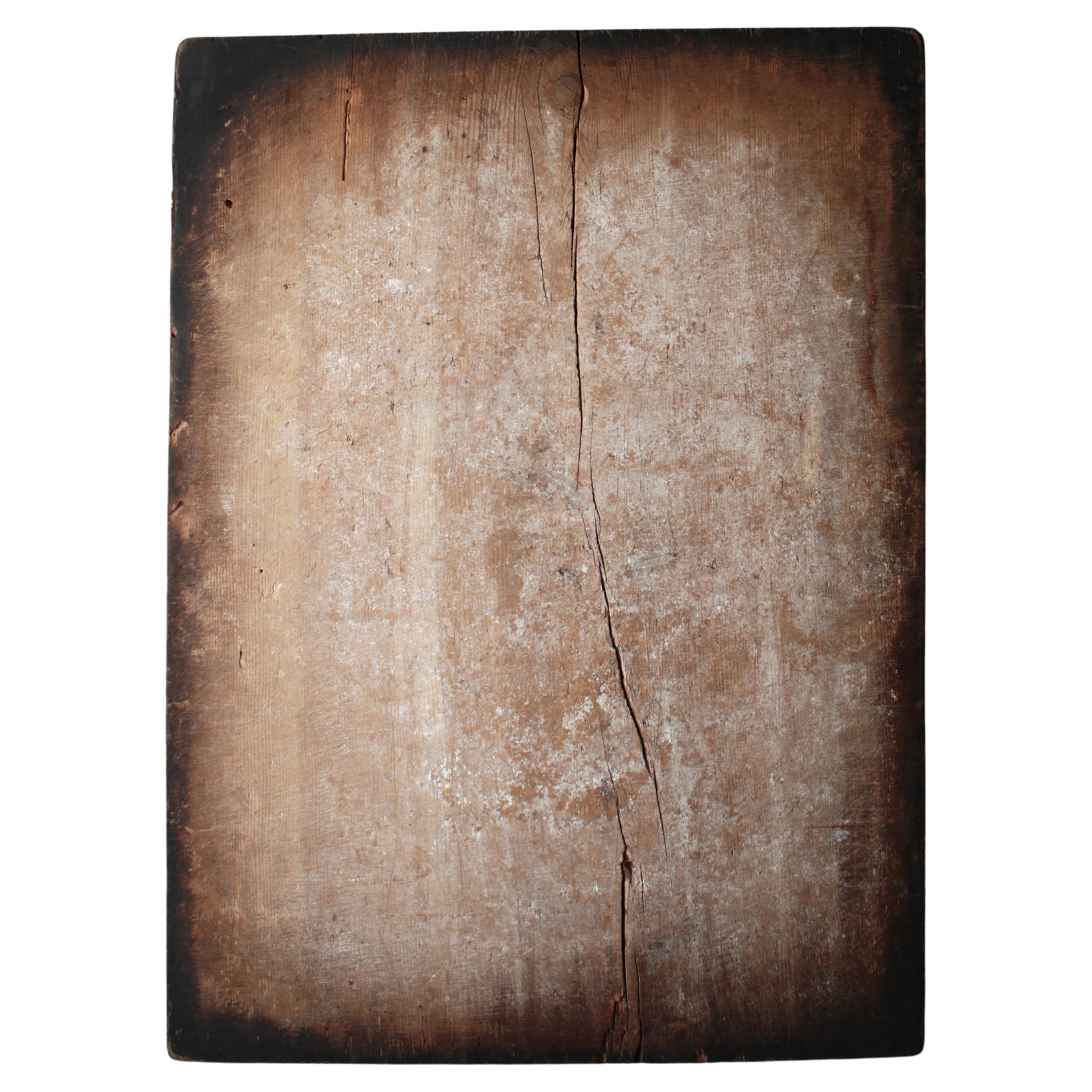
Tablero japonés de madera wabi-sabi/Principios del siglo XX/Expositor/MINGEI
Ésta es una antigua tabla de trabajo de madera llamada "Kate-Kiri-Ban", que se utilizaba en la región de Aizu de la Prefectura de Fukushima, Japón, hacia principios del siglo XX. El ...
Categoría
principios del siglo XX, Japonés, Taisho, Antigüedades
Materiales
Castaño
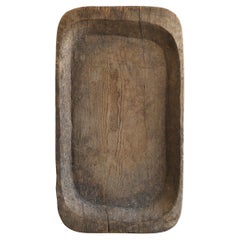
Antiguo objeto japonés de madera para colgar en la pared/molde de madera/Siglo XX
Se trata de un antiguo molde de madera japonés, probablemente fabricado en el siglo XX, durante el periodo Showa. No sé para qué se utilizaba, pero tiene una textura única como herra...
Categoría
siglo XX, Japonés, Showa, Antigüedades
Materiales
Madera
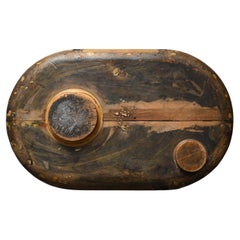
Objeto antiguo de raíz japonesa/Ornamento de pared/Decoración de pared
Se trata de un antiguo objeto japonés de madera.
Está tallada en la raíz de un árbol.
Creo que se fabricó desde finales del periodo Showa hasta principios del periodo Heisei.
La made...
Categoría
mediados del siglo XX, Japonés, Showa, Arte decorativo
Materiales
Madera
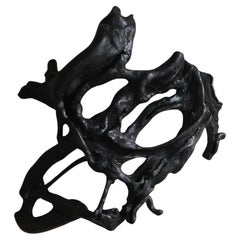
Puerta Antigua Japonesa "Decoración de Pared" 1860s-1900s / Arte Abstracto Wabi Sabi
Se trataba de una antigua puerta corredera de ventana de almacén japonesa (kura).
Se fabricó durante el periodo Meiji (1860-1900).
El armazón es de madera de cedro y la celosía es de...
Categoría
principios del siglo XX, Japonés, Meiji, Arte decorativo
Materiales
Bambú, Cedro
También te puede gustar
wabi sabi decoración japonesa de pared en madera, palabras y bambúes grabados. circa 1870s-1920s
Decoración mural de madera hecha con una pieza de cedro antiguo, palabras y bambúes grabados, junto con la firma. Cuerdas para colgar adjuntas. Fabricado hacia 1870-1920, periodo Mei...
Categoría
Antiguo, Fines del siglo XIX, Japonés, Meiji, Esculturas de pared
Materiales
Madera, Cedro
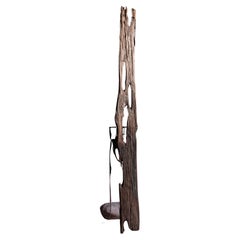
Tablero Japonés Antiguo Wabi-Sabi 1860s-1900s / Decoración de Pared
Se trata de una antigua tabla de madera japonesa llamada "Mochiita" (tabla de pastel de arroz).
Se utilizó durante el periodo Meiji (1860-1900) y está hecho de madera de pino con una...
Categoría
principios del siglo XX, Japonés, Meiji, Arte decorativo
Materiales
Pino
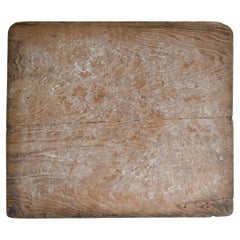
623 € Precio de venta
Descuento del 44 %
Tabla Japonesa de Madera Antigua / Decoración de Pared Arte Abstracto / Wabi-Sabi
Se trata de un antiguo tablero de trabajo japonés.
Se llamaba "Mochiita" y se utilizaba como banco de trabajo para amasar harina.
Parece que se sitúa en torno al periodo Meiji.
Se...
Categoría
Antiguo, Fines del siglo XIX, Japonés, Meiji, Arte decorativo
Materiales
Madera
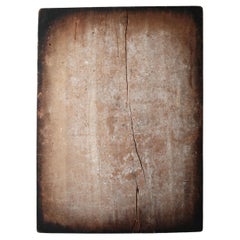
Finales del siglo XIX Japonés Antiguo expositor de tablas de madera wabi sabi decoración pieza de arte Dai
Antiguo expositor japonés de madera, "Dai" en japonés, fabricado con una única y gruesa plancha de madera maciza.
Producto de la década de 1860-1900 (finales de la era Edo a principi...
Categoría
Antiguo, Fines del siglo XIX, Japonés, Primitivo, Antigüedades
Materiales
Madera
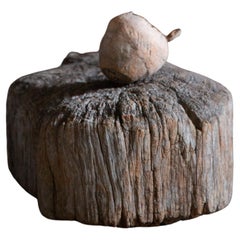
Base de Pared Japonesa Antigua de Tierra / Decoración de Pared / 1868-1912s Wabi-sabi
Esta decoración mural es la base del muro de tierra de una antigua casa japonesa.
En Japón, se llama "komai".
Originalmente formaba parte del muro de tierra de una casa construida a...
Categoría
Antiguo, Fines del siglo XIX, Japonés, Meiji, Arte decorativo
Materiales
Paja, Soga, Madera
Objeto grande de madera, Francia, Wabi Sabi, hacia 1900
Una expresiva forma de madera con una fuerte presencia escultórica.
Su superficie oscura y desgastada por el tiempo revela texturas y grietas naturales, evocando la tranquila belleza...
Categoría
principios del siglo XX, Francés, Arte decorativo
Materiales
Madera, Nogal