Artículos similares a Jarrón antiguo japonés de cerámica Shigaraki/1400-1573/Wabi-sabi
¿Quieres más imágenes o vídeos?
Solicita imágenes o vídeos adicionales al vendedor
1 de 21
Jarrón antiguo japonés de cerámica Shigaraki/1400-1573/Wabi-sabi
1299,53 €
Acerca del artículo
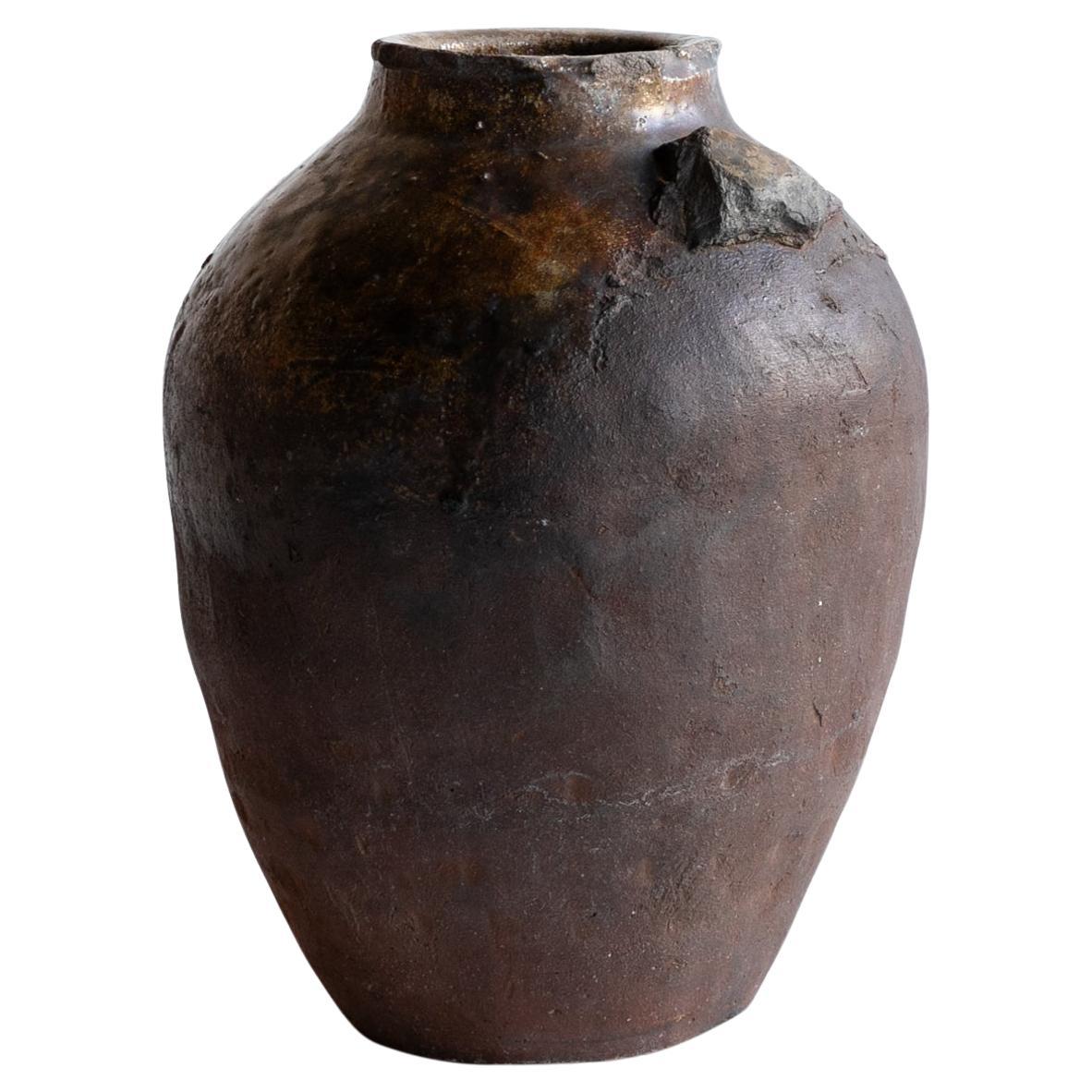
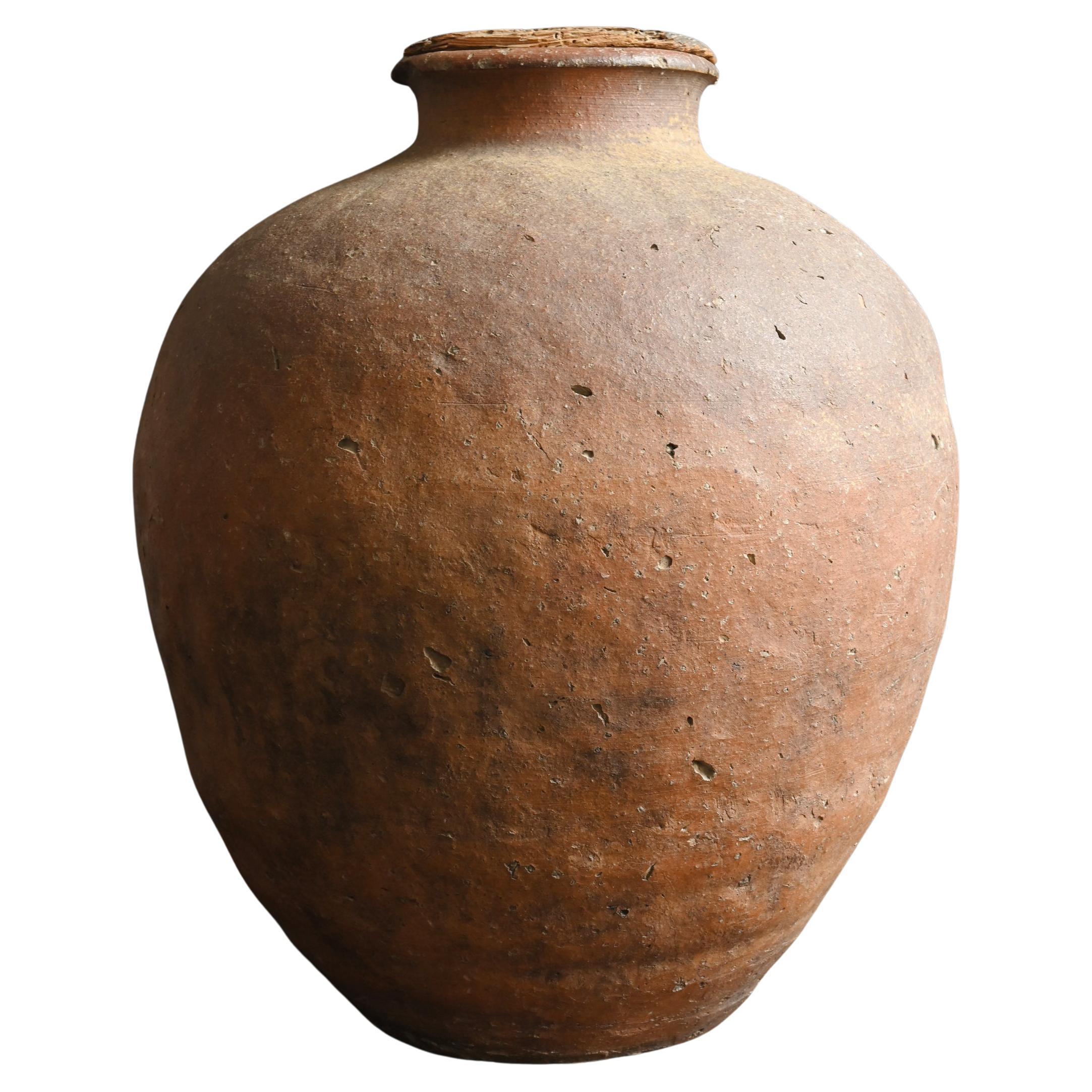
It is "Shigaraki ware".
Shigaraki ware is a historic kiln located in Shiga Prefecture.
(The Shigaraki ware kiln is circled in red in the image.)
It is said to have originated in the 8th century.
There are six kilns with long histories in Japan,
and this is one of them.
This jar was fired in the Muromachi period (1400s), which is even older than the Edo period.
Shigaraki ware is characterized by its abundance of feldspar (glassy pebbles).
Small grains can be seen on the surface of the jar, which are feldspar.
The pebbles that look like they have broken through the jar's skin are also feldspar.
The characteristics of this jar are well displayed.
And the greatest attraction of this jar is the beautiful finish it has after firing.
The appearance of the jar changes greatly depending on the temperature and heat of the kiln.
It is impressive as it produces a gradation of various colors.
It does not have the same appearance from any angle, 360 degrees.
I think it is a masterpiece among Shigaraki ware jars.
Another interesting point is that this jar usually has a trumpet-like tip, but it was intentionally broken like this.
Old Shigaraki ware jars are often found in this state, and it is thought that the tip was broken to make it easier to use as a tool.
I think this shape is also beautiful.
Also, as a reference, a similar item from the same era as this item was featured in the Japanese art book "Shigaraki Ware Masterpieces Illustrated Guide," so I have attached a photo of it.
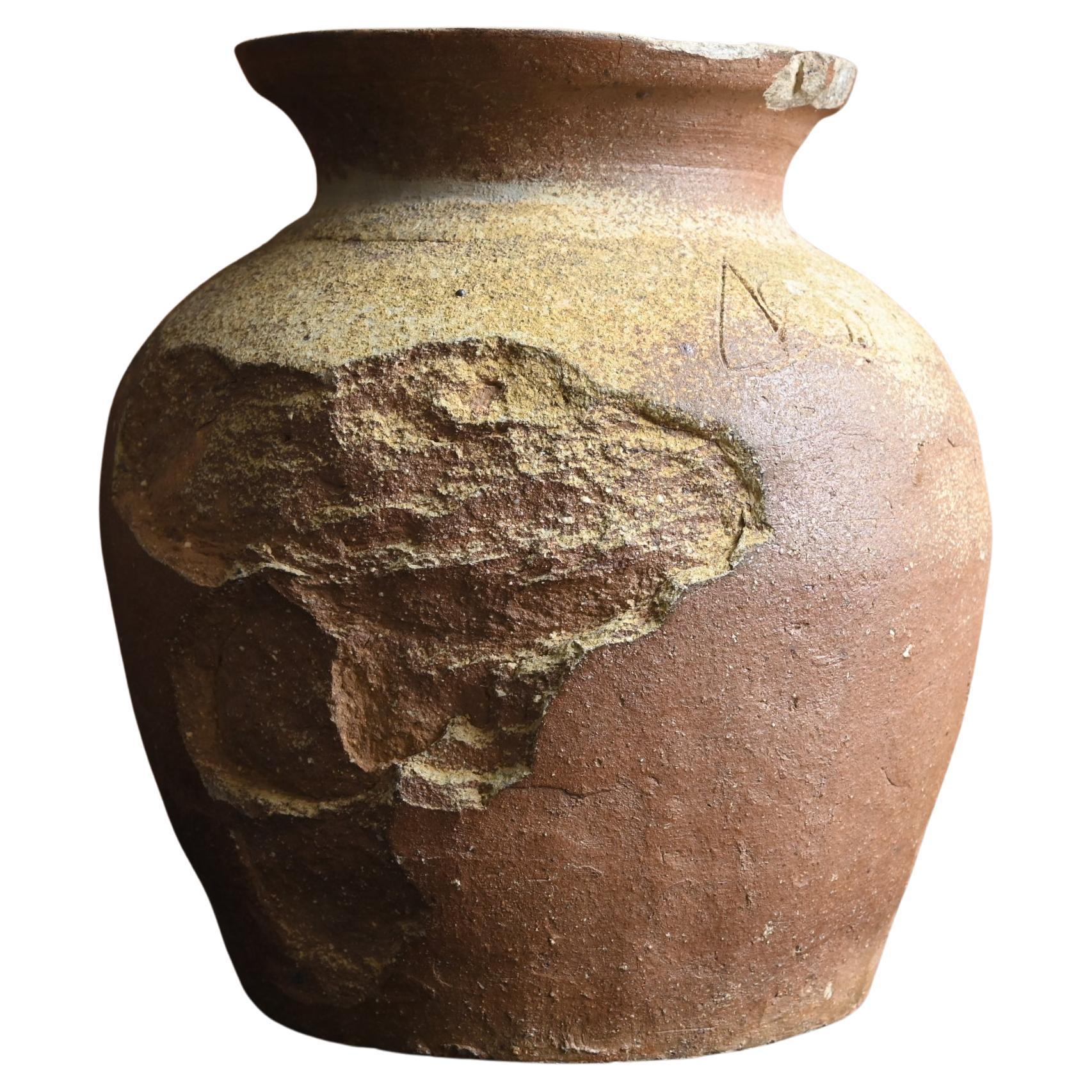
Also, the side of this jar that was exposed to the strong heat has a lot of ash on it, and there are traces of natural glaze flow.
The most interesting part is the cracked part.
It is thought to have broken while it was being fired in the kiln.
This is a product of chance.
In Japanese, a jar that looks like torn paper like this is called a "Yabure Tsubo." "Yabure" = torn, "Tsubo" = jar
A jar in this state is very rare.
It is difficult to get one even in Japan.
Also, the part circled in red is probably cracked when it was knocked over.
However, it is glued together so you can use it without any problems.
There is also a thin crack at the bottom, so if you put water in it, it may leak out.
If you want to decorate it with flowers, fill another container with water and put it in this vase.
This item was owned by a Japanese collector.
Why not show it off to your friends?
This vase is recommended!
Weight: 6.3kg
[We have a unique Japanese aesthetic sense.
And only we can introduce unique items through our purchasing channels in Japan and the experience we have gained so far, in such a way that no one else can imitate.]
- Dimensiones:Altura: 35,2 cm (13,86 in)Diámetro: 31,6 cm (12,45 in)
- Estilo:Otro (Del período)
- Materiales y técnicas:
- Lugar de origen:
- Época:
- Fecha de fabricación:1400-1573
- Estado:Reparado: the part circled in red is probably cracked when it was knocked over. However, it is glued together so you can use it without any problems. There is also a thin crack at the bottom, so if you put water in it, it may leak out.
- Ubicación del vendedor:Sammu-shi, JP
- Número de referencia:1stDibs: LU5487242445002
Sobre el vendedor
5,0
Vendedor Platino
Vendedores premium con una calificación de +4,7 y tiempos de respuesta de 24 horas
Establecido en 2015
Vendedor de 1stDibs desde 2020
1703 ventas en 1stDibs
Tiempo de respuesta usual: 6 horas
- EnvíoRecuperando presupuesto…Envío desde: senzoku, Japón
- Política de devolución
Partes de esta página se han traducido automáticamente. 1stDibs no puede garantizar la exactitud de las traducciones. El inglés es el idioma predeterminado de este sitio web.
Más de este vendedor
Ver todoJarrón antiguo japonés de loza Shigaraki/jarrón wabi-sabi ondulado/siglo XVI
Es cerámica de Shigaraki, fabricada en la prefectura de Shiga (Japón). Se dice que la cerámica Shigaraki nació en la región de Shigaraki, en la prefectura de Shiga, hacia el siglo VI...
Categoría
Antiguo, siglo XV y antes, Japonés, Otro, Frascos
Materiales
Alfarería
Antiguo Jarrón de Cerámica Japonesa Siglo XV-XVI/ Jarrón Wabi-Sabi/Jarrón Tokoname
Es un tarro muy antiguo en Japón.
Se trata de una cerámica llamada loza Tokoname.
Tokoname es un horno situado en la prefectura de Aichi, Japón.
Se dice que se originó alrededor del ...
Categoría
Antiguo, siglo XVI, Japonés, Otro, Jarrones
Materiales
Alfarería
Jarrón antiguo japonés de loza Shigaraki / siglo XIII / Jarrón de flores Wabi-sabi
Esta jarra de cerámica Echizen se fabricó durante el periodo Kamakura, hacia el siglo XIII. Incluso entre los pocos ejemplos que quedan de cerámica medieval de Echizen, ésta es una p...
Categoría
Antiguo, siglo XV y antes, Japonés, Otro, Frascos
Materiales
Alfarería
Jarra de Cerámica Japonesa Antigua Siglo XVI-XVII/ Jarrón Wabi-Sabi/Tokoname
Tokoname es una región situada en la Prefectura de Aichi.
Es un centro de producción de cerámica con una historia muy antigua en Japón (alrededor del siglo XII).
Estas jarras se coc...
Categoría
Antiguo, principios del siglo XVII, Japonés, Edo, Jarrones
Materiales
Alfarería
Gran jarrón japonés antiguo de "loza Shigaraki" / finales del siglo XV / Wabi-sabi
Se trata de una pieza de cerámica de loza Shigaraki cocida en la prefectura de Shiga. Se dice que la cerámica de Shigaraki se originó en la región de Shigaraki, en la prefectura de S...
Categoría
Antiguo, siglo XV y antes, Japonés, Otro, Frascos
Materiales
Alfarería
Jarrón japonés muy antiguo de loza excavada/Wabi Sabi
Se trata de loza excavada en Japón.
Tiene una forma muy bella y está bien equilibrada.
El color de la cerámica es marrón claro porque se cuece a baja temperatura.
Según la cantidad d...
Categoría
Antiguo, siglo XV y antes, Japonés, Otro, Jarrones
Materiales
Alfarería
También te puede gustar
Antiguo Jarrón Japonés de Cerámica Shigaraki Siglo XVII / Vasija de Cerámica Wabi Sabi
Se trata de un tarro de cerámica fabricado en Japón.
Se fabricó en el siglo XVII y es una pieza valiosa que transmite el estilo de vida y el sentido estético de la época.
La cerámic...
Categoría
Antiguo, siglo XVII, Japonés, Edo, Jarrones
Materiales
Alfarería
693 € Precio de venta
Descuento del 46 %
Japanese Antique Shigaraki ware 17th Century / Pottery Vase Wabisabi
This is an old pottery pot made in Japan.
It is a very old pot believed to have been made in the 17th century, early Edo period, and is called Koshigaraki in Japan.
Koshigaraki refe...
Categoría
Antiguo, siglo XVII, Japonés, Edo, Jarrones
Materiales
Alfarería
1039 € Precio de venta
Descuento del 33 %
Antiguo jarrón de cerámica japonesa Edo Meiji Wabi-Sabi Tanba Tamba Art Pottery Jar Pot
Una vasija/jarro/macetero de cerámica japonesa Tamba (Tanba), de bella forma, vidriado (un vidriado de cráter de lava que recuerda al de alfareros occidentales modernos como Beatrice...
Categoría
Antiguo, Fines del siglo XIX, Japonés, Meiji, Cerámica
Materiales
Loza de barro, Alfarería
Jarrón Pequeño Japonés Wabi-Sabi, Periodo Meiji 1750-1850
Se trata de una antigua cerámica japonesa.
Es del periodo Meiji (1860-1900).
Se utilizaba como recipiente para apagar el fuego.
Esta pieza tiene un color y una textura preciosos.
Es...
Categoría
principios del siglo XX, Meiji, Antigüedades
Materiales
Alfarería
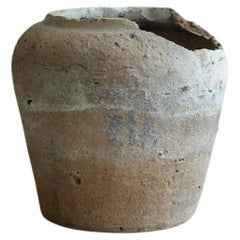
Jarrón japonés antiguo Tsubo Florero Wabi-Sabi
Se trata de un antiguo jarrón japonés.
Hay una astilla en el peristoma.
Hay varias marcas de horno en el cuerpo.
Siempre te sugeriremos el mejor método de envío.
Ponte primero en co...
Categoría
Antiguo, siglo XIX, Japonés, Antigüedades
Materiales
Alfarería
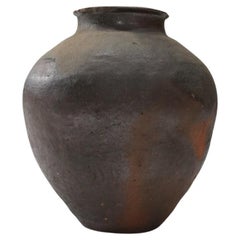
Antiguo jarrón japonés Momoyama Edo Bizen Ware Cerámica Arte Wabi-Sabi Tsubo
Impresionante jarrón/jarra/recipiente de gres Bizen, fabricado a finales del periodo Momoyama (1568-1600) / principios del periodo Edo (1603-1867). La cerámica Bizen yaki es un tipo ...
Categoría
Antiguo, siglo XVI, Japonés, Edo, Cerámica
Materiales
Gres