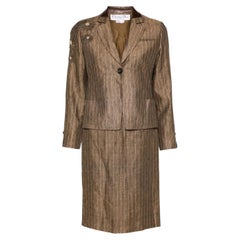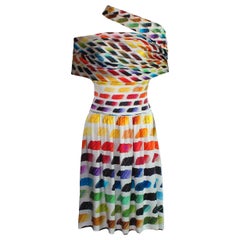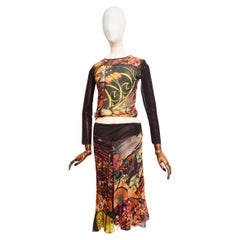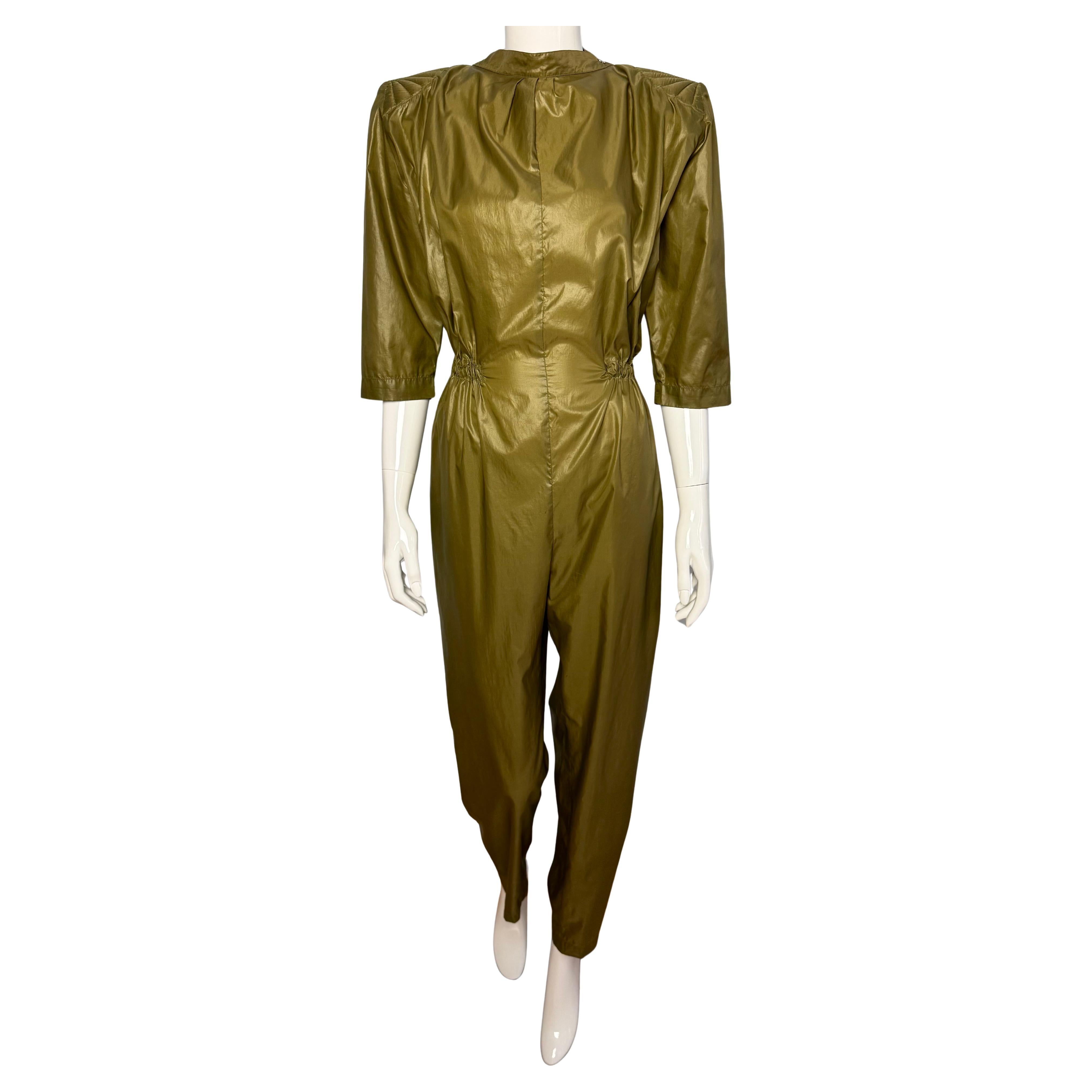
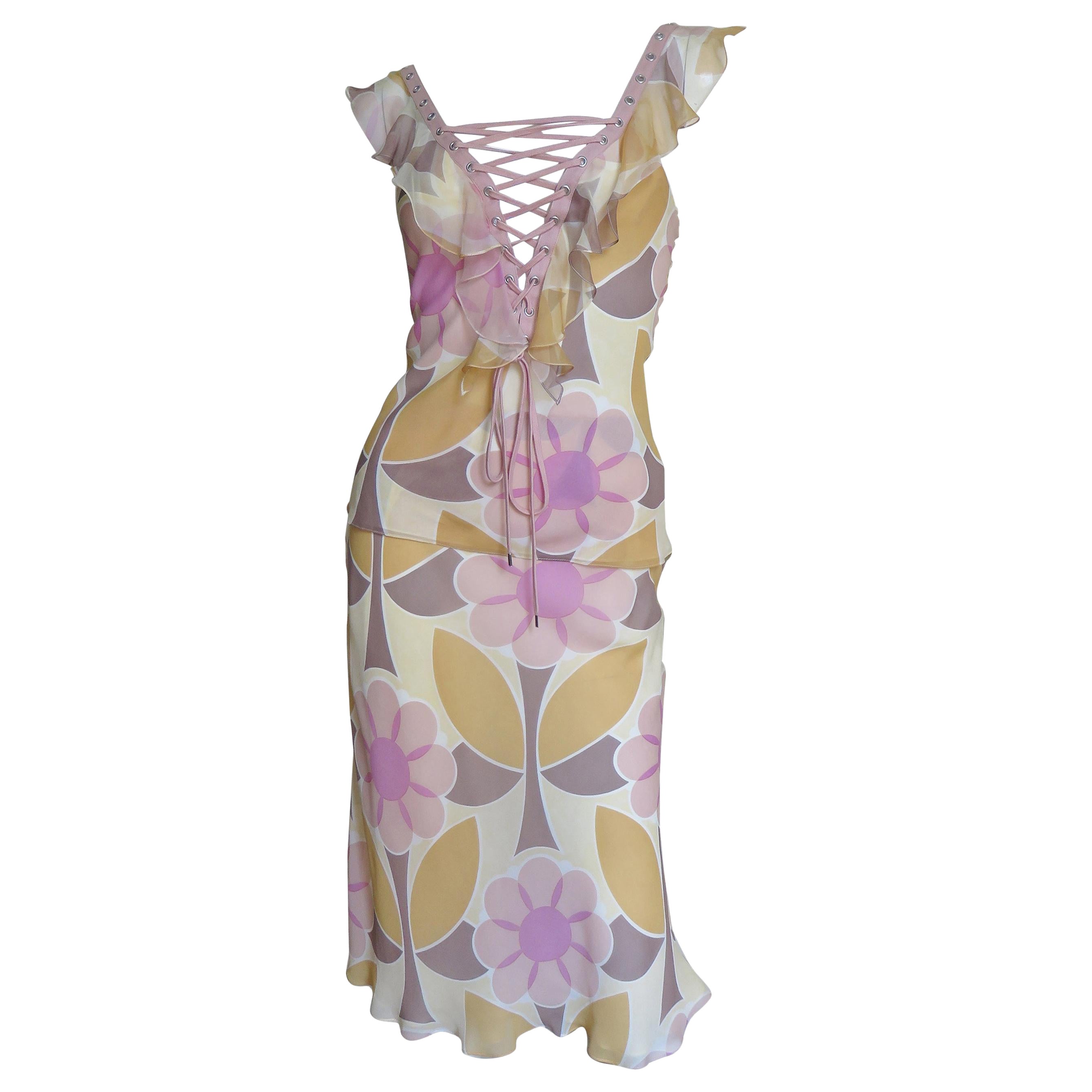
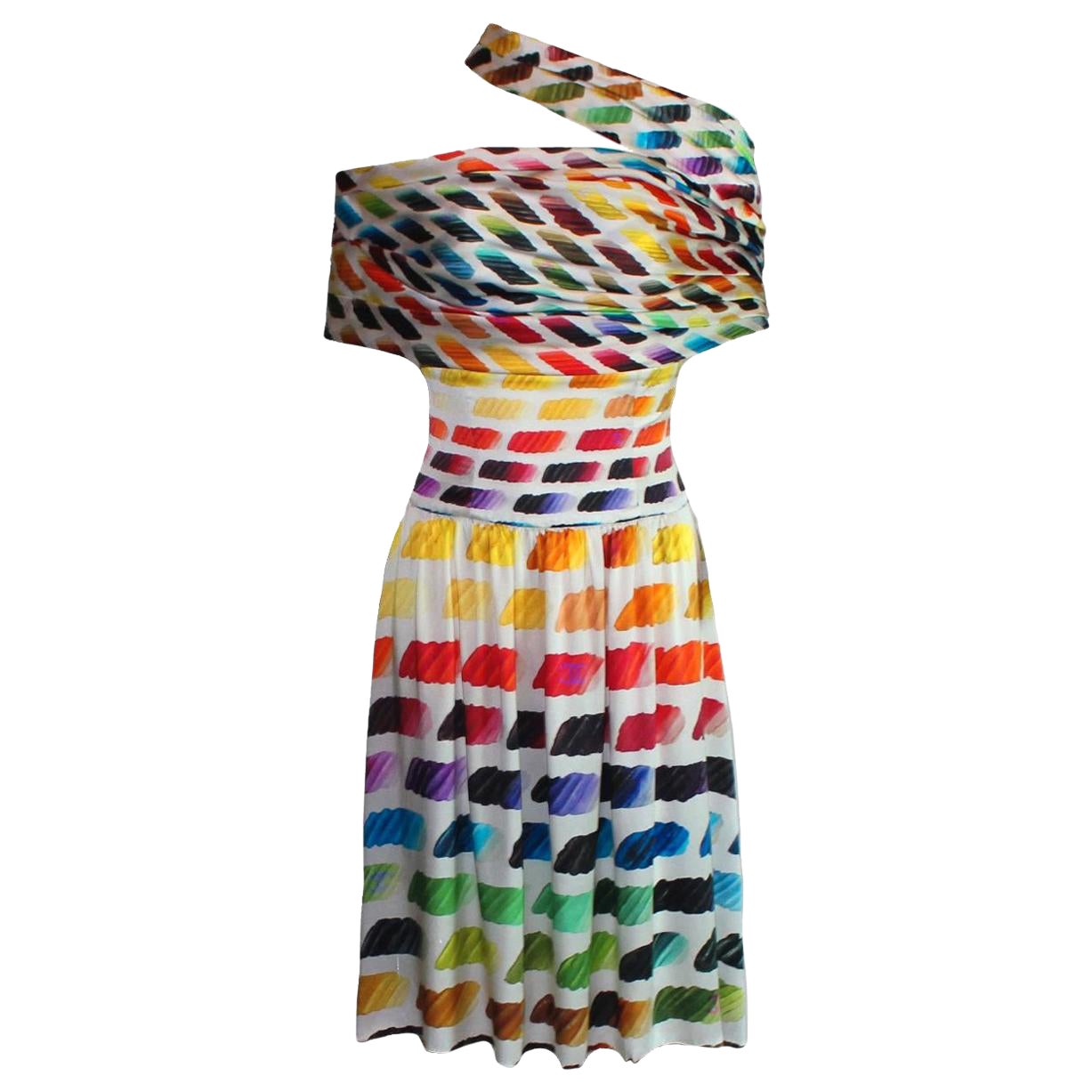
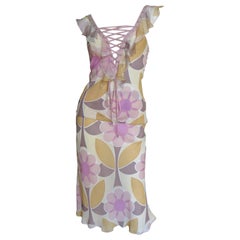
Paco Rabanne set early 2000s
About the Item
- Designer:
- Brand:
- Style:circa 2000 (Of the Period)
- Place of Origin:
- Period:
- Condition:
- Seller Location:SAINT-OUEN-SUR-SEINE, FR
- Reference Number:Seller: FT2281stDibs: LU3536228220932
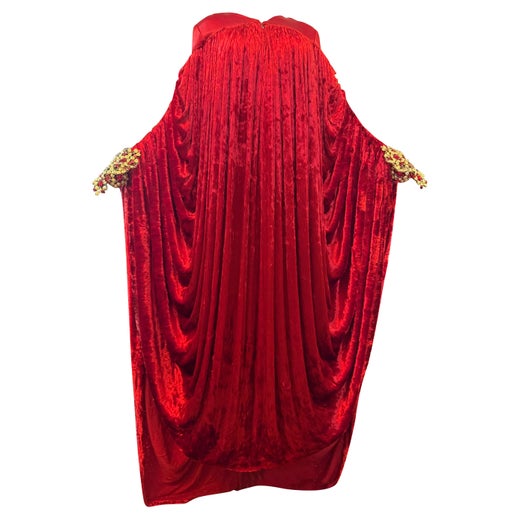
Paco Rabanne
Visionary designer Paco Rabanne first made a name for himself in the 1960s when he introduced dresses, handbags and other clothing and accessories that went against the common sensibilities of the time and challenged the public's perception of what fashion should be. By working with unlikely materials such as paper and Rhodoid — a cellulose acetate plastic often used to line baking pans — Rabanne forced the fashion world to reconsider materials and form.
Rabanne was born Francisco Rabaneda y Cuervo in Spain’s Basque region. His mother was the head seamstress at Balenciaga when she relocated herself and her son to France in 1939 to escape the Spanish Civil War. Once in France, he took on the name Paco Rabanne.
Rabanne studied architecture at the Ecole Nationale Supérieure des Beaux-Arts in Paris but pivoted toward fashion and began to design accessories and costume jewelry. Rabanne collaborated with many acclaimed luxury houses — his early clients included Charles Jourdan, Givenchy, Pierre Cardin and Dior.
By 1966, Rabanne was working on avant-garde designs in his own newly-opened studio. He introduced a couture collection titled “Twelve Unwearable Dresses in Contemporary Materials.” The garments — made of aluminum, plastic and eco-friendly paper and fastened with wire — were unveiled at a show that featured music and models of color (both uncommon characteristics for such an event). Sculptural, sexy and solidly Space Age in appearance, Rabanne’s experiments turned heads. Pop star-actresses Brigitte Bardot and Françoise Hardy would soon be seen in the designer’s iconic metallic dresses, and Rabanne found enthusiasts in the likes of revolutionary couturier Elsa Schiaparelli and art collector Peggy Guggenheim. In 1968 Rabanne designed leather boots and erotically charged dresses made of molded plastic and chain-mail mesh for the science fiction film Barbarella.
Rabanne called Salvador Dalí a close friend and drew on the Surrealist movement in his designs. He continued to use unconventional materials in his work. From aluminum jersey and fur to ostrich feathers and Velcro, everything was suitable for his pioneering garments. And Rabanne’s talents are diverse — his prolific output even includes stylish furniture.
In 1999 Rabanne retired from the fashion business. In 2010 he was named Officer of the Legion d’Honneur by the French culture minister. Today, under the creative direction of French designer Julien Dossena, the Paco Rabanne brand continues to innovate and offer looks that nod to the past as well as the future.
Find vintage Paco Rabanne clothing and accessories on 1stDibs.
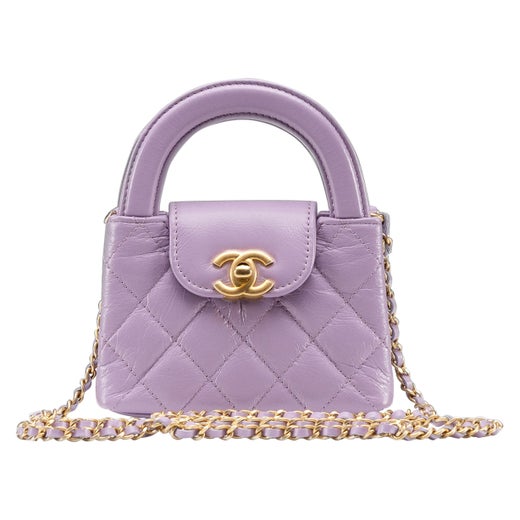
Chanel
In the years following the opening of her modest millinery shop, Gabrielle "Coco" Chanel became a pivotal designer of both fashionable casual wear and Paris haute couture as well as an icon and arbiter of 20th-century style with her bob haircut and pearls. Today vintage Chanel handbags, jackets and evening dresses are among the most sought-after clothing and accessories for fashion lovers all over the world.
The first Chanel shop was established in 1910 in Paris on rue Cambon by the young milliner Gabrielle Chanel (1883–1971), who had picked up the nickname “Coco” while working as a club singer. The boutique drew the attention of the Parisian fashion elite who popularized her wide-brimmed Chanel Modes hats. Soon she added a sportswear store in the Normandy resort town of Deauville, where Coco set the tone for her defining sense of style — traditionally masculine garments reimagined for feminine shapes, made from simple jersey fabric.
Effortless and elegant, Chanel's designs promoted comfort and grace in women’s wear that had been dominated in the previous century by complicated layers of fabric and cumbersome corsets. She followed this success with a couture house, opened in 1915 in Biarritz.
But Chanel was not born into a life of glamour. Following the death of her mother, her father left her in an orphanage where she lived until the age of 18. It was there that she learned to sew as well as appreciate the classic pairing of black and white as worn by the nuns.
In 1926, Chanel introduced her first little black dress, reclaiming a color that had once been reserved for mourning and working-class women. That same decade, she debuted her perfume, Chanel No. 5, as well as the Chanel suit with a fitted skirt, inspired by the boxy lines of men’s clothing and employing a sporty tweed.
Chanel closed her fashion operations during World War II, then returned to the industry in 1954 to design for the functional needs of modern women.
Structure and wearability endured in all of Chanel’s clothing and accessories, like the quilted leather 2.55 handbag — a 1955 update of a 1920s-era design — with its gold-chain shoulder strap that freed up a woman’s hands. The 1957 two-tone slingback pumps had a practical heel height while offering a bold statement in the black tip of the shoes. Her collarless jacket reacted against the constricting styles of Christian Dior's New Look, replacing them with a design that was timeless, an instant classic.
After Coco Chanel died in 1971, the brand underwent several changes in leadership, including fashion designer Karl Lagerfeld, who took over as artistic director in 1983. His collections for Chanel displayed his knack for synthesizing old and new, high and low. Lagerfeld revived Chanel ballet flats and thoroughly embraced the classic logo's interlocking CCs, which took the form of a clasp featured on so many of the rare Chanel bags that are much sought after today.
Vintage Karl Lagerfeld designs for Chanel dresses, coats and other clothing of the 1980s, '90s and 2000s riffed on its iconography, accenting a lexicon of Chanel-isms with tastes of the moment. And as the 1990s have become associated with styles adopted by today’s supermodels and influencers, vintage Chanel bags of the 1990s are among the most prized of the brand’s offerings.
Over the years, the company has continued to innovate, such as expanding into ready-to-wear fashion in 1978 and, in 2002, establishing a subsidiary company — Paraffection — dedicated to preserving the heritage skills of fashion artisan workshops. The House of Chanel still operates its flagship on rue Cambon in Paris, where it all began.
Browse vintage Chanel bags, evening dresses, shoes, jewelry and other clothing and accessories on 1stDibs.
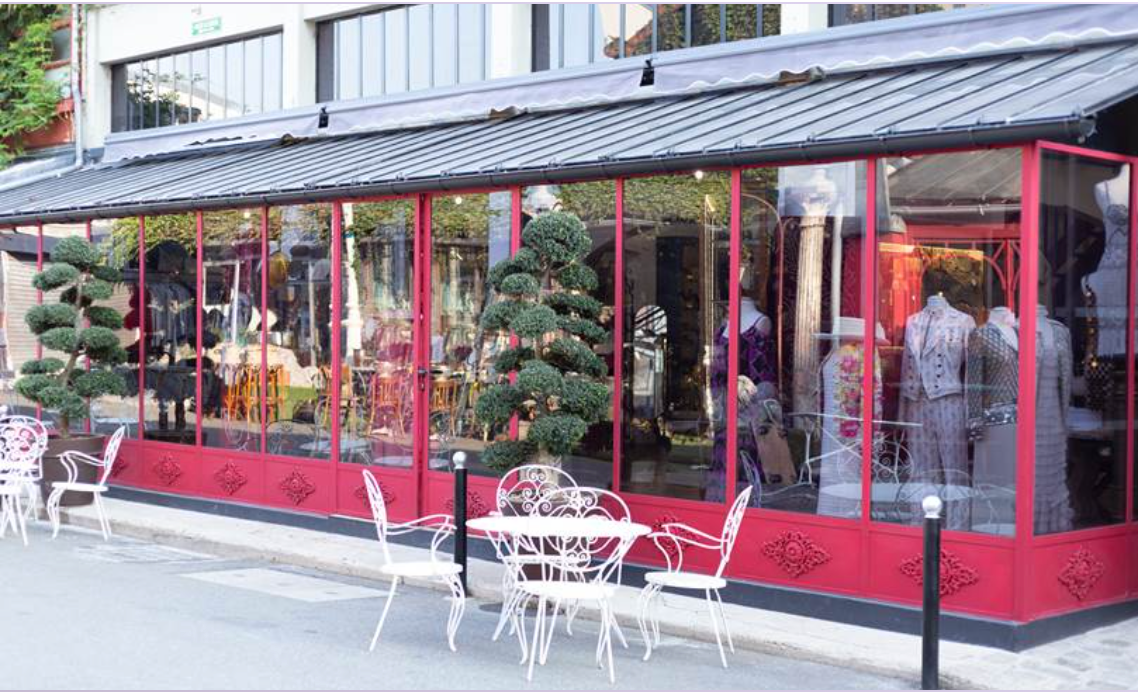
- ShippingRetrieving quote...Shipping from: SAINT-OUEN-SUR-SEINE, France
- Return Policy
More From This Seller
View All1990s French Skirt Suits
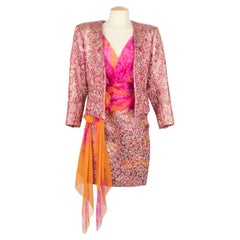
21st Century and Contemporary French Trouser Pant Suits
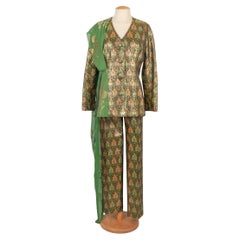
Early 2000s French Skirt Suits
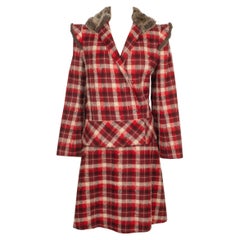
Early 2000s French Twin Sets
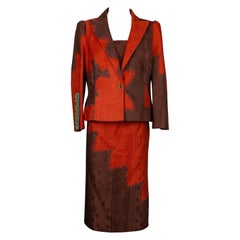
1980s Twin Sets
1970s French Dress and Coat Ensembles
You May Also Like
1970s Italian Jumpsuits
21st Century and Contemporary Jumpsuits
Early 2000s French Skirt Suits
Early 2000s French Dinner Jackets