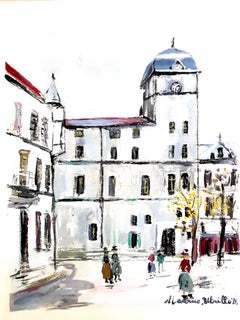
Articles similaires à à la Comédie Française, Paris Capitale, Maurice Utrillo
Vous voulez plus d
images ou de vidéos ?
Demander au vendeur plus d
images ou de vidéos
1 sur 12
Maurice Utrilloà la Comédie Française, Paris Capitale, Maurice Utrillo1955
1955
3 791,43 €
4 739,29 €20 % de remise
À propos de cet article
This exquisite lithograph by Maurice Utrillo (1883–1955), titled a la Comedie Francaise (At the Comedie Francaise), from the album Paris Capitale (Paris Capital), originates from the 1955 edition published by Joseph Foret, Editeur d'Art, Paris, and Galerie Paul Petrides, Paris, rendered by Societe anonyme Baguenier Desormeaux et Cie, Paris, and printed by Mourlot Freres, Paris, 1955. The work embodies Utrillo's mastery of atmospheric nuance, lyrical composition, and architectural harmony, distilling the poetic stillness and emotional resonance that define his vision of Paris.
Executed as a lithograph on velin Johannot paper, this work measures 16.93 x 12.99 inches (43 x 33 cm). Signed in the plate and unnumbered, as issued. The edition exemplifies the refined craftsmanship of Mourlot Freres, Paris.
Artwork Details:
Artist: Maurice Utrillo (1883–1955)
Title: a la Comedie Francaise (At the Comedie Francaise), from the album Paris Capitale (Paris Capital)
Medium: Lithograph on velin Johannot paper
Dimensions: 16.93 x 12.99 inches (43 x 33 cm)
Inscription: Signed in the plate and unnumbered, as issued
Date: 1955
Publisher: Joseph Foret, Editeur d'Art, Paris, and Galerie Paul Petrides, Paris
Printer: Mourlot Freres, Paris
Condition: Well preserved, consistent with age and medium
Provenance: From the album Paris Capitale (Paris Capital), published by Joseph Foret, Editeur d'Art, Paris, and Galerie Paul Petrides, Paris; rendered by Societe anonyme Baguenier Desormeaux et Cie, Paris; printed by Mourlot Freres, Paris, 1955
Notes:
Excerpted from the folio (translated from French), From this album Paris Capitale, with unpublished texts by Andre Maurois, of the French Academy, illustrates with ten original lithographs in color by Maurice Utrillo, with the additional text, Culs-de Lampe by Lucie Valore. It has been drawn CXCVII numbered examples, constituting the original edition including XXV examples on velin paper of pure cloth Arches numbered in roman numerals from I to XXV, accompanied by a color suite with a remark on nacre japon, as well as a decomposition of the colors of one of the lithographs. L examples on velin paper of numbered Rives, in arabic numbers from I to L with a color suite on imperial japon; CXXII examples on velin Johannot pure thread paper numbered in Arabic digits from LI to CLXXII. In addition, X non-commerce examples were printed on pure marsh paper chiffon lettered from A-J and a few nominative examples for collaborators. The lithographic stones and zincs have been destroyed after the draw.
About the Publication:
Paris Capitale (Paris Capital), published in 1955 by Joseph Foret, Editeur d'Art, in collaboration with Galerie Paul Petrides, stands as one of the most ambitious postwar French livres d'artiste, uniting literary texts by Andre Maurois with ten original color lithographs by Maurice Utrillo. Produced with exceptional attention to pochoir coloration, velin papers, and typographic refinement, the album exemplifies the high craftsmanship of mid-century Parisian printmaking. Issued across multiple paper states—including velin d'Arches, velin Rives, velin Johannot, imperial japon, and nacre japon—the edition reflects the luxurious material culture of Parisian art publishing. Printed by Mourlot Freres, the foremost lithographic atelier of the era, Paris Capitale endures as a significant artistic tribute to the city Utrillo immortalized throughout his career.
About the Artist:
Maurice Utrillo (1883–1955) was a French painter whose poetic depictions of Montmartre and Paris transformed the city's quiet streets, cathedrals, and cafes into enduring symbols of nostalgia and modern beauty. Born in Paris to the artist Suzanne Valadon—model and muse to Pierre-Auguste Renoir and Henri de Toulouse-Lautrec—Utrillo was immersed in art from an early age but led a turbulent life that found solace in painting. Entirely self-taught, he became one of the most distinctive figures of the Paris School, celebrated for his lyrical "White Period" (1909–1914), during which he employed thick impasto and a restrained palette of whites, grays, and ochres to capture the worn facades and atmospheric stillness of Montmartre. Influenced by Paul Cezanne's structural precision, Vincent van Gogh's emotional color, and Camille Pissarro's realism, Utrillo forged a style that blended Impressionist light with Post-Impressionist solidity, expressing solitude, longing, and spiritual calm. He worked amidst the revolutionary ferment of early twentieth-century Paris, alongside Pablo Picasso, Amedeo Modigliani, Georges Braque, and Chaim Soutine, yet his art stood apart from their Cubist and Expressionist experiments, focusing instead on evoking emotional truth through representation. Though he shared his generation's stage with avant-garde icons such as Joan Miro, Salvador Dali, Wassily Kandinsky, Marcel Duchamp, Alexander Calder, Alberto Giacometti, and Man Ray, Utrillo's paintings offered a poetic counterpoint—a meditative realism that captured the enduring soul of modern life. His mastery of perspective and tonal harmony imbued works like Rue Norvins and Place du Tertre with quiet majesty, transforming ordinary streets into sanctuaries of memory and light. Utrillo's profound sensitivity influenced later artists including Balthus, Jean Dubuffet, Nicolas de Stael, and Giorgio Morandi, as well as Edward Hopper and Wayne Thiebaud, who echoed his stillness and emotional clarity in their own depictions of urban solitude. His art, now housed in major museums such as the Musee d'Orsay, Centre Pompidou, Metropolitan Museum of Art, and Tate, remains a cornerstone of modern French painting, bridging the lyricism of Impressionism with the introspection of modernism. Revered for his sincerity and mastery of mood, Utrillo stands alongside Picasso, Miro, Dali, Kandinsky, Duchamp, Calder, Giacometti, and Man Ray as a pillar of twentieth-century art, his work capturing the eternal poetry of Paris. The highest auction record for Maurice Utrillo was achieved by his masterpiece Rue Norvins a Montmartre (circa 1910), which sold for 4,882,500 USD at Sotheby's New York on November 6, 2011, affirming his enduring legacy as one of the most beloved and collectible painters of his era.
a la Comedie Francaise Paris Capitale 1955, Utrillo Mourlot Freres, Utrillo velin Johannot, Utrillo collectible lithograph.
- Créateur:Maurice Utrillo (1883 - 1955, Français)
- Année de création:1955
- Dimensions:Hauteur : 43,01 cm (16,93 po)Largeur : 33 cm (12,99 po)
- Support:
- Mouvement et style:
- Période:
- État:
- Adresse de la galerie:Southampton, NY
- Numéro de référence:1stDibs : LU1465215810822
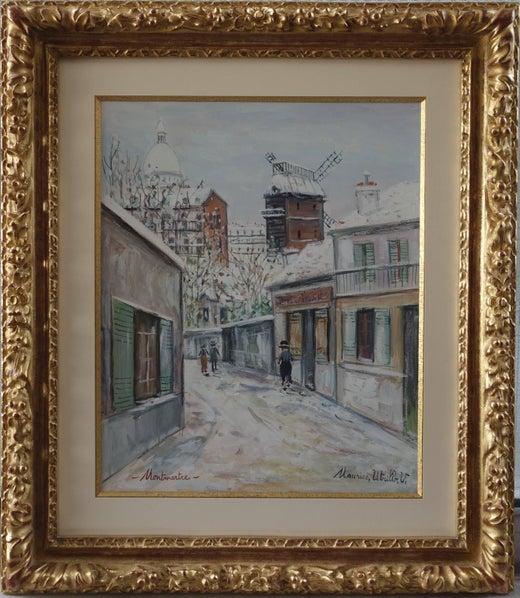
Maurice Utrillo
Maurice Utrillo, initialement Maurice Valadon, est né à Paris, le 26 décembre 1883, fils illégitime de l'artiste Suzanne Valadon. Elle, qui était devenue mannequin après une chute de trapèze, mettant fin à la carrière d'acrobate de cirque qu'elle avait choisie, a constaté que le fait de poser pour Berthe Morisot, Pierre-Auguste Renoir, Henri de Toulouse-Lautrec et d'autres lui permettait d'étudier leurs techniques ; dans certains cas, elle était également devenue leur maîtresse. Elle apprend à peindre en autodidacte, et lorsque Toulouse-Lautrec lui présente Edgar Dega, celui-ci devient son mentor. Elle finit par devenir un pair des artistes pour lesquels elle avait posé. Pendant ce temps, la mère de Valedon est chargée d'élever le jeune Utrillo, qui montre rapidement une tendance inquiétante à l'absentéisme scolaire et à l'alcoolisme. Lorsqu'en 1904, Utrillo, alors âgé de 21 ans, est atteint d'une maladie mentale, sa mère l'encourage à peindre. Sous sa tutelle, il commence à peindre les rues du quartier de son enfance, Montmartre. Travaillant dans la tradition de la veduta conventionnelle, il dépeint des rues, des bâtiments, des fontaines et des avenues, qu'il capture à différentes saisons de l'année dans un style influencé par le réalisme lyrique de Camille Pissarro et d'Albert Sisley. Cependant, en déployant une palette subtile - principalement des jaunes, des turquoises, des bordeaux et des blancs de zinc - il a imprégné les scènes de qualités atmosphériques* qui évoquent des sentiments de familiarité ou d'aliénation chez le spectateur. Connues sous le nom de "période blanche", les années 1909-1914 représentent l'apogée de la créativité d'Utrillo. Pendant cette période, il réduit sa palette au blanc, en dégradé de gris. Il mélangeait également ses peintures avec du sable, du plâtre et de la chaux pour rendre la substance physique de son sujet, les murs en particulier. En 1910, les critiques d'art F. Jourdan et E. Faure découvrent l'artiste. L'appréciation de son talent permet à Utrillo de participer pour la première fois au Salon d'Automne* de 1912. Jusqu'en 1914, Utrillo voyage en Bretagne et en Corse ; ses œuvres deviennent de plus en plus lumineuses*, ce qui enrichit considérablement sa conception ascétique de la réalité. En 1924, il expose avec sa mère à la Galerie Bernheim-Jeune à Paris et se voit proposer un contrat d'un an. Cependant, la même année, il a également tenté de se suicider, ce qui était probablement le résultat d'années d'abus d'alcool. Doté d'un talent naturel puissant, Utrillo a énormément contribué à consolider la structure et la texture de la peinture. Il était également un dessinateur* important. En 1926, il conçoit des décors et des costumes pour les Ballets Russes de Djaghilev. Il a reçu une reconnaissance publique en 1928, lorsqu'il a été fait membre de la Légion d'honneur. Commençant là où l'impressionnisme* s'est arrêté, Utrillo est devenu le peintre le plus connu de Paris, en particulier de Montmartre, peignant à la fois d'après nature et d'après des cartes postales. Ses interprétations poétiques des rues et des places de Montmartre ont largement contribué à populariser une image romantique de ce quartier. Cependant, lorsqu'il peint des personnes, celles-ci sont toujours représentées comme des êtres solitaires, perdus dans l'isolement social.
À propos du vendeur
4,9
Vendeur Platine
Vendeurs premium dont la note est supérieure à 4,7 et le délai de réponse de 24 heures maximum
Établi en 1978
Vendeur 1stDibs depuis 2021
1 274 ventes sur 1stDibs
Temps de réponse habituel : 1 heure
- ExpéditionRecherche du devis...Expédition depuis : Southampton, NY
- Politique des retours
Certaines parties de cette page ont été traduites automatiquement. 1stDibs ne garantit pas l
exactitude des traductions. L
anglais est la langue par défaut de ce site web.
Plus d articles de ce vendeur
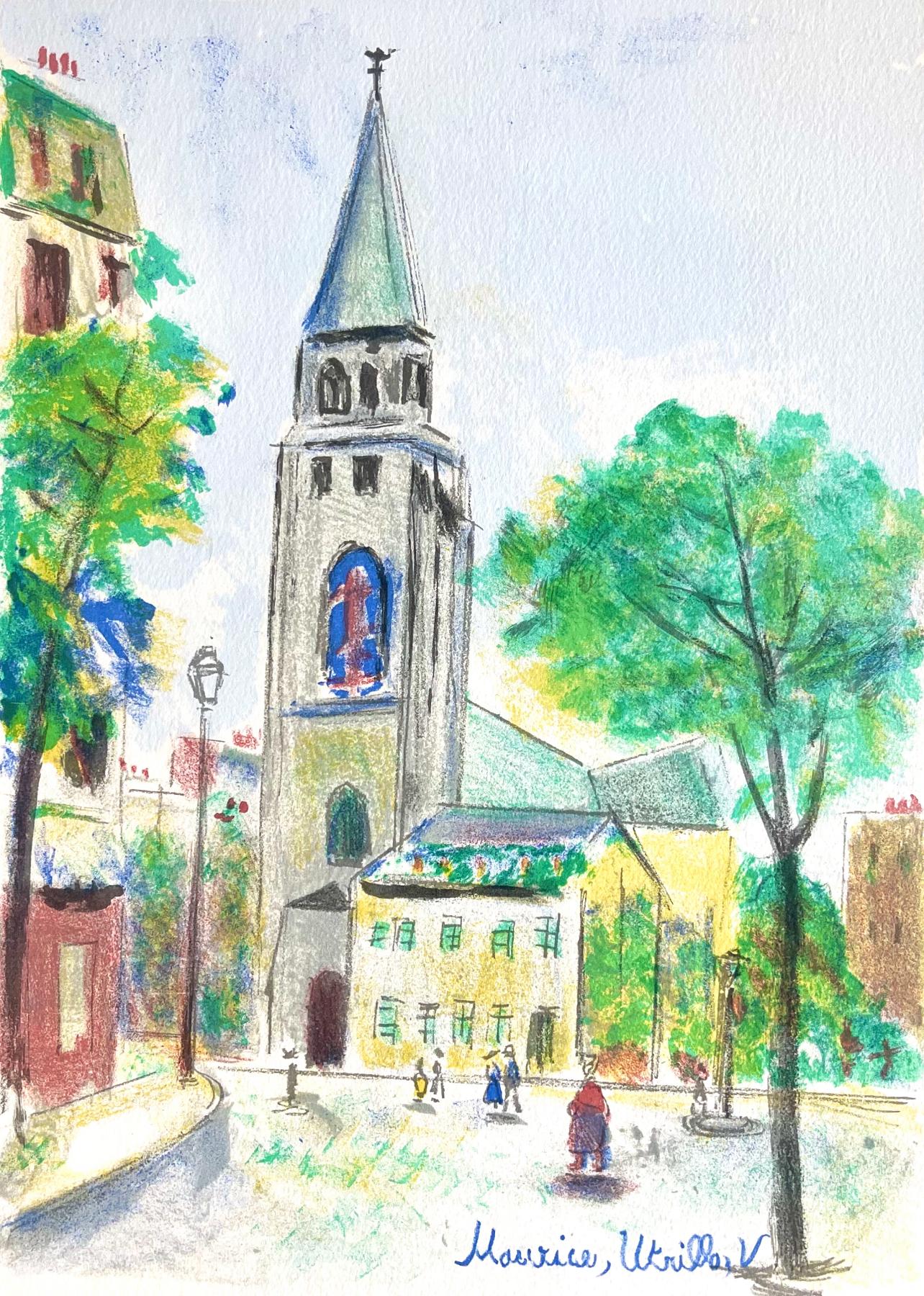
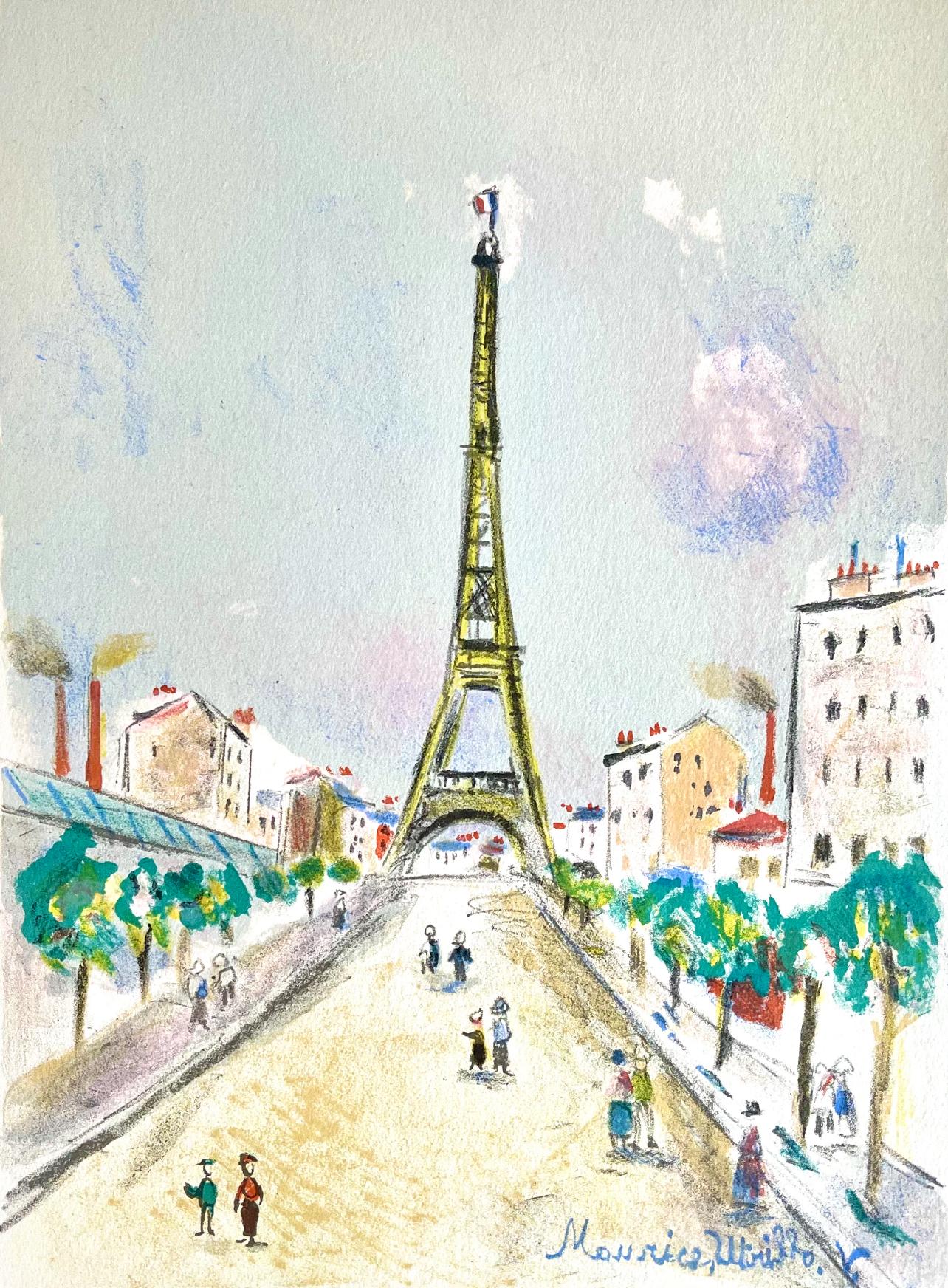
Tout afficherSaint-Germain-des-Prés, Paris Capitale, Maurice Utrillo
Par Maurice Utrillo
Lithographie sur papier vélin Johannot. Inscription : Non signé et non numéroté. Bon état. Notes : D'après l'in-folio, Paris Capitale, 1955 ; publié par Joseph Foret, Editeur d'Art, ...
Catégorie
années 1950, Moderne, Estampes - Paysage
Matériaux
Lithographie, Pochoir
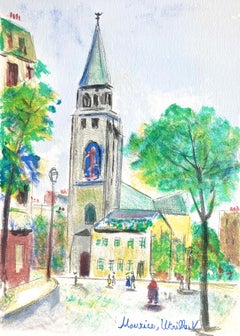
3 791 € Prix de vente
20 % de remise
Livraison gratuite
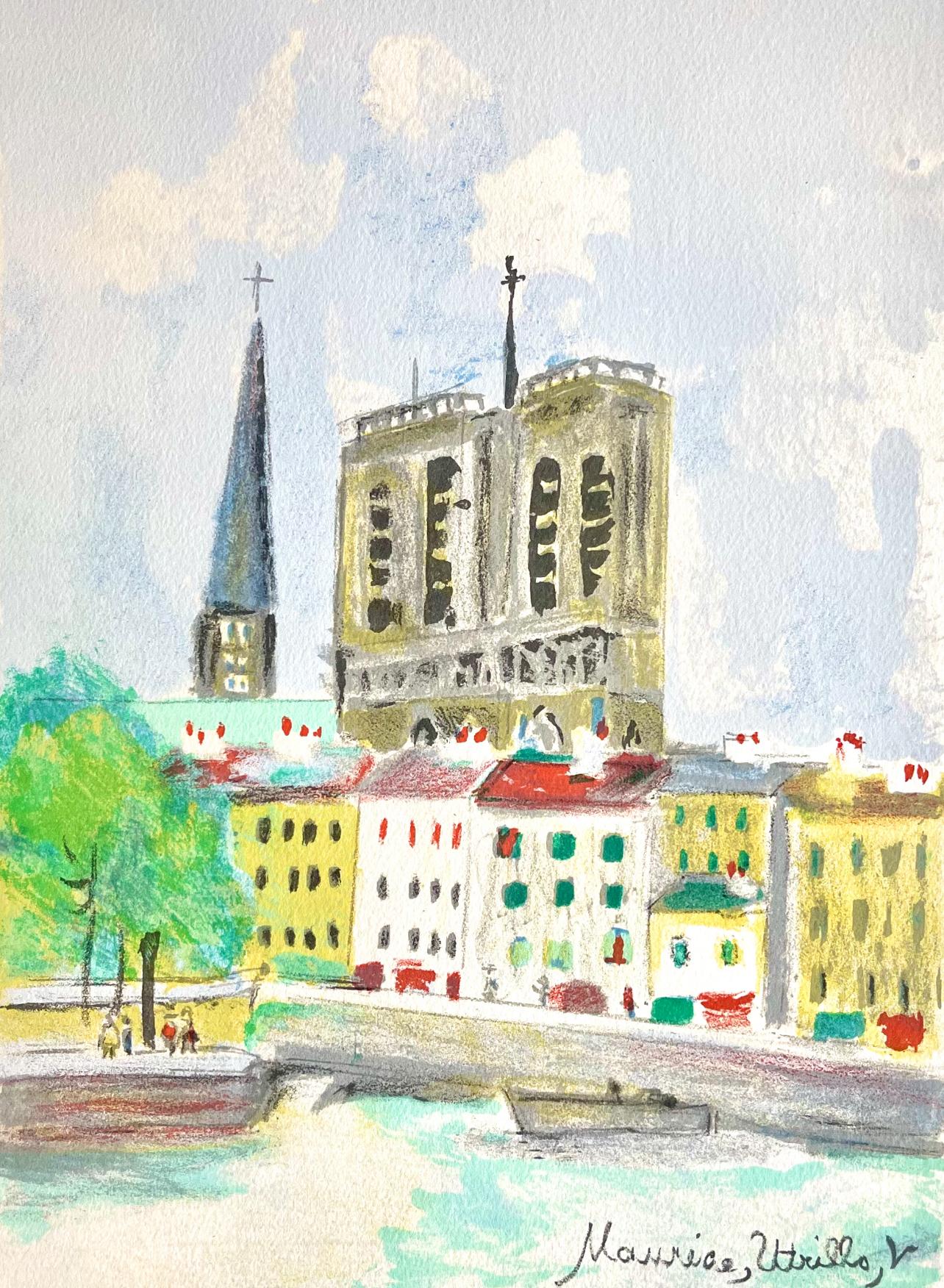
à Notre-Dame (La Cité), Paris Capitale, Maurice Utrillo
Par Maurice Utrillo
Lithographie sur papier vélin Johannot. Inscription : Non signé et non numéroté. Bon état. Notes : D'après l'in-folio, Paris Capitale, 1955 ; publié par Joseph Foret, Editeur d'Art, ...
Catégorie
années 1950, Moderne, Estampes - Paysage
Matériaux
Lithographie, Pochoir
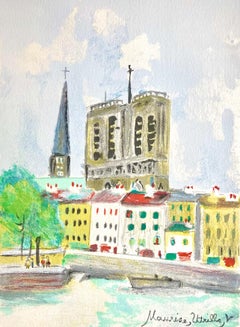
1 238 € Prix de vente
20 % de remise
Livraison gratuite
Maurice Utrillo, Place Saint-Pierre, capitale de Paris
Par Maurice Utrillo
Lithographie sur papier vélin Johannot. Inscription : Non signé et non numéroté. Bon état. Notes : D'après l'in-folio, Paris Capitale, 1955 ; publié par Joseph Foret, Editeur d'Art, ...
Catégorie
années 1950, Moderne, Estampes - Paysage
Matériaux
Lithographie, Pochoir
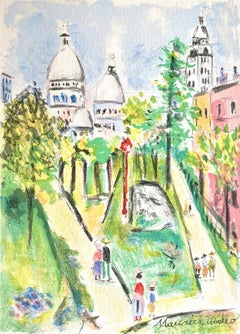
1 238 € Prix de vente
20 % de remise
Livraison gratuite
La Tour Eiffel, capitale de Paris, Maurice Utrillo
Par Maurice Utrillo
Lithographie sur papier vélin Johannot. Inscription : Non signé et non numéroté. Bon état. Notes : D'après l'in-folio, Paris Capitale, 1955 ; publié par Joseph Foret, Editeur d'Art, ...
Catégorie
années 1950, Moderne, Estampes - Paysage
Matériaux
Lithographie, Pochoir
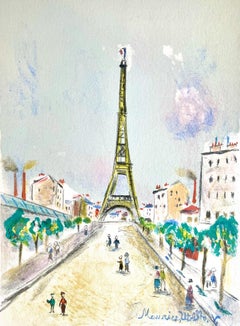
1 238 € Prix de vente
20 % de remise
Livraison gratuite
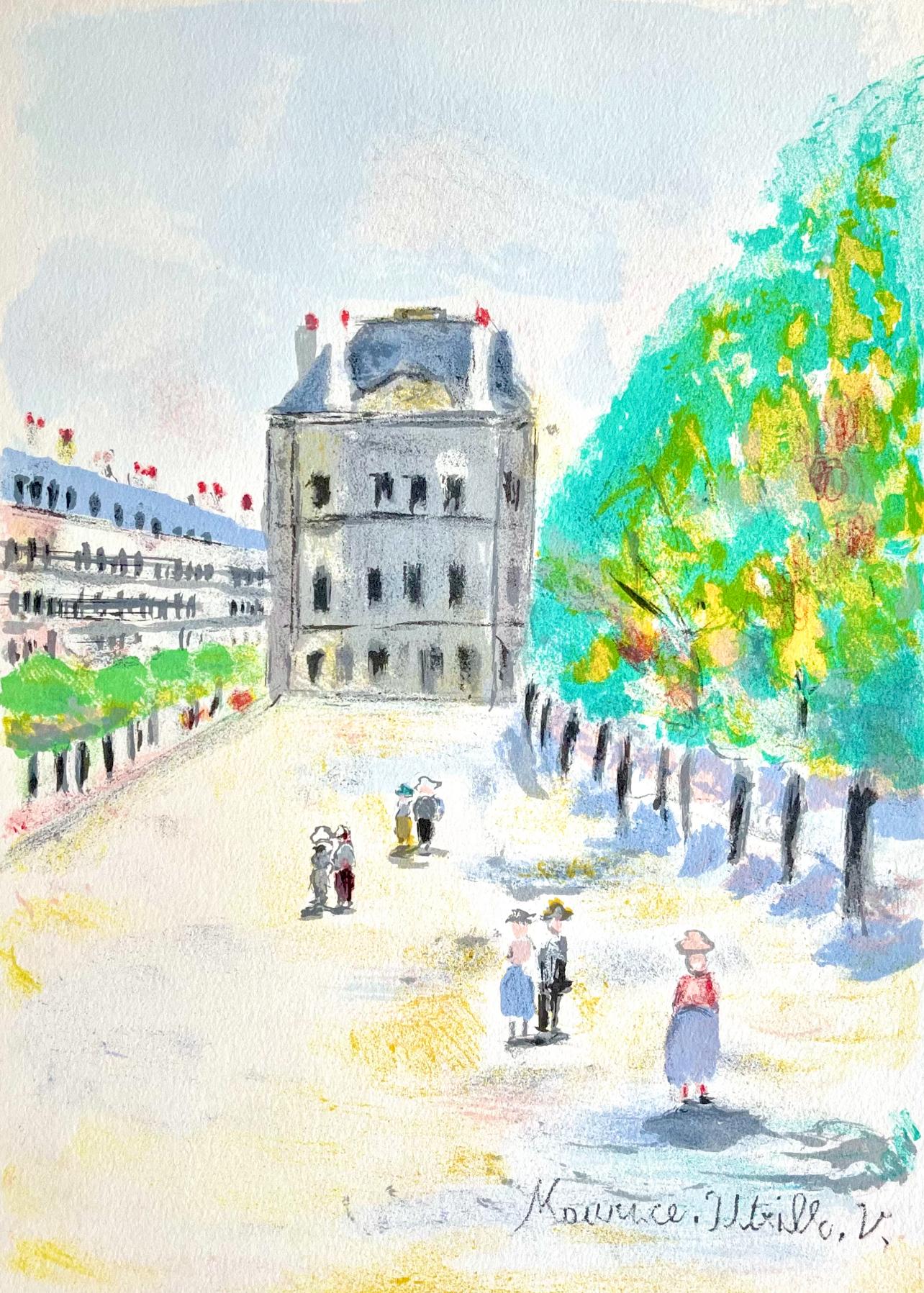
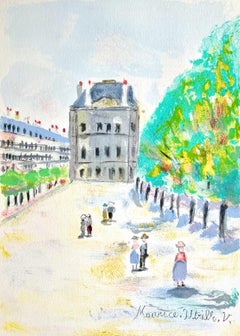
Au Musée du Louvre (Rue de Rivoli), Paris Capitale, Maurice Utrillo
Par Maurice Utrillo
Lithographie sur papier vélin Johannot. Inscription : Non signé et non numéroté. Bon état. Notes : D'après l'in-folio, Paris Capitale, 1955 ; publié par Joseph Foret, Editeur d'Art, ...
Catégorie
années 1950, Moderne, Estampes - Paysage
Matériaux
Lithographie, Pochoir
3 791 € Prix de vente
20 % de remise
Livraison gratuite
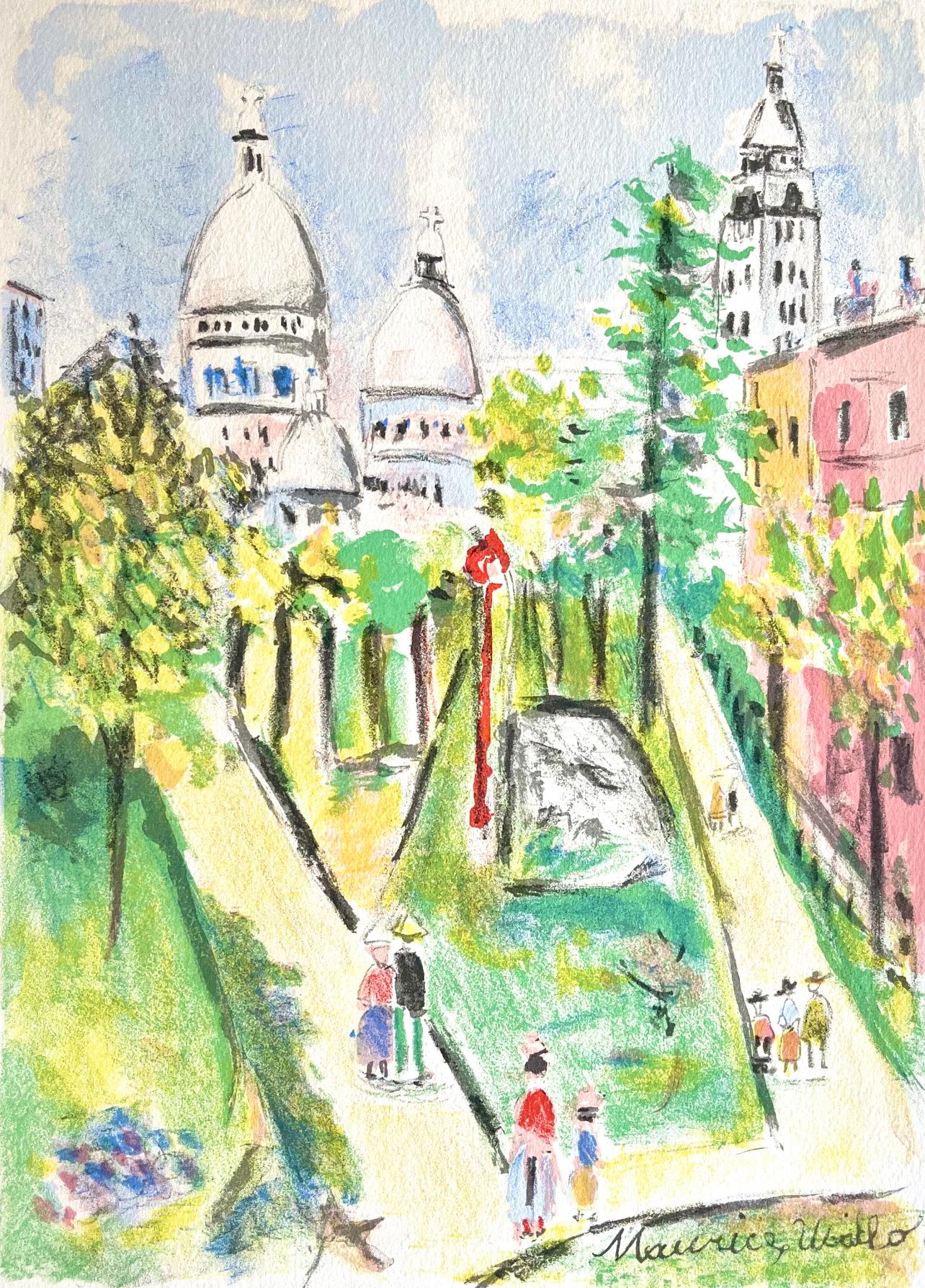
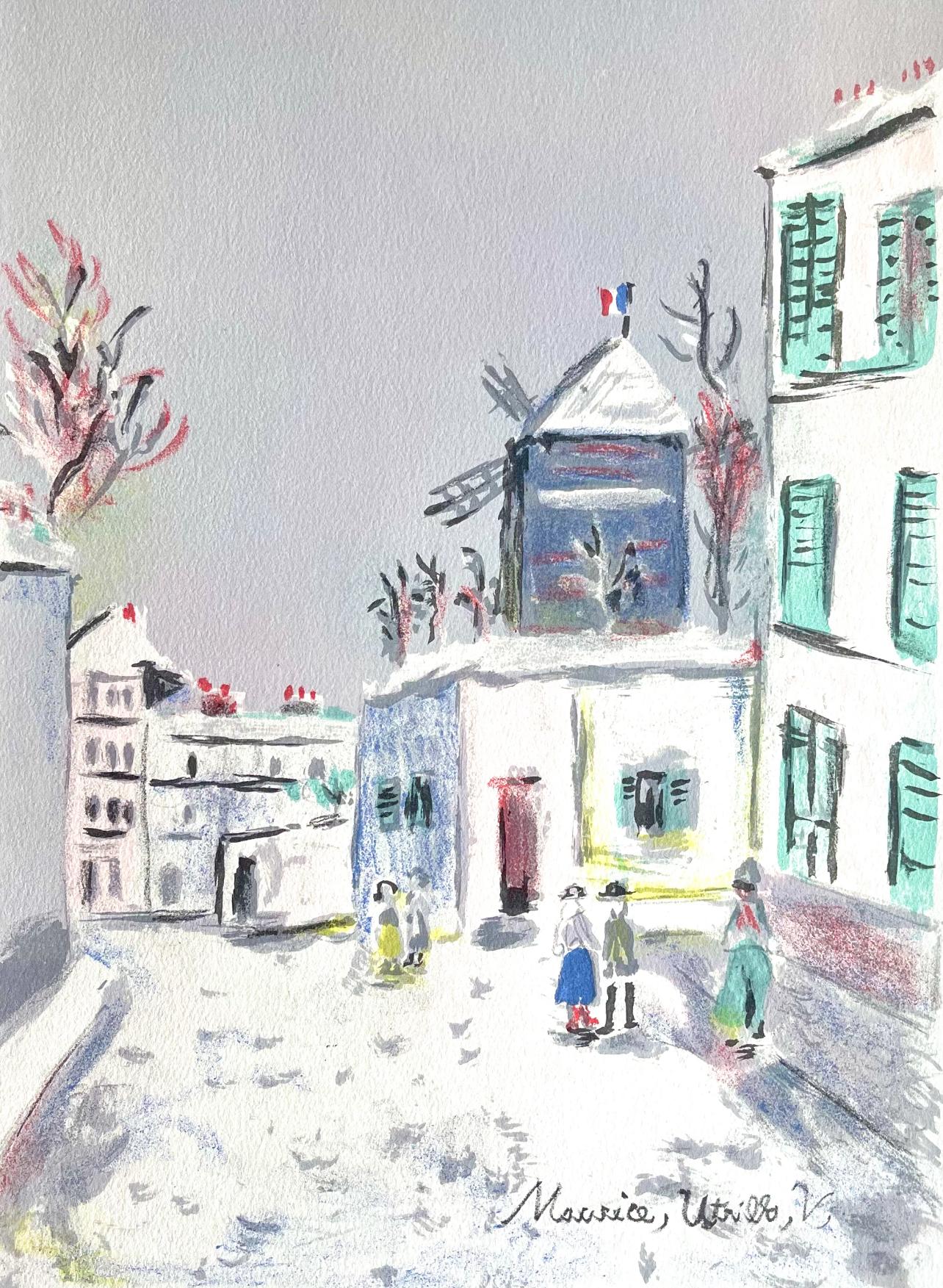
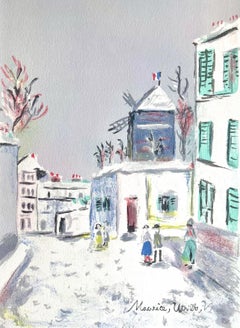
Montmartre (Moulin de la Galette), capitale de Paris, Maurice Utrillo
Par Maurice Utrillo
Lithographie sur papier vélin Johannot. Inscription : Non signé et non numéroté. Bon état. Notes : D'après l'in-folio, Paris Capitale, 1955 ; publié par Joseph Foret, Editeur d'Art, ...
Catégorie
années 1950, Moderne, Estampes - Paysage
Matériaux
Lithographie, Pochoir
1 238 € Prix de vente
20 % de remise
Livraison gratuite
Suggestions
Maurice Utrillo - Parisian Street - lithographie de transfert
Par Maurice Utrillo
Maurice Utrillo - La Place Ravignan, Montmartre - lithographie de transfert
Dimensions : 13 x 10".
Papier : vélin de Rives.
Edition : 200 exemplaires.
Signature imprimée, telle qu...
Catégorie
années 1920, Estampes - Paysage
Matériaux
Lithographie
This Place Jean-Baptiste-Clément par Maurice Utrillo - Scène de rue à Paris
Par Maurice Utrillo
*VEUILLEZ NOTER QUE LES ACHETEURS BRITANNIQUES NE PAIERONT QUE 5% DE TVA SUR CET ACHAT. Une fois la commande passée, nous ferons en sorte que la TVA de 20 % soit réduite à 5 %.
Plac...
Catégorie
Années 1910, Peintures - Figuratif
Matériaux
Huile, Panneau
185 431 €
Livraison gratuite
Le Village Inspire, scènes du quartier de Montmartre à Paris, Utrillo 1950
Par (after) Maurice Utrillo
Une scène de rue dans le quartier parisien de Montmartre créé pour le portefeuille Le Village inspire, Chronique de la Bohème de Montmartre (1920-1950)..... d'après Maurice U...
Catégorie
années 1950, Impressionnisme, Estampes - Paysage
Matériaux
Écran
L
Eglise
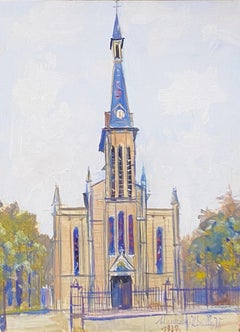
Par Maurice Utrillo
Maurice Utrillo (1883-1955)
"L'Eglise" (Petrides n° 25.562)
Créé en 1937
Signé et daté en bas à droite
Sans cadre : 11" x 8.75"
Avec cadre : 21" x 17.5"
Provenance : Galerie Gilbert...
Catégorie
Fin du XIXe siècle, École française, Dessins et aquarelles - Paysage
Matériaux
Papier, Aquarelle, Gouache
Prix sur demande
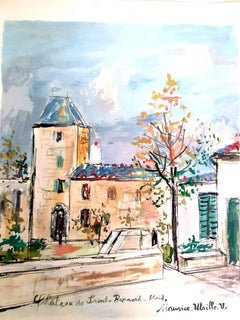
Village d
inspiration de Montmartre - Pochoir
Par (after) Maurice Utrillo
(après) Maurice Utrillo
Village inspiré de Montmartre
Pochoir avec signature imprimée
Edition de 490
Dimensions : 39 x 30 cm
Information : Ce tirage a été réalisé pour le portfolio "Le Village inspiré, Chronique de la bohème de Montmartre (1920-1950)" publié par Vertex en 1950
Condition : Excellent
Maurice Utrillo (1883 - 1955)
Le peintre français Maurice Utrillo est né comme fils illégitime de la peintre Suzanne Valladon à Paris le 26 décembre 1883. Il a été adopté par le critique d'art catalan Miguel...
Catégorie
années 1950, Moderne, Estampes - Paysage
Matériaux
Pochoir
Village d
inspiration de Montmartre - Pochoir
Par (after) Maurice Utrillo
(après) Maurice Utrillo
Village inspiré de Montmartre
Pochoir avec signature imprimée
Edition de 490
Dimensions : 39 x 30 cm
Information : Ce tirage a été réalisé pour le portfolio "Le Village inspiré, Chronique de la bohème de Montmartre (1920-1950)" publié par Vertex en 1950
Etat : Excellent
Maurice Utrillo (1883 - 1955)
Le peintre français Maurice Utrillo est né comme fils illégitime de la peintre Suzanne Valladon à Paris le 26 décembre 1883. Il a été adopté par le critique d'art catalan Miguel...
Catégorie
années 1950, Moderne, Estampes - Paysage
Matériaux
Pochoir