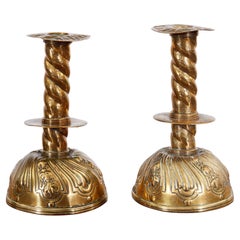
18th Century Pair Wedgwood Black Basalt Ware Triton Candlesticks
À propos de cet article
- Créateur:Josiah Wedgwood (Atelier/Studio)
- Dimensions:Hauteur : 27,94 cm (11 po)Largeur : 12,7 cm (5 po)Profondeur : 12,7 cm (5 po)
- Vendu en tant que:Lot de 2
- Style:Néoclassique (De la période)
- Matériaux et techniques:
- Lieu d origine:
- Période:
- Date de fabrication:1780
- État:Usure conforme à l âge et à l utilisation. Défauts mineurs. Does not fluoresce under blacklight, minor white accretions, typical minor wear, exterior shrinkage crack at one base (pictured).
- Adresse du vendeur:Asheville, NC
- Numéro de référence:1stDibs : LU10245248455862
Josiah Wedgwood
Sans doute le plus célèbre de tous les fabricants de céramiques anglaises, Wedgwood a été fondé en 1759 par le potier Josiah Wedgwood dans Staffordshire, qui abritait à l'époque des centaines d'ateliers de poterie.
Wedgwood est célèbre pour ses Jasperware - moulés néoclassiques grès vases, assiettes et autres pièces inspirées de l'ancien verre camée, présentant des figures blanches, des scènes et des éléments décoratifs en relief sur un fond de couleur mate. La teinte de fond la plus connue est le bleu clair, mais les silhouettes emblématiques de Wedgwood apparaissent également sur des fonds verts, lilas, jaunes, noirs et même blancs. Certaines pièces anciennes de la vaisselle Wedgwood et d'autres présentent trois couleurs ou plus. L'entreprise est également connue pour son grès noir, Black Basalt, qui imite la couleur et les formes des vases étrusques.
La société Wedgwood s'est d'abord fait connaître par sa vaisselle , qui a rapidement gagné la faveur des ménages aristocratiques à travers la Grande-Bretagne et l'Europe. En 1765, Wedgwood a été chargé de créer un service en faïence de couleur crème pour la reine Charlotte, épouse du roi George III . La reine était tellement ravie de sa nouvelle Calle que Wedgwood reçut l'autorisation de s'appeler "Potter to Her Majesty" (potier de Sa Majesté) et le style décoratif fut connu sous le nom de Queen's Ware (vaisselle de la reine).
Pour ne pas être en reste, Catherine la Grande de Russie a commandé son propre service de porcelaine Wedgwood en 1773. Près de 200 ans plus tard, l'entreprise a créé un service de 1 200 pièces pour le couronnement de Queen Elizabeth II. Ces dernières années, des designers de premier plan tels que Jasper Conran et Vera Wang ont collaboré avec Wedgwood, dans la tradition d'artistes éminents du XVIIIe siècle tels que le peintre George Stubbs et le ferronnier d'art Matthew Boulton.
Des assiettes et autres articles de vaisselle aux objets décoratifs tels que urnes, cachepots et chandeliers, les créations de Wedgwood confèrent un air traditionnel aux intérieurs anglophiles. Et même si vous avez pour préparer votre propre thé, vous trouverez peut-être réconfortant de le siroter dans une tasse délicate fabriquée dans le même four de Stoke-on-Trent qui a produit le service à thé de Sa Majesté. Veillez à ce que votre petit doigt soit levé.
Trouvez des poteries anciennes Josiah Wedgwood , assiettes à dîner, pièces de service et d'autres meubles et objets décoratifs sur 1stDibs.
- ExpéditionRecherche du devis...Expédition depuis : Asheville, NC
- Politique des retours
Plus d articles de ce vendeur
Tout afficherAntiquités, années 1780, Anglais, Néoclassique, Poteries
Poteries
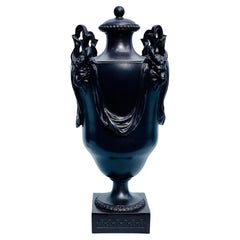
Antiquités, années 1780, Anglais, Néoclassique, Poteries
Grès
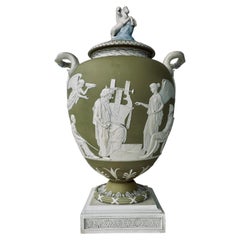
Antiquités, Début du XIXe siècle, Anglais, Romantique, Poteries
Grès
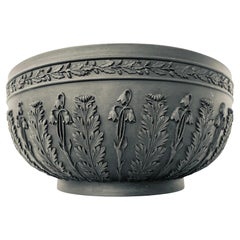
Antiquités, Fin du XVIIIe siècle, Anglais, Néoclassique, Poteries
Grès
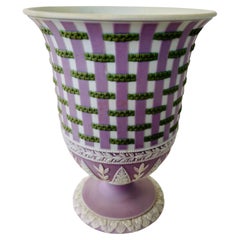
Antiquités, Fin du XVIIIe siècle, Anglais, Néoclassique, Poteries
Grès
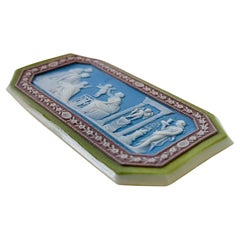
Vintage, années 1970, Anglais, Néoclassique, Poteries
Grès
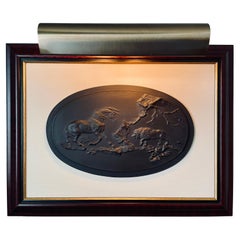
Suggestions
Antiquités, Fin du XVIIIe siècle, Français, Louis XVI, Candélabres
Bronze
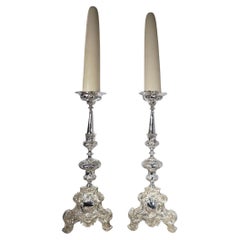
Antiquités, XVIIIe siècle, italien, Renaissance, Bougeoirs
Bronze
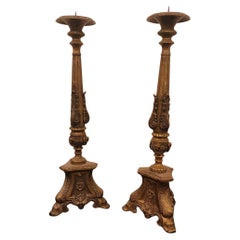
Antiquités, XVIIIe siècle, Européen, Bougeoirs
Os, Bois
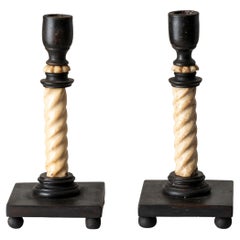
Antiquités, XVIIIe siècle, Français, Néoclassique, Bougeoirs
Or
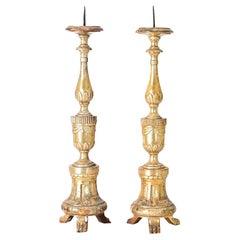
Antiquités, XVIIIe siècle, Espagnol, Néoclassique, Bougeoirs
Bronze
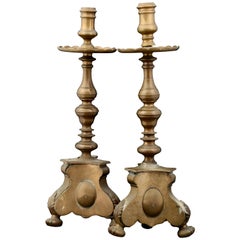
Antiquités, XVIIIe siècle, Suédois, Gustavien, Bougeoirs
Laiton