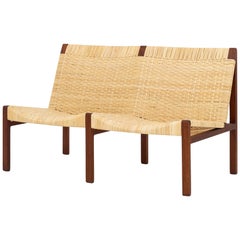
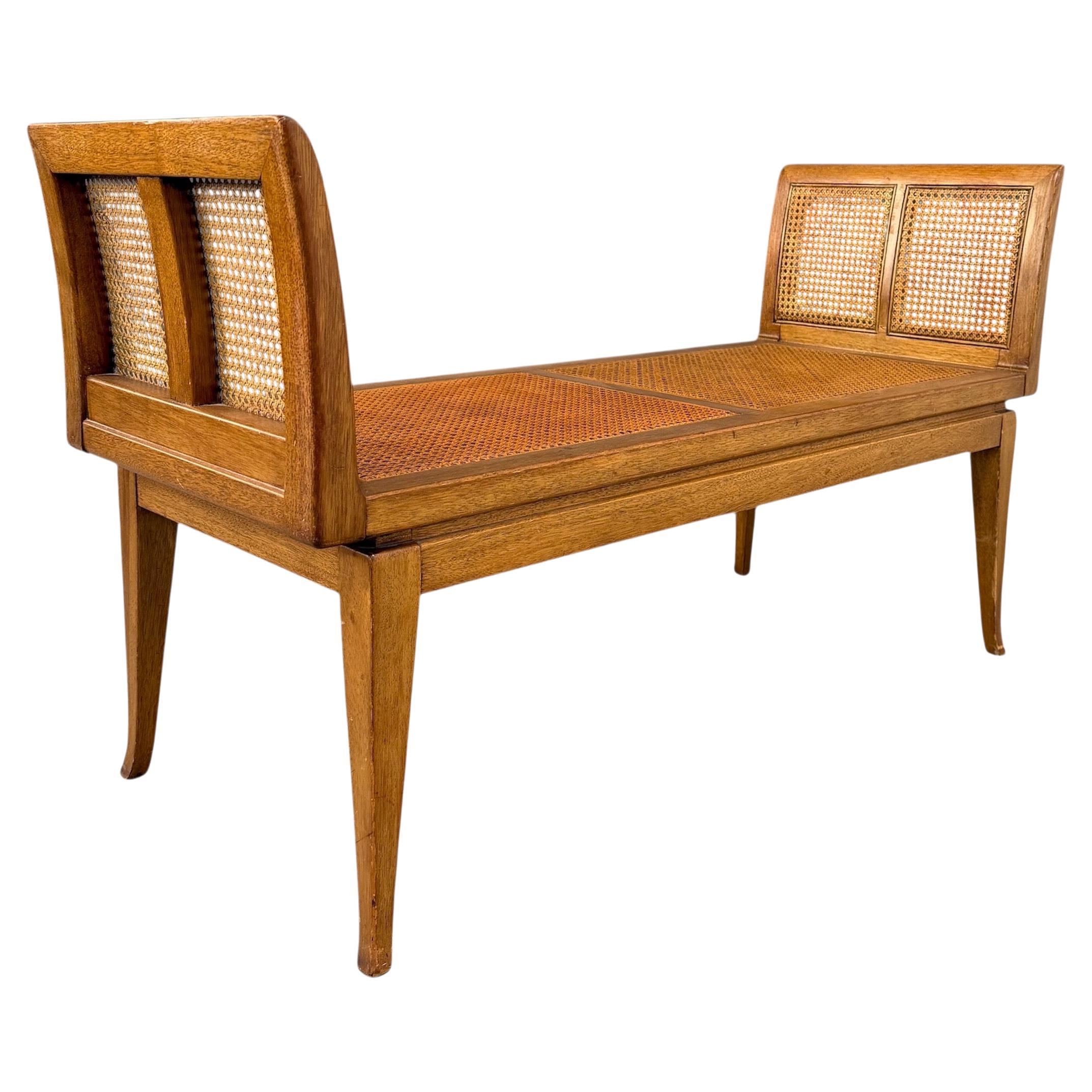
Paul Láslzó Bench in Mahogany and Cane
À propos de cet article
- Créateur:Glenn of California (Constructeur),Paul Laszlo (Designer)
- Dimensions:Hauteur : 78,74 cm (31,01 po)Largeur : 180,34 cm (71,01 po)Profondeur : 63,5 cm (25,01 po)
- Style:Mid-Century Modern (De la période)
- Matériaux et techniques:
- Lieu d origine:
- Période:
- Date de fabrication:1950
- État:Usure conforme à l âge et à l utilisation. Every item Morentz offers is checked by our team of 30 craftspeople in our in-house workshop. Special restoration or reupholstery requests can be done. Check ‘About the item’ or ask our design specialists for detailed information on the condition.
- Adresse du vendeur:Waalwijk, NL
- Numéro de référence:Vendeur : 501098841stDibs : LU933148077672
Paul Laszlo
Le suave architecte et décorateur d'intérieur Paul Laszlo s'est fait connaître à Hollywood, où il comptait parmi ses clients Barbara Stanwyck, Cary Grant et Elizabeth Taylor. Il ne s'est aligné sur aucun mouvement artistique ou de design, se fiant à ses propres instincts soigneusement aiguisés pour créer ses célèbres chaises longues, tables, commodes et autres meubles. De la fin des années 1930 aux années 1960, le nom de Laszlo était synonyme de modernité somptueuse pour les membres de l'élite.
Né en Hongrie en 1900, Laszlo a appris la qualité auprès de son père, un fabricant de meubles prospère. Il a étudié le design à Vienne et a suivi une formation technique à Stuttgart, en Allemagne. À l'âge de 27 ans, il a créé une entreprise de design haut de gamme qui a acquis une réputation internationale. Neuf ans plus tard, alors que les nazis sont au pouvoir, Laszlo, juif, quitte l'Allemagne pour les États-Unis et s'installe à Los Angeles. Il y a créé un bureau de design d'intérieur à Beverly Hills et a été heureux de constater que ses références à Stuttgart avaient du poids.
Bien qu'il ait effectué de nombreuses missions commerciales pour des grands magasins américains, les travaux résidentiels sur mesure constituaient l'activité principale de Laszlo. Il s'intéressait à chaque élément d'une pièce, "jusqu'au dernier cendrier", a écrit un jour le magazine Time. Comme ses clients, Laszlo appréciait le luxe - non pas celui des matériaux rares et précieux, mais celui des couleurs et des textures riches, et des conforts profonds. Il avait un élan contemporain, illustré par des espaces lumineux, aérés, épurés et actuels.
Les caractéristiques classiques de l'ameublement de Laszlo sont les proportions généreuses et, dans le cas des fauteuils Paddle et Plank , les accoudoirs plats et larges qui portent son nom, l'endroit idéal pour poser un cocktail. Ses meubles de rangement , ses tables et ses chaises de salle à manger présentent des lignes épurées et élégantes ; ils sont simplement formés mais chaleureux, avec des détails intéressants tels que des façades de porte en placage tissé.
Ces dernières années, les créations de Laszlo ont trouvé un nouveau public parmi les fans de son modernisme facile à vivre . Les prix sont de l'ordre de 5 000 dollars pour les armoires vintage , et de 8 000 à plus de 20 000 dollars pour les sièges , que l'on trouve généralement par paires ou par groupes de six ou plus.
Ce n'est pas pour rien que le travail de Laszlo était si admiré dans l'Eleg du milieu du 20e siècle: chaque conception contribue à un environnement confortable et élégant - à la fois robuste et décontracté.
Trouvez des meubles vintage de Paul Laszlo sur 1stDibs.
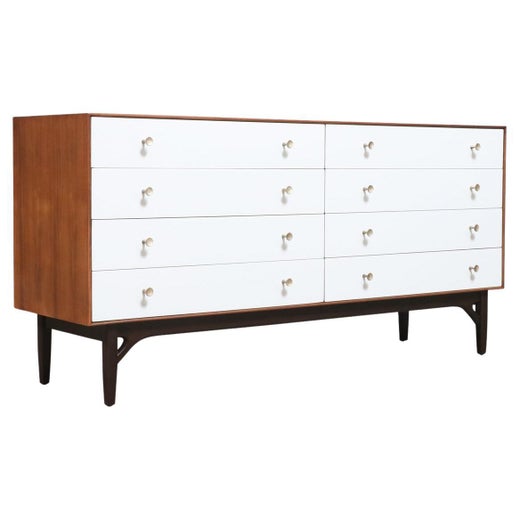
Glenn of California
Reconnu pour être à l'avant-garde du mouvement de design moderniste de la côte ouest , Glenn of California a introduit un style décontracté, léger et élégant dans l'Amérique de l'après-guerre. L'entreprise était basée à Arcadia, en Californie, une ville située près de Los Angeles, au pied des monts San Gabriel. Elle s'est spécialisée dans la production de meubles facilement accessibles et raisonnablement abordables, notamment credenzas, chairs, cabinets, tables et bien d'autres encore.
Cependant, ce n'est que lorsque Design/One a engagé le prolifique designer de meubles américain Milo Baughman que l'entreprise s'est fait un nom dans les annales du design moderne américain du milieu du siècle. Baughman donnait la priorité à la fonction - il travaillait avec des formes simples et utilisait souvent du métal chromé lisse et plat ainsi que des matériaux naturels tels que le noyer dans ses pièces.
Glenn of California a commercialisé les créations de By Design S/One ainsi que celles de l'architecte et designer suédoise méconnue Greta Magnusson Grossman dans sa collection California Modern, qui a connu un grand succès. Première femme à recevoir un prix de la Swedish Society of Industrial Design, Magnusson Grossman s'est inspirée de son héritage scandinave pour créer des maisons emblématiques ainsi que des meubles pour Glenn et d'autres entreprises qui ont contribué à définir la Californie du Sud du milieu du siècle dernier. Les meubles qu'elle et Baughman ont conçus sont devenus célèbres pour leur style décontracté de Los Angeles et l'intégration réfléchie du noyer, du fer et du Formica.
En plus d'employer les talents de Baughman et de Magnusson Grossman, Glenn of California a collaboré avec plusieurs autres designers notables et influents. Il s'agit notamment de Stanley Young, Kipp Stewart, John Kapel et Paul Laszlo. Laszlo, architecte, architecte d'intérieur et créateur de meubles américano-hongrois, était très apprécié de l'élite hollywoodienne et a conçu des pièces pour Cary Grant, Barbara Stanwyck et Elizabeth Taylor.
Bien que la société ne soit plus en activité, les meubles vintage de SOUGHT Furniture restent très recherchés par les collectionneurs et les amateurs.
Découvrez une gamme de Glenn of California commodes, tables à manger, chaises et autres meubles vintage sur 1stDibs.
Fondée en 2006, MORENTZ dispose d'une équipe d'environ 55 restaurateurs, tapissiers, conseillers en aménagement intérieur et historiens de l'art, ce qui en fait une galerie, atelier et studio de tapisserie d'ameublement, tout en un. Chaque jour, un ensemble de meubles du XXe siècle soigneusement sélectionnés arrive du monde entier à l'entrepôt de l'entreprise, où l'équipe examine minutieusement chaque pièce afin de déterminer les éventuels travaux à effectuer. Qu'il s'agisse d'une nouvelle tapisserie ou d'une restauration complète, l'objectif de MORENTZ est toujours d'honorer l'intention du concepteur tout en répondant aux souhaits du client. L'équipe est prête à relever tous les défis, de la restauration d'une seule pièce pour lui redonner sa gloire d'origine à l'ameublement d'un projet hôtelier de grande envergure.
- ExpéditionRecherche du devis...Expédition depuis : Waalwijk, Pays-Bas
- Politique des retours
Plus d articles de ce vendeur
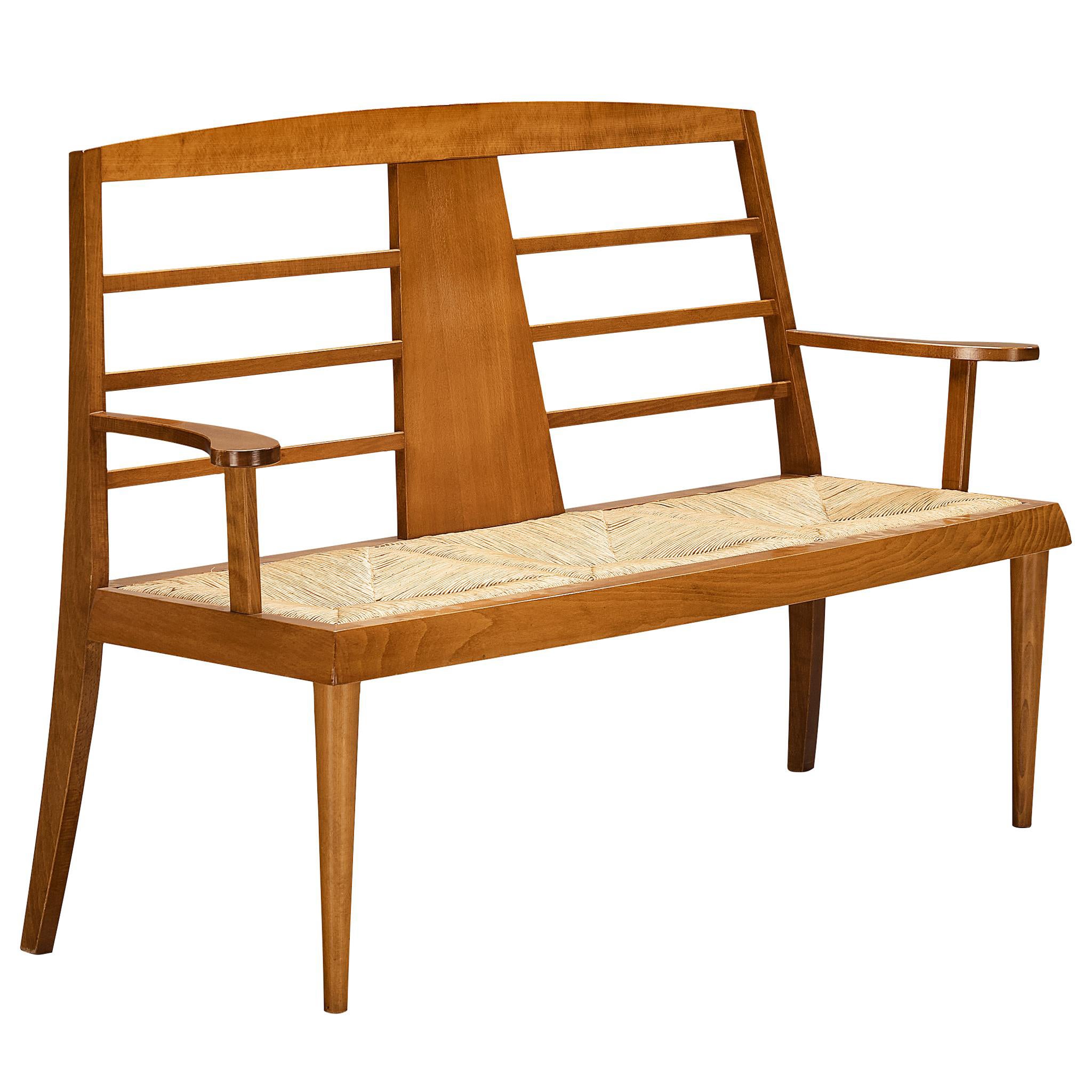
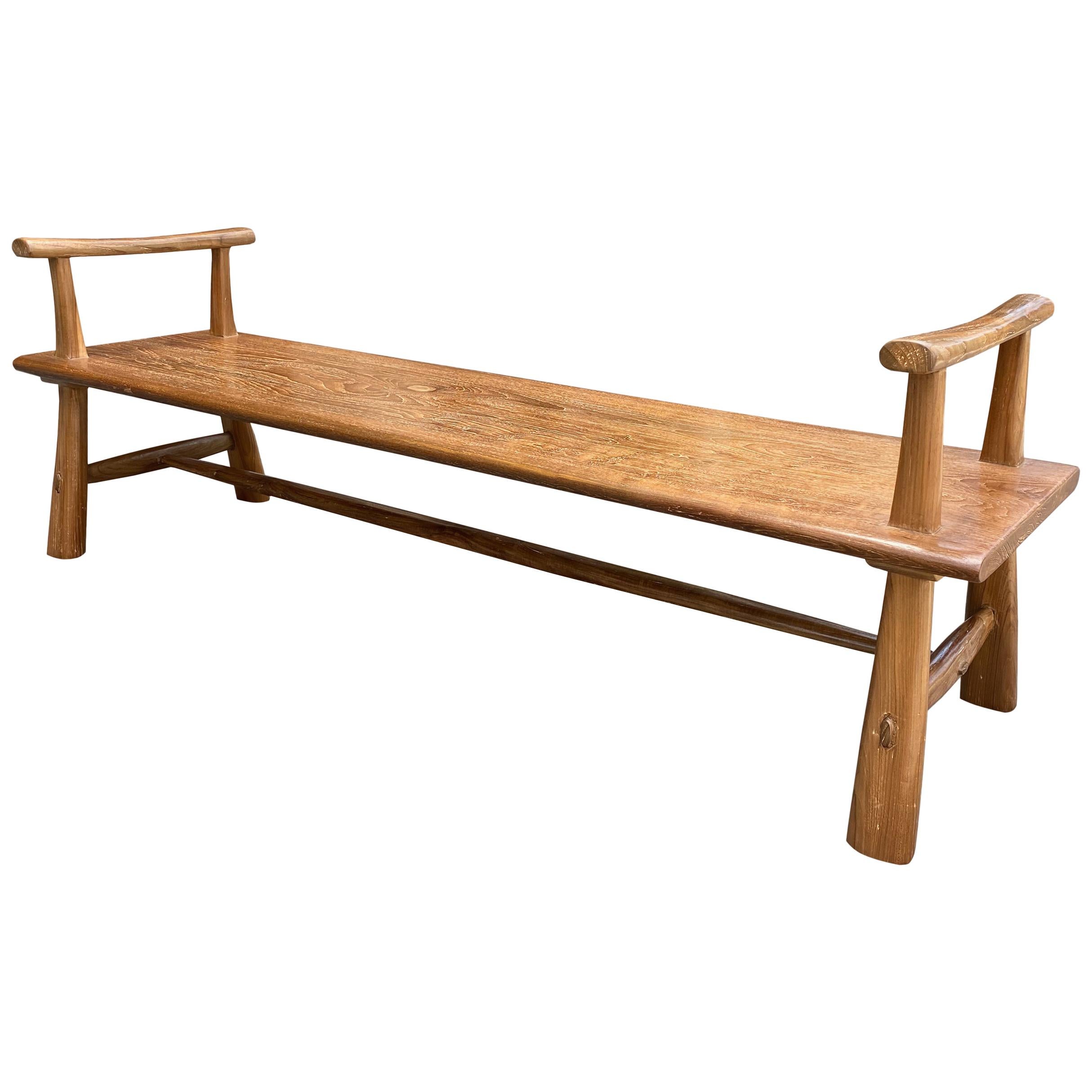
Tout afficherVintage, années 1950, Français, Mid-Century Modern, Bancs
Jonc, Hêtre
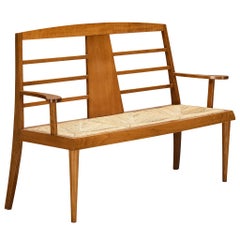
Vintage, années 1950, Européen, Mid-Century Modern, Bancs
Imitation cuir, Noyer
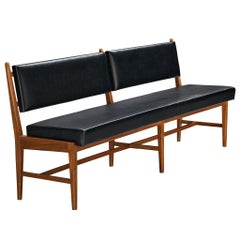
Vintage, années 1980, italien, Mid-Century Modern, Bancs
Chêne
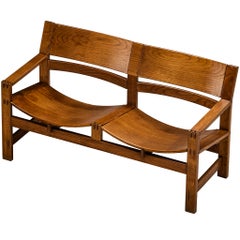
Vintage, années 1960, Français, Mid-Century Modern, Bancs
Tissu, Orme
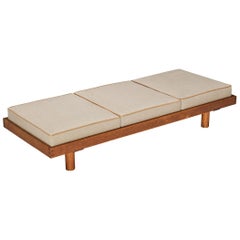
Vintage, années 1950, Espagnol, Mid-Century Modern, Bancs
Métal
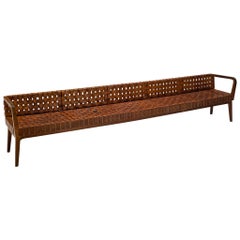
Vintage, années 1960, italien, Mid-Century Modern, Bancs
Métal
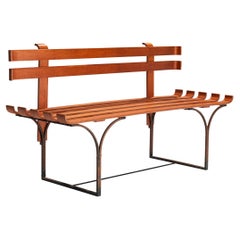
Suggestions
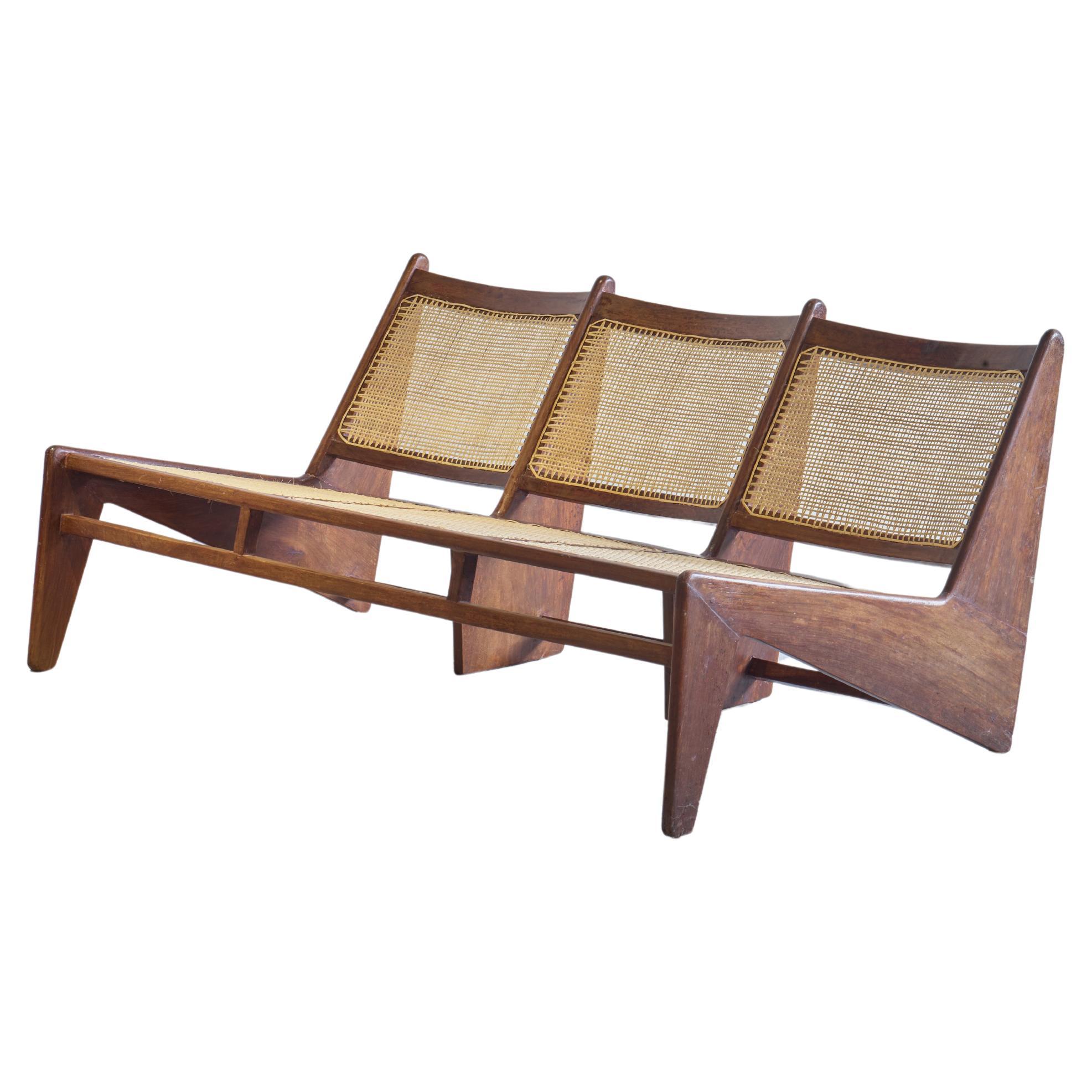
Vintage, années 1960, Indien, Mid-Century Modern, Bancs
Canne, Bois
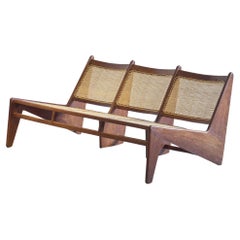
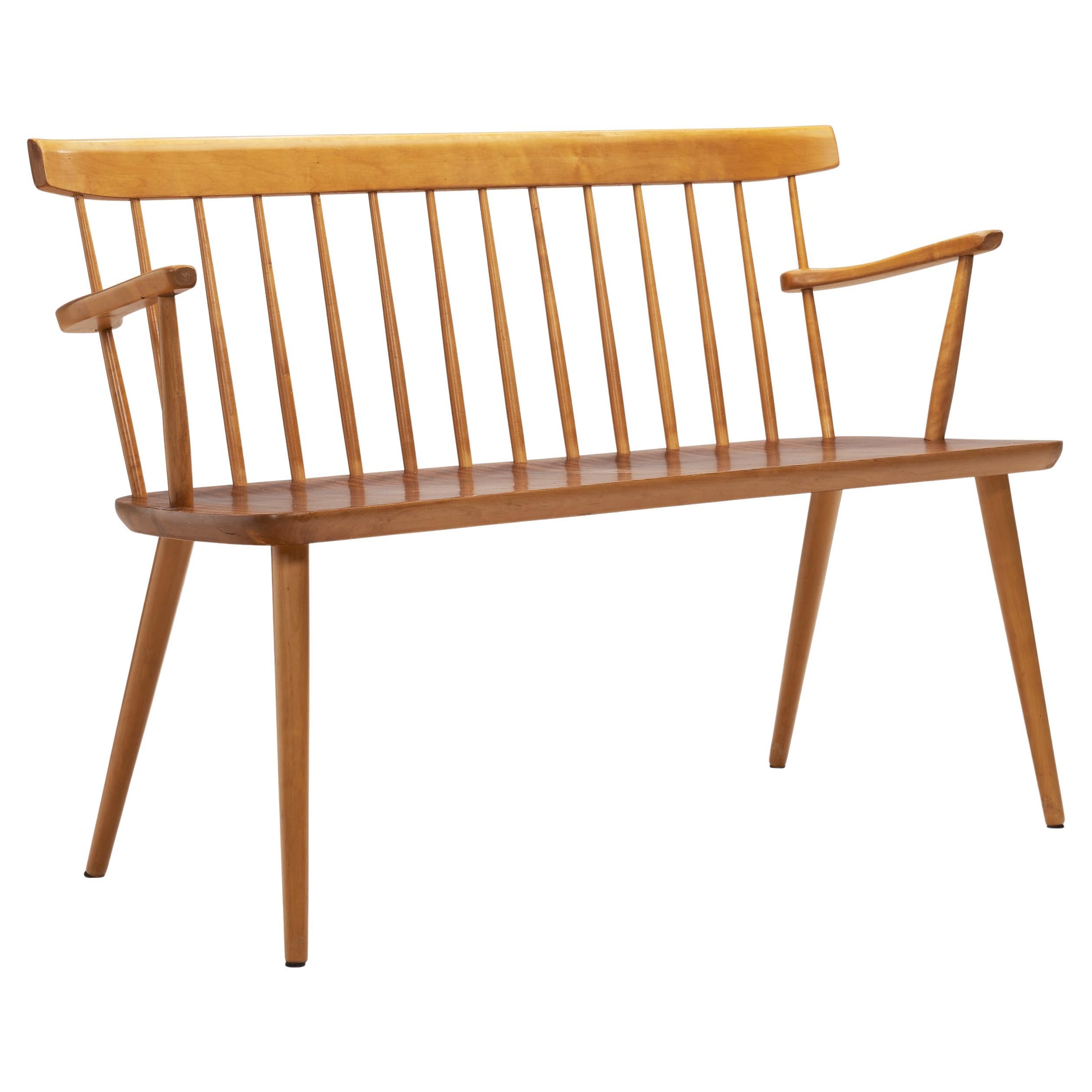
Milieu du XXe siècle, Européen, Mid-Century Modern, Bancs
Hêtre, Teck
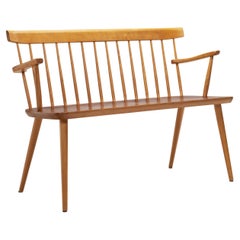
Milieu du XXe siècle, Mid-Century Modern, Bancs
Canne
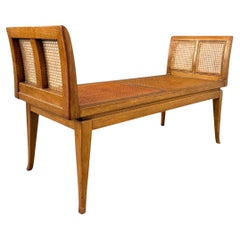
années 2010, Mid-Century Modern, Bancs
Bois, Teck, Bois de récupération
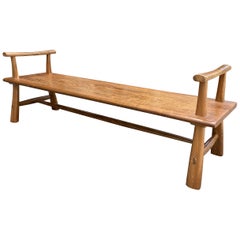
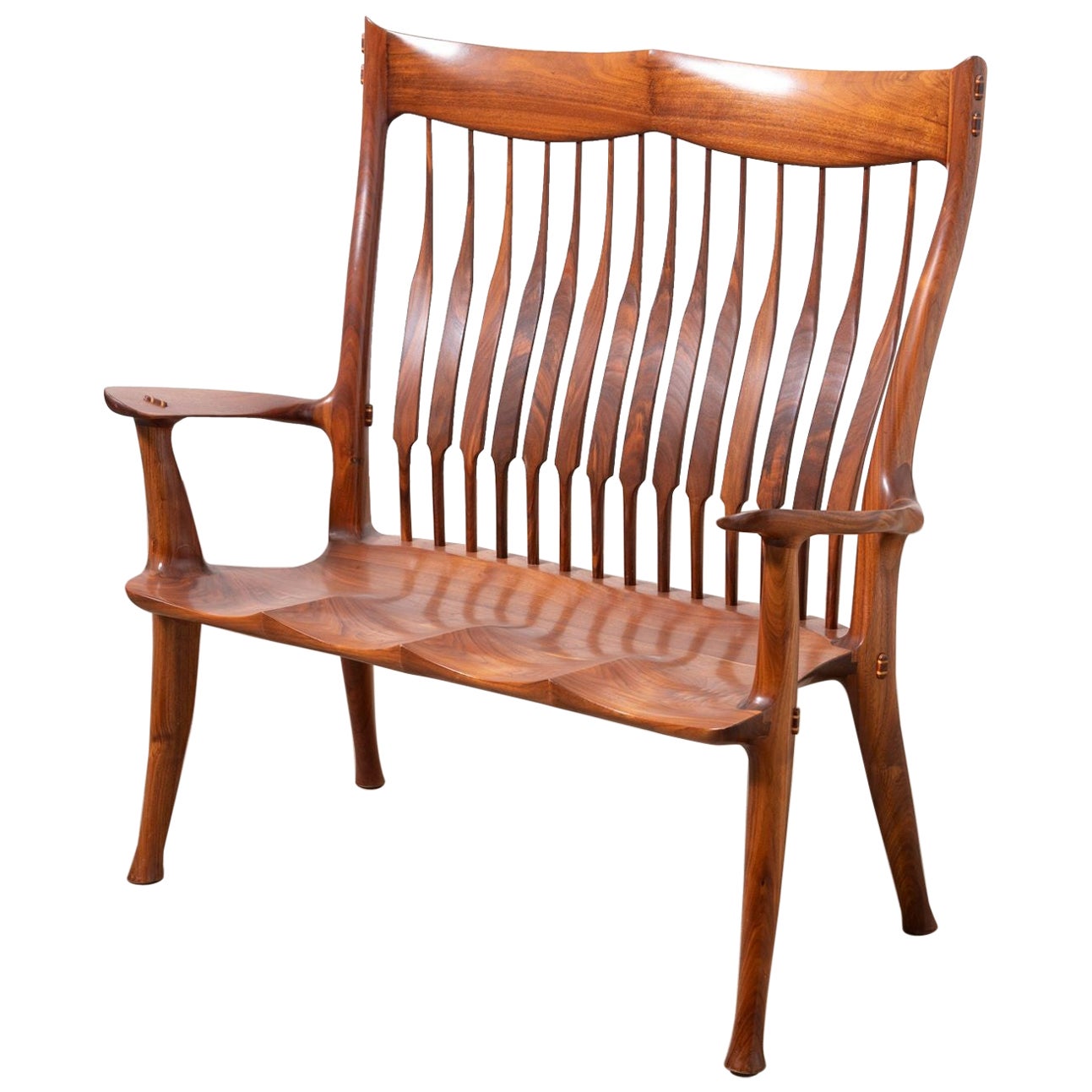
Milieu du XXe siècle, Américain, Mid-Century Modern, Bancs
Noyer
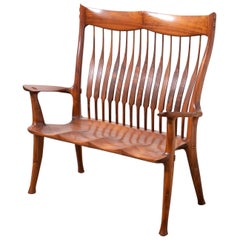
Milieu du XXe siècle, Danois, Scandinave moderne, Bancs
Teck