1 of 2
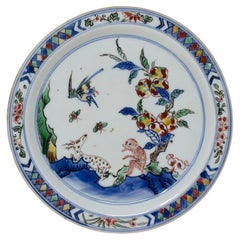
16th Century Ming Dynasty Jiajing Period Wucai Porcelain Dish
$38,398.64List Price
About the Item
- Dimensions:Height: 1.78 in (4.5 cm)Width: 7.37 in (18.7 cm)Depth: 7.37 in (18.7 cm)
- Style:Ming (Of the Period)
- Materials and Techniques:
- Place of Origin:
- Period:
- Date of Manufacture:16th Century
- Condition:Wear consistent with age and use. Minor fading.
- Seller Location:Paris, FR
- Reference Number:1stDibs: LU262937307393
Authenticity Guarantee
In the unlikely event there’s an issue with an item’s authenticity, contact us within 1 year for a full refund. DetailsMoney-Back Guarantee
If your item is not as described, is damaged in transit, or does not arrive, contact us within 7 days for a full refund. Details24-Hour Cancellation
You have a 24-hour grace period in which to reconsider your purchase, with no questions asked.Vetted Professional Sellers
Our world-class sellers must adhere to strict standards for service and quality, maintaining the integrity of our listings.Price-Match Guarantee
If you find that a seller listed the same item for a lower price elsewhere, we’ll match it.Trusted Global Delivery
Our best-in-class carrier network provides specialized shipping options worldwide, including custom delivery.You May Also Like
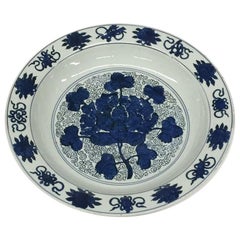
Chinese Blue and White "Grape Dish", Ming Dynasty, 16th Century, Jiajing Period
Located in Delft, NL
Large Chinese Blue and White "Grape Dish",
Ming Dynasty, Jiajing Period, 16th Century
Large blue and white "Grape Dish".
Ming dynasty (1368-1644),
Jiaj...
Category
Antique 16th Century Chinese Ming Ceramics
Materials
Porcelain
$14,399
H 3 in Dm 17.33 in
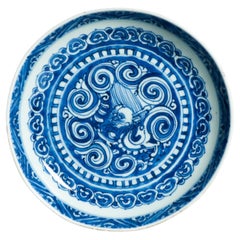
Antique 16C Ming Jiajing Mark
Period Dish Chinese Porcelain Flower Fenghuan
Located in Amsterdam, Noord Holland
Hi all, this lovely piece just came in.
Visible is a nice deep dish from the Jiajing period, probably at the end of it, mid 16th century. It has a strong cobalt blue color with Foo ...
Category
Antique 17th Century Chinese Ming Ceramics
Materials
Porcelain
$11,805
H 1.46 in Dm 7.49 in
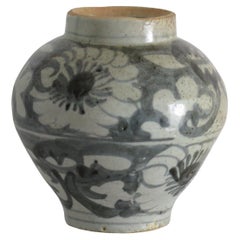
Chinese Porcelain Ming Provincial Jar or Vase Blue
White, Jiajing 16th Century
Located in Lincoln, Lincolnshire
This is a Chinese handcrafted porcelain provincial jar or vase, all hand painted in cobalt blue and dating to the Ming period of the early 16th century or possibly earlier.
The jar ...
Category
Antique 16th Century Chinese Ming Ceramics
Materials
Ceramic, Porcelain
$1,204
H 7.4 in Dm 7.5 in
Chinese Ming Dynasty Ko-Sometsuke Wucai Porcelain Plate
Located in Newark, England
CHONGZHENG 1628-1644
From our Chinese collection, we are delighted to offer this rare example Chinese Ko-Sometsuke Wucai Porcelain Plate. The plate potted in porcelain ceramic of ci...
Category
Antique Early 17th Century Chinese Ming Ceramics
Materials
Ceramic, Porcelain
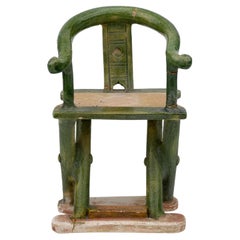
16th Century Pottery Model of a Folding Chair, Ming dynasty
Located in seoul, KR
This piece is an example of Mingqi, items specifically crafted for burial to accompany the deceased into the afterlife. The terracotta army is the most renowned example of such buria...
Category
Antique 16th Century Hong Kong Ming Antiquities
Materials
Pottery
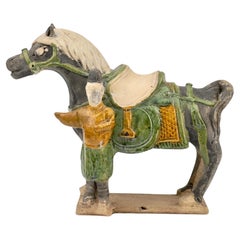
Ming Dynasty Green-Glazed Horse and Rider (15-16th Century)
Located in seoul, KR
Statues of Chinese horse and rider, featuring glazes in green, amber, are set on rectangular bases.
Period: Ming Dynasty
Medium: Green-glaze...
Category
Antique 15th Century and Earlier Hong Kong Ming Antiquities
Materials
Pottery
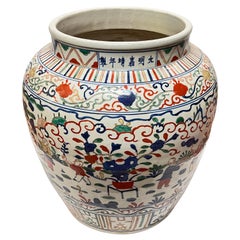
Large Chinese Wucai Porcelain Jardiniere in Jingjia Ming Dynasty Style
Located in New York, NY
Very large Wucai porcelain jardiniere with scenes of courtiers and children at play in a garden. Signed with the mark of the Jiajing emperor of the Ming dynasty.
Category
20th Century Chinese Ming Ceramics
Materials
Porcelain
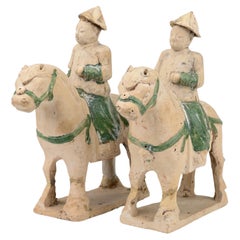
Ming Dynasty Two Green Glazed Horses and Riders (15-16th Century)
Located in seoul, KR
Statues of Chinese horse riders, featuring glazes in green, are set on rectangular bases.
Period: Ming Dynasty
Medium: Green-glazed Pottery
Typ...
Category
Antique 15th Century and Earlier Hong Kong Ming Antiquities
Materials
Pottery
Ming Period Large Pottery Horse with Saddle (15-16th Century)
Located in seoul, KR
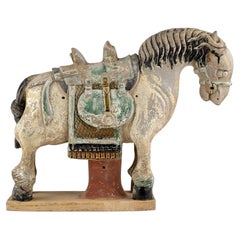
This Ming Dynasty painted pottery horse is depicted standing on a tiered rectangular pedestal. The horse has a well-proportioned body, with sturdy legs and a slightly arched neck. The eyes and muzzle are subtly outlined and incised.
The mane is sculpted with deep, parallel grooves. The tail is long and slightly curved left, extending downward. The saddle is prominently featured at the center of the horse’s back, detailed with a raised, rounded seat and an attached stirrup hanging down one side. The saddlecloth is textured with a crosshatch pattern, bordered by a row of carved fringe-like elements. The horse's legs display subtle musculature, and the hooves are clearly defined, with black pigment accentuating their edges.
The original painted pigments, including white, black, and ochre, are still visible, though faded in some areas. The black pigment highlights the mane, tail, and parts of the bridle, while the ochre tones accentuate the saddle and decorative elements.
Period: Ming Dynasty
Medium: Green, black, and ochre glazed Pottery
Type: Figure
Provenance : Acquired in late 1990s from Hongkong
Reference : Asian Civilisations Museum - Accession No. C-1384 / 1994-00441 - Ming Dynasty Figure of Horse
(Type : Closely Related)
* Ming Dynasty Glazed Pottery Figures
Ming Dynasty glazed pottery figures are renowned for their bold color palette, intricate detailing, and lifelike forms, distinguishing them from earlier traditions. These figures, which depict officials, warriors, animals, and mythical creatures, are characterized by high-gloss lead-based glazes in green, amber, ochre, and sancai (three-color) combinations. The thickly applied glaze pools in recesses, creating depth and enhancing sculptural details. With dynamic postures, expressive facial features, and meticulously rendered drapery, these figures reflect the period’s advancement in ceramic craftsmanship, offering a greater sense of movement and realism compared to the rigid and stylized forms of earlier dynasties.
A defining characteristic of Ming glazed pottery is its elaborate surface detailing, often achieved through raised relief elements and contrasting glazes. Equestrian figures, for example, feature carefully sculpted saddles, harnesses, and decorative embellishments, while human figures are adorned with intricate robes and headdresses. The large scale of these tomb figures, often more imposing than those from previous periods, underscores the increasing importance of funerary art during the Ming era. Unlike later Qing Dynasty figures...
Category
Antique 15th Century and Earlier Hong Kong Ming Antiquities
Materials
Pottery
Ming Period Large Pottery Horse with Saddle (15-16th Century)
Located in seoul, KR
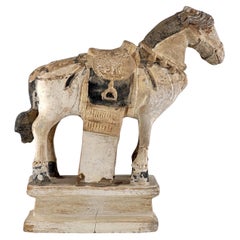
The figure stands on a rectangular base. The horse is depicted in a poised stance, with strong, muscular legs and a slightly bowed head. The mane is carefully sculpted with deep, flowing grooves, adding a dynamic texture to the piece. The head features expressive details, including a well-defined muzzle, flared nostrils. The bridle and harness are delicately painted in faded green, contrasting against the creamy beige body. The saddle is adorned with intricate details, including decorative tassels and a textured pattern, indicative of the elaborate tack used in the Ming period.
Traces of original polychrome pigments in green, black, and ochre remain on the surface, hinting at the sculpture’s once-vibrant appearance. The weathered patina and areas of flaking paint add to its historical authenticity, reflecting centuries of age. The overall craftsmanship and detailing exemplify the Ming Dynasty’s refined ceramic artistry, making this piece a remarkable representation of of asian culture during this period.
Period: Ming Dynasty
Medium: Green, black, and ochre glazed Pottery
Type: Figure
Condition : Good(chips on the upper saddle.)
Provenance : Acquired in late 1990s from Hongkong
Reference : Asian Civilisations Museum - Accession No. C-1384 / 1994-00441 - Ming Dynasty Figure of Horse
(Type : Closely Related)
* Ming Dynasty Glazed Pottery Figures
Ming Dynasty glazed pottery figures are renowned for their bold color palette, intricate detailing, and lifelike forms, distinguishing them from earlier traditions. These figures, which depict officials, warriors, animals, and mythical creatures, are characterized by high-gloss lead-based glazes in green, amber, ochre, and sancai (three-color) combinations. The thickly applied glaze pools in recesses, creating depth and enhancing sculptural details. With dynamic postures, expressive facial features, and meticulously rendered drapery, these figures reflect the period’s advancement in ceramic craftsmanship, offering a greater sense of movement and realism compared to the rigid and stylized forms of earlier dynasties.
A defining characteristic of Ming glazed pottery is its elaborate surface detailing, often achieved through raised relief elements and contrasting glazes. Equestrian figures, for example, feature carefully sculpted saddles, harnesses, and decorative embellishments, while human figures are adorned with intricate robes and headdresses. The large scale of these tomb figures, often more imposing than those from previous periods, underscores the increasing importance of funerary art during the Ming era. Unlike later Qing Dynasty figures...
Category
Antique 15th Century and Earlier Hong Kong Ming Antiquities
Materials
Pottery
Still Thinking About These?
All Recently ViewedMore Ways To Browse
Winged Dragon
Ming Dynasty Porcelain
16th Century Chinese Porcelain
Wucai Porcelain
Ming Dynasty Dish
Chinese Enamel Dish
Chinese Porcelain Jiajing
Ming Jiajing
Han Dynasty Cocoon Jars
Han Dynasty Cocoon
Han Dynasty Court Lady
Han Dynasty Pottery Heads
Hongshan Sculpture
Life Size Soldier Statue
Ming Dynasty Scroll
Ming Horse And Rider
Schist Buddha
Tibetan Prayer Wheel