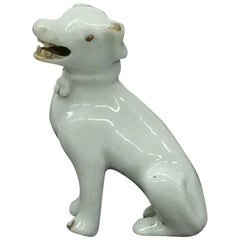
Items Similar to Amber-Glazed Pottery Figure of Dog
Want more images or videos?
Request additional images or videos from the seller
1 of 11
Amber-Glazed Pottery Figure of Dog
$2,990
£2,283.11
€2,599.40
CA$4,198.43
A$4,589.71
CHF 2,428.16
MX$54,923.24
NOK 30,894.88
SEK 28,281.13
DKK 19,415.91
About the Item
A Dog sitting on his haunches, covered in an amber glaze. Naturalistically modeled, the figure follows the artistic style of the period. It remains uncertain whether the glaze has worn off or was originally applied only partially. A similar piece housed at the New Luoyang City Museum in Henan was found unglazed, while an identical form at the Chrysler Museum of Art Gallery retains its glaze intact.
Date : Tang-Liao Dynasty(7-12TH CENTURY)
Type : chestnut-glazed pottery figure
Size : 13cm (Height), 6cm(Diameter)
Condition : Good(Minor cracks on both ears)
Provenance : Acquired in late 1990s from Hongkong
Reference :
1) Chrysler Museum of Art, Virginia, USA - Object number36.8.115 - Small Tomb Sculpture in the Form of a Seated Dog
(Type : Closely related)
2) New Luoyang City Museum, Henan, China - Tang Glazed Pottery Dog
(Type : Closely related)
* Tang Dynasty San-cai
Tang Sancai glazed pottery refers to a type of Chinese ceramic that became famous during the Tang Dynasty (618-907 AD). "Sancai" translates to "three colors," which typically are brown, green, and cream or white. Occasionally, blue was also used. These colors were achieved through the use of metallic oxides in the glaze, which, when fired at high temperatures, produced vivid colors that have retained their brilliance over centuries.
The art of Sancai pottery is characterized by its decorative and functional purposes. It includes items such as figurines, vessels, and architectural elements. Tang Sancai ceramics were often used as burial items, intended to accompany the deceased in the afterlife. The pieces frequently featured images of people, animals, and mythical creatures, reflecting the Tang Dynasty's cosmopolitan culture and the religious and mythological beliefs of the time.
The distinct look of Sancai comes from the way the glazes melt and run together, creating a flowing effect that makes each piece unique. This pottery is a valuable part of China's cultural heritage and provides insight into the sophisticated ceramic technology of the Tang Dynasty.
About the Seller
4.8
Platinum Seller
Premium sellers with a 4.7+ rating and 24-hour response times
Established in 1999
1stDibs seller since 2023
46 sales on 1stDibs
Typical response time: <1 hour
- ShippingRetrieving quote...Shipping from: seoul, Korea South
- Return Policy
More From This Seller
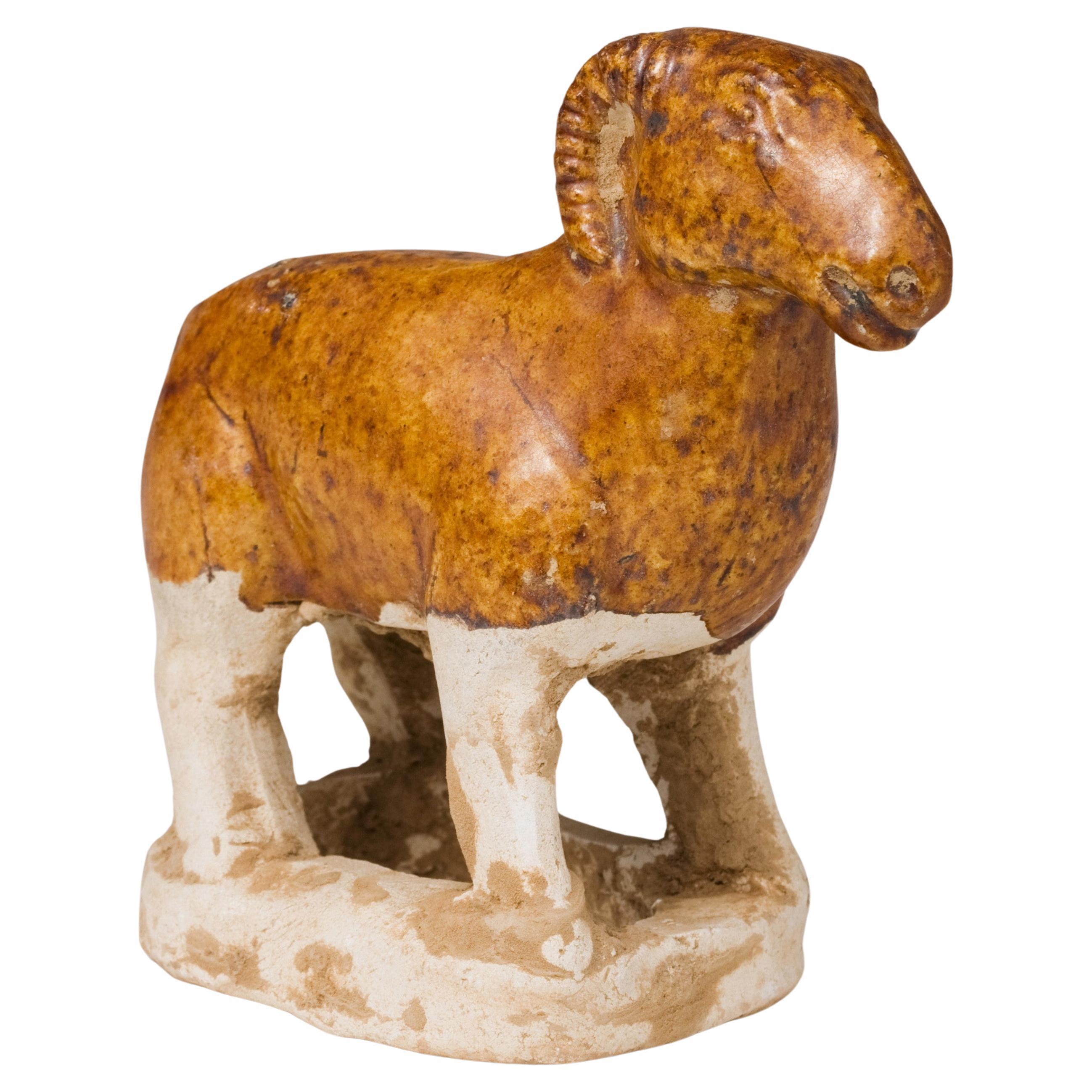
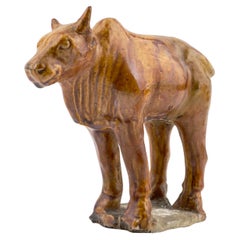
View AllAmber-Glazed Pottery Figure of Sheep
Located in seoul, KR
Naturalistically modelled, standing on a rectangular base with head facing forward, incised details and covered overall in a rich chestnut glaze save for the hooves and base.
Date :...
Category
Antique 15th Century and Earlier Hong Kong Tang Antiquities
Materials
Pottery
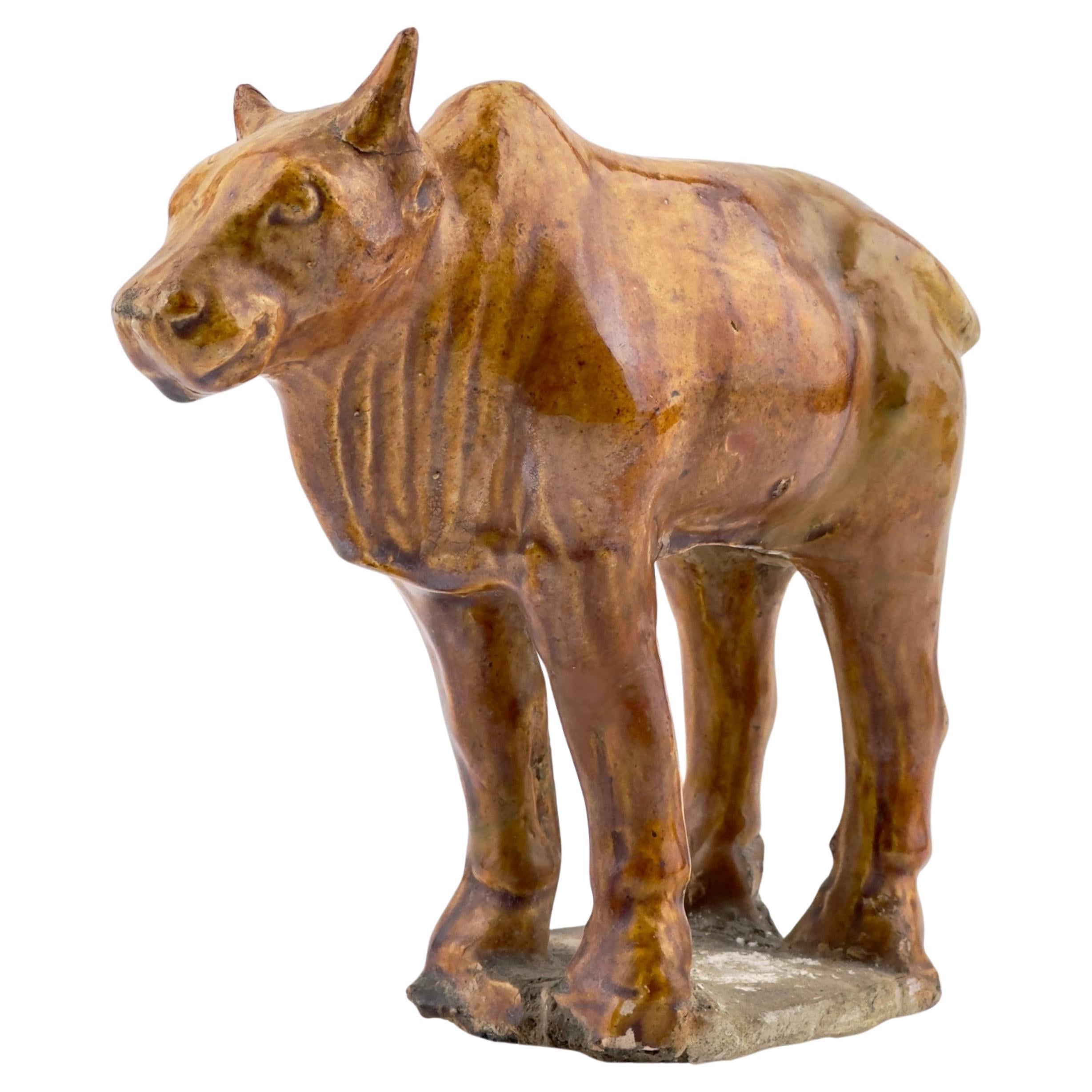
Amber-Glazed Pottery Figure Of Sacred Bull
Located in seoul, KR
Naturalistically modelled, standing on a rectangular base with head facing forward and short tail curled to one side, incised details and covered overall in a rich chestnut glaze sav...
Category
Antique 15th Century and Earlier Hong Kong Tang Antiquities
Materials
Pottery
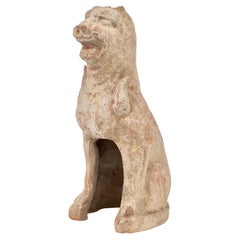
Guardian Haitai Lion Pottery Figure
Located in seoul, KR
This figure represent a guardian haitai. The style of the figurine, with its facial features and remnants of paint, suggests it could be a part of funerary art, which was common in Chinese culture during these periods.
Date : Northern Wei...
Category
Antique 15th Century and Earlier Hong Kong Tang Antiquities
Materials
Pottery, Stoneware
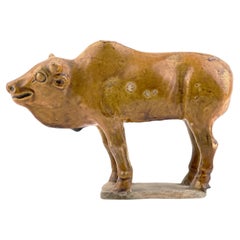
Amber-Glazed Pottery Figure of Sacred Bull
Located in seoul, KR
Naturalistically modelled, standing on a rectangular base with head facing forward and short tail curled to one side, incised details and covered overall in a rich chestnut glaze sav...
Category
Antique 15th Century and Earlier Hong Kong Tang Antiquities
Materials
Pottery
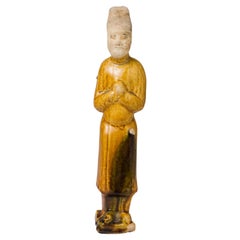
Amber-Glazed Pottery Figure Of An Official
Located in seoul, KR
The figure stands with arms crossed in front, a pose that is often seen in tomb figurines which were intended to serve the deceased in the afterlife. The long robe and facial feature...
Category
Antique 15th Century and Earlier Hong Kong Tang Figurative Sculptures
Materials
Earthenware
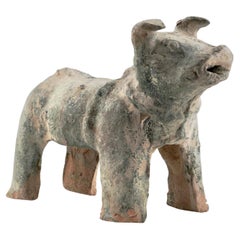
Green Glazed Red Pottery Figure of Dog
Located in seoul, KR
The dog faces forward, with clearly defined eyes that stand out. Its ears are slightly curled, giving the impression of a relaxed, natural stance. The collar around its neck, connect...
Category
Antique 15th Century and Earlier Hong Kong Han Antiquities
Materials
Pottery
You May Also Like
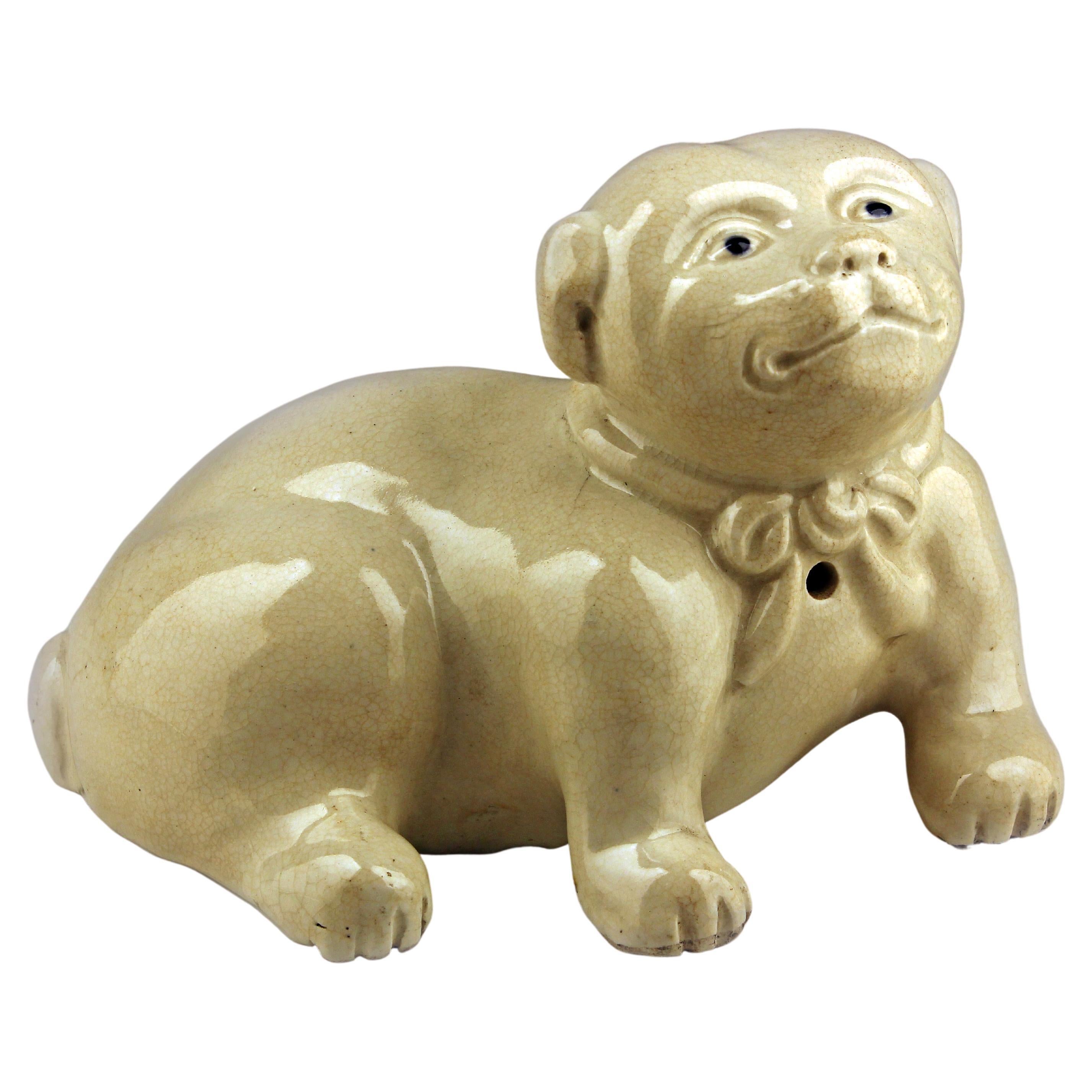
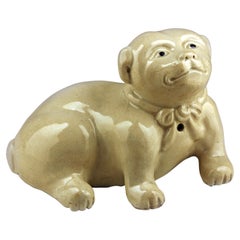
Late 18th Century/Edo-Meiji Period Japanese Glazed Porcelain Sculpture of a Dog
Located in North Miami, FL
Late 18th century/Edo-Meiji period japanese glazed porcelain sculpture of a dog
By: unknown
Material: porcelain
Technique: molded, pressed, glazed
Dimensions: 5.5 in x 7.5 in x 5
Da...
Category
Antique Late 18th Century Japanese Edo Sculptures and Carvings
Materials
Porcelain
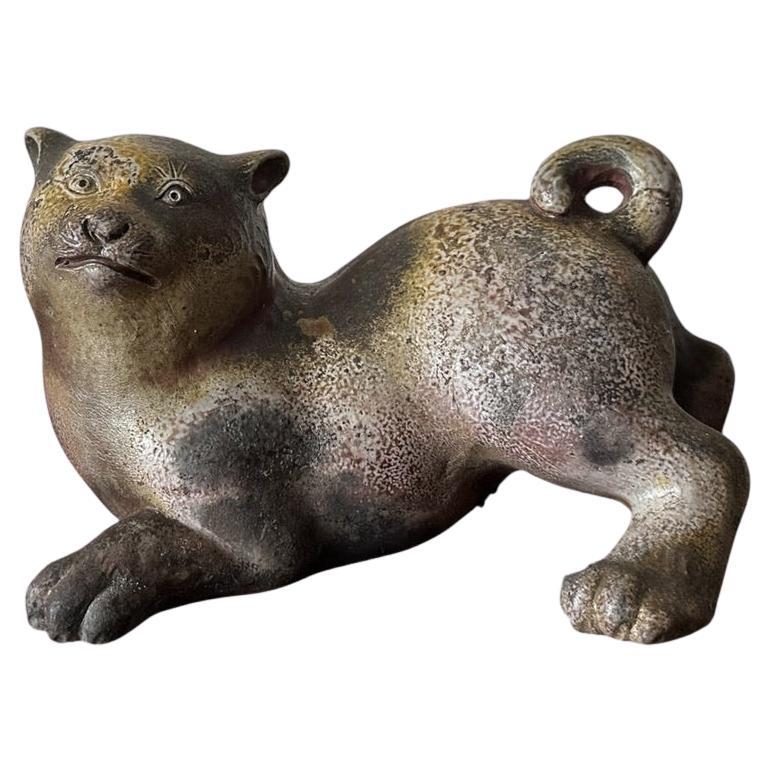
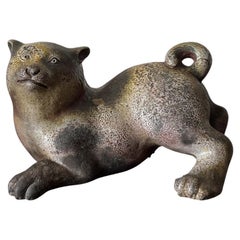
Early 20th Century Bizen Ware Ceramic Dog Sculpture
Located in Fukuoka, JP
A charming and characterful ceramic dog sculpture crafted in the renowned Bizen ware tradition of Japan. Dating from the early 20th century, this expressive piece captures a crouchin...
Category
Early 20th Century Japanese Taisho Animal Sculptures
Materials
Ceramic
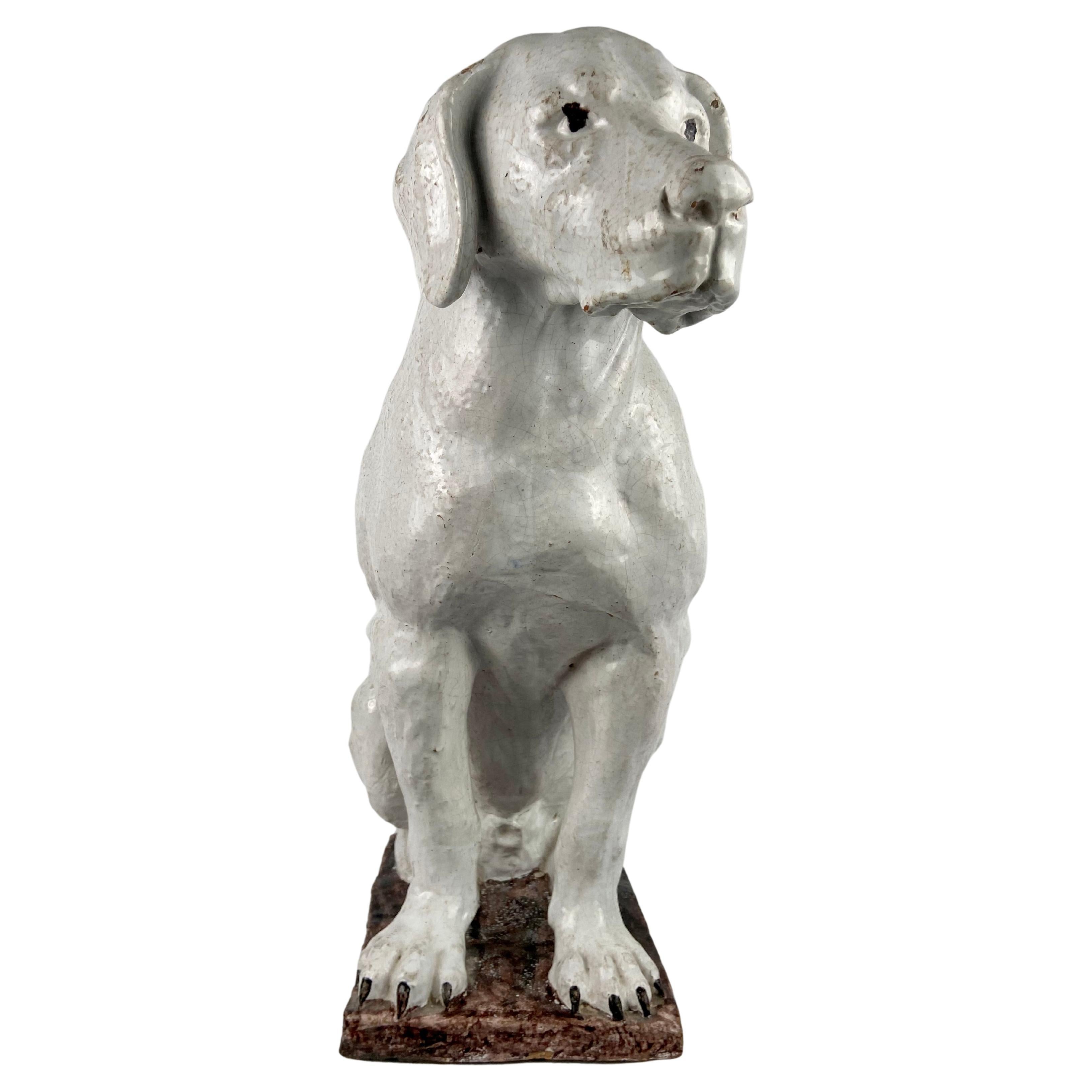
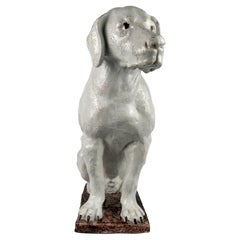
Dog in terracotta
Located in
S-HERTOGENBOSCH, NL
Dog in glazed terracotta, 19th century (or before).
Labrador, presumably English.
Category
Antique 1880s English Other Animal Sculptures
Materials
Terracotta
$3,051
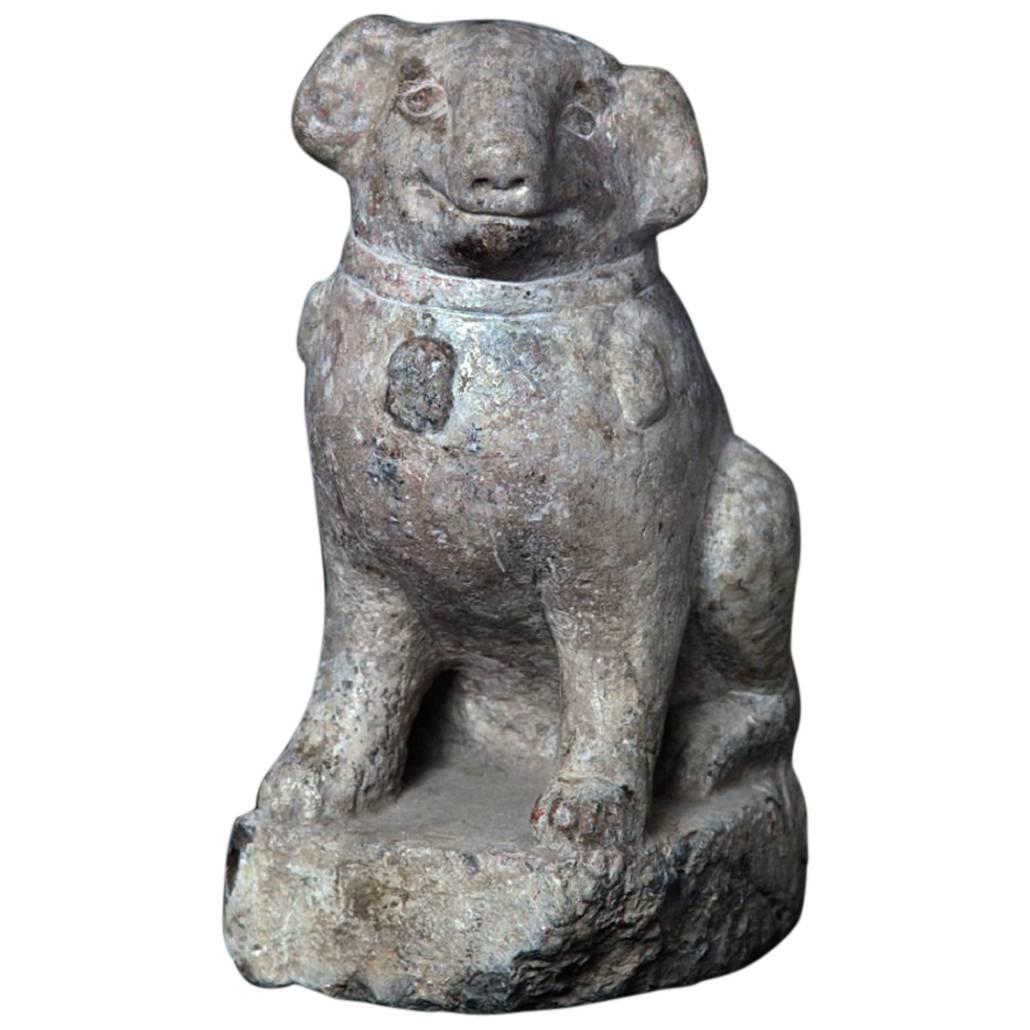
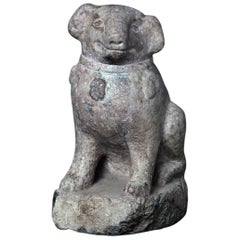
Important Ancient Chinese Effigy Pug Dog, Ming Dynasty 1368-1644
Located in South Burlington, VT
China, a carving of a canine “Pug”, Ming Dynasty, 1368-1644 CE
Dimensions: 38 cm, 15” High
Photographs taken indoors and out of doors for your viewing pleasure.
The hand carved limestone beast shown on its haunches with naturalistic joyful expression and a well defined compact head, ears, noes, eyes, feet, and tail parted to one side on reverse with distinctive collar ornament seated four square on a thick base all-over showing a weathered surface from significant age.
Formerly exhibited “Asia Week” New York City, Fuller Building, Hutton Gallery 2006.
Provenance: ex collection luoyang, Henan Province, China.
Includes custom display base as shown
Catalog reference: 35 years collecting 35 treasures, Number 35, p.76 (photo)
In ancient China, it is a well-known fact that several types of small dogs were bred and were favored pet gifts between emperors and kings including Lion Dogs, Pekingese and Lo-sze breeds. Some Lo-sze are pictured wearing collars with bells a frequent combination fancied by European royalty of the seventeenth and eighteenth centuries. Lo-sze or pugs were prized for their compact body, good bones, flat face, square jaw, short coat, curled tail, side set back ears, and temperate disposition.
History:
Placing stone animals in important tombs can be traced back at least to the Qin Dynasty (221-206 BCE), some two thousand years ago. In ancient times, stone animals and human figures placed before imperial tombs symbolized royal power and privilege in addition to decorative functions.
The first Ming tomb...
Category
Antique 15th Century and Earlier Chinese Ming Sculptures and Carvings
Materials
Limestone
$6,650 Sale Price
21% Off
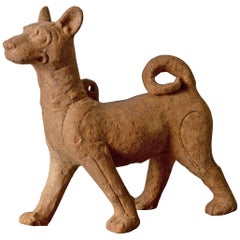
Sculpture Dog Sichuan Pottery Han Dynasty Period China
Located in New York, NY
Sculpture Sichuan pottery walking Han dynasty period, China. A Han sculpture in the shape of a dog. Of the large number of figurines unearthed in burial sites in the city, pottery dogs are among the most unique. These marvelous animated tomb figurines...
Category
Antique 15th Century and Earlier Chinese Han Animal Sculptures
Materials
Pottery
Chinese porcelain sitting dog, Dehua, Qing Dynasty, Kangxi Era
Located in Delft, NL
Chinese porcelain sitting dog, Dehua, Qing Dynasty, Kangxi Era
Small Chinese porcelain dog, China, 18th century
Dehua, Qing dynasty (1644-1911...
Category
Antique Early 18th Century Chinese Antiquities
Materials
Porcelain