Items Similar to Changsha ewer, Tang Dynasty(618-907)
Want more images or videos?
Request additional images or videos from the seller
1 of 14
Changsha ewer, Tang Dynasty(618-907)
$5,990
£4,573.85
€5,207.49
CA$8,410.90
A$9,194.77
CHF 4,864.45
MX$110,030.16
NOK 61,893.08
SEK 56,656.85
DKK 38,896.75
About the Item
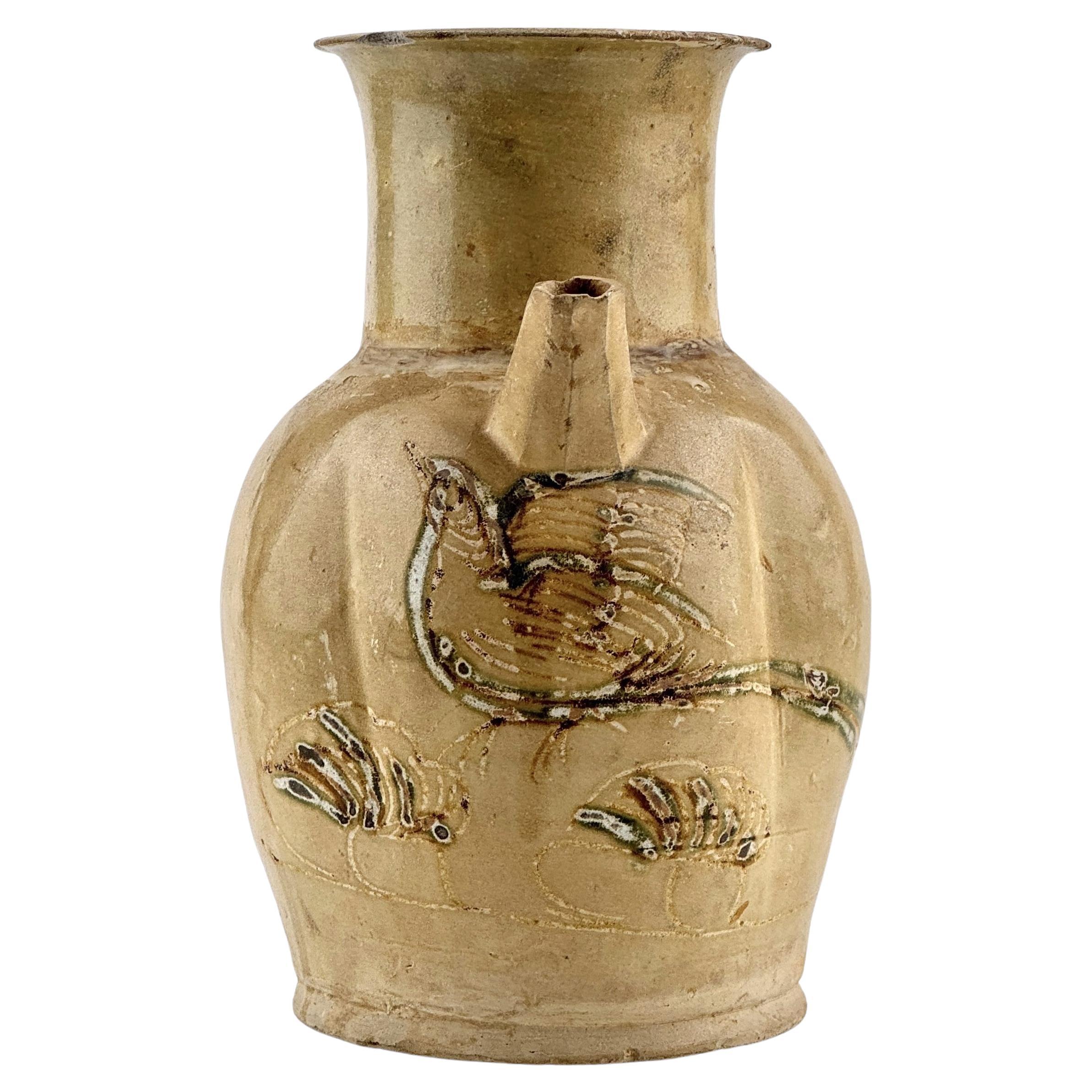
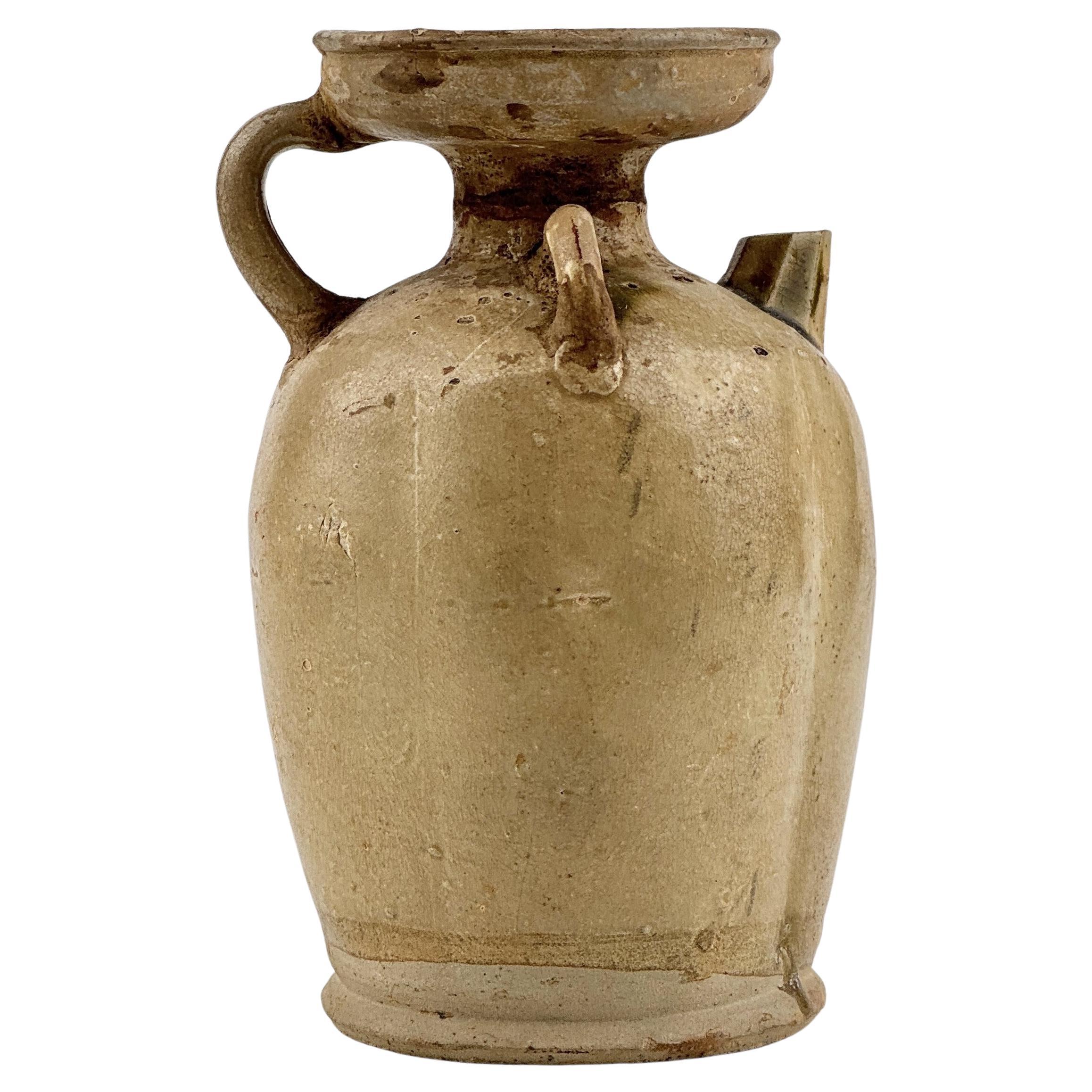
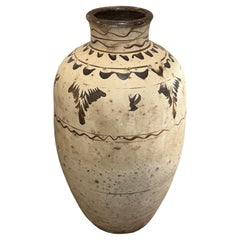
Changsha Ware has distinct and recognizable designs and motifs. Painted designs often depict flowers, vines, clouds and mountain landscapes. Some painting is simply splotches of color that accentuate stamped and molded clay ornaments. You can see the expressions of people of the time through abstract depictions of Changsha ware
Date : 9th Century
Type : Changsha Ware
Made in : Hunan province
Provenance : Acquired in late 1990s from Hongkong
Reference :
1) Sotheby's New York 17 March 2015 - Song Tradition: Early Ceramics From The Yang De Tang Collection - Lot 52
(Price realised : 12,500 USD / Type : Closely related)
* Changsha Ware
Multiple “wares,” or styles, of pottery were developed during the Tang Dynasty. Many of these wares featured sancai glazing, a distinct color palette of lead glazes brushed, dipped, and poured over the vessel. Sancai glazed pottery used three colors derived from minerals: yellow-brown from iron oxide, green from copper oxide, and white from lead. Rarely, ceramicists included cobalt to create a blue glaze, but it was far too expensive for regular use. Changsha Ware is a classic example of a three-color sancai ware. Yet, it is also a style that revitalized ancient Chinese pottery. It was the first time that ceramicists perfected the underglaze painting technique. Artists decorated their clay bowls, jars, and figurines with colorful paintings and delicate calligraphy which were then protected by a transparent coat of lead glaze.
Changsha Ware was produced with distinct and recognizable designs and motifs. Painted designs often depict flowers, vines, and mountain landscapes. Some painting is simply splotches of color that accentuate stamped and molded clay ornaments. Being sold overseas, Changsha Ware integrated foreign cultural elements with traditional Chinese aesthetic principles.
Changsha Ware varies widely in form. To make sense of this variability, objects are typically classified into functional categories such as bowls, pots, ewers (or jugs), plates, boxes, lamps, pillows, candlesticks, censers, water droppers, mortars, paper weights, tea grinders, and figurines. Examples of these forms can be found below.
References : Timothy S.Y. Lam Museum of Anthropology
About the Seller
4.8
Platinum Seller
Premium sellers with a 4.7+ rating and 24-hour response times
Established in 1999
1stDibs seller since 2023
46 sales on 1stDibs
Typical response time: <1 hour
- ShippingRetrieving quote...Shipping from: seoul, Korea South
- Return Policy
More From This Seller
View AllChangsha ewer, Tang Dynasty(618-907)
Located in seoul, KR
Changsha Ware has distinct and recognizable designs and motifs. Painted designs often depict flowers, vines, clouds and mountain landscapes. Some painting is simply splotches of colo...
Category
Antique 15th Century and Earlier Hong Kong Tang Antiquities
Materials
Stoneware
Changsha Ewer, Tang Dynasty
Located in seoul, KR
It features two small lug handles on either side of the neck and a spout opposite the main handle. This ewer might have been used for wine or other liquids, which were poured through...
Category
Antique 15th Century and Earlier Hong Kong Tang Antiquities
Materials
Pottery, Stoneware

Qingbai Melon form water ewer, Five Dynasties-Northern song dynasty
Located in seoul, KR
The oviform body is divided into few lobes, and the shoulder is applied with a pair of small loops molded.
Period : Five Dynasties-Song Dynasty(907~1279)
Type : Ewer
Medium : Zheji...
Category
Antique 15th Century and Earlier Hong Kong Antiquities
Materials
Porcelain
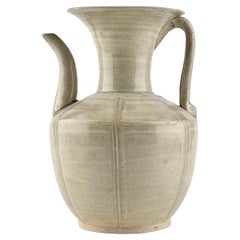
A Zhejiang Porcelain Ewer, Northern Song Dynasty
Located in seoul, KR
The oviform body is divided into few lobes. All covered in a finely crackled pale olive-green glaze. The surface and glaze characteristics are definitive, confirming the authenticity...
Category
Antique 15th Century and Earlier Hong Kong Antiquities
Materials
Porcelain
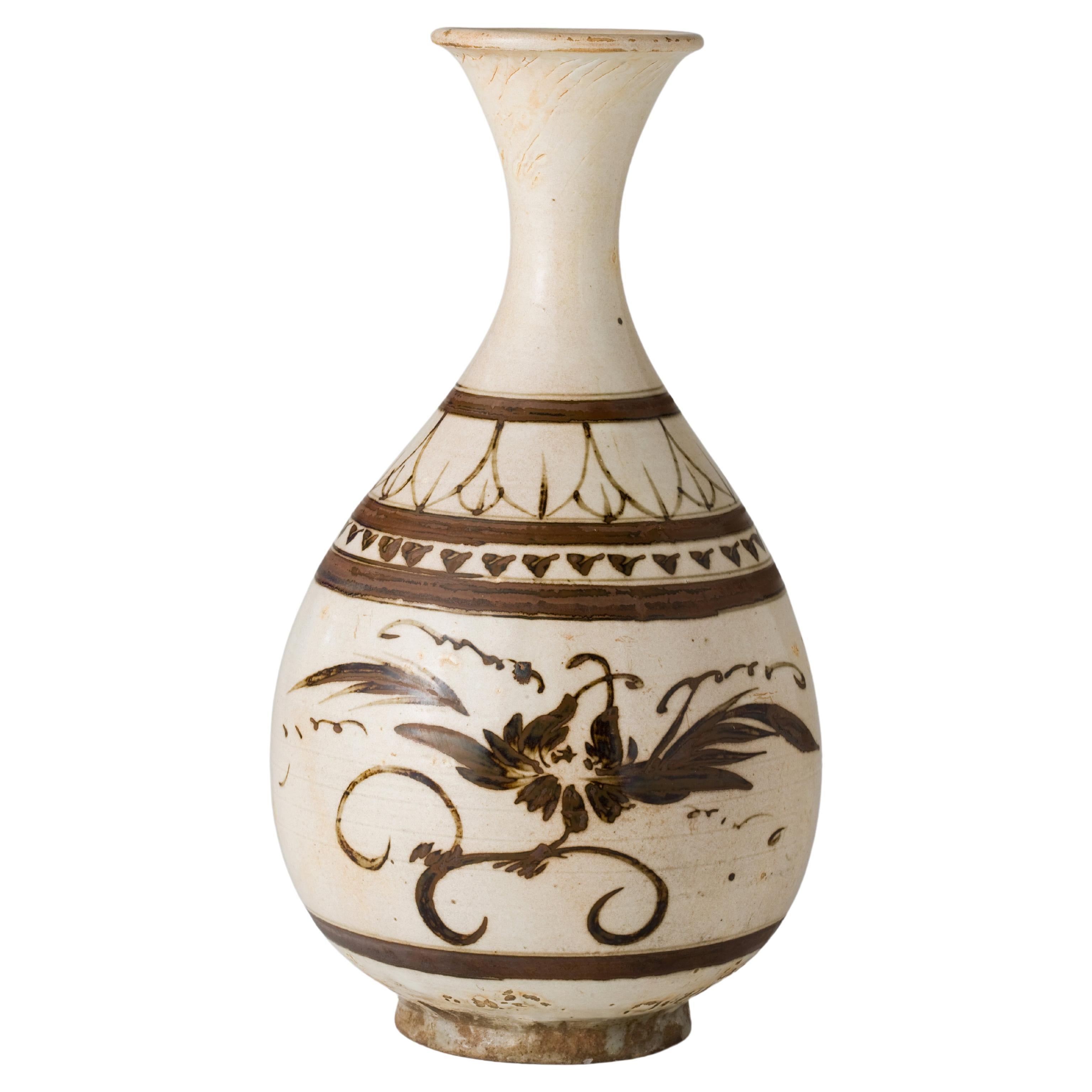
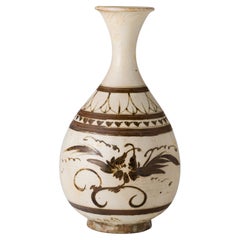
A Cizhou Yuhuchunping, Yuan Dynasty
Located in seoul, KR
This piece has a flared neck and a globular body, typical of the forms seen in Cizhou ware. The body is decorated with freely drawn floral motifs and abstract patterns, which may inc...
Category
Antique 15th Century and Earlier Hong Kong Chinese Export Antiquities
Materials
Stoneware
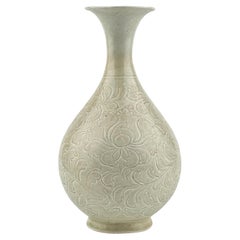
Qingbai Yuhuchunping Vase Porcelain, Song Dynasty
Located in seoul, KR
Covered with a fine bluish glaze, the body entirely decorated with an incised decoration of elegant leafy scrolls and blooming lotuses. "Yuhuchunping" translates to 'spring wine bott...
Category
Antique 15th Century and Earlier Hong Kong Ceramics
Materials
Ceramic, Porcelain
You May Also Like
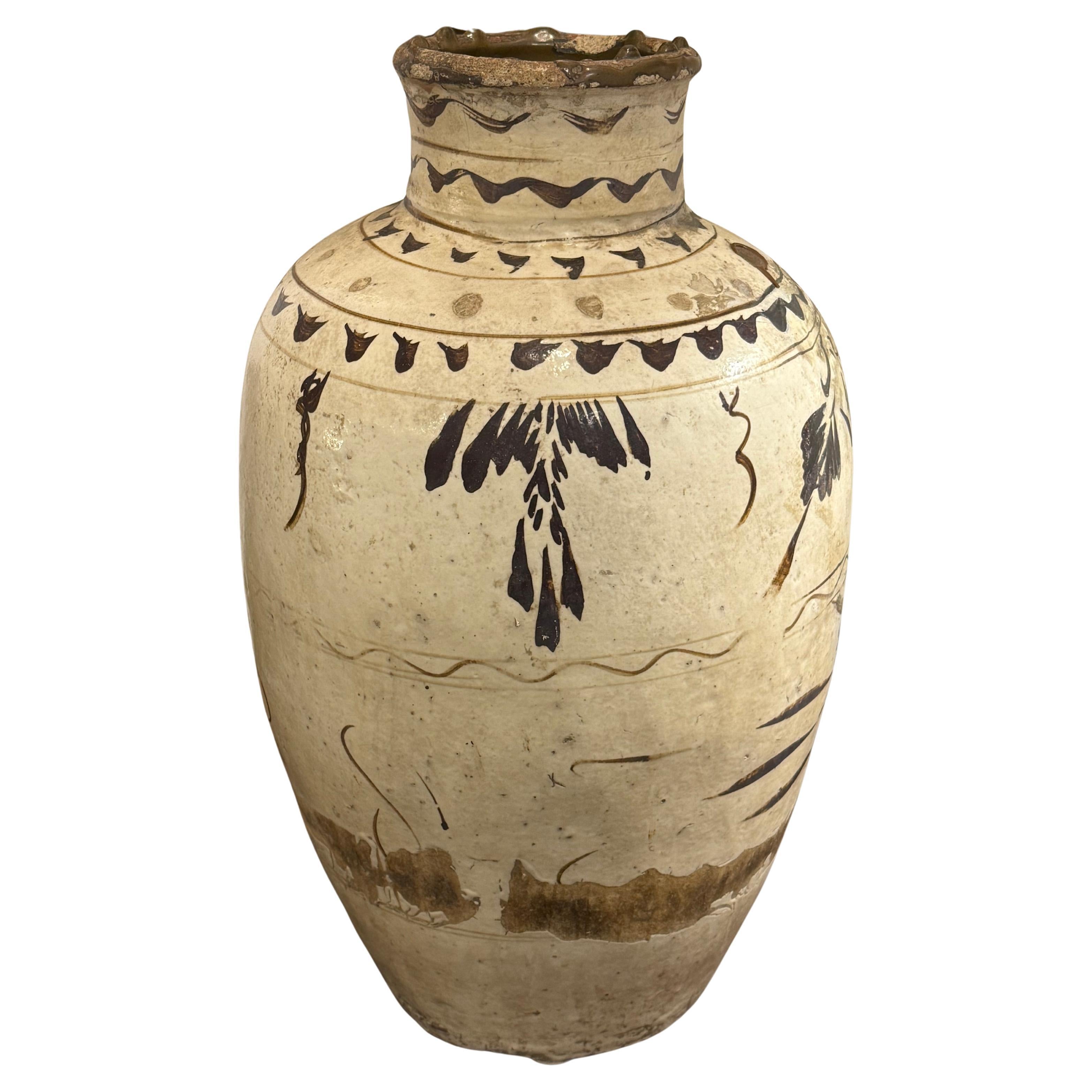
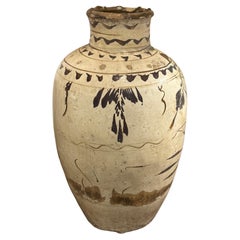
A Chinese Cizhou Stonweare Vessel, Ming Dynasty, 17th Century
Located in ARMADALE, VIC
A Chinese Cizhou Stonweare Vessel, Ming Dynasty, 17th Century
Description:
Produced in Northern China, Cizhou ware was especially popular from the Song to Yuan dynasties (11th–14th ...
Category
Antique 17th Century Chinese Ming Jars
Materials
Stoneware
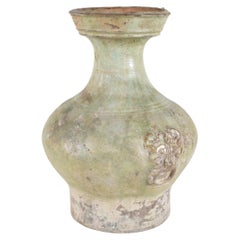
A Han (206BC -220AD) Glazed Hu Vessel
Located in Chicago, IL
This is a fine, heavily patinated example of a Han hu wine storage vessel, buried for the afterlife. The compressed globular body narrows to a slender waisted neck, covered with a da...
Category
Antique 15th Century and Earlier Chinese Han Antiquities
Materials
Terracotta
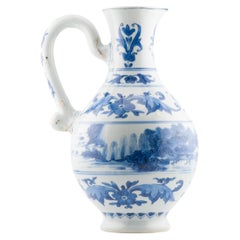
Antique Chongzhen Shunzhi Transitional Chinese Porcelain Ewer, 17th Century
Located in Amsterdam, Noord Holland
A very nicely decorated and Ewer in underglaze blue. The globular body rises to a flared neck decorated with tulips and supported by a high handle. The main decoration depicts a nice...
Category
Antique 17th Century Chinese Ming Vases
Materials
Porcelain
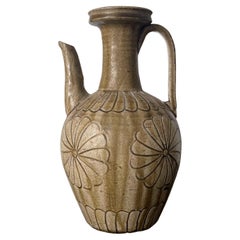
Japanese Ko-Seto Stoneware Ewer with Carved Design
Located in Atlanta, GA
On offer is a rare Ko-seto (old seto) stoneware ewer from Kamakura period (12-14th century) Japan. The exceptionally heavily potted ewer is made of stoneware. The main body was likely hand-coiled with individually built handle, sprout and wheel-made neck and mouth assembled. It takes the basic form from the contemporary Chinese ewer...
Category
Antique 15th Century and Earlier Japanese Archaistic Ceramics
Materials
Stoneware
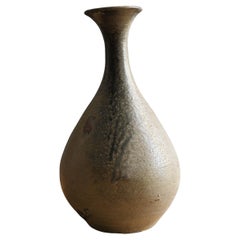
Korean antique pottery vase / Goryeo dynasty / 13th to 14th century
Located in Sammu-shi, Chiba
There is a long crack that has been repaired.
Detailed images 14th and 15th.
There is no water leakage, but please refrain from leaving water in it for more than two days.
Also, be s...
Category
Antique 15th Century and Earlier South Korean Other Vases
Materials
Pottery
A Chinese Cizhou Stonweare Vessel, Ming Dynasty, 17th Century
Located in ARMADALE, VIC
A Chinese Cizhou Stonweare Vessel, Ming Dynasty, 17th Century
Description:
Produced in Northern China, Cizhou ware was especially popular from the Song to Yuan dynasties (11th–14th ...
Category
Antique 17th Century Chinese Ming Jars
Materials
Stoneware
More Ways To Browse
Ewers
Antique Ewer
Blue And White Chinese Boxes
Antique Grinder
Chinese Blue And White Pot
Antique Anthropology
Sancai Glazed
Antique China Ware
Song Ceramics
Pouring Vessel
Blue And White Jar Lamps
Antique Clay Jars
Sancai Pottery
Brown Painted Lamp With White Flowers
Jug Lamps
Ewer Lamp
Water Dropper
Blue And White Tea Jar